


The Panzer tank family was at the heart of German operations throughout World War 2. The term “Panzer” refers to a series of German tanks, the Panzer I through Panzer IV early in the war, followed by heavier combatants such as the Panther and Tiger. These tanks formed the core strike element of Blitzkrieg, looking to shock and devastate enemy combatants. At the time, German doctrine emphasized mobility, coordination, and shock. Panzers fully embodied this ethos and are credited with much of Germany’s early success in the war.
Armament and protection varied widely by type for Panzer tanks according to their model. Early Panzer IIIs carried 37–50mm guns, while the Panzer IV evolved to a long-barrel 75mm for anti-armor. Later heavy designs like the Panther sported a high-velocity 75mm L/70 and the Tiger series carried powerful 88 mm guns. Crews also relied on coaxial and hull machine guns for defense and suppression.
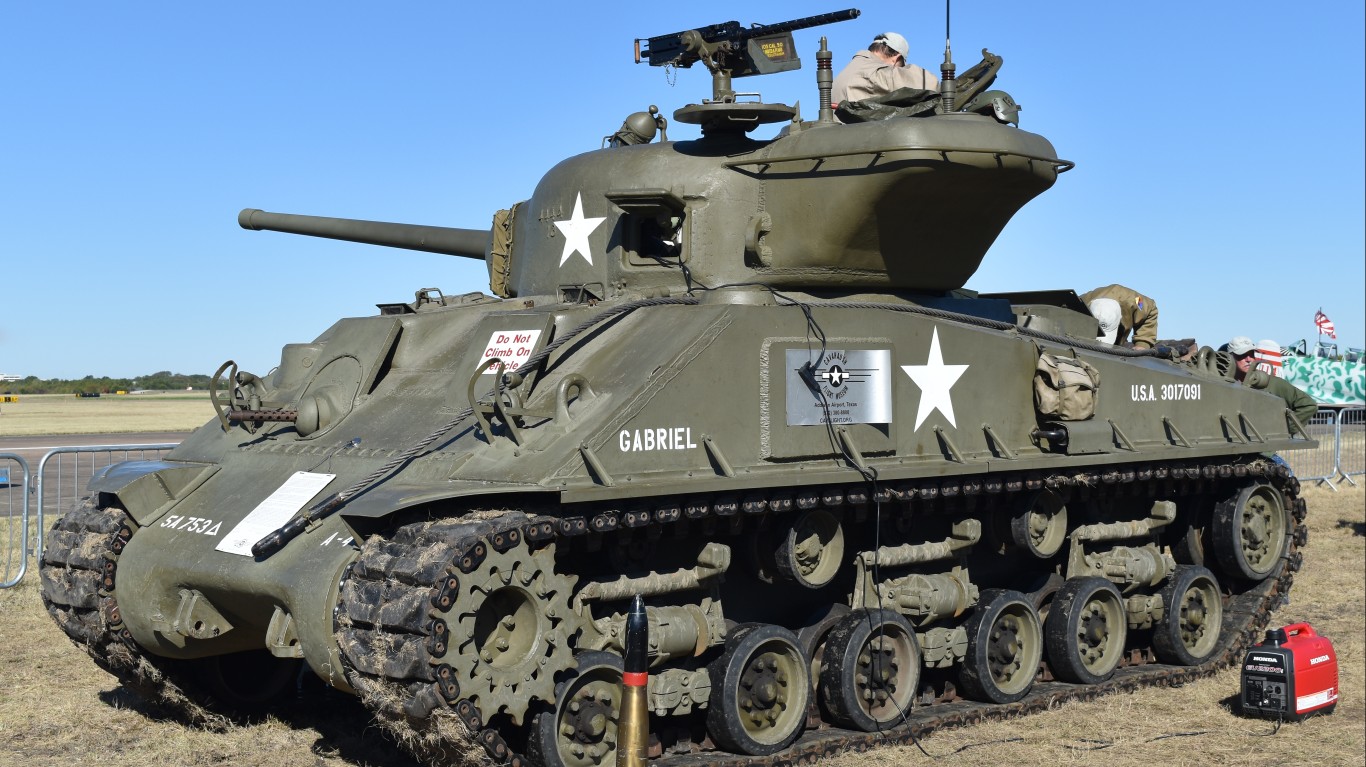
While Panzers played heavily into Germany’s success early in the war, they were still not enough to overcome the Allies and their M4 Shermans. Here, 24/7 Wall St. is taking a closer look at the Panzer tanks and how they impacted World War 2 battles.
To determine the World War 2 battles that the Panzer tanks played the biggest roles in, 24/7 Wall St. reviewed various historical and military sources. We included supplemental information about when and where these battles took place as well as how many Panzer tanks were involved.
Here is a look at the World War 2 battles where Panzer tanks played an important role:
Why Are We Covering This?
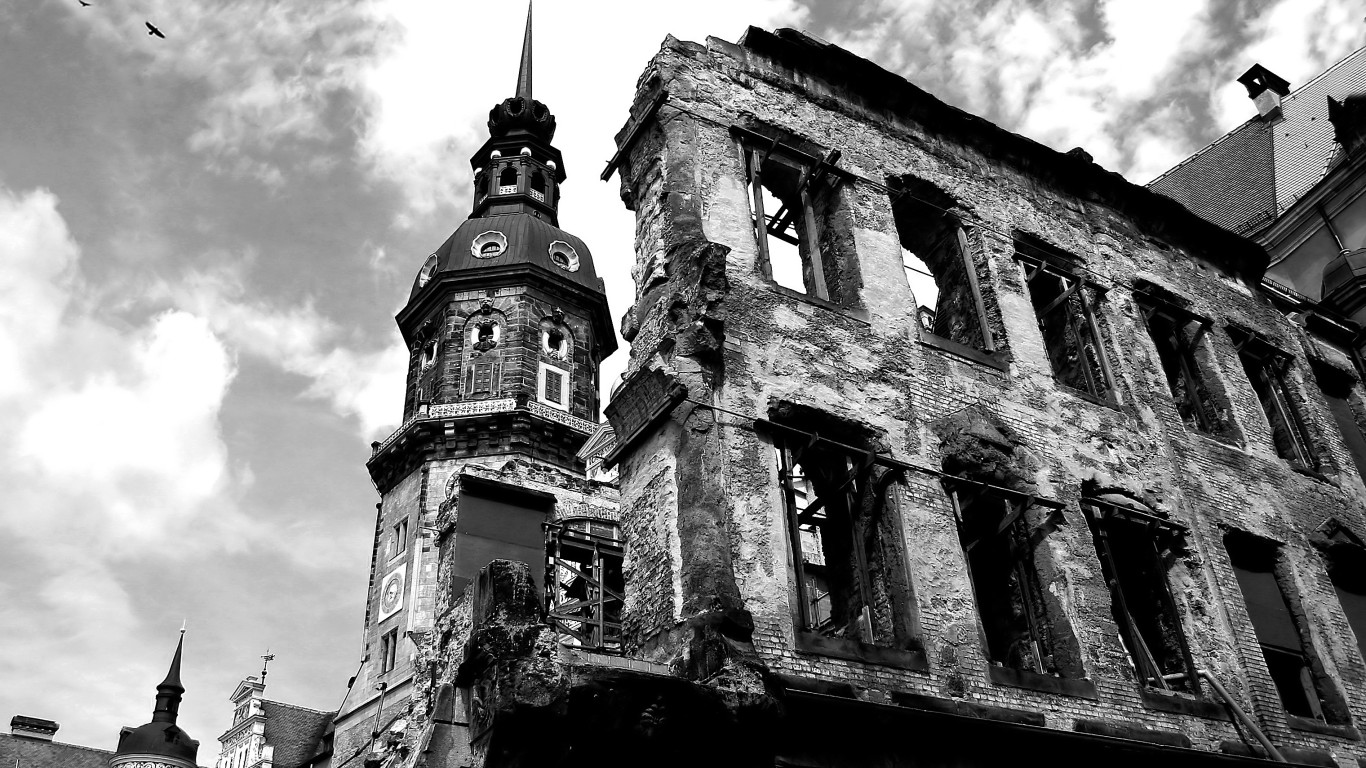
Understanding World War 2 is important to appreciate how the modern world’s current political and military order was shaped. As the most catastrophic conflict in human history, World War 2 reshaped borders, redefined global alliances, and hit the gas pedal on technological innovation. This conflict bore witness to the rapid advances in small arms, aircraft, armored vehicles, and naval warfare. Military doctrine evolved hand-in-hand with technology during this time as well, shaping much of modern military strategies. World War 2 would set the stage for the world we know today, in more ways than we could possibly comprehend.
Battle of Bzura
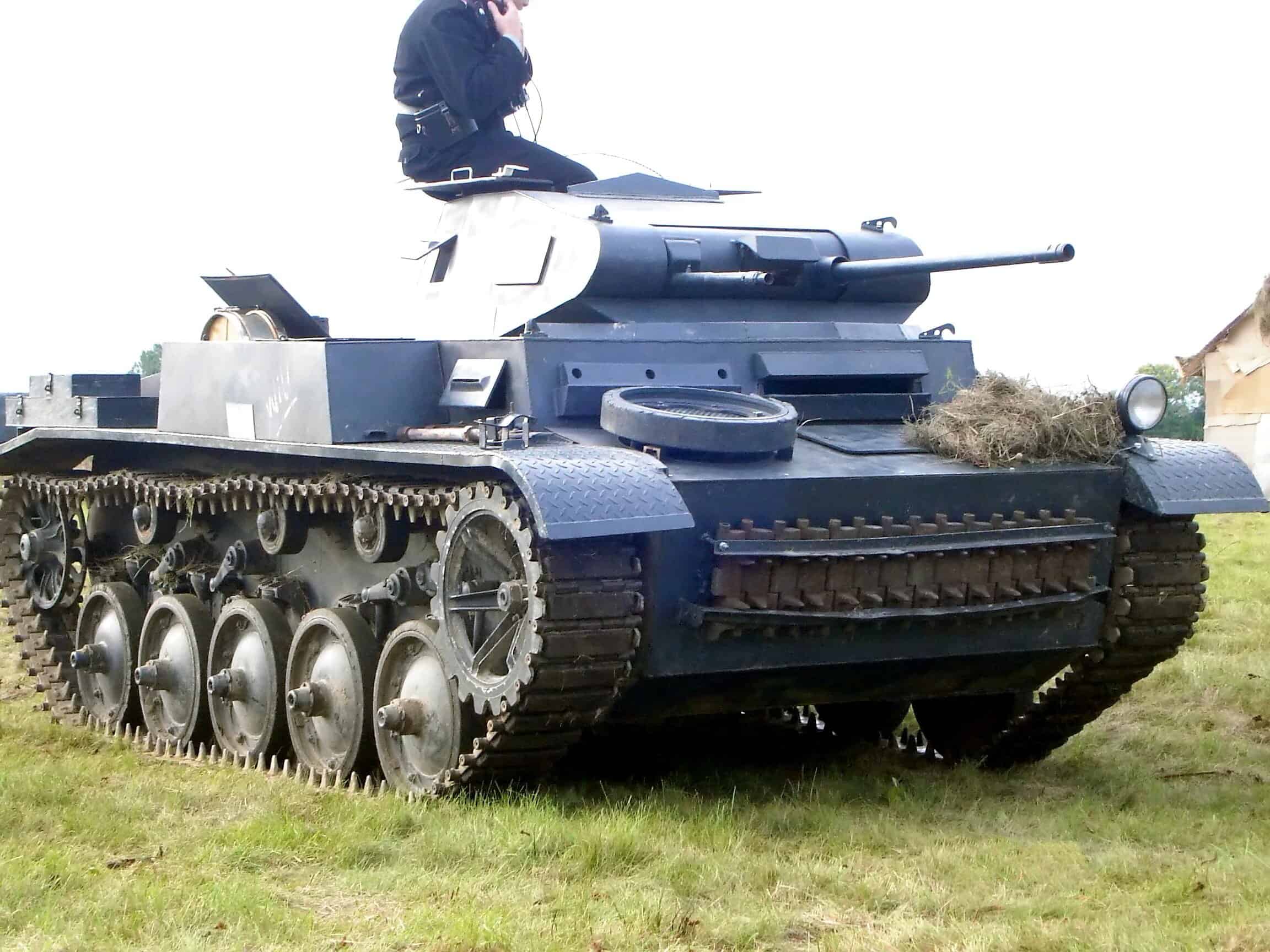
- Date: September 9–19, 1939
- Location: Bzura River region, central Poland (area west of Warsaw, near Kutno and Łęczyca)
- Panzer tanks present: ~200 (estimate)
The Battle of Bzura was the largest Polish counterattack of the 1939 campaign, striking the exposed German flank to relieve pressure on Warsaw. While initially successful, the Polish infantry and limited tank units forced local German withdrawals until fast-moving Panzer and motorized formations were redirected to contain and crush the counterattack. German Panzers provided the operational mobility and concentrated firepower that eliminated Polish gains and accelerated the fall of Poland. It was a true testament to the early effectiveness of the Blitzkrieg in terms of operational maneuver and combined-arms response.
Battle of Gazala
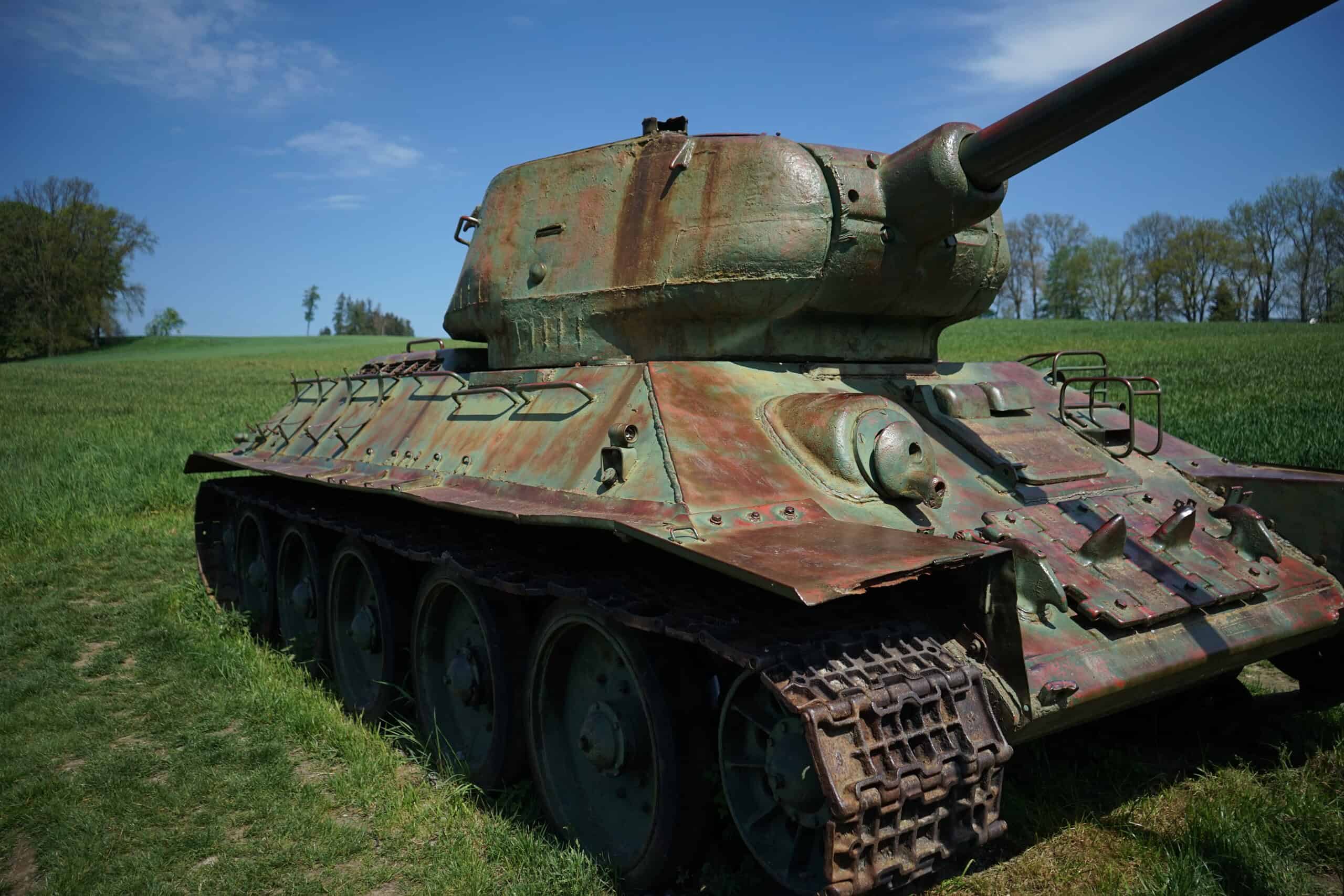
- Date: May 26–June 21, 1942
- Location: Gazala Line and approaches, near Tobruk, Libya
- Panzer tanks present: ~450 (estimate)
The Battle of Gazala was Rommel’s masterful 1942 campaign that outflanked British positions with an armored “left hook”, encircling and defeating parts of the Eighth Army. It’s worth pointing out that German Field Marshall Rommel, the Desert Fox, is considered one of the greatest tank commanders of all time–known for his tactical maneuvers and heavily influencing military doctrine when it comes to tanks. The Panzer divisions in this engagement provided the operational mobility and concentrated shock needed to exploit gaps, conduct rapid envelopment, and sever Allied lines of communication. Gazala’s outcome opened the road to Egypt and set the stage for later pushes toward El Alamein, marking the high point of Axis armored success in North Africa.
Battle of Kiev
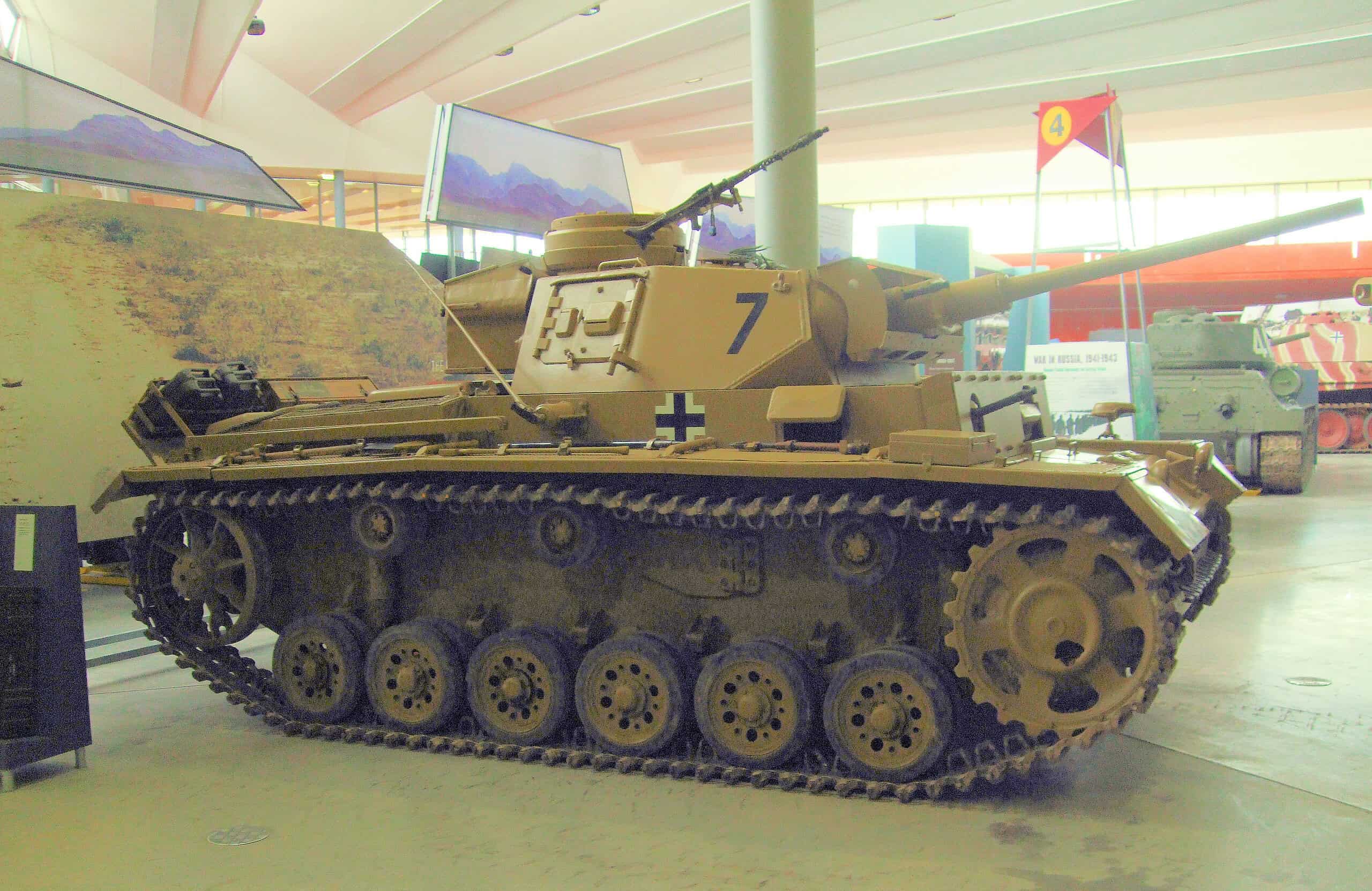
- Date: August 23–September 26, 1941
- Location: Kiev region, Ukraine
- Panzer tanks present: ~900 (estimate)
The Battle of Kiev produced one of the largest encirclements of the war, as German armor trapped large Soviet forces in the approaches to the Ukrainian capital. From late August into September, Panzer formations provided the operational mobility and shock necessary to close multiple pincer movements. Panzers seized river crossings and ultimately cut Soviet lines of communication and supply. This resulted in the destruction or capture of vast Soviet formations.
Battle of Kursk (Operation Citadel, including Prokhorovka)
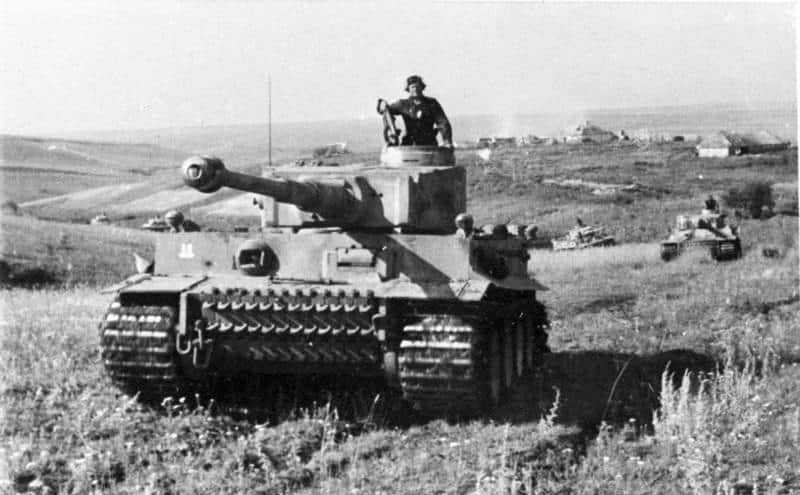
- Date: July 5–16, 1943
- Location: Kursk – Prokhorovka and surrounding Kursk/Orel/Belgorod areas, Russia
- Panzer tanks present: ~1,900 (estimate)
Kursk is considered the largest armored clash of the war and a turning point on the Eastern Front. In July 1943, German Panzer formations launched concentrated offensives from the north and south to pinch off Kursk but ran into deep Soviet defenses and massive tank reserves. Panzers provided the firepower and spearheads for the German plan. However, attrition and Soviet prepared defenses (notably at Prokhorovka) would blunt the offensive. The failure of Operation Citadel ended the German strategic initiative in the east and shifted momentum decisively to the Red Army.
Battle of Moscow (Initial Drive – Operation Typhoon)

- Date: October 2–December 5, 1941
- Location: Approaches to Moscow – central Russia (Smolensk–Vyazma–Moscow axis)
- Panzer tanks present: ~1,200 (estimate)
The push toward Moscow (Operation Typhoon) relied on German armored formations to deliver rapid and operational shocks by seizing crossings and encircling Soviet forces. Ultimately, this was a failed attempted at reaching the Soviet capital before winter. However, it did inflict serious casualties and damage to infrastructure along the way. The Soviet scorched-earth policy played into the destruction as well. In terms of the Panzers, they provided the mobility and striking power that created deep penetrations in Soviet territory, but overstretched supply lines. The early winter would also have a hand in halting the advance German advance.
Battle of Stalingrad (Approach & Relief Attempts)
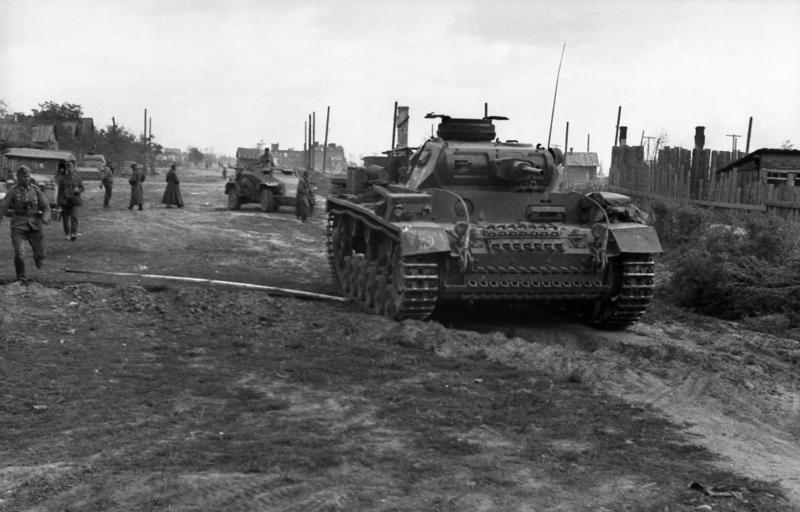
- Date: August 23, 1942–February 2, 1943
- Location: Stalingrad (Volgograd) and approaches, lower Volga region, Soviet Union
- Panzer tanks present: ~1,200 (estimate)
German panzers powered the summer 1942 push into southern Soviet territory, smashing through the front lines and clearing a path to Stalingrad. As fighting became more urban and attritional, many Panzers were parceled out or immobilized. Also when Soviet Operation Uranus encircled the Sixth Army the Germans mounted a costly relief (Operation Winter Storm). Ultimately, Germans failed to break the ring as a result of supply line issues, terrain, and lack of air-superiority. This was the turning point that shattered the German offensive on the Eastern Front.
Battle of the Bulge (Ardennes Offensive)
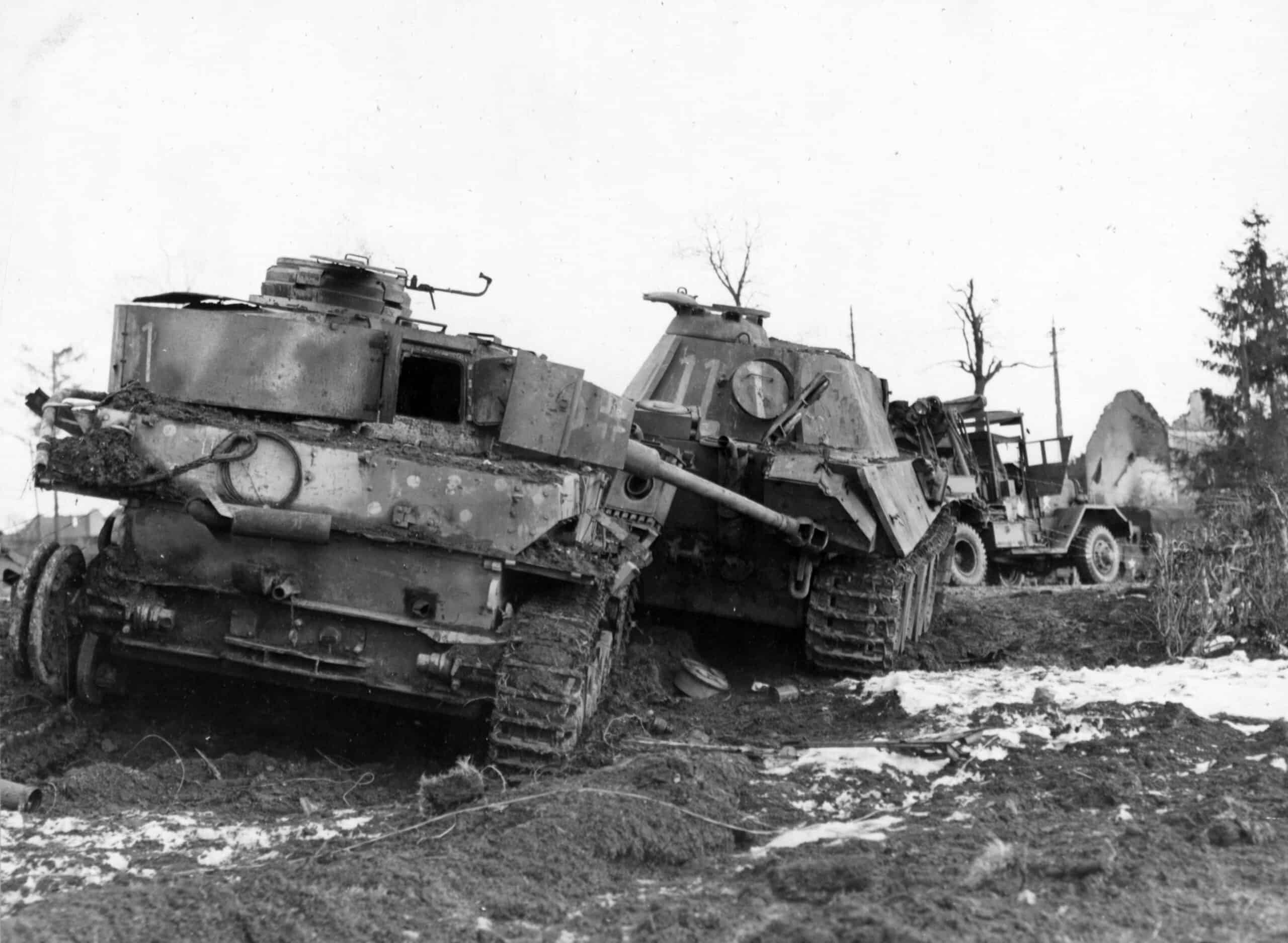
- Date: December 16, 1944–January 25, 1945
- Location: Ardennes region – primarily Belgium, Luxembourg and parts of eastern France
- Panzer tanks present: ~600 (estimate
The Ardennes Offensive was Nazi Germany’s last strategic gamble in the West, aiming to split Allied lines and seize the port of Antwerp. Launched in surprise on December 16, poor weather initially grounded Allied airpower and allowed German armored columns to penetrate deeply. Panzers provided the main operational punch, overrunning thinly held positions and threatening key road junctions. However, logistics (notably fuel shortages) and stout Allied defenses (notably the return of Allied air superiority) halted and then reversed the drive. This failure exhausted Germany’s remaining armored reserves and marked the effective end of its capacity for large-scale offensive operations in the West.
Battle of Troina
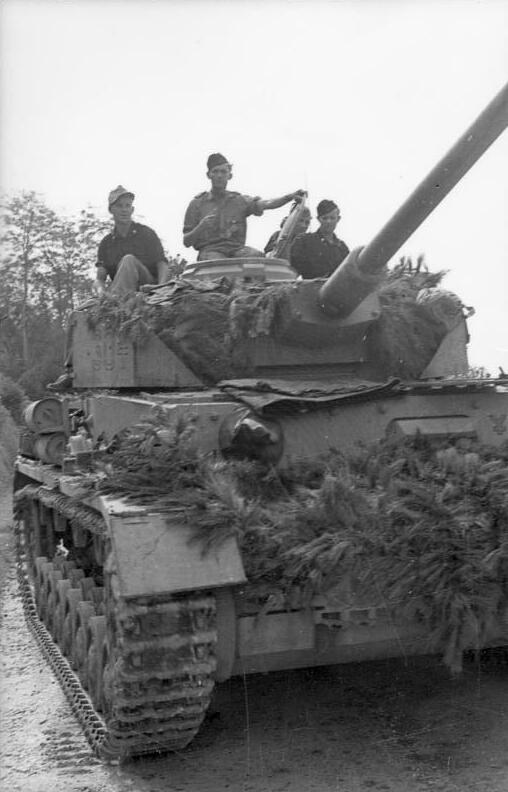
- Date: July 31–August 6, 1943
- Location: Troina, Nebrodi Mountains, central Sicily
- Panzer tanks present: ~40 (estimate)
The Battle of Troina was a defensive stand by Axis forces on Italian high ground that slowed the Allied drive across Sicily. From July 31 to August 6, German units used terrain, fortified positions and limited armored to blunt American advances and buy time for withdrawal toward Messina. Panzer vehicles provided mobile firepower and counterattacks, helping to delay the Allied advance.
Fall of Tobruk
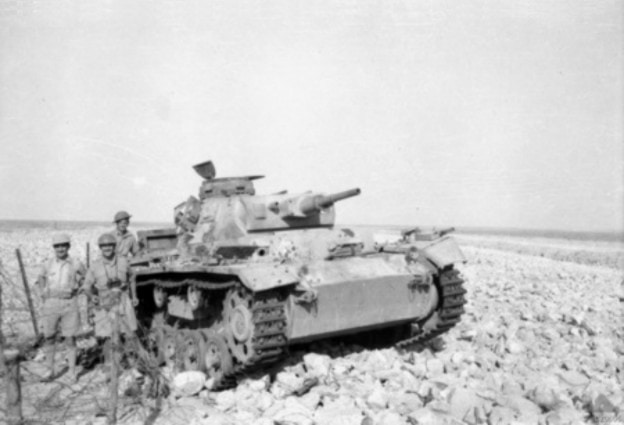
- Date: June 21, 1942
- Location: Tobruk, Libya
- Panzer tanks present: ~200 (estimate)
The sudden fall of Tobruk on June 21, marked a dramatic Axis victory in North Africa, collapsing an Allied supporter and yielding large numbers of prisoners and captured supplies. Rommel’s Panzers spearheaded the assault and rapid exploitation, breaching defenses, overrunning key positions and preventing an organized Allied withdrawal. The loss shattered Allied morale, and opened the Libyan coast to Axis advance.
Operation Case Blue (Fall Blau)
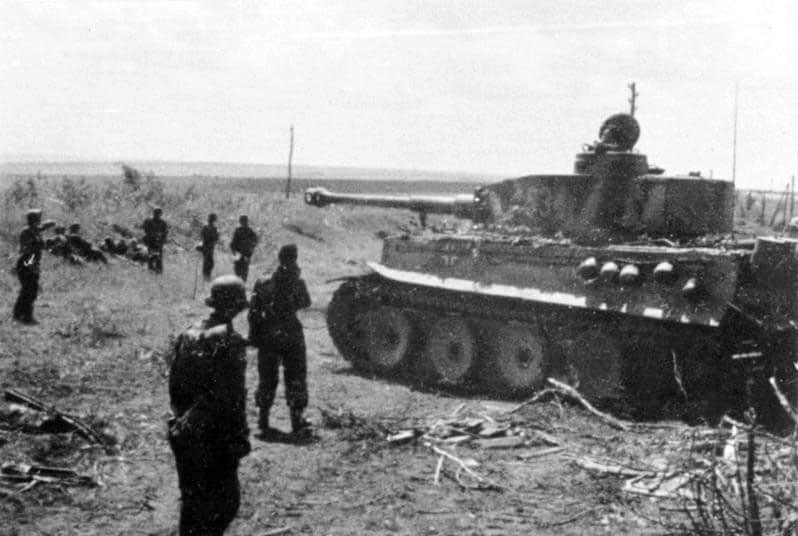
- Date: June 28–November 1942
- Location: Southern Soviet Union – Don River basin, Rostov, and the approaches to the Caucasus
- Panzer tanks present: ~1,500 (estimate)
Case Blue was Germany’s 1942 summer offensive aimed at seizing Soviet oilfields in the Caucasus region and securing the southern flank by capturing Rostov and the Don. Panzer formations delivered the campaign’s operational shock, punching through Soviet lines towards economic objectives. However, the reliance on rapid armored advances stretched logistics and left panzers vulnerable to Soviet countermeasures. This diversion of forces toward Stalingrad coupled with supply line issues ultimately blunted the strategic payoff of the operation.
Second Battle of El Alamein
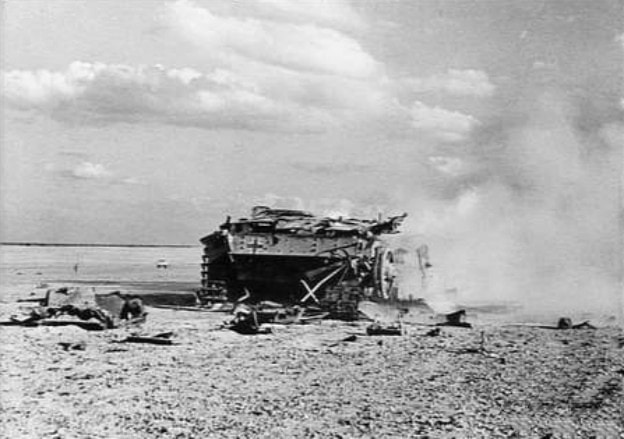
- Date: October 23–November 11, 1942
- Location: El Alamein, northern Egypt
- Panzer tanks present: ~300 (estimate
The Second Battle of El Alamein was the turning point in the North African campaign for Allied forces. It was a coordinated Allied offensive under General Montgomery that smashed Axis defensive lines and forced Rommel’s retreat across Libya. The Panzer formations provided much of the Axis mobile defense and mounted costly counterattacks along the way. However, issues with supply lines, Allied artillery and air superiority wore the Panzers down. Not to mention, the Allies had a numerically superior armor advantage. This attrition and inability to restore operational momentum turned El Alamein into a strategic Allied victory that marked the beginning of the Axis withdrawal from North Africa.
Sedan Breakthrough (Battle of France)
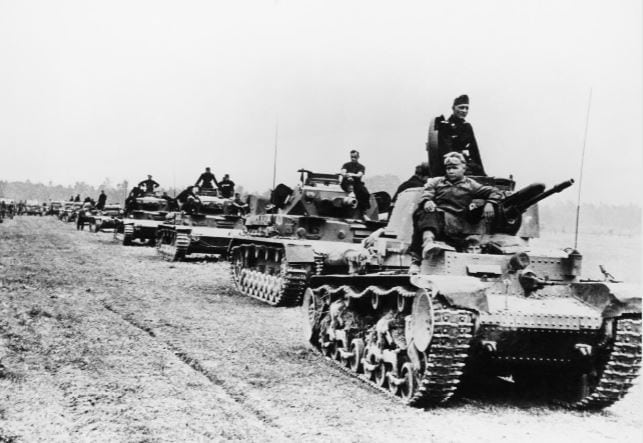
- Date: May 12–15, 1940
- Location: Sedan and the Meuse crossings, northeastern France
- Panzer tanks present: ~1,000 (estimate)
The Sedan breakthrough shattered the Allied front by forcing crossings of the Meuse and enabling fast armor through the Ardennes toward the Channel coast. From May 12–15 Panzer divisions (supported by infantry and the Luftwaffe) pushed through thinly held French defenses and seized bridges. The Panzers then drove rapidly west, cutting off Belgian, British and French armies from support. The Panzers’ operational mobility and shock turned this localized breach into a strategic envelopment that precipitated the collapse of France’s northern defenses and set the stage for the Allied Dunkirk evacuation.
Siege of Sevastopol (Crimea)
- Date: October 30, 1941–July 4, 1942
- Location: Sevastopol, Crimean Peninsula
- Panzer tanks present: ~150 (estimate)
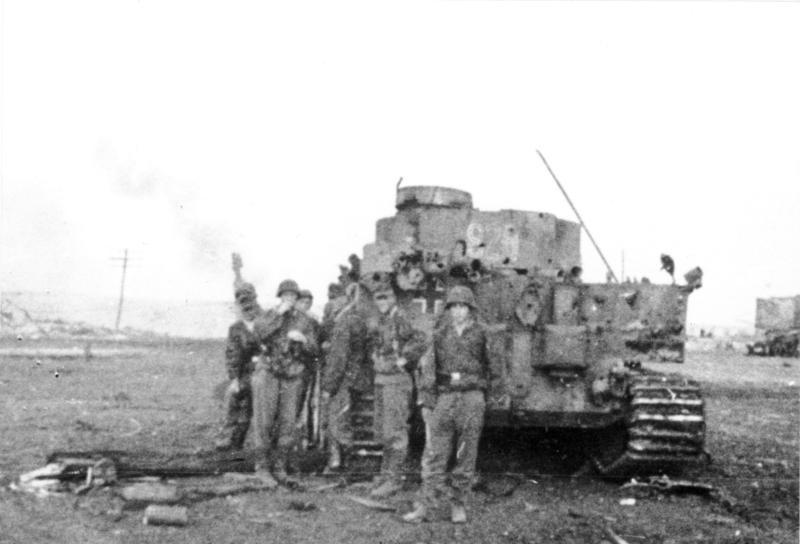
This protracted siege reduced one of the USSR’s main Black Sea bastions and ended with Sevastopol’s fall on July 4, 1942. German 11th Army operations combined heavy artillery, air and naval bombardment with infantry and concentrated armored support. While assault guns and super-heavy artillery did the heaviest work against these defenses, Panzer units provided direct-fire and mobile support, ultimately, helping break the prepared positions and enabling the Axis summer offensives that followed.
Third Battle of Kharkov
- Date: February 19–March 15, 1943
- Location: Kharkov (Kharkiv) region, Ukraine
- Panzer tanks present: ~400 (estimate)
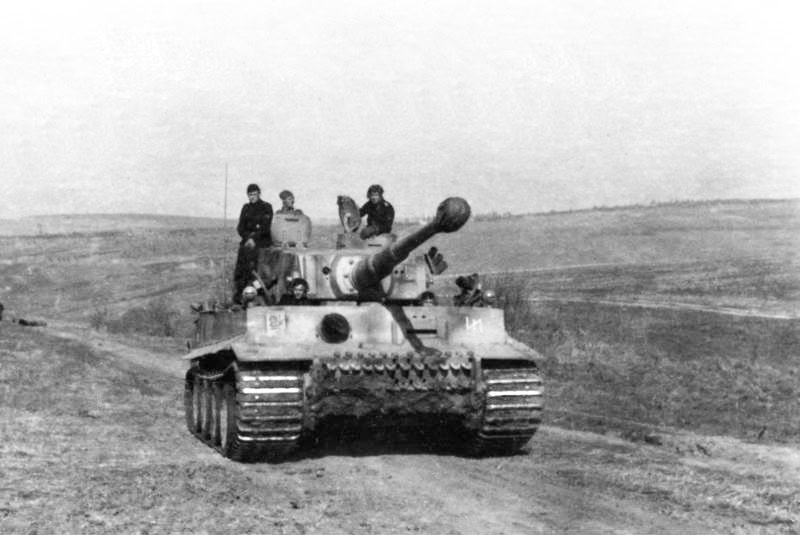
The Third Battle of Kharkov was a German counteroffensive under Field Marshal von Manstein that retook the city and surrounding approaches after Soviet winter advances. Concentrated Panzer formations punched through overextended Soviet lines and encircled enemy detachments. This engagement would restore a stable front in the southern sector for the Germans and it would buy the Wehrmacht time to reorganize before the summer campaigns.
Villers-Bocage (Normandy)
- Date: June 13, 1944
- Location: Villers-Bocage, Normandy, France
- Panzer tanks present: ~20 (estimate)
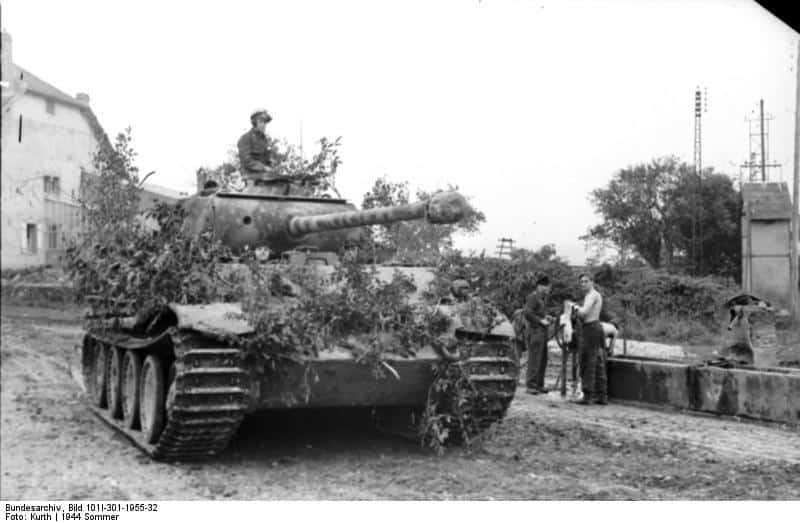
Villers-Bocage was a small localized clash in the days following D-Day when a British armored column pushed through the town and ran into a German counter-reaction. A handful of German tanks ambushed and routed parts of the British force, destroying tanks and trucks, briefly halting the advance. This engagement had only limited a strategic impact on the wider Normandy campaign.









 Top Gaining Stocks
 Top Losing Stocks