


24/7 Wall St. Key Points:
- It’s easy to forget history, especially after you’re a generation or two removed! These questions will test your knowledge of the past.
- The Vietnam War was significant in American history, but many people don’t know even the very basic facts about it.
- Also: Take this quiz to see if you’re on track to retire (Sponsored)
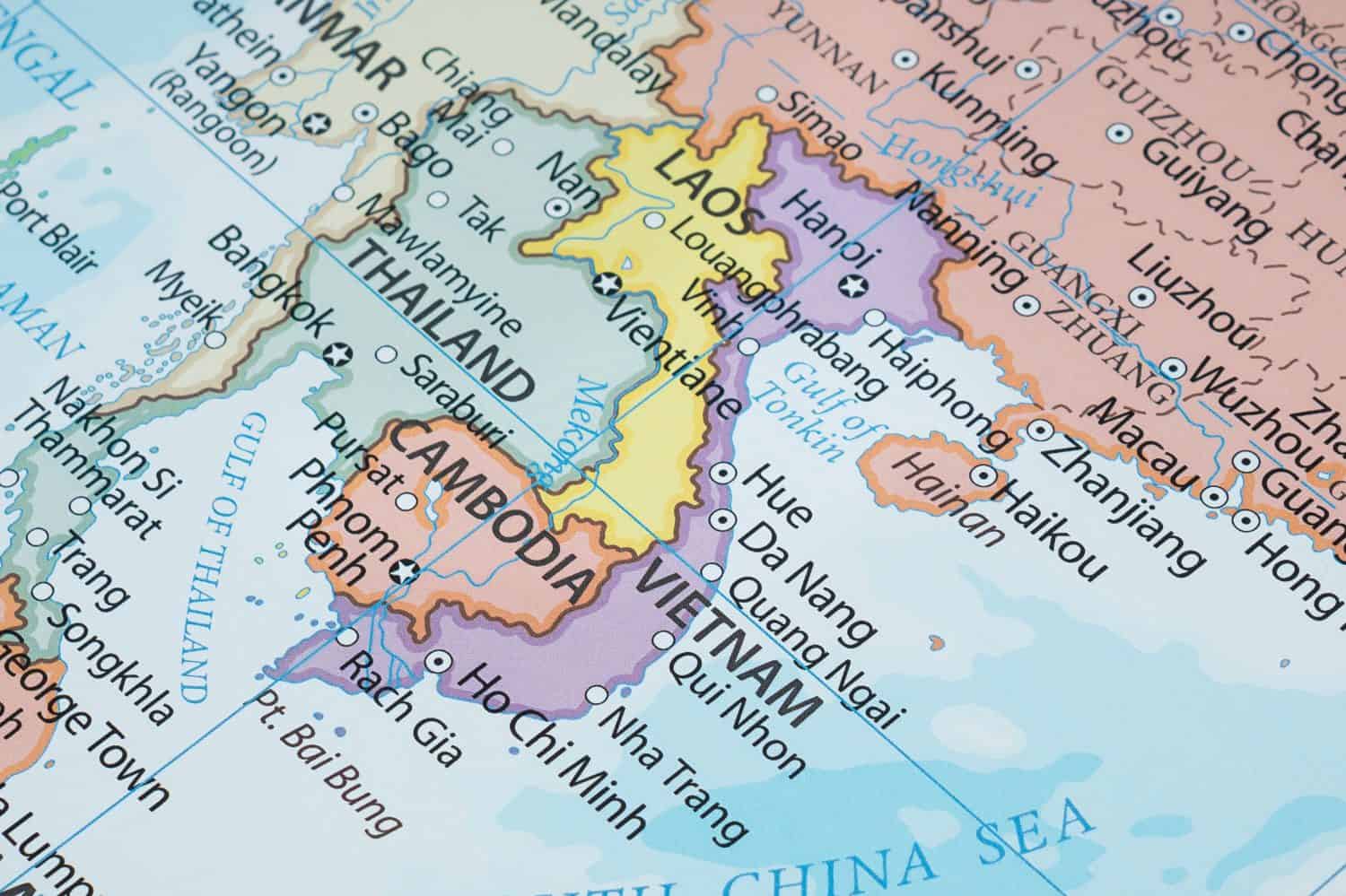
The Vietnam War was a major conflict between communist and anti-communist forces that took place in the Southeast Asian country. After the end of French colonial rule, Vietnam was divided into the communist North under Ho Chi Minh and the anti-communist south, which was backed by the U.S. Tension between the two regions escalated into war as the North, along with Viet Cong guerrillas in the South, attempted reunification under communism. The United States steadily increased its involvement, aiming to contain the spread of communism in Southeast Asia, ultimately deploying hundreds of thousands of troops. The conflict was defined by guerrilla warfare, heavy bombing, and significant civilian suffering.
As the war dragged on, opposition to U.S. involvement grew. Rising casualties of young troops and plenty of media coverage led to American doubt. In 1973, the U.S. withdrew its combat forces following the Paris Peace Accords. The war officially ended in 1975 when North Vietnamese forces captured Saigon, revealing American efforts had ultimately failed.
The Vietnam War had a huge impact on the history of America. However, many people today struggle to answer even very basic questions about it. Here are 20 questions to test just how much you really know about the Vietnam War:
This post was updated on December 8, 2025 to provide a brief overview of the Vietnam War.
Why Are We Covering This?
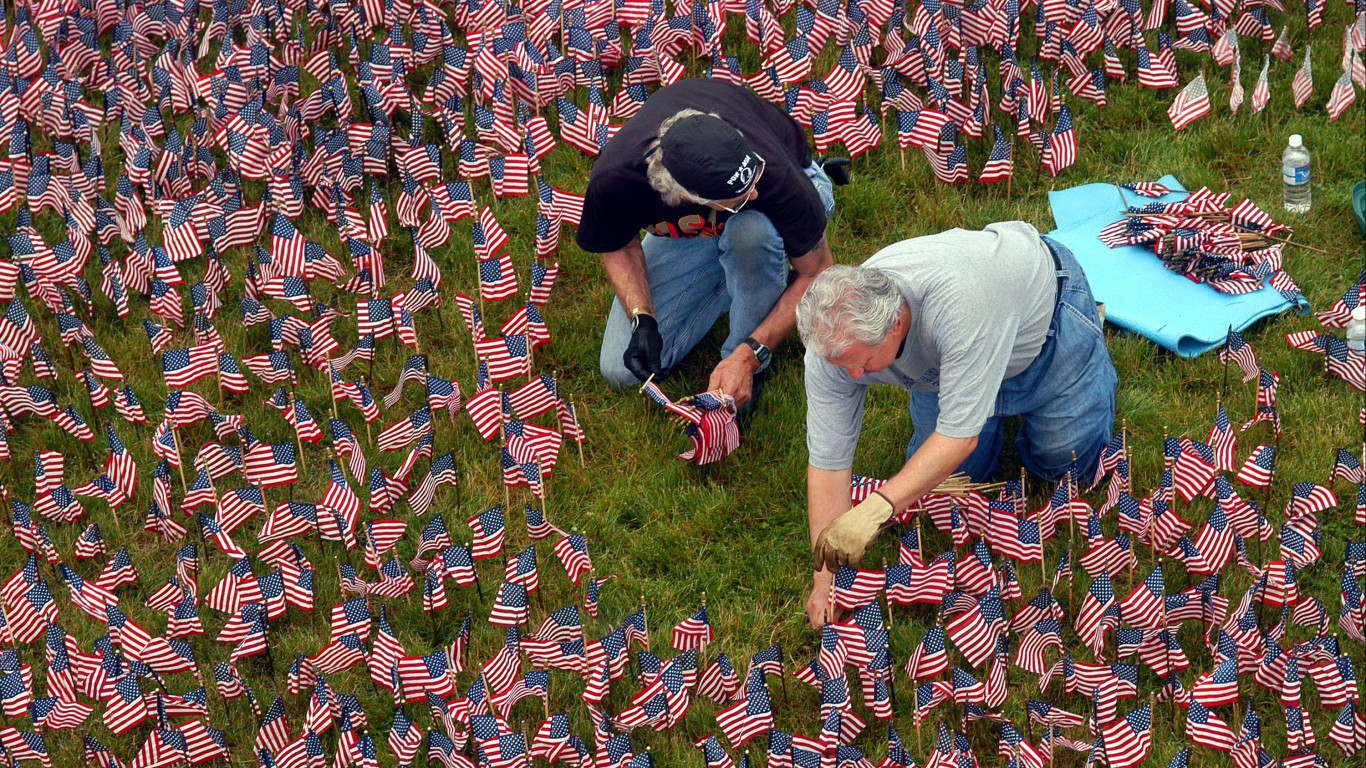
The Vietnam War had a huge economic impact. Some publications claim that the Vietnam War caused the huge deficit the United States currently has. It was a huge economic blunder that is still impacting us today.
We’ve covered the Vietnam War before, too.
1. What year did the Vietnam War start?

Surprisingly, this answer isn’t as straightforward as you might think! It can depend on who you ask and what country you’re in!
Answer: 1955
The conflict officially began in 1955, when the government of South Vietnam, led by Ngo Dinh Diem, fought against communist forces backed by North Vietnam. However, the history of the Vietnam War begins sometime before that.
2. Who was the president of the United States when the Vietnam War escalated?
The U.S. had different levels of involvement, but who was the president when the United States really got involved?
Answer: Lyndon B. Johnson
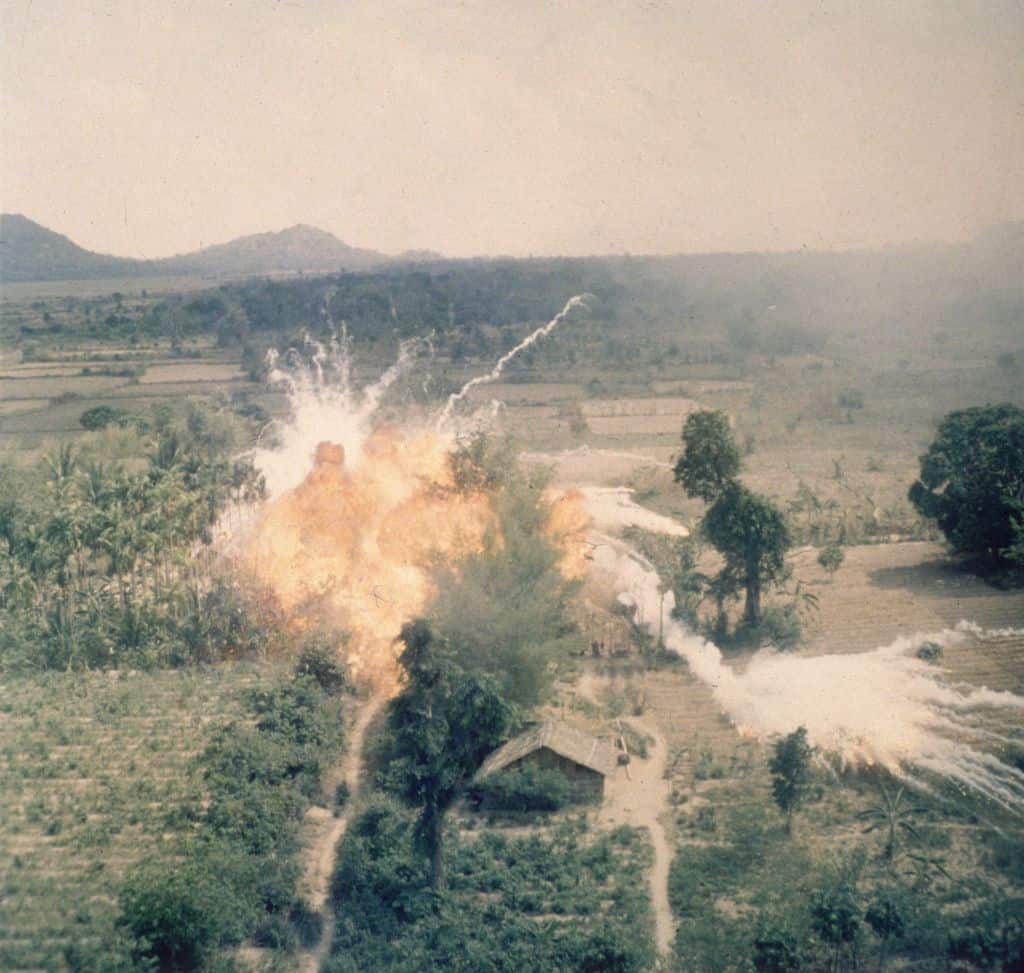
Johnson escalated U.S. involvement in Vietnam, particularly after the Gulf of Tonkin incident in 1964.
3. What was the Gulf of Tonkin incident?
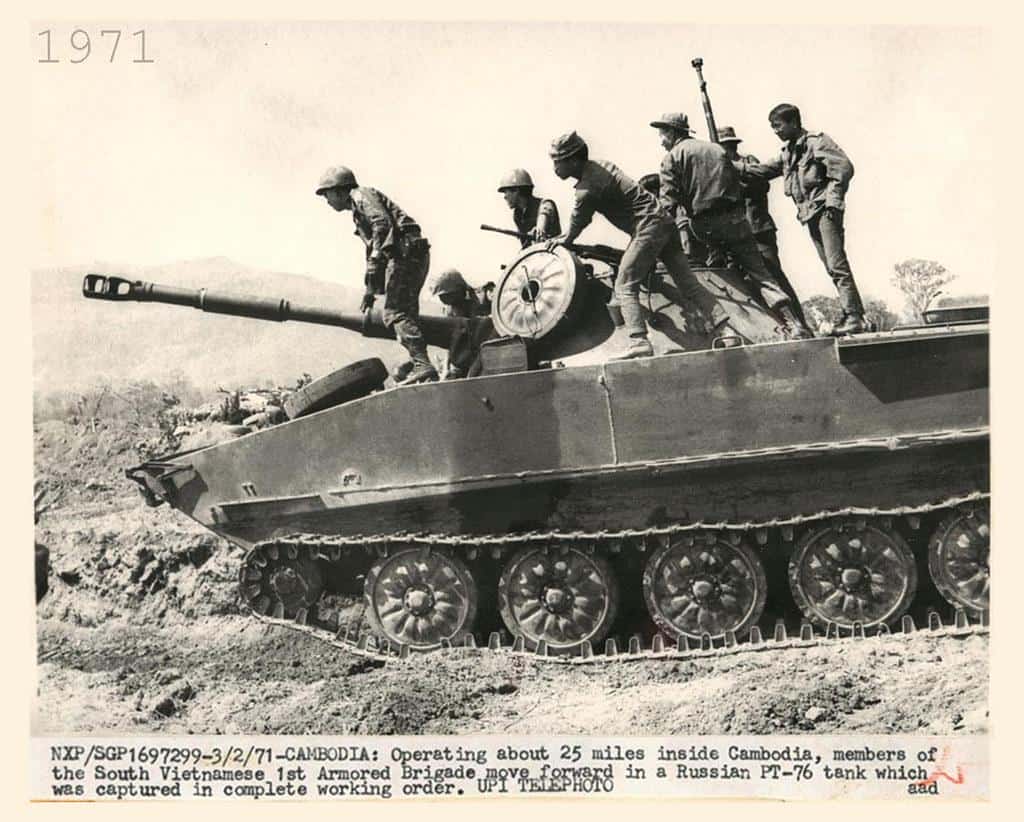
This incident is important to understanding the war as a whole! It’s a large reason why the United States decided to get involved.
Answer:
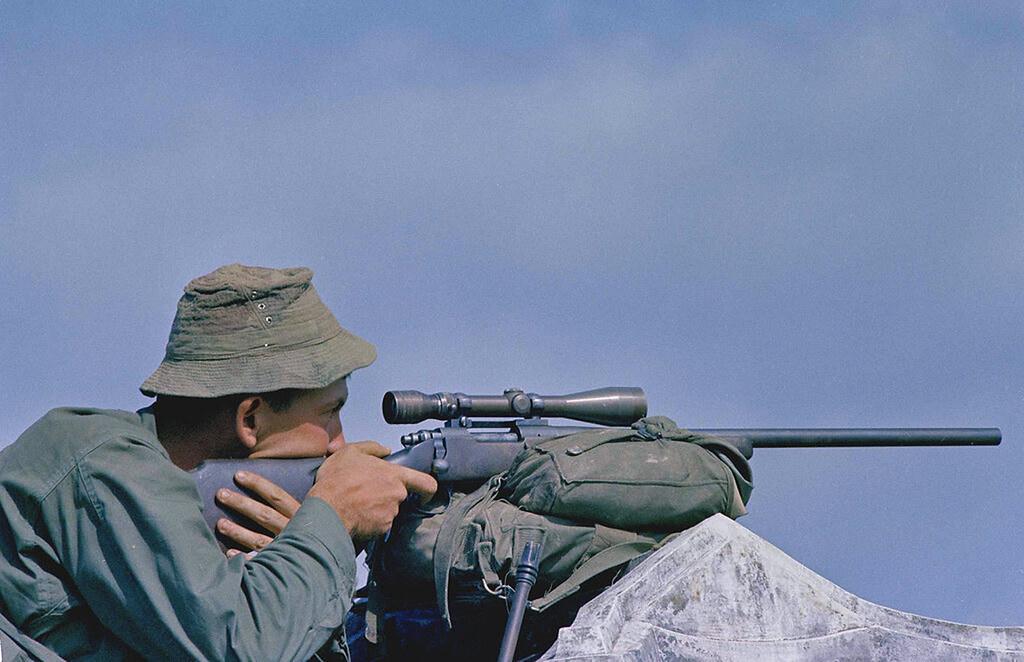
It was an alleged attack on U.S. naval ships by North Vietnamese forces in August 1964, which led to increased U.S. military involvement in Vietnam. However, there was some controversy surrounding the attack, as the attacker was never well-identified.
4. Which year did the United States formally withdraw from Vietnam?
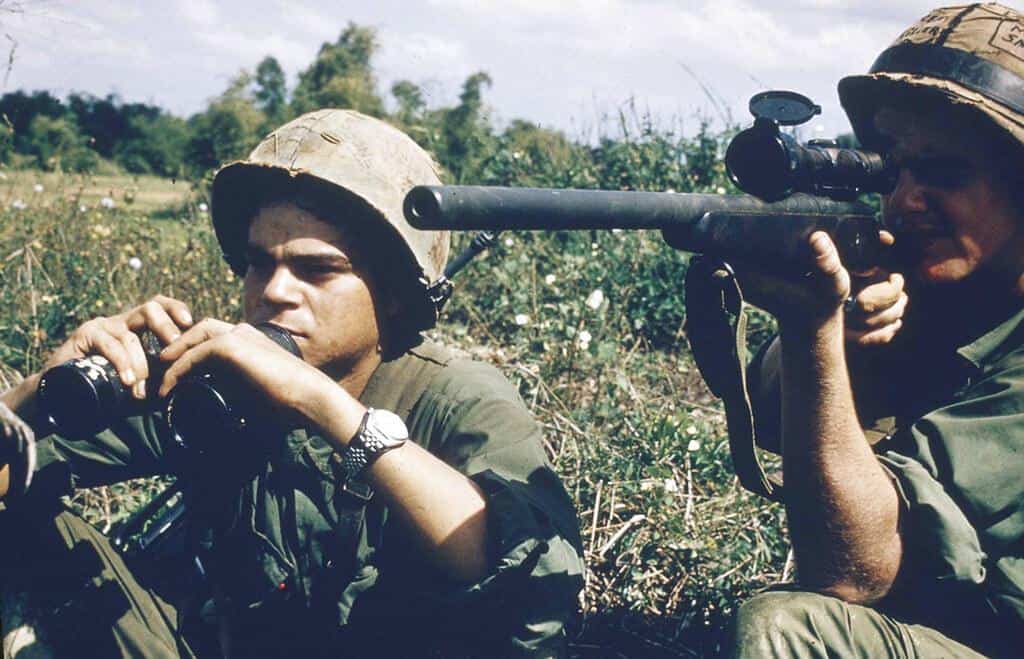
Now that we’ve covered when the war started and why the U.S. got involved, when did the U.S. leave Vietnam officially?
Answer: 1973
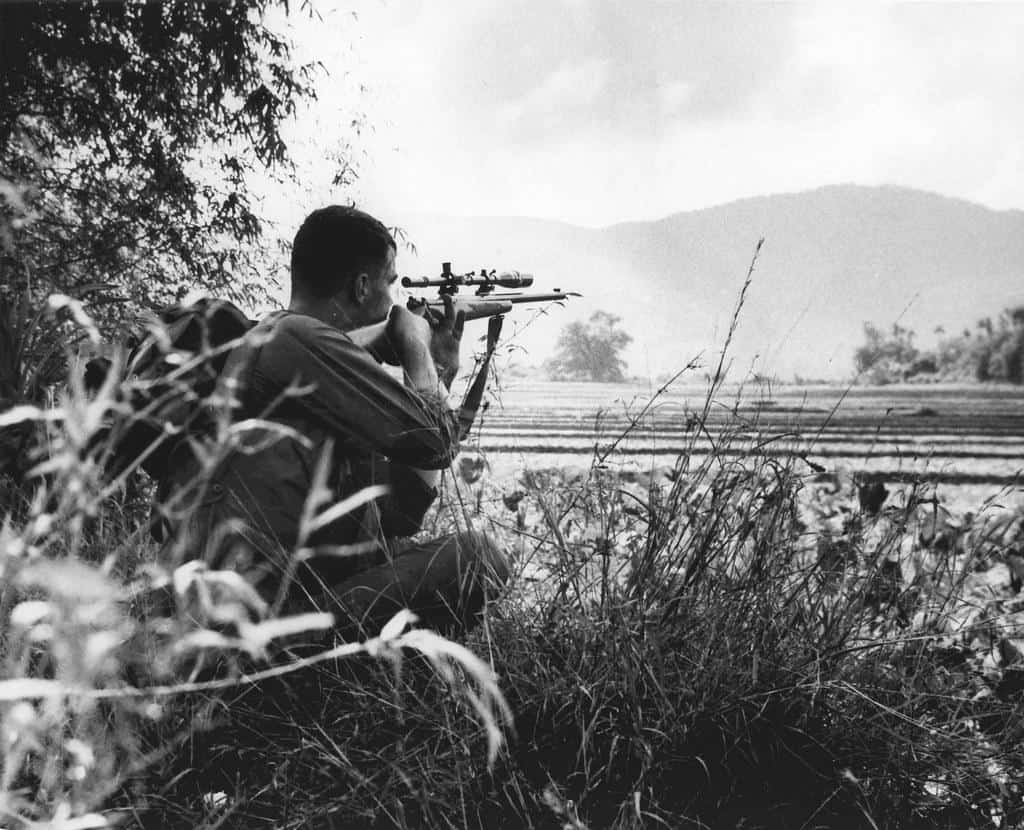
The U.S. signed the Paris Peace Accords in 1973, leading to the withdrawal of American troops. However, negotiations did occur before this date. It can take the U.S. some time to officially sign a treaty!
5. What was the name of the communist leader of North Vietnam?
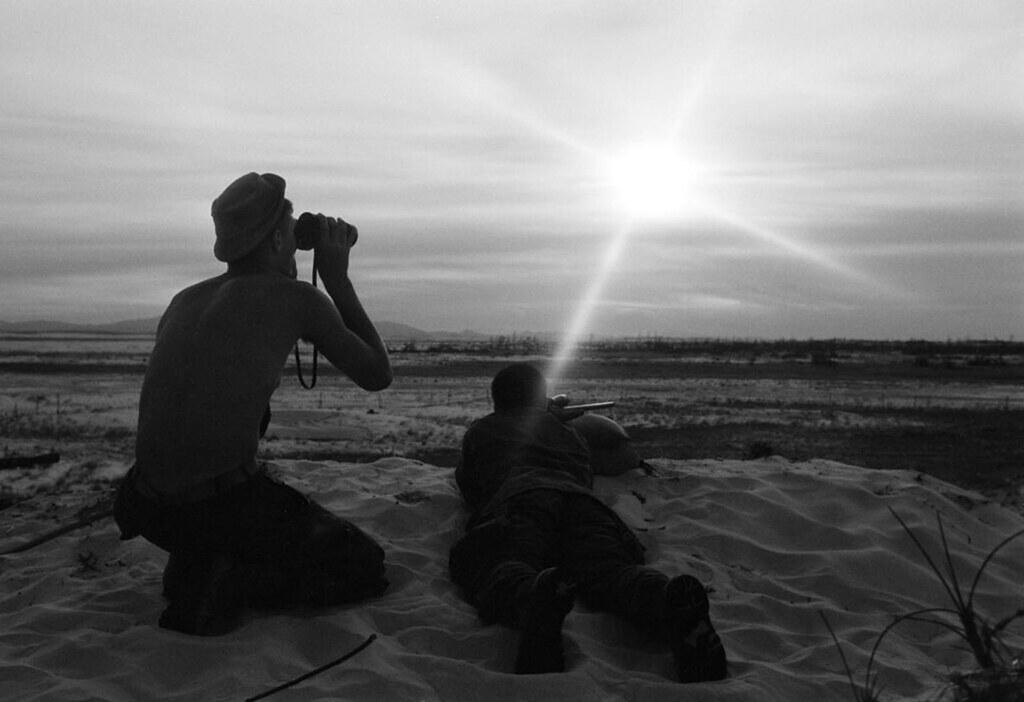
Let’s dive deeper into the war itself, starting with the leader of North Vietnam.
Answer: Ho Chi Minh
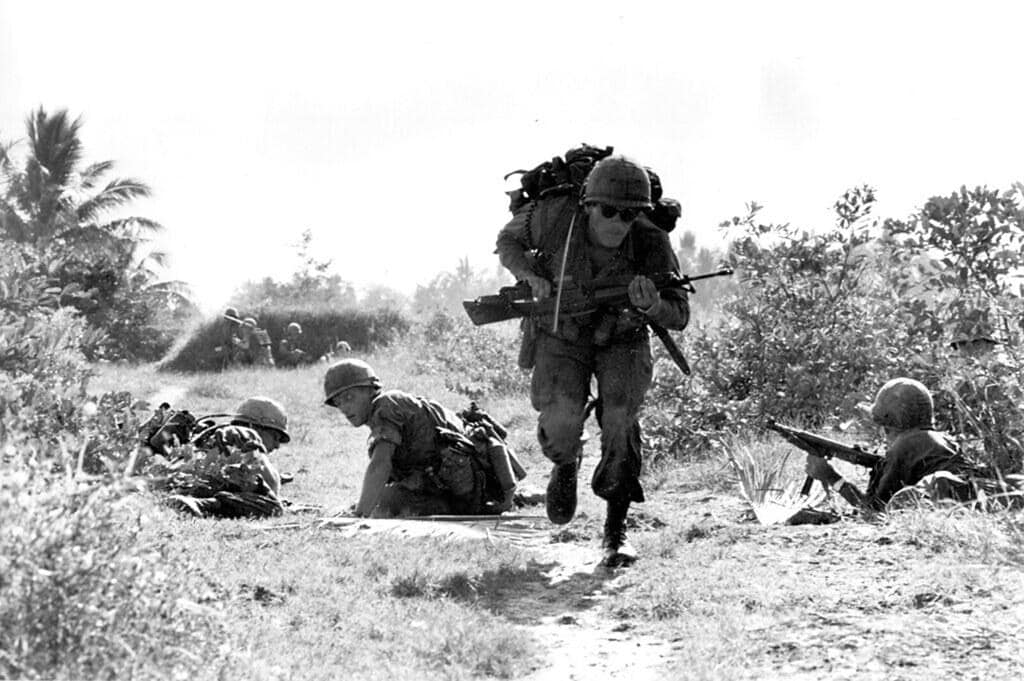
Ho Chi Minh was the leader of North Vietnam and a symbol of resistance against colonialism and imperialism. He continued to be the leader of North Vietnam for some time and is an important figure in global history.
6. What was the Fall of Saigon?
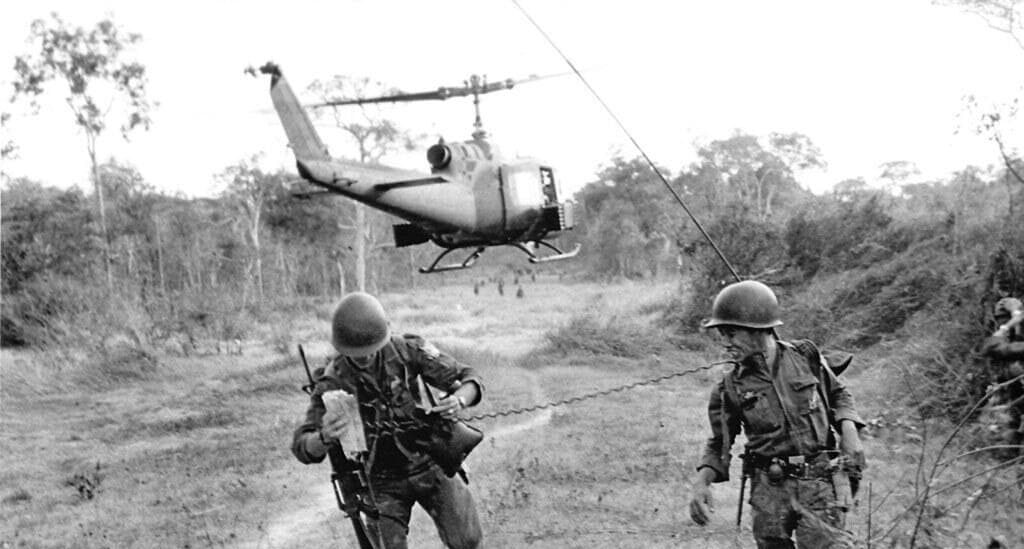
The Fall of Saigon is another important event that happened during the war and changed how the United States interacted with Vietnam.
Answer:
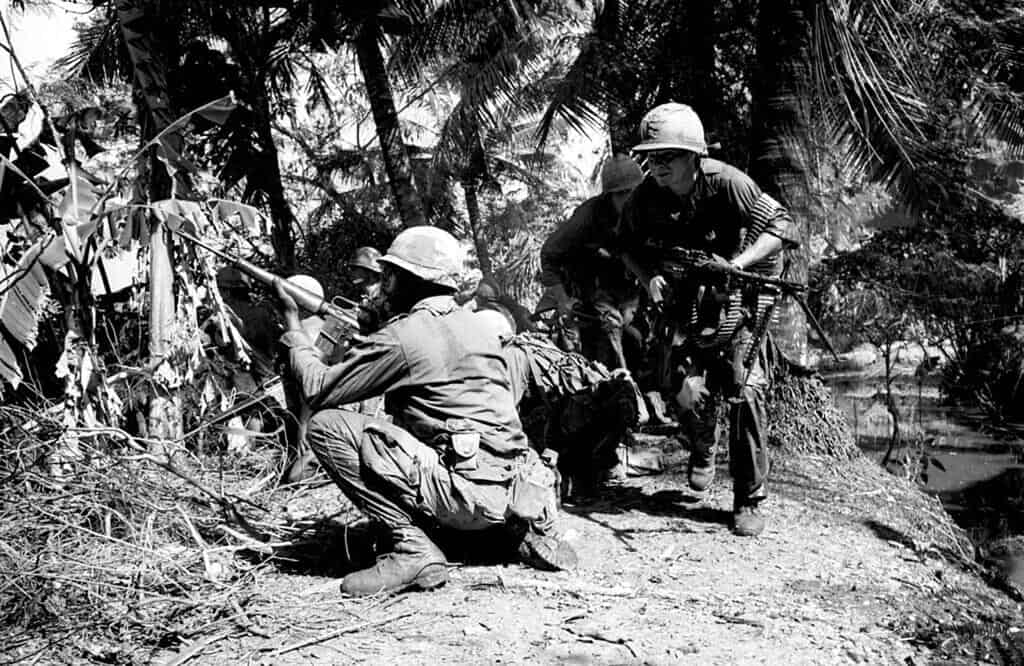
The Fall of Saigon occurred on April 30, 1975, when North Vietnamese forces captured the capital of South Vietnam, leading to the end of the war. Shortly after this, the peace treaty we discussed
7. What was the purpose of the U.S. “domino theory” in the context of Vietnam?
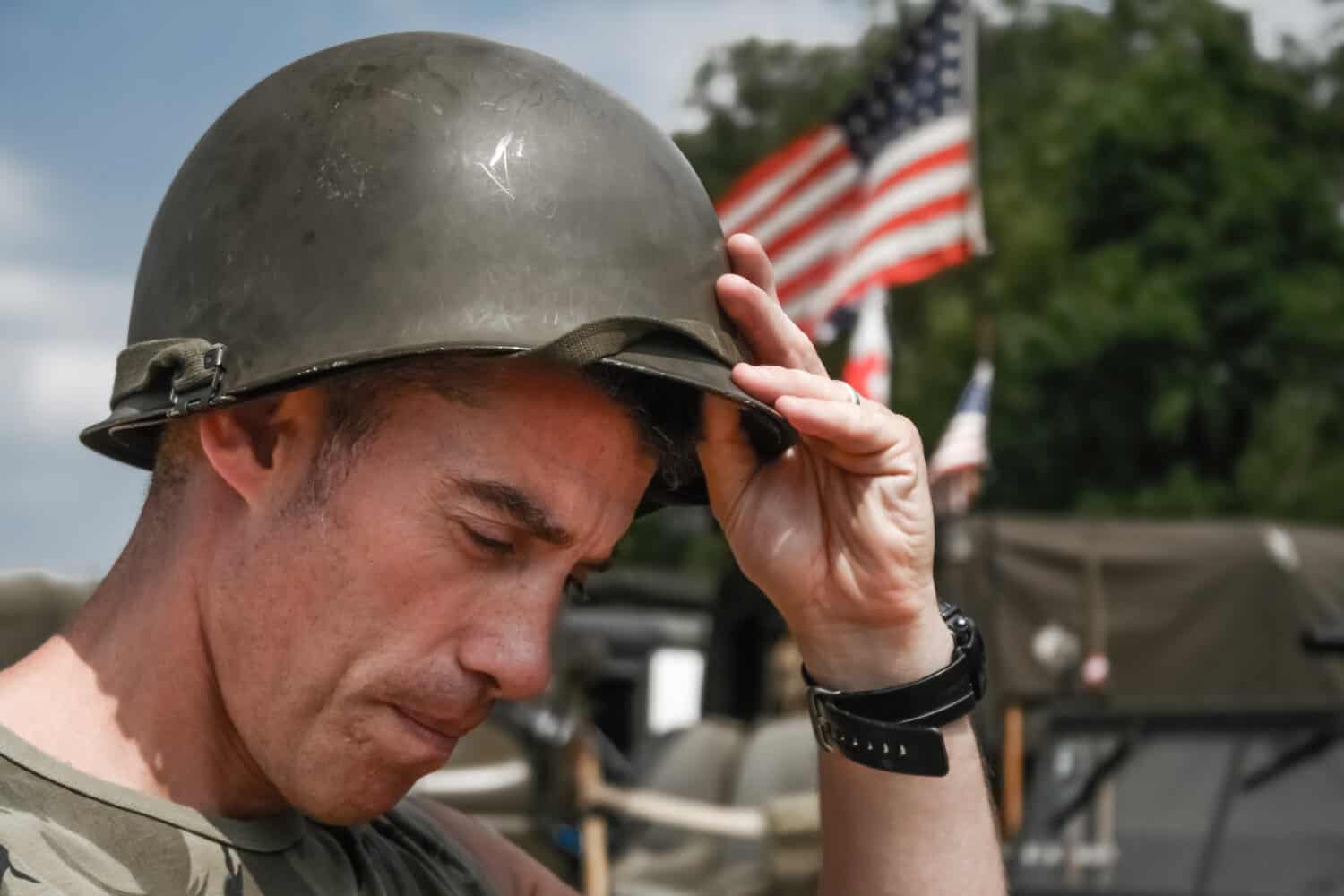
The reason the United States got involved with Vietnam depends a lot on the “domino theory,” which was used as one of the main reasons the U.S. stayed involved for so long.
Answer:
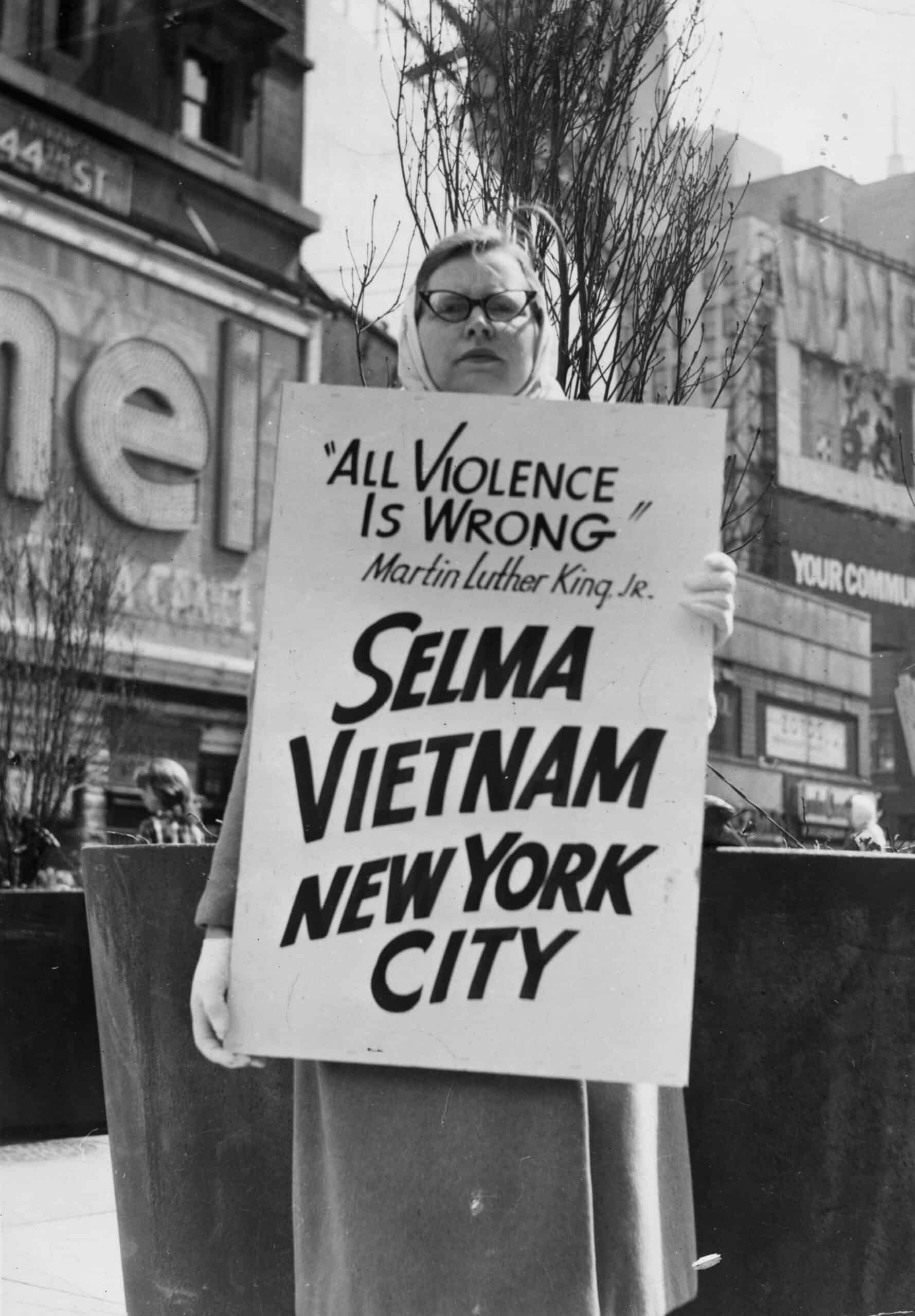
This theory suggested that if one country in Southeast Asia became communist, then other countries would follow suit (like dominoes). This would further threaten the United State’s security as a non-communist country and potentially threaten global security, as well. Therefore, the United State’s main purpose in the war was to prevent Vietnam from becoming communist.
8. What was the significance of the Tet Offensive?
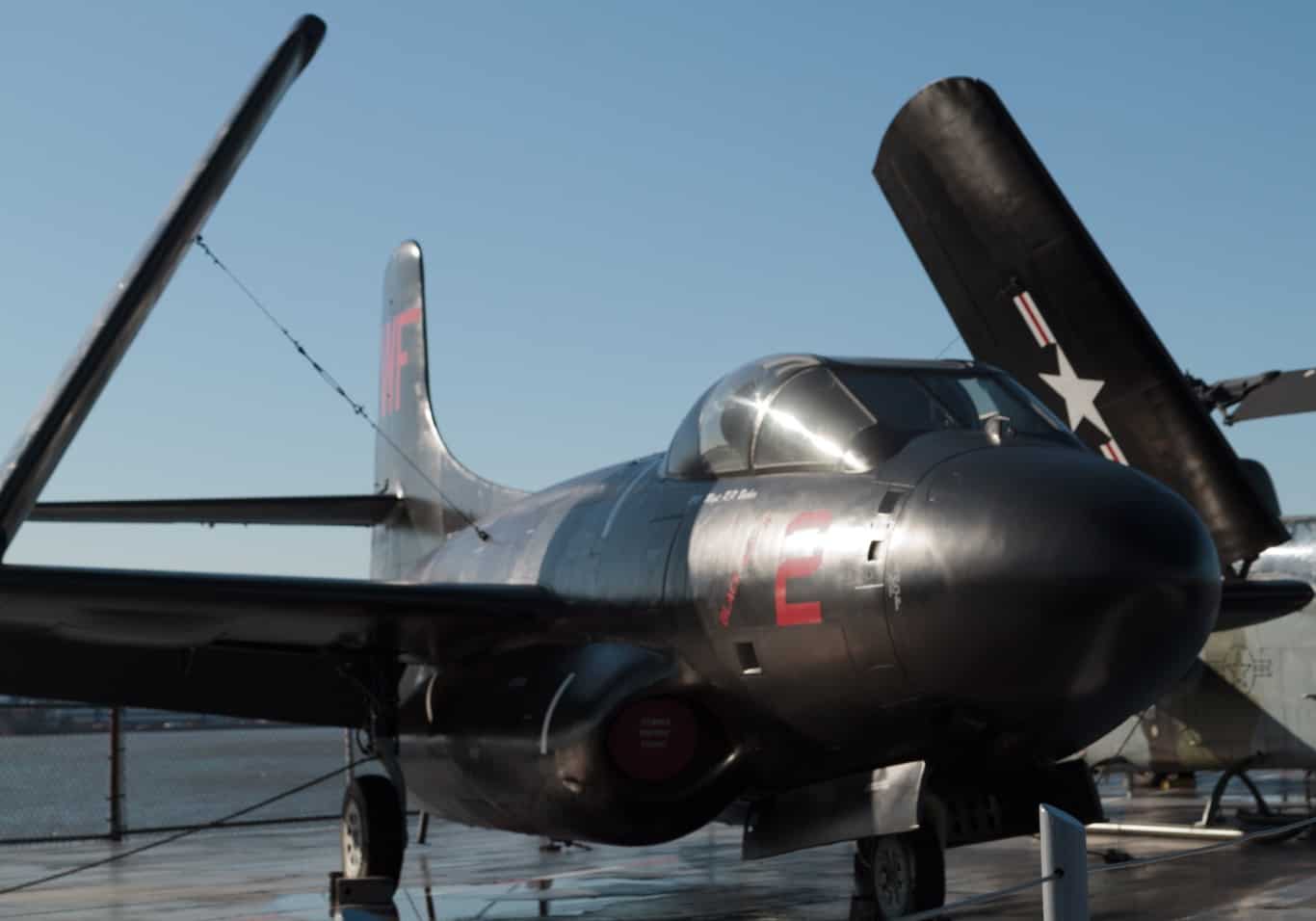
The Tet Offensive was another serious event during the Vietnam War that eventually led to the end of the war.
Answer:
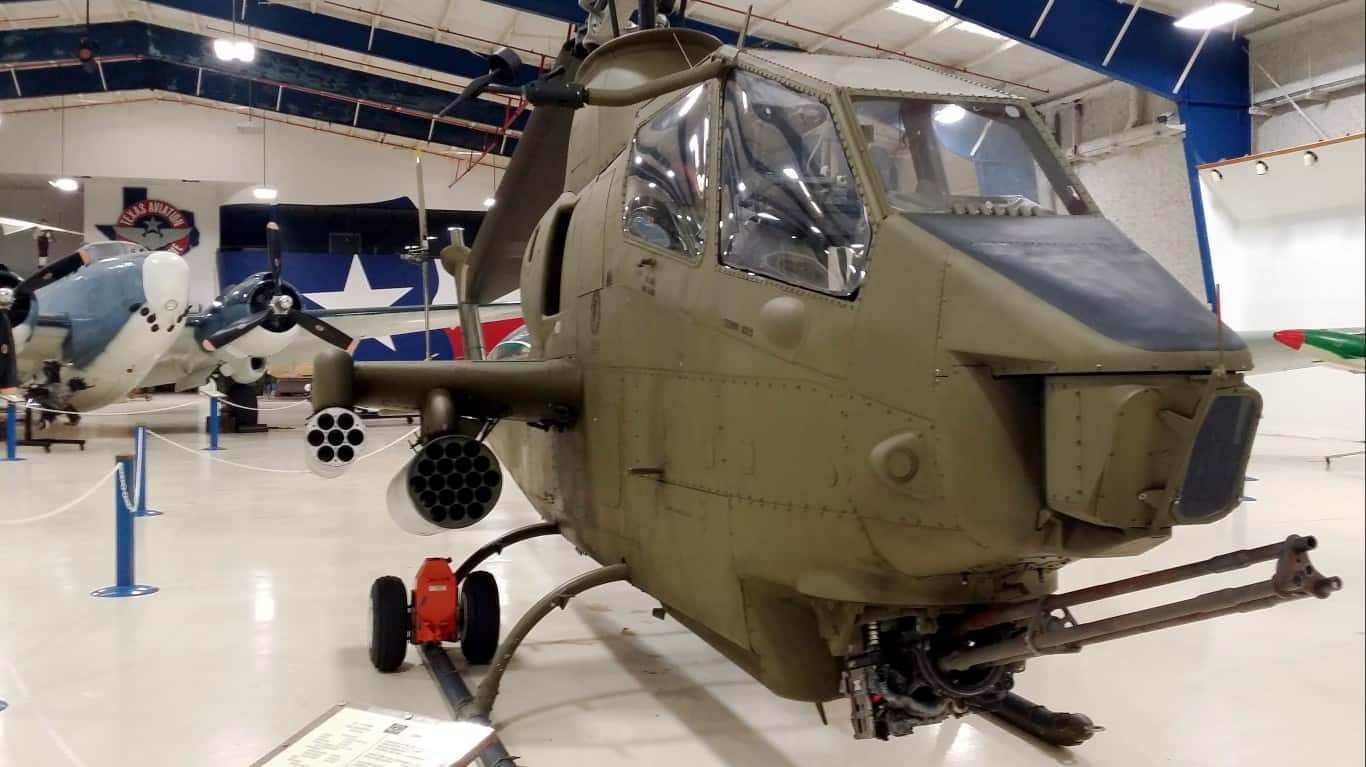
The Tet Offensive, launched by North Vietnamese forces in 1968, was a massive surprise attack on South Vietnamese cities, which shocked the American public and led to a shift in public opinion about the war. This represented a huge change in how the United States interacted with the war.
9. Who was the leader of South Vietnam during much of the Vietnam War?
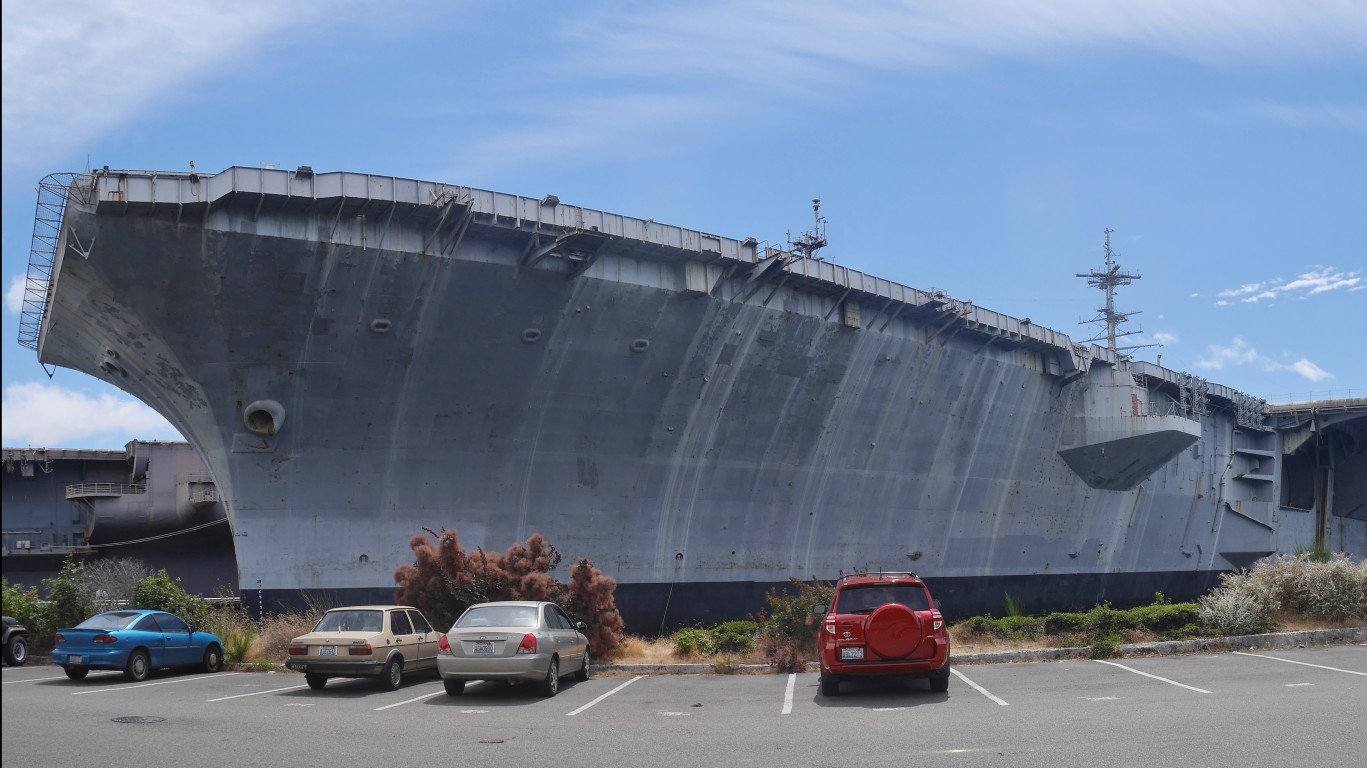
South Vietnam also had a leader who worked closely with the United States during the war. However, he did not stay president for long.
Answer: Ngo Dinh Diem

Diem served as president from 1955 until his assassination in 1963. This was another event that led to the end of the war, as he was an important leader.
10. What was Agent Orange, and why was it used?
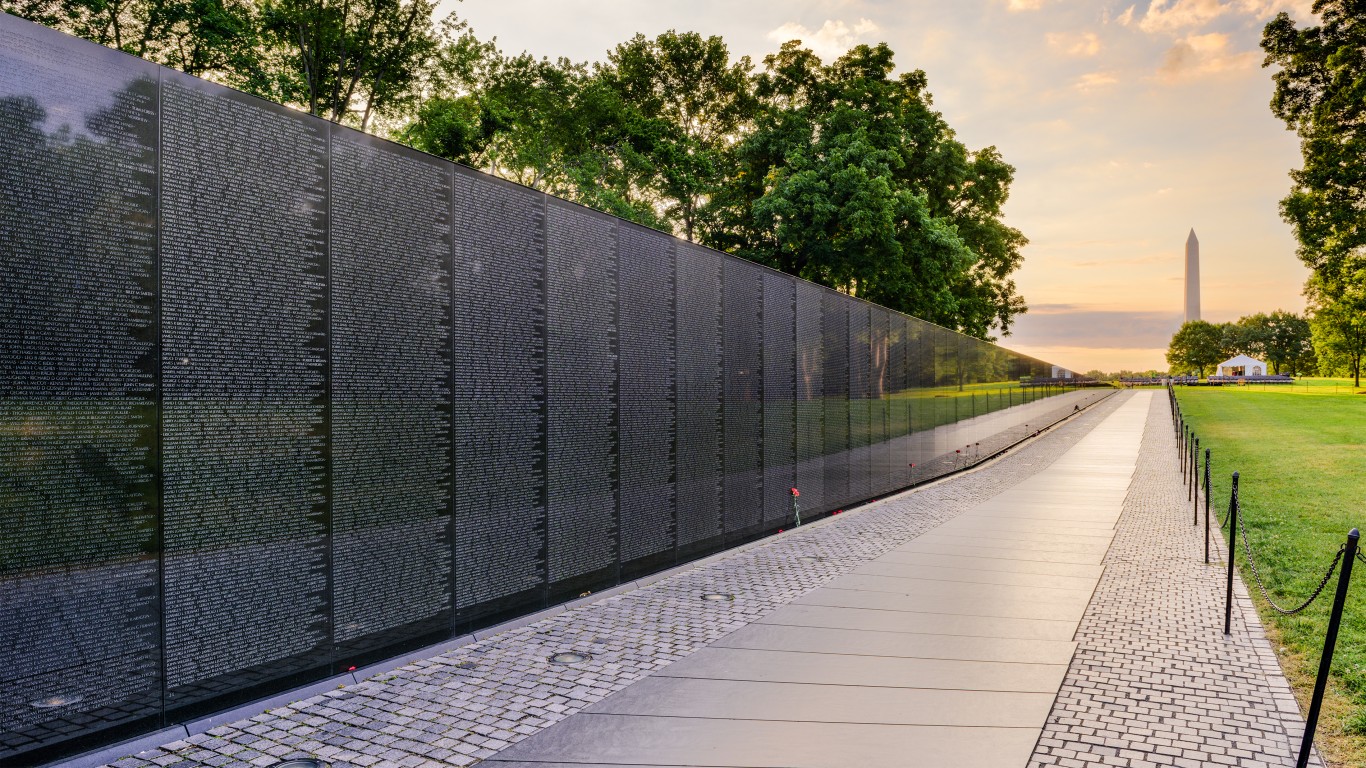
You’ll hear a lot about Agent Orange if you read anything about Vietnam. Agent Orange had a huge role in how Americans viewed the war and still impacts how the world is involved today.
Answer:
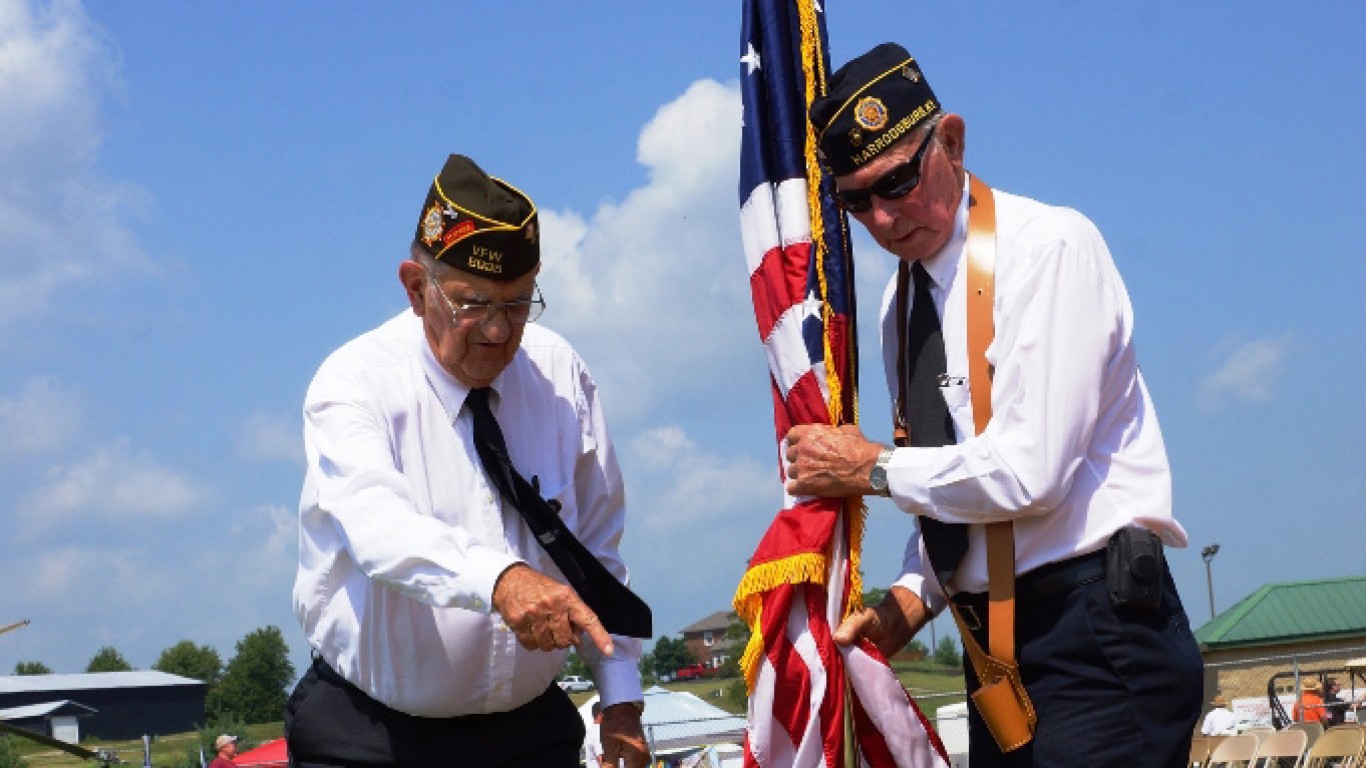
Agent Orange was a toxic herbicide used by the U.S. military to destroy jungle cover and disrupt the food supply of the North Vietnamese and Viet Cong. However, it also had a huge impact on the people of the region and even the soldiers who sprayed it. After all, it was a toxin!
11. What were the Viet Cong?
When you’re reading history about the Vietnam War, you’ll likely come across this term. But what is it?
Answer:
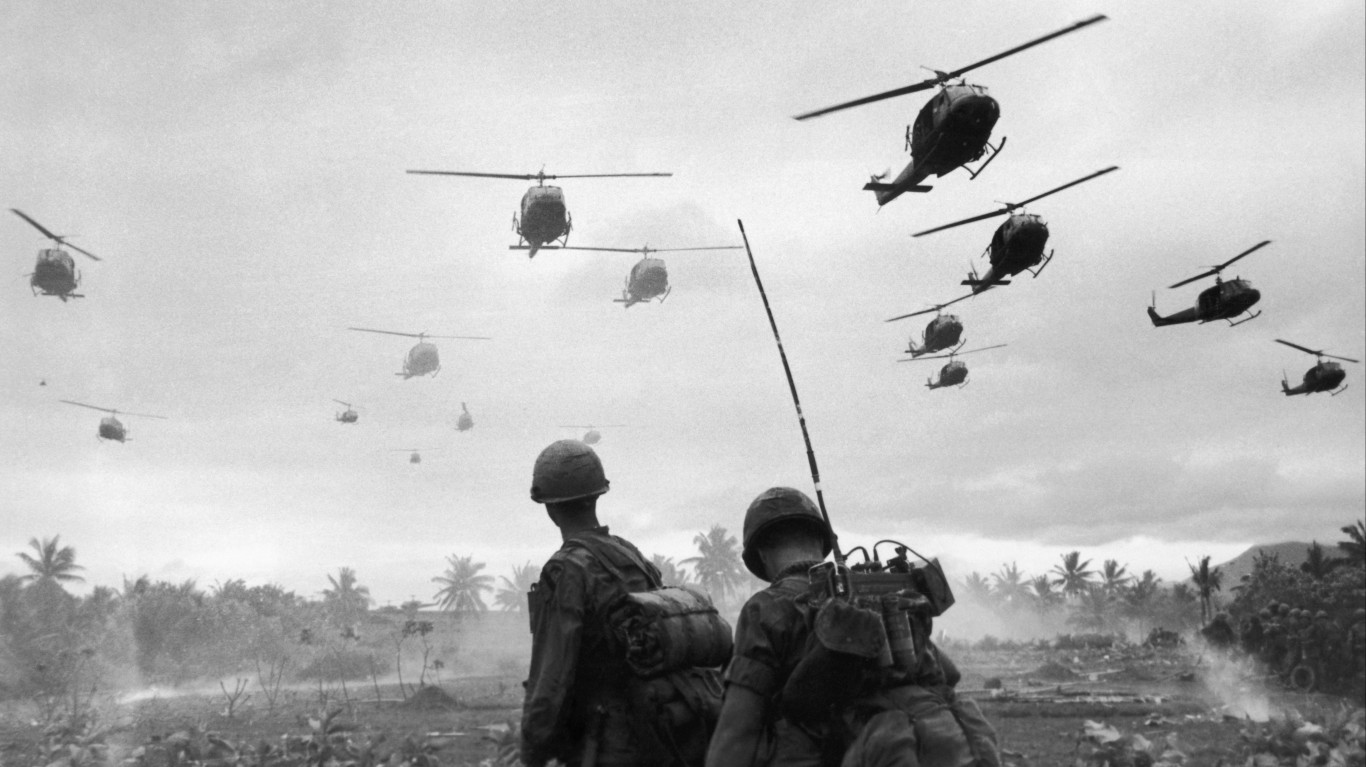
The Viet Cong were communist insurgents in South Vietnam who supported North Vietnam during the war. Just like in any civil war, there were some citizens on both sides who actually supported the other side.
12. Which U.S. president ordered the bombing of Cambodia during the war?
While Johnson was the president at the beginning of the war, he wasn’t the president the whole time. He also didn’t do many of the things that negatively impacted how American citizen’s saw the war, like the bombing of Cambodia.
Answer: Richard Nixon
Nixon approved secret bombing campaigns in Cambodia to target North Vietnamese sanctuaries during the late 1960s. This was highly controversial, as Cambodia wasn’t technically in the war. As you might guess, the secret bombings didn’t stay very secret for long.
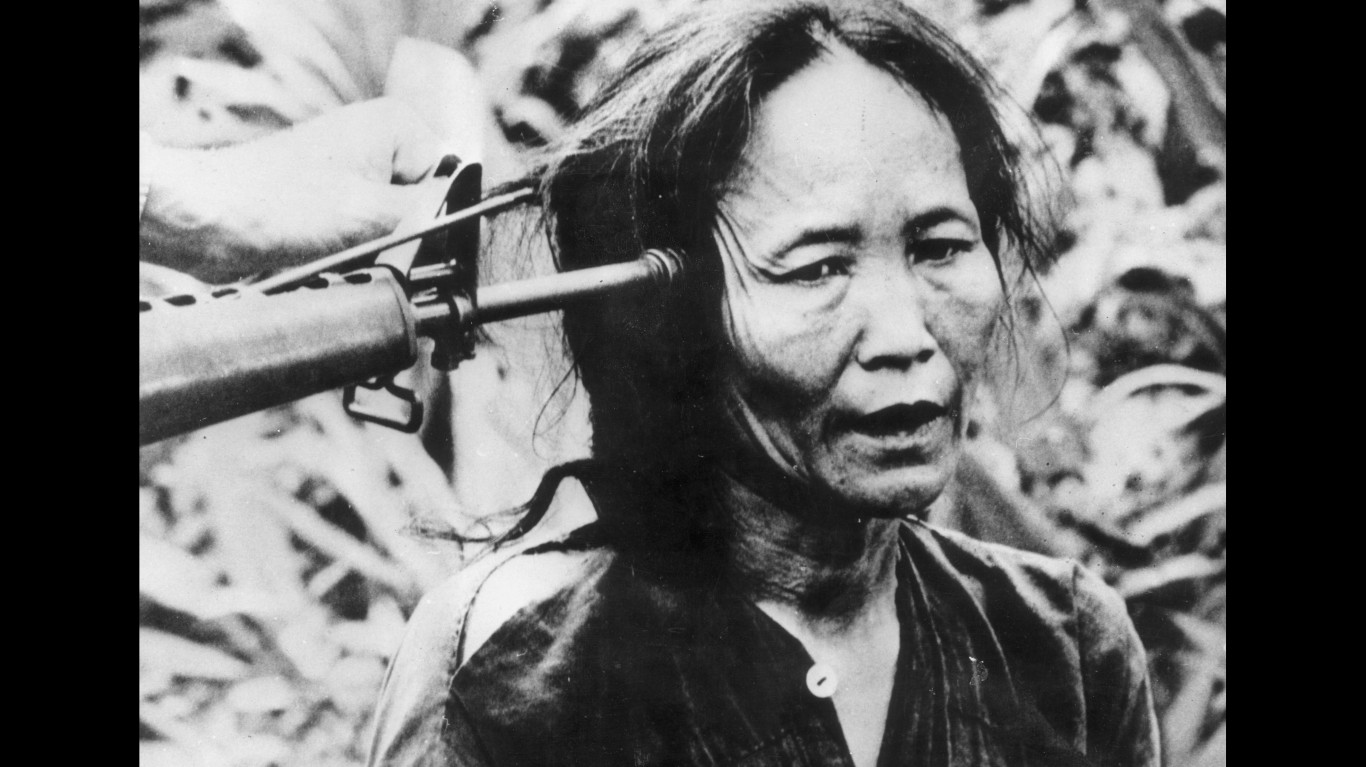
13. What was the My Lai Massacre?
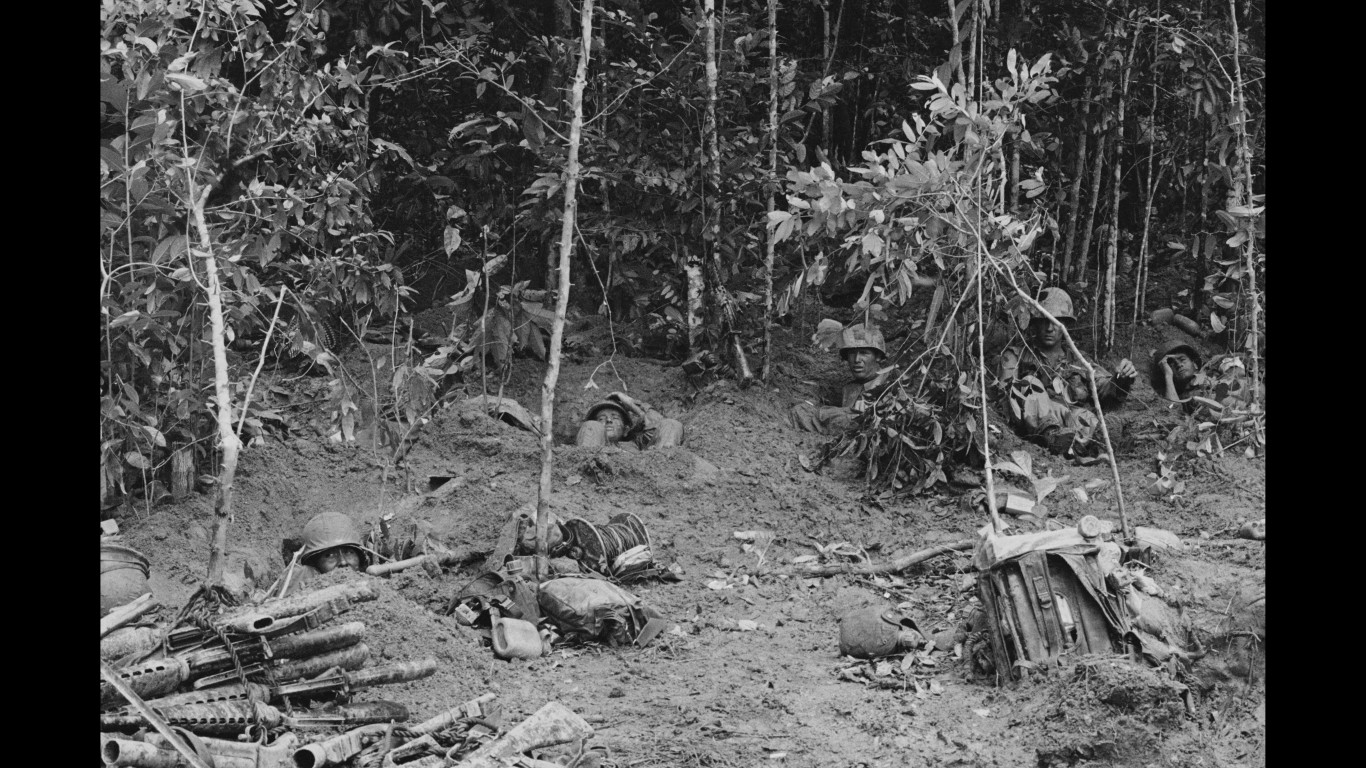
The My Lai Massacre only helped to fuel discontent in America surrounding the war.
Answer:
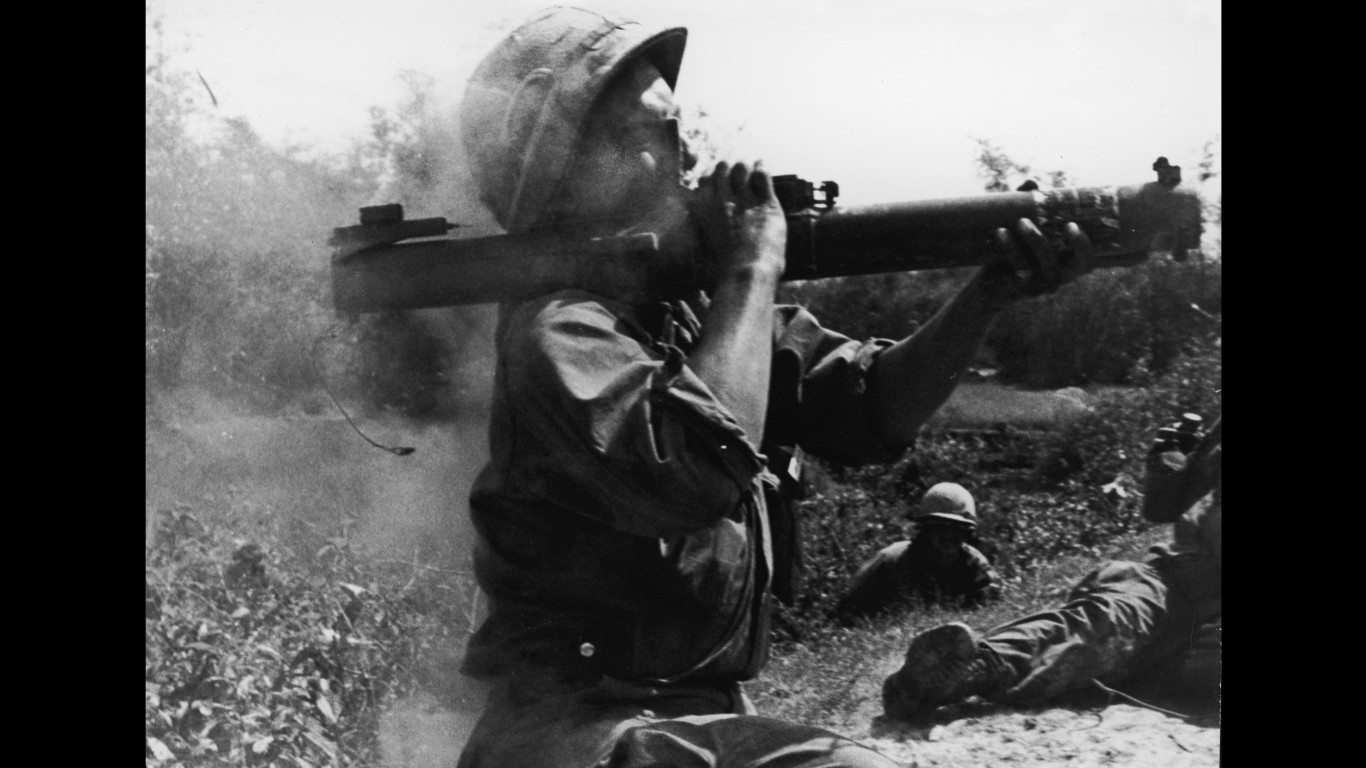
The My Lai Massacre was a 1968 incident where U.S. soldiers killed between 350-500 unarmed South Vietnamese civilians, mostly women, children, and elderly, during a search-and-destroy mission. As you might imagine, this did not go well for public opinion of the war in the United States and is a huge reason why the peace treaty was signed.
14. What was the purpose of the “search and destroy” missions in Vietnam?
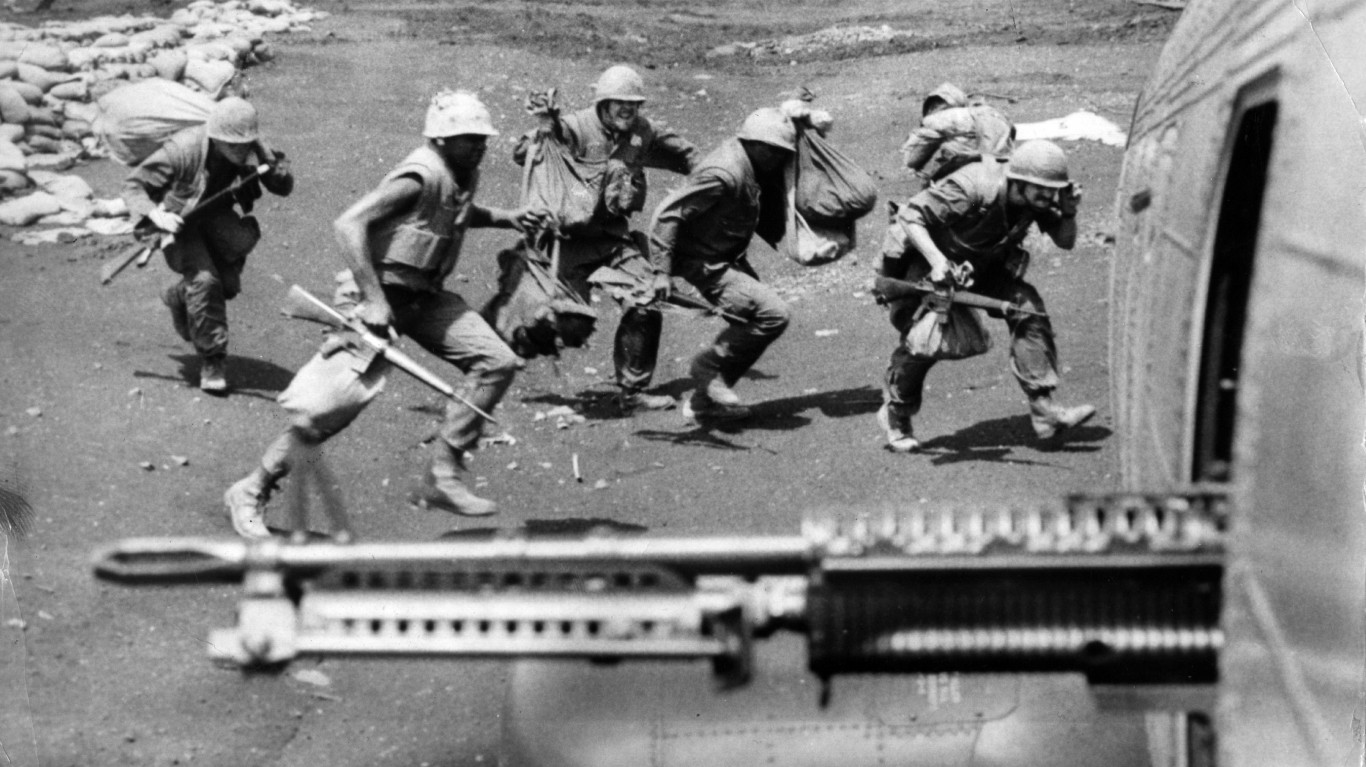
Many of the missions in Vietnam were “search and destroy” missions. But what was the purpose of these missions, and why were they utilized so heavily?
Answer:
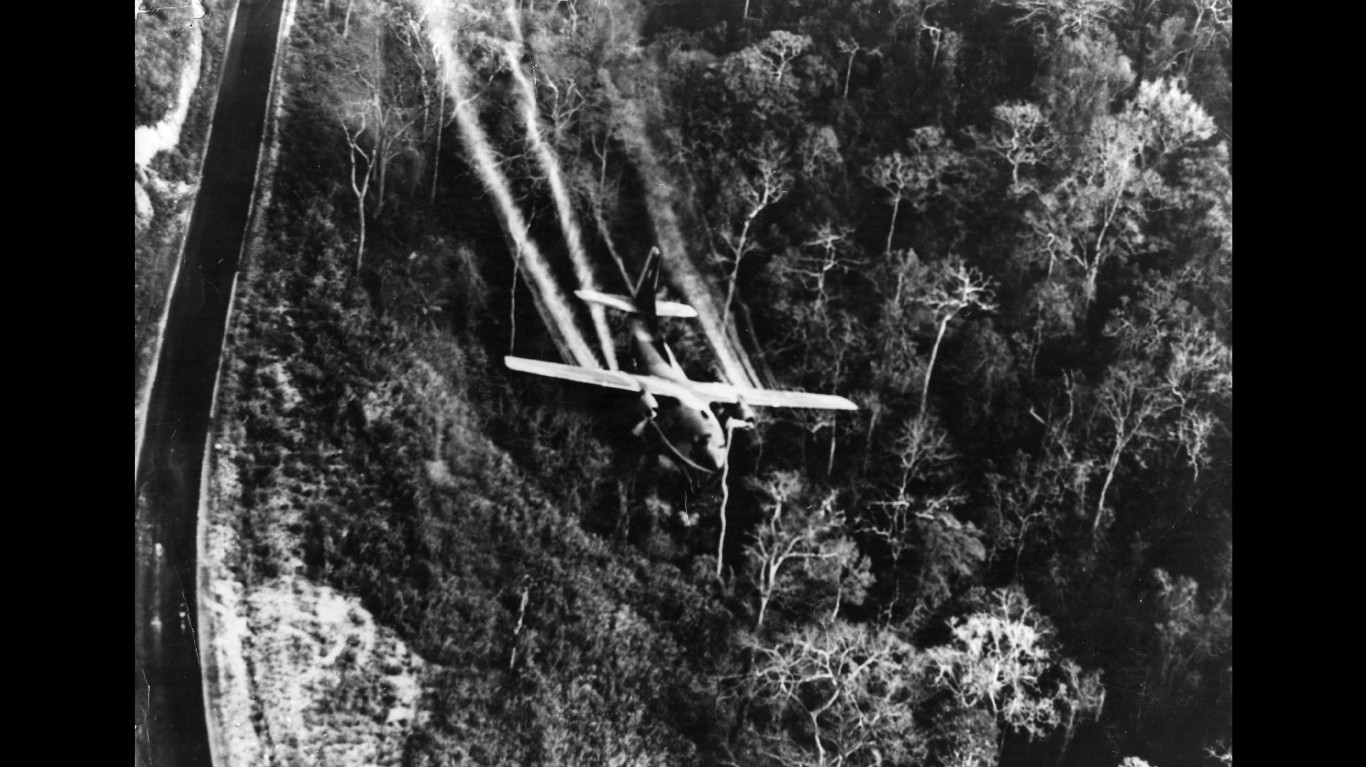
These missions aimed to locate and eliminate enemy forces but often led to widespread destruction of villages and civilian casualties. The Viet Cong were often the citizens of Vietnam, but it was hard for the military to identify exactly who was part of the Viet Cong and who wasn’t.
15. Which two countries were involved in the peace talks that ended the Vietnam War?
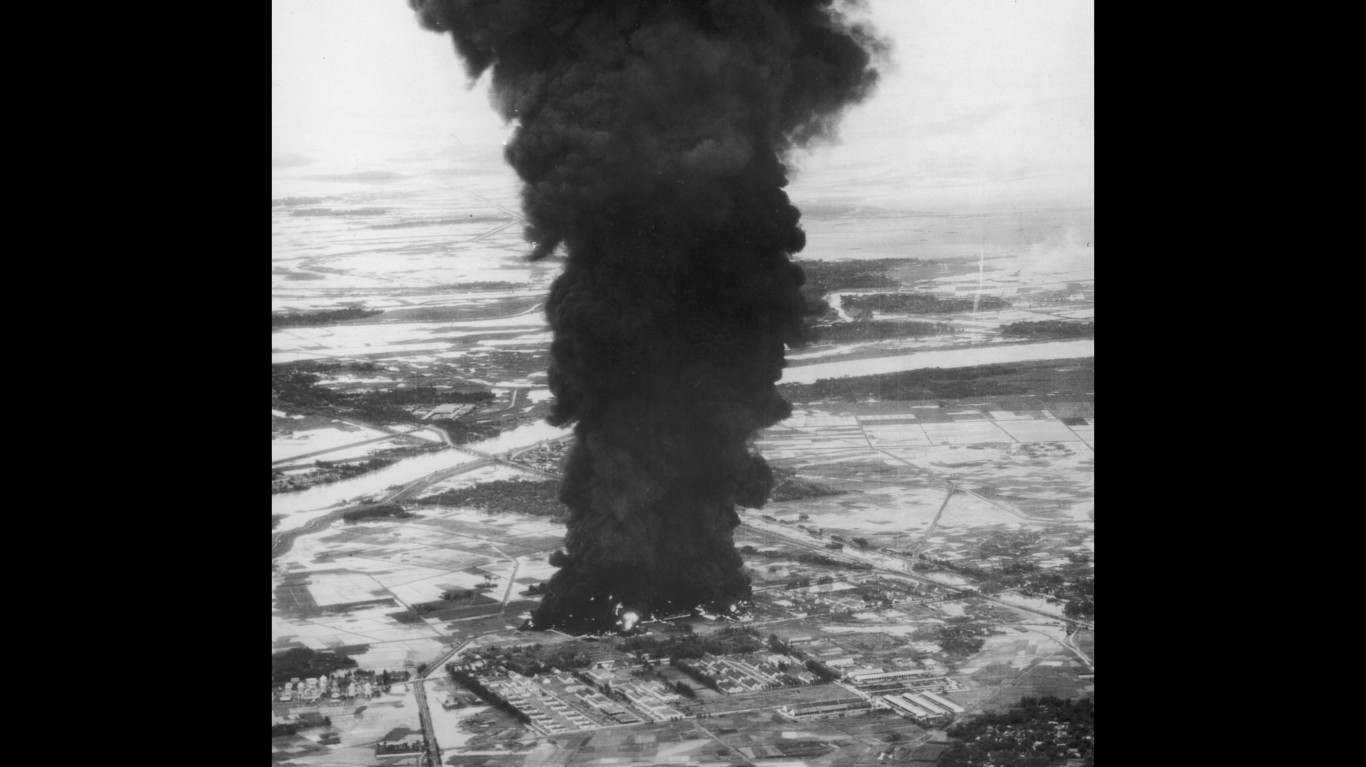
Despite “South Vietnam” being a separate government during the war, they didn’t actually get to the negotiation table.
Answer: The United States and North Vietnam
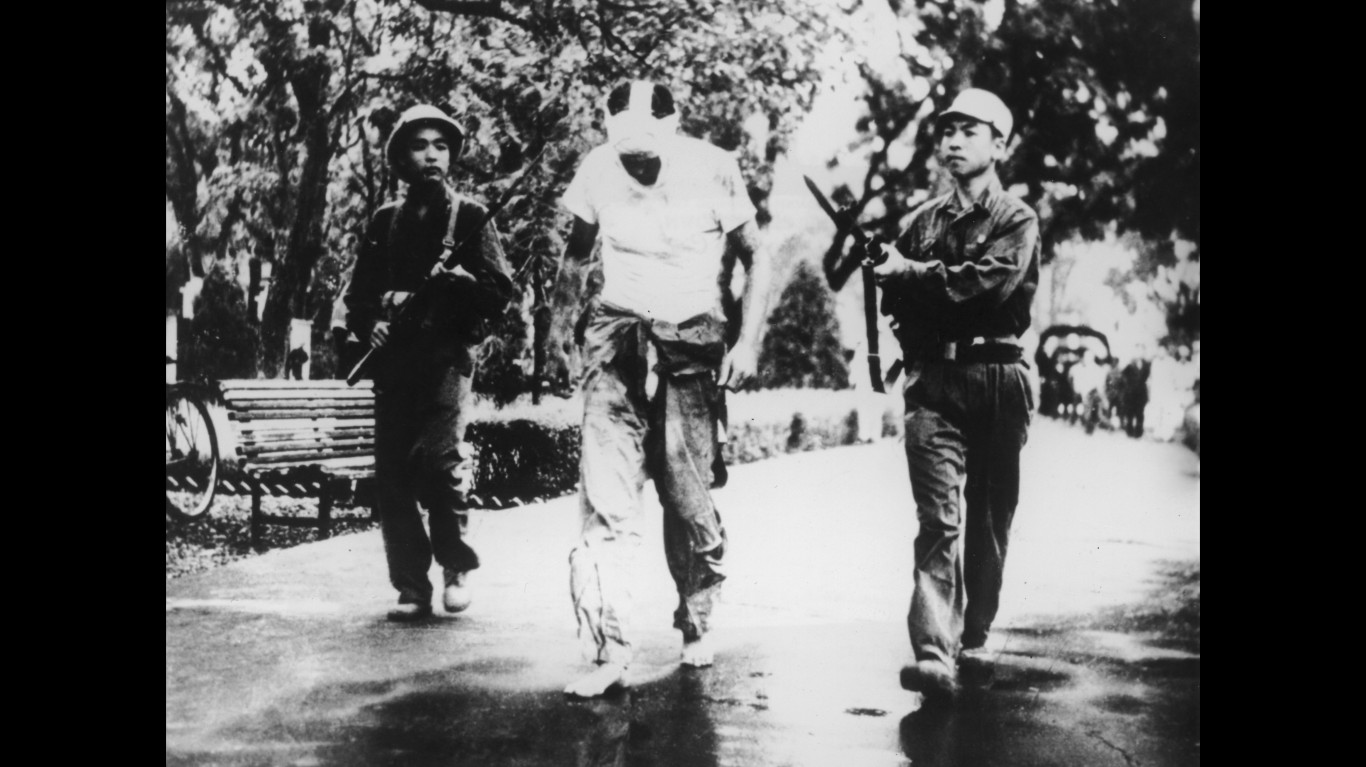
The peace talks were held in Paris and culminated in the Paris Peace Accords in 1973. North Vietnam did not negotiate with South Vietnam, as in 1973, it was mostly the United States that was involved in the war.
16. How many American soldiers died during the Vietnam War?
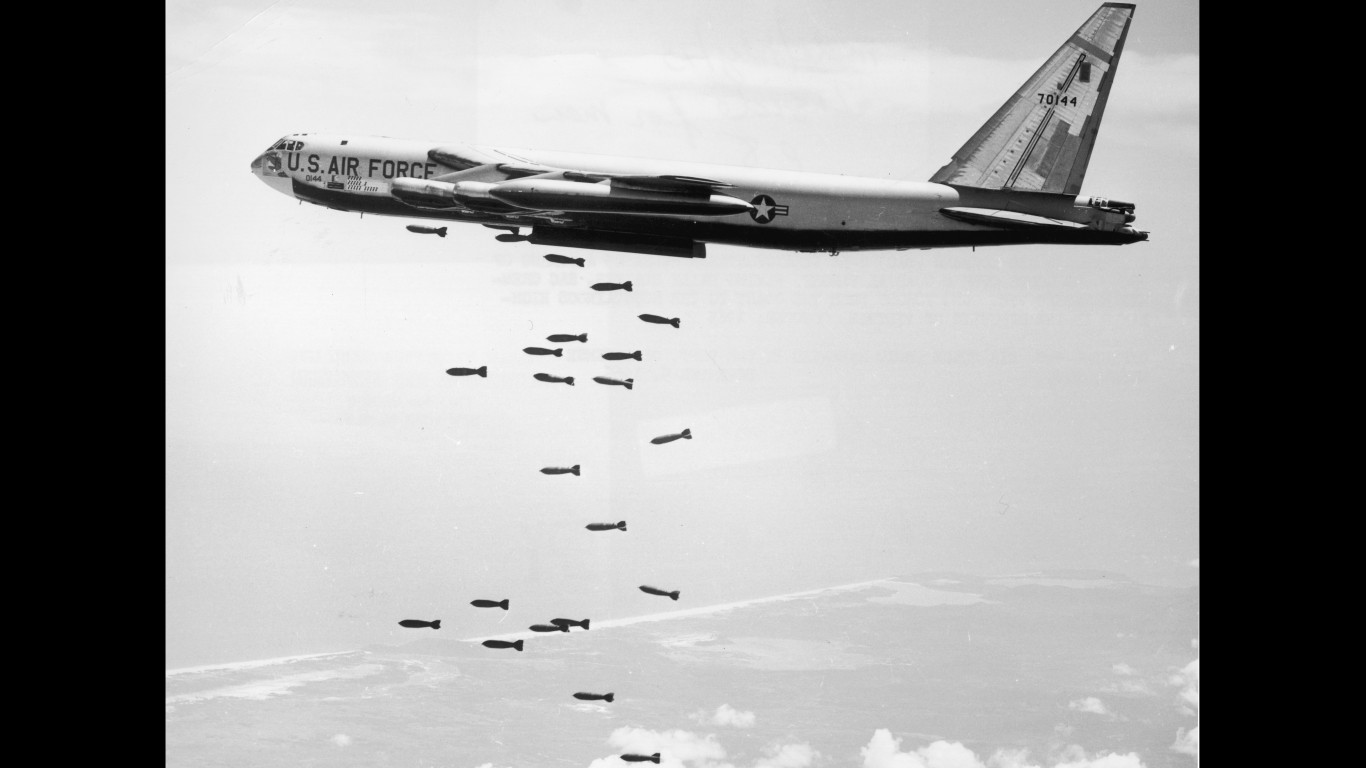
The Vietnam War was not one without casualties.
Answer: Over 58,000 American soldiers
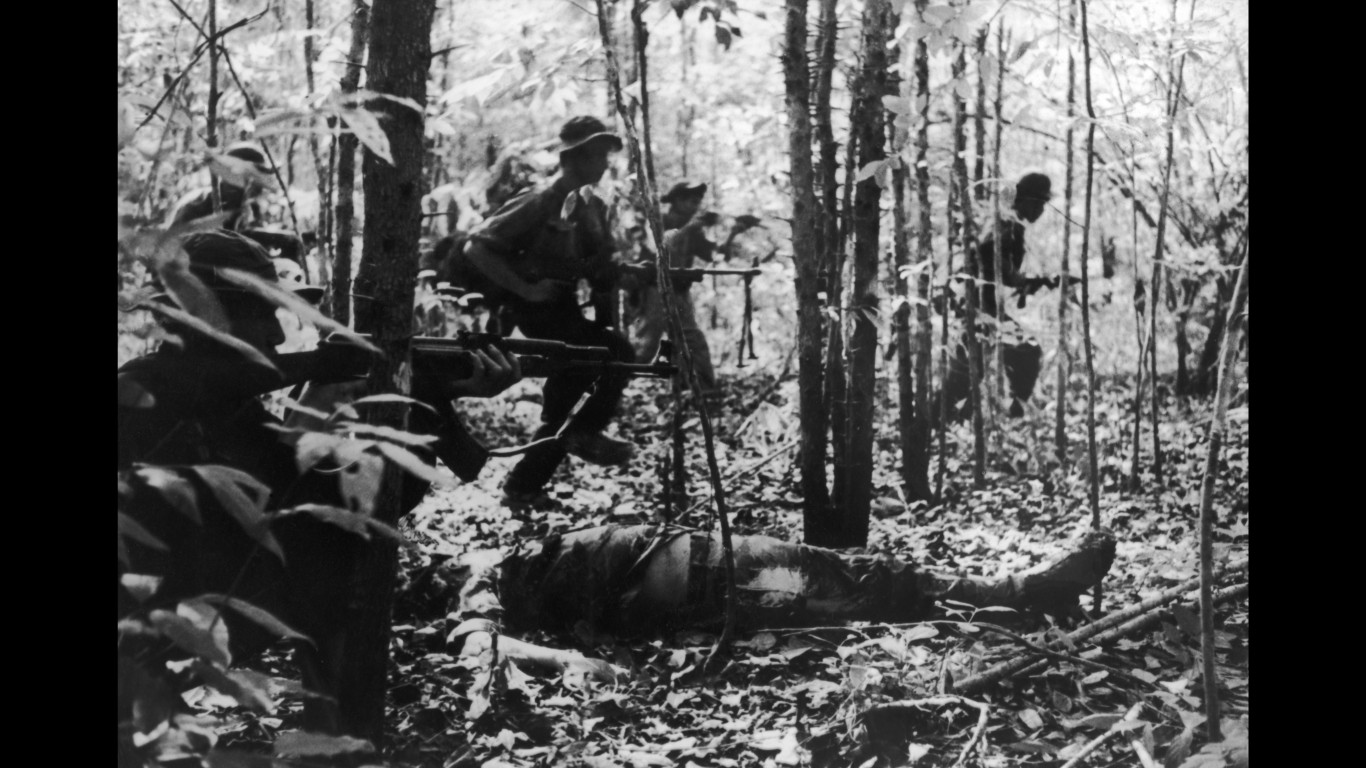
The war resulted in heavy casualties for the U.S. and the Vietnamese, both military and civilian. These heavy casualties were one reason that the war was so unpopular!
17. What was the name of the North Vietnamese army?
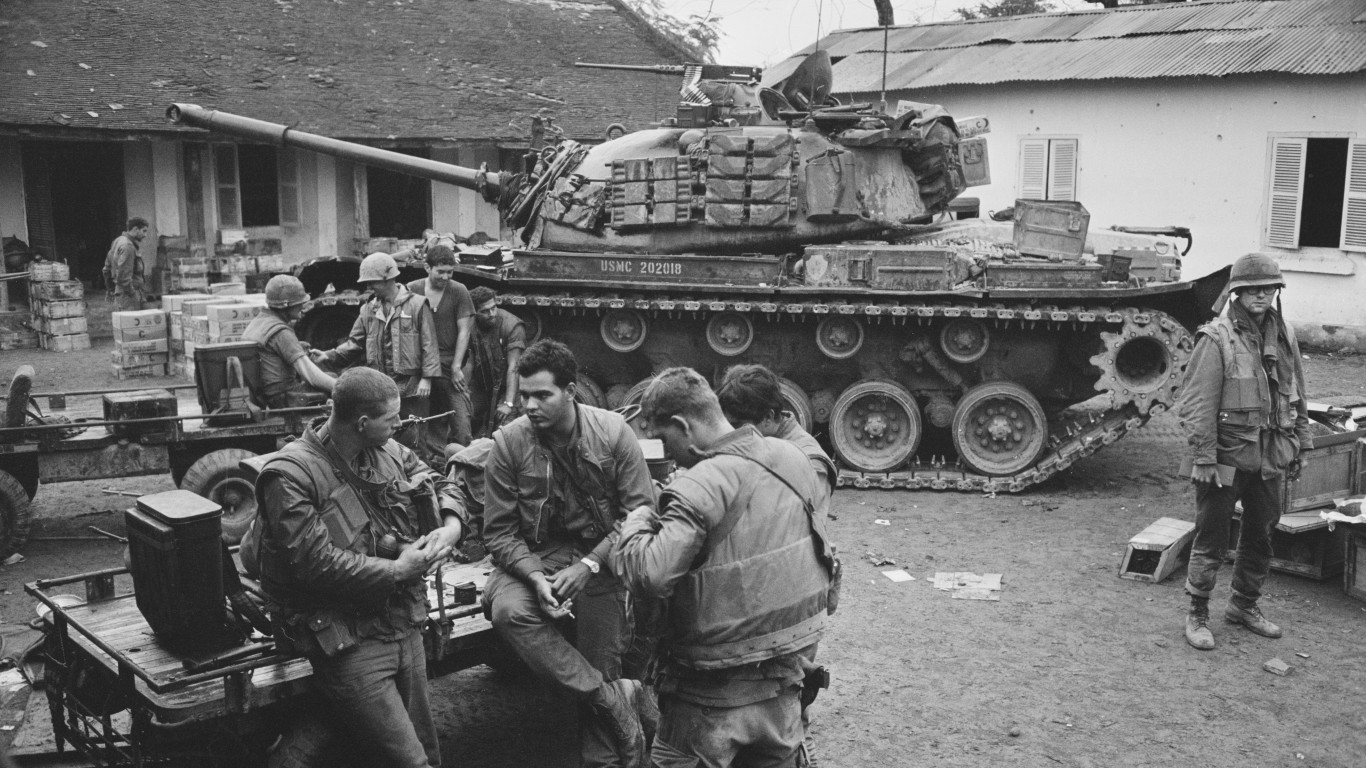
The Viet Cong was often considered the enemy of the United States military. However, they weren’t technically the North Vietnamese army.
Answer: The People’s Army of Vietnam (PAVN).
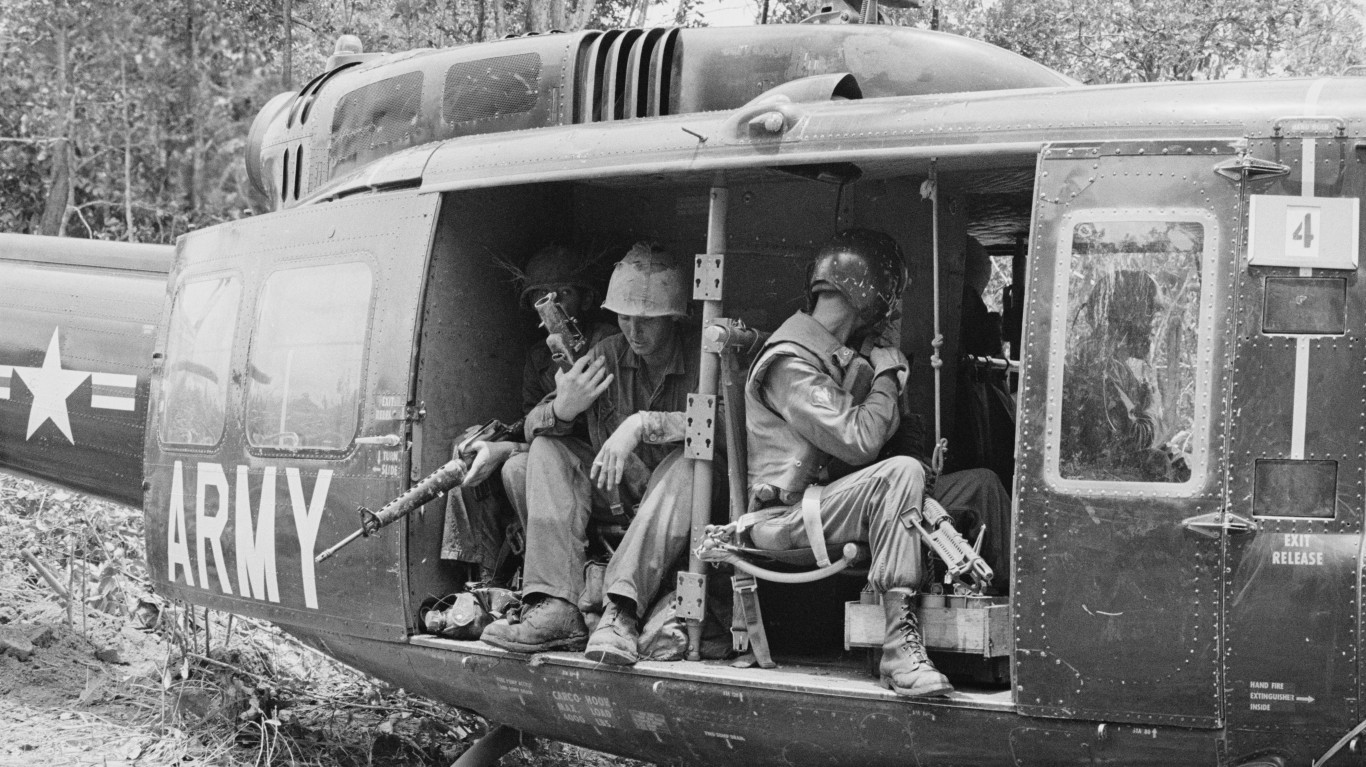
The PAVN fought against the South Vietnamese army and American forces.
18. What was the primary military strategy of the U.S. during the Vietnam War?
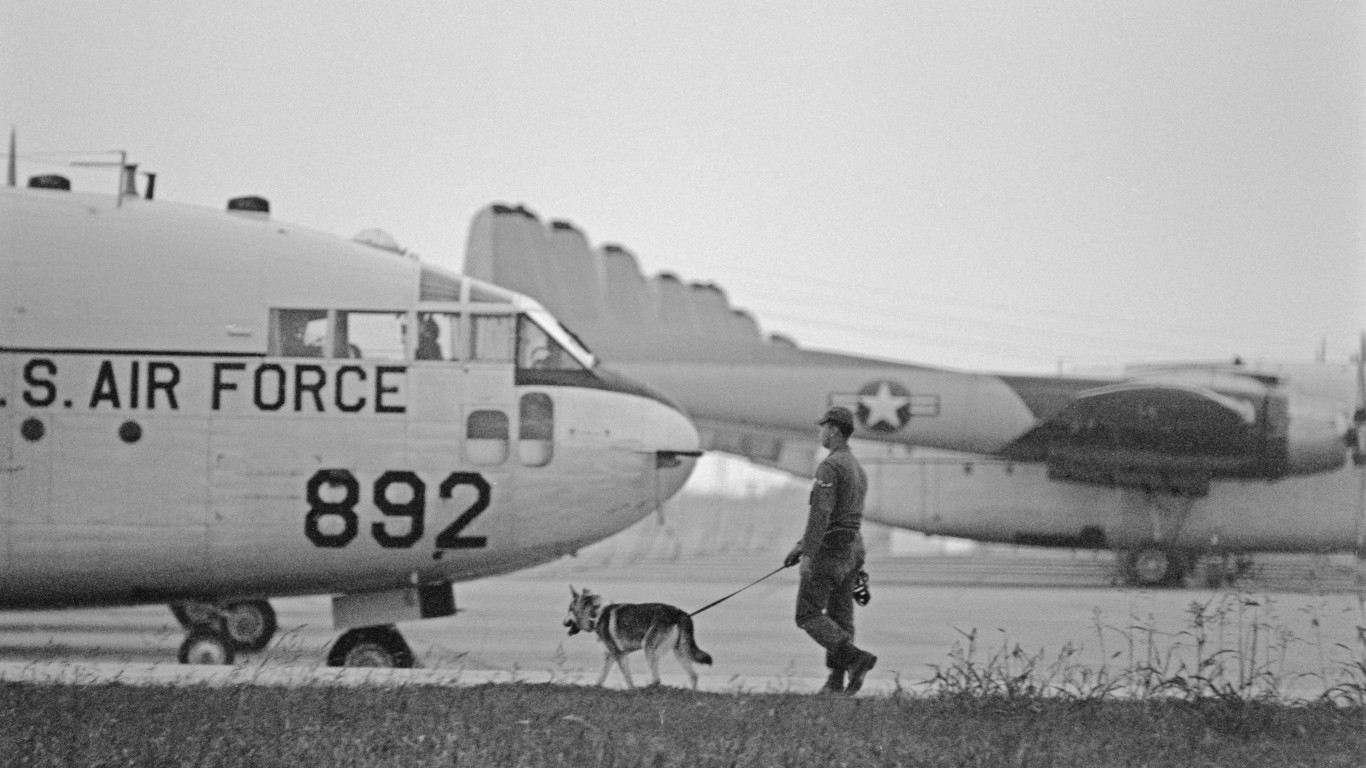
So, how did the United States approach the war in Vietnam?
Answer:
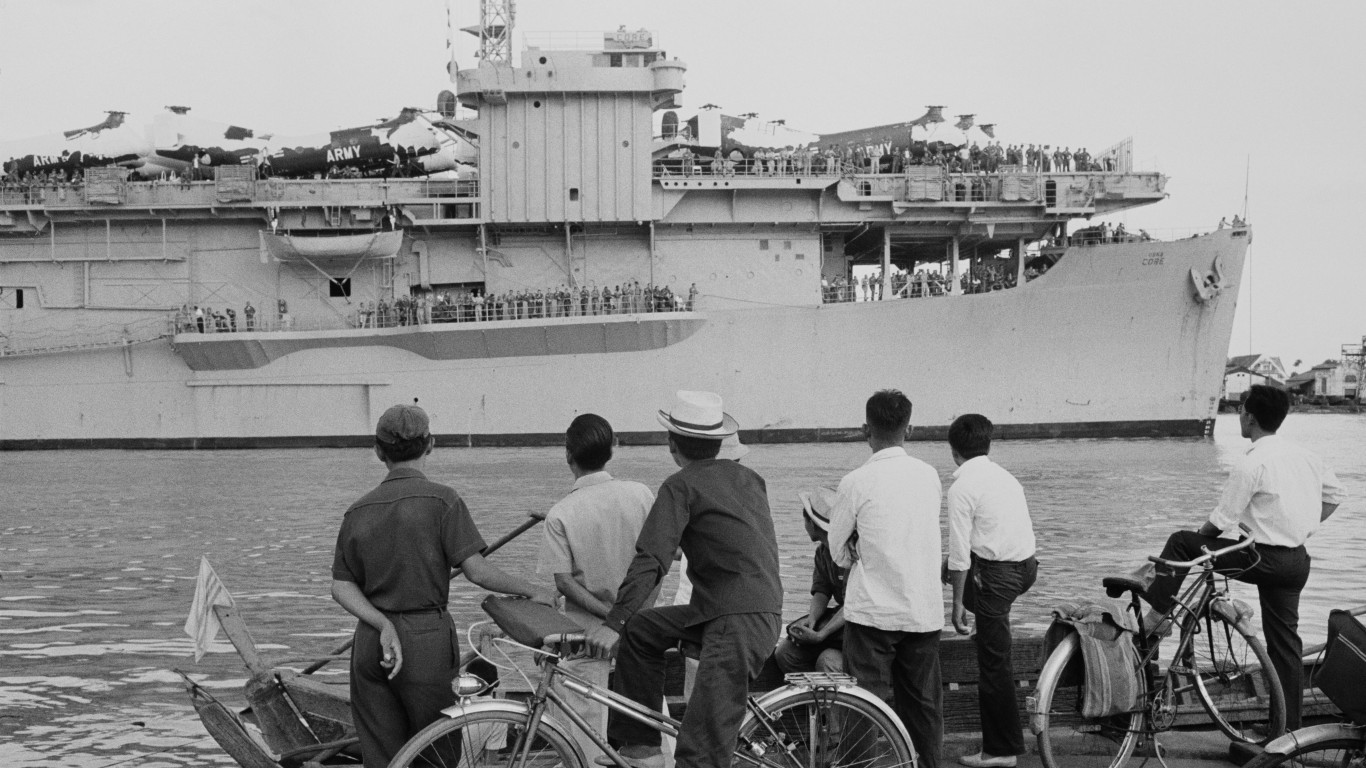
The primary strategy was to use superior firepower and technology to defeat the enemy, often in large-scale bombings and ground operations, although this strategy failed to achieve victory. The Viet Cong were very entrenched in all areas of Vietnam, leading to trouble with the United States achieving victory.
19. What did the “draft” system mean during the Vietnam War?
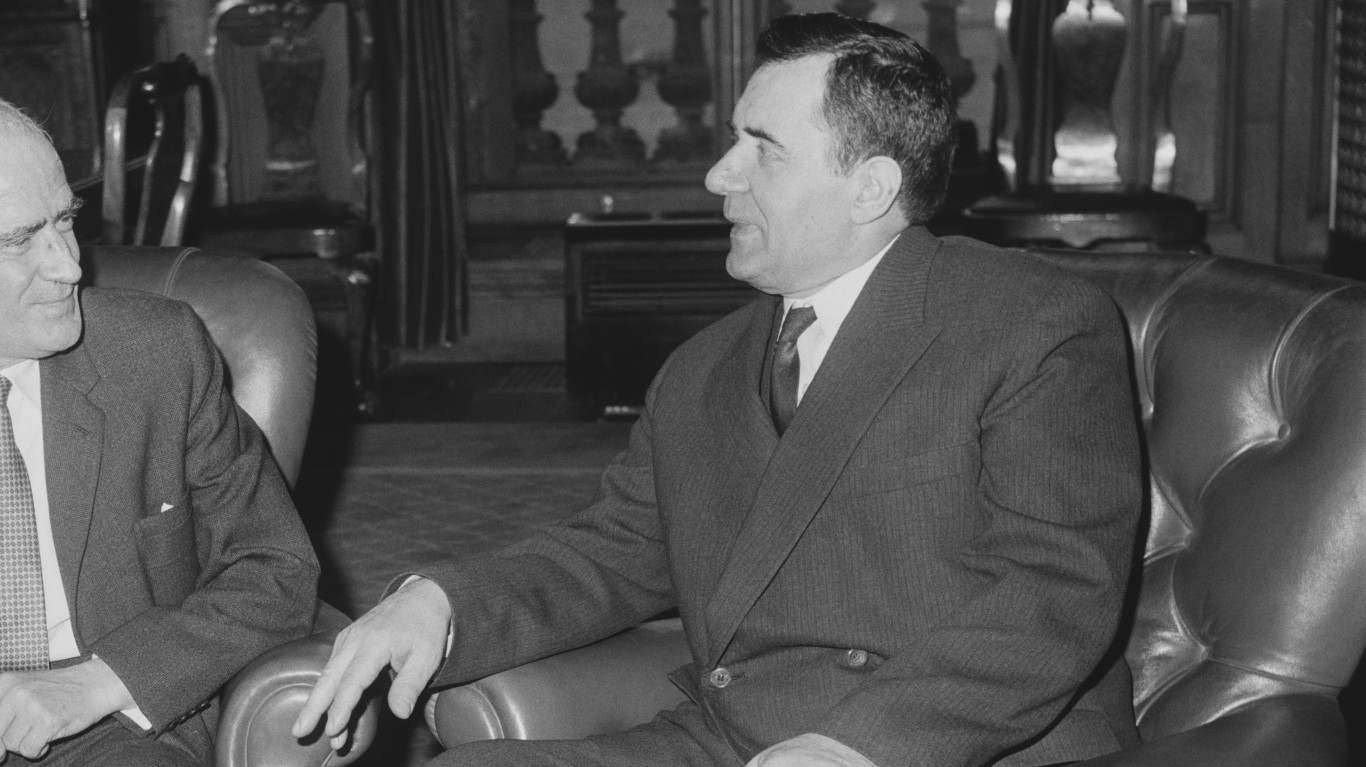
One of the reasons the war was so unpopular in the United States was because of the draft. But what did this look like during the war?
Answer:
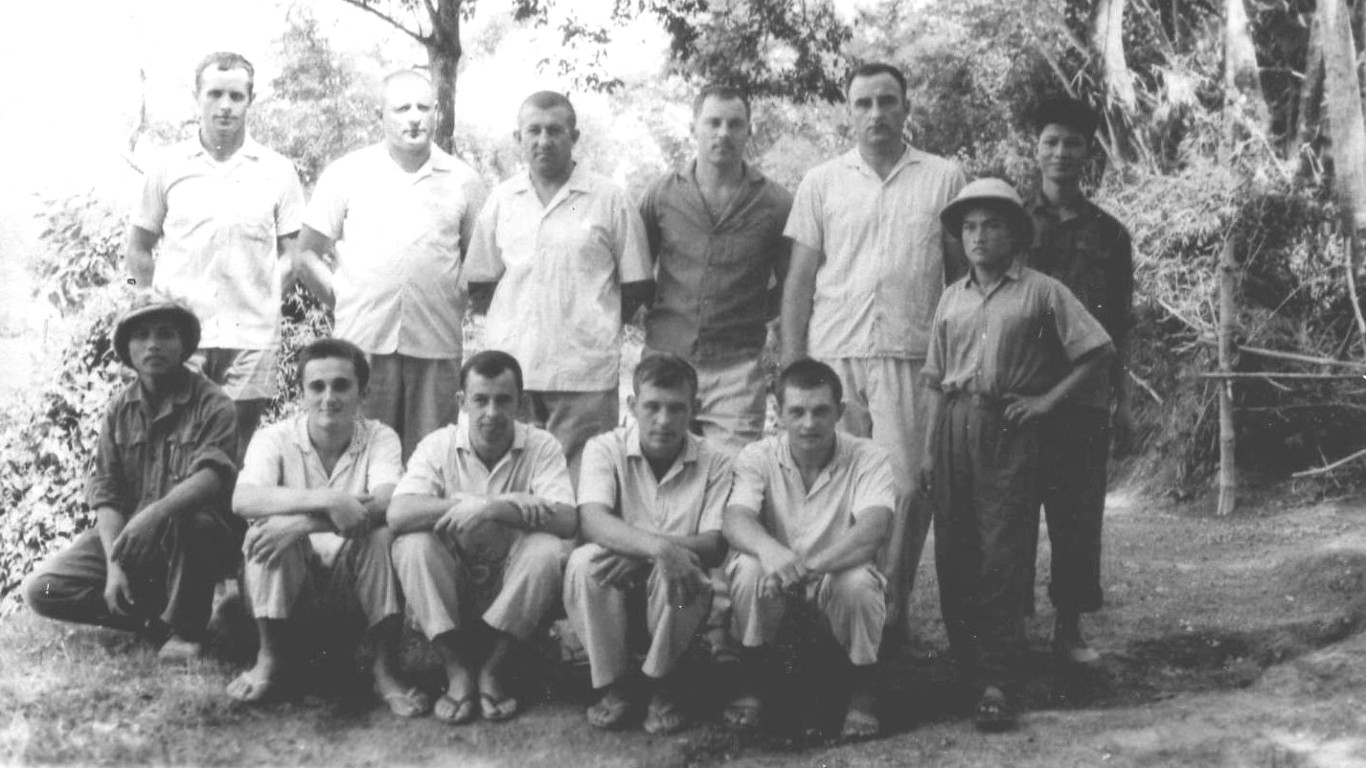
The draft was a system that required young American men to serve in the military, leading to widespread protests and opposition to the war. Those who weren’t in support of the war were expected to fight in it if drafted, which led to unrest across the country.
20. What was the impact of the Vietnam War on American society?
The Vietnam War had a huge impact on American society and continues to impact some policy decisions today.
Answer:
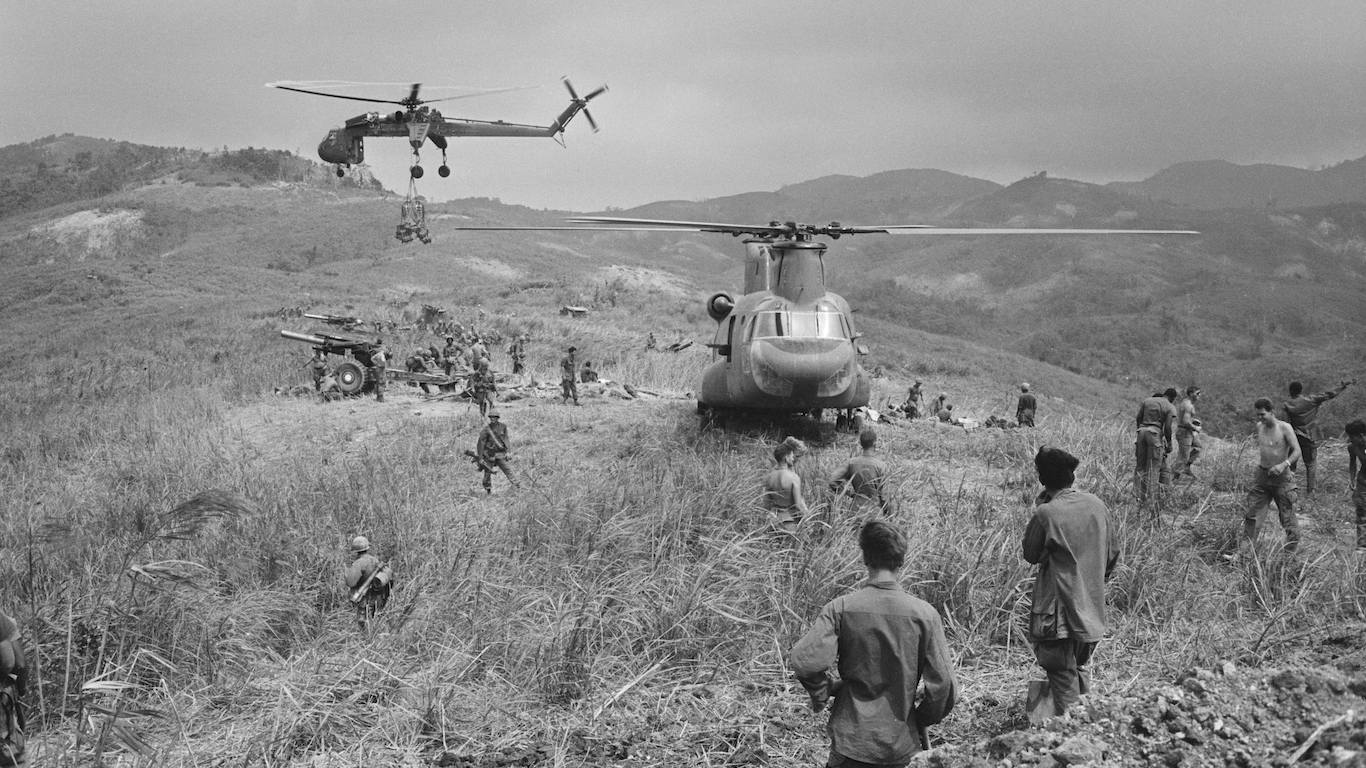
The war led to widespread protests, a loss of trust in government, and a shift in U.S. foreign policy, ultimately shaping the way America engages with international conflicts today. It led to many being anti-war, even today.





 Top Gaining Stocks
 Top Losing Stocks