


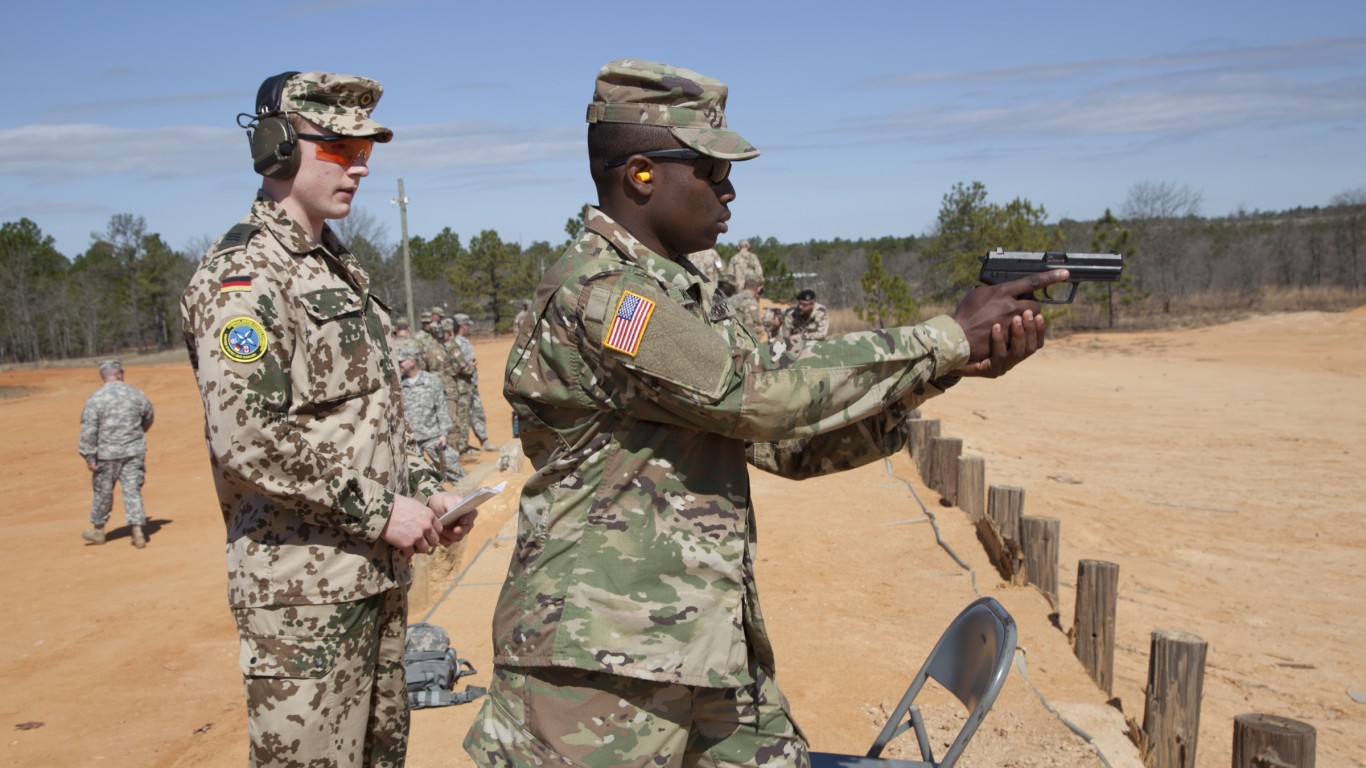
In the military, retirement dates don’t always reflect reality. Sidearms are frequently replaced on paper years before they vanish from service, and many never truly go away at all. Troops continued carrying older pistols because they shot better, felt right under stress, or had already proven themselves in real-world conditions. Here, 24/7 Wall St. is taking a closer look at some of the most reliable military sidearms.
To identify the sidearms that troops loved long after they were supposed to retire, 24/7 Wall St. reviewed various historical and military sources. We included supplemental information regarding the country of origin, year introduced, firing action, cartridge, and why troops kept it.
Here is a look at some of the most reliable military sidearms:
Why Are We Covering This?
Military sidearms occupy a unique place in a soldier’s kit because they are carried constantly and relied on in the most personal, close-quarters situations. When a pistol earns trust, that trust can outweigh doctrine, procurement cycles, and official retirement dates. By looking at the pistols that refused to disappear from holsters, this list highlights how battlefield experience often matters more than modernization on paper—and why some weapons earn loyalty that lasts far beyond their intended service life.
Why Sidearms Inspire Loyalty
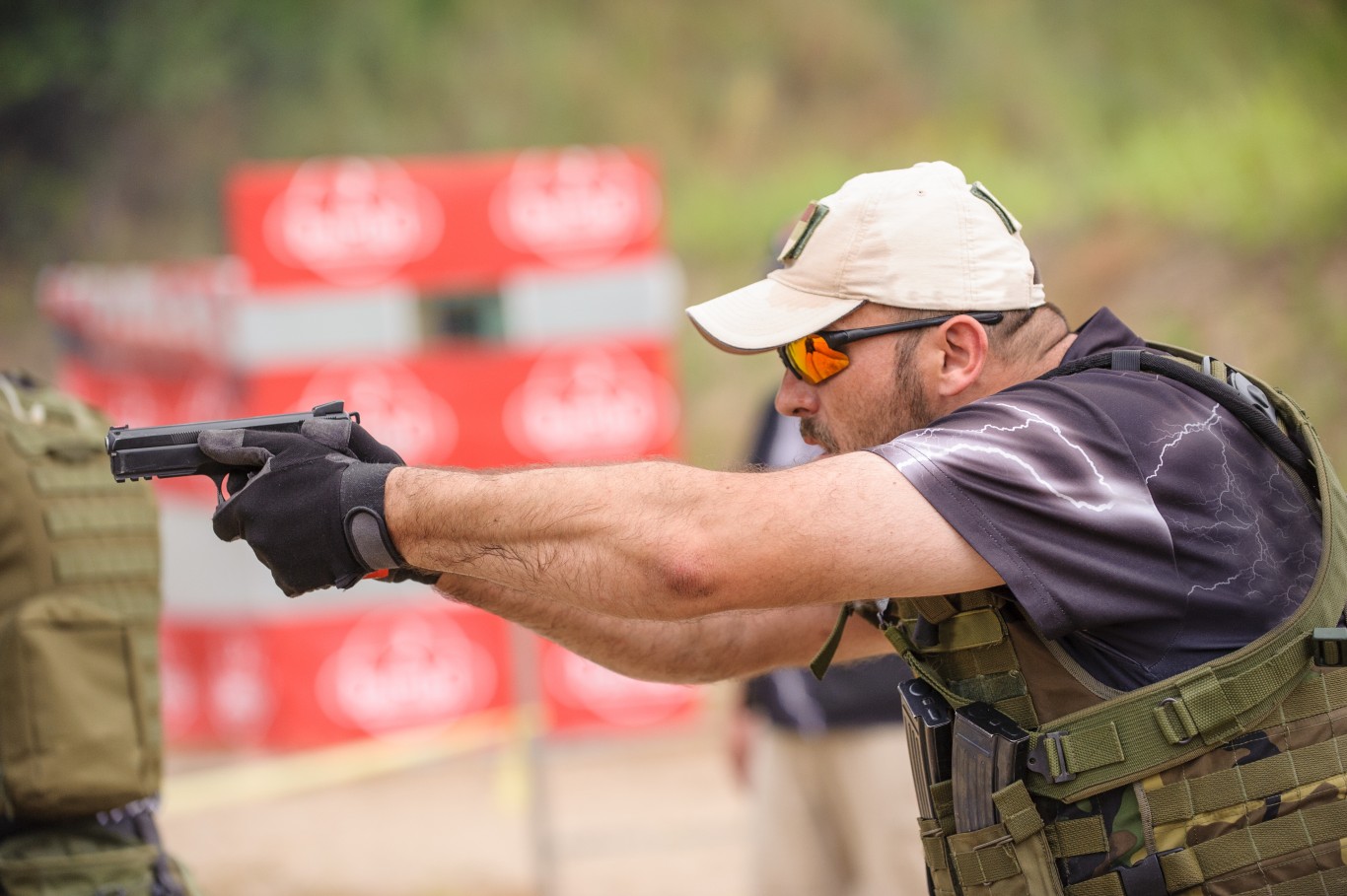
Sidearms tend to inspire a different kind of loyalty than most military equipment because they’re personal weapons carried constantly, not just issued and forgotten. Troops build familiarity through repetition, and under stress that familiarity becomes confidence. A pistol that feels natural, draws cleanly, and performs predictably can earn trust that outlasts procurement decisions. For many servicemembers, the sidearm they trained with and carried for years becomes the one they prefer—even when a replacement is officially adopted.
Retired on Paper, Not in Holsters
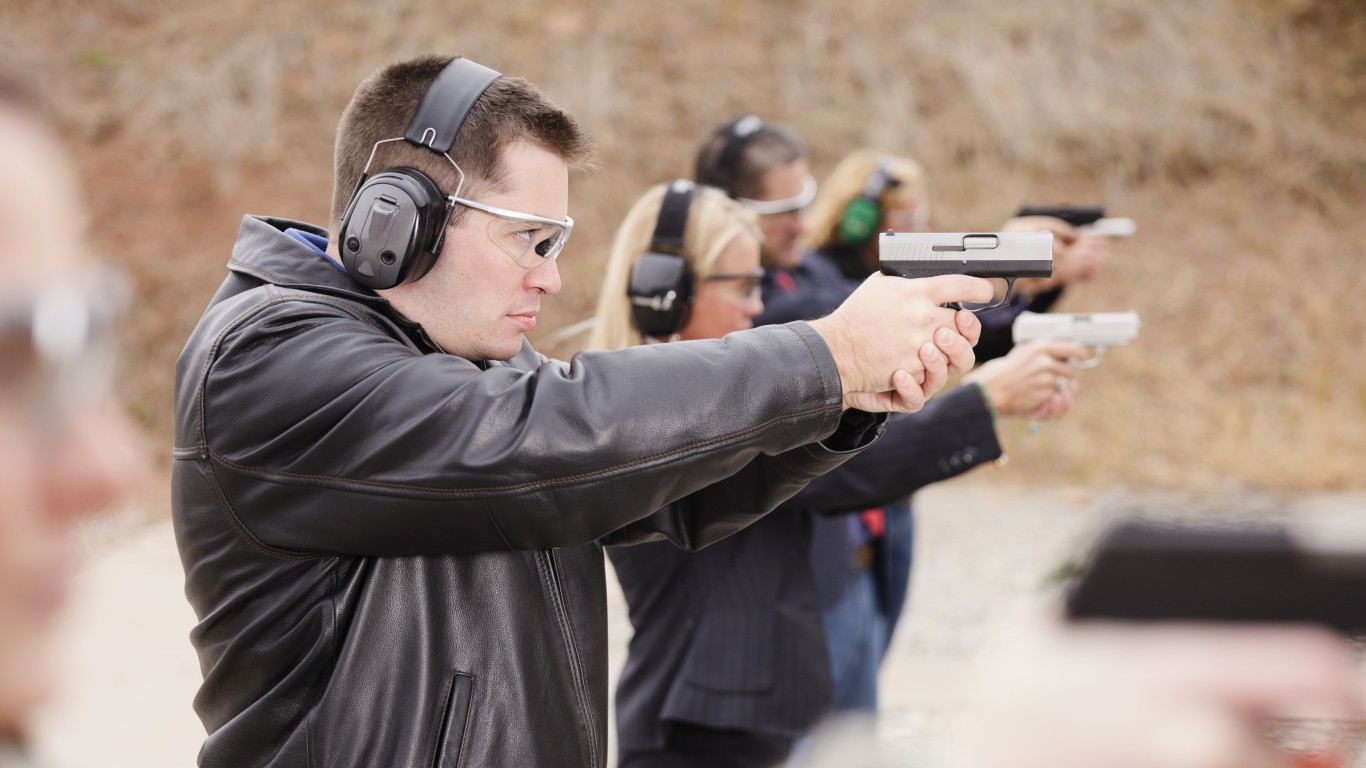
Military sidearms are often replaced long before they truly disappear. A new pistol might win a contract, but adoption across the force is slow, uneven, and sometimes resisted by the people who actually carry it. Troops continued using older pistols because they trusted them, because the replacement didn’t feel like an improvement in practice, or because certain roles and units were allowed to stick with what worked. In many cases, “retirement” was more of an administrative milestone than a real-world change.
Why Troops Kept Them
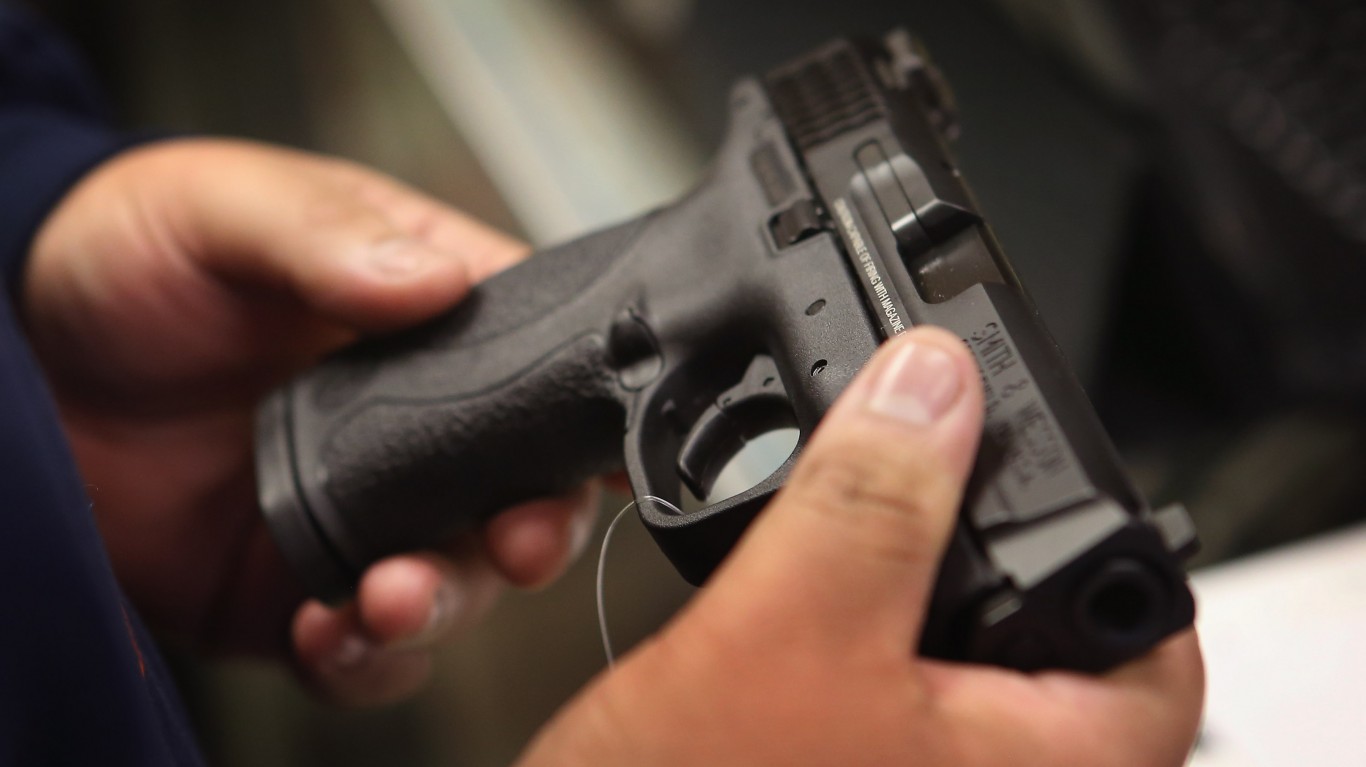
The pistols that stayed in holsters past their retirement dates usually earned it in the same ways: reliability, shootability, and familiarity. Some had better triggers, more controllable recoil, or ergonomics that made them easier to run under pressure. Others simply had years of muscle memory behind them, and that matters when seconds count. Modernization can introduce new features, but it can’t instantly replace the confidence troops gain from a sidearm that has already proven itself.
Sidearms That Refused to Go Away
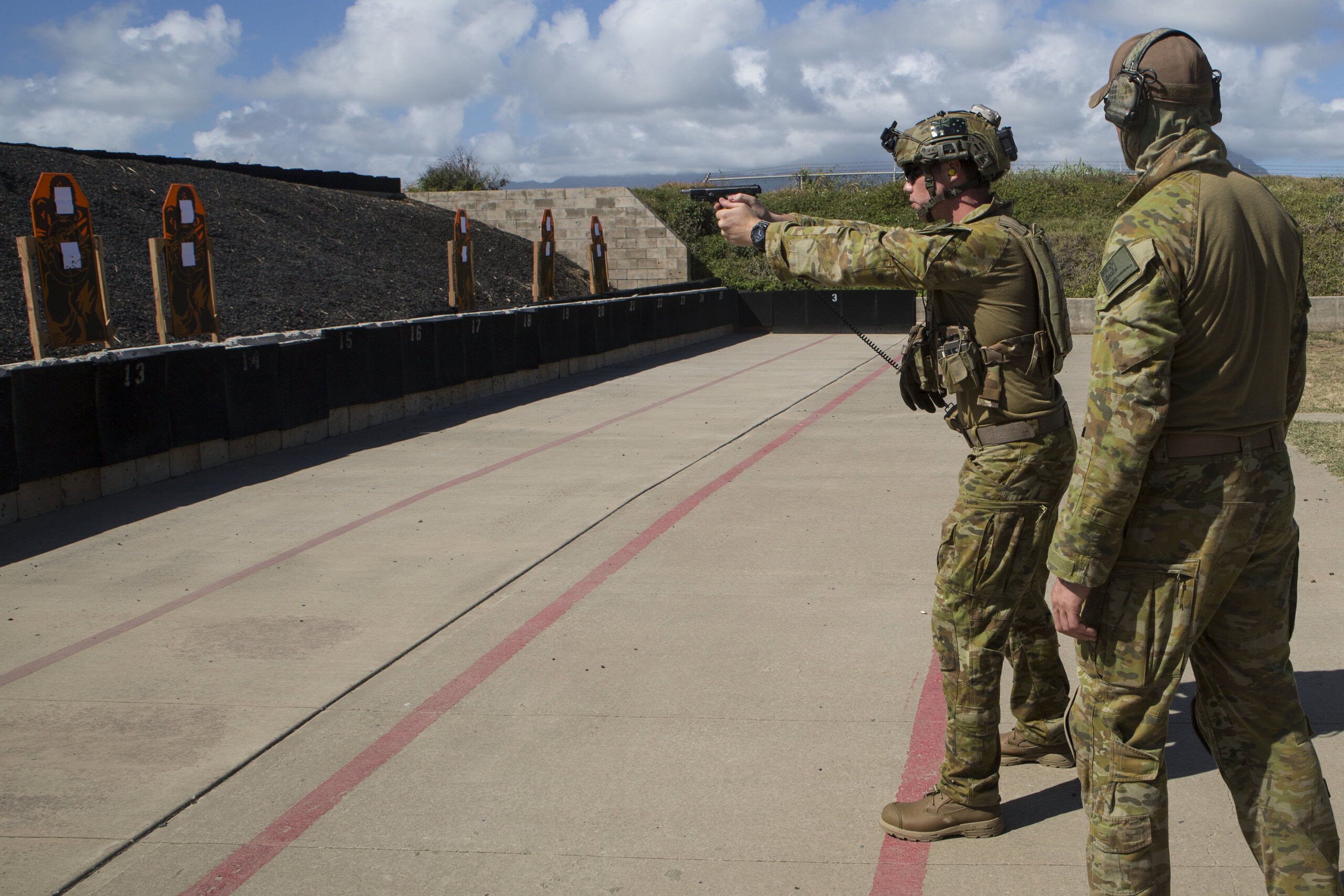
Many of these sidearms survived through exceptions—kept alive by special units, pilots, investigators, military police, and security forces who prioritized trusted performance over standardization. Some remained in service through waivers and niche roles, while others were upgraded or rebuilt instead of discarded. Over time, these pistols stopped being “old equipment” and became dependable tools with reputations strong enough to survive multiple replacement cycles.
The 30 Sidearms Troops Loved
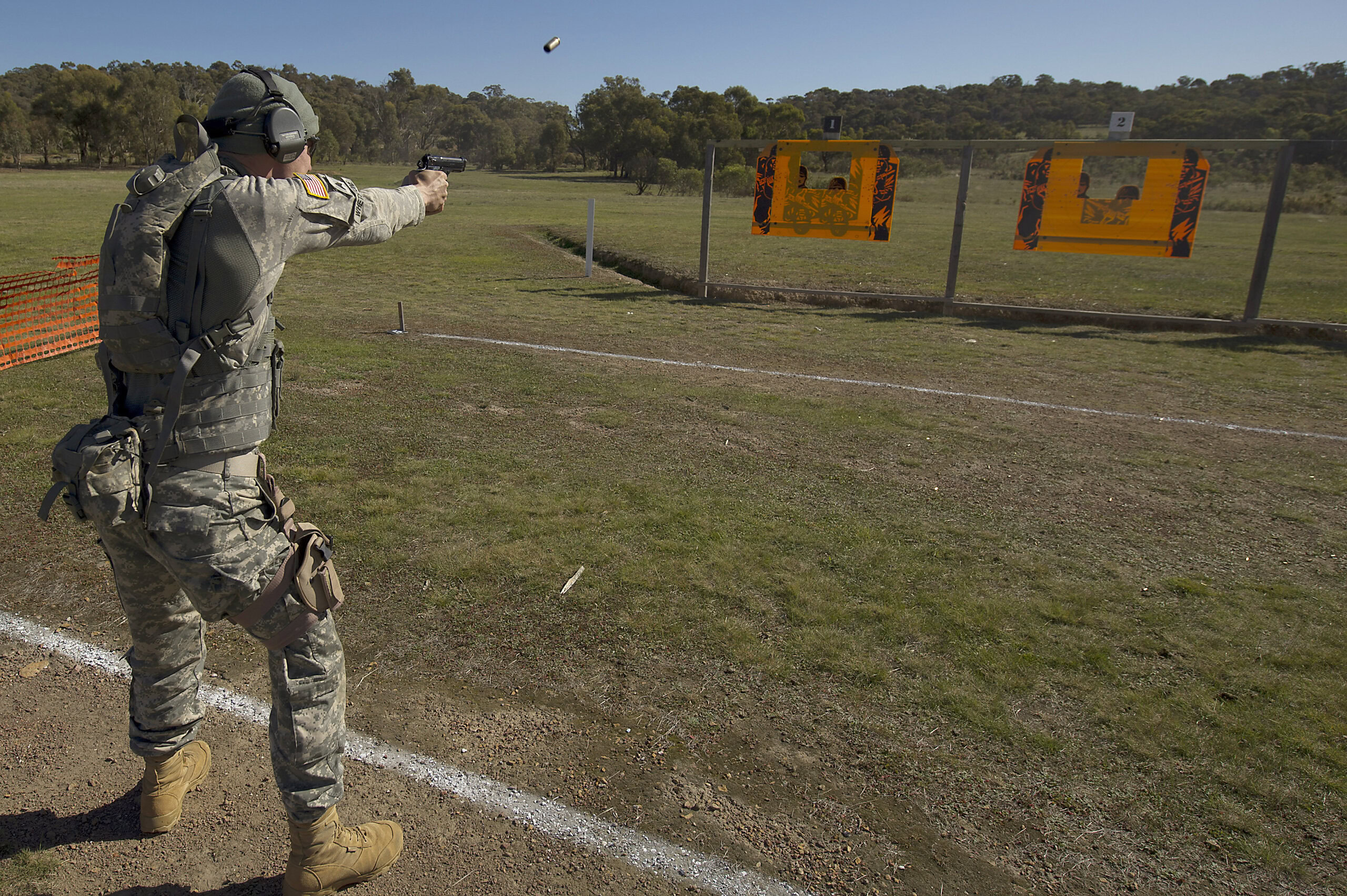
The list that follows highlights 30 military sidearms that troops continued to carry long after they were supposed to retire. Spanning World War I through modern conflicts, these pistols were used across NATO, Warsaw Pact, and non-aligned forces, often remaining in service because they delivered consistent performance when it mattered most. They weren’t kept for nostalgia—they were kept because, in real-world use, they were trusted.
M1911A1
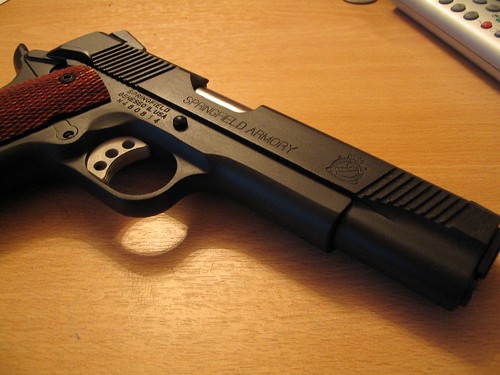
- Country of origin: United States
- Year introduced to service: 1911
- Official replacement: Beretta M9 (1985)
- Why troops kept it: Stopping power and trigger familiarity
- Primary conflicts: World War I, World War II, Vietnam, GWOT
- Firing action: Single-action
- Standard cartridge: .45 ACP
Despite being officially replaced, the M1911A1 remained beloved by troops for its powerful .45 ACP cartridge and crisp single-action trigger. Special operations units and Marines continued to request it decades later, valuing its reliability, shootability, and proven combat performance over newer service pistols.
Browning Hi-Power

- Country of origin: Belgium
- Year introduced to service: 1935
- Official replacement: Various modern 9mm pistols
- Why troops kept it: High capacity and excellent ergonomics
- Primary conflicts: World War II, Cold War, Modern Conflicts
- Firing action: Single-action
- Standard cartridge: 9×19mm
The Browning Hi-Power earned global loyalty thanks to its balance, accuracy, and higher magazine capacity for its era. Even after newer pistols emerged, troops trusted it for its shootability and reliability, keeping it in service across multiple continents long past its expected retirement.
Beretta M9
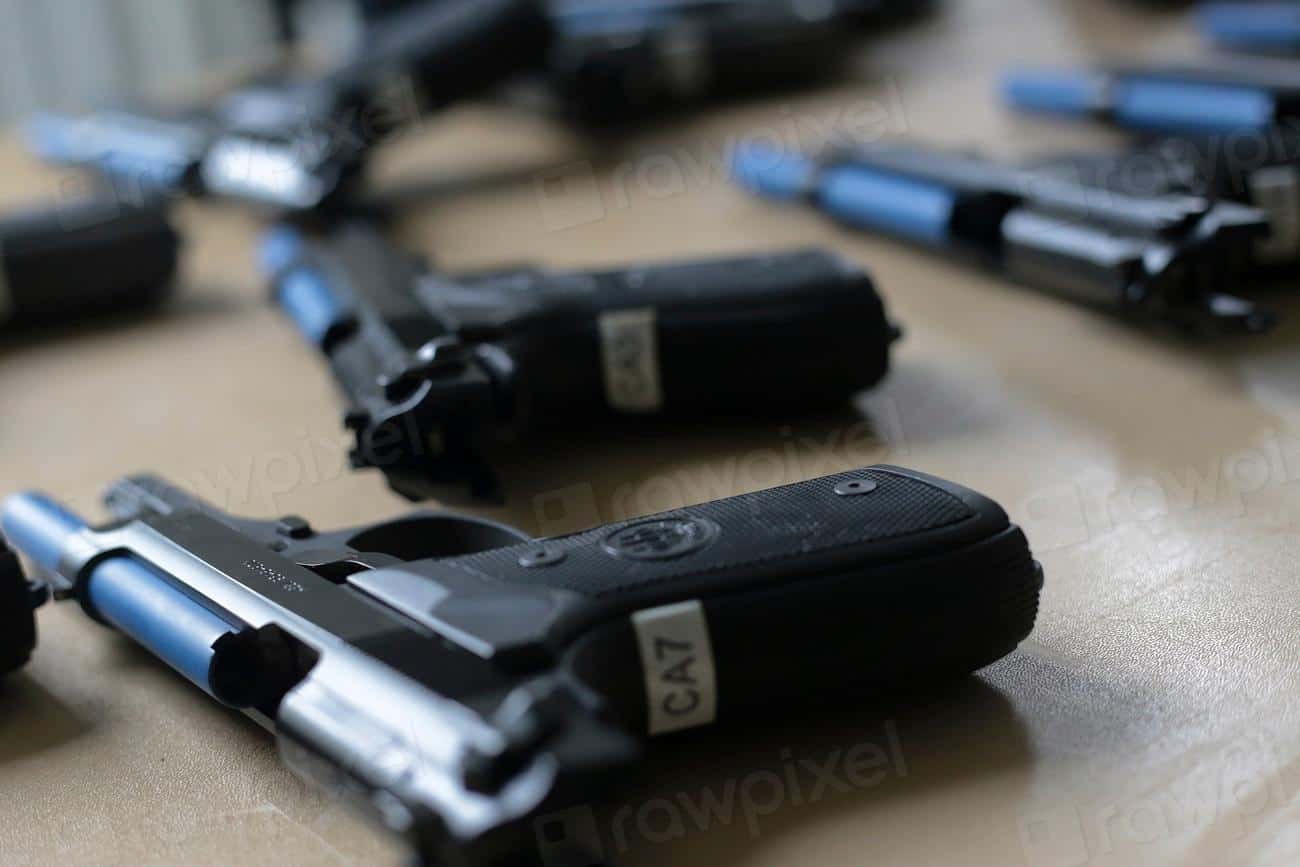
- Country of origin: Italy / United States
- Year introduced to service: 1985
- Official replacement: SIG M17 / M18 (2017)
- Why troops kept it: Familiarity and proven reliability
- Primary conflicts: Gulf War, GWOT
- Firing action: DA/SA
- Standard cartridge: 9×19mm
Although replaced by the M17/M18, the Beretta M9 continued to see use due to its long service history and predictable handling. Many troops trusted it after decades of training and deployment, preferring familiarity over transitioning to a new platform.
SIG P226
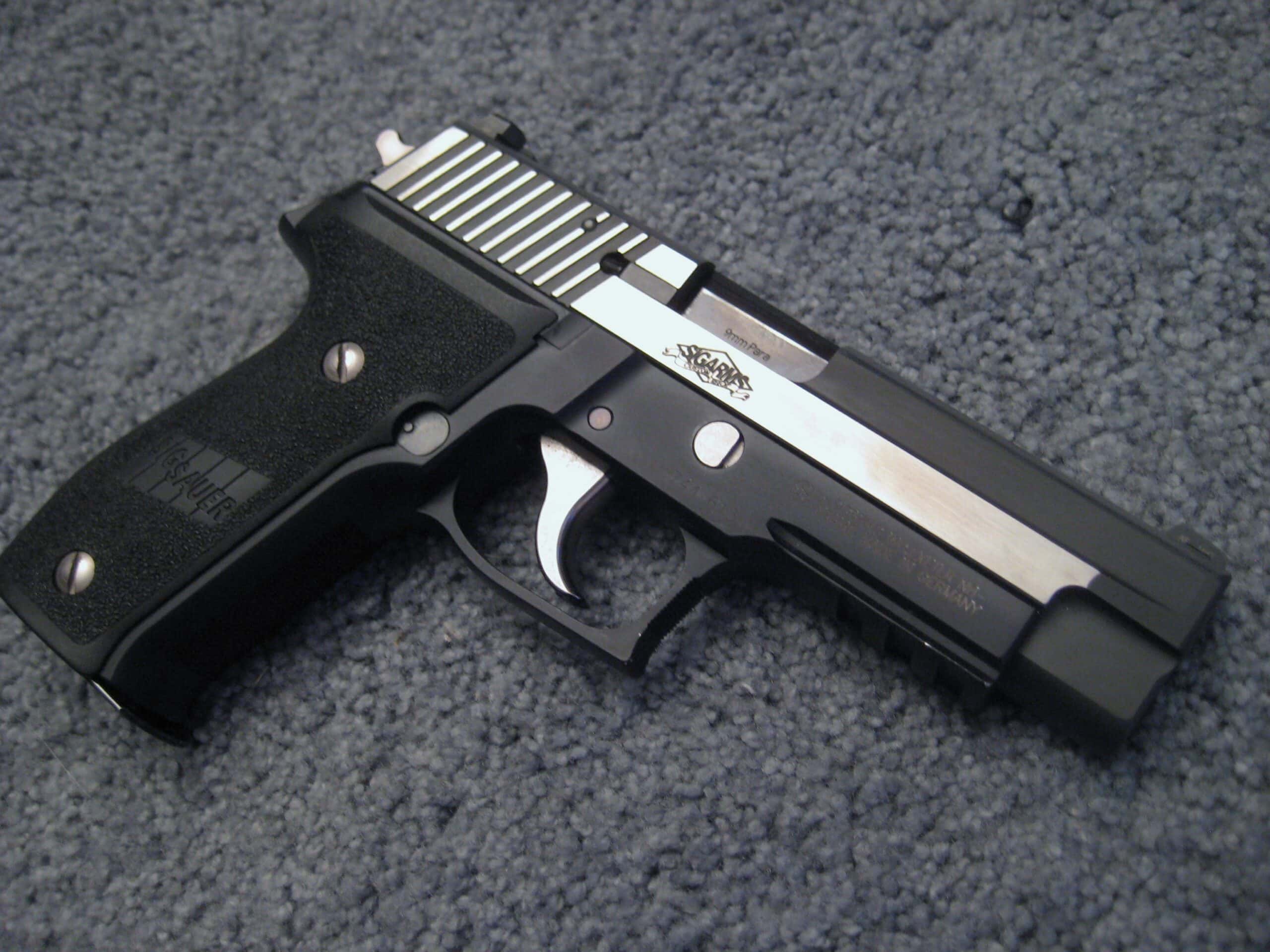
- Country of origin: Germany / Switzerland
- Year introduced to service: 1984
- Official replacement: Various polymer pistols
- Why troops kept it: Accuracy and durability
- Primary conflicts: Cold War, GWOT
- Firing action: DA/SA
- Standard cartridge: 9×19mm
The SIG P226 earned a strong reputation among military and special units for its accuracy and mechanical reliability. Even as lighter polymer pistols became standard, experienced users often retained the P226 for its durability and consistent performance under stress.
SIG P228 / M11
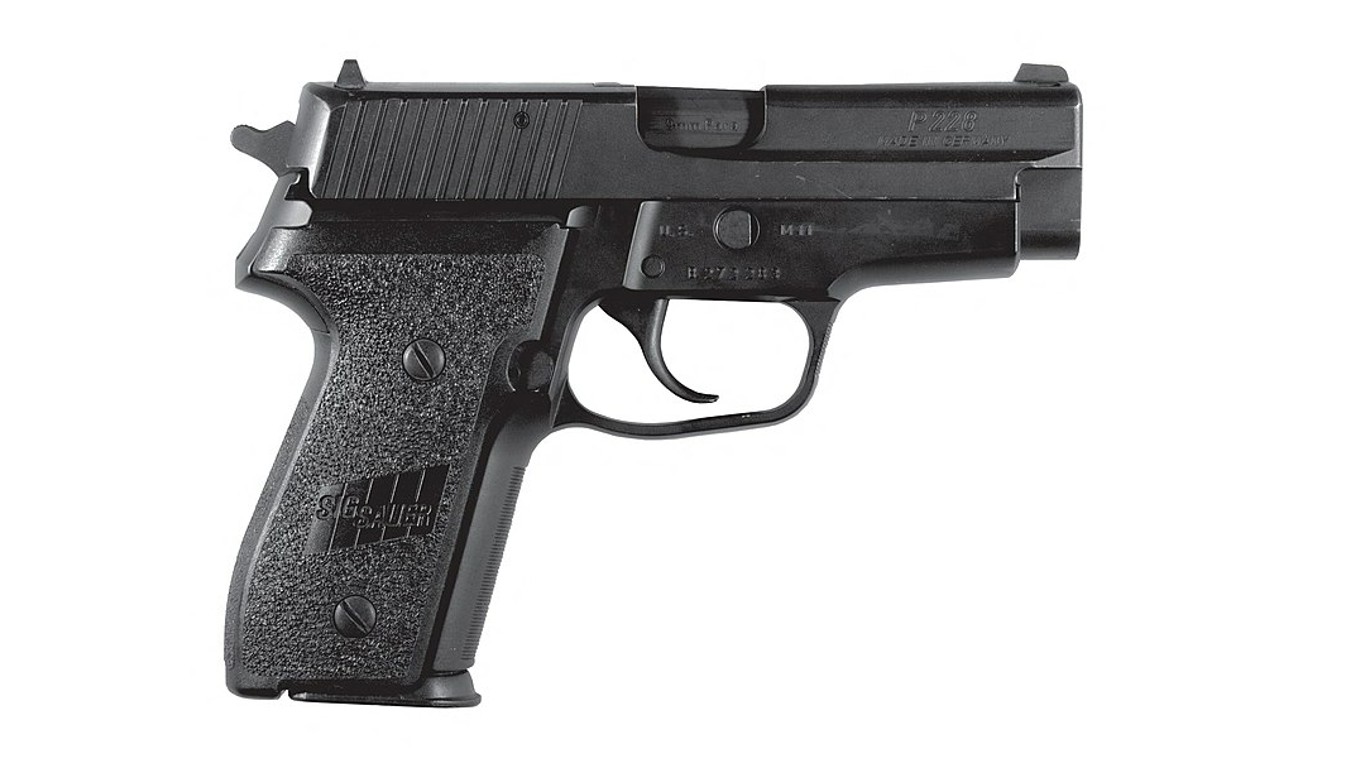
- Country of origin: Germany / Switzerland
- Year introduced to service: 1989
- Official replacement: SIG M18
- Why troops kept it: Compact size and balance
- Primary conflicts: GWOT
- Firing action: DA/SA
- Standard cartridge: 9×19mm
The M11 remained popular with pilots and investigators due to its compact frame and excellent balance. Despite newer pistols entering service, troops valued its proven reliability and ease of carry, extending its service life well beyond initial plans.
CZ-75
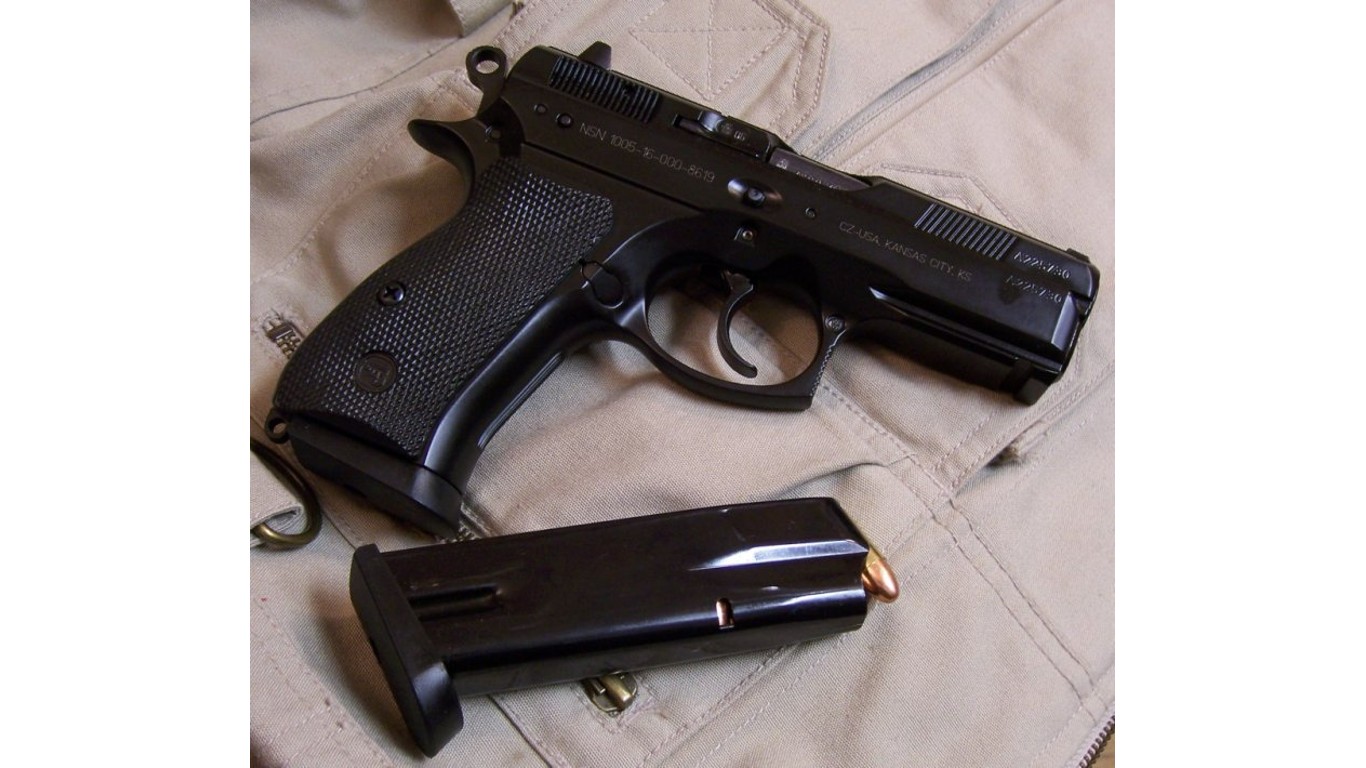
- Country of origin: Czechoslovakia
- Year introduced to service: 1975
- Official replacement: Modern polymer pistols
- Why troops kept it: Ergonomics and accuracy
- Primary conflicts: Cold War, Modern Conflicts
- Firing action: DA/SA
- Standard cartridge: 9×19mm
The CZ-75 developed a devoted following thanks to its natural ergonomics and accuracy. Even after modernization efforts introduced newer designs, troops and security forces continued to favor it for its controllability and dependable operation.
Tokarev TT-33
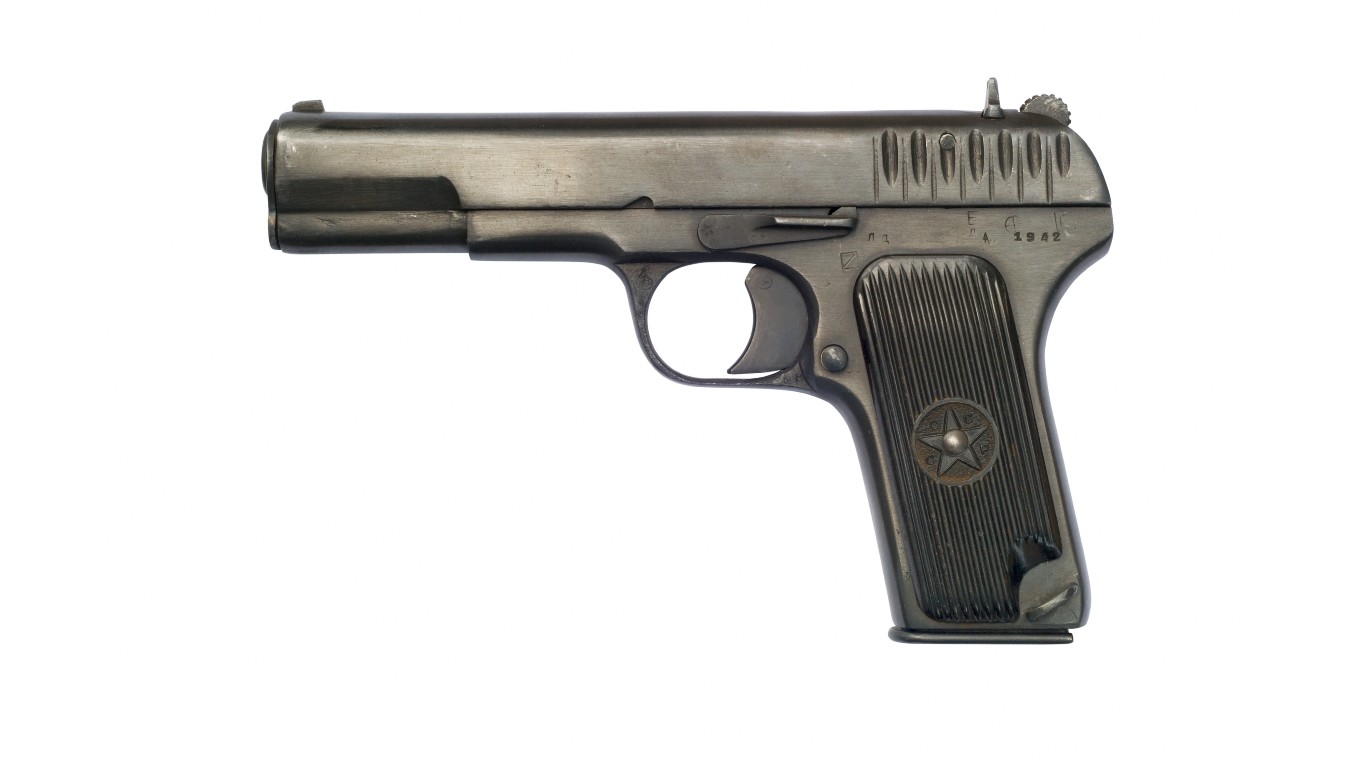
- Country of origin: Soviet Union
- Year introduced to service: 1933
- Official replacement: Makarov PM
- Why troops kept it: Powerful cartridge and simplicity
- Primary conflicts: World War II, Cold War
- Firing action: Single-action
- Standard cartridge: 7.62×25mm
Though officially replaced by the Makarov, the Tokarev TT-33 lingered in service due to its simple design and powerful cartridge. Troops trusted its reliability and penetration, keeping it in reserve and secondary roles for decades.
Makarov PM

- Country of origin: Soviet Union
- Year introduced to service: 1951
- Official replacement: Modern Russian pistols
- Why troops kept it: Simplicity and durability
- Primary conflicts: Cold War, Post–Cold War
- Firing action: DA/SA
- Standard cartridge: 9×18mm
The Makarov PM outlasted expectations thanks to its simple blowback design and rugged construction. Even as newer pistols emerged, troops continued carrying it because it worked reliably with minimal maintenance in harsh conditions.
Walther P38 / P1
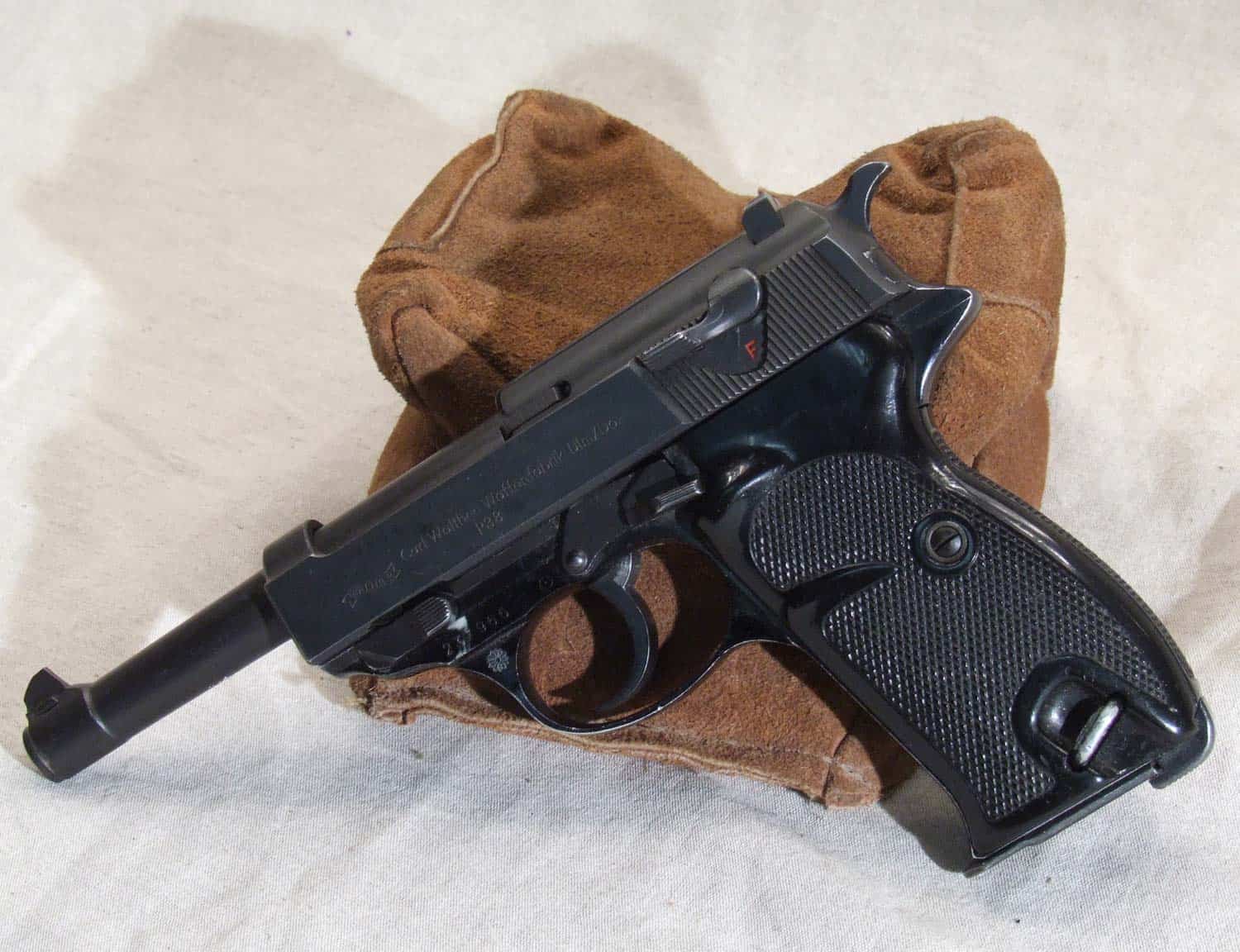
- Country of origin: Germany
- Year introduced to service: 1938
- Official replacement: Walther P5
- Why troops kept it: Ease of use and reliability
- Primary conflicts: World War II, Cold War
- Firing action: DA/SA
- Standard cartridge: 9×19mm
The Walther P38 and later P1 remained in service well after WWII because of their straightforward operation and dependable performance. Troops trusted the pistol’s safety features and reliability long after newer designs became available.
Glock 17

- Country of origin: Austria
- Year introduced to service: 1982
- Official replacement: Later Glock variants
- Why troops kept it: Lightweight and reliability
- Primary conflicts: Cold War, Modern Conflicts
- Firing action: Striker-fired
- Standard cartridge: 9×19mm
Early adopters of the Glock 17 often stuck with it despite newer variants entering service. Troops valued its lightweight polymer frame, simple operation, and exceptional reliability, keeping it in use far longer than expected.
Glock 19
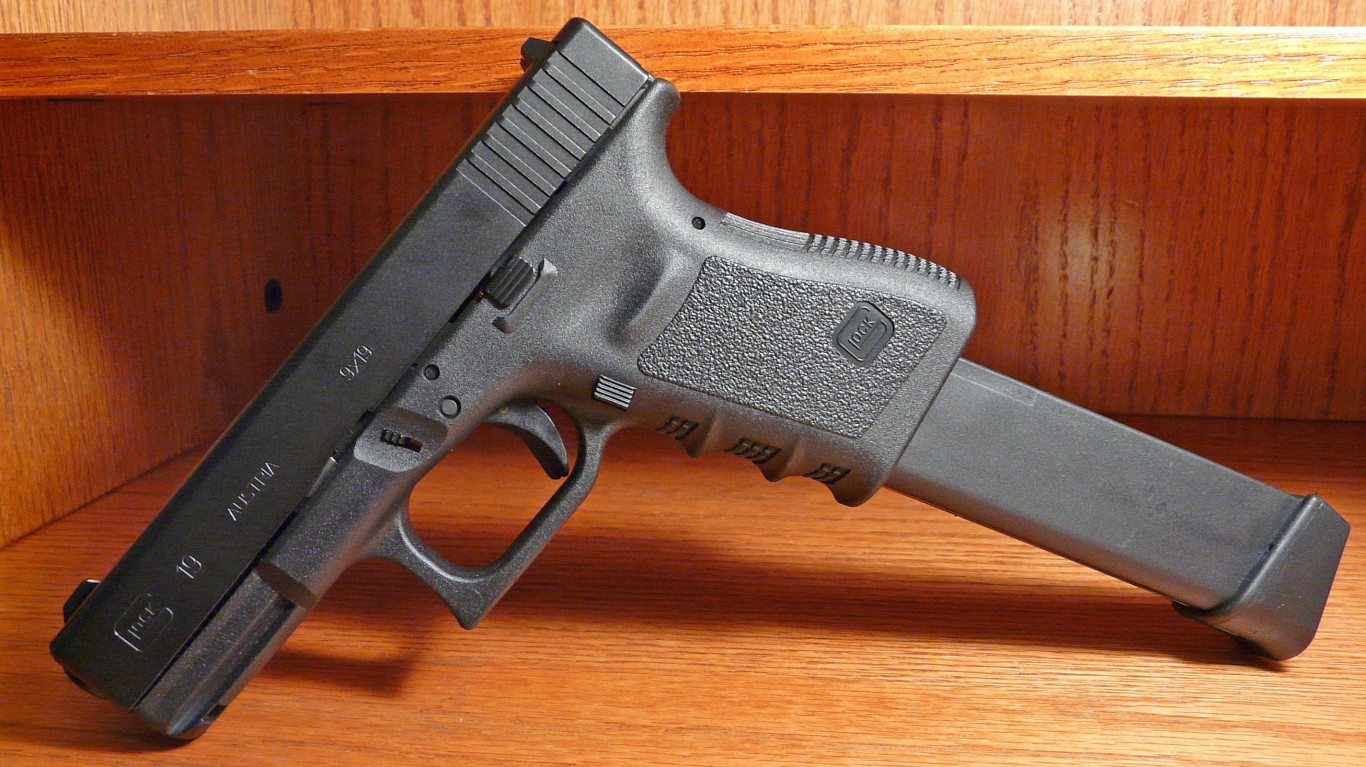
- Country of origin: Austria
- Year introduced to service: 1988
- Official replacement: Various service pistols
- Why troops kept it: Compact size and versatility
- Primary conflicts: GWOT
- Firing action: Striker-fired
- Standard cartridge: 9×19mm
The Glock 19 earned loyalty for its balance between size and capacity. Even as standardized service pistols changed, many units retained the Glock 19 for its reliability, ease of carry, and familiarity under stress.
Colt M45 MEUSOC
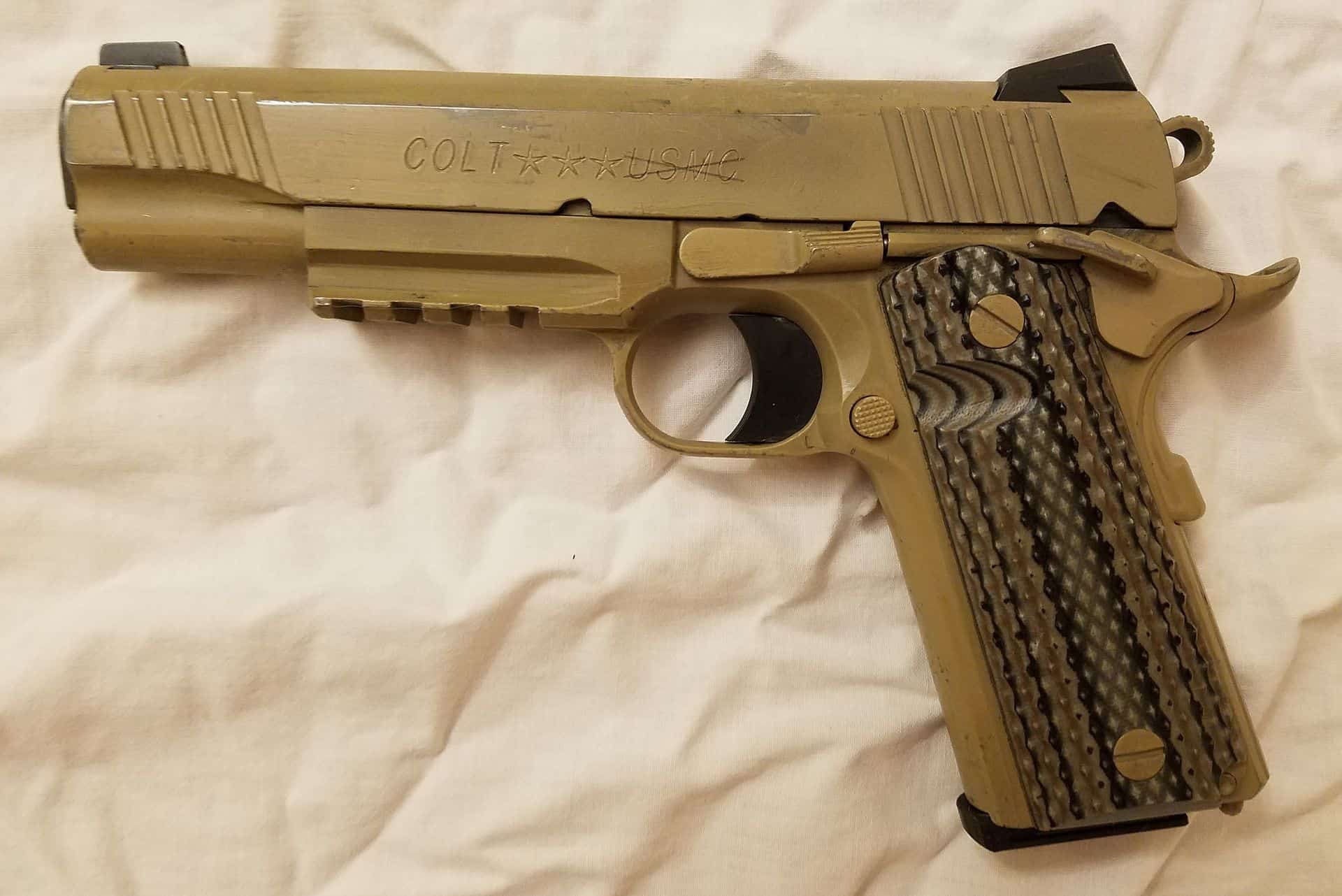
- Country of origin: United States
- Year introduced to service: 1985
- Official replacement: M9 / M17
- Why troops kept it: .45 ACP stopping power
- Primary conflicts: GWOT
- Firing action: Single-action
- Standard cartridge: .45 ACP
Marine units retained the M45 MEUSOC long after it was officially outdated. Its .45 ACP cartridge and refined 1911 platform made it a favorite among experienced operators who trusted its performance in close combat.
HK USP

- Country of origin: Germany
- Year introduced to service: 1993
- Official replacement: HK P30
- Why troops kept it: Overbuilt reliability
- Primary conflicts: GWOT
- Firing action: DA/SA
- Standard cartridge: 9×19mm / .45 ACP
The HK USP earned a reputation for being nearly indestructible. Even as newer HK pistols were introduced, troops and special units retained the USP for its durability, reliability, and ability to handle high-pressure ammunition.
HK Mark 23
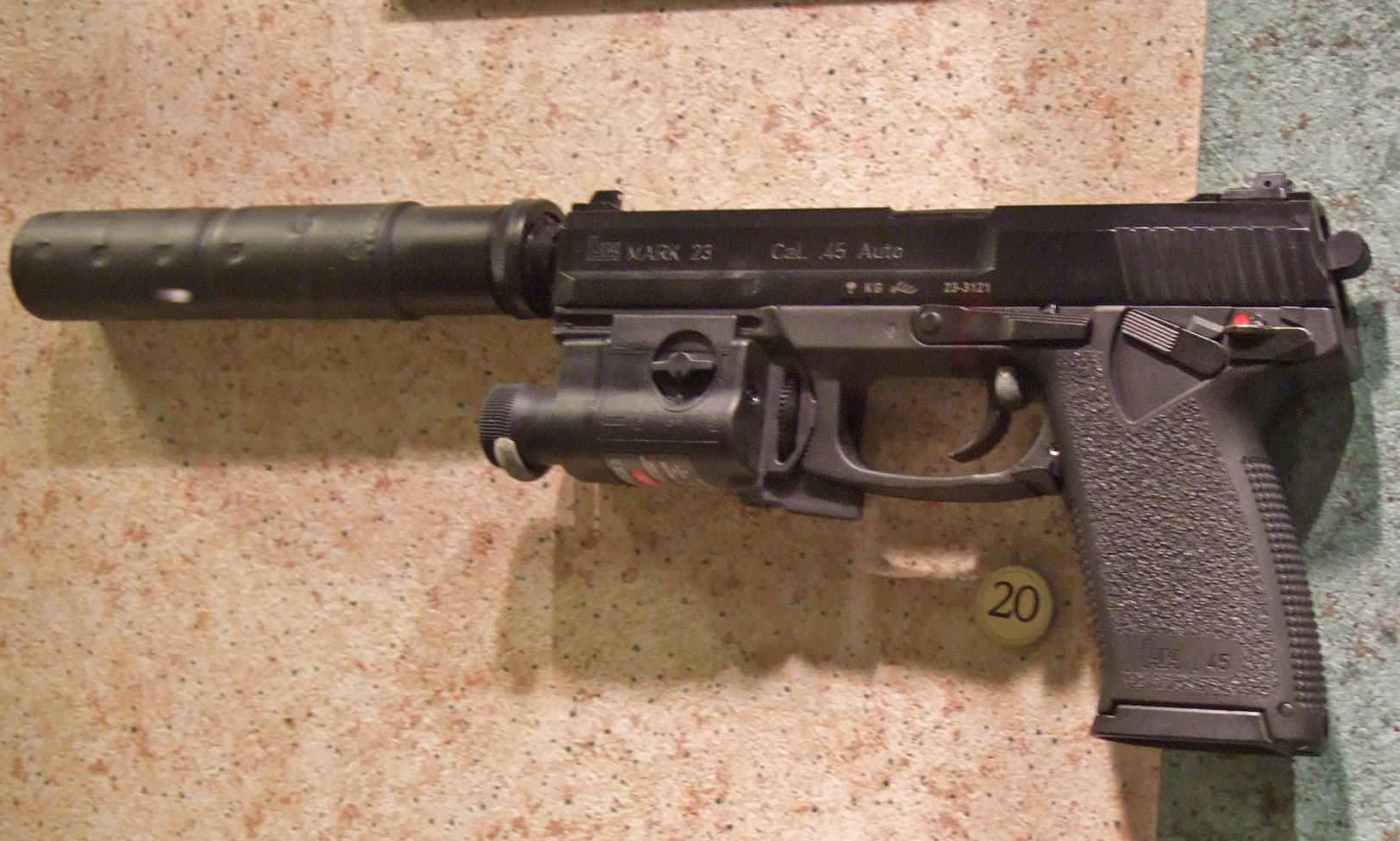
- Country of origin: Germany
- Year introduced to service: 1996
- Official replacement: Never fully replaced
- Why troops kept it: Extreme durability
- Primary conflicts: GWOT
- Firing action: DA/SA
- Standard cartridge: .45 ACP
Although heavy and oversized, the HK Mark 23 was never truly retired. SOCOM units continued to value it for its accuracy, suppressor compatibility, and unmatched durability in demanding operational environments.
Beretta 92FS

- Country of origin: Italy
- Year introduced to service: 1976
- Official replacement: Polymer striker-fired pistols
- Why troops kept it: Shootability and familiarity
- Primary conflicts: Cold War, GWOT
- Firing action: DA/SA
- Standard cartridge: 9×19mm
The 92FS remained popular even as polymer pistols gained favor. Troops trusted its accuracy and smooth recoil, sticking with a platform they knew well rather than transitioning to unfamiliar designs.
Smith & Wesson Model 10
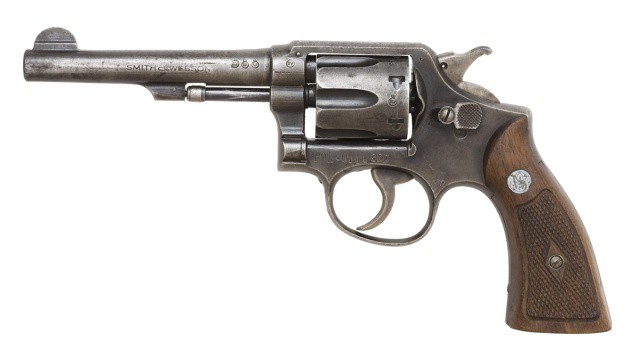
- Country of origin: United States
- Year introduced to service: 1899
- Official replacement: Semi-automatic pistols
- Why troops kept it: Mechanical simplicity
- Primary conflicts: World War II, Cold War
- Firing action: Revolver
- Standard cartridge: .38 Special
Despite the shift to semi-automatic pistols, the Model 10 remained in service for decades. Troops trusted its simplicity and reliability, especially in roles where absolute dependability mattered more than capacity.
Smith & Wesson Model 15
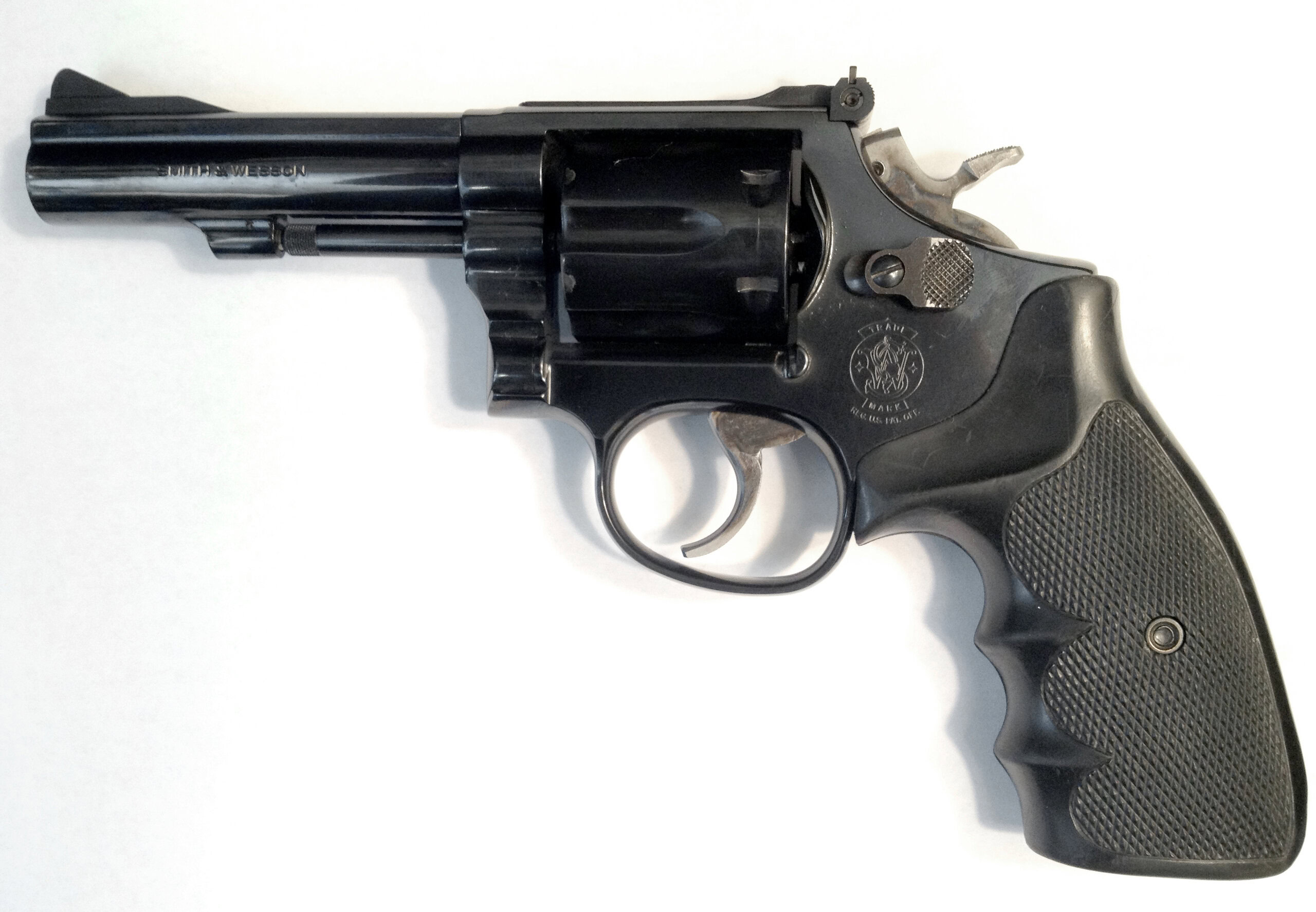
- Country of origin: United States
- Year introduced to service: 1949
- Official replacement: Semi-automatic pistols
- Why troops kept it: Accuracy and reliability
- Primary conflicts: Cold War
- Firing action: Revolver
- Standard cartridge: .38 Special
The Model 15 earned trust for its accuracy and dependable operation. Even as revolvers were phased out, some units retained it because it worked consistently with minimal training and maintenance.
CZ-82
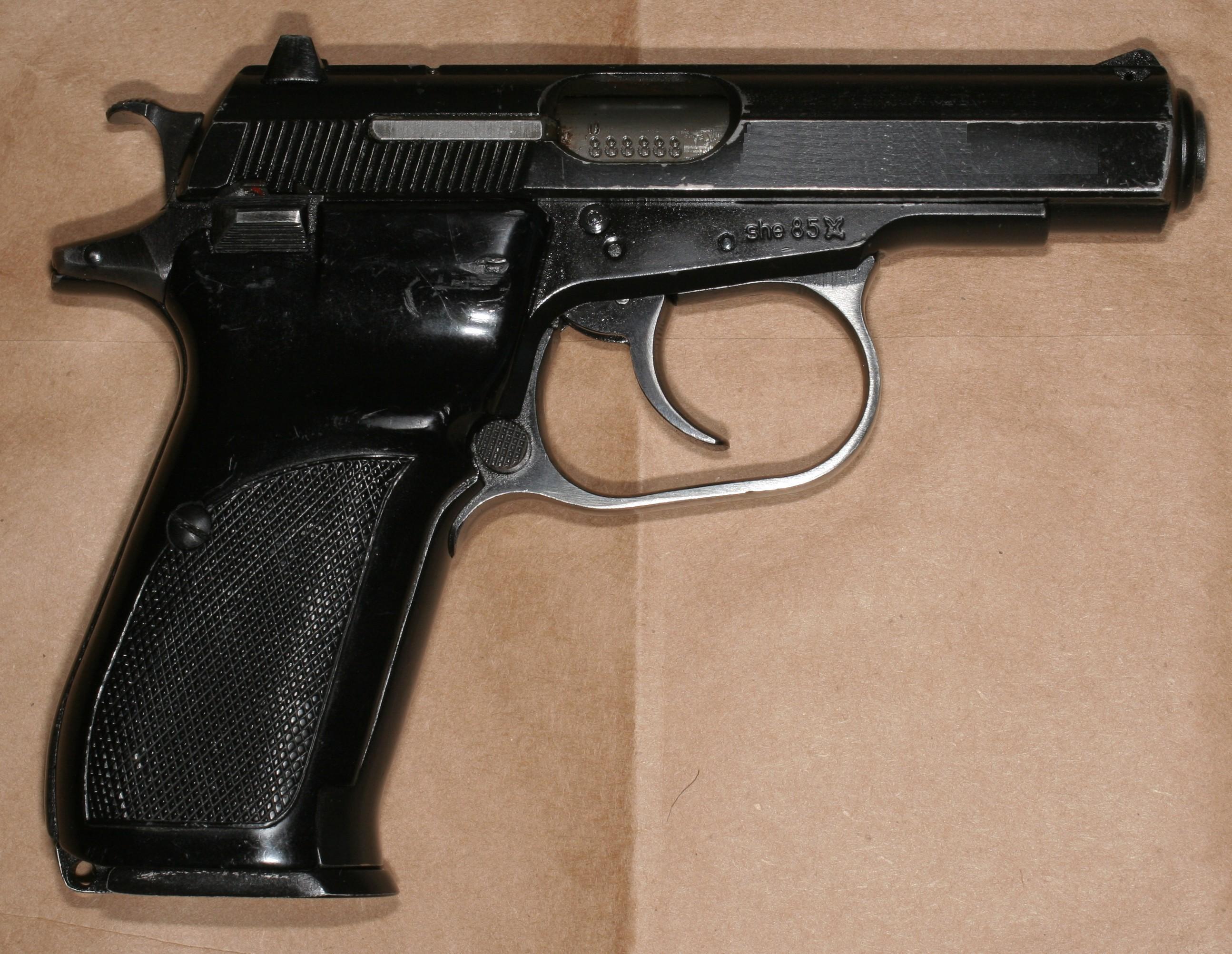
- Country of origin: Czechoslovakia
- Year introduced to service: 1983
- Official replacement: Modern service pistols
- Why troops kept it: Ergonomics and durability
- Primary conflicts: Cold War, Post–Cold War
- Firing action: DA/SA
- Standard cartridge: 9×18mm
The CZ-82 stayed in service well beyond expectations thanks to its comfortable grip and reliable performance. Troops appreciated its durability and accuracy despite newer pistols becoming available.
Jericho 941
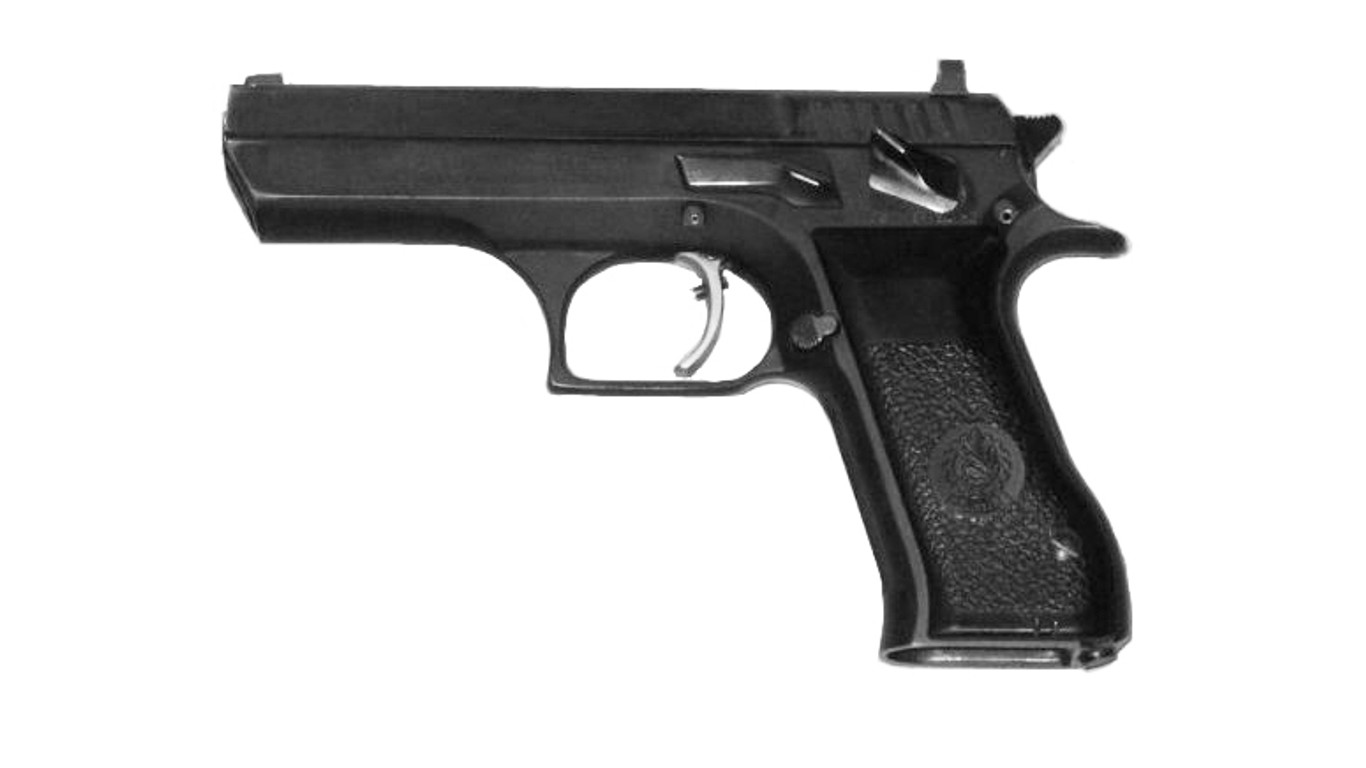
- Country of origin: Israel
- Year introduced to service: 1990
- Official replacement: Polymer pistols
- Why troops kept it: Shootability and familiarity
- Primary conflicts: Modern Conflicts
- Firing action: DA/SA
- Standard cartridge: 9×19mm
The Jericho 941 remained popular among security and military forces due to its excellent ergonomics and controllability. Even after modernization, troops trusted its familiar handling and dependable function.
SIG P210
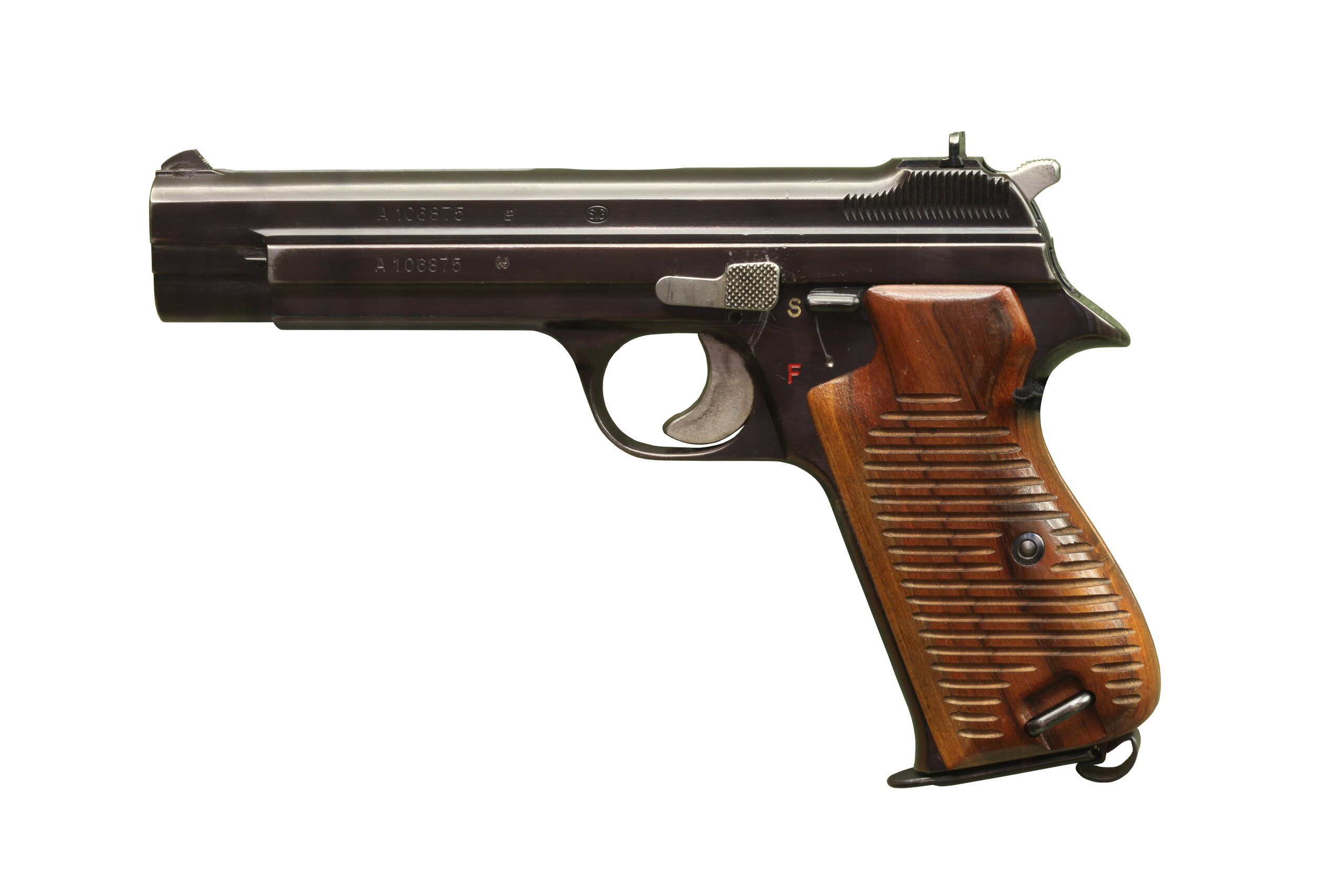
- Country of origin: Switzerland
- Year introduced to service: 1949
- Official replacement: SIG P220
- Why troops kept it: Extreme accuracy
- Primary conflicts: Cold War
- Firing action: Single-action
- Standard cartridge: 9×19mm
Renowned for precision, the SIG P210 remained in service long after replacement due to unmatched accuracy and build quality. Troops valued its consistency and reliability despite its age and cost.
Luger P08
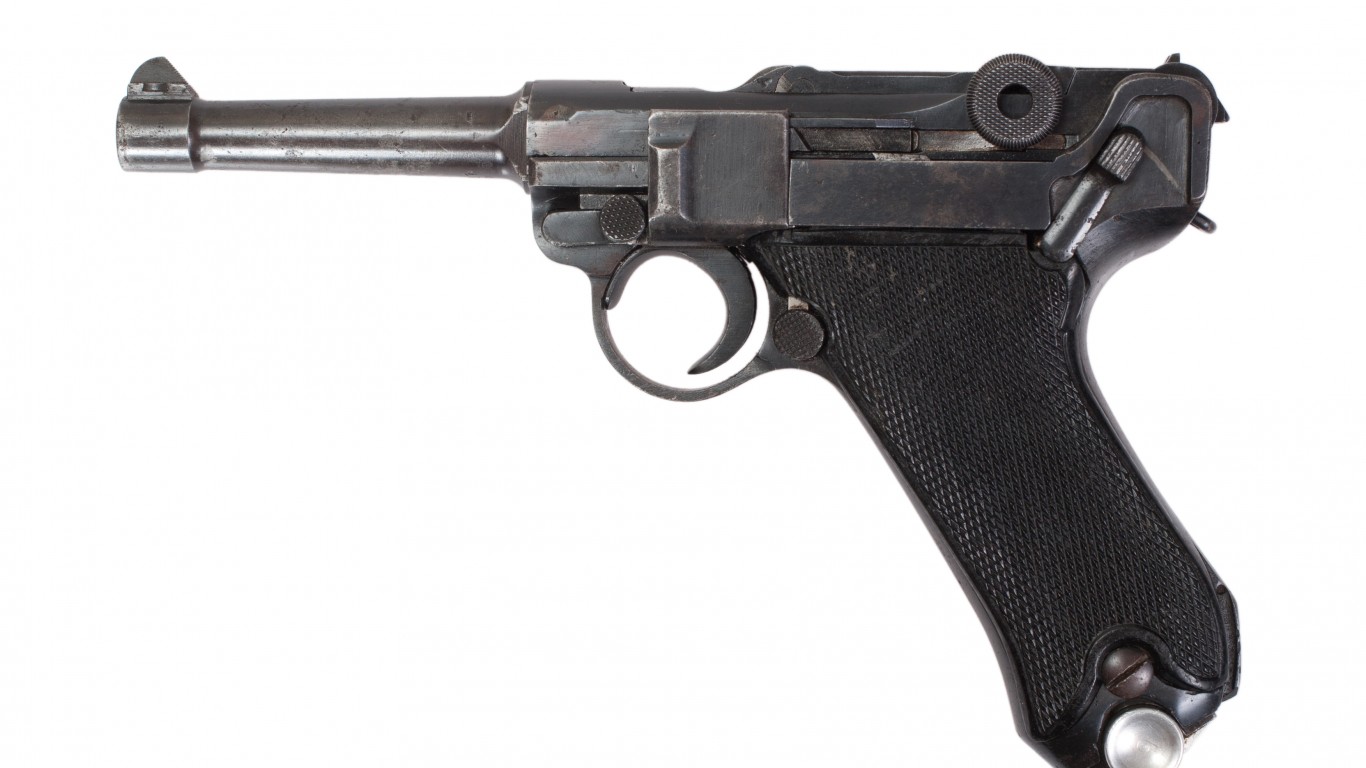
- Country of origin: Germany
- Year introduced to service: 1908
- Official replacement: Walther P38
- Why troops kept it: Accuracy and familiarity
- Primary conflicts: World War I, World War II
- Firing action: Toggle-lock
- Standard cartridge: 9×19mm
Though mechanically complex, the Luger P08 lingered in service because of its accuracy and familiarity. Troops continued using it in secondary roles even after simpler pistols replaced it.
Star Model B
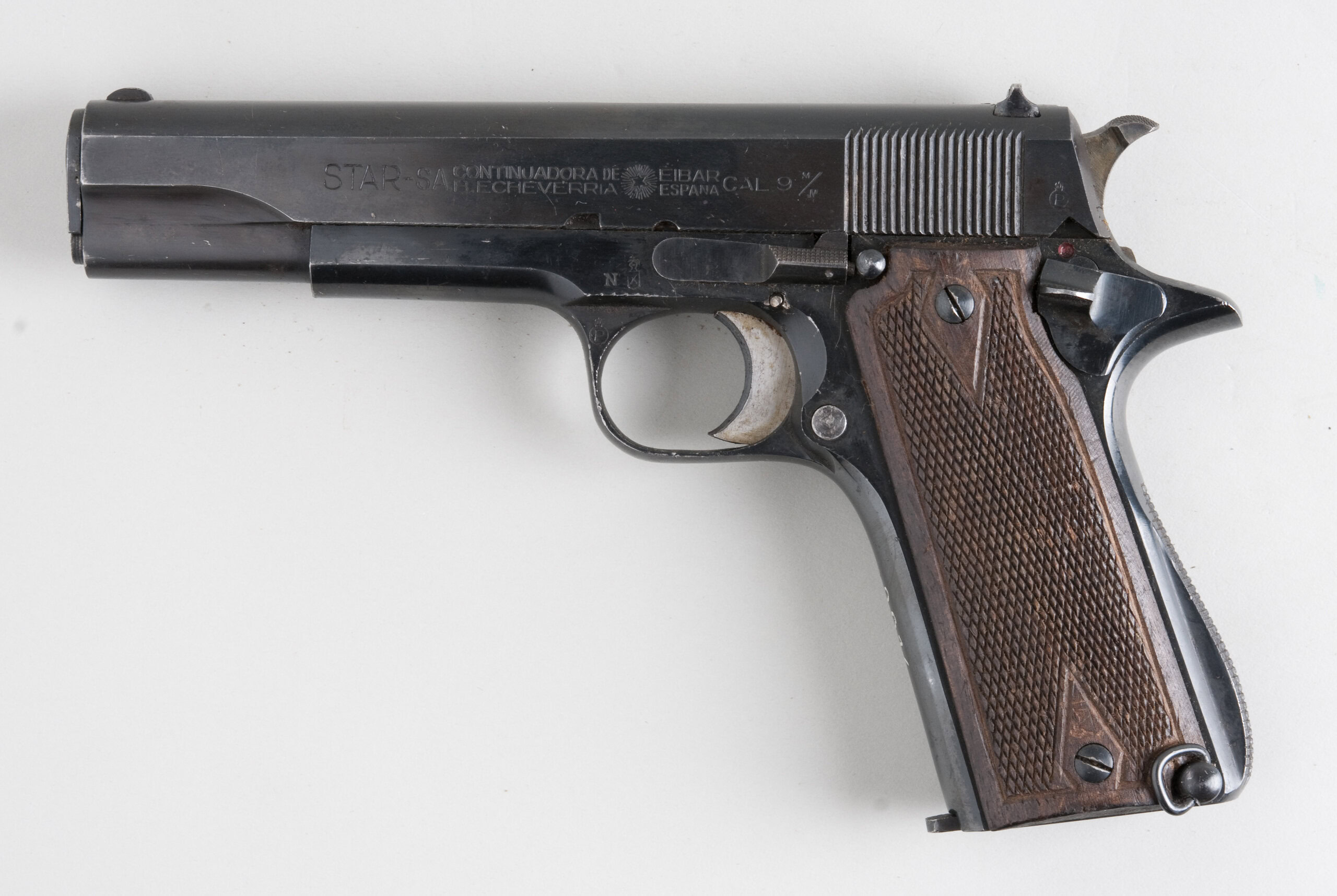
- Country of origin: Spain
- Year introduced to service: 1924
- Official replacement: Modern service pistols
- Why troops kept it: Familiarity and reliability
- Primary conflicts: World War II, Cold War
- Firing action: Single-action
- Standard cartridge: 9×19mm
The Star Model B stayed in service long after retirement due to its straightforward 1911-style operation. Troops trusted its reliability and handling, keeping it active in reserve roles.
Beretta M1951

- Country of origin: Italy
- Year introduced to service: 1951
- Official replacement: Beretta 92
- Why troops kept it: Durability and accuracy
- Primary conflicts: Cold War
- Firing action: Single-action
- Standard cartridge: 9×19mm
The Beretta M1951 earned extended service life due to its robust construction and accuracy. Even after newer pistols arrived, troops continued carrying it because of its proven performance.
HK P7
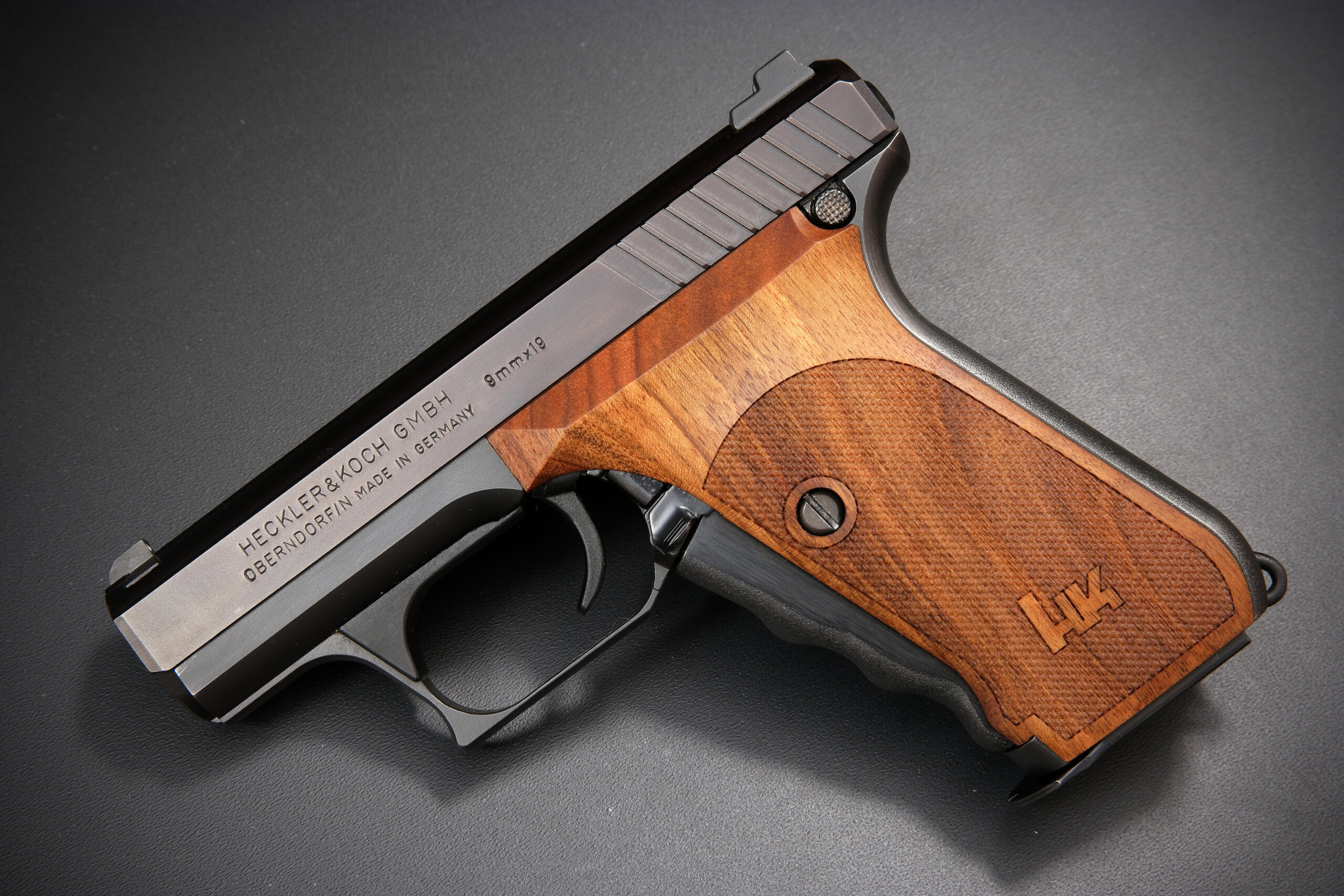
- Country of origin: Germany
- Year introduced to service: 1979
- Official replacement: Modern service pistols
- Why troops kept it: Accuracy and safety
- Primary conflicts: Cold War, Modern Conflicts
- Firing action: Squeeze-cocker
- Standard cartridge: 9×19mm
Despite being expensive and complex, the HK P7 inspired loyalty for its accuracy and safety. Troops trusted its unique squeeze-cocker system and continued using it well past its intended service life.
CZ-P09
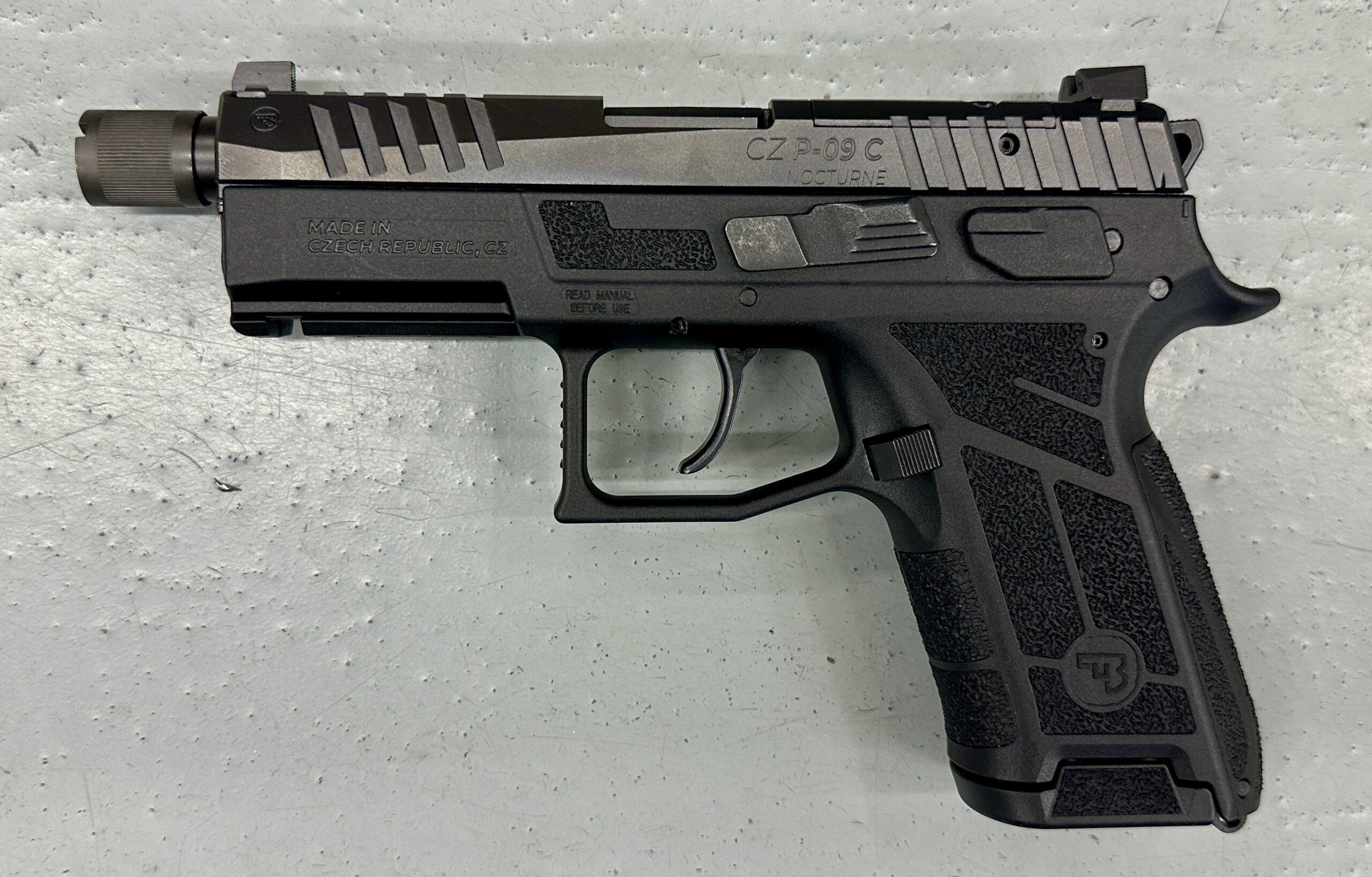
- Country of origin: Czech Republic
- Year introduced to service: 2014
- Official replacement: Newer polymer pistols
- Why troops kept it: Familiar CZ ergonomics
- Primary conflicts: Modern Conflicts
- Firing action: DA/SA
- Standard cartridge: 9×19mm
Even as newer polymer pistols entered service, some units retained the CZ-P09 due to its familiar ergonomics and reliability. Troops appreciated continuity over constant platform changes.
FN Five-seveN
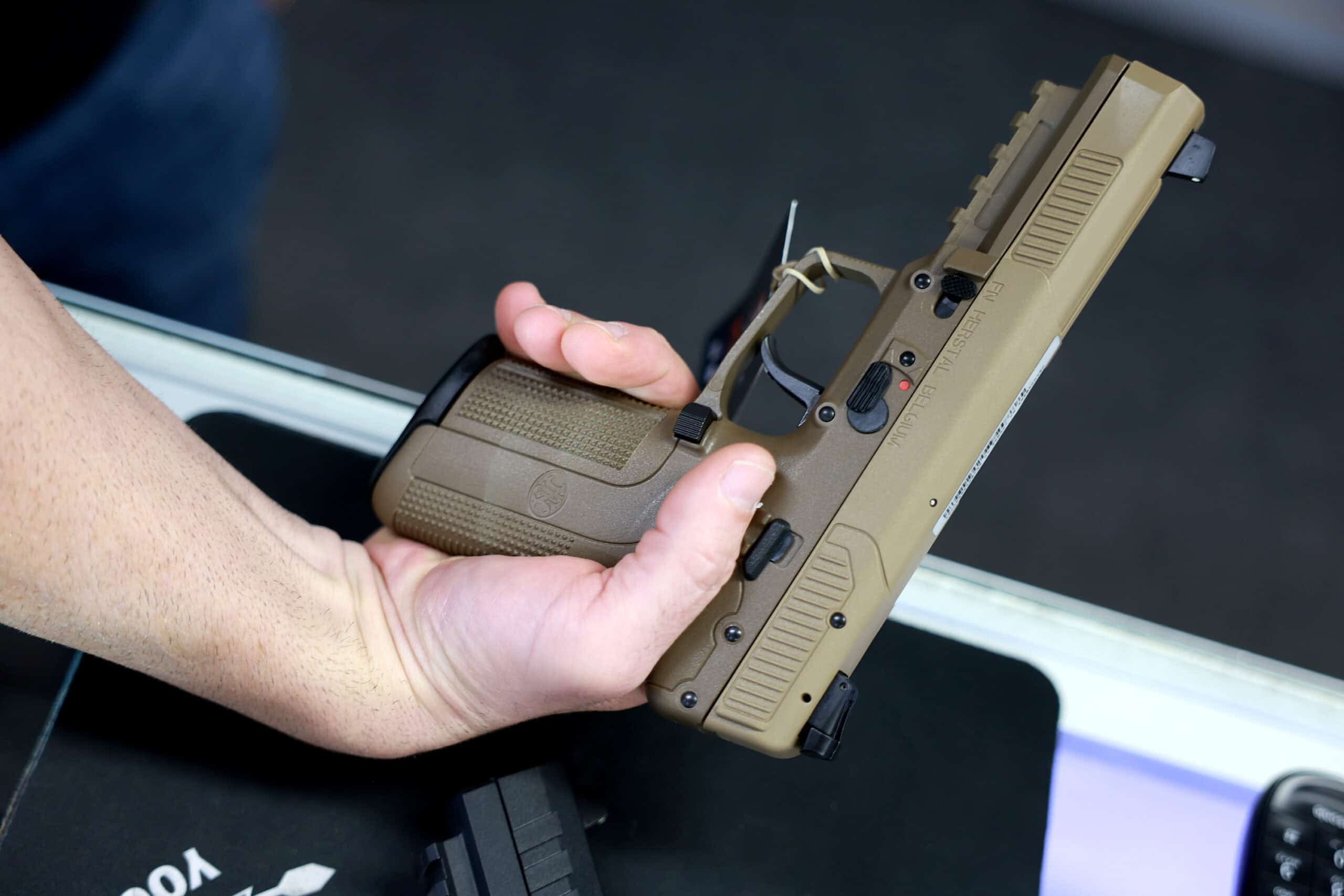
- Country of origin: Belgium
- Year introduced to service: 1998
- Official replacement: Limited replacement
- Why troops kept it: Low recoil and penetration
- Primary conflicts: Modern Conflicts
- Firing action: Single-action
- Standard cartridge: 5.7×28mm
The FN Five-seveN found continued use with niche units despite shifting procurement priorities. Troops valued its low recoil, high capacity, and ability to penetrate modern armor.
Norinco NP-20
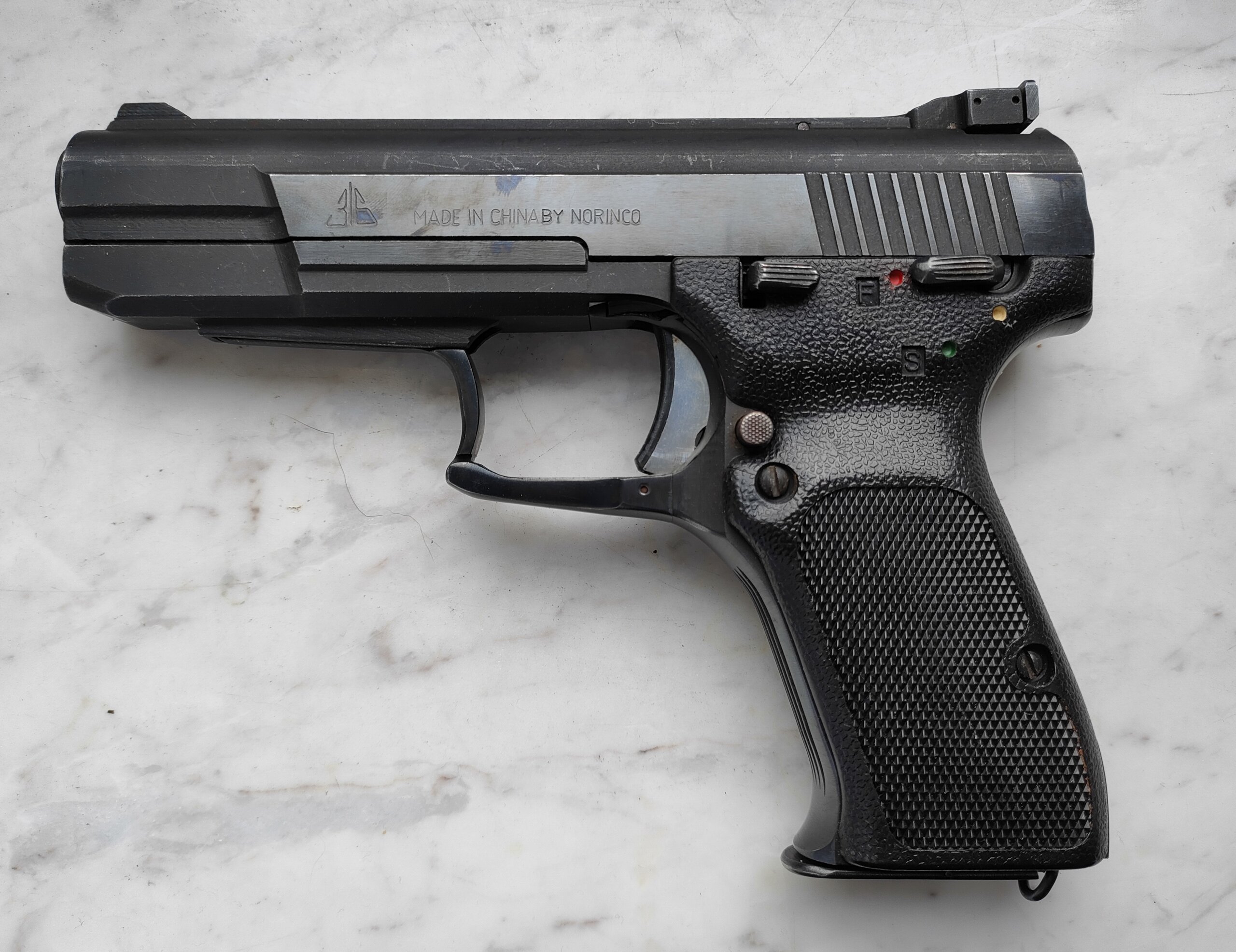
- Country of origin: China
- Year introduced to service: 1990
- Official replacement: Modern Chinese pistols
- Why troops kept it: Logistics and familiarity
- Primary conflicts: Modern Conflicts
- Firing action: DA/SA
- Standard cartridge: 9×19mm
The NP-20 remained in service primarily due to logistics and familiarity. Troops trusted a platform they knew well, extending its life beyond official replacement timelines.
Beretta PX4
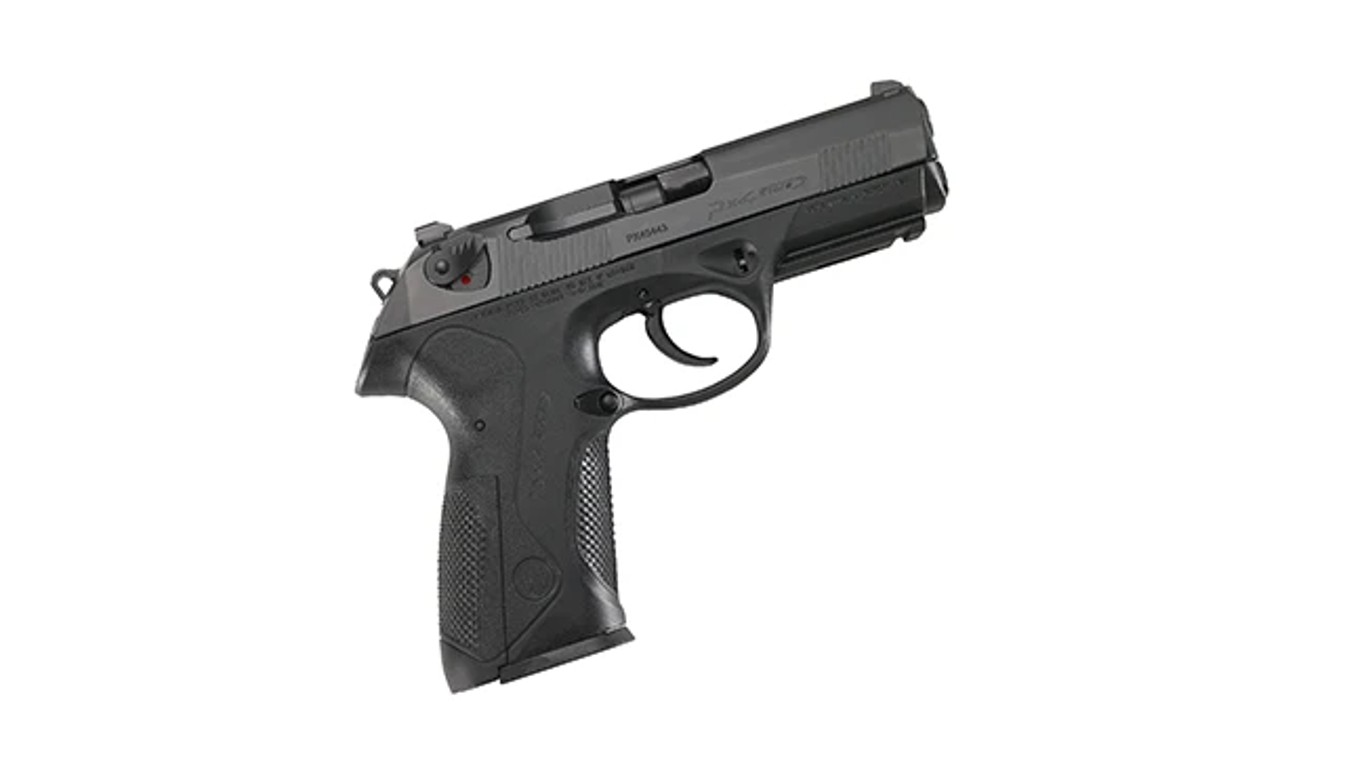
- Country of origin: Italy
- Year introduced to service: 2004
- Official replacement: Striker-fired pistols
- Why troops kept it: Reliability and controllability
- Primary conflicts: Modern Conflicts
- Firing action: DA/SA
- Standard cartridge: 9×19mm
Although newer striker-fired pistols became standard, the Beretta PX4 remained in service with some forces. Troops valued its rotating barrel system and controllable recoil, preferring it over unfamiliar replacements.







 Top Gaining Stocks
 Top Losing Stocks