



24/7 Wall St. Key Insights:
- While their fees can be expensive, a trusted financial advisor can help you overcome market volatility and provide a safety net for your spouse.
- An advisor can help with the transition from saving for retirement to withdrawing for retirement.
- Also: Take this quiz to see if you are on track to retire (Sponsored)
As he nears retirement, one Reddit user is wondering if paying for a financial advisor is worth it. For years, they’ve been managing their investments well, but as retirement approaches, they wonder if they should continue to pay for their advisor.
They’ve already placed $2M with a highly regarded firm and appreciate the guidance on tax, estate, and trust management. However, with an annual fee of $17K, the question remains: is it worth giving them control over more of their portfolio?
In this article, we’ll look at the key advantages of working with a financial advisor, which goes beyond simple returns and offers insight for anyone finding themselves in a similar boat.
Why We’re Covering This
Sometimes, hiring a financial advisor is just worth it. But how can you tell if their high fees are worth the benefits? That’s exactly what we’re exploring below.
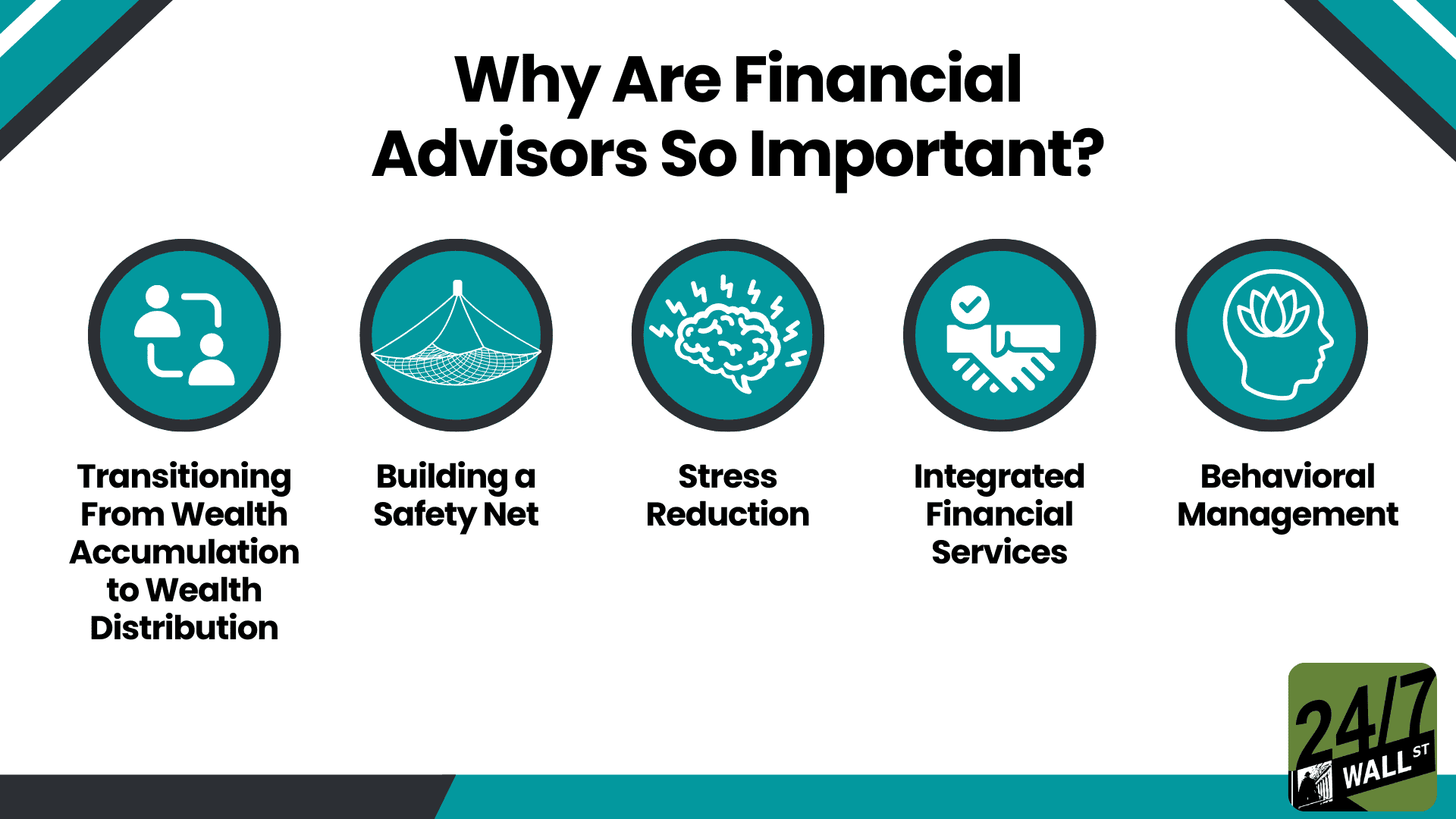
1. Transitioning From Wealth Accumulation to Wealth Distribution
Finances change as you move into retirement. There is a shift from growing wealth to managing withdrawals, and added complexity from new tax guidelines and Social Security. Advisors can help you with this shift, even if you have experience managing investments up to this point.
Required Minimum Distribution strategies and implementing Roth conversions are two big tasks that financial advisors are well-acquainted with.
2. Building a Safety Net
One key benefit this poster pointed out was the added relationship that the advisor brings. If they were to pass away or become incapacitated, their spouse would have someone to turn to for managing investments and making financial decisions. The finances would already be taken care of.
3. Stress Reduction
Even if you can manage your finances yourself, do you want to? It’s a huge time investment and can lead to added stress – two things you probably don’t want to deal with as you near retirement. Paying an advisor essentially allows you to buy back time to focus on the things you want to.
4. Integrated Financial Services
The poster has seen the benefits of having a firm that integrates several financial services, like tax planning and estate management. When you work with an advisor who can provide all of these services, you can potentially save money in the long term.
5. Behavioral Management

Having an extra person between your finger and the “sell” button also helps prevent costly mistakes during times of market volatility. A financial advisor is an objective person who helps you stay on course and not be influenced by sudden ups or downs.















 Top Gaining Stocks
 Top Losing Stocks