



24/7 Wall St. Key Takeaways:
- Buying a home is never an easy decision, as it ties up thousands in capital that could be put elsewhere.
- This Reddit post underscores the importance of considering financial and personal factors in the question of home ownership.
- Also: Take this quiz to see if you’re on track to retire (Sponsored)
For many, deciding whether to buy a home is one of the biggest financial situations they face, even if they have a higher net worth. In a recent Reddit post, I came across, the Redditor was facing this exact dilemma.
This 37-year-old single woman, who’s retired early with a $2.8 million portfolio, is considering whether to invest in a small condo in a high-cost mountain town where she currently rents. With rising rent costs, the stability of homeownership seems appealing.
However, there are tons of downsides to consider, too.
Here’s a breakdown of her pros, cons, and key considerations in making such a big decision. Keep in mind, this is just my opinion, not financial advice.
Financial Snapshot
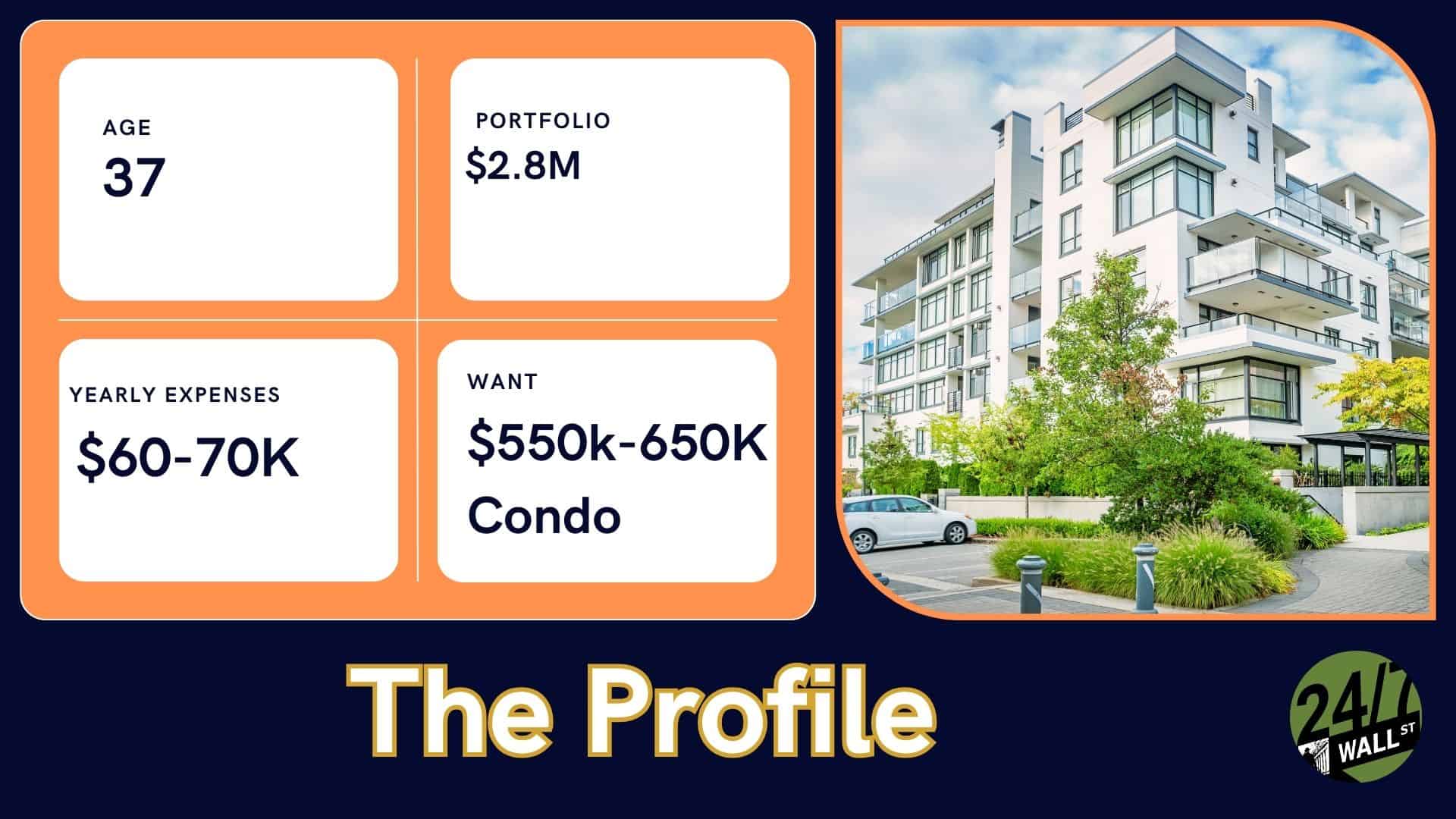
Before diving into the decision-making process, here’s a brief summary of her current financial situation:
- Retired for over 1 year
- Current assets: $2.8 million, with 85% in a brokerage account and 15% in tax-sheltered accounts
- Annual expenses: ~$60,000–$70,000, with rent costing $34,000
- Living situation: Rents a 2BR for around $2,800/month
- Potential condo purchase: $550,000–$650,000, likely paid in cash
Why Buy? The Potential Benefits
There are several benefits of purchasing a condo, particularly for this Redditor:
- Long-term stability at a set cost: By purchasing a condo, she could stabilize her biggest expense—housing—especially valuable in a high-cost-of-living (HCOL) area. Rent will likely only continue to get more expensive as the years go on, and buying a home can help keep this price locked in.
- Financial and tax benefits: By moving $600,000 from her brokerage account to home equity, she could reduce her annual taxable income. This move could save her plenty of money over the long-term.
- Improved living situation: Buying allows her to control her living space without needing to worry about inadequate rental options or rent hikes. It may be more financially viable to purchase a home in her area if she plans to stay there for several years.
Why Rent? Reasons to Keep Renting
That said, renting can be the best option in some situations. Buying a home is not always a no-brainer.
- Flexibility for future plans: Owning a home ties up a significant portion of her assets. She enjoys traveling and the “nomadic” lifestyle. If she buys, her flexibility decreases, and she may feel constrained in her ability to pick up and go.
- Potential housing market instability: The housing market isn’t always the most stable. It’s possible that she could be purchasing at the “top” of the market and end up losing money on the home. She doesn’t want to be put in a situation where she potentially loses money on a sale.
- Liquidation and tax costs: To buy a home in cash, she’d need to sell a portion of her stock portfolio, which would trigger one-time capital gains taxes. This additional expense could offset some of the potential financial benefits. She’d need to pull out more money to cover these expenses, as well.
- The responsibilities of homeownership: Condos come with added responsibilities, from dealing with neighbors to maintenance. When you rent, many of these problems are your landlord’s problem, not yours. However, these additional tasks can be a source of stress for many homeowners.
Which is Better?
In a situation like this, the choice between renting and buying hinges on more than just finances; it’s also about lifestyle. A high-cost city can make purchasing a home daunting, especially for those wanting a more flexible lifestyle.
Given her current assets and retirement goals, the decision to buy a home should carefully weigh these lifestyle preferences alongside financial considerations.
I’d base this situation more on lifestyle preferences than finances, as it’s clear she could afford either decision.














 Top Gaining Stocks
 Top Losing Stocks