


24/7 Wall St. Key Points
- Inheritance can be easy to rely upon, but it is never certain. It’s best to approach it as a bonus, not as the bulk of your financial plans.
- Long-term care insurance can offset major healthcare costs, but it often doesn’t cover everything. This potential cost, combined with fluctuations in the stock market, can quickly eat away at an inheritance.
- Also: Take this quiz to see if you’re on track to retire (Sponsored)
I recently came across a Reddit post that sparked some questions about inheritance and financial planning. The Redditor posed a question about factoring future inheritance into their early retirement plans.
Generally, it’s recommended that no one plans on an inheritance until it is in their bank account. There are simply too many factors involved, and no one can see the future. However, the Redditor was wondering if their situation was different, as their parts are both in their 80s.
Here are some of my thoughts on that. Remember, this is just my opinion and shouldn’t be counted as financial advice:
1. Long-Term Care is Expensive
Long-term care is extremely expensive, and it tends to eat up inheritance promises. However, the Redditor reported that both of their parents have good long-term care insurance. With their $6M stock portfolio, the Redditor anticipates inheriting ~$3M if it were divided between themselves and their sibling today.
Of course, we don’t know how long their parents will live and how much of that inheritance will be left, but it is a sizable nest egg.
The fact that the parents have long-term care insurance may offset major healthcare costs in the future. However, it probably won’t cover everything, and healthcare expenses can still impact the estate value. While this insurance reduces the risk of significant depletion to the inheritance, it doesn’t protect it completely by any means.
We absolutely recommend long-term care insurance but don’t rely on it solely for healthcare costs.
2. Inheritance is Always Uncertain
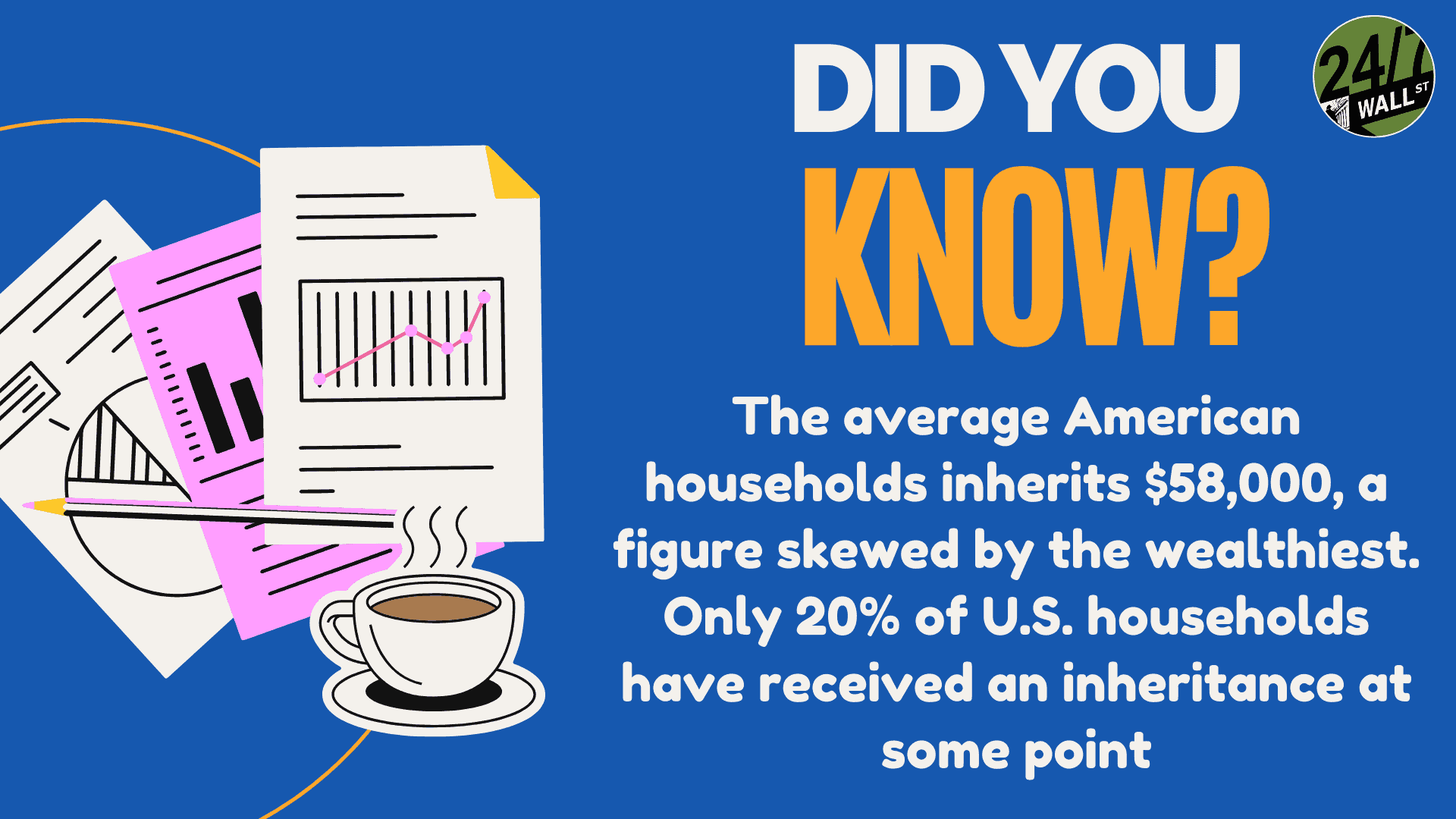
It’s easy to make financial plans based on someone else’s work. However, inheritance is always uncertain due to market fluctuations, healthcare expenses, and changes in the financial needs of the parents.
While it’s understandable to view it as a potential future resource, planning solely based on an inheritance for financial independence can be risky.
3. Approach Inheritance as a Bonus
Instead of planning explicitly for an inheritance, I recommend approaching it more as a bonus. You shouldn’t plan for it, and you should absolutely be able to reach your financial goals without it. However, if it does happen, it can be a nice boost to your plans.
Simply put, you should focus on building a core plan that functions without an inheritance.















 Top Gaining Stocks
 Top Losing Stocks