



Retiring early always carries risk — namely, that you’ll run out of savings and end up having to eventually return to work (or, worse yet, being unable to do that despite needing to). So if you’re going to retire early, it’s important to make sure you’re starting off with a solid cushion. And it’s also important to make sure your investments are capable of producing a decent amount of income.
When I first saw this Reddit post by a couple in their 30s looking at early retirement, I got a little worried. This couple has a total net worth of $2.6 million, but of that, only about $2 million seems to be investments and cash. However, they also own $300,000 in rental properties on top of a primary home they have $450,000 of equity in.
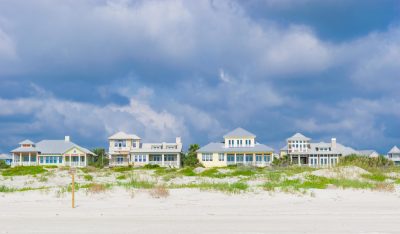
This couple is wondering if they should buy a beach house before they retire. And my inclination at first was to say that that’s a bad idea. But actually, when I dig further into their plan, it doesn’t sound nearly as risky.
It’s best to diversify
To retire very early with only a few million dollars, you need to make sure your portfolio is filled with income-producing assets. At first, I was going to suggest that this couple hold off on buying a $600,000 beach house, as that would mean taking on an additional expense, not to mention having to fork over some cash for a down payment.
But then I read further. The couple is planning to use the beach house for 35% to 40% of the year. But that gives them the opportunity to rent it out for a good portion of the year. And that has the potential to turn the beach house into an income-producing asset, as opposed to a straight-up expense.
Provided they’re being smart about this purchase — meaning, they’re buying a beach house in a popular area and are planning to capitalize on at least some of the peak rental season — I think it’s a nice addition to their portfolio. They already seem to have stocks and cash. So another rental property rounds things out nicely.
Know the risks
For this couple, buying the beach house is a move that could work out well. Not only might the home produce ongoing income for them to live on, but the property itself could appreciate in value through the years, leaving them with a large asset to sell at a later point in time should that become necessary or desirable.
But I’d also encourage this couple, and anyone else in a similar boat, to understand the risks of owning a beach house. Granted, any time you own a rental property, there are risks. You could face high repair costs, vacancies, tenant damage, and more.
But a beach house could lend to even more risk than your traditional rental. A major storm could cause a lot of damage, and given the frequency of those these days, it’s not something to discount. Also, a beach house could be costly to insure, and it may need to be retrofitted to accommodate year-round rentals, depending on the location.
Also, unlike a traditional rental property, beach houses tend to welcome weekly renters. That tends to mean higher maintenance costs and the potential for more vacancies since there’s no long-term lease at play. So while I don’t think this couple is making a mistake in buying their beach house, I do hope they do their research first to see how income property owners in that area tend to fare.
I’d also suggest that this couple consult a financial advisor to go over their plan. An advisor can look at the details of their personal situation and make recommendations based on their specific finances and goals.














 Top Gaining Stocks
 Top Losing Stocks