


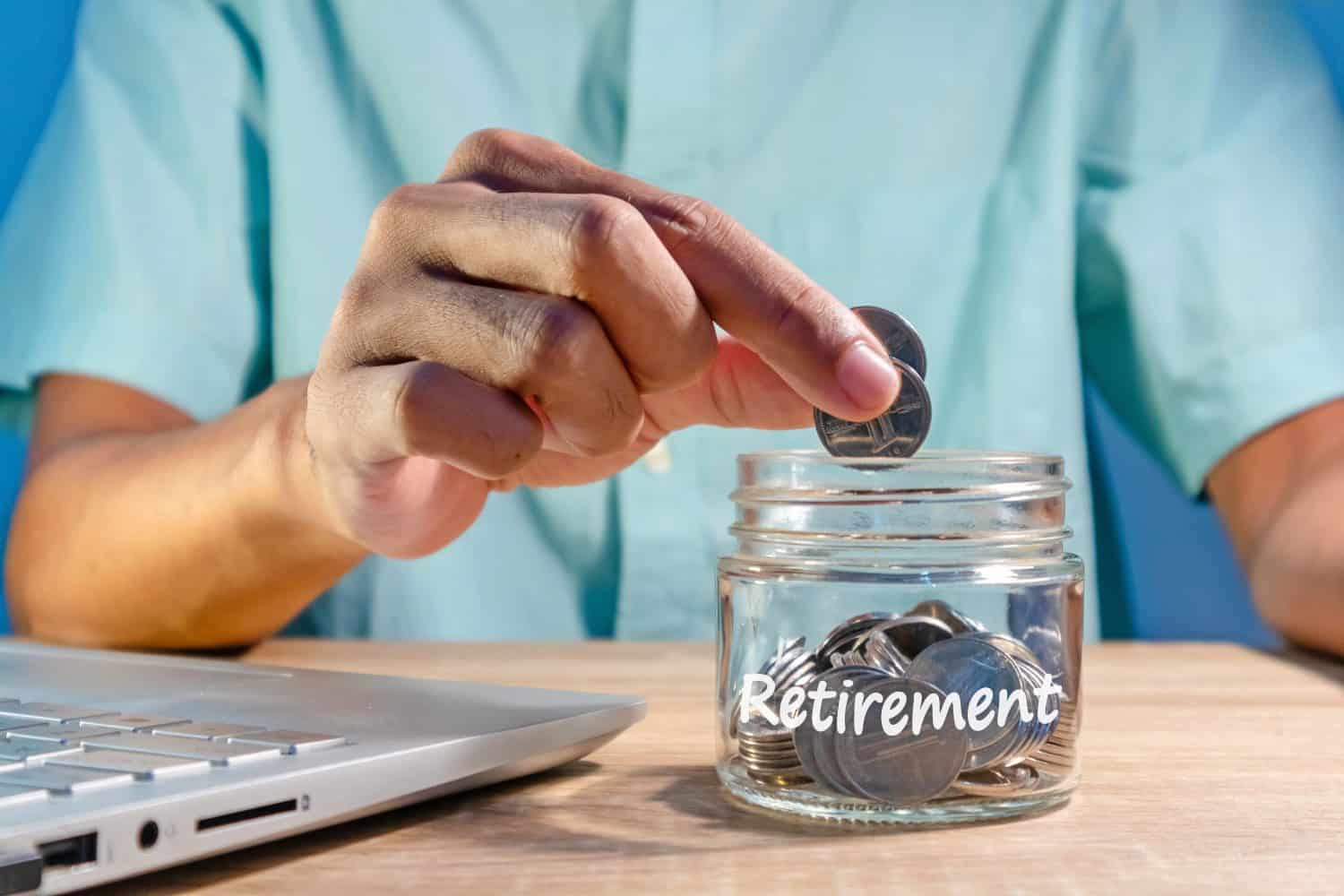
A healthy retirement in a cute family home used to be the core of the American Dream™. Not so anymore. Decades of rampant exploitation at the hands of corporations, deregulation, and the weakening of labor unions and workers’ rights have led to a happy retirement not only being less enjoyable than it used to be but an impossible goal for millions of Americans.
If you’ve considered delaying your retirement, or not retiring at all, you’re not alone. What you might not know, however, is that you have many reasons why you might want to delay your retirement along with everyone else. We looked into just a few.
#1 Maximizing Top Earning Years

A photo of interest over time.
The Social Security Administration uses a handful of different variables to calculate the amount of Social Security you receive every month. One of those variables is how much you earned during your ten most profitable earning years.
You don’t need to work your entire life in order to qualify for some of the highest benefits, you simply need to have ten very profitable years during which you earned a lot of money. Unemployment and low earnings won’t hurt you as long as you have ten productive years. For most people, the ten most productive years are those immediately before retirement.
Maximizing Top Earning Years

A photo of the year.
If you have a stable career and you think your annual earnings will increase over the next few years, or you haven’t maintained that level of earnings for at least ten years, then it might be a good idea to delay retirement until you have ten years at that job, or have reached your peak earnings for as long as possible. Staying at your job an extra year can increase your monthly Social Security payments by a small amount, which can add up over the course of your retirement.
#2 Retirement Deferment benefits

Planning for retirement.
You can begin receiving Social Security payments at the age of 62. However, the full retirement age, according to the United States government, is 70 years old. While you can receive benefits at 62, the amount you receive every month will be reduced based on the number of months before age 70 that you retire. If you delay retiring, your monthly benefits will increase gradually until age 70, at which point they will reach their maximum.
Retirement Deferment benefits
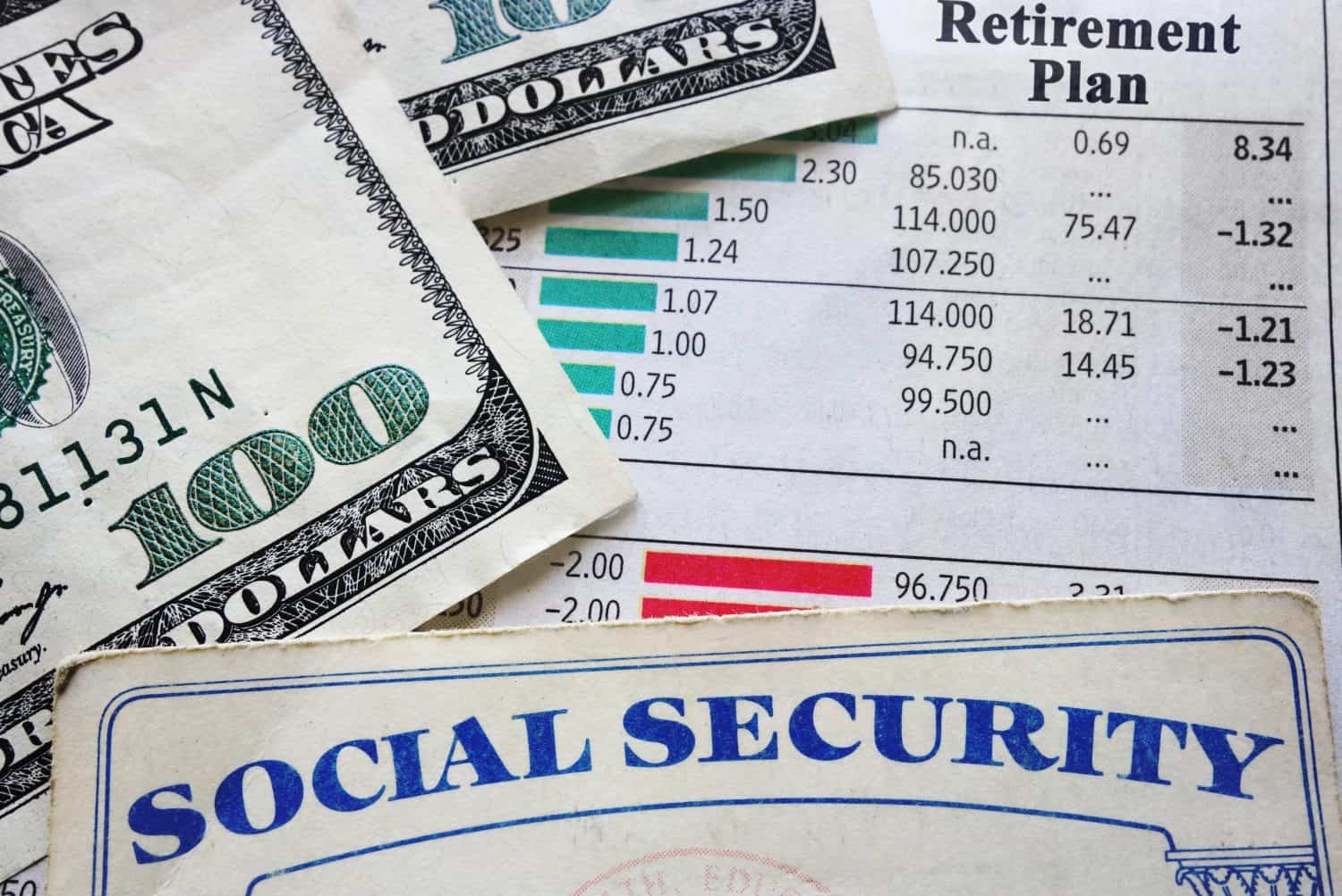
Retirement benefits.
If you have a job you enjoy but can’t quite see how you’ll manage to make ends meet by retiring at 62, then it might make sense to delay retirement a few years, or until age 70. There is no rush to retirement, especially since most people earn much less during retirement. Even just delaying a year or two can have a huge impact on your financial stability during retirement.
#3 Rising Inflation
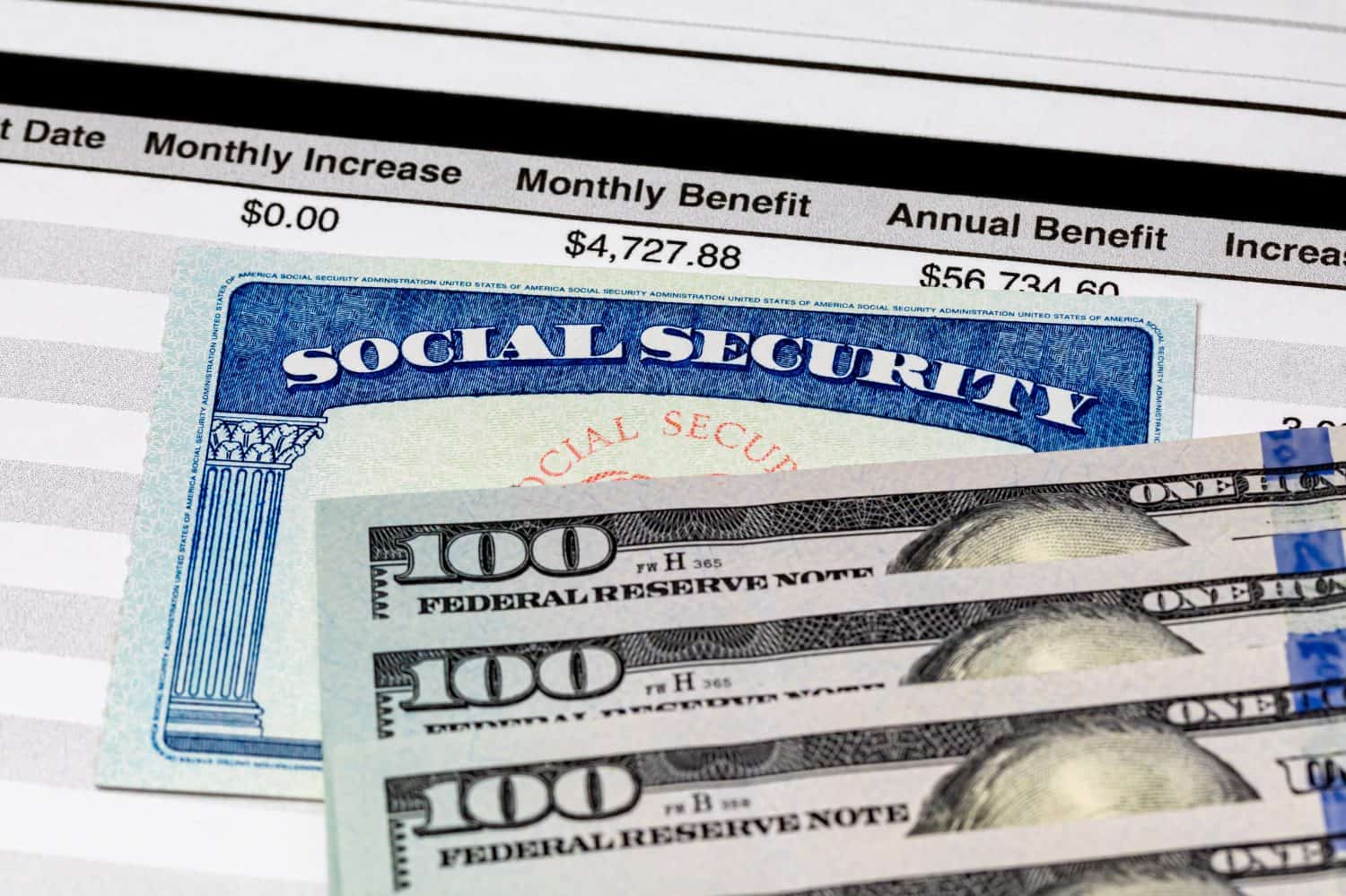
Retirement benefits.
Regular inflation is a constant financial strain for everyone, but the recent price increases due to corporate price gouging and greedflation have exacerbated the problem to extreme degrees. As new governments take power over the years, they come with promises to ease inflation or reduce prices. Like clockwork, they make these promises and then promptly forget about them after inauguration day. Maybe this time will be different?
Rising Inflation
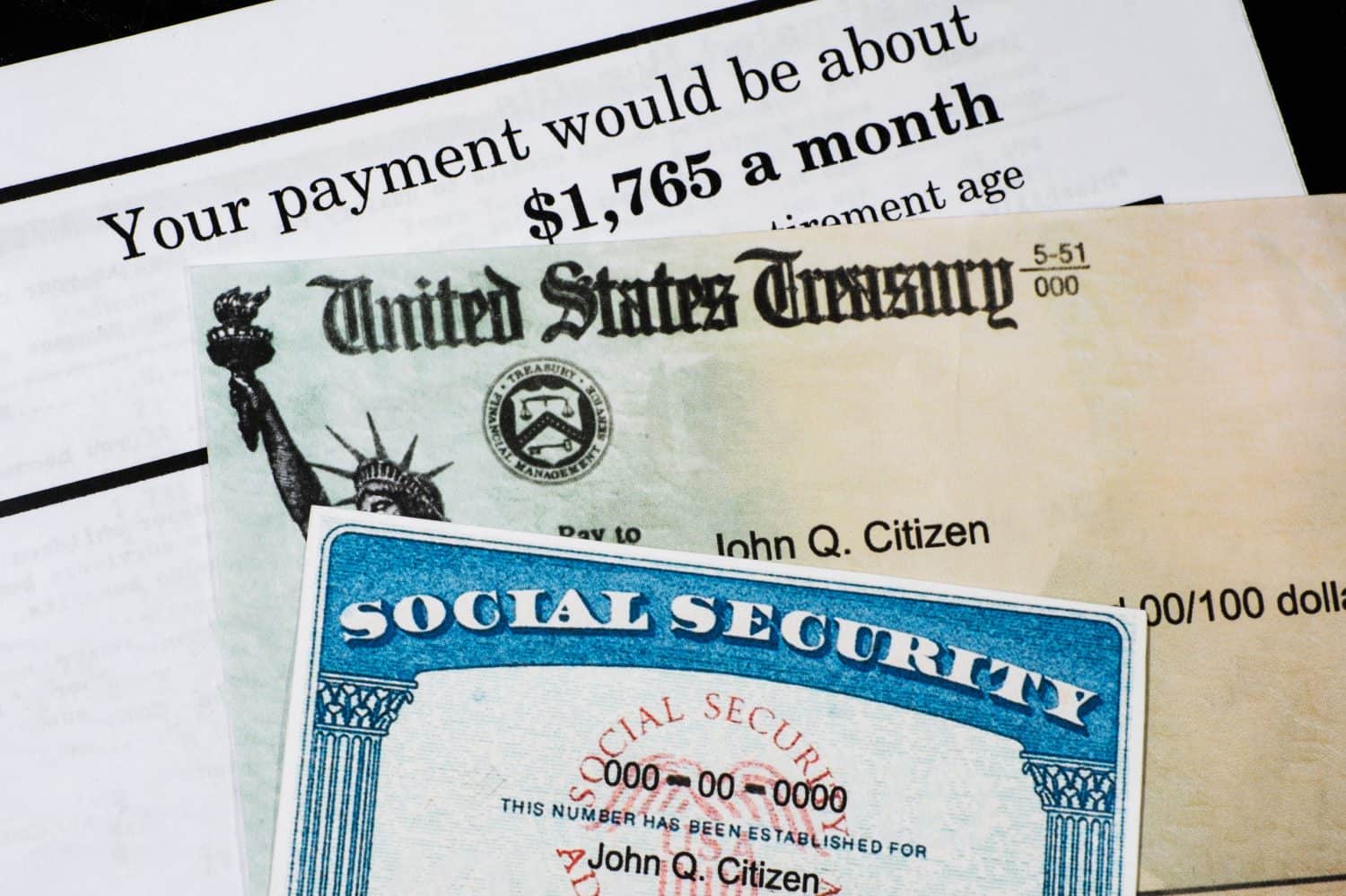
Social Security benefits.
Out-of-control capitalism and evil corporations won’t stop raising prices out of the goodness of their hearts, and as the American oligarchy slowly takes more control over our economy, society, and government, the problem will only get worse. You can’t be blamed, however, for believing the promises of gradual improvements or reasonable reform. After all, what’s the harm in delaying retirement to see if things get better in a couple of years? Maybe next year the rich people will decide to give the rest of us a break.
#4 Social Security Instability
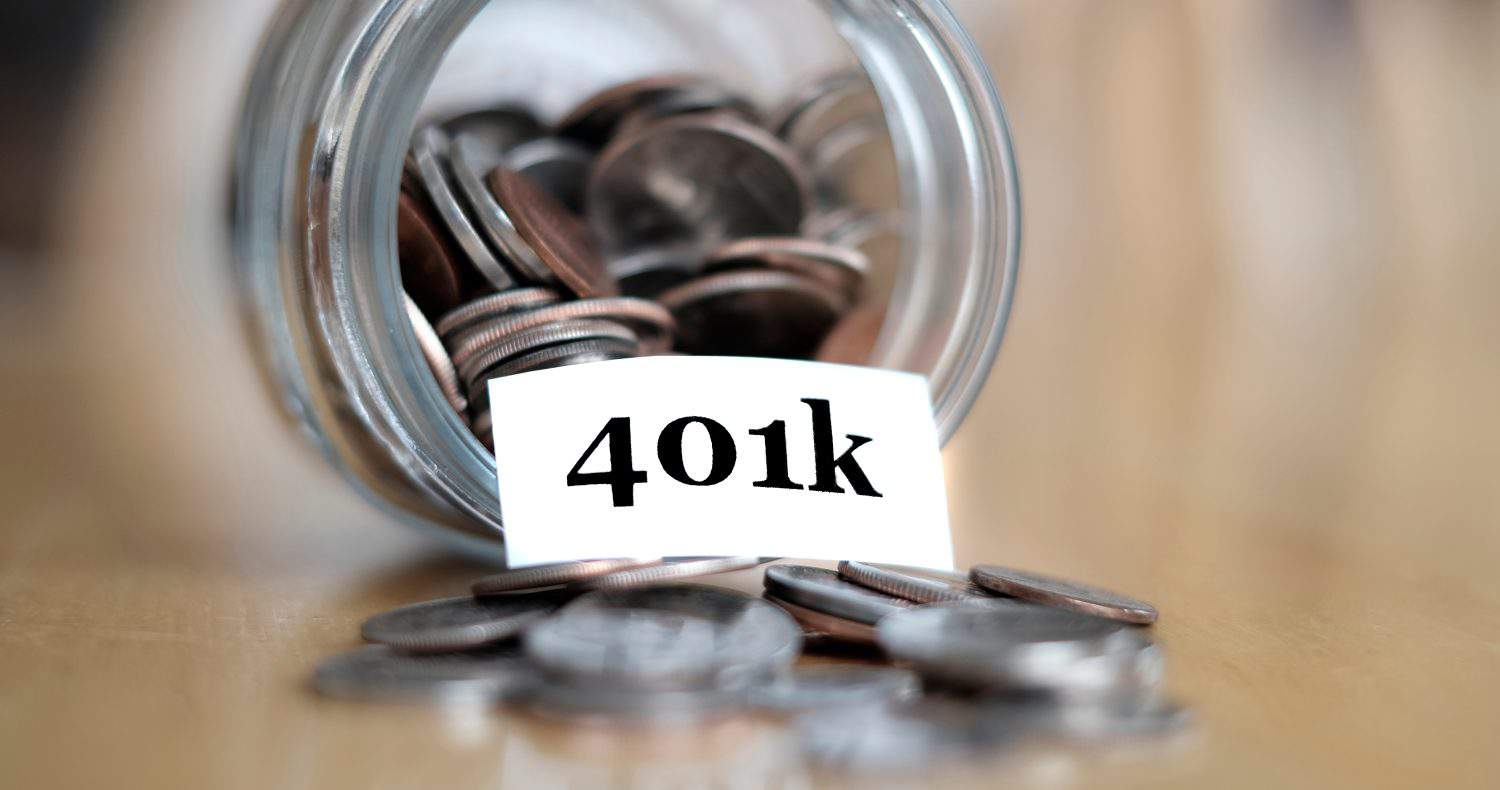
Savings in a jar.
If there’s one thing the American conservative hates more than foreigners, it’s funding government programs, especially Social Security and other benefit programs. It is not outside the realm of possibility that the Social Security program might see significant cuts, delays, or other problems in the future.
Social Security Instability
A retirement calendar.
As you approach retirement age, relying entirely on government Social Security might fill some with significant anxiety as the future of such programs are in doubt. Working a few more years to add to your retirement savings, therefore, might sound like a reasonable idea (and the exact thing these leaders want — forcing people to work longer, until they eventually die at their desk).
#5 Health Insurance
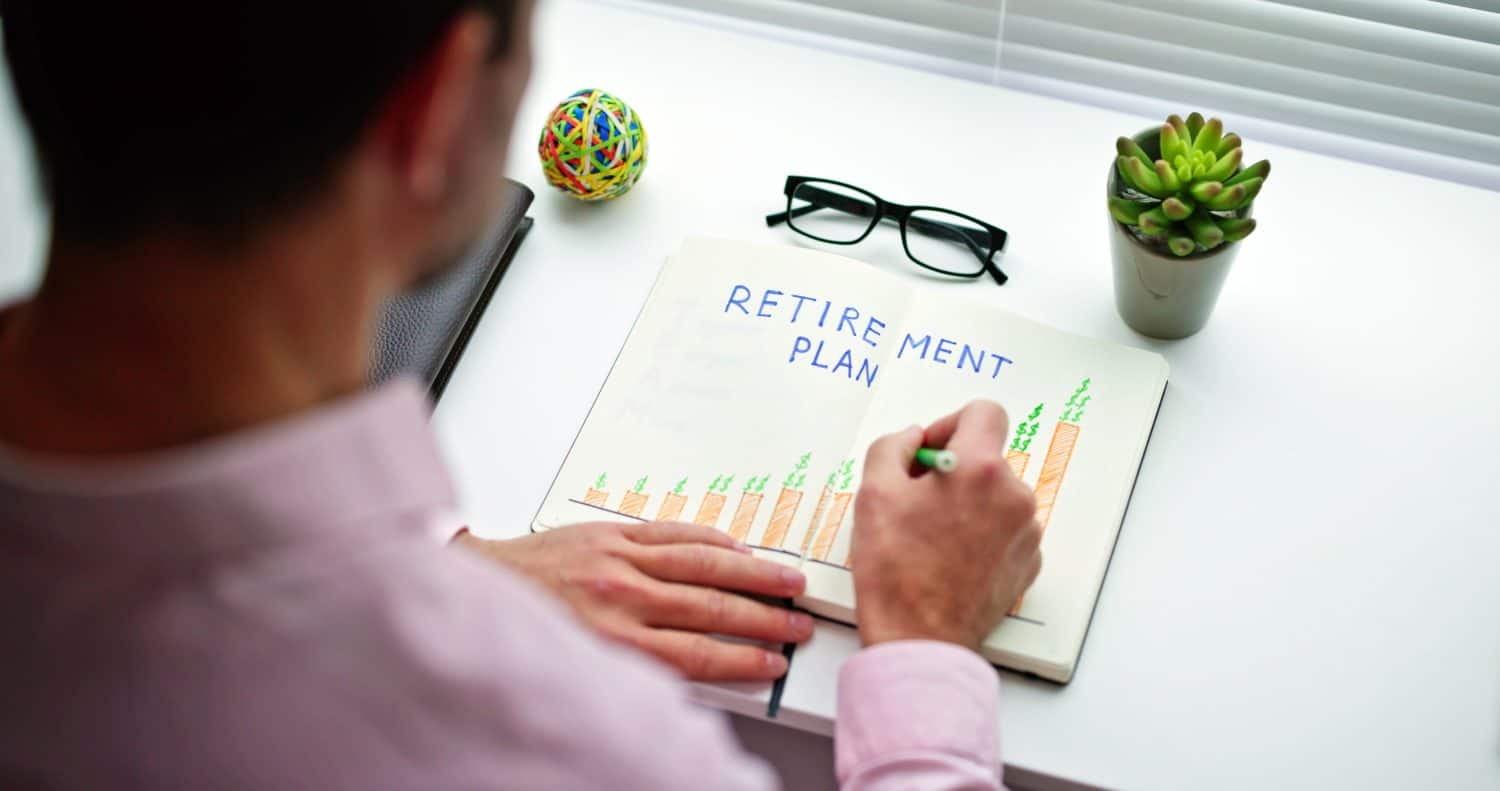
Planning for retirement.
The United States incentivized the growth of private healthcare and health insurance, and restricts the best health insurance options for those provided through employers. They do this to give employees more reasons to stay with an employer, and stay employed longer in general, than if they had universal healthcare.
Health Insurance
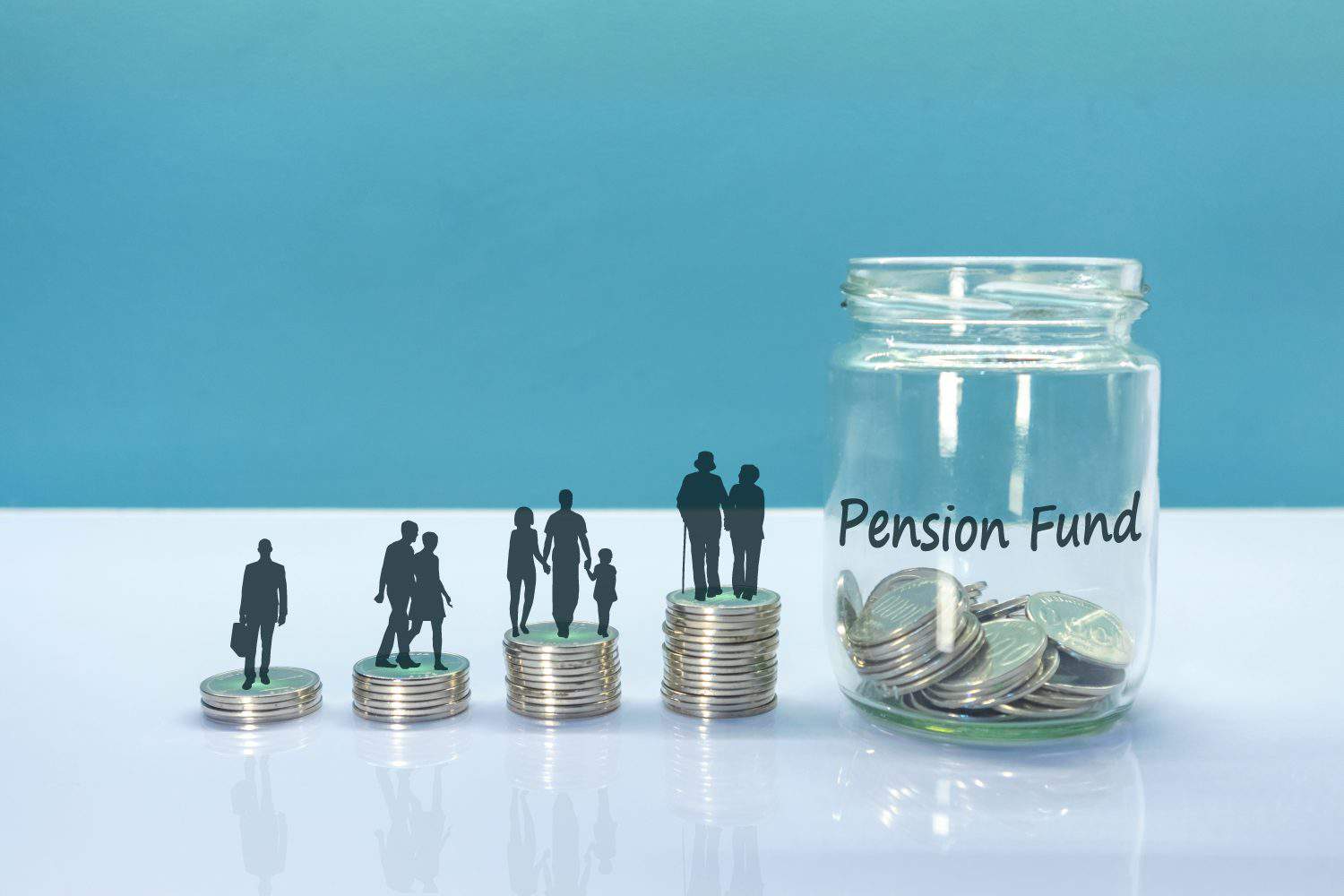
Retirement savings.
If you have reasonably good health insurance (by American standards, at least), then you will probably be downgrading your coverage in retirement. People with chronic pain or illness will see their healthcare costs skyrocket or be forced to go without some treatments or medications to make ends meet. If you have medication or medical care that isn’t covered by Medicare or will be more expensive, it might make sense to delay retirement so you can maximize your current benefits while you can.
#6 Cost of Living
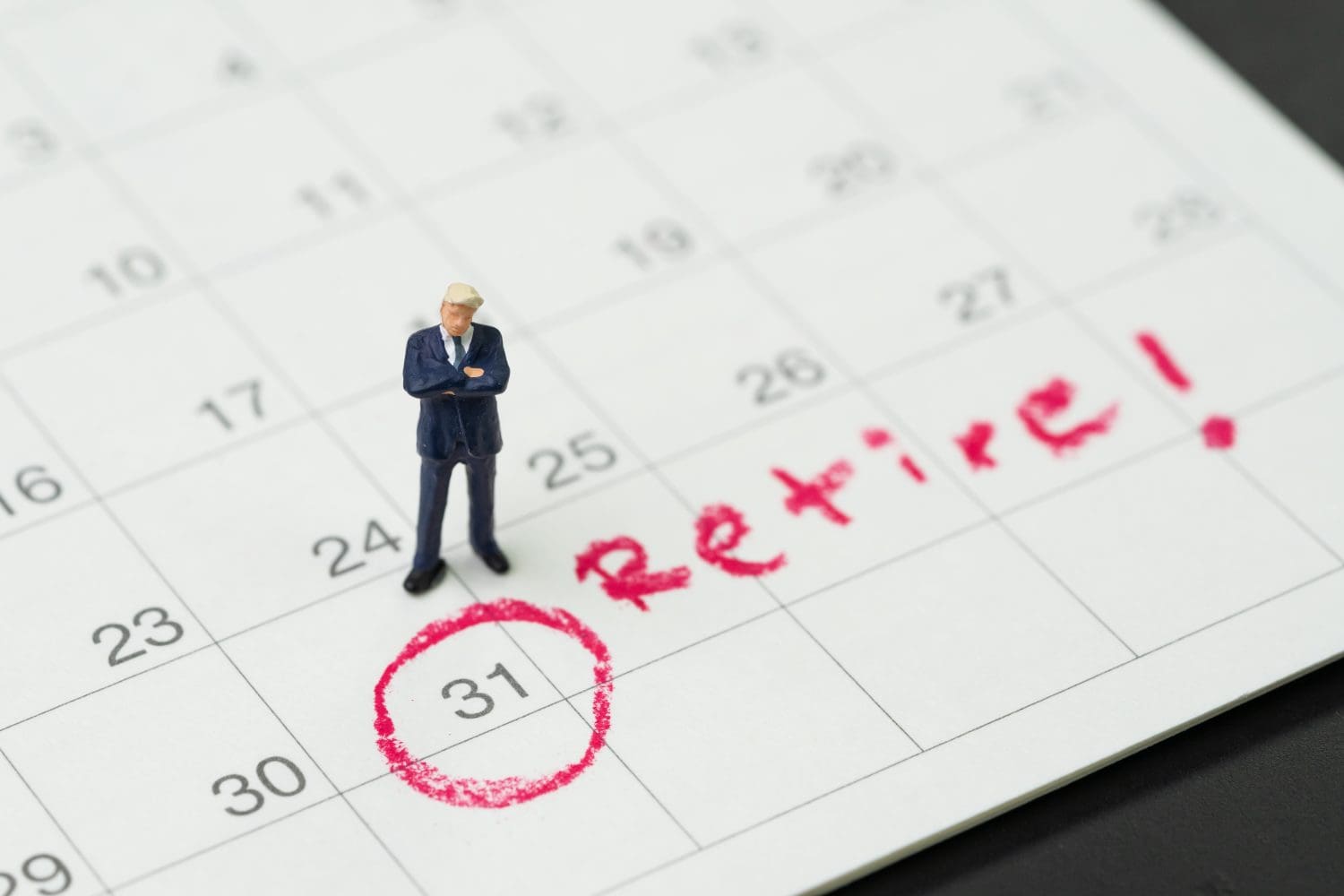
A plan for retirement.
Beyond inflation and price increases caused by unchecked corporate greed, the cost of living is rising for everyone. Home prices are skyrocketing, and rental prices have increased well beyond reason and above wage increases. Those who own their home are disincentivized to sell and buy a smaller home at a higher cost. Those who rent might be forced to live with family or find other living arrangements during retirement.
Cost of Living

A lucky couple.
Most people will see a pay decrease during retirement, along with an associated decreased standard of living. This adjustment will be significantly harder for poorer people. If you own your home, you will have more options for how to address this challenge. If you rent, however, the problem gets more serious, and you might need to consider working longer and delaying retirement to build up your savings or to find other options.
#7 Delay Taxes

A timeline of financials.
Your taxes will change during retirement. Most people will live in a lower tax bracket, but the taxes you pay will be different. If you have a traditional 401(k), you will have to pay taxes on any withdrawals you make. You will also have to pay taxes on any Social Security you receive. If you have any plans to make money in other ways during retirement, those will also be taxed, depending on where the money is coming from.
Delay Taxes

A retired couple.
While delaying taxes shouldn’t be the primary reason why you delay your retirement, it can be one thing to keep in mind. As with all points on this list, you should always speak to a financial advisor before making any permanent financial decision. If you anticipate tax rates to decrease in the future, it might be worth it to delay retirement so you can take full advantage of lower tax rates. Depending on your financial portfolio and your investments, your timeline for retirement can change drastically.
#8 Why Retire at all?

Thinking about retirement.
Too often, this is a question people forget to ask themselves. Why are you retiring? Is it because it was a dream sold to you by the American financial system? Is it because you hate your job and retirement is the best way to get out? Is it some other reason? Many people retire only to regret it later or retire when they’re not ready, causing additional problems.
Why Retire at all?

Thinking about retirement.
You should not make any financial or life decisions unless you are 100% committed to it. This includes retirement. Don’t do it simply because everyone else is, or because every biased, bought-and-paid-for financial “expert” says it’s what you should be doing. We’re definitely not saying you should keep working in the capitalist machine and die in a cubicle, but if you don’t feel right about retiring, then don’t do it. You can always retire later. It’s never too late to take control of your own life.















 Top Gaining Stocks
 Top Losing Stocks