



Whenever anyone thinks about a 401(k), there’s a pretty good chance it’s widely mentioned as one of the best retirement account options. This isn’t surprising, as financial advisors have been touting its benefits for decades. The reality is that all of the talking about 401(k)s has ingrained into our brains that it’s the only real option to fund the ideal retirement lifestyle.
The reality is that while a 401(k) may be your go-to for a retirement savings plan, it’s far from perfect. Yes, there are advantages to choosing this retirement option, but this doesn’t mean it’s a problem and risk-free. In fact, this list might have you considering steering your retirement savings directly into another investment vehicle that might be more beneficial in the long run.
10. Don’t Over-Contribute

As there are annual contribution limits, you should focus on hitting the upper limit, if possible, but not a dollar more. There are penalties for over-contributing and potentially leaving you cash-poor for other financial goals like building up emergency savings or putting money into a 529 account.
Stay Within Limits
It’s essential to understand contribution limits for a 401(k) account, as well as the limits of what your employer can match. If you have the disposable income to hit these limits, then focus on other short-term or long-term financial goals like saving for a home.
9. Personalization

When you sign up for a 401(k) plan, these plans are designed for the average investor and not someone’s individual financial goals or even their retirement timeline. As a result, you are subject to the whims of whatever plan has likely been chosen for you by an employer.
Use A Financial Advisor

If you work with a financial advisor, you can set up a personalized retirement plan specific to your needs, timeline, and risk tolerance. These conversations would also likely create a plan with other investment opportunities.
8. Market Volatility

Unfortunately, 401(k) accounts are subject to the whims of the market, which means volatility can make you nervous over potential losses. This is especially true as retirement nears and you have less time to make big recoveries. Any significant losses could dramatically impact your overall retirement lifestyle.
Avoid Too Much Risk

Working with a financial advisor to discuss risk profiles and tolerance levels is a definite consideration. This would allow you to better balance your portfolio, including shifting into bonds or money market accounts that better protect your existing money.
7. Don’t Rely On Employers

Not taking advantage of employer matching is silly, as it’s essentially free money. However, you shouldn’t rely on this alone and should focus on your contribution amounts as much as possible.
Have Plenty Of Flexibility
While taking advantage of employer money is smart, it shouldn’t be your only retirement plan. Focus on adding IRAs, Health Savings Accounts, and even a taxable brokerage account to spread and diversify your wealth for more flexibility and control over your investments.
6. Tax-Deferred Growth

Anytime you contribute to a 401(k), it’s growing tax-deferred, meaning any withdrawals when retired are viewed as ordinary income. As with RMDs, this raises the red flag about potentially pushing you into a higher tax bracket alongside Social Security benefits, which could reduce net income.
Diversity Retirement Savings

One potential solution is to roll over your money to a Roth 401(k) or a Roth IRA, both of which offer tax-free withdrawals during retirement. This will allow you to worry less about taxes during your reduced or no income years.
5. Employer Vesting Schedules

The idea that your employer will match your 401(k) contributions has long been one of the biggest benefits of working for a company. However, the reality is that in many instances, employers impose a vesting schedule on their matching contributions, which you might forfeit if you leave the company early.
Don’t Leave Without Vesting

This might not be easy, but trying to factor any vesting schedule into your career decisions is essential. If you are within a few months of vesting, you might want to reconsider a potential start date with a new employer that allows you to secure the matched funds before leaving, especially if you have received a full employer match.
4. Required Minimum Distributions
As soon as you hit 73 years of age (75 starting in 2033), it’s time to begin taking the required minimum distributions from your 401(k). As a result, your taxable income will likely go up, potentially pushing you into a higher tax bracket, which can be frustrating, especially if you don’t need the cash immediately.
Rolling Into Roth
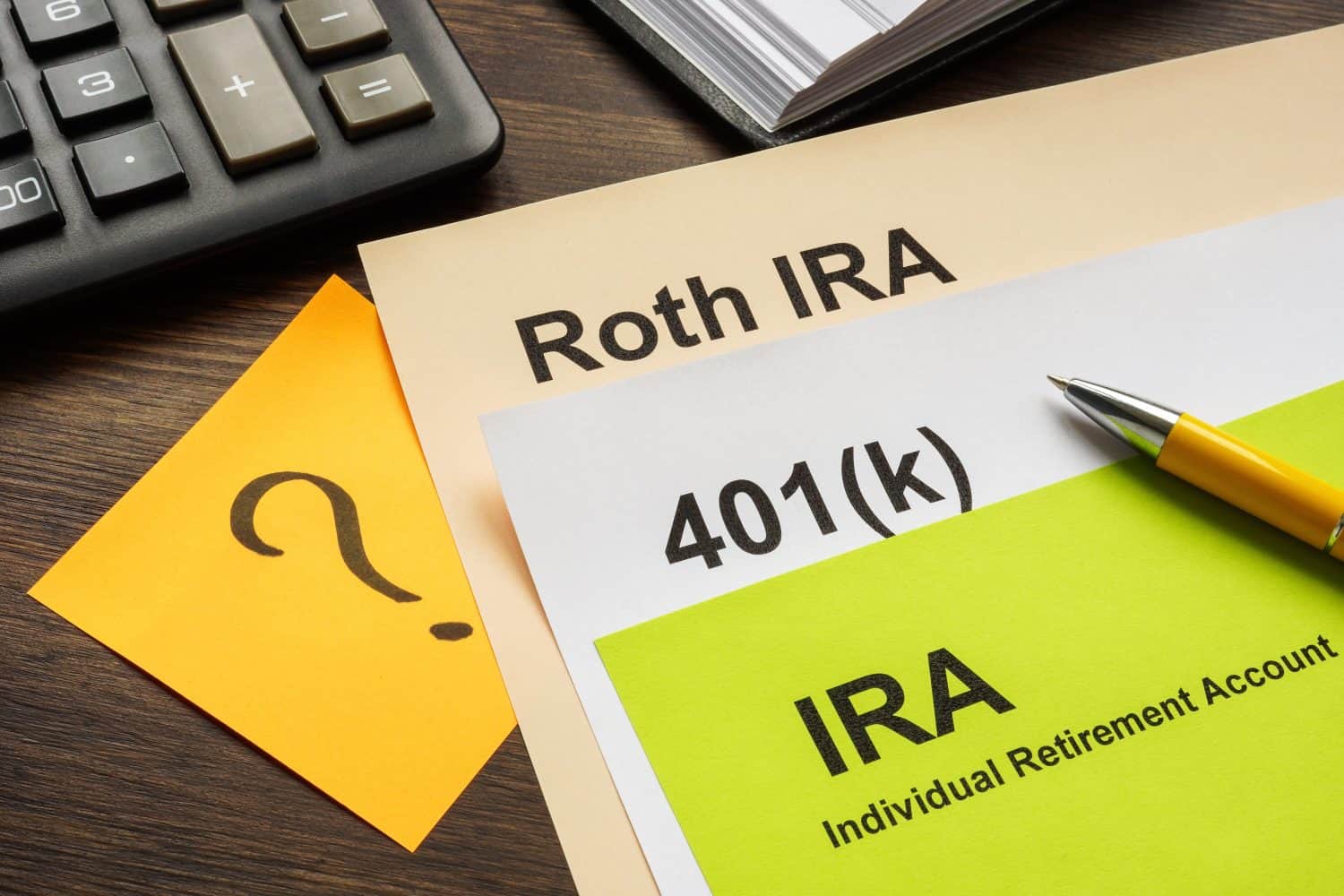
One way to mitigate this concern is to roll your 401(k) into a Roth IRA, where you pay the taxes upfront now but don’t have to worry about RMDs later on.
3. Early Withdrawal Penalties

If you need or want to withdraw any money from a 401(k) before you turn 59.5, you can expect to pay a penalty. This penalty could be as much as 10% of whatever amount you take from your fund. You might do this if you lose your job or have emergency medical needs, but it has disadvantages.
Build An Emergency Fund

The biggest way to avoid any 401(k) fee concerns is to start by building your emergency fund. If you lose a job, this fund should cover at least 6-12 months of money. Alternatively, you can look to borrow against your 401(k) instead of withdrawing from the principal, but you have to meet all repayment terms to avoid additional costs.
2. Watch Out For Fees

Unfortunately, one of the most significant hidden drawbacks of any 401(K) account is that it comes with all kinds of high fees. These range from fund expense ratios to administrative and management costs, all eating into your annual returns. The worst part is that these fees are not always super transparent. In addition, while you might think that a 1% fee is small for a financial advisor over 30 years, it adds up quickly.
Review All Fees

One of the most significant steps you can take is only to contribute enough to receive your employee match and then put any additional money you would have otherwise invested into a separate account of your choice. The hope is that your plan administrator did their due diligence to reduce fees, but if they didn’t, it’s up to you to take preventive steps to reduce how much you lose annually.
1. Limited Investment Options

One of the realities of going with a 401(k) account is that you likely have limited investment options. This generally includes choosing from just a handful of mutual funds. Limited diversification opportunities can reduce the chance you have to diversify your portfolio based on your risk tolerance and ultimate financial goals.
Supplementing With An IRA
If you have the option, consider supplementing your 401(k) with an IRA, which would provide you with a more significant number of diversification options you are not getting if you have a 401(k) account. This would include stocks, ETFs, bonds, and other asset classes. You could also look to take over and self-direct your 401(k) account if you currently use an employer’s managed account.













 Top Gaining Stocks
 Top Losing Stocks