


With over 18 million weekly listeners to his podcast, Dave Ramsey is one of the most popular financial advice show hosts in the US. His no-nonsense, old school wisdom has helped millions of people get out of debt and save their homes, businesses, and relationships from financial devastation.
The Trump Administration’s slashing of wasteful spending in the federal government and commencing returns of tax rebates to US citizens. Although inflation-fueled high prices of products and services will eventually reverse course, the debt overhangs created by many families resorting to credit cards to pay for essentials will remain a problem for millions.
Dave Ramsey has 6 fundamental money management steps that everyone should consider immediately, but especially those who were hard hit from Bidenomics and still have a long road to recovery.
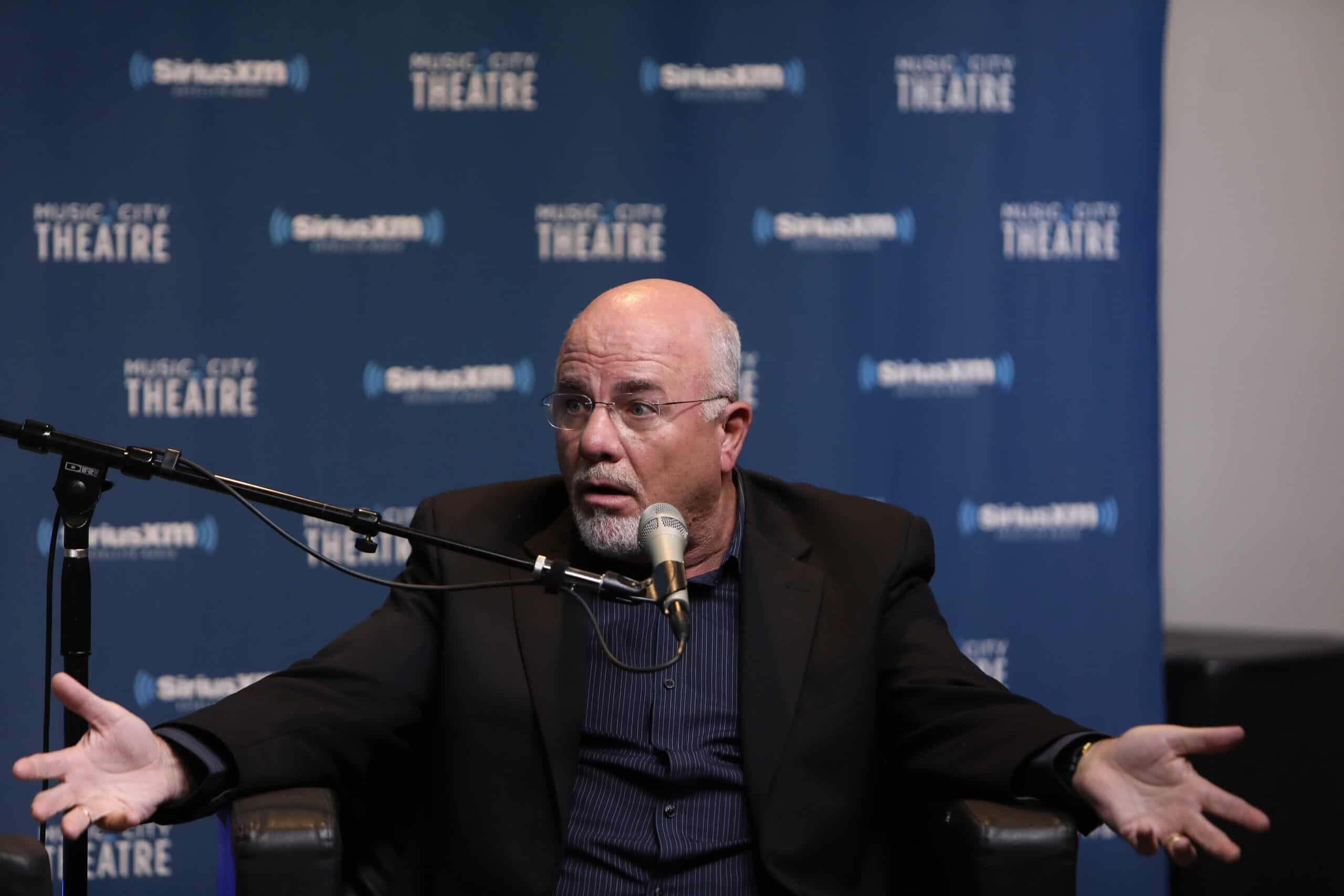
Dave Ramsey’s 6 immediate steps for managing money focus on elimination of debt and discipline in spending and saving.
1. Map Out Income and Liabilities
In order to create a financial plan, the starting point is to have a clear idea of how much money is coming in and how much is going out. The liabilities will give a snapshot of outgoing funds that can be whittled down later on under closer observation. The act of actually writing them down or typing them out makes it much easier to see where the budget can be cut and where more income is needed.
2. Retire Debt Sequentially, But Entirely
Many people have amassed considerable credit card debt due to the soaring prices caused by Bidenomics. One of the highest-priority cornerstones of Dave Ramsey’s formula for repairing financial woes is debt elimination. He personally owns no credit cards and uses either cash or debit cards for all of his purchases. When it comes to debt, he avoids it like a virulently contagious disease.
Readily acknowledging that most people who have accumulated significant debt are between a rock and a hard place when it comes to credit card debt, Ramsey recommends what he calls “The Snowball Method”. This involves a system of paying the minimum amount on all debt except the smallest one. For the smallest debt, allocate as much money as possible to eliminate it ASAP, and then retire it. Repeat the process until all debt has been eliminated.
3. Separating Wants From Needs
A realistic assessment of one’s actual needs vs. wants is crucial in creating an actual lifestyle budget that can assist in regaining one’s financial footing. By scrutinizing actual spending habits, the review may reveal lots of unpleasant truths – like wastefully unnecessary luxuries, unreasonably high charges that are being overlooked, and a host of other possibilities. By examining total income against essential bills, like housing, utilities, communications, and food, the budget can then be created that can allow for limited “wants” if affordable.
4. The Emergency Fund
Suze Orman is a stickler for emergency funds and insists that 1 year’s income should be the emergency fund goal. While Dave Ramsey is not quite that strict, he does recommend setting aside funds for an emergency savings goal of $1,000 as a starting point, adding additional amounts on a regular basis.
5. Retirement Account Max Outs
Ramsey advises allocating 15% of savings for retirement. If one’s employer matches 401-K contributions, try to go for the maximum. He also advises maximizing contributions to IRA and HSA accounts as well.
6. Charitable Donations
As a devout Christian, Dave Ramsey has no hesitation in sharing his faith and supporting Christian causes. He advocates one should donate to charitable causes of one’s choice. While there is a tax deduction component, Ramsey believes in a bigger purpose of helping others in a variety of ways. Donations could be in food, clothing, or other items, if not in funds – the larger and compassionate goal of aiding others and the possibility of making a difference in their lives serves a much higher purpose.
Changing For The Better?

President Trump’s policy changes for energy, taxes, job creation and drastic spending reduction through federal cuts will benefit the US as a whole and create better conditions for the future, but Ramsey’s advice still holds for millions of those in debt from Bidenomics.
The administration of President Donald Trump has uncovered trillions of misappropriated, mismanaged, and potentially criminally deployed taxpayer funds. Policy changes in energy, tax cuts, and spending cuts are very likely going to transform the US economic landscape for the better. However, the recommendations that Dave Ramsey makes for the management of personal funds hold true regardless of the economic climate. While conditions are on the way to improving for the nation, personally incurred debt, overspending, and insufficient funds to meet expenses are problems that cannot be solved by the government. Government policy reforms can ameliorate the pressures that may be caused by excessive taxes, licensing fees, or other red tape regulatory costs. Individually incurred financial overhangs still demand individual attention, and Dave Ramsey’s remedies are time-tested throughout every season.








 Top Gaining Stocks
 Top Losing Stocks