


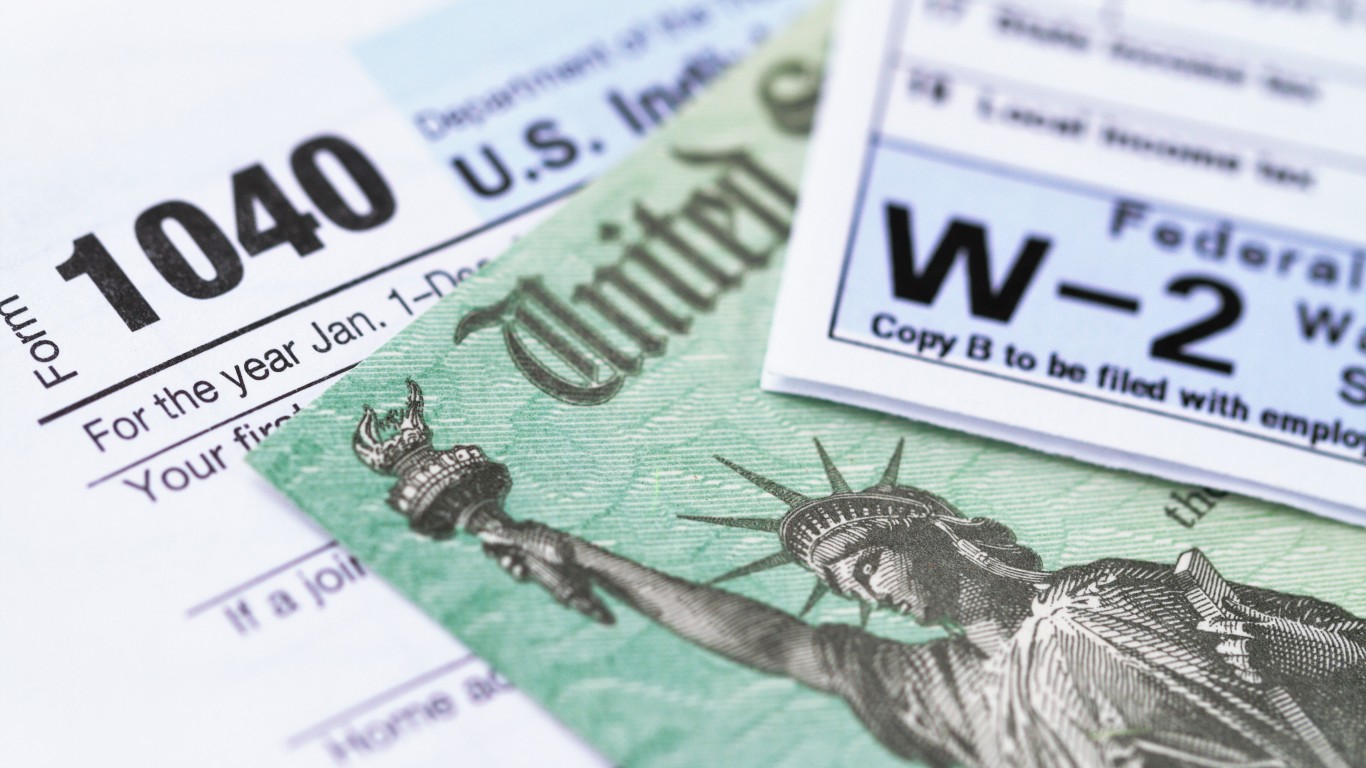
Taxes can be a major hassle at any point in life. But in retirement, they can be especially problematic. When you’re living on a fixed income, the last thing you want is to lose a portion of it to the IRS.
That’s why it’s a good idea to diversify from a tax perspective. But because people tend to utilize accounts like traditional IRAs and 401(k)s to the max, that can be a tough thing.
In this Reddit post, we have a 50-year-old with most of their money tied up in IRAs and a 401(k). And they’re wondering how to avoid a massive tax bill.
Now it happens to be that this poster is considering living abroad. That could have an impact on the way their retirement income is taxed.
But many retirees don’t want to retire abroad.
Retiring abroad could mean living your family and social network behind, and having to adjust to a whole new life at a time when you’d rather lay low and be closer to the people who care about you. But no matter where you’re retiring, it’s important to set yourself up to minimize your retirement tax hit.
Use the right retirement accounts
The nice thing about traditional IRAs and 401(k)s is that they give you a tax break on the money you contribute. That makes it easier to stash money away for retirement.
But the flipside to these accounts is that withdrawals are taxable in retirement.
Not only that, but once you reach a certain age (either 73 or 75, depending on when you were born), traditional IRAs and 401(k)s start imposing required minimum distributions (RMDs). Those mandatory withdrawals not only force you to remove some of your tax-advantaged savings, but they also create an IRS bill each year you take them.
That’s why it’s important to branch out from a tax perspective and consider doing a Roth conversion ahead of retirement. This has you moving at least some of your funds out of a traditional retirement account and into a Roth.
The benefit here is that you won’t have to pay taxes on your withdrawals in retirement. And also, Roth accounts don’t impose RMDs, so you’ll have the option to leave your money to sit and grow as long as you want to.
Get help doing a Roth conversion
If you keep the majority of your nest egg in a traditional retirement account, or a combination of traditional savings plans, you could be looking at some pretty serious taxes down the line. And remember, we only know what tax rates look like today. We don’t know how they’ll change in the future.
For this reason, it pays to consider moving at least a portion of your nest egg into a Roth account ahead of retirement. But you’ll also need to be careful, since Roth conversions create a tax liability the year you make them.
For this reason, it’s best to consult a financial advisor before moving forward with a Roth conversion. A financial advisor can help you time that conversion strategically to minimize the tax hit as much as possible. An advisor can also offer additional guidance on maximizing your income during retirement and managing your portfolio once you’re no longer working.











 Top Gaining Stocks
 Top Losing Stocks