


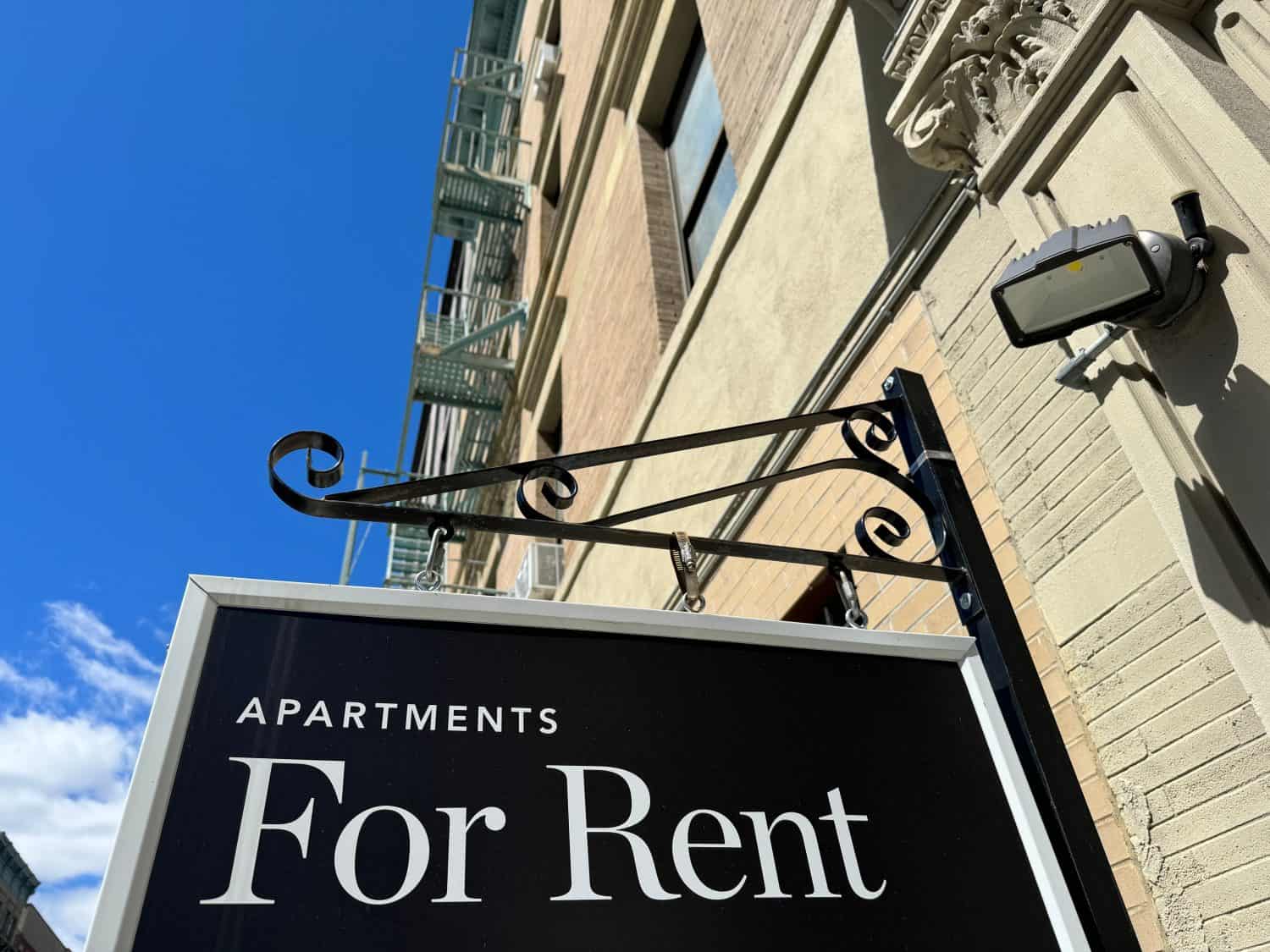
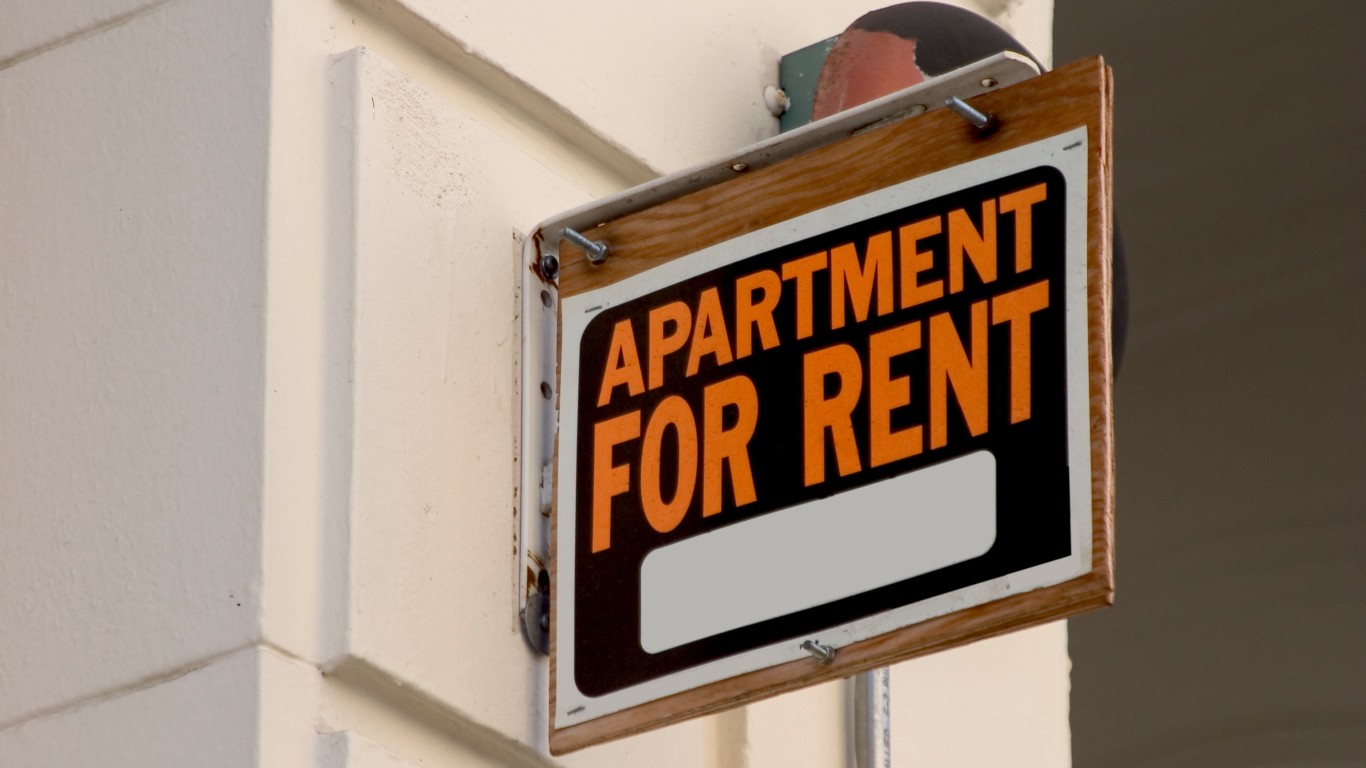
Homeownership has been an integral part of the American dream for generations, but for many people today that dream is evaporating in the harsh morning light of economic reality. Today renter households make up about 34.3% of all U.S. households—a number that is steadily increasing. Here are some of the reasons renting is becoming the norm for more Americans than ever.

Priced Out

In April 2025 the average 30-year fixed mortgage rate is about 6.66%, which is still high compared to the low rates during the pandemic. The median home price was over $419,200 in the fourth quarter of 2024. High mortgage payments make renting a more attractive and more flexible option for a lot of people today.
Debt, Wages, Savings

The average student debt in the U.S. in 2024 was $35,207. Wages have had difficulty keeping pace with the cost of living and are woefully inadequate for many families. Young adults are finding it well-nigh impossible to save for a downpayment when they are living paycheck-to-paycheck. And a 20% downpayment on a median-priced home is now an eye-watering $83,000. As a result, the median age of first-time homebuyers has reached 38 years old: the oldest on record.
Remote Work

Millions of employees work remotely or in hybrid models now, giving them more flexibility to choose where they want to live without being tied down by a commute. In a 2024 survey 31% of Gen Z renters said they preferred to rent indefinitely to avoid maintenance responsibilities, property taxes, and the freedom to relocate as they please. Some complexes appeal to young renters with amenities and community-building activities that are far more appealing than dealing with an HOA president with a ruler to measure the height of lawn grass.
Institutional Investors

Nationwide, institutional investors have snapped up about 18% of single-family homes. In Atlanta, a full 25% of the single-family housing stock is now in the hands of investors rather than the families that live in them. It’s hard for individual buyers to compete with deep corporate pockets and teams of real estate attorneys on retainer.
Build-to-Rent Communities
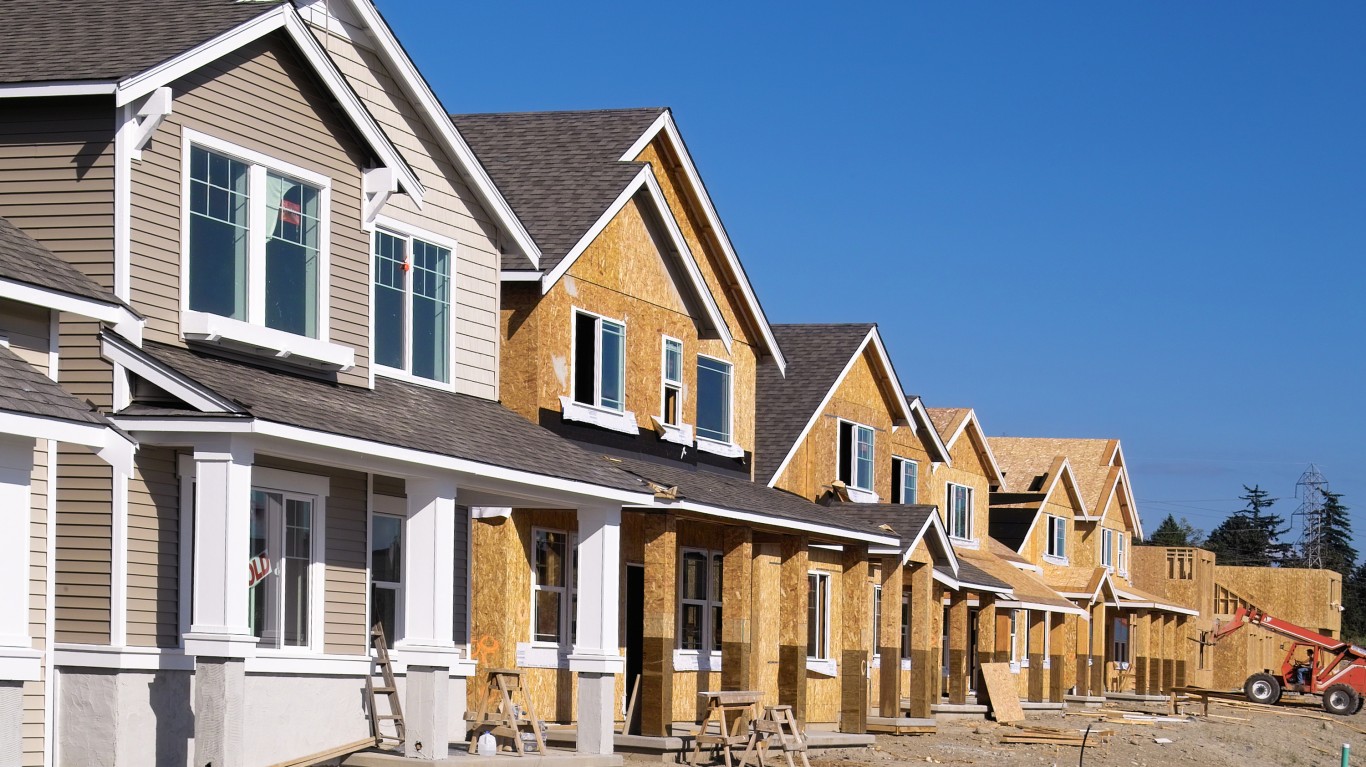
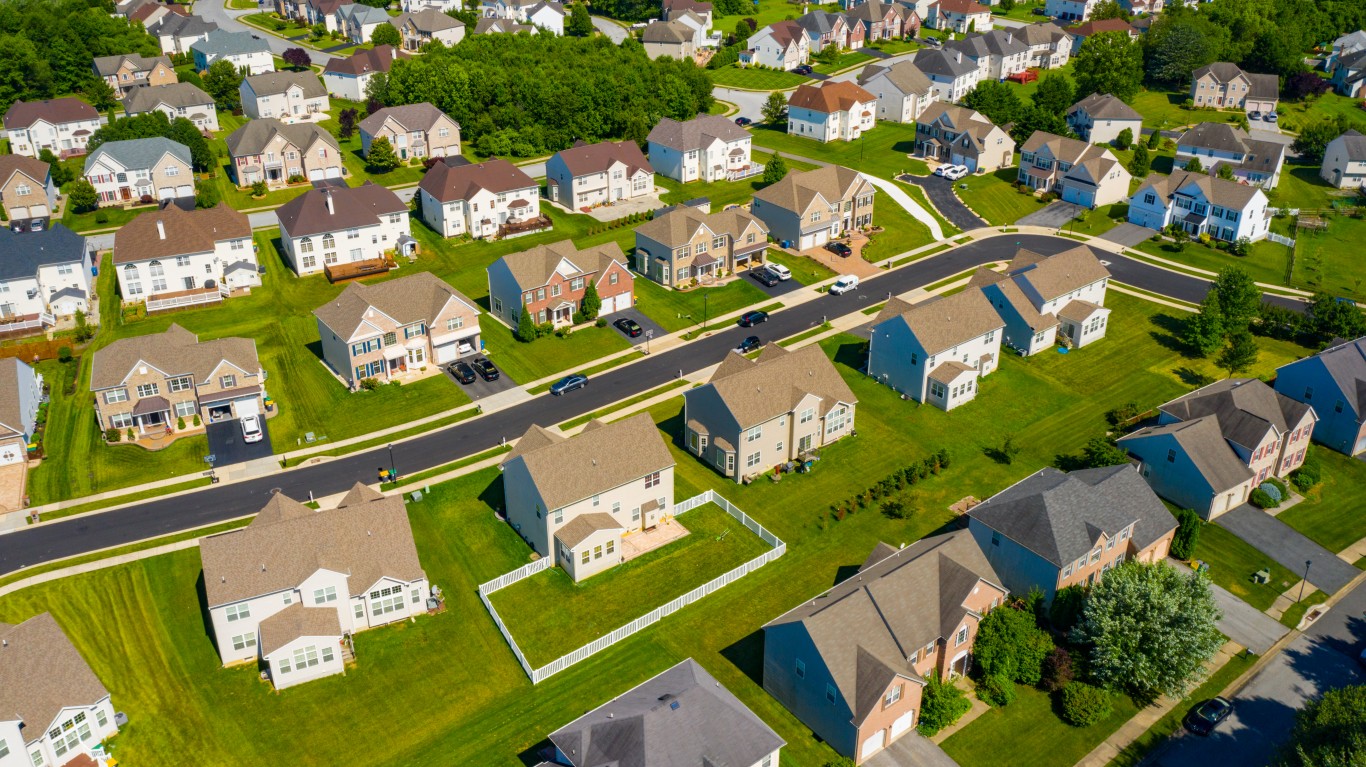
Some developers, recognizing that home ownership has become out of reach and for some people undesirable, are shifting to build-to-rent strategies. These developments look similar to regular communities of single-family homes, but they are rentals from day one. This gives renters the space, garages, and yards of home ownership without the expense and commitment of purchasing. Currently, over 110,000 BTR units are under construction nationwide, which is a 53.5% increase in BTR housing.
Is Renting a Bad Investment?
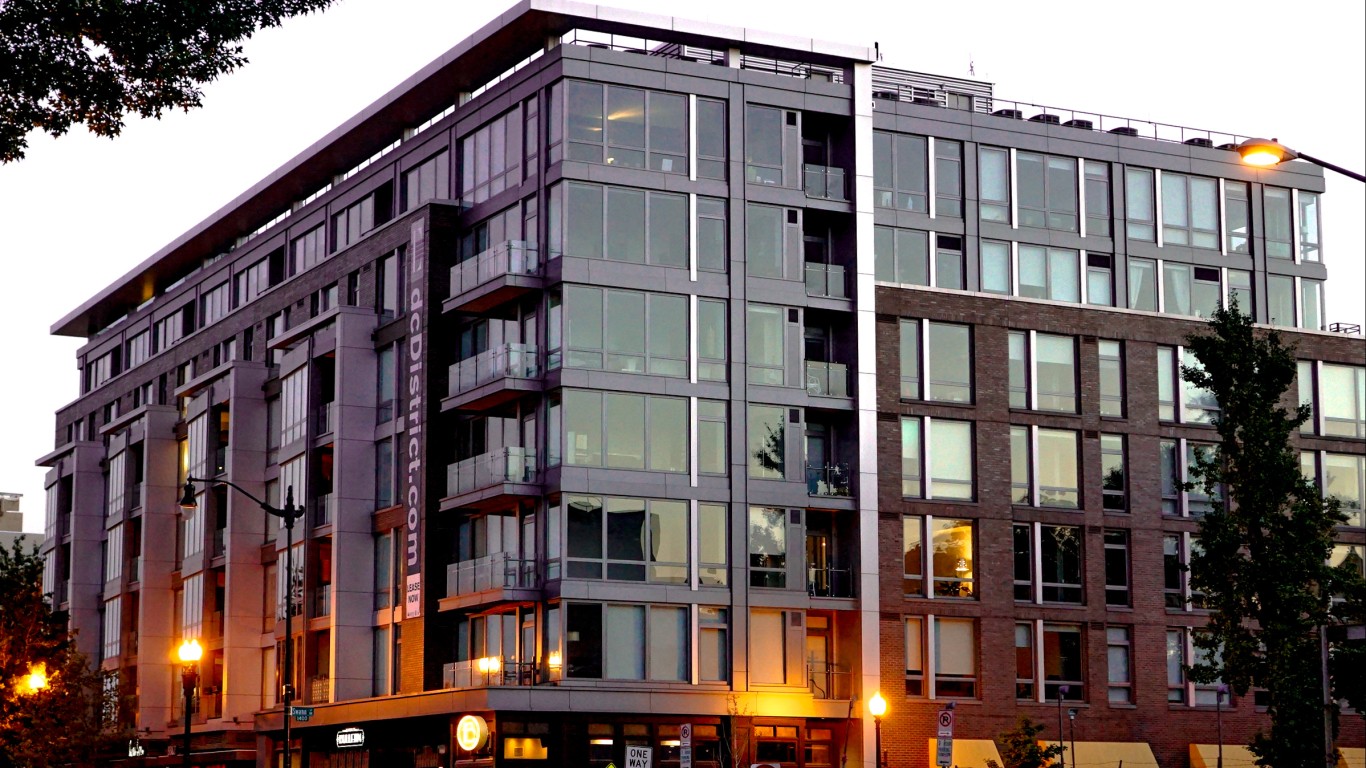
So are these trends a negative development for wealth accumulation? Not necessarily. Traditionally, investing in a home has been a premier investment strategy for middle class Americans. However, it is not without risk. Homes depreciate in some neighborhoods, to the point that you’d be better off to put your money in a simple savings account than dump it into a mortgage. Maintenance costs over the years can absolutely eat a young family alive, sometimes driving them into credit card debt or even eventually into a costly divorce. In some families, these types of factors can raise the opportunity cost for buying a house far beyond what it is worth.
Lacking a mortgage, a savvy young investor may launch a side gig or use a variety of investment tools to parlay savings or retirement contributions into a true fortune—something they may not have time to do if they’re spending every weekend googling how to discourage squirrels from nesting in an attic or how to prevent the plumbing from freezing in winter.











 Top Gaining Stocks
 Top Losing Stocks