


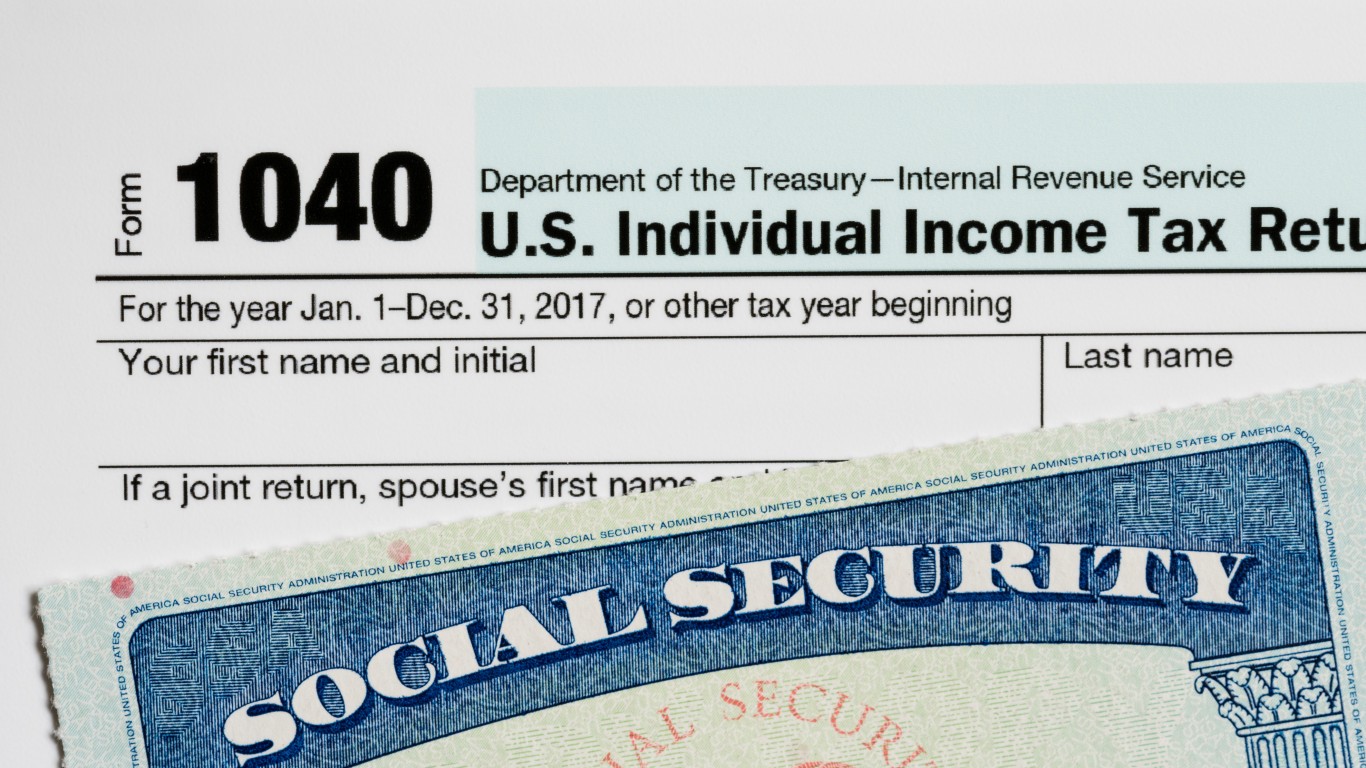
Full retirement age is one of the most important Social Security rules that every current and future retiree should know. Unfortunately, understanding when FRA is can be complicated because the rules have actually been changing over time.
In 2026, another change is happening. The good news, though, is that it will be the last time this big change occurs.
Here’s what you need to know about the upcoming modification to FRA, as well as why no more changes will be made after this year — at least not for the foreseeable future.
This change to Social Security benefit rules is only happening one more time
First things first, it’s important to understand what full retirement age is.
FRA is the age when you get to claim your standard Social Security benefit. This age used to be 65 for everyone. However, when Social Security began experiencing financial trouble, lawmakers adjusted FRA through reforms in the 1980s.
The changes to full retirement age were phased in slowly over time, though.
Specifically, for anyone born before 1955, there were no changes made, and benefits were still available at 65 just as they had always been. However, for those born in 1955 or after, FRA gradually began moving later. So, for example:
- If you were born in 1955, FRA is 66 and 2 months
- If you were born in 1956, FRA is 66 and 4 months
- If you were born in 1957, FRA is 66 and 6 months
- If you were born in 1958, it’s 66 and 8 months
- If you were born in 1959, it is 66 and 10 months
As you can see, as birth years moved later, FRA moved back by two months. This meant that for each person who turned 66 in 2021 or after, FRA has been gradually getting later.
Those who turned 66 in 2020, for example, had already reached their FRA before their 66th birthday. But anyone who turned 66 in 2021 had to wait an extra two months to claim benefits to avoid a reduction in their standard income. Those who turned 66 in 2022 had to wait two more months, or an extra four months in total, compared with peers who were just a few years older.
Some retirees turning 65 or 66 may have been surprised at these changes, since 65 was the default for so long. The good news is, no further changes will be happening after next year. That’s because for everyone born in 1960 or later, FRA is 67.
What does the end of this change mean for you?

Since FRA will be 67 for anyone born next year, or in the years beyond, if you turn 66 in 2026, you actually won’t be able to claim your benefits right away if you want to avoid a reduction in the standard benefit. You’ll have to wait until your 67th birthday rolls around in 2027.
While this extra waiting may disappoint those forced to delay, the good news is that life is going to be simpler for future retirees. If you were born in 1960 or later, you no longer have to question whether the age when you claim benefits is changing year after year. You can just count on that age being 67. The only way this would change is if lawmakers push back FRA again through further Social Security forms, and that is unlikely to occur in the immediate future because it is a very unpopular change to benefits.
Knowing this information can make it easier to develop a viable Social Security claiming strategy, as it will be very clear when exactly you can retire with your full benefit. You can work with an experienced financial advisor to determine whether claiming early, late, or on time makes sense for you, and can move forward with your claim at the appropriate time.











 Top Gaining Stocks
 Top Losing Stocks