


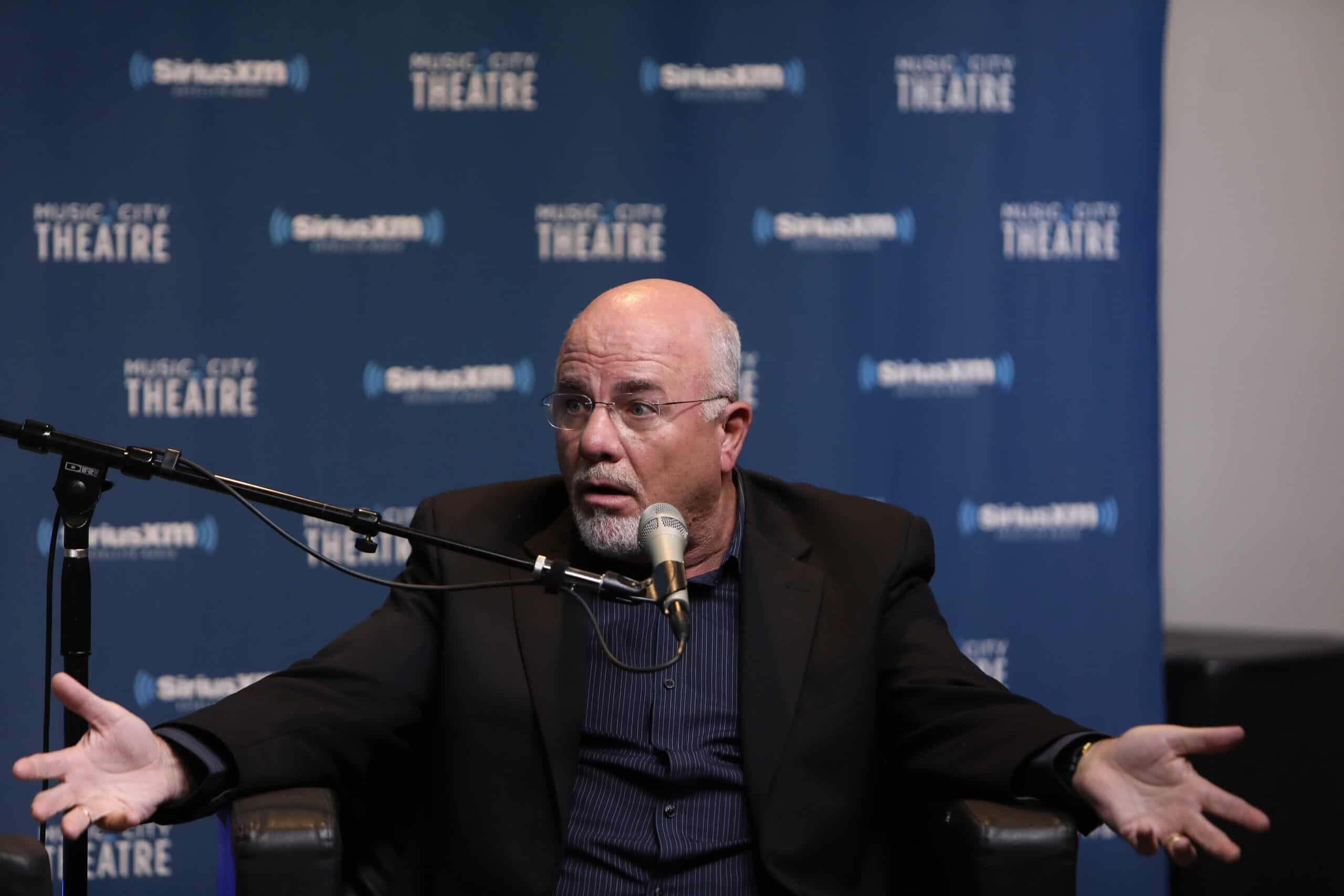
If you’ve ever listened to Dave Ramsey talk about debt, you’re no doubt aware that he’s not a fan. And it’s easy to see why.
No matter what type of debt you take on, you’re agreeing to pay someone interest. That means whatever you’re buying is going to cost you more in total.
Here’s a simple example. Say you charge a $500 laptop on a credit card, but by the time you pay it off, you’ve racked up $75 in interest. This means that in reality, the laptop cost you $575.
Now the better your credit score is, the easier it becomes to borrow money in an affordable manner. But Dave Ramsey insists you don’t need to have a credit score and may be better off without one.
“Not having a credit score is a good thing—a really good thing,” he says.
But is he right? Not exactly.
Why Dave Ramsey thinks you don’t need a credit score
Ramsey’s logic in the context of credit scores is simple. If you’re not borrowing money, you don’t need a credit score.
The reason credit scores exist is so that lenders can evaluate borrowing candidates and decide if they’re likely to repay their debts. If you don’t have a credit score, you’re going to have a tough time qualifying for a loan. But if you decide you’re never going to borrow money, you may technically be able to get away with not having a credit score.
Why you should have a credit score but still be careful with debt
Ramsey’s advice to steer clear of debt to the greatest extent possible is solid. Where he veers into the realm of being unrealistic is thinking the average person can avoid debt completely.
It’s one thing to avoid debt in the course of taking a vacation or buying a new TV. You should save for these things ahead of time so they don’t cost you extra in interest.
But when it comes to buying a car or house, these are large purchases. And while you could pay for them in cash, realistically, you probably don’t have the money.
You might be able to come up with enough cash for a used car, or even a new one, if you save for a long time. But Zillow puts the average U.S. home value at about $357,445. Who on earth has that much money sitting in cash to buy a home outright? Not the average buyer, that’s for sure.
For this reason, you should absolutely make sure you not only have a credit score, but have one that’s in good shape — ideally, in the mid-700s or higher so you can score the best rates when you sign a loan. A strong credit score like that could also open the door to getting approved for the most competitive credit card offers.
Plus, you may find that you need a credit score for certain transactions even if you’re not looking to borrow money. For example, it’s common for landlords to check tenants’ credit scores when they apply to rent a home. In that situation, you’re not borrowing anything — you’re putting a roof over your own head. But without a credit score, you may not get approved.
Don’t write off credit cards, either
Dave Ramsey is absolutely right that you should try to minimize your debt. That applies to loans and credit cards alike.
But you don’t have to steer clear of debt completely. It’s perfectly reasonable to finance a home purchase with a mortgage, and in that case, the debt you take on allows you to build equity in an asset that could gain value over time.
You also do not have to avoid using credit cards, because they come with many perks. They could put cash back in your pocket for the things you’re buying and, in some cases, offer protection if there’s an issue with your purchase.
It is, as Ramsey says, a good idea to avoid credit card debt, which occurs when you don’t pay your balances in full. But if you pay off your credit cards each month, there’s nothing wrong with using them. And if you want that option, you’ll need a credit score to qualify in the first place.











 Top Gaining Stocks
 Top Losing Stocks