


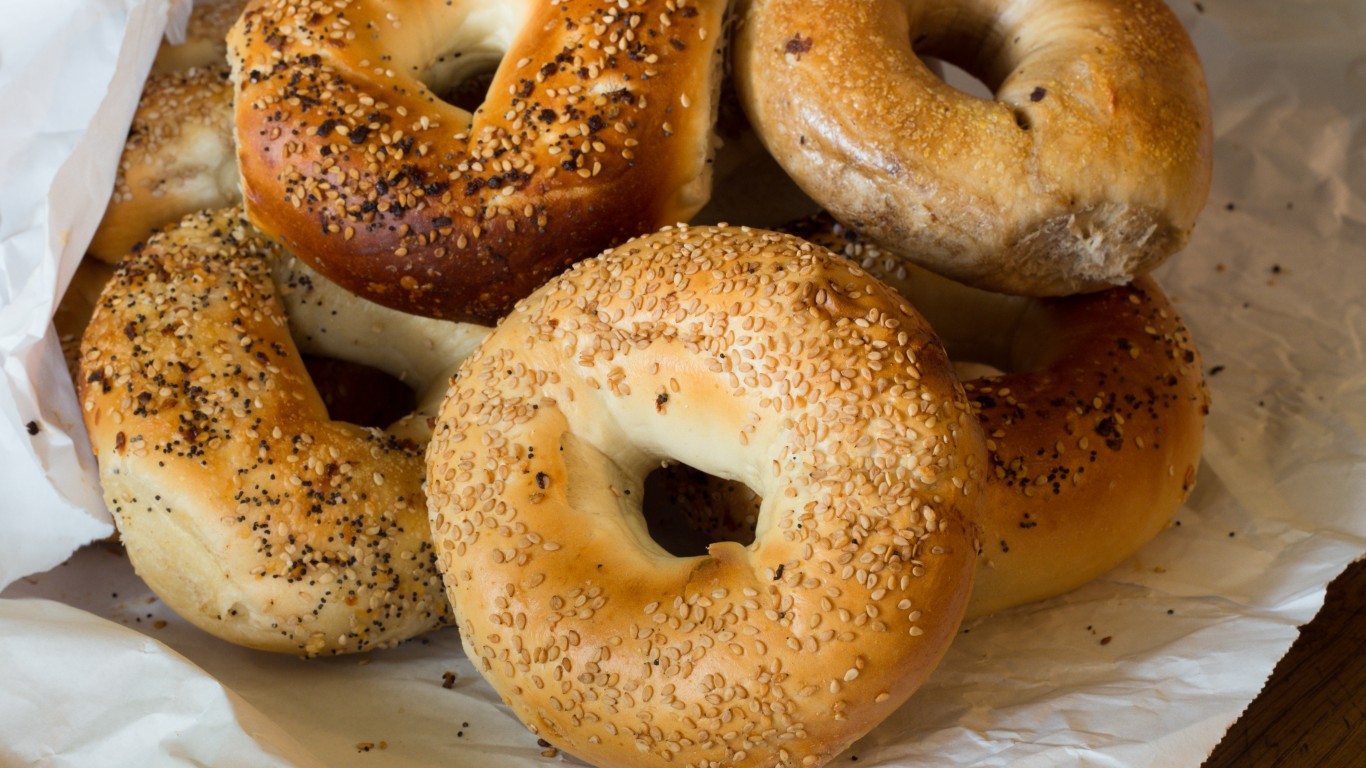
Pop-Up Bagels just hit a $300 million valuation, and the number that matters more than the headline is what came before it. Five months ago, in October, the company was valued at $60 million. That is a 5x jump for a chain with only 29 stores. When institutional money moves that fast on a food concept, understanding exactly what investors think they are buying clarifies the real story.
Tiger Global Bets on Bagels
Tiger Global, the hedge fund that previously invested in OpenAI, Waymo, and Facebook, led the latest funding round. That is not a firm that chases novelty. Tiger Global bets on scalable infrastructure plays, and its involvement signals that the investment thesis here is about whether a premium, experience-driven food brand can replicate the expansion arc of specialty coffee.
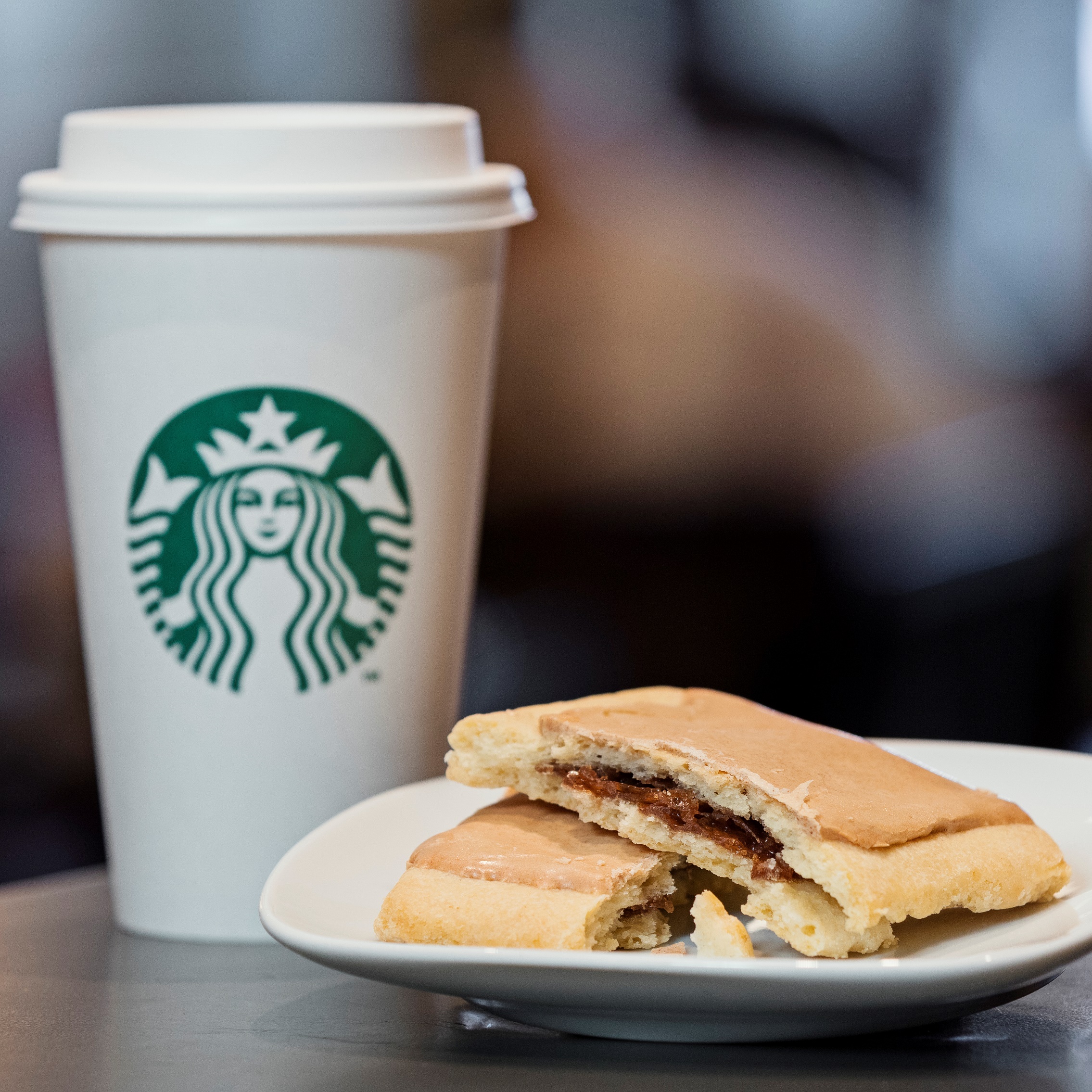
The bullish case is explicit. Wall Street is betting that bagels could become the next coffee rather than the next cupcake. The coffee analogy carries real weight: Starbucks was just a small startup in Seattle in a young regional coffee scene, and the argument is that most of the country just hasn’t tried a good one yet when it comes to premium bagels.
The cautionary tale is the cupcake boom of the late 2000s, which produced celebrity-backed storefronts, lines around the block, and then a swift collapse as novelty wore off and unit economics failed to support expansion. The question every investor in this space is asking is which trajectory bagels actually follow.
How a Pandemic Bagel Brand Built a $300M Audience
Pop-Up Bagels was founded by Adam Goldberg in Connecticut during the pandemic. The brand strategy was deliberately social. Goldberg treated bagels like influencers, posting sesame seed pics of his bagels like they were Kim Kardashian and making every one of his friends like and post and share.
That approach built demand before supply. By the time physical locations existed, there was already a waiting audience. Celebrity investors including Michael Phelps, Michael Strahan and Paul Rudd joined the cap table, which extended the organic reach further. The minimum order of three bagels and the viral “rip and dip” eating method “rip and dip” eating method both served the same function: they created shareable rituals that turned customers into content creators.
This is a repeatable brand-building playbook. Scarcity plus shareability plus celebrity validation is not unique to bagels. The question is whether it holds at scale, which is where most food concepts break down.
The Scalability Problem, and the Technology That May Solve It
Bagels have historically been difficult to scale because the baking process is slow and labor-intensive. That constraint kept premium bagels regional. New oven technology now slashes the time from baking to brunch in half, which changes the unit economics meaningfully. Faster throughput means lower labor cost per unit and the ability to serve higher volumes without sacrificing quality. This is the operational unlock that makes the coffee comparison credible rather than aspirational.
The broader investment activity confirms that institutional capital sees a structural opportunity, not just a single brand. Call Your Mother, a D.C. chain, was bought by an asset management company. H&H Bagel was acquired by a finance guy. One investor literally filed an SEC-regulated fund dedicated exclusively to acquiring bagel shops, called Manhattan Bagel Equity. When someone files a regulated fund around a single food category, it is a signal that the thesis has moved beyond trend-chasing into genuine asset accumulation strategy.
What the Consumer Data Actually Says
The macro backdrop supports this kind of bet. Retail sales hit $738.4 billion in February 2026, the highest value in the tracked 12-month period. Per capita disposable income reached $67,648 in Q4 2025, while the personal savings rate declined from 4.7% to 4%, meaning consumers are spending more of what they earn.
Food services spending reached $1,523.2 billion in February 2026, up from $1,454.1 billion a year earlier. That trajectory confirms that consumers are directing more discretionary dollars toward food experiences.
Consumers are spending more on food experiences, and they have the income to support it. The consumer sentiment index sits at 56.6, which is below the neutral range, but the direction matters: it has recovered from a low of 51.0 in November 2025. Investors betting on premium food concepts are making a directional call on that recovery, not a bet on current euphoria.
The $300 million valuation on 29 stores is a bet that the infrastructure, the brand, and the technology are now aligned in a way that makes the coffee comparison viable. Whether the cupcake parallel proves more accurate will depend on whether the eating experience travels beyond its current markets. That is the variable no valuation model can price precisely.








 Top Gaining Stocks
 Top Losing Stocks