


Key Points
- Tariffs are usually only used by corrupt or incompetent governments to protect domestic industries or punish rivals
- Tariffs usually backfire, leading to weaker domestic economies and higher prices.
- Download our free report on the two stocks we recommend every investor buy.
#25 Bulgaria
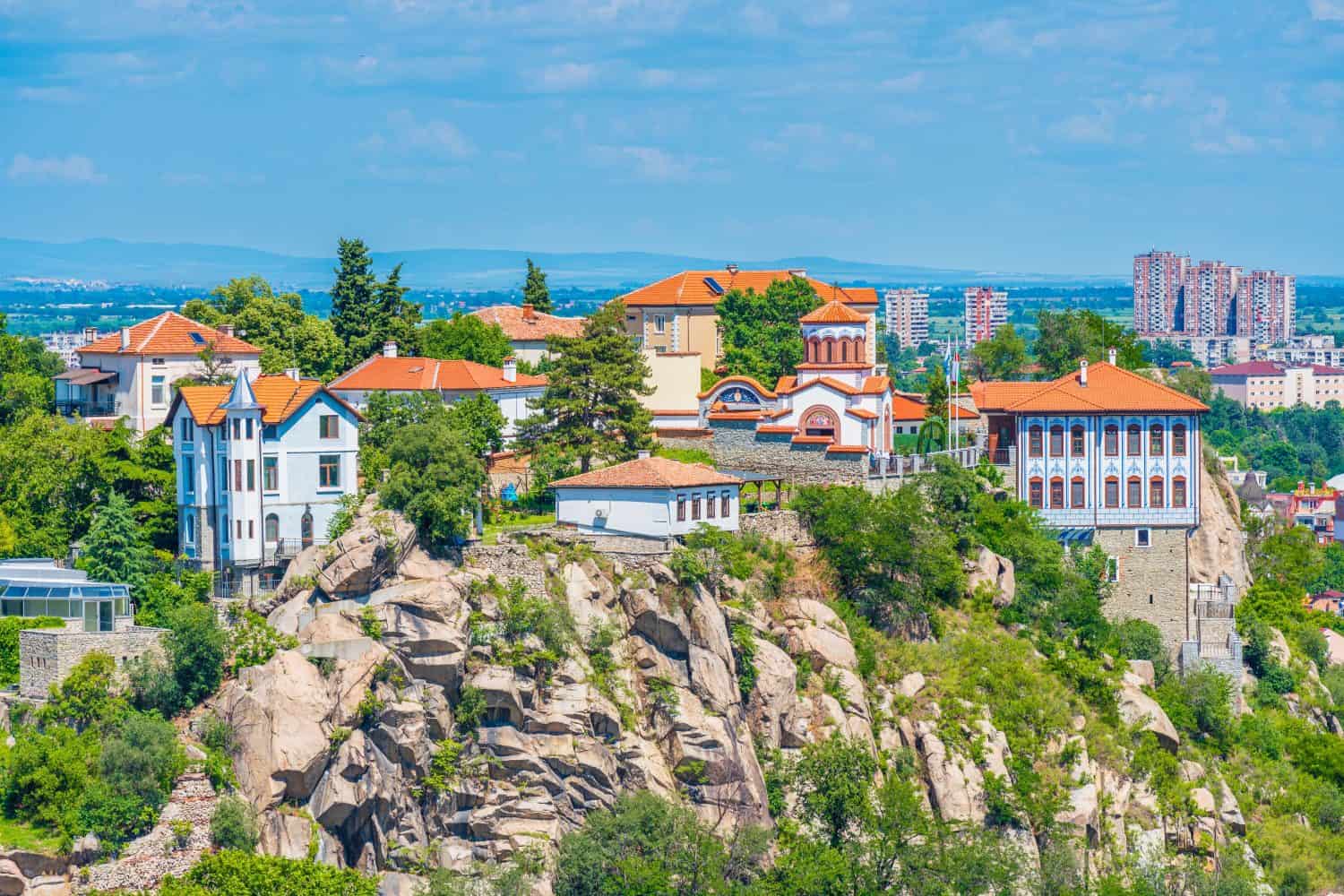
Bulgaria.
Bulgaria is a high-income country that has quickly evolved from an agricultural economy to a high-tech and industrial economy over the last century. It has regularly had government budget surpluses and operates on a balanced budget. It also has one of the lowest corporate tax rates in all of Europe and has the second-lowest government debt in the European Union.
#24 Belgium
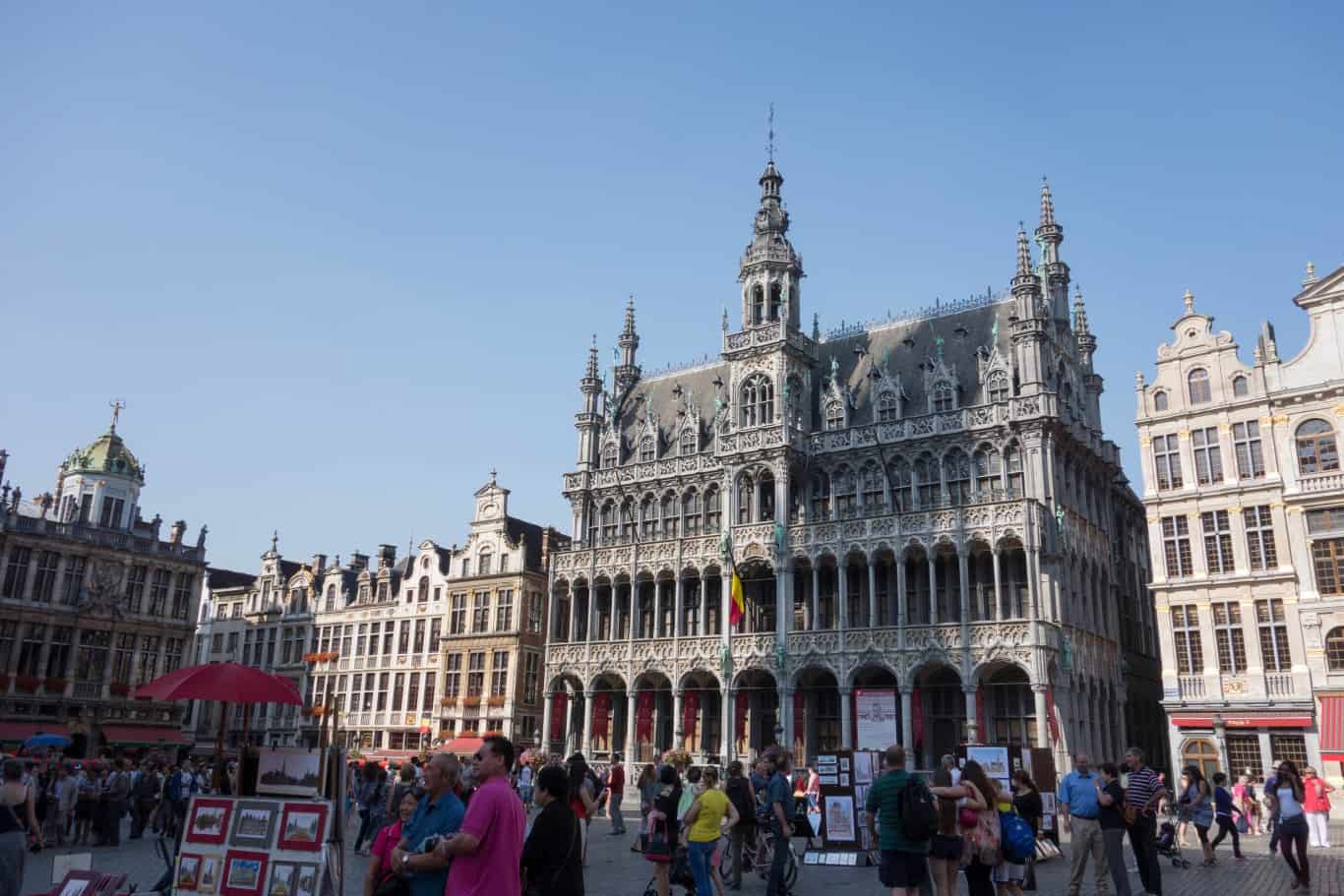
Belgium.
Belgium is a highly globalized country and is the 15th-biggest trading country in the world. It has a very high level of exports per capita and high incomes. It strongly supports open economies and supports using the European Union to integrate weaker economies to help them open their trade and build their economies.
#23 Austria
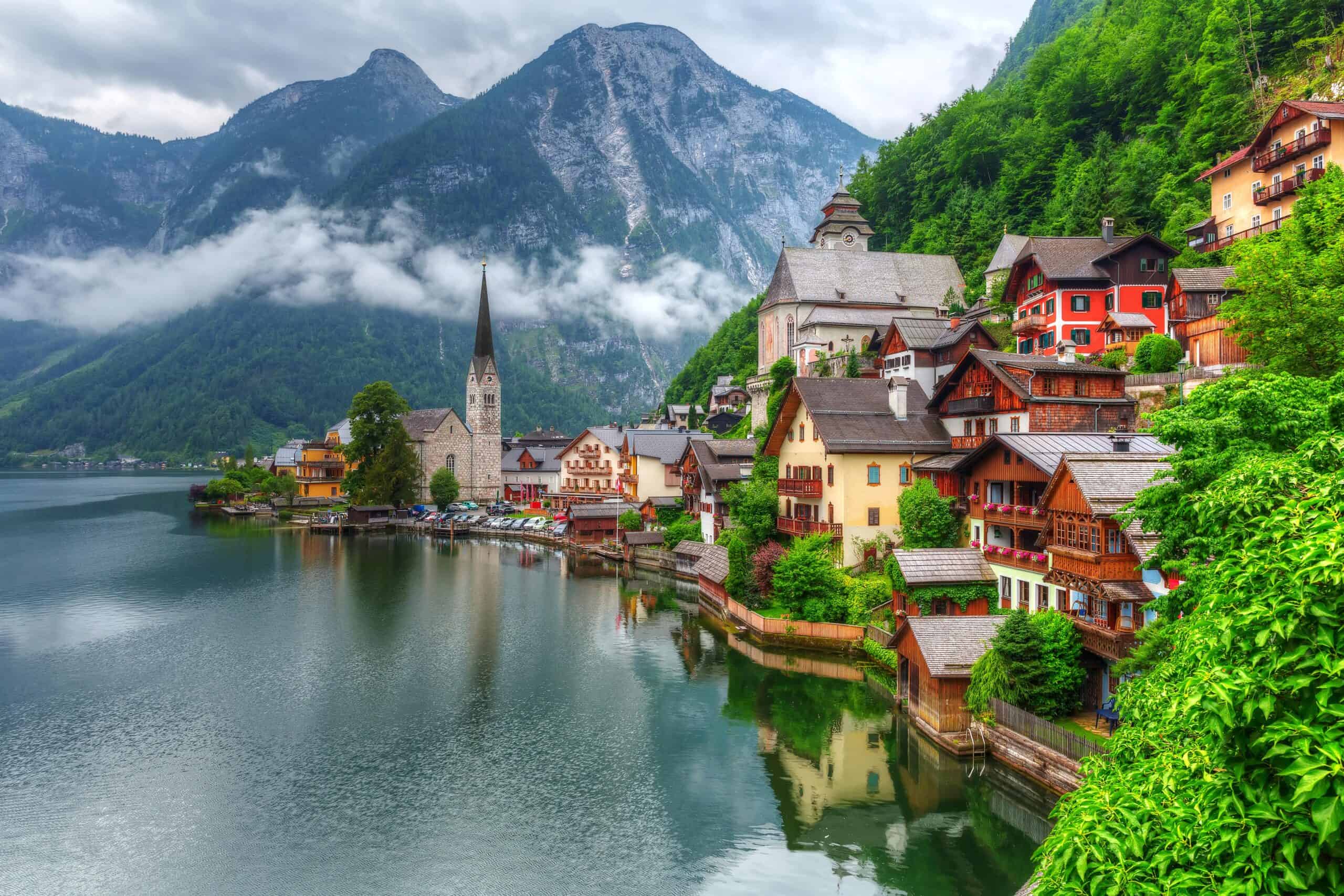
Austria.
Austria has a highly industrialized economy and a strong social market economy, with one of the highest levels of GDP per capita in the world. The labor movement is particularly strong in Austria, leading to some of the best worker benefits and employee protections in the world.
#22 Namibia

Namibia.
Namibia’s economy is strongly tied to South Africa and relied primarily on mining and manufacturing. It has a highly-developed banking sector and a strong financial services sector. It was listed the top emerging market in Africa and is the 13th best economy in the world as ranked by Bloomberg. Namibia has to import most of its resources but also has a lower income tax rate than surrounding countries.
#21 Mauritius
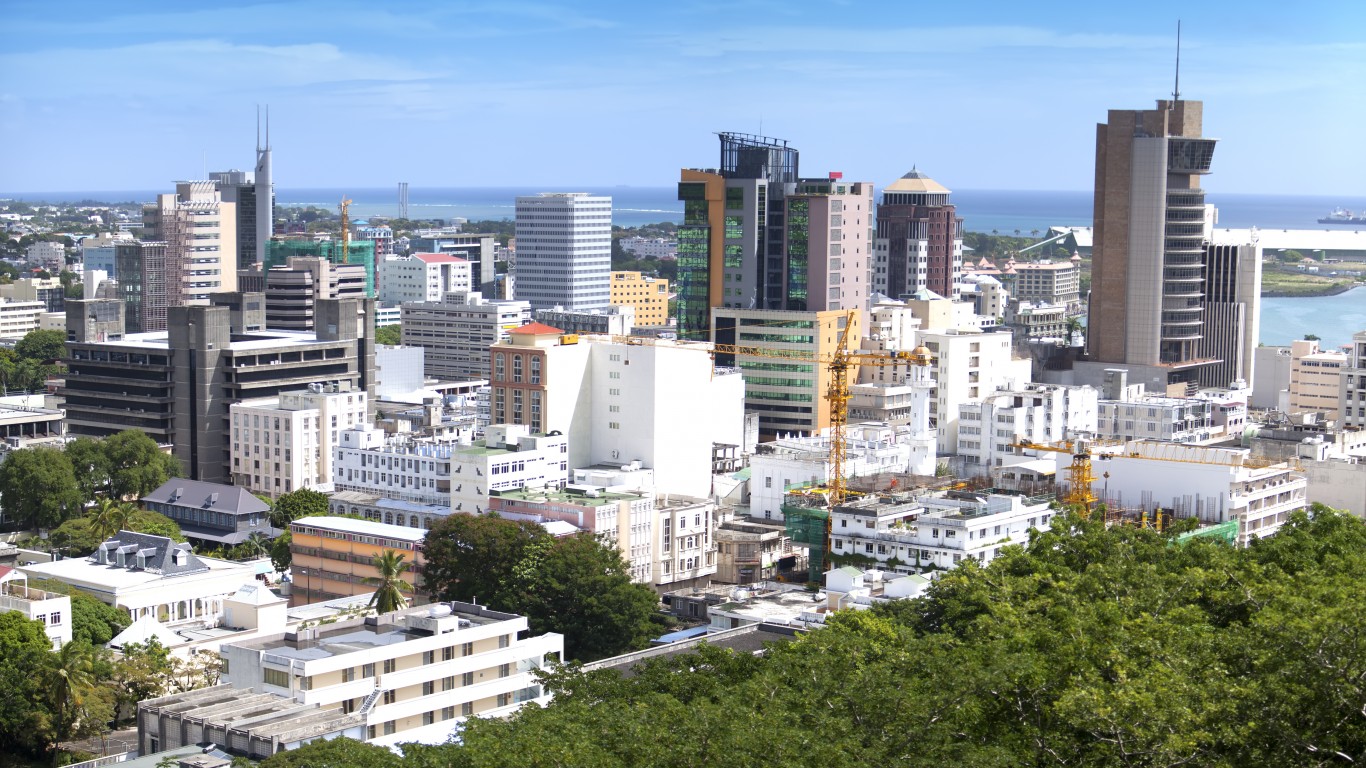
Mauritius.
Mauritius has been called the most developed country in Africa. It ranks high compared to other countries in economic competitiveness, friendly investments, free economy measures, and good governance. It is ranked 9th in the freest economies of the world.
#20 Mexico
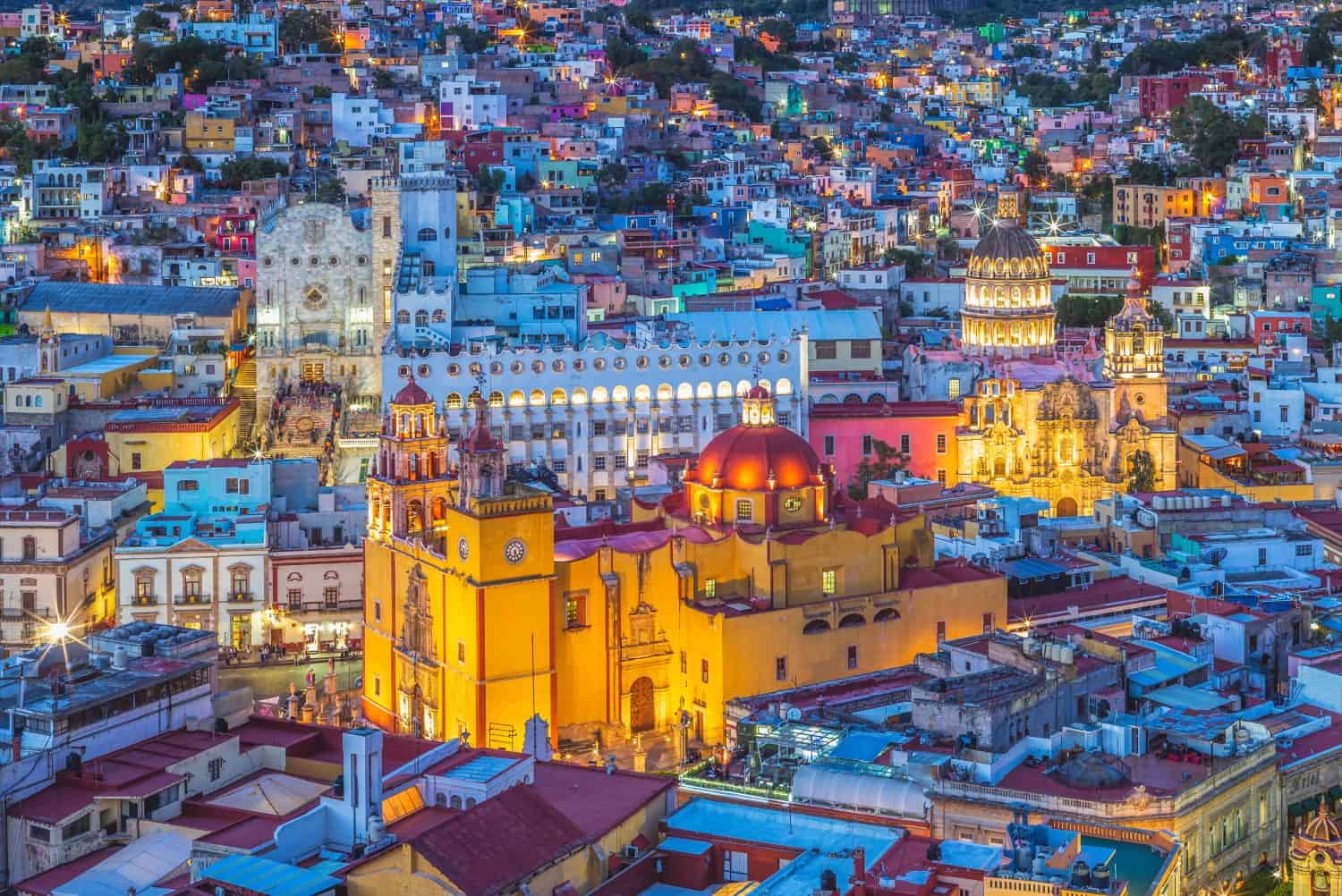
Mexico.
Mexico has the 12th-largest economy in the world and has the second-highest gross national income in Latin America. It is the second-largest exporter of electronics and electronic equipment into the United States and produces the most cars of any North American country. More than half of its exports are to the United States and Canada.
#19 Moldova
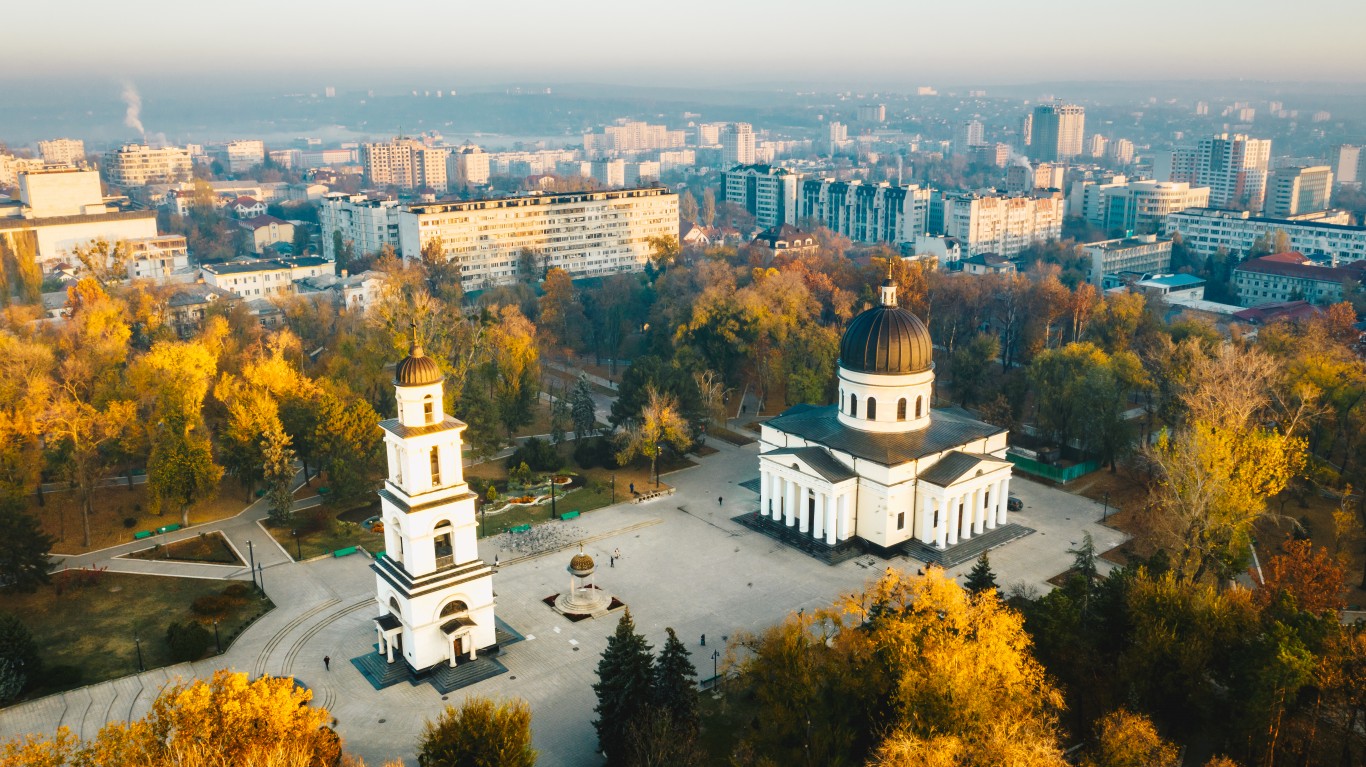
Moldova.
As a former member of the Soviet Union and highly dependent on Russian oil, Moldova is at the whims of international conflict for most of its imports, and the Russian invasion of Ukraine has caused inflation and unemployment to skyrocket.
#18 Vietnam
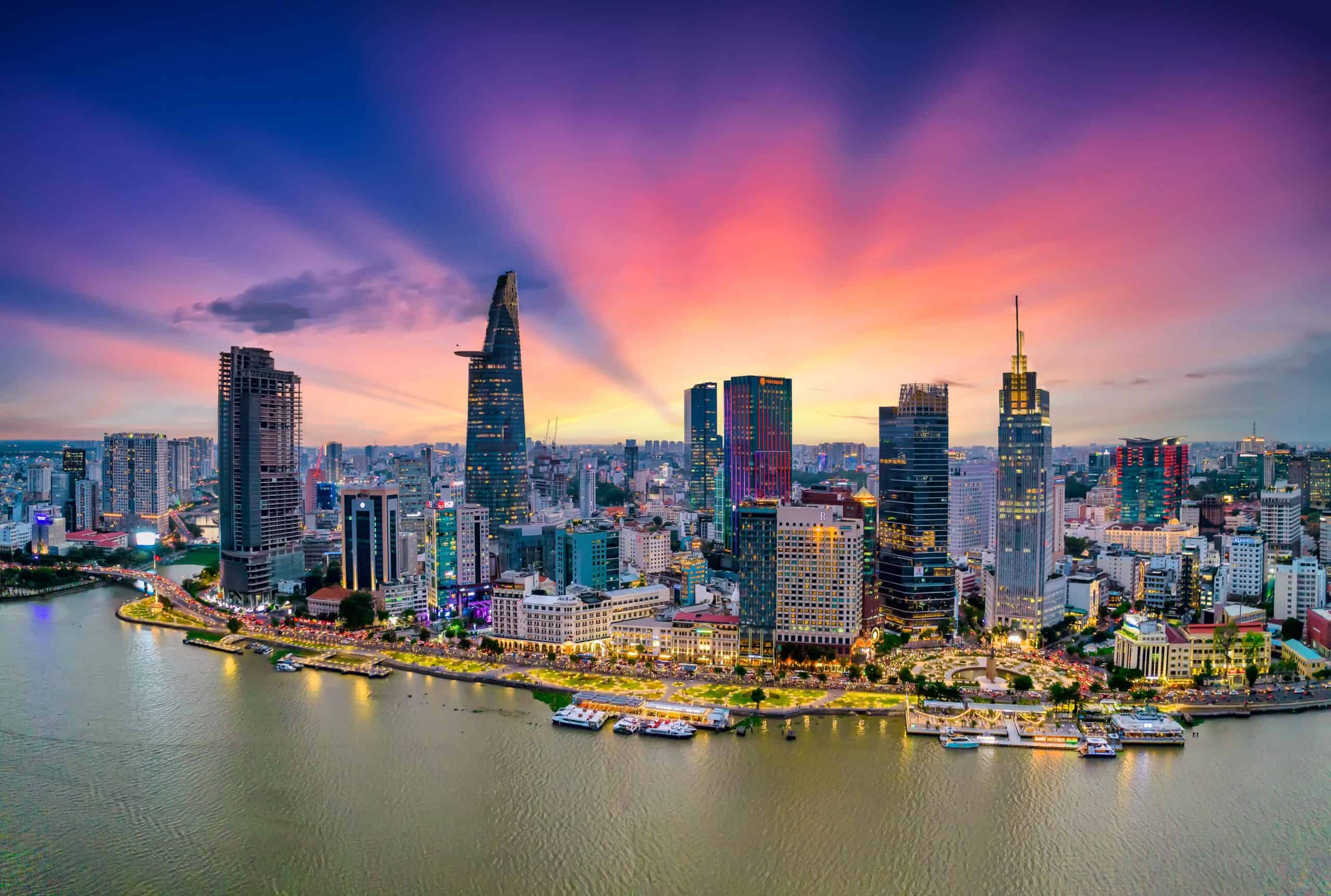
Vietnam.
Despite the long trade embargo by the United States against Vietnam, it continued to implement socialist-focused market reforms and its economy and markets have grown regularly and healthily over the decades, with some of the fastest economic growth in the world. Its poverty rate has dropped dramatically and now the United States is the biggest customer of Vietnamese exports.
#17 Albania
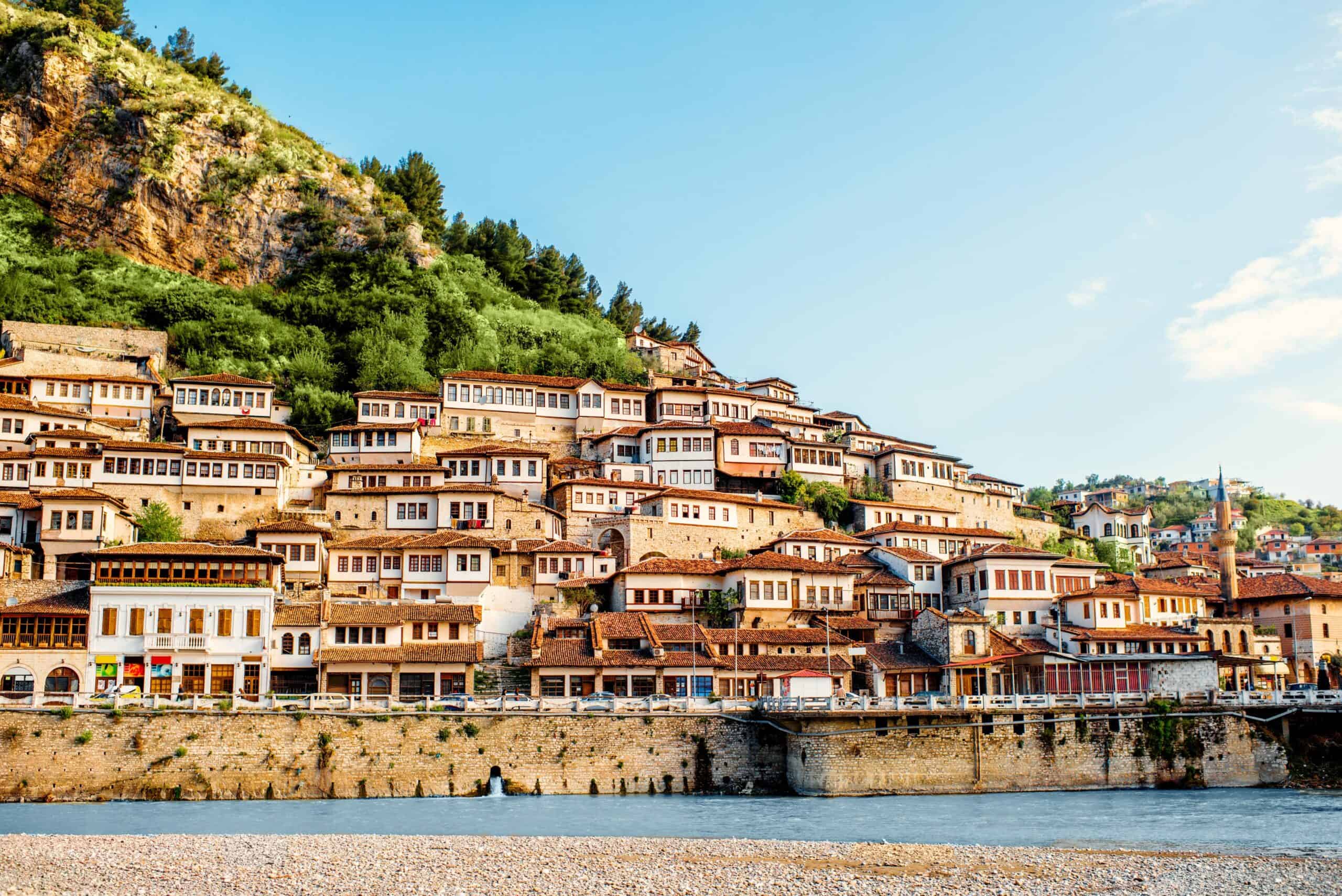
Albania.
Like other European countries, citizens in Albania enjoy universal healthcare and free school and university. Its mixed market and social economy has the fourth-lowest unemployment rate in the region and one of only a handful of countries that were able to show economic growth immediately after the Great Recession.
#16 Laos
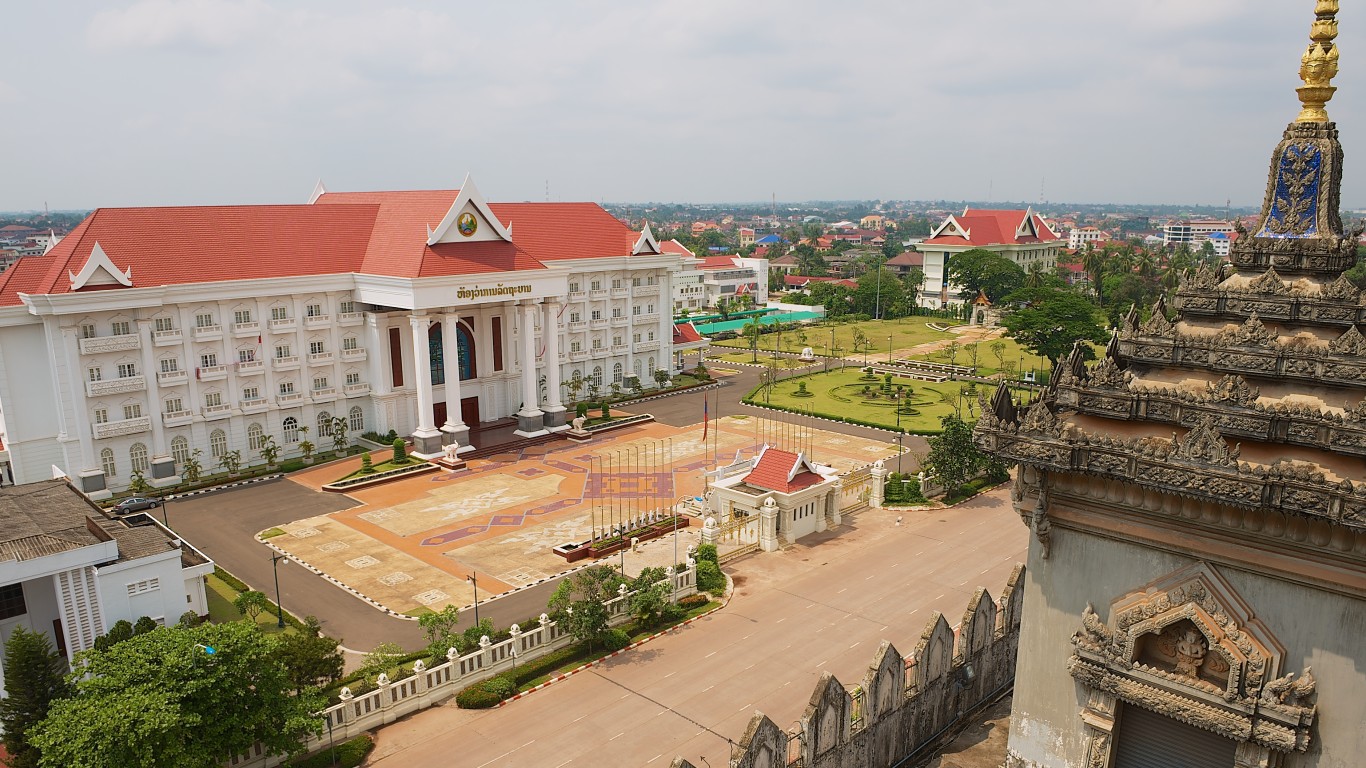
Laos.
Laos has one of the fastest growing economies in Asia based on generating renewable energy and selling it to neighboring countries. The United States had forbidden Laotian companies from receiving financing from the US Export-Import Bank because it was a Marxist-Leninist state, which hindered its economy. This ban was finally canceled in 2009.
#15 Seychelles
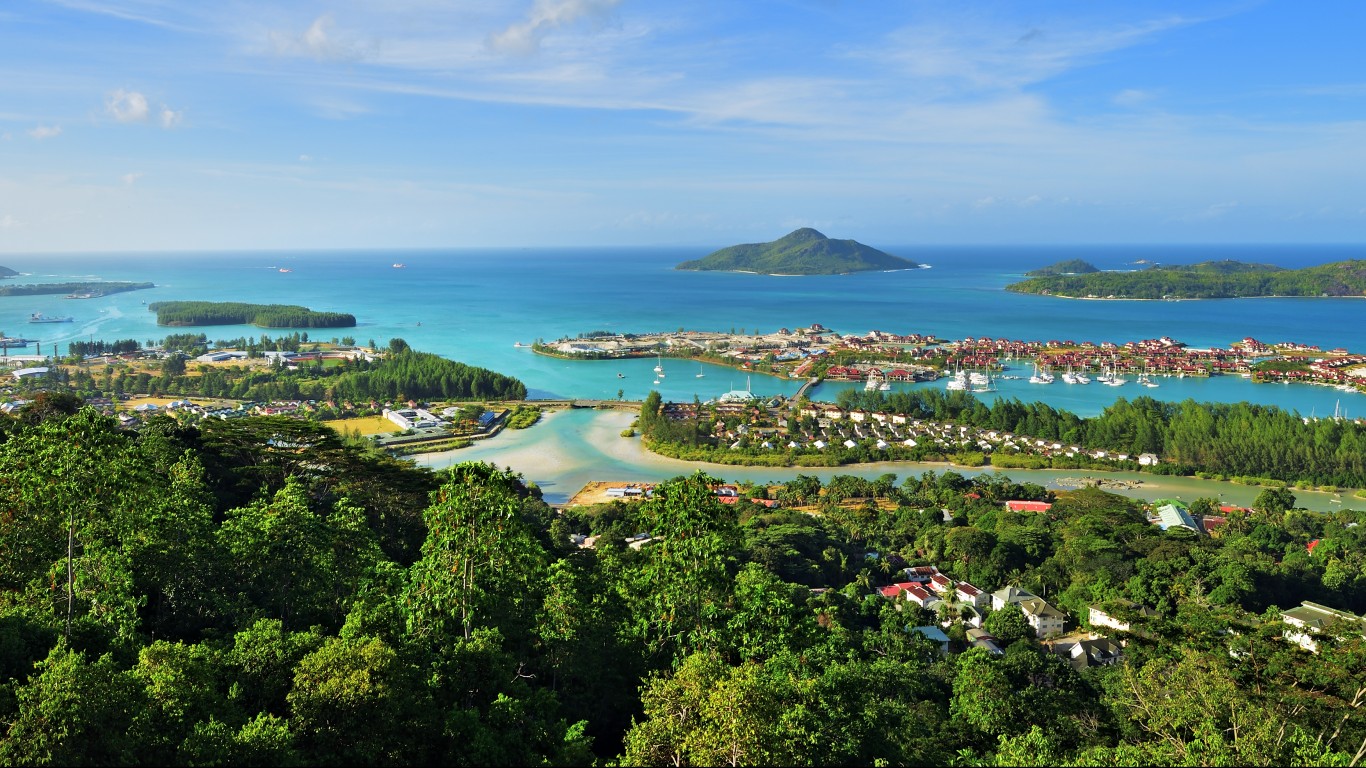
Seychelles.
The Seychelles has the highest GDP per capita and the highest Human Development Index rank of any country in Africa. Since it gained independence in 1976, its economy has grown to over seven times its previous level. It is the least corrupt country in Africa and its level of economic freedom has been increasing regularly every year since 2010.
#14 Myanmar
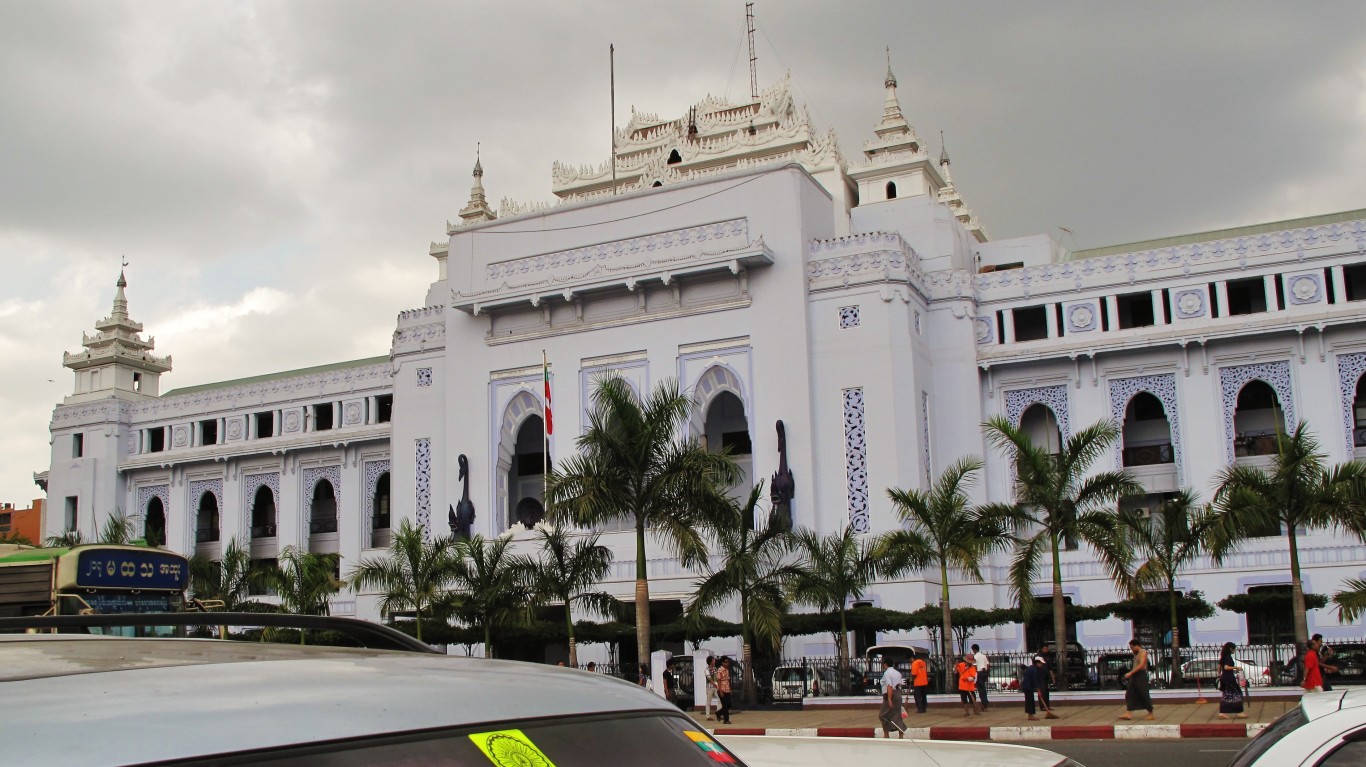
Myanmar.
Despite rampant corruption and crony market control, low tariffs have contributed to Myanmar having one of the fastest-growing economies in the world. Civil wars and political upheaval have prevented regular economic growth and contributed to the biggest informal economy in the world. The United States along with other Western nations have regularly imposed sanctions on the country, making it harder for its people to succeed, but India and China have made attempts to strengthen economic ties with Myanmar.
#13 Botswana
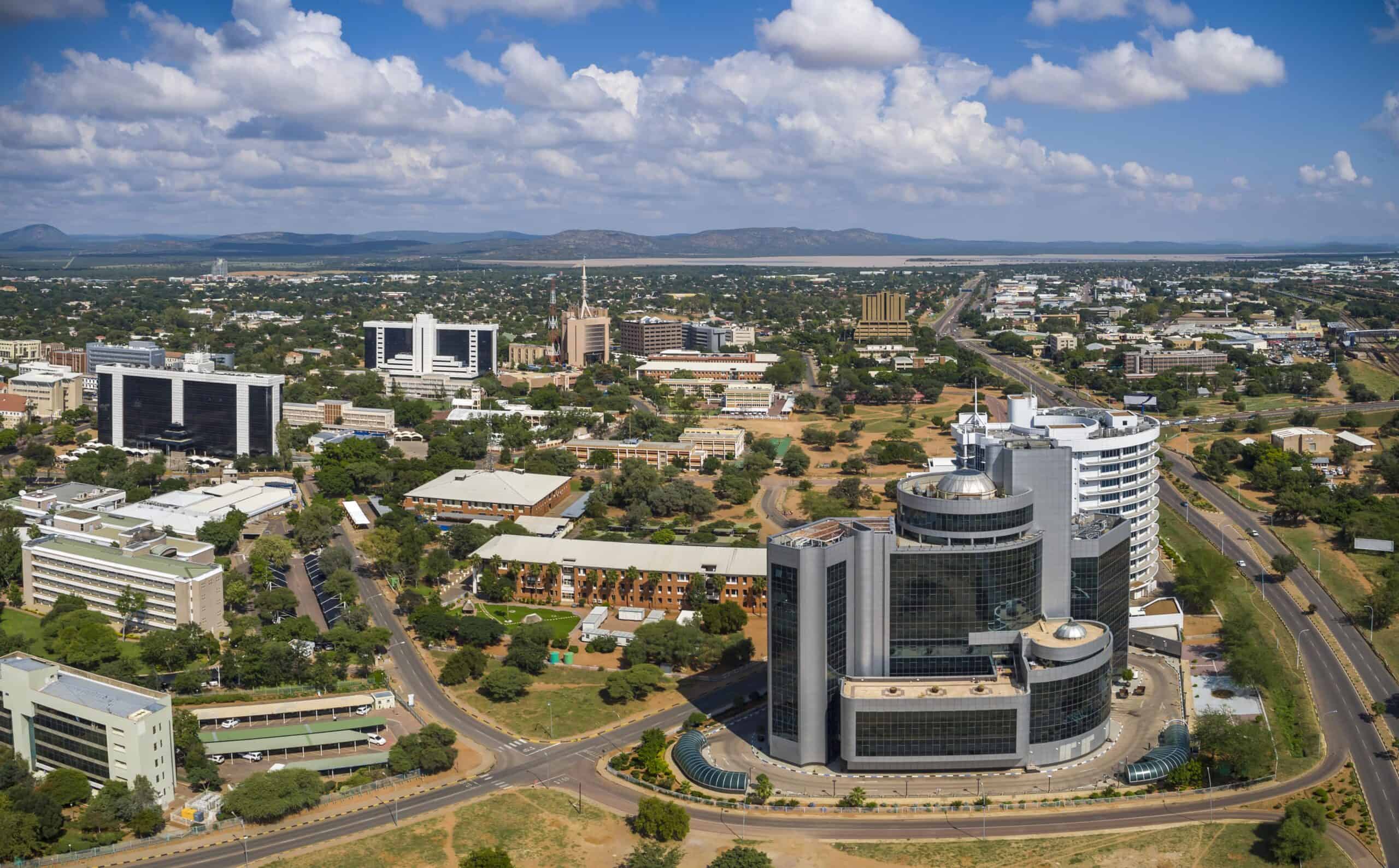
Botswana.
Botswana’s economy relies mostly on mining and tourism, and is the world’ largest diamond producer. It has among the top gross national incomes per capita in Africa and has some of the best standards of living on the continent. Botswana has had one of the fastest-growing economies in the world ever since it gained independence.
#12 New Zealand
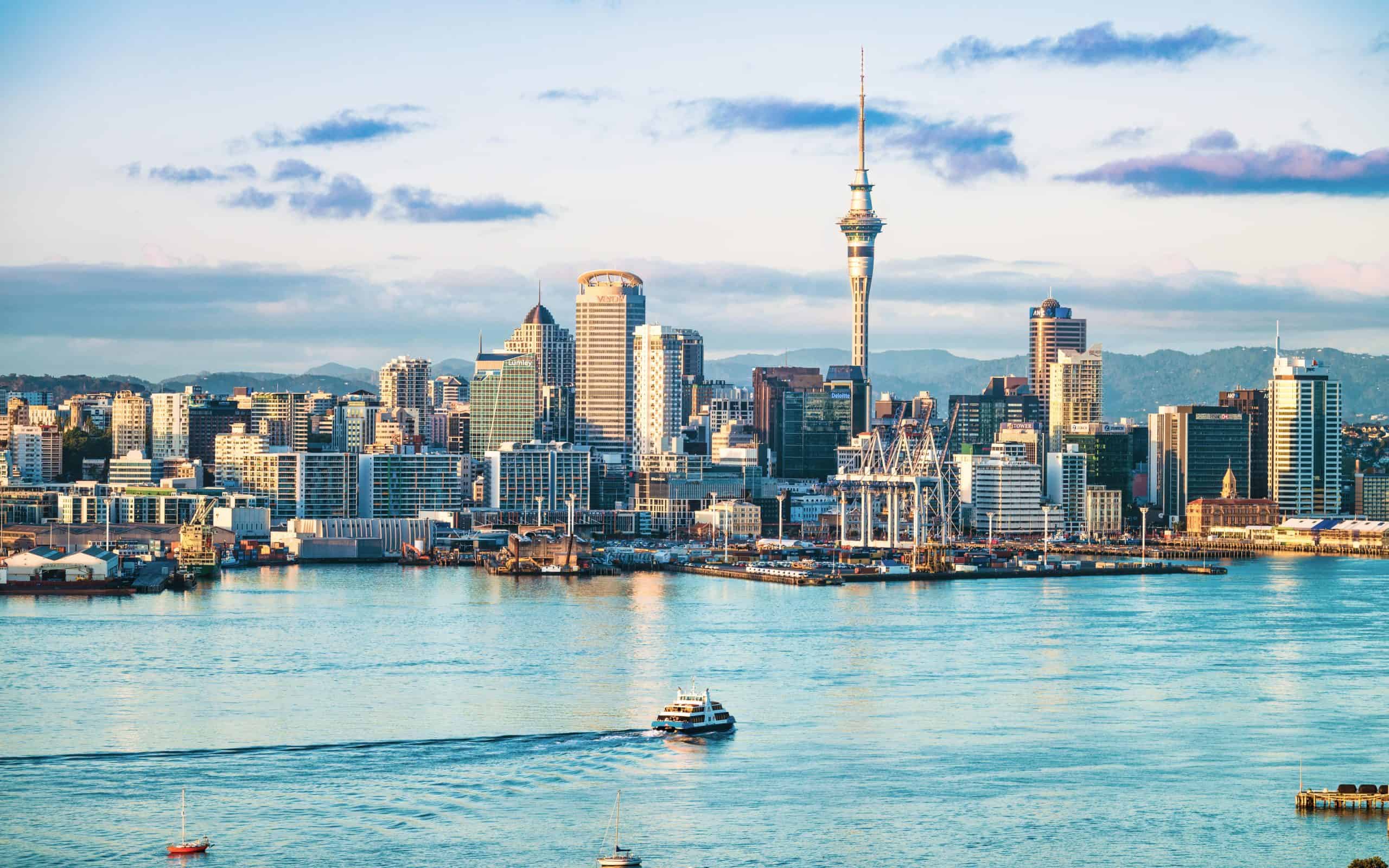
New Zealand.
New Zealand was the first country to implement a minimum federal wage and the first to guarantee women the right to vote. It regularly ranks at the top for quality of life and human rights. It has one of the lowest levels of corruption.
#11 Australia

Australia.
Australia has one of the highest levels of quality of life, education, health, civil liberties, economic freedom, and political rights. It has the 14th-largest economy in the world with China being the largest export customer.
#10 United Kingdom
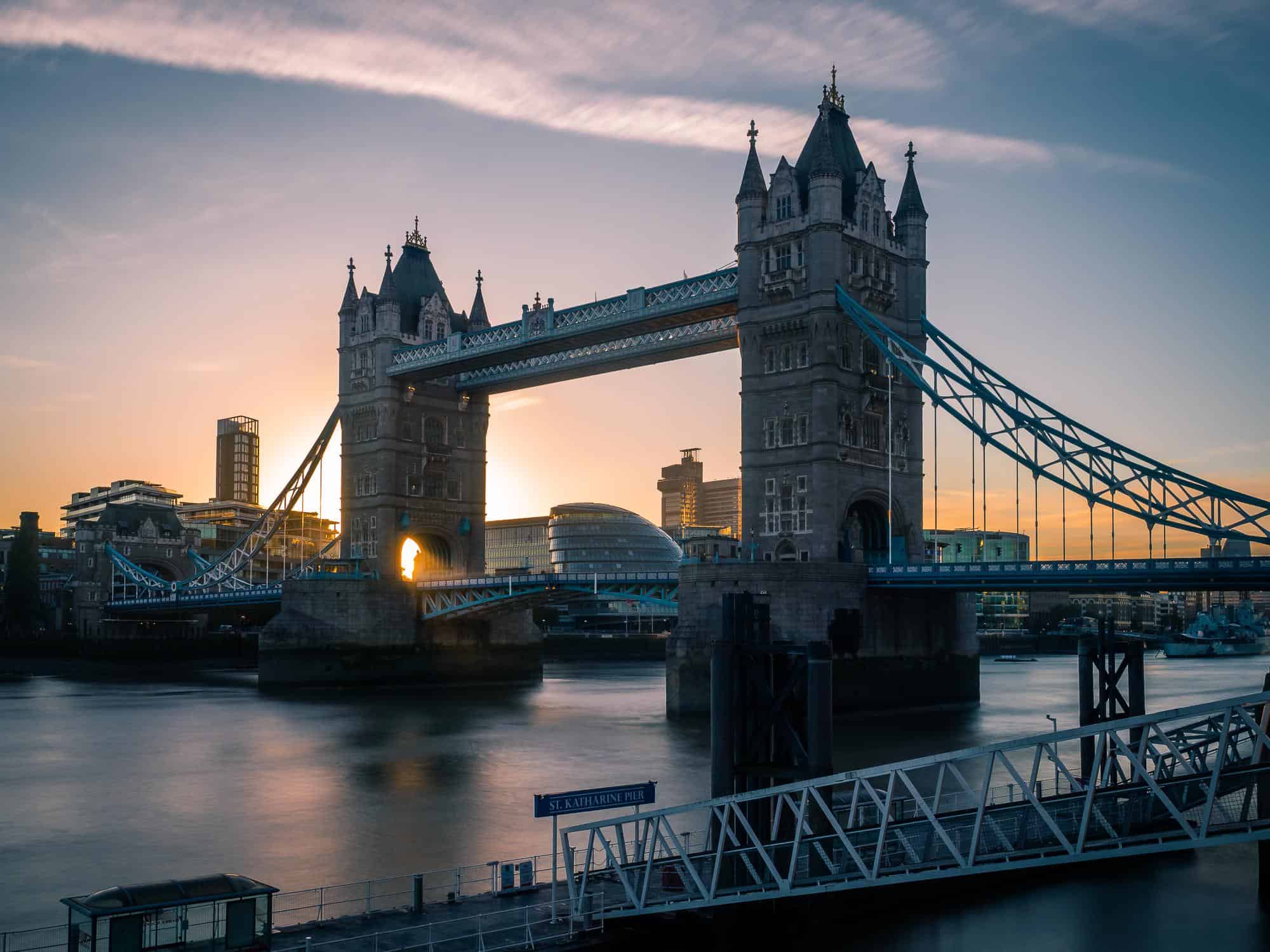
United Kingdom.
The United Kingdom has the world’s 6th-largest economy based on social market economics which aims for more fair competition than the regulation-less and corrupted capitalism of the United States. London is the foreign exchange trading capital of the world and has one of the largest financial service industries on the planet.
#9 Peru
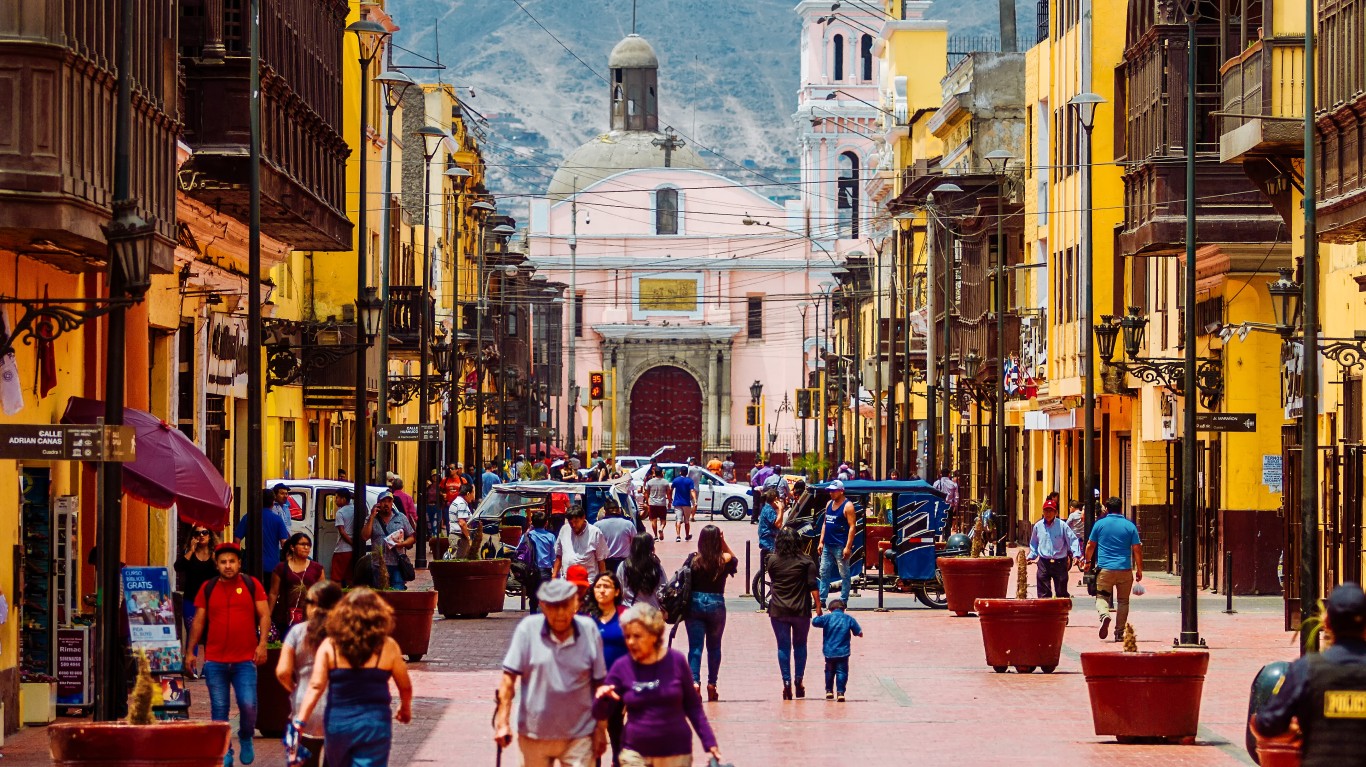
Peru.
Peru is in the middle of an economic boom that has lasted for more than 20 years and is now one of the fastest-growing economies in the world. It now enjoys an above-average Human Development Index. Much of its economy relies on exports, so maintaining low tariffs is essential in maintaining friendly trade relationships.
#8 Chile
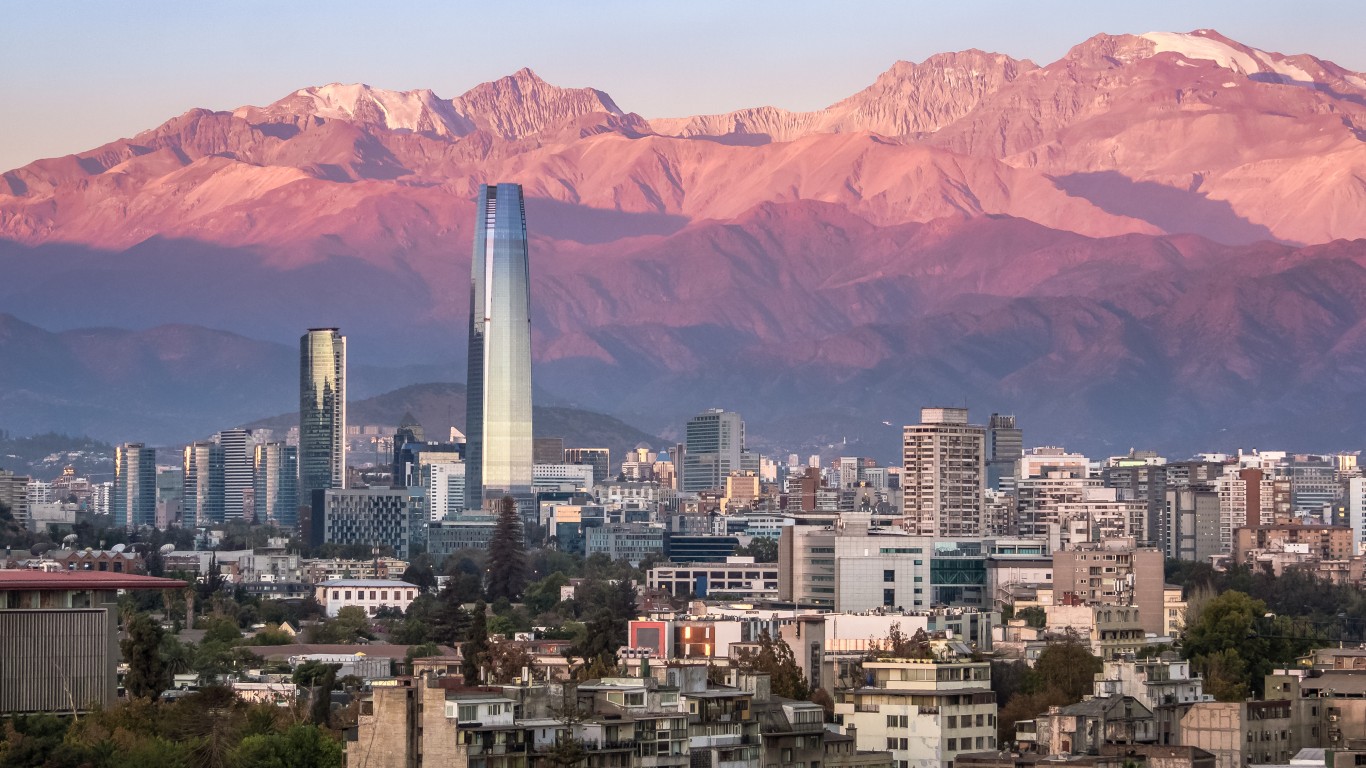
Chile.
Chile’s economy has grown and expanded after the 16-year right-wing dictatorship of Pinochet. The center-left government that followed, opened the markets and reformed the economy, lowering tariffs. It is now one of the most socially and economically stable countries on the continent.
#7 Georgia
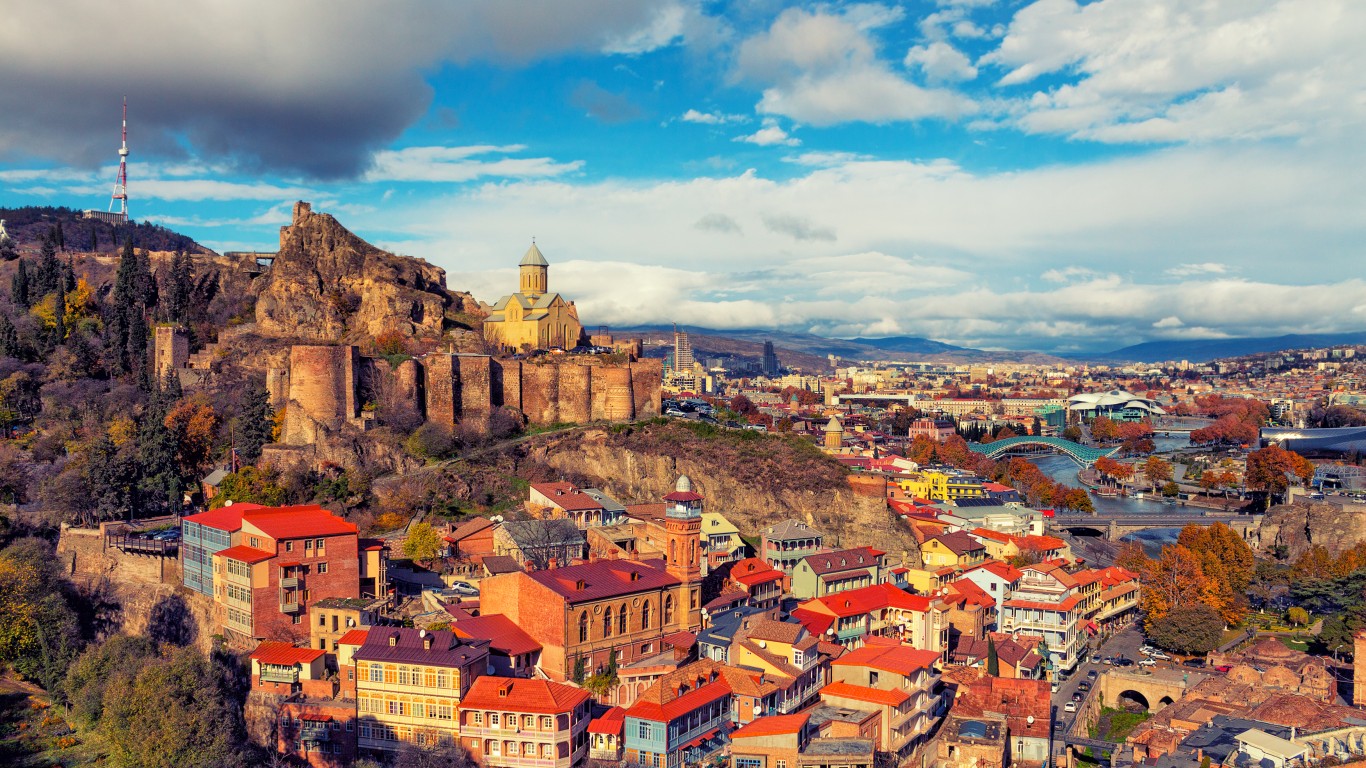
Georgia.
Georgia has one of the freest business economies in the world with one of the fastest growth rates in GDP. It has had one of the fastest-growing economies since 2007 as it signed free trade agreements with many nations.
#6 Brunei
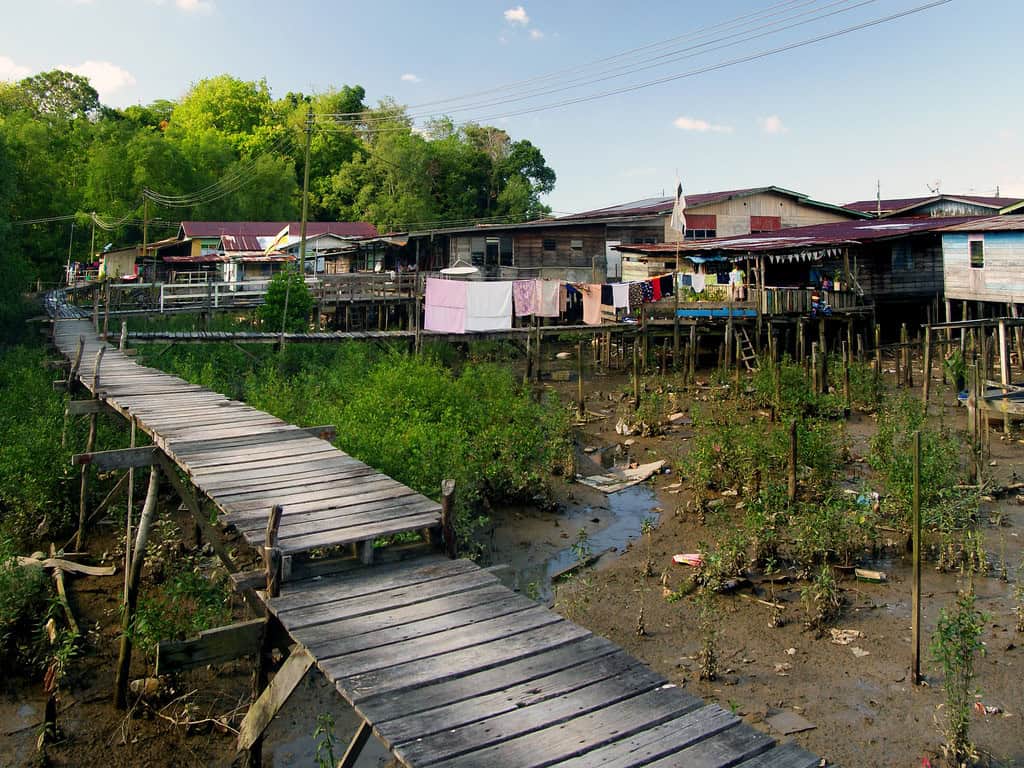
Brunei.
Brunei has the second-highest Human Development Index rank in Southeast Asia. Most of its economy relies on exporting natural gas and crude oil. It is heavily dependent on imports in order to survive, so keeping tariffs low is essential for a healthy economy.
#5 Sudan
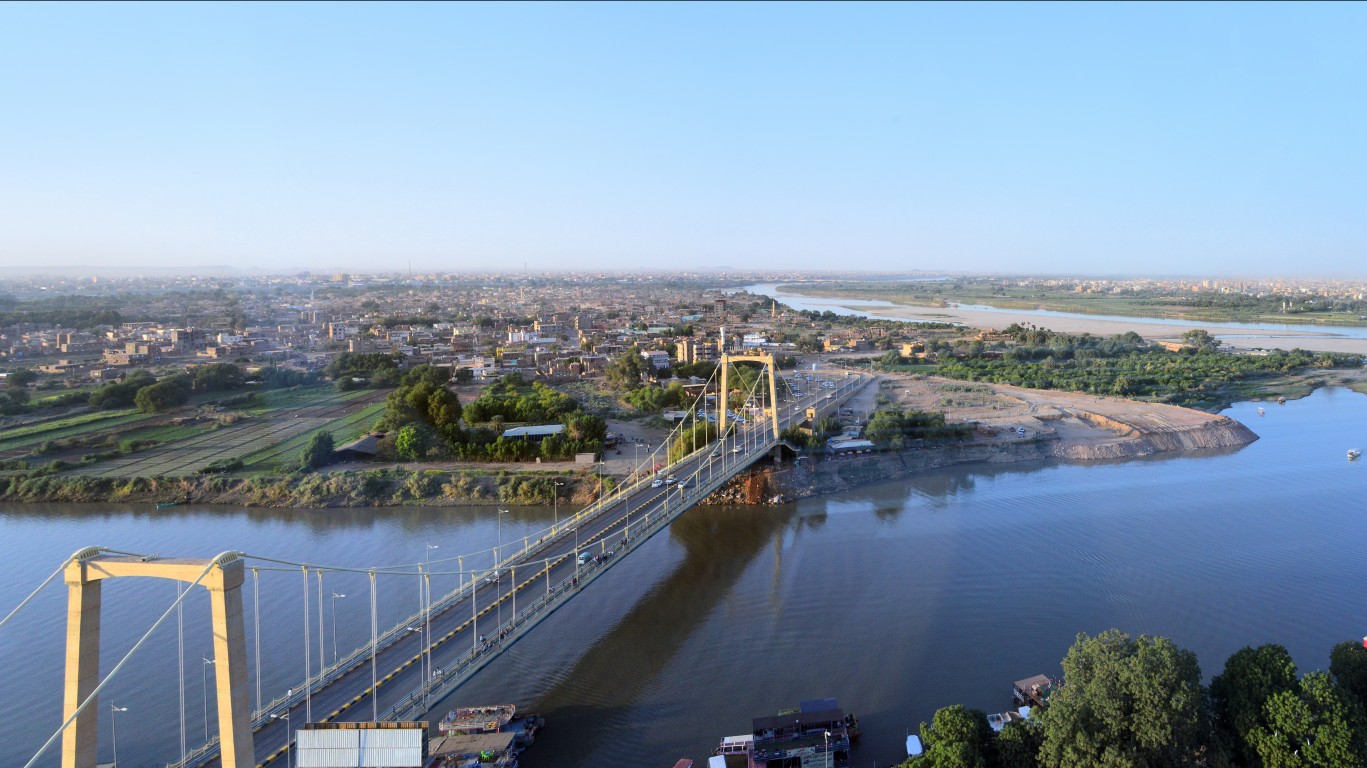
Sudan.
From colonialization to revolution, military coups, and an ongoing civil war, Sudan has struggled to create a foundation upon which it can build an economy. It only recently became a secular state in 2020 and remains one of the poorest countries in the world, with 60% of the people living in poverty. It had one of the fastest-growing economies in the world in 2010, until South Sudan seceded, taking with it more than 75% of the oilfields and related industries.
#4 Singapore
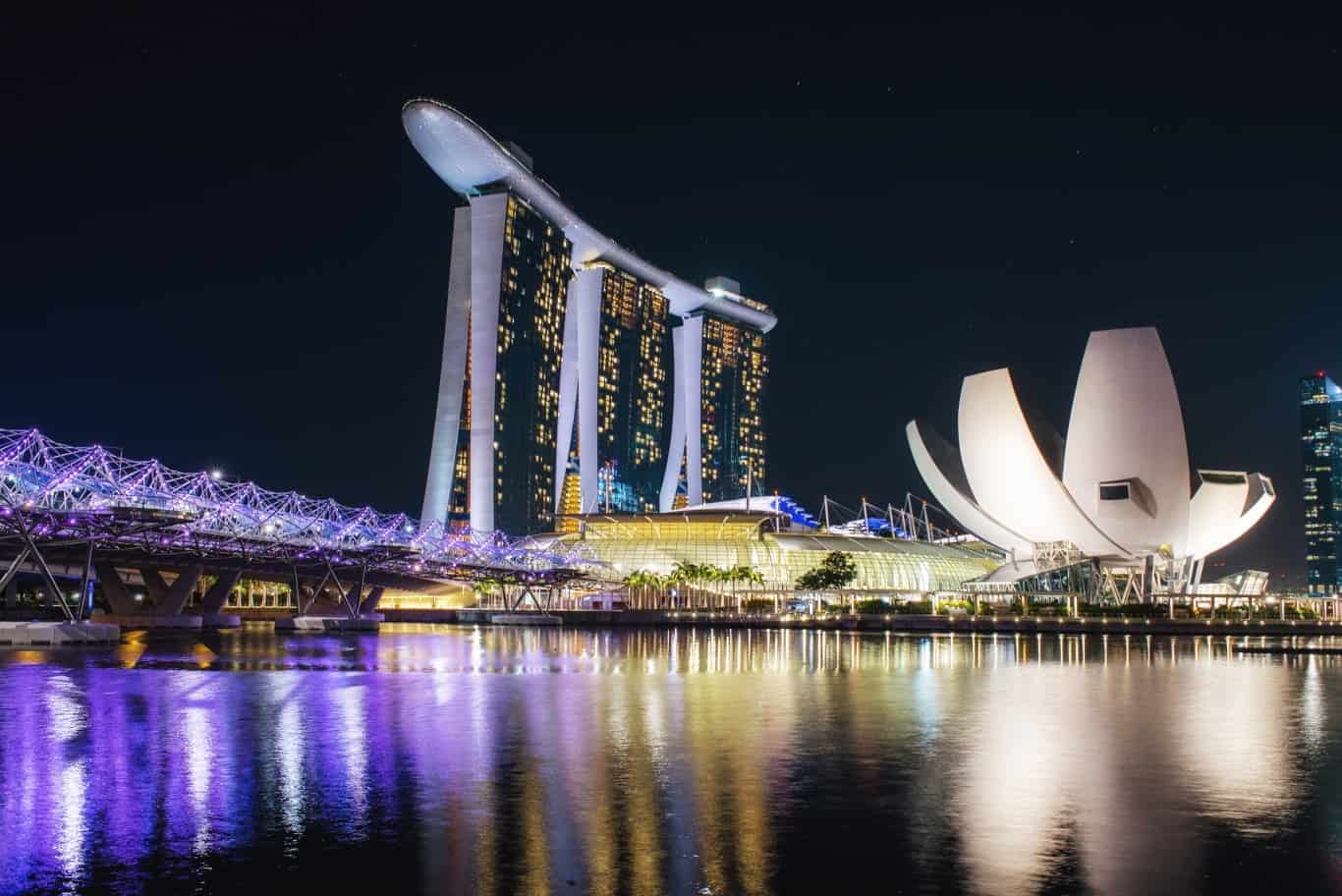
Singapore.
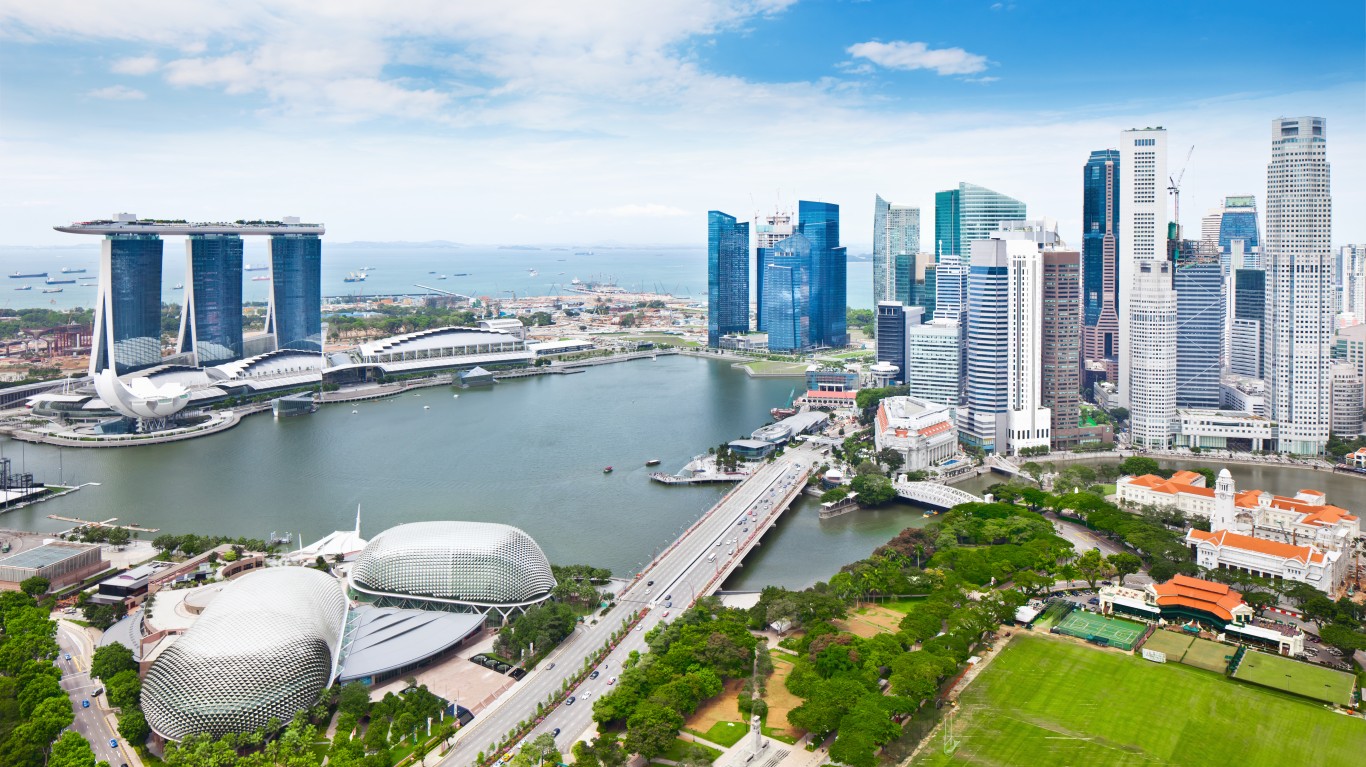
As a tiny island nation, Singapore is extremely dependent upon exports, and that dependency will continue to grow as climate change gets worse and development eliminates competing industries and open land. It has one of the highest GDP per capita rates in the world and is the only Asian country with a AAA credit rating from all rating agencies. It ranks highly in education, quality of life, healthcare, personal safety, housing, and infrastructure.
#3 Macau
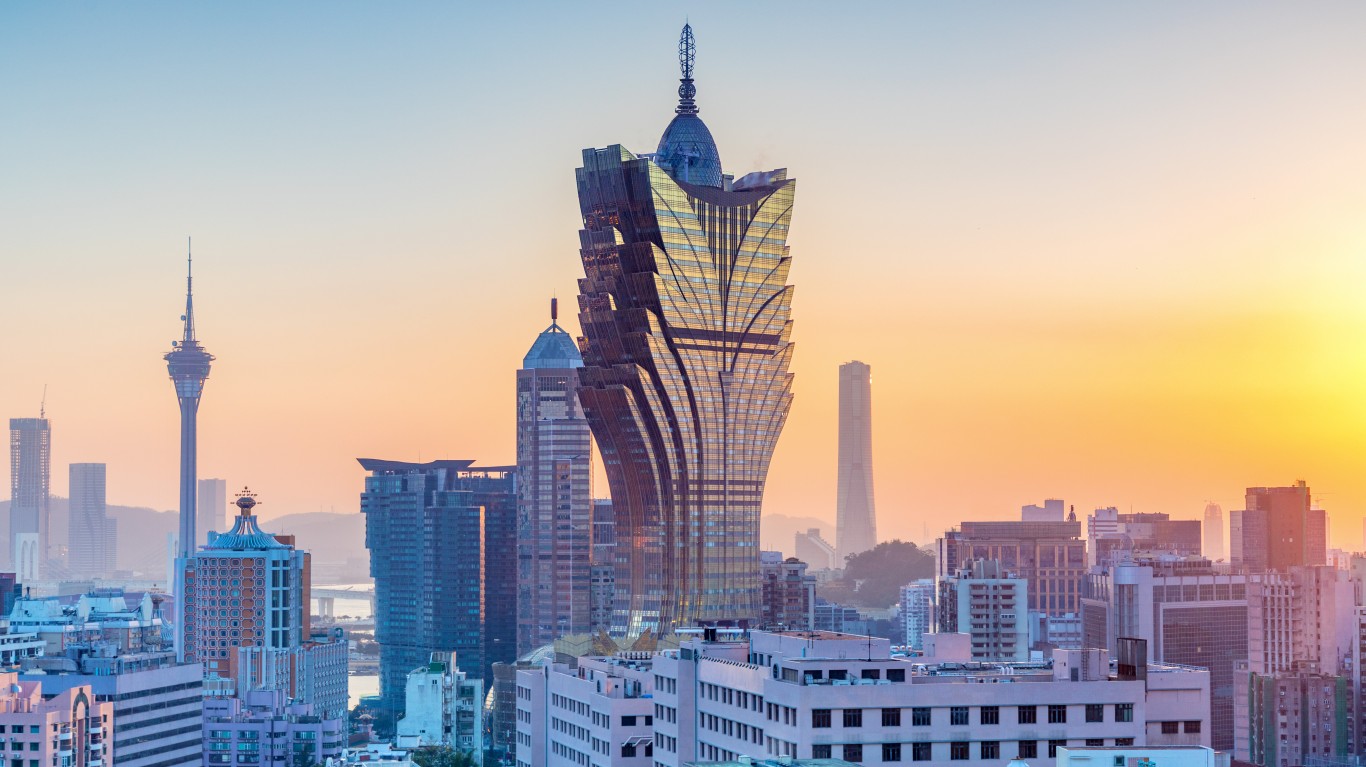
Macau.
Macau is a major resort destination and center for gambling tourism, with a gambling industry seven times larger than Las Vegas. It has one of the highest Human Development Index ratings in the world and the fourth-highest life expectancy of any nation. As a tiny island nation with little land for farming, most of its food is imported.
#2 Hong Kong
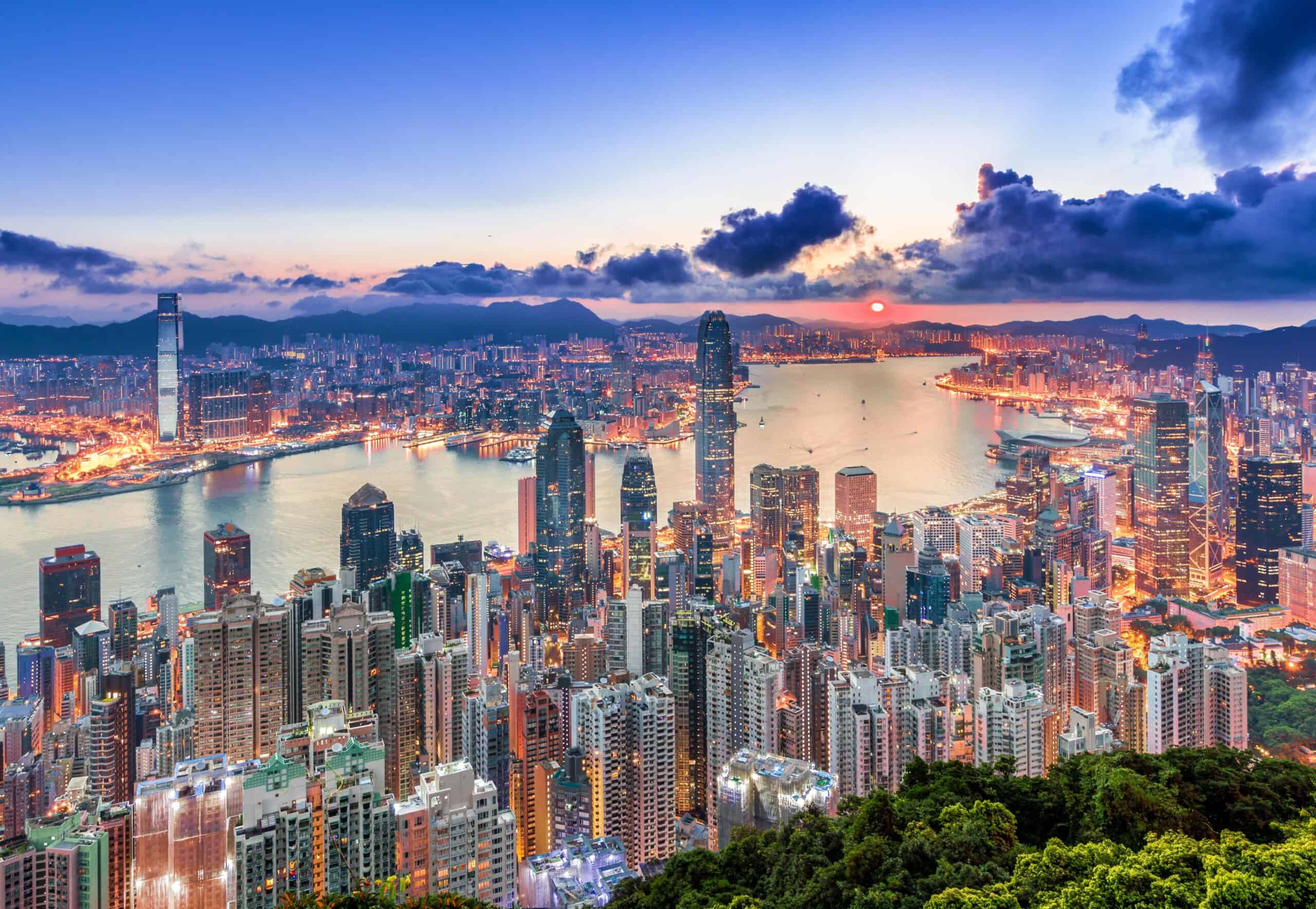
Hong Kong.
Say what you want about the Chinese, but with two countries in the top five on this list, they certainly know how to build an economy. Hong Kong is the third-largest financial trading center in the world, the ninth-largest exporter, and as a tiny island nation, the eighth-largest importer. It is ranked fourth in the Human Development Index and has the highest life expectancy in the world. It also has a public transport usage of over 90%.
#1 Kiribati
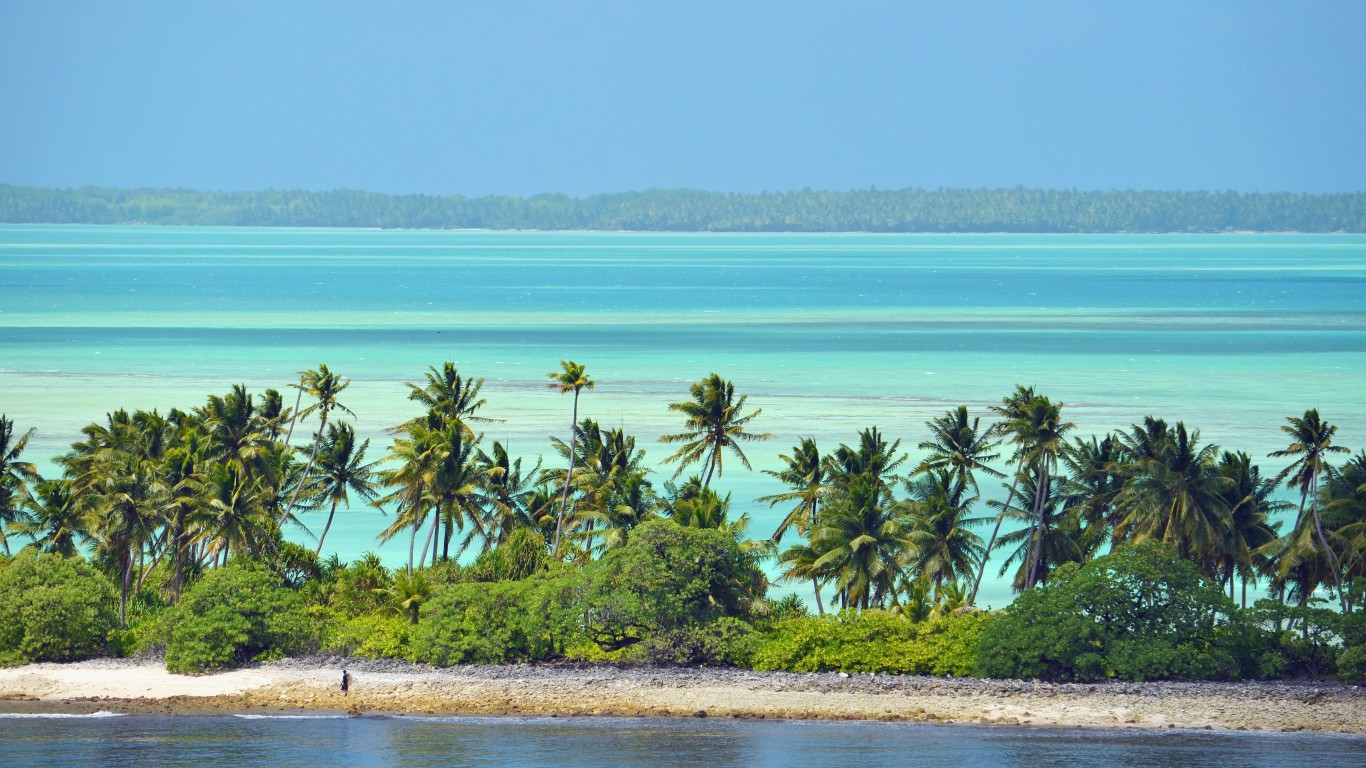
Kiribati.
As a tiny nation consisting of a handful of islands, Kiribati relies almost entirely on foreign imports to survive. It is one of the least-developed countries in the world and relies on substantial international aid. It struggles against the effects of climate change and tsunamis to maintain any economic growth. Raising tariffs at all would possibly be a death sentence for this country.








 Top Gaining Stocks
 Top Losing Stocks