


24/7 Wall St. Insights
- Beauty standards have changed over the years, but some cultures have knowingly included harmful practices.
- Male-led societies are less likely to change beauty standards for women.
- Download our free report on the two stocks we recommend every investor buy today.
While beauty and attractiveness are evolutionary traits, the standards of beauty and what we find attractive have changed wildly over the millennia, being most influenced by culture. And too often, those cultures and standards grow so out of control, that they begin to impact the health and safety of those within them. But what have been the most harmful and oppressive beauty standards for women? We found just a few.
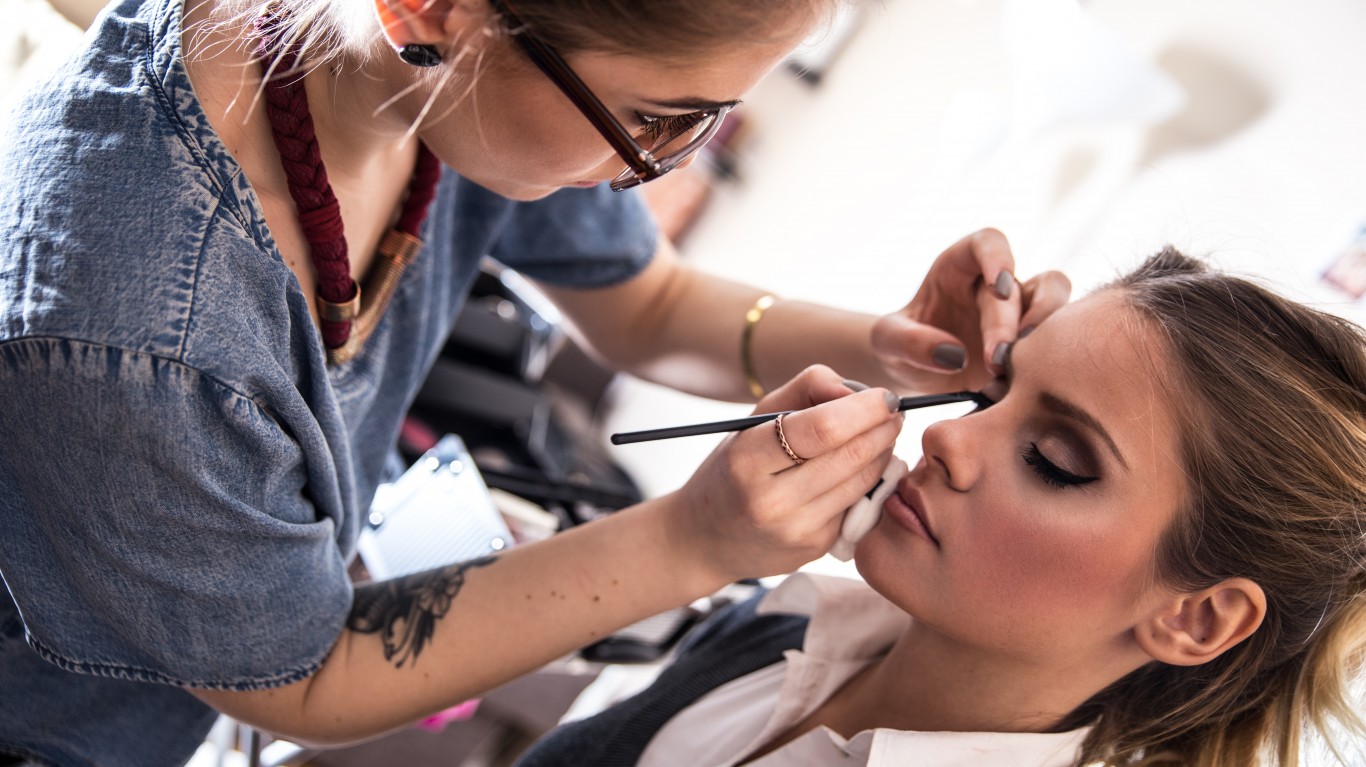
Lead Makeup

Makeup brushes.
Lead has been used in makeup products throughout history. Women in the Roman Empire had the earliest record of using lead to lighten their complexions, and ancient Egyptians used lead in their thick eyeliners. Still, the most famous user of lead makeup was Queen Elizabeth I in the 16thcentury.
Queen Elizabeth used a thick mixture of lead and vinegar to cover and smooth out the appearance of smallpox scars on her face. Lead poisoning eventually causes hair loss, uncoordinated walking, weakness, headaches, irritability, and muscle weakness.
Arsenic Wafers
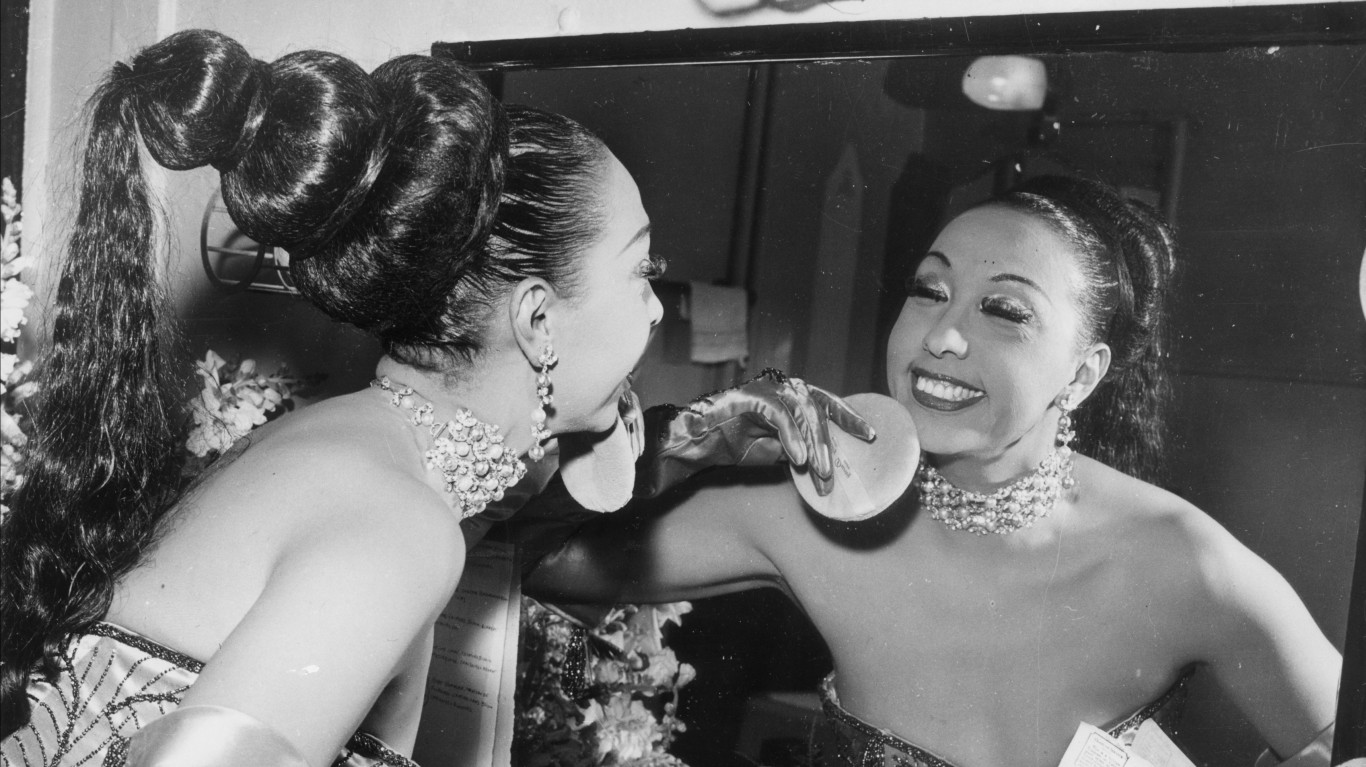
Putting on makeup.
The United States had its own dangerous makeup trends. Victorian-era women of the late 19th century wanted to achieve a pale, clear complexion. The whiter the skin, the greater the status symbol. One product that was used to do this was “arsenic complexion wafers.” These small doses of poison made women have a paler complexion because arsenic destroys red blood cells. Other adverse symptoms of arsenic poisoning include kidney failure, nerve damage, vitiligo, and arsenical keratoses. The kicker is that arsenic was a known poison in the 1800s, but small doses were advertised as “harmless and effective.”
Fontage

Palace of Versaille.
Women of 1680s Europe became prey to the French Fontage. The goal of a Fontage was to add a straight line of height. Fontages were made with a small cap that could be pinned to the hair attached to the bottom of a tall metal frame. As the hair was gathered at the top, it would be decorated with ruffles, ribbons, and tiers of other material. They could be as tall as two feet.
Keeping the Fontage upright without falling was so difficult and frustrating that some women started flattening the tops of infant girls’ heads so it would be easier for them in adulthood. Other methods to keep the fontage upright included plastering the hair in flour, egg whites, and other substances. Because it took so long to create, women would keep the same fontage in their hair for weeks at a time, causing the hair to smell, chronic neck stiffness, lice infestations, and sleep interruptions.
Brazilian Butt Lifts (BBLs)

Kim Kardashian.
With the popularity of celebrities like Kim Kardashian, a kind of especially dangerous plastic surgery has emerged. Brazilian Butt Lifts liposuction the patient’s own fat from the abdomen, lower back, hips, and thighs and reinserts it through a needle and cannula into the buttocks. The effect is a larger, rounder, fuller butt.
The problem with Brazilian Butt Lifts is that they are largely unregulated. The best practice is to reinsert the fat into the subcutaneous layer of the skin (above the muscles) over and over again and fan out the fat. BBLs are a blind surgery, meaning that it is hard to be exact with reinsertion. The danger arises when surgeons accidentally insert fat into muscles, and large blood vessels, and cause damage to blood vessels and nerves. When fat globules travel into blood vessels, they cause a pulmonary fat embolism (PFE). This is when fat travels to the heart, brain, or lungs and causes deadly blockages. Patients can die on the table or hours after surgery.
BBLs have been happening since the 1980s, but deaths from BBLs only started being thoroughly studied in 2017. It is estimated that 1 in every 2,351 patients die from BBL complications, while only 1 in every 72,000 patients die from cosmetic breast surgery complications.
Brazilian Waxes

Brazil.
Brazilian waxes are procedures in which the entirety of pubic hair is removed via waxing. Besides being painful, this usually safe procedure can sometimes have dangerous consequences if the proper sterilization protocols haven’t been followed. Complications can include allergic reactions, acquiring an STD (sexually transmitted disease), vulvodynia, and folliculitis.
Vulvodynia is chronic pain, burning, knife-like pain, sharp pain, and irritation of the vulva that lasts at least 3 months. The symptoms can become so severe that the patient isn’t able to sit for long periods or engage in sexual activity without being in tremendous amounts of pain.
Eye Color Change Surgery
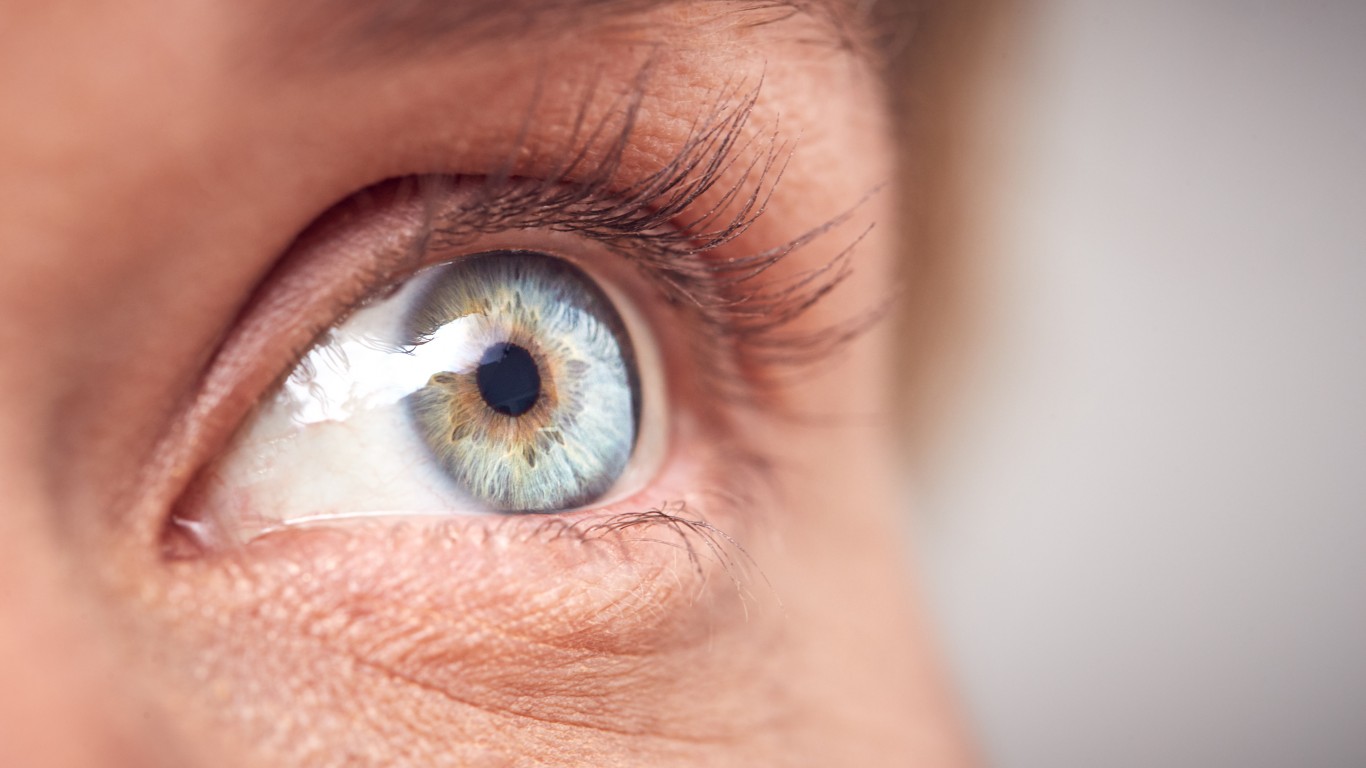
Close-up of an eye.
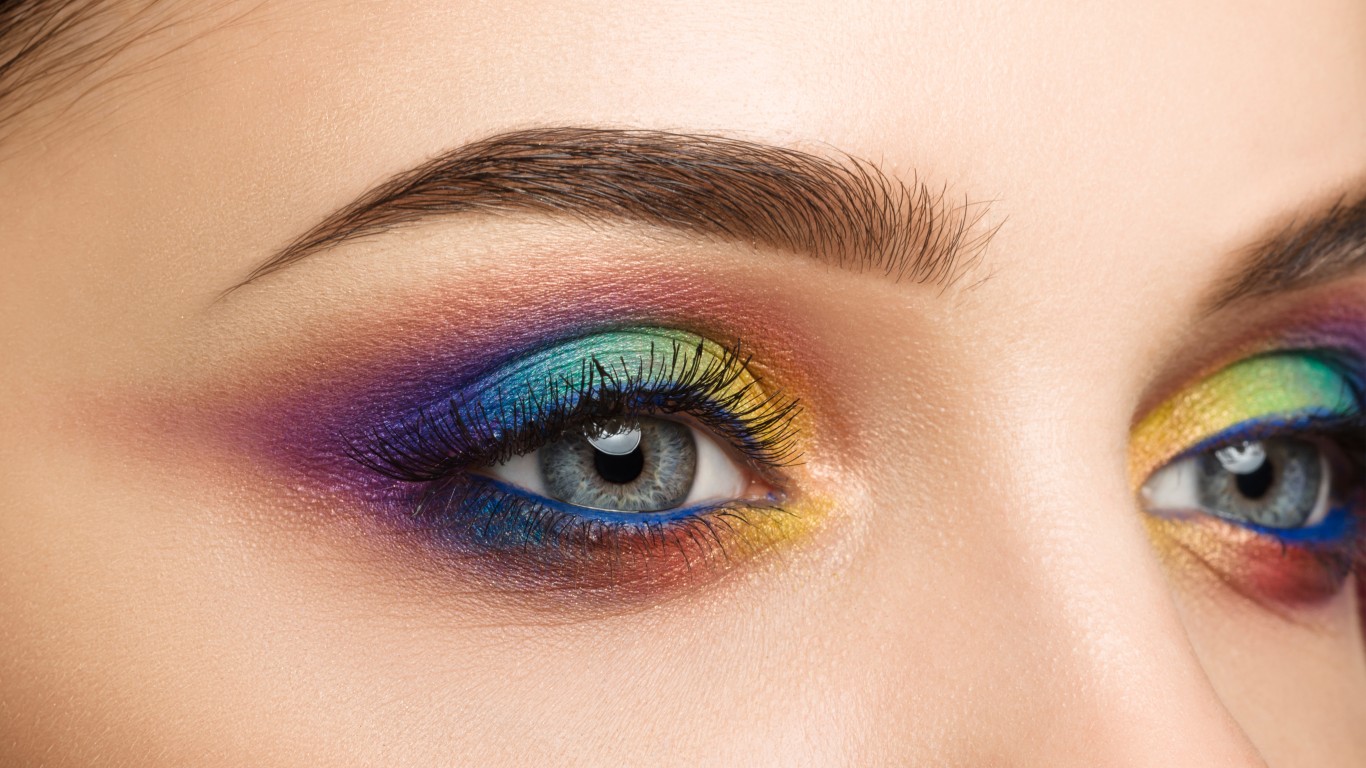
Some people may feel insecure about the color of their eyes. Cosmetics such as colored contacts can sometimes be used, but often cause irritation. Eye color change surgery has been disapproved and warned against by the AAO (American Academy of Ophthalmology) at the start of 2024. In addition to that, this surgery hasn’t been approved by the FDA (U.S. Food and Drug Administration).
The color change can be achieved by three methods: iris implant surgery, keratopigmentation, and laser pigmentation removal. Keratopigmentation, the most common method, is also known as corneal tattooing. A laser or needle is used to create channels in the cornea and then insert dye into the channels. This doesn’t actually change the color of your eye, it just inserts pigment above your iris. Risks from this procedure include blindness, dye leakage, corneal scarring, and allergic reaction.
Foot Binding
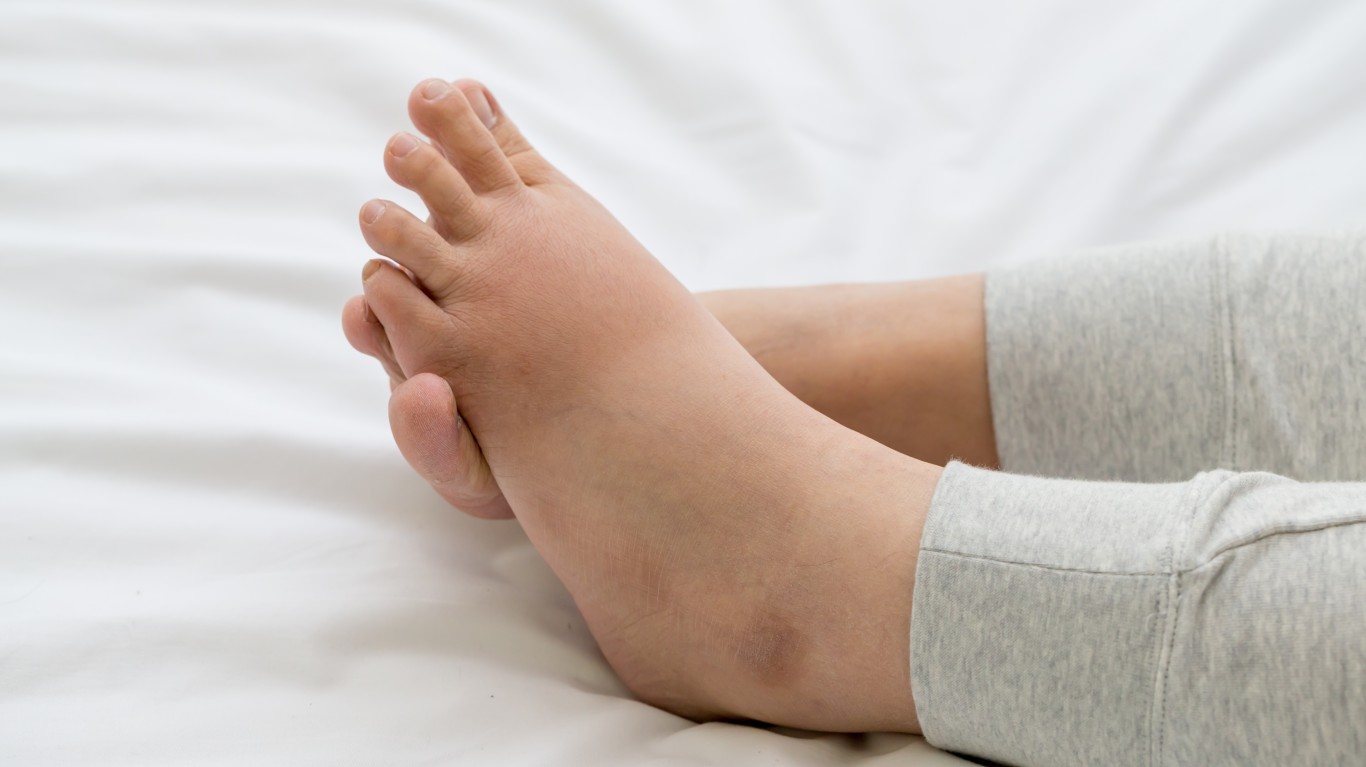
A photo of feet.
Foot Binding was a practice in China from the 10th century all the way up until 1949. It is a cultural practice that requires tightly bandaging the feet to change their shape. Footbinding started as early as 3 years old, and the ultimate aim was to have the finished product be 3 inches long. This lotus shape required that all toes besides the big toe were bound under the foot and pulled toward the heel. This practiced disabled women and caused them to have great difficulty walking for the rest of their lives. Other symptoms included paralysis, ulcerations, and gangrene. Death was rare, but it did still happen.














 Top Gaining Stocks
 Top Losing Stocks