The World Has 3,000 Billionaires

Photo of Douglas A. McIntyre
By Douglas A. McIntyre Published

24/7 Wall St. Key Points

  • According to Oxfam, the world now has 3,000 billionaires, and they are the most influential group in the world.

  • Billionaire wealth has increased much faster than the average annual rate, and the gulf between the very rich and the rest of the world has grown.

This post may contain links from our sponsors and affiliates, and Flywheel Publishing may receive compensation for actions taken through them.
The World Has 3,000 Billionaires

© Pascal Le Segretain / Getty Images

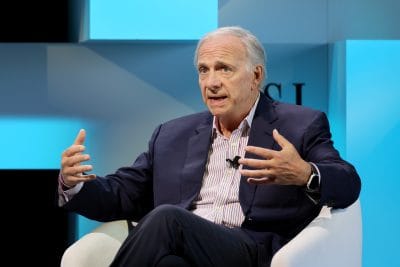
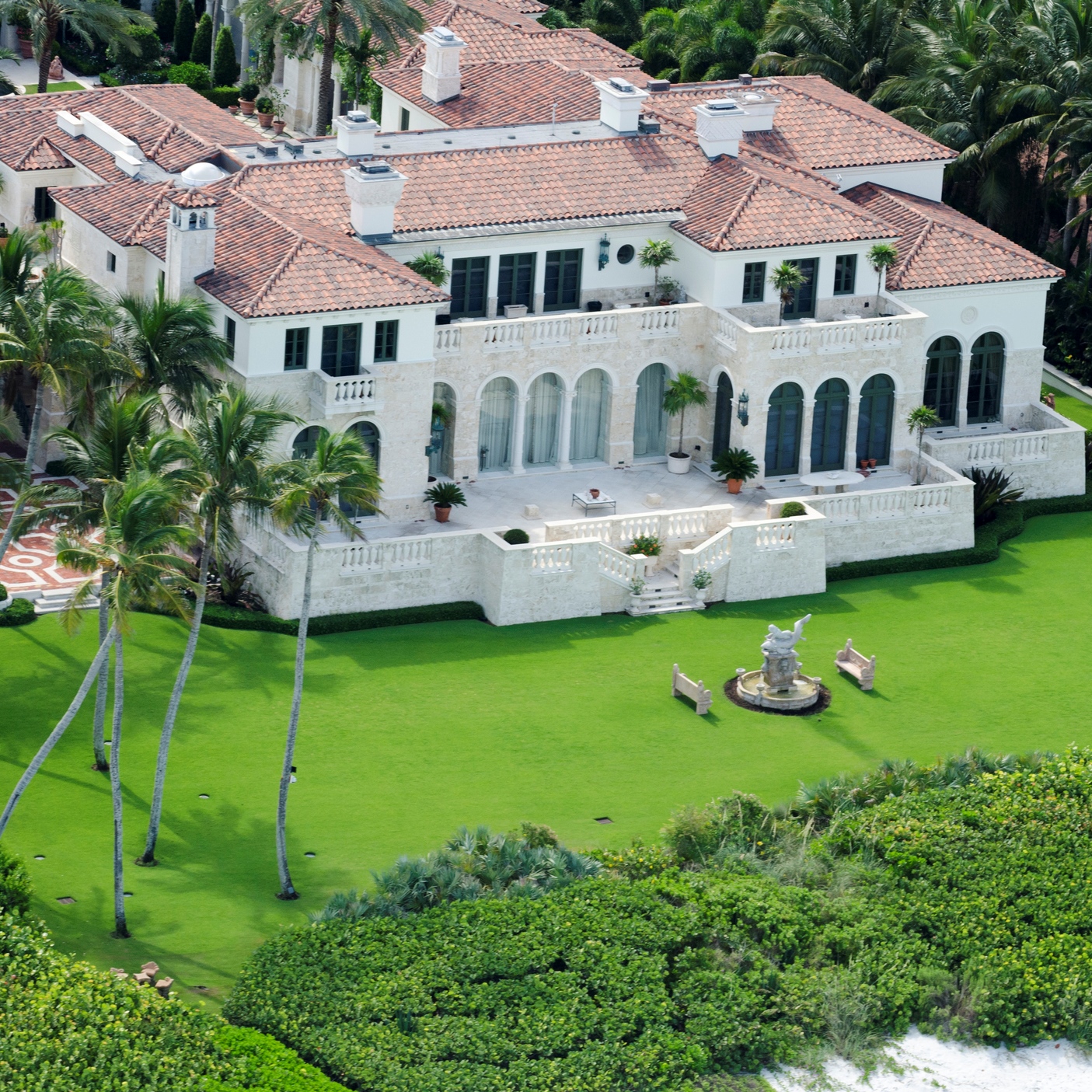
According to an annual report from Oxfam, the world now has 3,000 billionaires. The figure is also soaring, the report shows: “In 2025, billionaire wealth increased three times faster than the average annual rate over the previous five years.” To put the growth in perspective, the wealthiest individuals could have given $250 to every person in the world and still been $550 billion richer, based on the increase in their wealth from 2024 to 2025.

One other number jumps out. Billionaires are 4,000 times more likely to hold political office than “ordinary people.”

Are Billionaires a Problem?
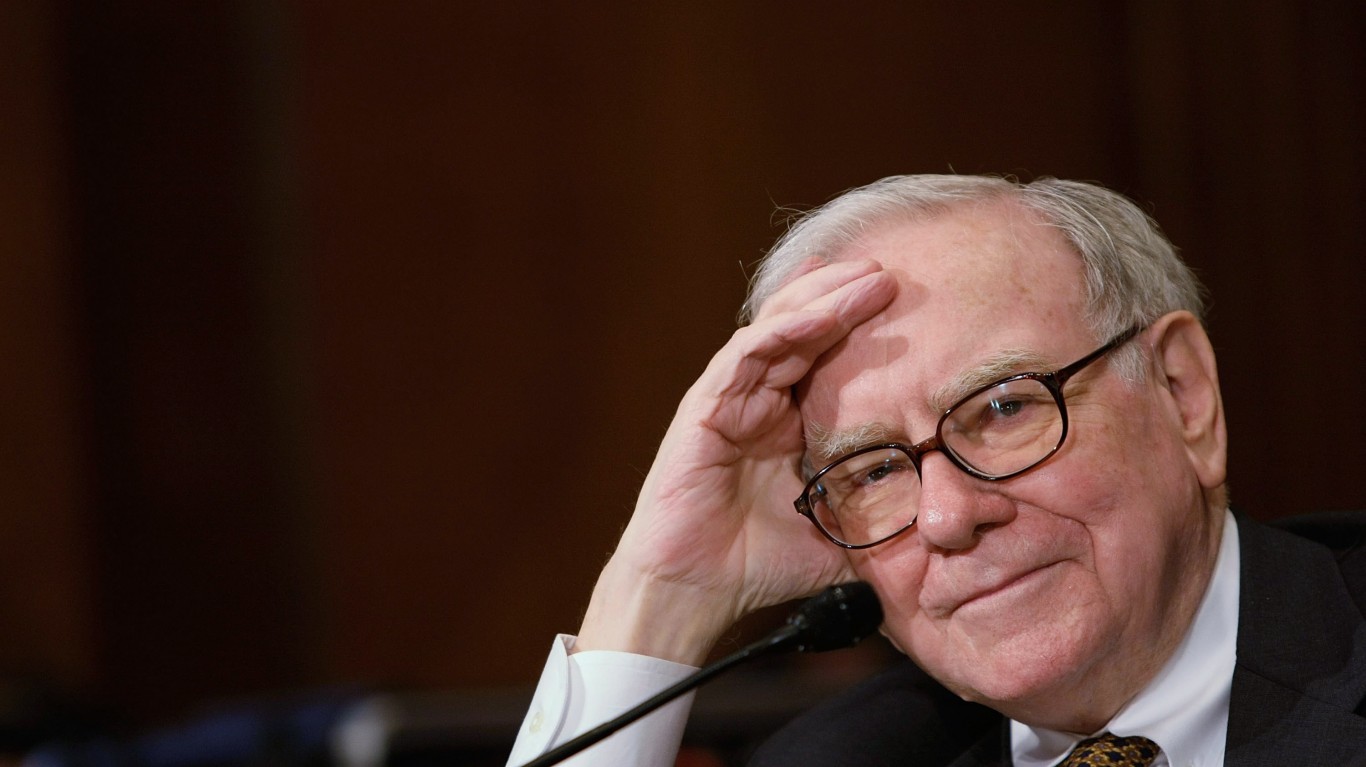
Warren Buffett
Alex Wong / Getty Images News via Getty Images

The report, titled “Resisting the Rule of the Rich: Protecting Freedom From Billionaire Power,” is a manifesto for those who believe that the wealth of billionaires has made them the most influential group in the world. Aside from the political office statistic, there is not much more to support this, factually. What is more likely to be accurate from the report’s observations is that the gulf between the very rich and the rest of the world has grown. However, this is only demonstrable if the authors can show that the net worth of the average person has not grown at the same rate as that of the extraordinarily rich.

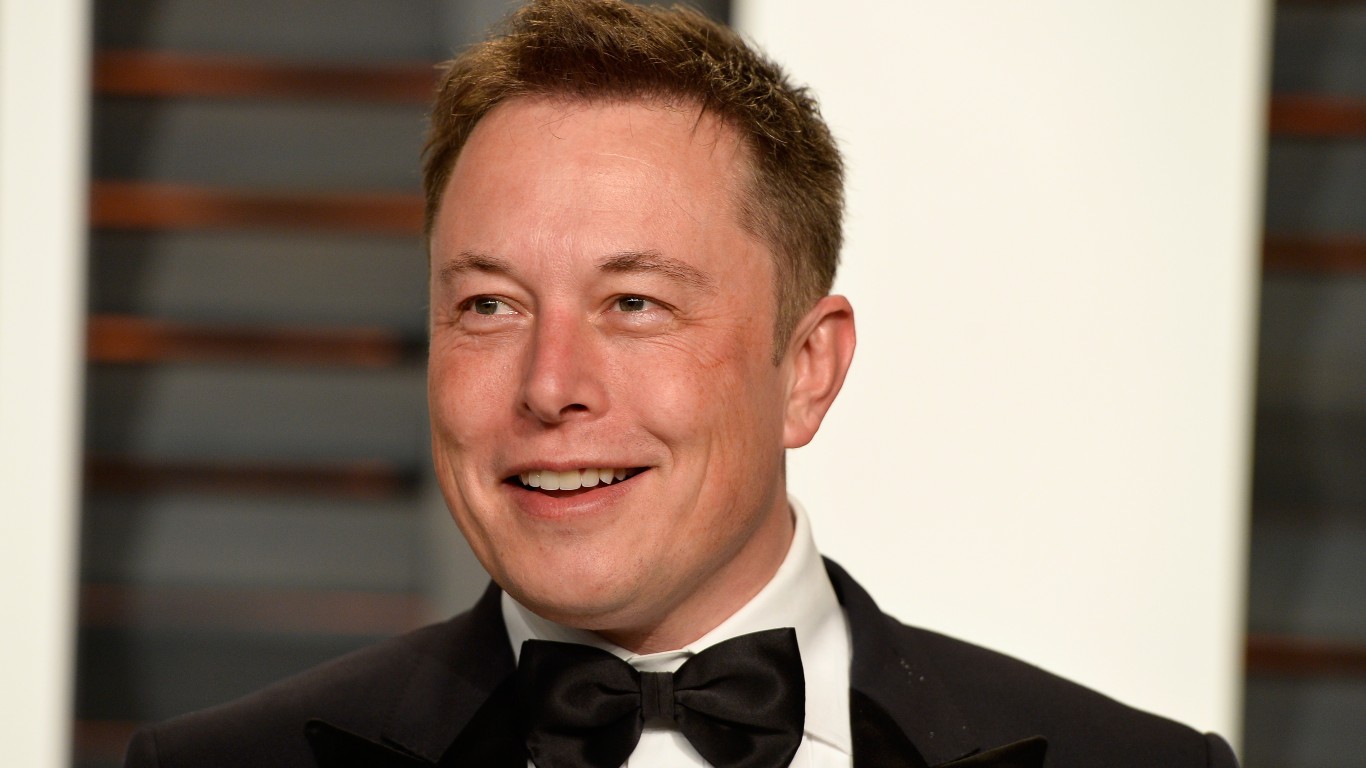
The report also states that billionaires have the ability to purchase news outlets and social networks, “buy” politicians, and employ the world’s best lawyers. “Such power gives billionaires a grasp over all our futures, undermining political freedom and eroding the rights of the many,” the report says. This may or may not be true. From an analytical standpoint, the proof is anecdotal The comment about buying social media platforms refers to Elon Musk, not the balance of the uber-rich.

The report offers several remedies to what it says are the deep problems of having an ultra-wealthy class of people around the world. Put higher taxes on their wealth, curb their ability to influence elections, regulate their political power, and keep them from owning or controlling the media. What is unclear is how these changes could be implemented, and what the results might be if they were.

Want to Build Wealth? Magic Johnson Says Helping Others Is Key


Photo of Douglas A. McIntyre
About the Author Douglas A. McIntyre →

Douglas A. McIntyre is the co-founder, chief executive officer and editor in chief of 24/7 Wall St. and 24/7 Tempo. He has held these jobs since 2006.

McIntyre has written thousands of articles for 24/7 Wall St. He is an expert on corporate finance, the automotive industry, media companies and international finance. He has edited articles on national demographics, sports, personal income and travel.

His work has been quoted or mentioned in The New York Times, The Wall Street Journal, Los Angeles Times, The Washington Post, NBC News, Time, The New Yorker, HuffPost USA Today, Business Insider, Yahoo, AOL, MarketWatch, The Atlantic, Bloomberg, New York Post, Chicago Tribune, Forbes, The Guardian and many other major publications. McIntyre has been a guest on CNBC, the BBC and television and radio stations across the country.

A magna cum laude graduate of Harvard College, McIntyre also was president of The Harvard Advocate. Founded in 1866, the Advocate is the oldest college publication in the United States.

TheStreet.com, Comps.com and Edgar Online are some of the public companies for which McIntyre served on the board of directors. He was a Vicinity Corporation board member when the company was sold to Microsoft in 2002. He served on the audit committees of some of these companies.

McIntyre has been the CEO of FutureSource, a provider of trading terminals and news to commodities and futures traders. He was president of Switchboard, the online phone directory company. He served as chairman and CEO of On2 Technologies, the video compression company that provided video compression software for Adobe’s Flash. Google bought On2 in 2009.

Featured Reads

Our top personal finance-related articles today. Your wallet will thank you later.

Continue Reading

Top Gaining Stocks

CBOE Vol: 1,568,143
PSKY Vol: 12,285,993
STX Vol: 7,378,346
ORCL Vol: 26,317,675
DDOG Vol: 6,247,779

Top Losing Stocks

LKQ
LKQ Vol: 4,367,433
CLX Vol: 13,260,523
SYK Vol: 4,519,455
MHK Vol: 1,859,865
AMGN Vol: 3,818,618