


 For years now, The Economist has computed its Big Mac index, a measure of purchasing power parity in the countries in which Big Macs from McDonald’s Corp. (NYSE: MCD) are sold. The October 14th index shows that a Big Mac in the US cost $3.71, and a Big Mac in China cost $2.18 at then-current exchange rates. The comparison indicates that the yuan is undervalued by about 40%. Big Macs are a big bargain in Beijing. This may have larger implications for Yum Brands Inc. (NYSE: YUM) over McDonald’s due to its bigger footprint in China.
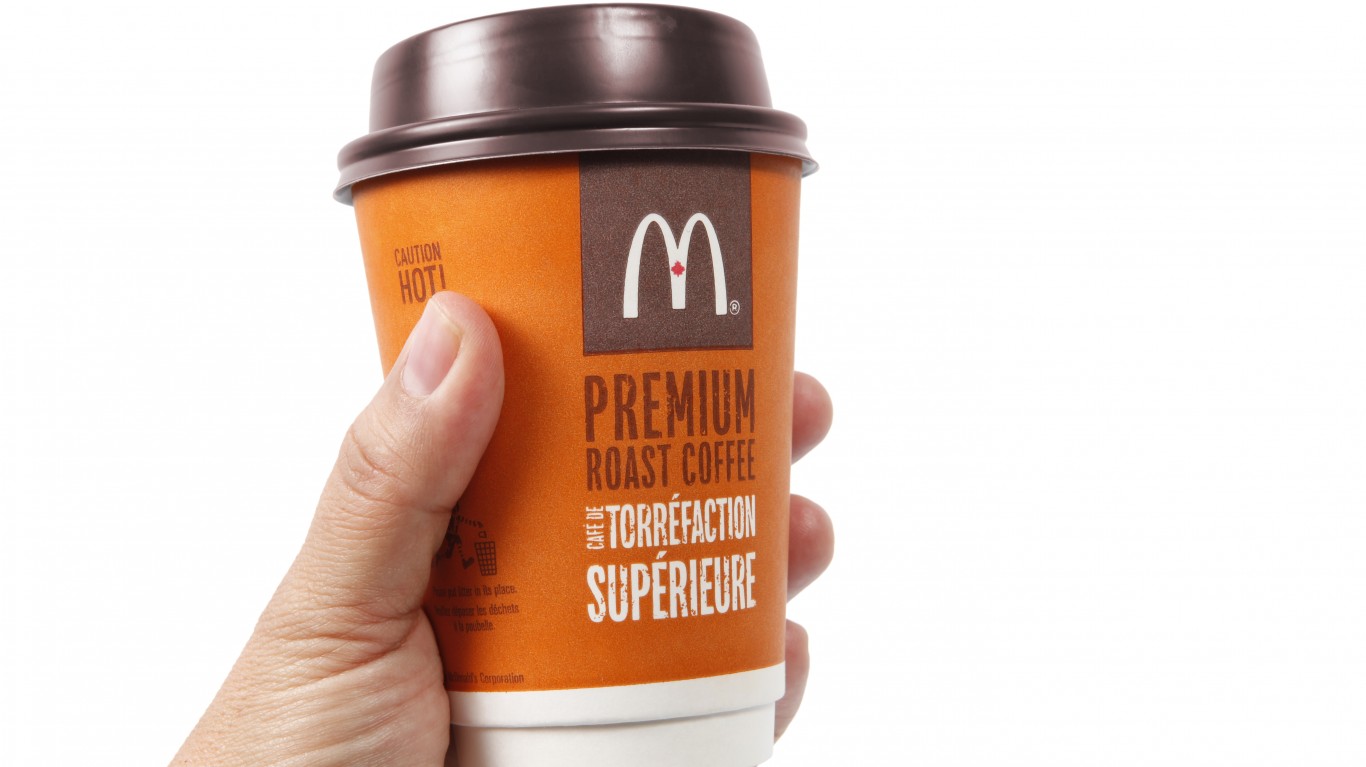
Unfortunately for Chinese consumers, though, McDonald’s has announced that it has raised prices by 0.5-1.0 yuan (noted as $0.075 to $0.15), according to Bloomberg. McDonald’s has about 1,500 stores in China, Yum Brands Inc. (NYSE: YUM) has about 3,500 Pizza Hut stores and more than 2,100 KFC stores, privately held Burger King has 12,000, and Starbucks Corp. (NASDAQ: SBUX) has 400 outlets and plans to open more. It shouldn’t be too long before prices rise at all these stores.
Restaurateurs have been dealing with wage increases for Chinese workers, and now they are going to have to deal with higher food costs. Vegetable prices in China have popped more than 62% in the first 10 days of November and have risen more than 11% since the beginning of the year. Corn and rice prices sit at all-time highs, and the government has dug into its stockpiles to keep prices down.
Chinese officials had targeted inflation for 2010 at 3%, but at the latest read inflation was 4.4%. The government’s biggest fear is that food and energy inflation will set off social unrest, something it would dearly like to avoid.
Rising prices haven’t hit all Chinese industries equally, of course. In the past, food sellers, including restaurants, get hit early and often, both with higher wage demands and higher prices for their inputs. Other, usually larger industries, such as banks, IT, chemicals, and telecommunications can prosper from moderate inflation.
This time, though, the government is considering instituting price controls on items such as food and gasoline, while at the same time ratcheting up its curbs on the capital inflows that are fueling the country’s inflation. If the government goes ahead with this play, banks, especially, but also the other big industries will get hit hard by the rising interest rates the government is sure to institute to cool of bank lending.
China’s inflation woes have just begun, too. Rising costs have already caused Chinese consumer confidence to fall, and some 76% of consumers expect prices to keep rising next year. Keeping the price of a Big Mac low will get more difficult, both for the McDonald’s and for the government.
Paul Ausick






 Top Gaining Stocks
 Top Losing Stocks