


 Best Buy (NYSE: BBY) recently laid off 2,400 people. Wall St. has watched for a much more substantial sign, on the heels of years of poor performance and the departures of both its CEO and its chairman and founder, that the company knows it is in trouble. The number of people laid off is tiny — Best Buy has 180,000 workers. Until the company radically restructures both its stores and employee base, investors have no reason to be cheered.
Rumors that founder and former chairman Richard Schulze may attempt to buy the entire company generated some investor enthusiasm recently. He owns 20.1% of outstanding shares. Best Buy probably does not have the earnings to support a leveraged deal at a price Schulze and any buyout group would have to pay. Based on Best Buy’s current market capitalization of about $7.3 billion, Schulze would need to offer a 50% premium to match the stock’s 52-week high. An offer of $11 billion would be very difficult to support based on the huge retailer’s annual net income of about $500 million.
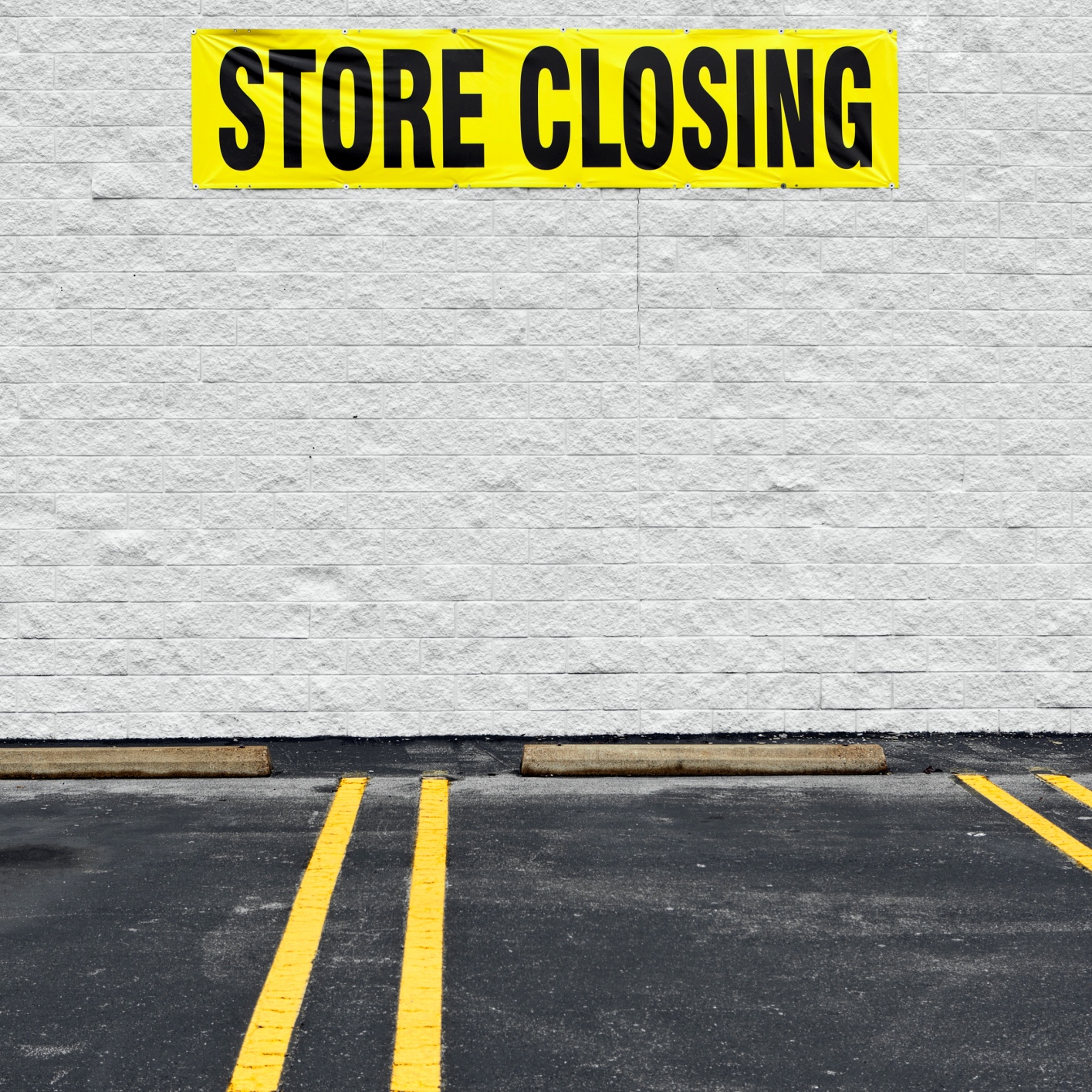
The only way Best Buy can regain investor confidence is to demonstrate that management realizes it has too many stores to retain high margins. Best Buy made $158 million in its most recently reported quarter on revenue of $11.6 billion. Best Buy has 1,335 locations worldwide. It stands to reason that a retailer with such a tiny margin has a number of stores that operate at a loss. There is no justification for keeping all of those locations instead of concentrating on ones that make a substantial amounts of money. Best Buy could signal that it understands store volume is not the key to better profits and a higher stock price. Per-store profit is.
Best Buy will need to lay off many more than 2,400 to show it understands it has too many stores and will act accordingly.
Douglas A. McIntyre






 Top Gaining Stocks
 Top Losing Stocks