


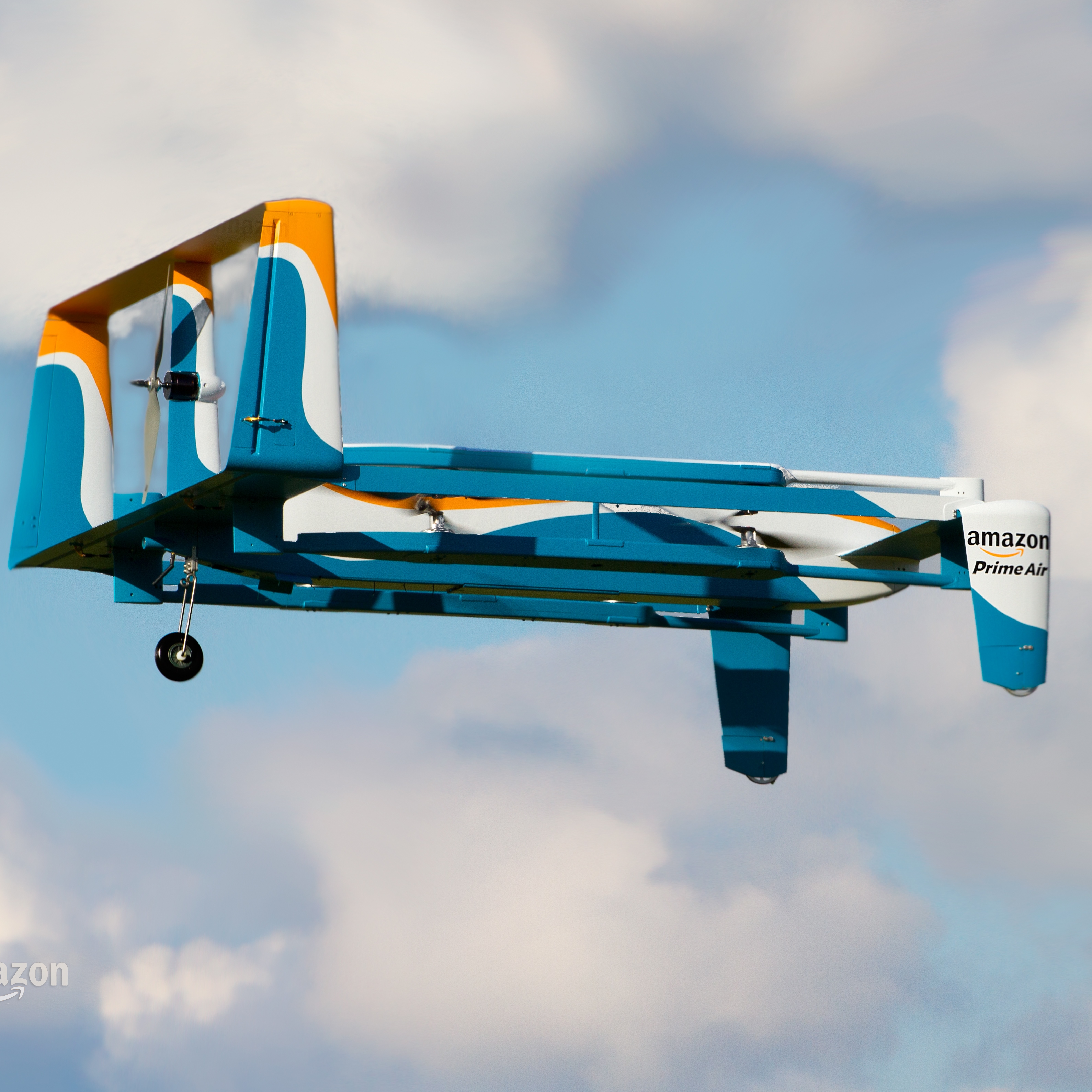
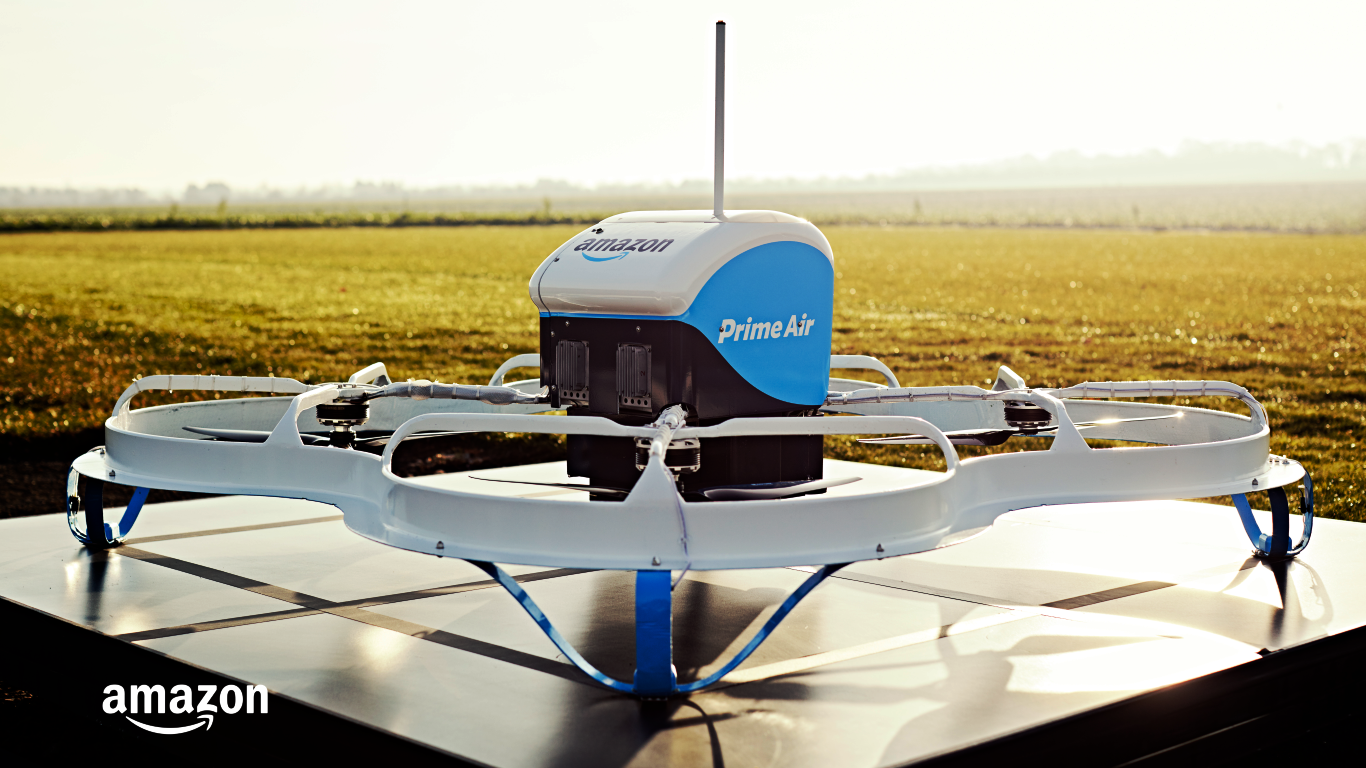
Amazon.com Inc. (NASDAQ: AMZN) has dropped more hints about its Prime Air product, which can deliver some packages to customers via drone. Missing from its promotion is that small “airplanes” cannot operate well, or at all, in many kinds of weather conditions, many of which are common.
In a new online display of photos and videos, the e-commerce company writes:
We’re excited about Prime Air — a future delivery system from Amazon designed to safely get packages to customers in 30 minutes or less using small unmanned aerial vehicles, also called drones. Prime Air has great potential to enhance the services we already provide to millions of customers by providing rapid parcel delivery that will also increase the overall safety and efficiency of the transportation system. Putting Prime Air into service will take some time, but we will deploy when we have the regulatory support needed to realize our vision.
The drone will not work in high winds, although Amazon has not made that point. It also almost certainly will not work in driving rain, ice or heavy snow, nor in areas with large numbers of electric and cable wires or tall buildings. Prime Air has limited use, even if the company can get regulatory approval for it to operate commercially.
It is easy to argue that something as revolutionary as drone delivery cannot possibly be a part of Amazon’s tools to bring packages to customers. The e-commerce site argues otherwise:
Is this science fiction or is this real?
It looks like science fiction, but it’s real. One day, seeing Prime Air vehicles will be as normal as seeing mail trucks on the road.
How will it work?
Amazon Prime Air is a future service that will deliver packages up to five pounds in 30 minutes or less using small drones. Flying under 400 feet and weighing less than 55 pounds, Prime Air vehicles will take advantage of sophisticated “sense and avoid” technology, as well as a high degree of automation, to safely operate beyond the line of sight to distances of 10 miles or more.
Even modern science cannot beat the weather. Prime Air may not be a toy, but it is a flying object with limited utility.
ALSO READ: Is Best Buy Making an Offer That Consumers Can’t Refuse?







 Top Gaining Stocks
 Top Losing Stocks