



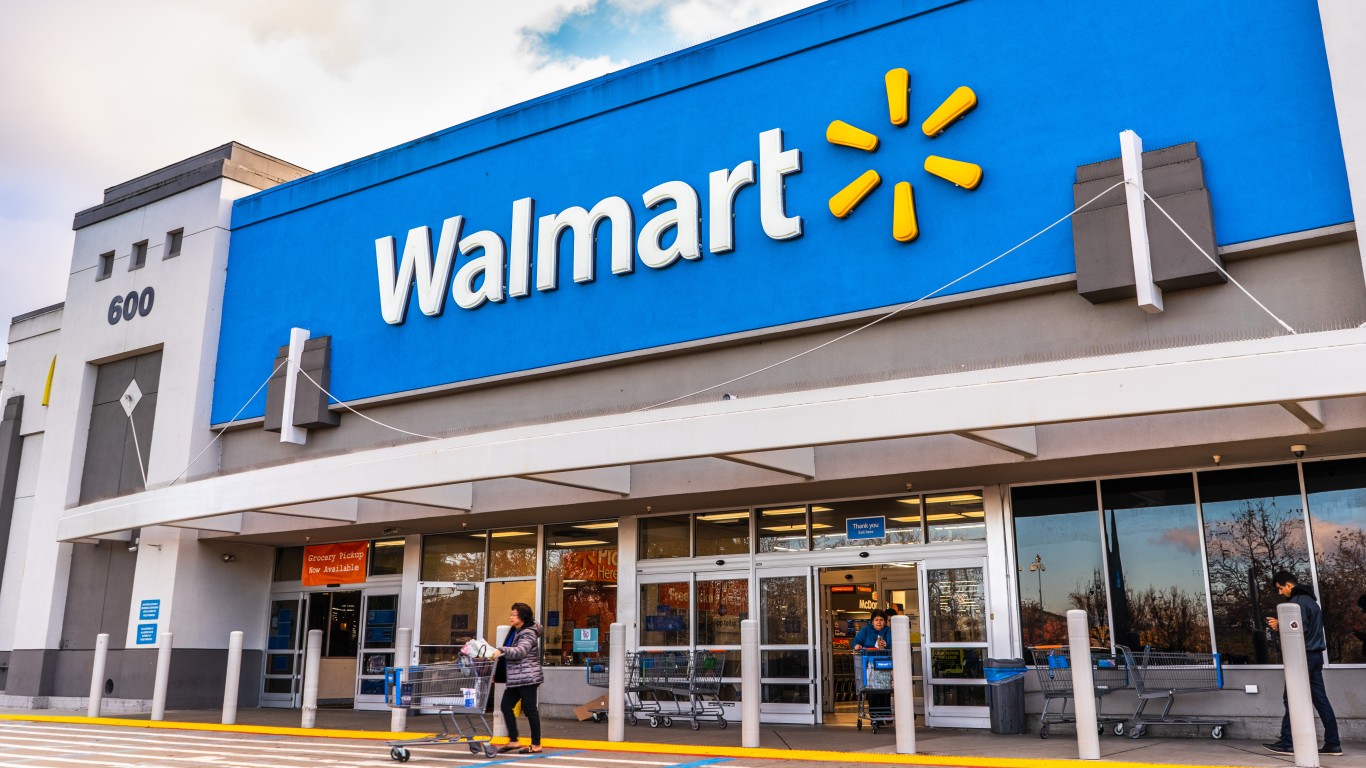
Walmart’s online prices came closest to Amazon’s, averaging just 2.9% more. Jet.com pricing was 12.3% higher than Amazon’s and Target’s was 16.9% higher, according to a report at eMarketer.
Prices were analyzed by e-commerce analytics firm Profitero on some 52,000 in-stock items at all online sites in a three-month period from June through August of this year. Price comparisons were done on identical items in 13 product categories, including appliances, baby products, electronics and 10 others.
According to the Profitero study, Walmart led in one category, beauty products, with a 1.4% edge in pricing. Walmart was also closely competitive in several other categories, including baby products, music, furniture, pet supplies and sports and outdoor products with a gap was less than 2%.
[nativounit]
Prices at specialty retailers like Staples and Walgreens had the widest gap — more than 40% higher than Amazon. Among category retailers, PetSmart’s Chewy.com came closest to Amazon pricing on identical goods, averaging 7% higher pricing.
How big a deal is this? Pricing is the primary reason that U.S. consumers purchase products from Amazon. Overall, 74% cited pricing as their main reason for buying from Amazon in a June study conducted by Yes Lifecycle Marketing. Other top reasons to shop Amazon were convenience (60%) and Amazon Prime benefits (51%). These preferences were relatively consistently spread across shoppers’ age groups.
eMarketer noted that the comparisons did not include private label goods that, by definition, are available only from a single retailer. This is becoming a more important category of product not only for shoppers at the lower end of the income distribution but also at the high end.
[recirclink id=422383]
[wallst_email_signup]









 Top Gaining Stocks
 Top Losing Stocks