


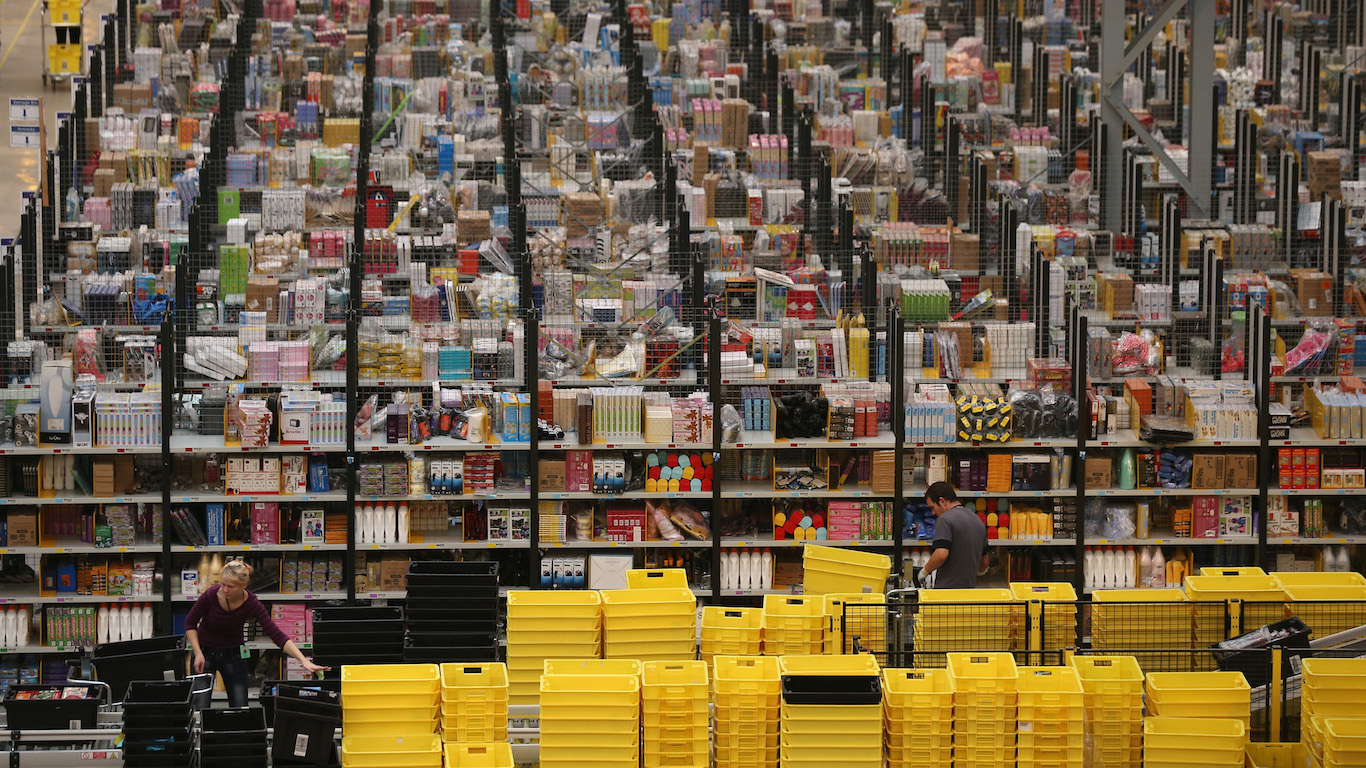
Queens, New York; Jacksonville, Florida; Brownstown, Michigan; Oklahoma City, Oklahoma — a total of 10 warehouses and distribution centers have been partially or fully shut down as people diagnosed with coronavirus have appeared at Amazon.com Inc. (NASDAQ: AMZN | AMZN Price Prediction) location after location. Amazon workers have started to protest the conditions in the locations. Rules are not tight enough to make them safe, they say. If Amazon starts to shut down, piece by piece, one of America’s lifelines for people and businesses will begin to disappear.
It is impossible to say how many Amazon locations will be affected. Certainly, the number will grow, as it has for other companies that have large facilities with a significant number of people. It already has begun at places from hospitals to grocery stores. Amazon cannot simply replace workers with people among the 100,000 it has started to add to its already massive worker count. Some facilities that have been closed could stay closed, perhaps for days. If people are diagnosed at a reopened location, it could shut down again.
Amazon has decided to increase the pay of the workers in the facilities that move this inventory from $15 an hour to $17. This will not stop people from getting sick, obviously, or getting exhausted or becoming extremely anxious.
Amazon is only restocking “essential goods.” Much of this inventory is medical supplies and household items people need when they cannot leave their homes. There is no way to measure what will happen to these homebound people if they start to lose access to the inventory that Amazon ships.
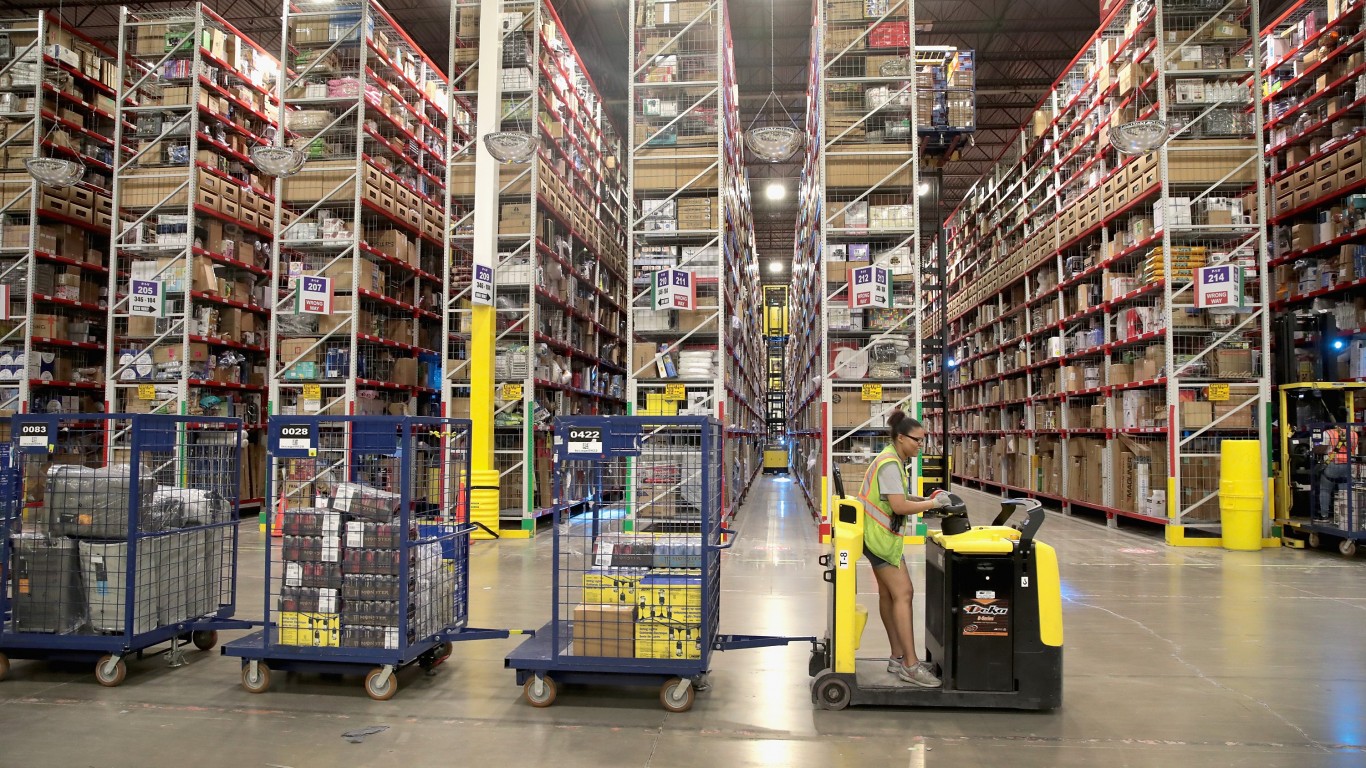
Amazon has over 110 fulfillment centers in North America. Together, they cover about 100 million square feet. Amazon’s North American revenue was $171 billion last year. This is another measure of the colossal size and activity at these facilities.
[nativounit]
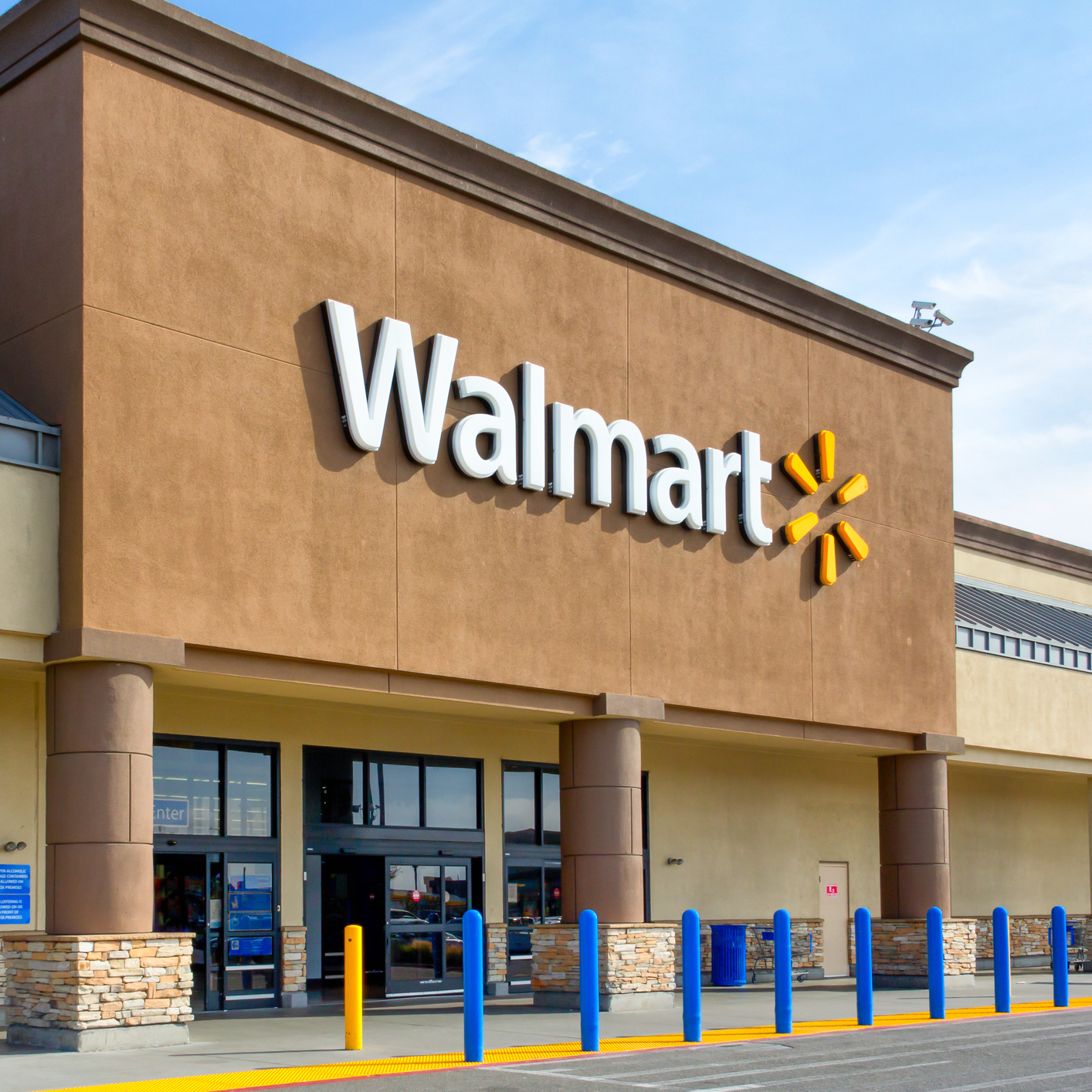
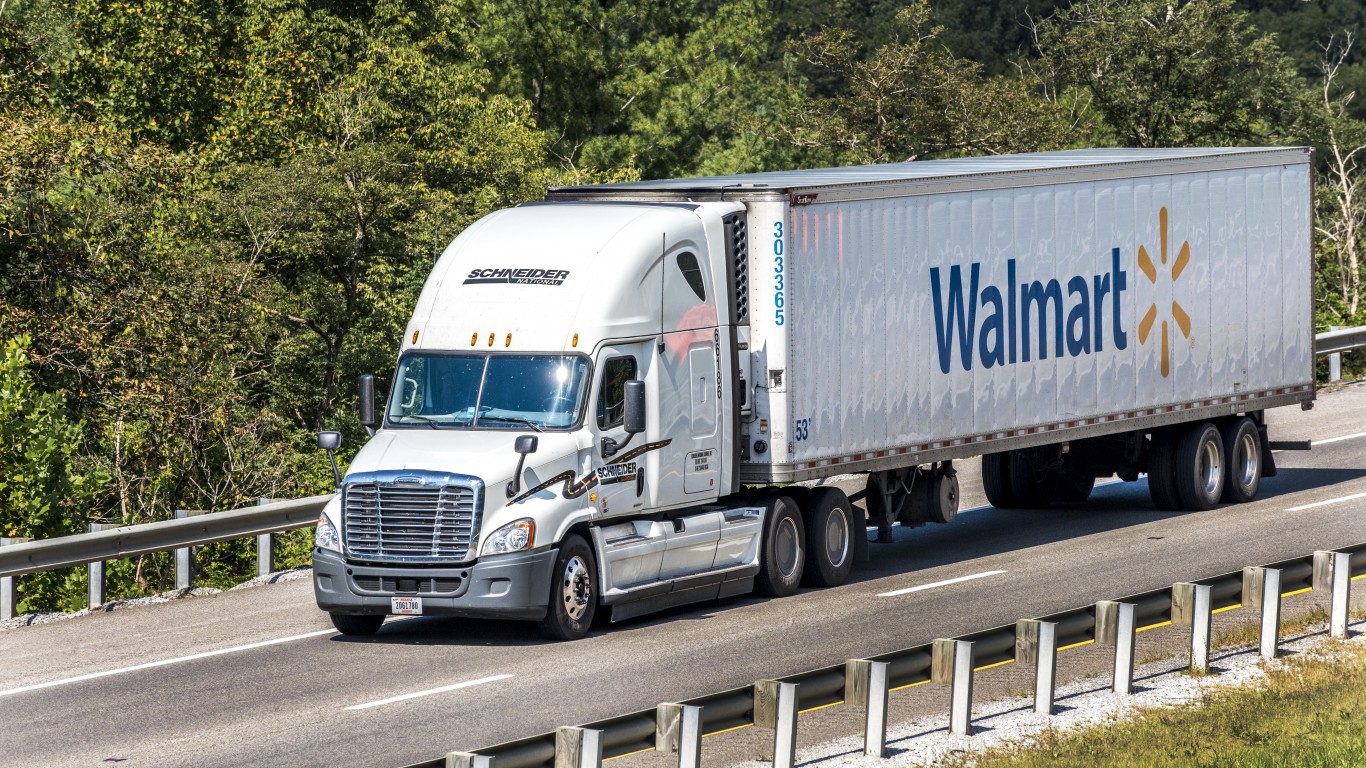
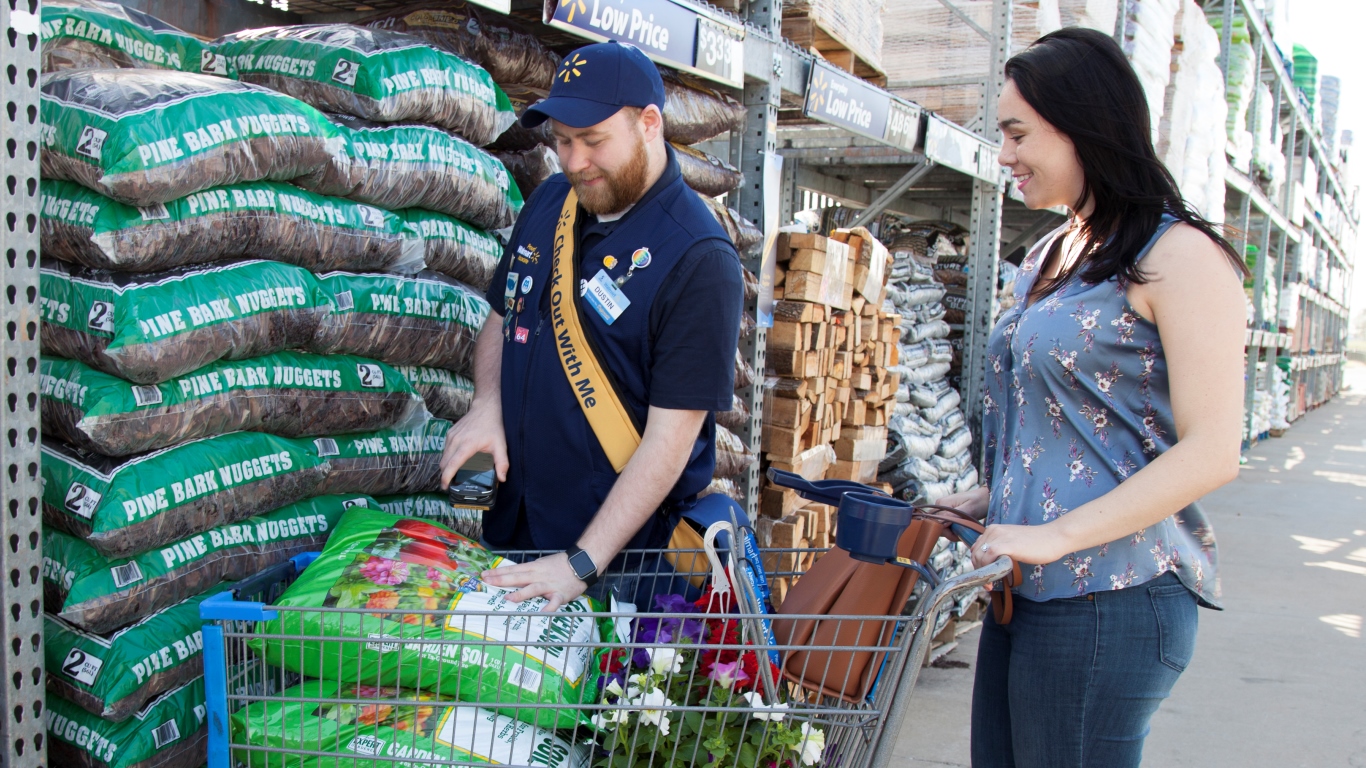
Can other retailers take up the slack if Amazon’s complex network starts to unravel? Walmart Inc. (NYSE: WMT) is the largest candidate because of its e-commerce presence and its 4,769 stores. People can order items and pick them up curbside. The “last mile” of delivery trucks is not necessary when people come to locations in their own cars to pick up what they have ordered. Other retailers that might replace some of Amazon’s capacity are much smaller.
Yet, there is the challenge that the spread of COVID-19 will hamper the distribution systems and store activity at Walmart and scores of other retailers that operate the online businesses that might supplement Amazon’s activity. Fundamentally, if the Amazon delivery system breaks down further than it has today, there is no replacement.
[recirclink id=658361]
[wallst_email_signup]









 Top Gaining Stocks
 Top Losing Stocks