



The great retailers of the late 19th and 20th centuries have disappeared. This applies particularly to Kmart and Sears. The former, originally known as Kresge’s, was founded in 1899. Sears, which was America’s largest retailer in the 1980s, was founded in 1892. The final giant from this period was JCPenney, which dates back to 1902. At its peak in 1973, it had 2,053 stores.
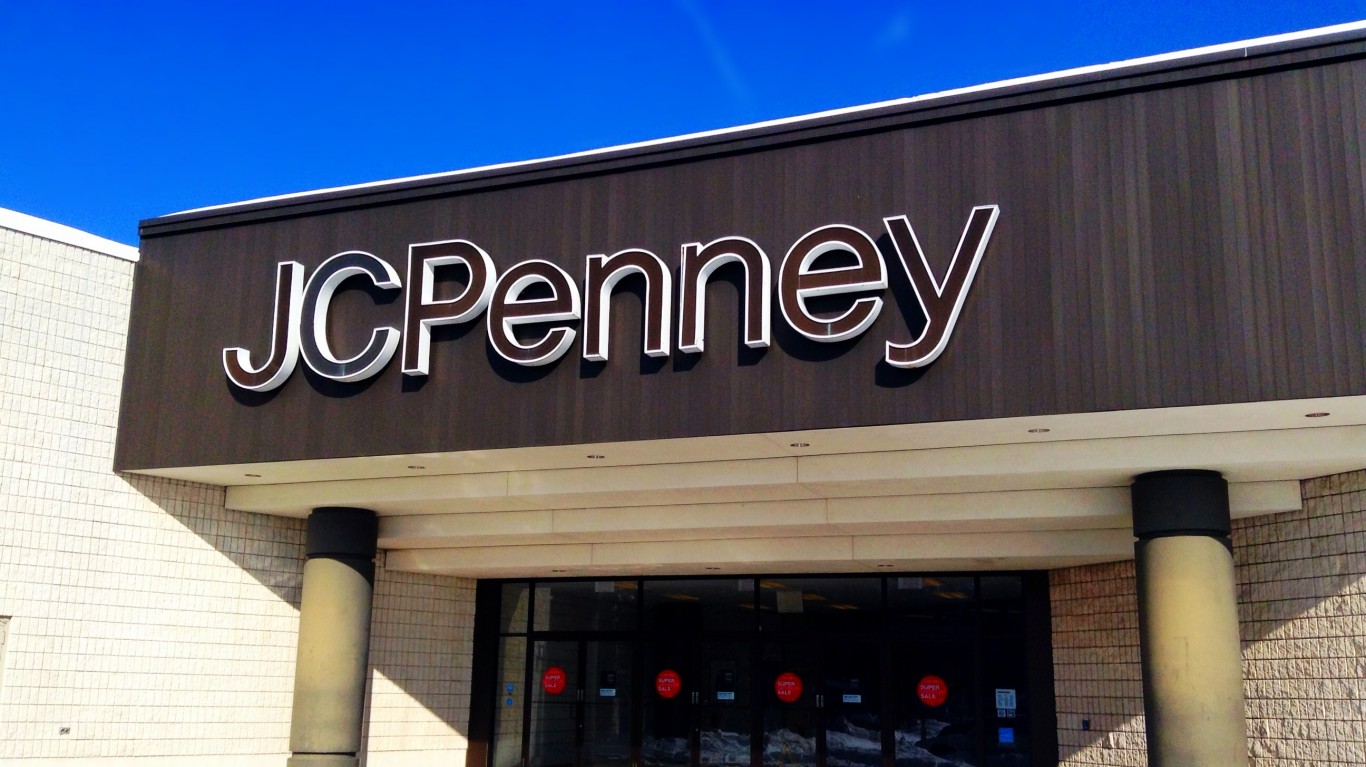
JCPenney filed for bankruptcy in 2020. Unlike some other retailers, this was not the end of its road. The COVID-19 pandemic nearly killed the retailer, and it emerged from bankruptcy after closing 846 stores. As it got smaller, it laid off tens of thousands of employees. However, today, it still has 648 stores, mostly in the eastern half of the United States.
Catalyst Brands now owns JCPenney. It is also the owner of once-troubled Aéropostale, Brooks Brothers, Eddie Bauer, Lucky Brand, and Nautica. Its shareholders include some of the largest mall owners, such as Brookfield.
It is hard to say why JCPenney has survived. Probably in part due to brand recognition. Being a large tenant in some of the country’s largest malls also helps. That likely gives it a chance against giant Walmart, which has over 46,000 stores in the United States. Those are almost all in standalone locations where the stores themselves are the primary draw.
JCPenney may continue to survive because it is still a “something for everyone” store that offers deep discounts. Tariffs will put this business model to the test.
In May, Walmart stated that tariffs would impact its business. CEO Doug McMillon briefly argued publicly with President Trump about whether consumers would ultimately bear the cost of these tariffs. What is important is that JCPenney faces either margin compression or a threat to its deep discount reputation.
JCPenney has survived decades of challenges. It is about to face one again.
Retail Stock Rally: How Far Can Best Buy, Kohl’s, and Macy’s Go?








 Top Gaining Stocks
 Top Losing Stocks