



The Bill & Melinda Gates Foundation has given hundreds of millions of dollars to health care causes, including $250 million to specifically aid development of COVID-19 vaccines and prevention methods. Gates also has been an international spokesperson regarding how the world can tamp down the spread of the disease. He is, in fact, nearly as visible as Dr. Anthony Fauci, director of the National Institute of Allergy and Infectious Diseases and chief medical advisor to President Biden.
On several occasions, Gates has made predictions about how quickly the world can return to “normal.” Recently, just after receiving his second dose of the vaccine, he updated his opinion. In an interview on social media app Clubhouse, Gates told journalist Andrew Ross Sorkin, “I want to set a good example. If you’re vaccinated, you can still transmit.”
Dr. Rochelle Walensky, the recently appointed head of the Centers for Disease Control and Prevention (CDC) recently expressed worry that public behavior might spur a new rise in cases.
However, Gates was hopeful: “It’s only by late spring or summer that we’re going to get to numbers where you can look at changing your behavior in a significant way,” he said.
Here’s the good news and bad news about Gates’s prediction

Case numbers and death rates are slowing
One reason Gates is hopeful is the sharp drop in the pace at which COVID-19 has spread in the past three weeks. The pace of new deaths in the United States per day has dropped below 2,000, about half what it was seven weeks ago. Nevertheless, fatalities from the disease in the U.S. stand at 519,014 to date, about 20% of the world’s total. Confirmed cases number 28,897,871, about 25% of the global total. But in mid-January, there were almost 250,000 new cases per day; now they average 148,000, still substantial but a significant decrease.
[in-text-ad]
Vaccination rates continue to improve
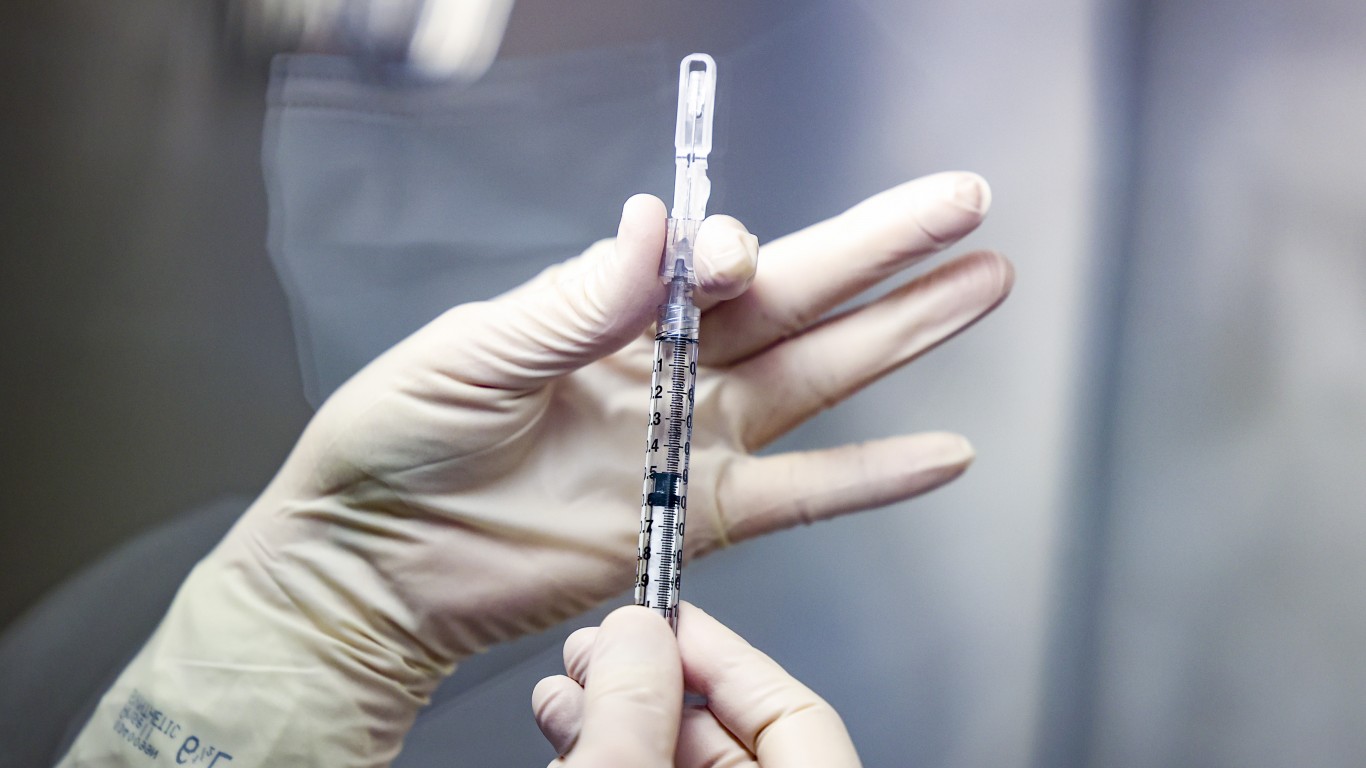
Another favorable trend is vaccinations. In December, the Trump administration indicated that much of the American population would be vaccinated early in 2021. That turned out not to be the case. But currently, about 15% of American adults have received at least one dose (though fewer than 8% have been given two). This is the state that has done the worst at giving two doses.
The Biden administration has ordered a large number of new doses, but it does not expect another 200 million to be delivered entirely until July.
[recirclink id=844081]
Variants could be a barrier to reopening
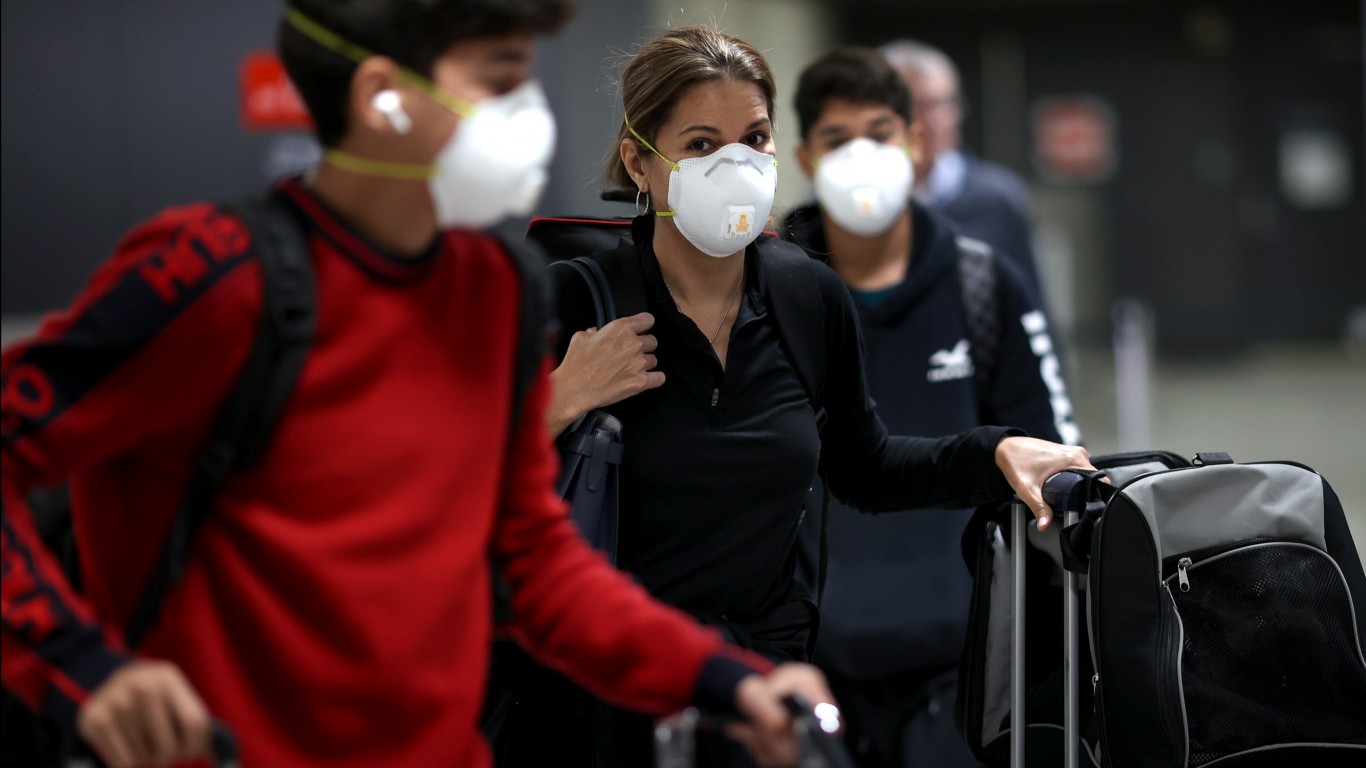
The CDC is tracking variants of the disease, the most prominent of which have entered the United States via Brazil, South Africa, and the United Kingdom. The agency reports on them to the public via its U.S. COVID-19 Cases Caused by Variants report. The data show that variants have spread to 46 states.
Among the unknowns about variants is how quickly they spread, whether they are more deadly than the version of the disease that has been dominant in the country since January of last year, and whether current vaccines can treat them.

Not enough people have been vaccinated yet
In raw numbers, 96,402,490 doses have been distributed and 75,236,003 shots have been given. However, there are about 255 million people ages 18+ in America, so the vaccination rate has a very long way to go.
[in-text-ad-2]
We’re not sure when we’ll reach herd immunity
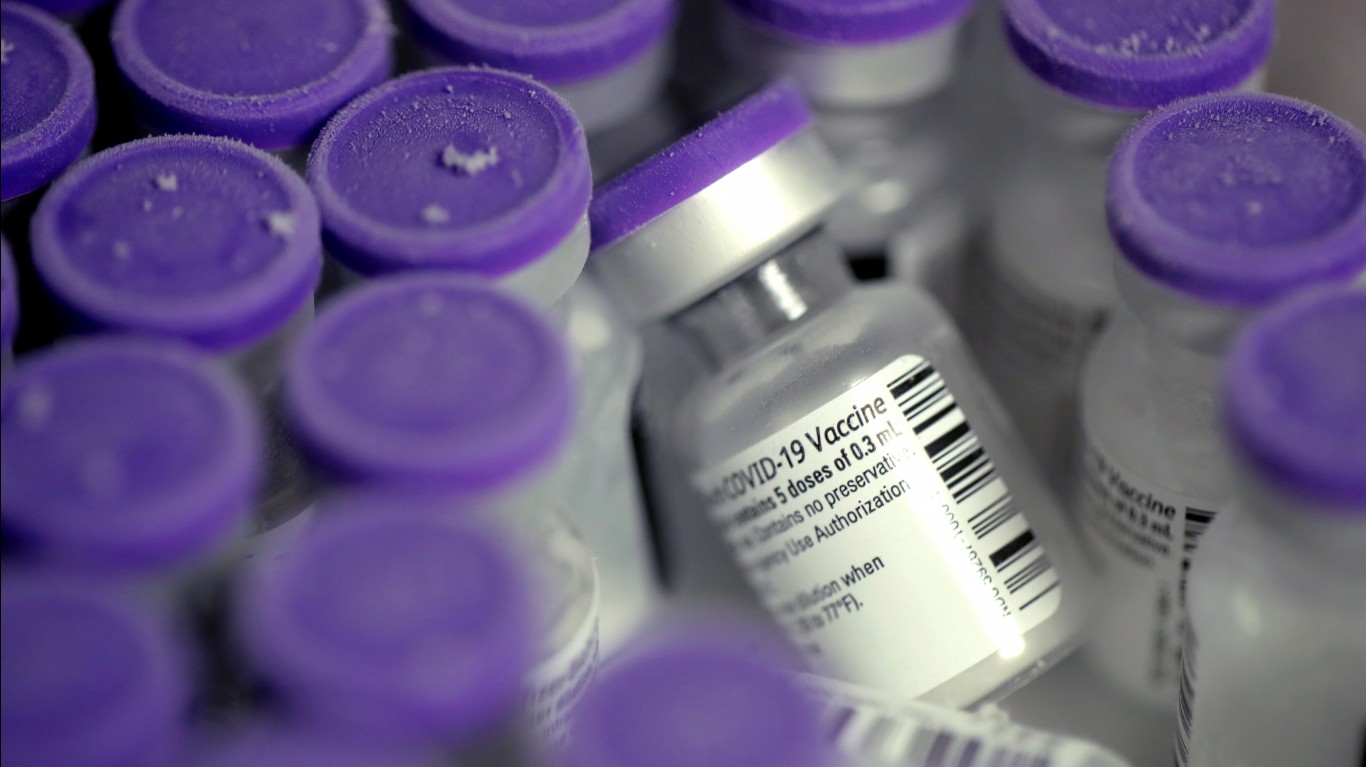
Definitions of herd immunity vary. Most often, the term means that when 70% to 80% of a population has been either infected or vaccinated, the spread of the disease and the pace of fatalities will slow substantially. At least one expert believes the U.S. will reach herd immunity soon.
Not everyone is so sure. Among the unknowns is exactly how many people in the United States have been infected. While the official number is less than 30 million, some epidemiologists put the figure at double that. Poor testing and the presence of asymptomatic cases have been blamed for the difference.

So is Bill Gates right?
Whether Gates is correct or not in his prediction depends on numerous factors, including the behavior of variants, the pace of vaccinations, and the public’s desire to “reopen” the country. If there is not another major surge in infections, however, Gate’s timetable may be on the mark.









 Top Gaining Stocks
 Top Losing Stocks