


Like it or not, this year’s Daylight Saving Time (DST) begins in the United States at 2 a.m. on March 12, which means either losing an hour of sleep or lingering in bed later than usual on Sunday morning as the nation’s clocks “spring forward” by an hour to gain early evening sunlight until early November.
The reason for the twice-annual time change is ostensibly to save energy that would be spent consuming electricity for lighting. According to Scientific American, Benjamin Franklin first proposed the idea in 1784 to conserve candles. The U.S. implemented DST during both world wars to help preserve electricity. The time charge was codified federally during the oil crisis of the early 1970s.
But many argue the change is superficial and may actually lead to more energy consumption as households consume more electricity to cool their homes in the evening. And a 2014 study by the American College of Cardiology revealed a 25% jump in the number of heart attacks on the Monday after the time change. (Learn how daylight saving time affects your health, according to science.)
Last year the Senate passed the “Sunshine Protection Act” to make DST permanent in response to public disdain for the twice annual time change, but the bill has stalled in the House.
Fewer than 40% of the world’s countries observe DST today. It makes almost no difference in equatorial countries because the number of daylight hours remains mostly consistent throughout the year. It also makes less of a difference in regions of the globe between the northern Tropic of Cancer (that runs through central Mexico, the African Sahel, central India, southern China) and the southern Tropic of Capricorn (that traverses northern Chile and Argentina, southern Brazil, southern Africa and Australia).
Where DST matters the most is above and below these tropical latitudes. Forty-nine countries that are in whole or in part in Europe follow DST, the most of any continent, while 38 African countries have never implemented it.
To find the countries that no longer observe DST, 24/7 Tempo referenced information from Time and Date AS, a Norwegian website that’s been keeping track of time zones around the world since 1998.
Some 66 countries around the world dabbled with DST before giving it up, including 10 that used it for a year or less. Bangladesh holds the record for the shortest experiment, implementing DST in 2009 and ending it the same year due to public outcry. Syria holds the record for having observed it the longest, from 1920 to 2022. Ten other countries have ended DST in the past decade, including Brazil and Egypt.
Click here to see countries that no longer observe daylight saving time
Two U.S. states don’t follow DST: Sun-splashed Hawaii, the only U.S. state in the global tropical zone, and Arizona – which was granted a special exemption by the federal government in the 1970s on the basis that DST would keep the sun shining in the state until 9 p.m. in the summer, adding to the oppressive heat. (These are the American cities with the hottest summers.)
Arizona’s Native American reservations follow DST, however, which means that clocks can change back and forth for those taking summer road trips through the state.

Algeria
> DST first observed: 1916
> DST last observed: 1980
[in-text-ad]
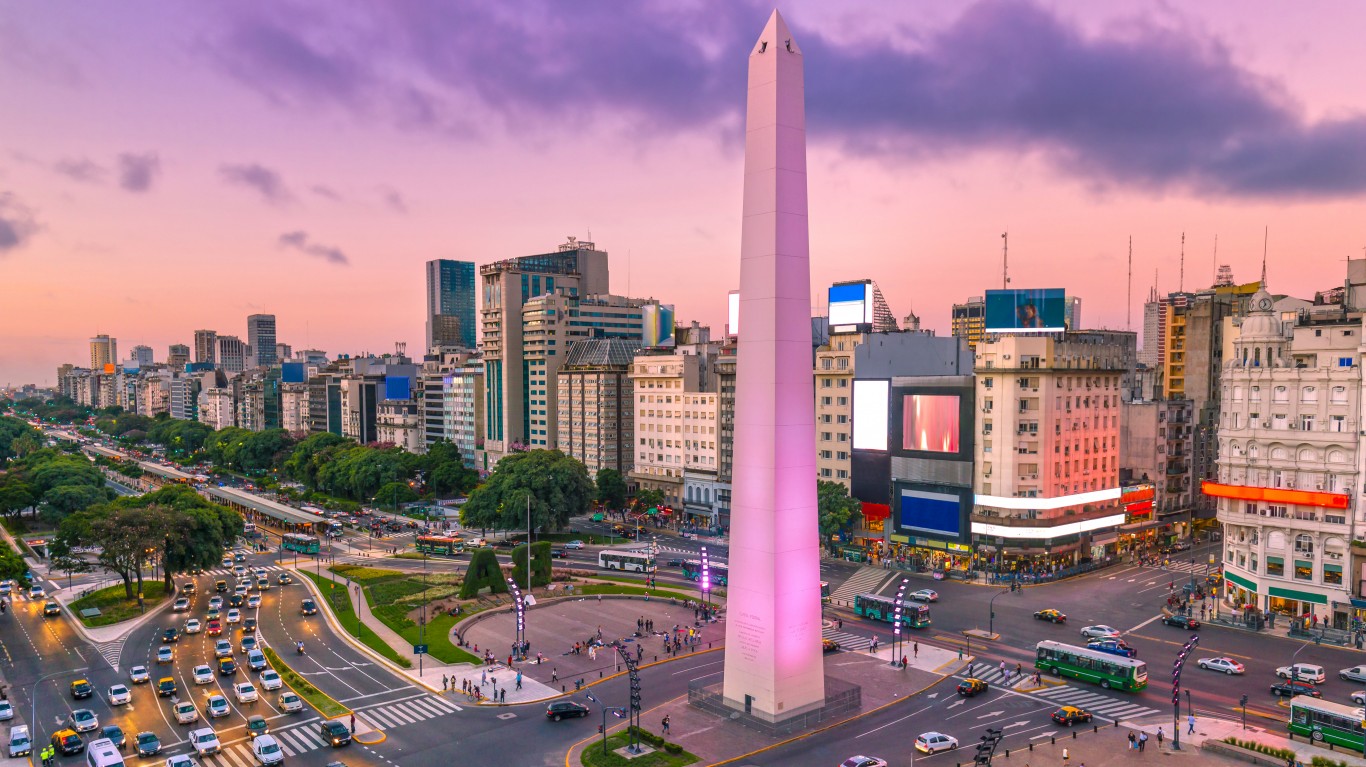
Argentina
> DST first observed: 1930
> DST last observed: 2009
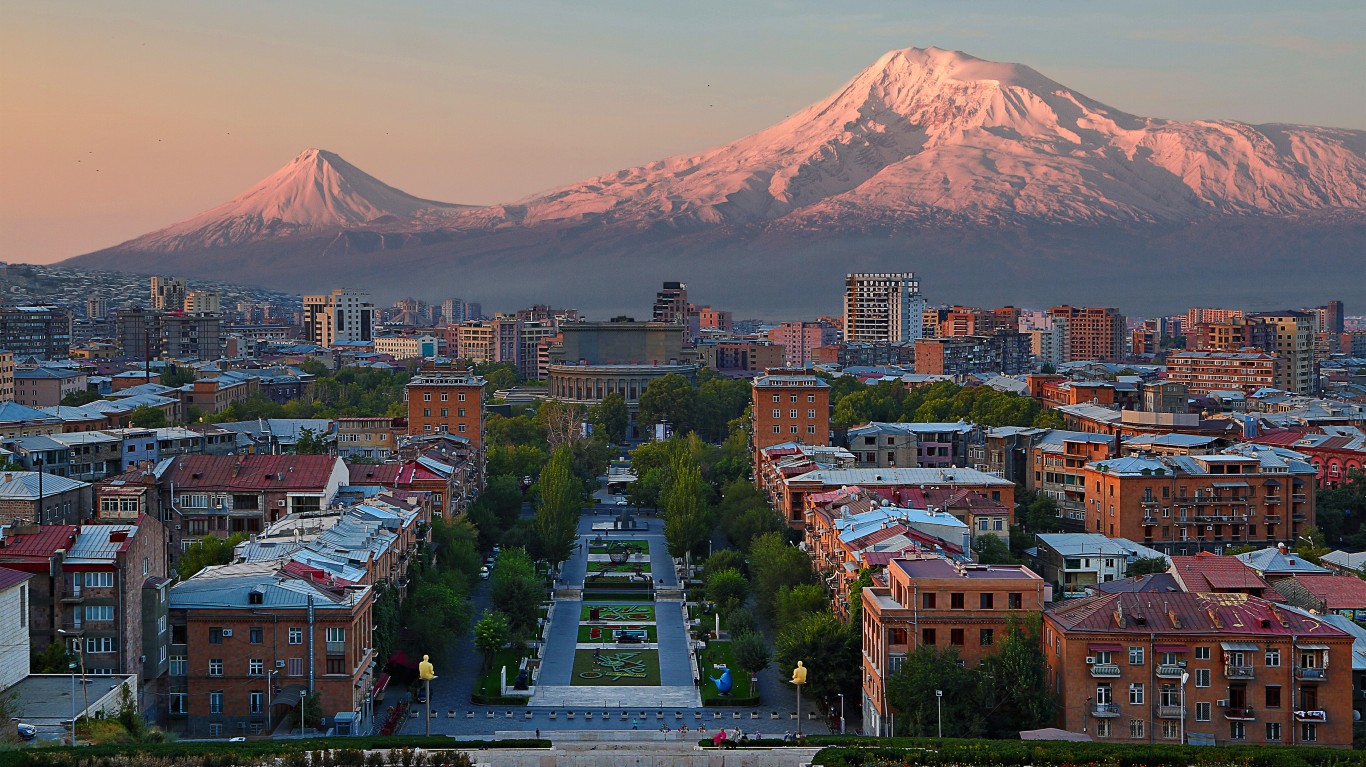
Armenia
> DST first observed: 1981
> DST last observed: 2011

Azerbaijan
> DST first observed: 1981
> DST last observed: 2015
[recirclink id=1066755]
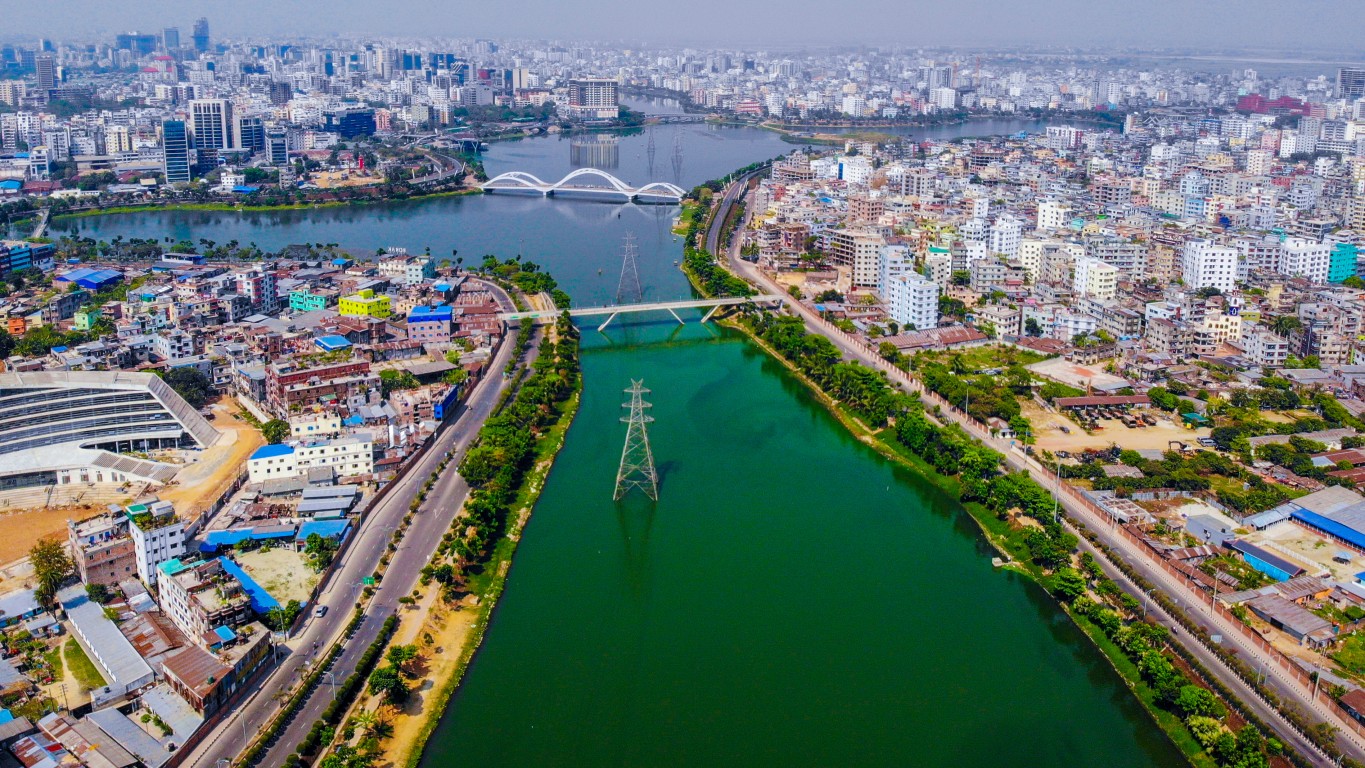
Bangladesh
> DST first observed: 2009
> DST last observed: 2009

Barbados
> DST first observed: 1942
> DST last observed: 1980

Belarus
> DST first observed: 1941
> DST last observed: 2010
[in-text-ad-2]
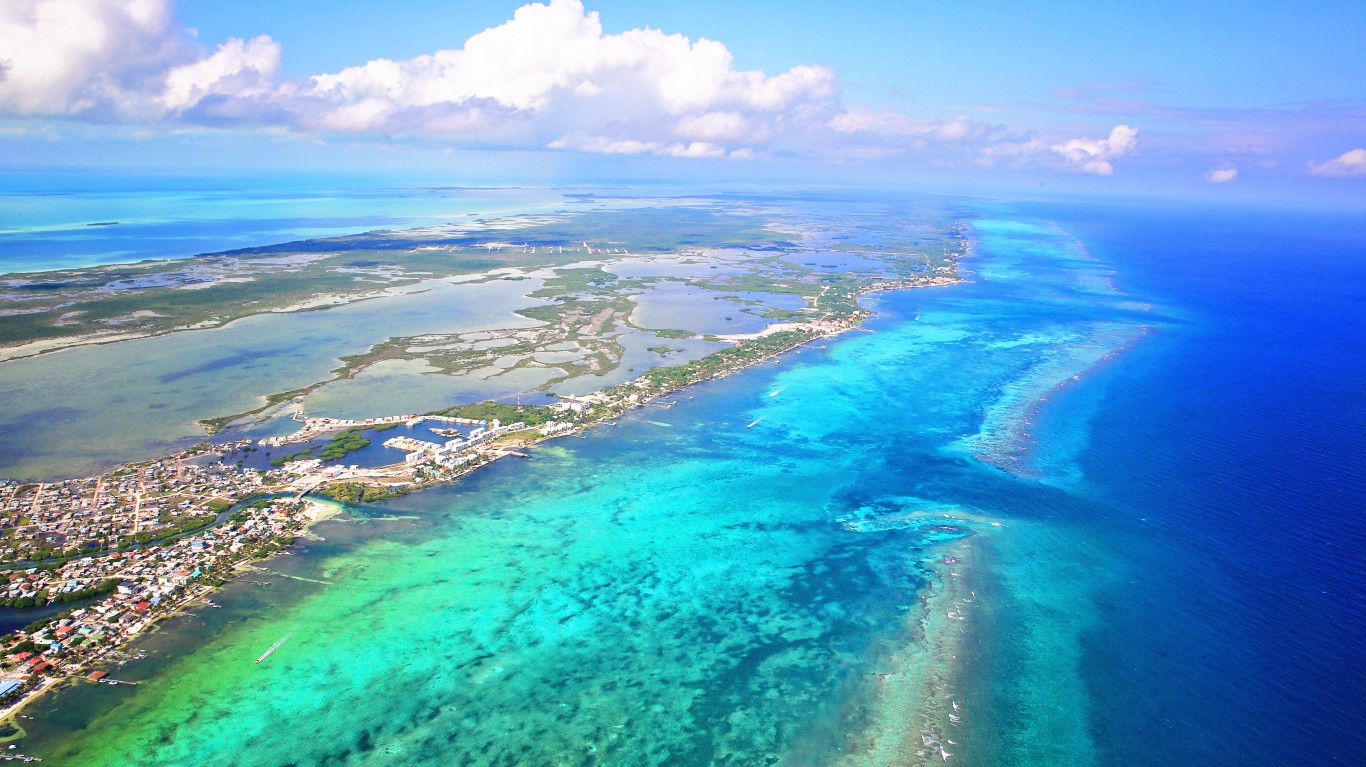
Belize
> DST first observed: 1918
> DST last observed: 1983
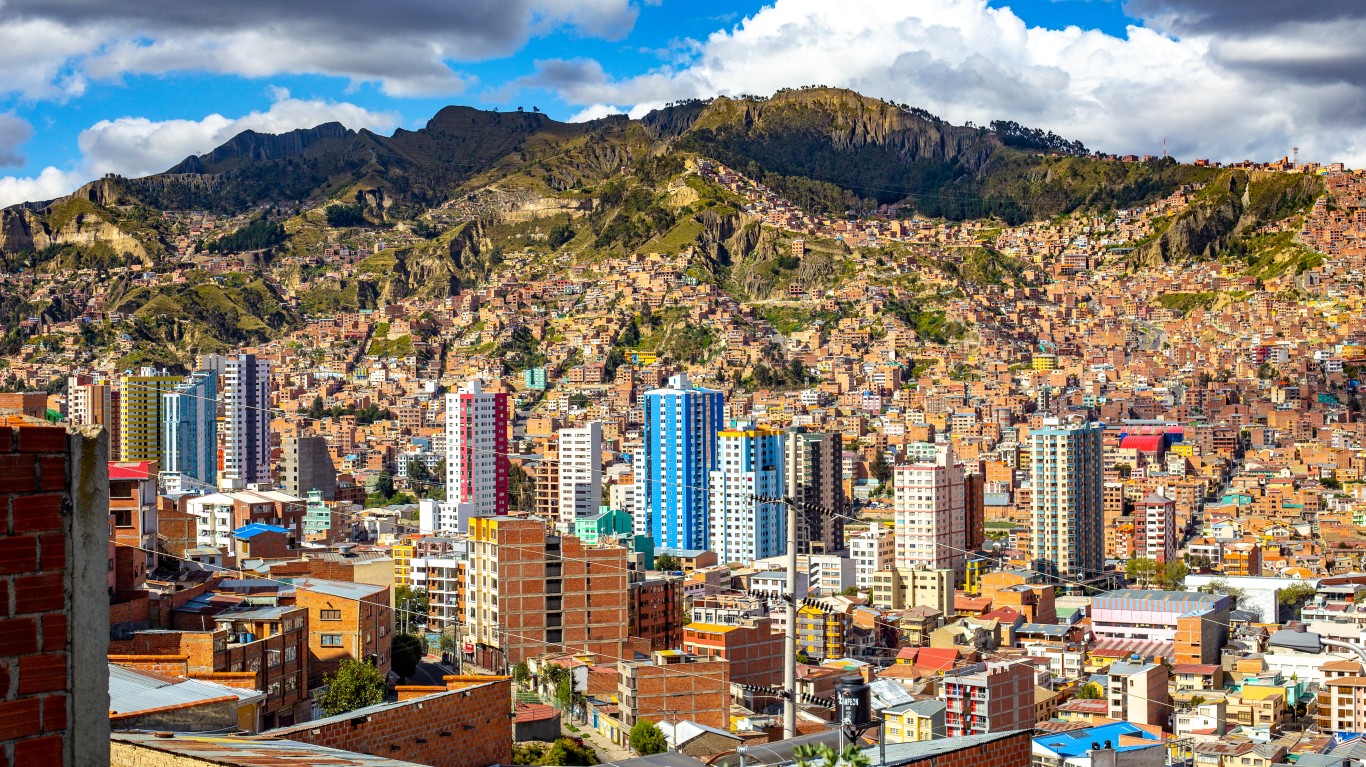
Bolivia
> DST first observed: 1931
> DST last observed: 1932

Botswana
> DST first observed: 1943
> DST last observed: 1944

Brazil
> DST first observed: 1931
> DST last observed: 2019
[in-text-ad]

Cabo Verde
> DST first observed: 1942
> DST last observed: 1945
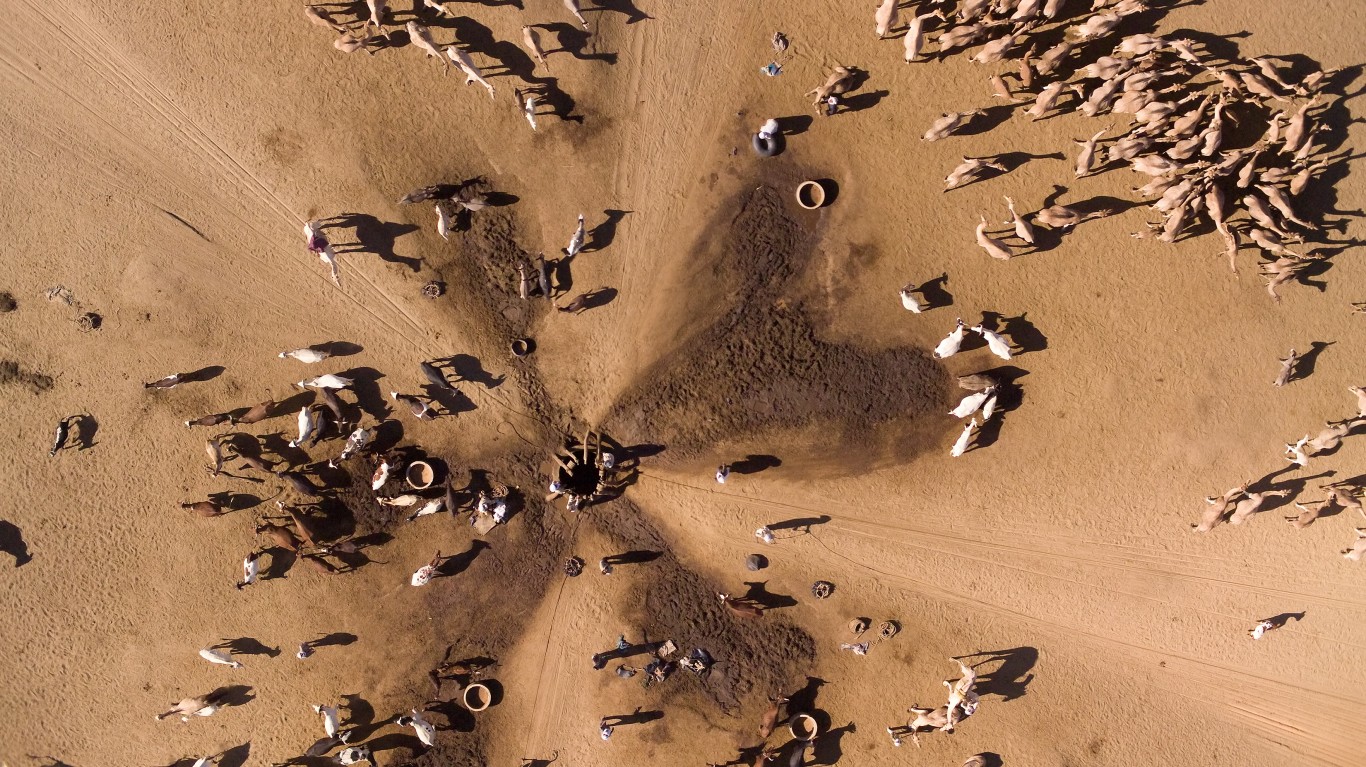
Chad
> DST first observed: 1979
> DST last observed: 1980

China
> DST first observed: 1919
> DST last observed: 1991
[recirclink id=1110516]
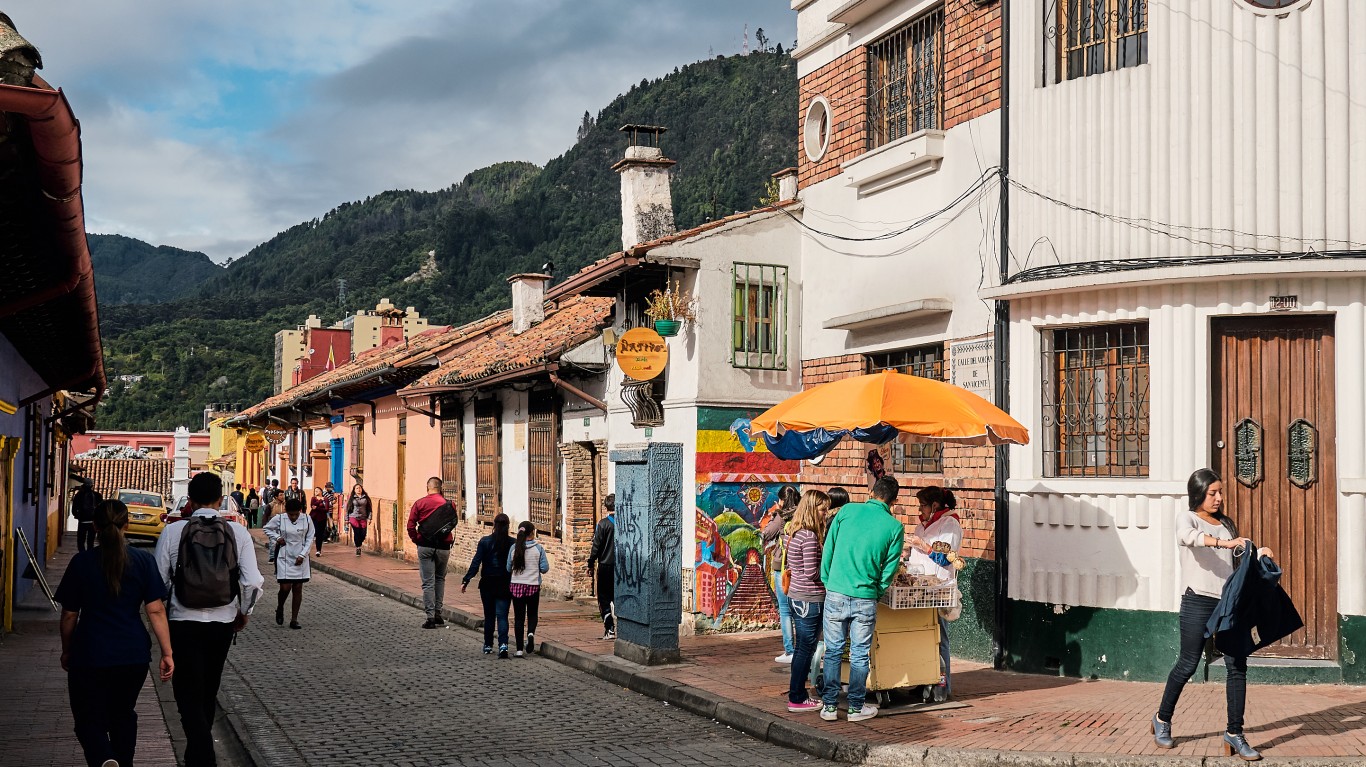
Colombia
> DST first observed: 1992
> DST last observed: 1993

Cook Islands
> DST first observed: 1978
> DST last observed: 1991
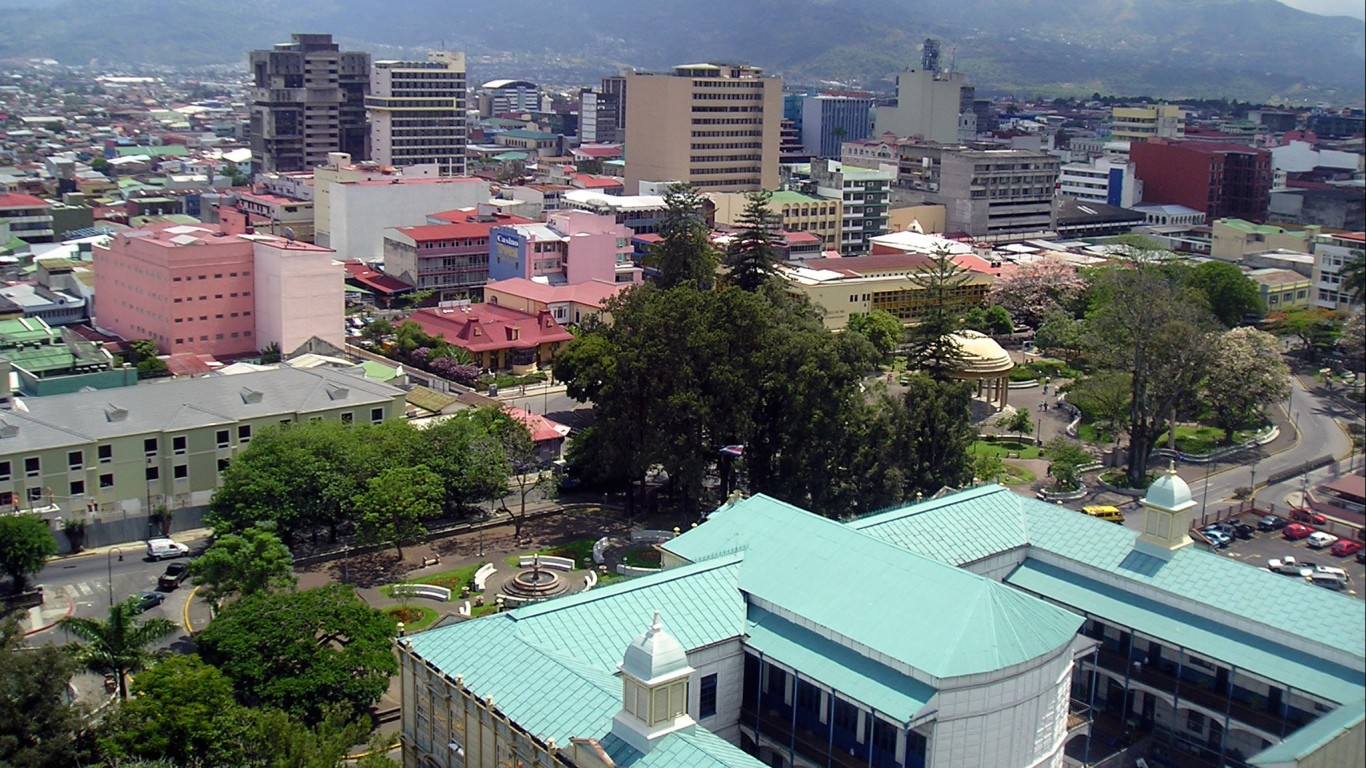
Costa Rica
> DST first observed: 1954
> DST last observed: 1992
[in-text-ad-2]

Dominican Republic
> DST first observed: 1966
> DST last observed: 1974
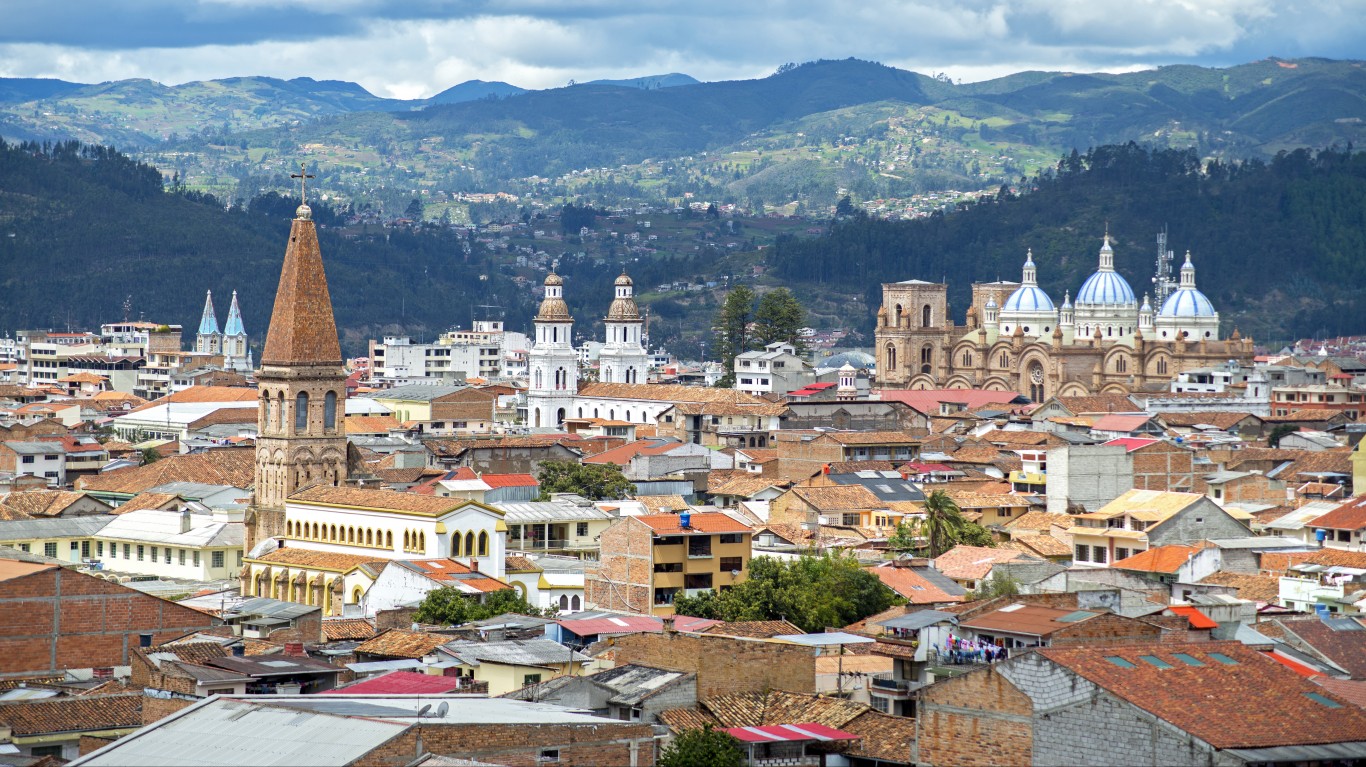
Ecuador
> DST first observed: 1992
> DST last observed: 1993

Egypt
> DST first observed: 1940
> DST last observed: 2014

El Salvador
> DST first observed: 1987
> DST last observed: 1988
[in-text-ad]

Georgia
> DST first observed: 1941
> DST last observed: 2014

Ghana
> DST first observed: 1920
> DST last observed: 1942
[recirclink id=1149709]
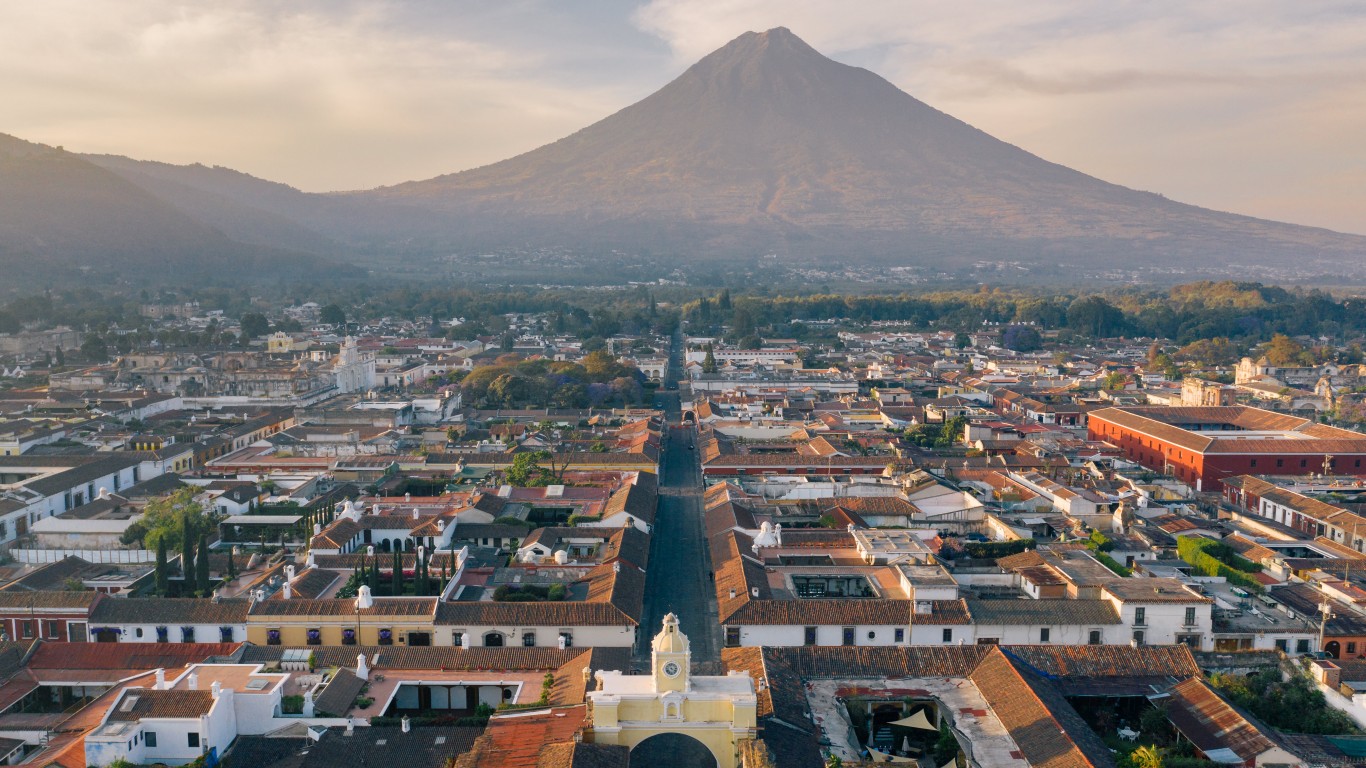
Guatemala
> DST first observed: 1973
> DST last observed: 2006
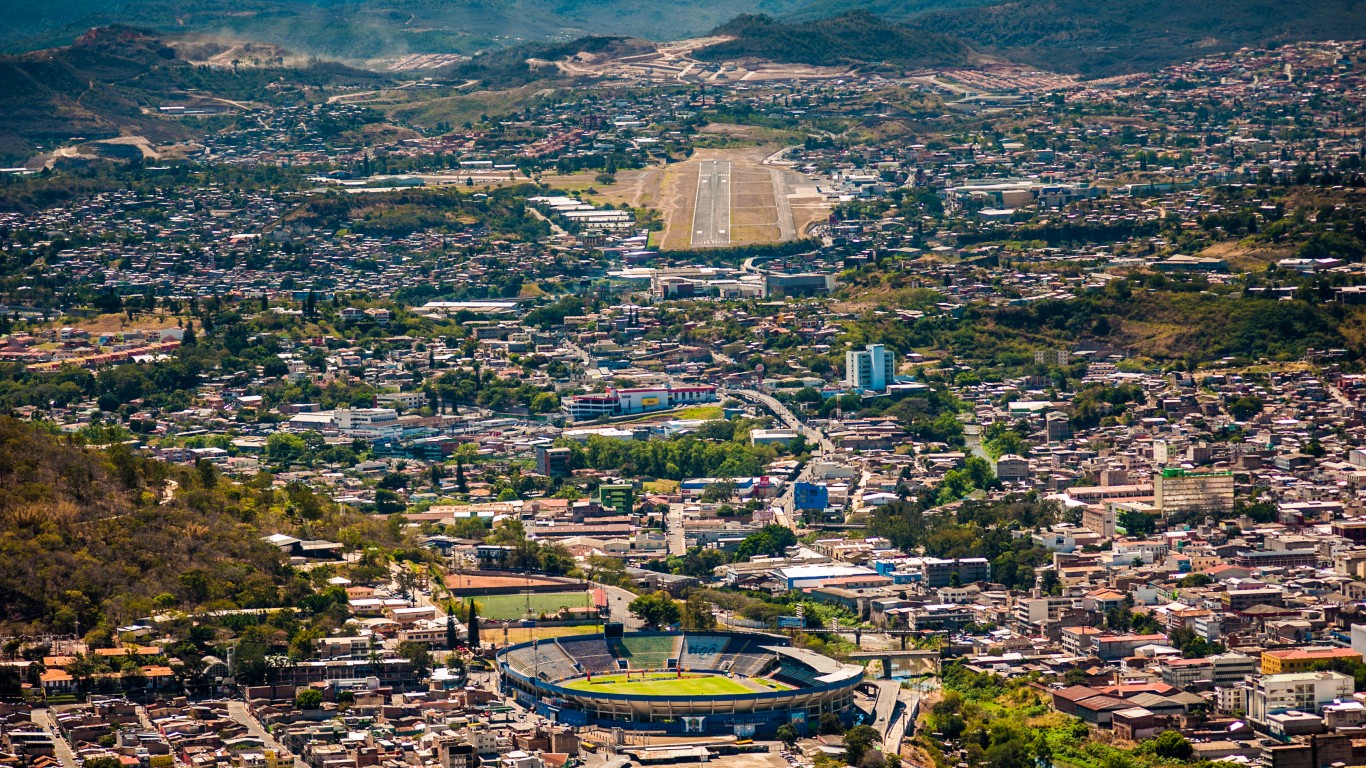
Honduras
> DST first observed: 1987
> DST last observed: 2006
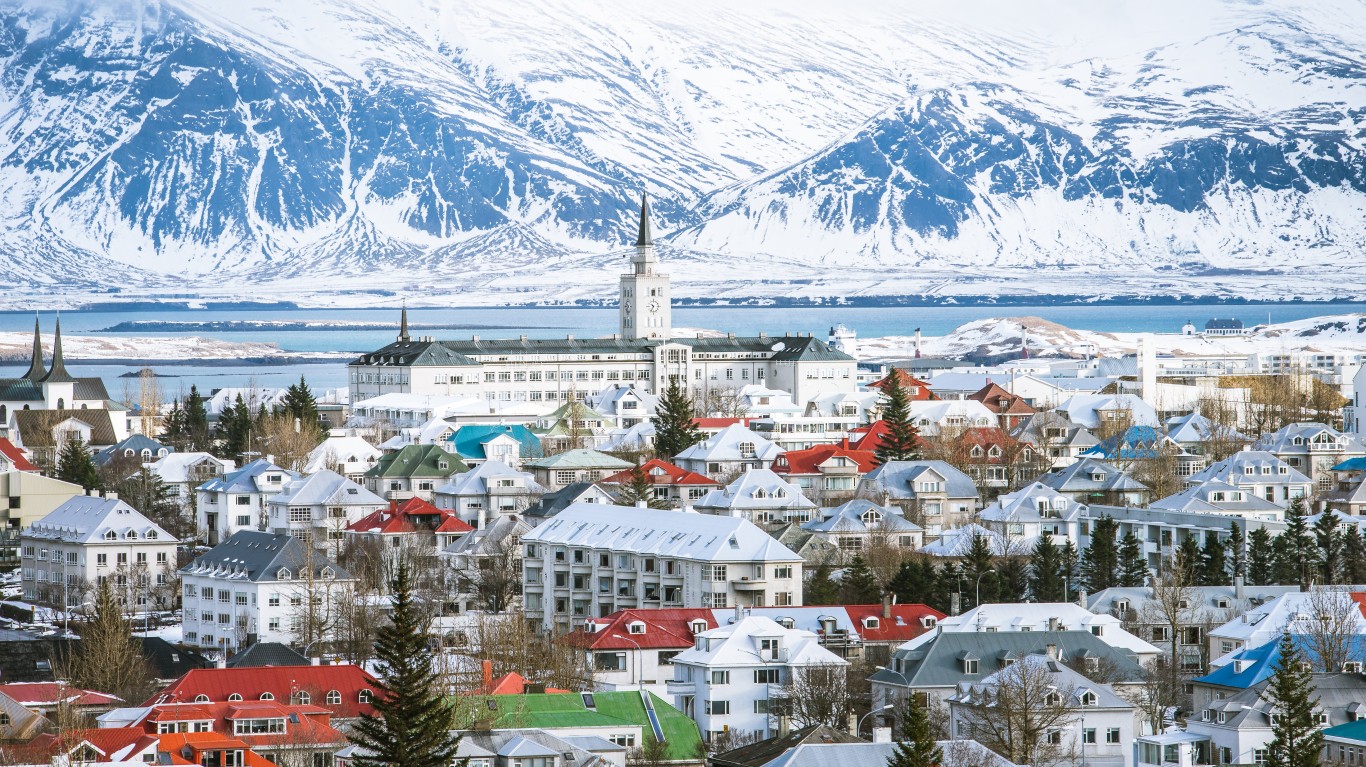
Iceland
> DST first observed: 1917
> DST last observed: 1967
[in-text-ad-2]
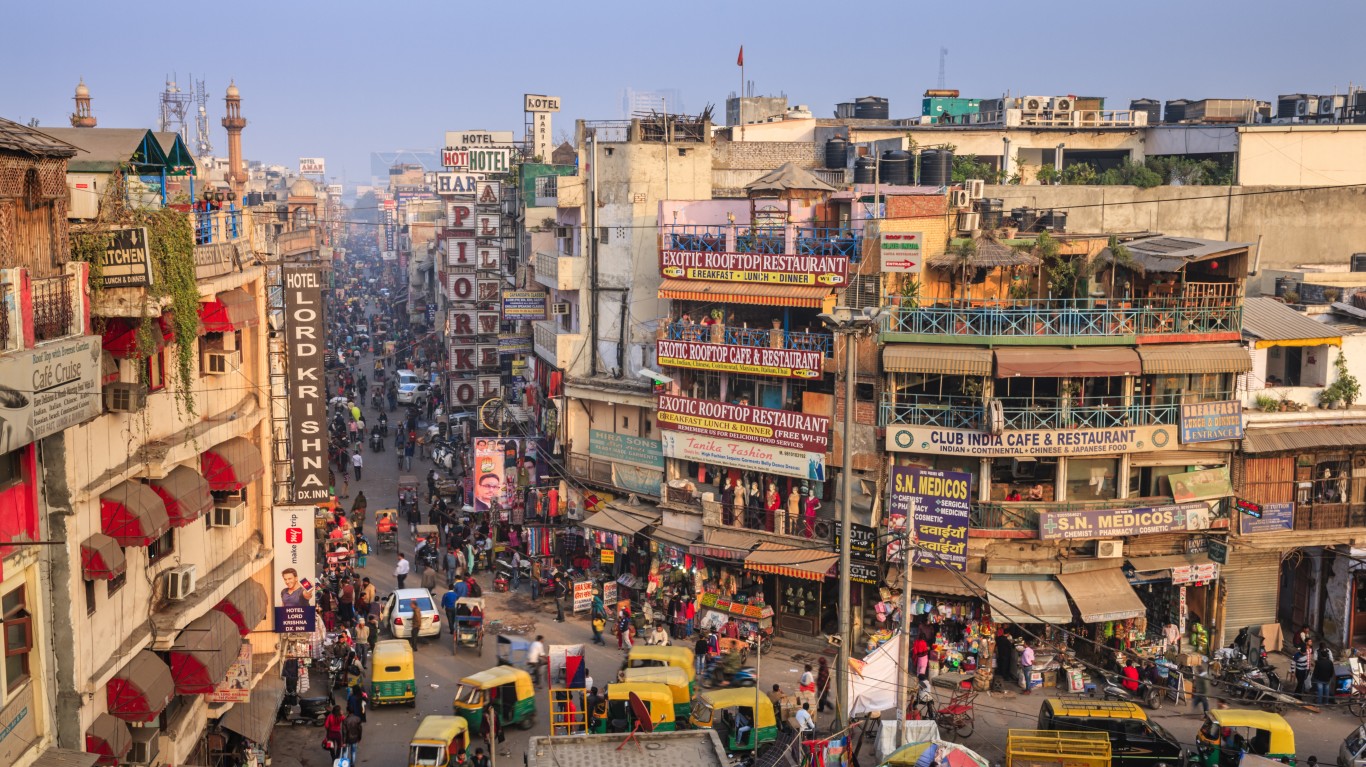
India
> DST first observed: 1941
> DST last observed: 1945

Iran
> DST first observed: 1978
> DST last observed: 2022
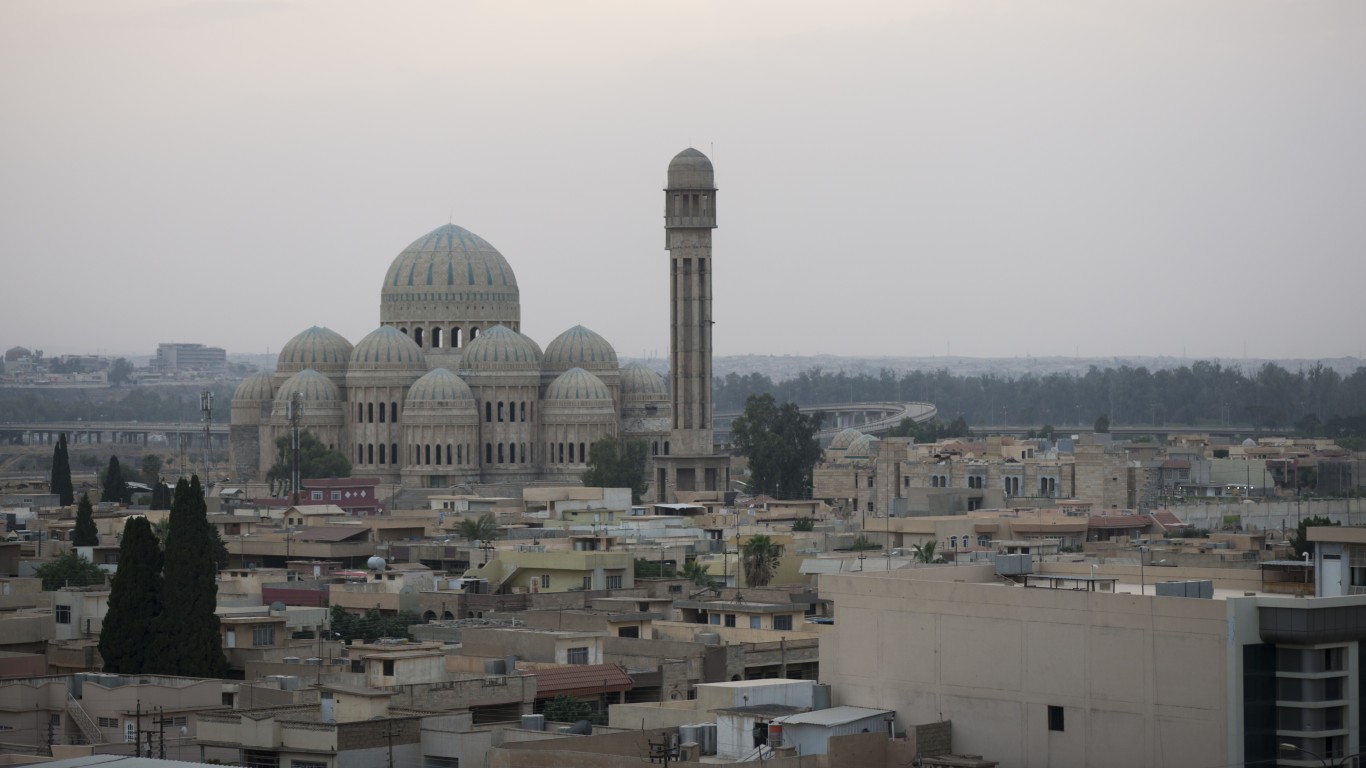
Iraq
> DST first observed: 1982
> DST last observed: 2007

Jamaica
> DST first observed: 1974
> DST last observed: 1983
[in-text-ad]
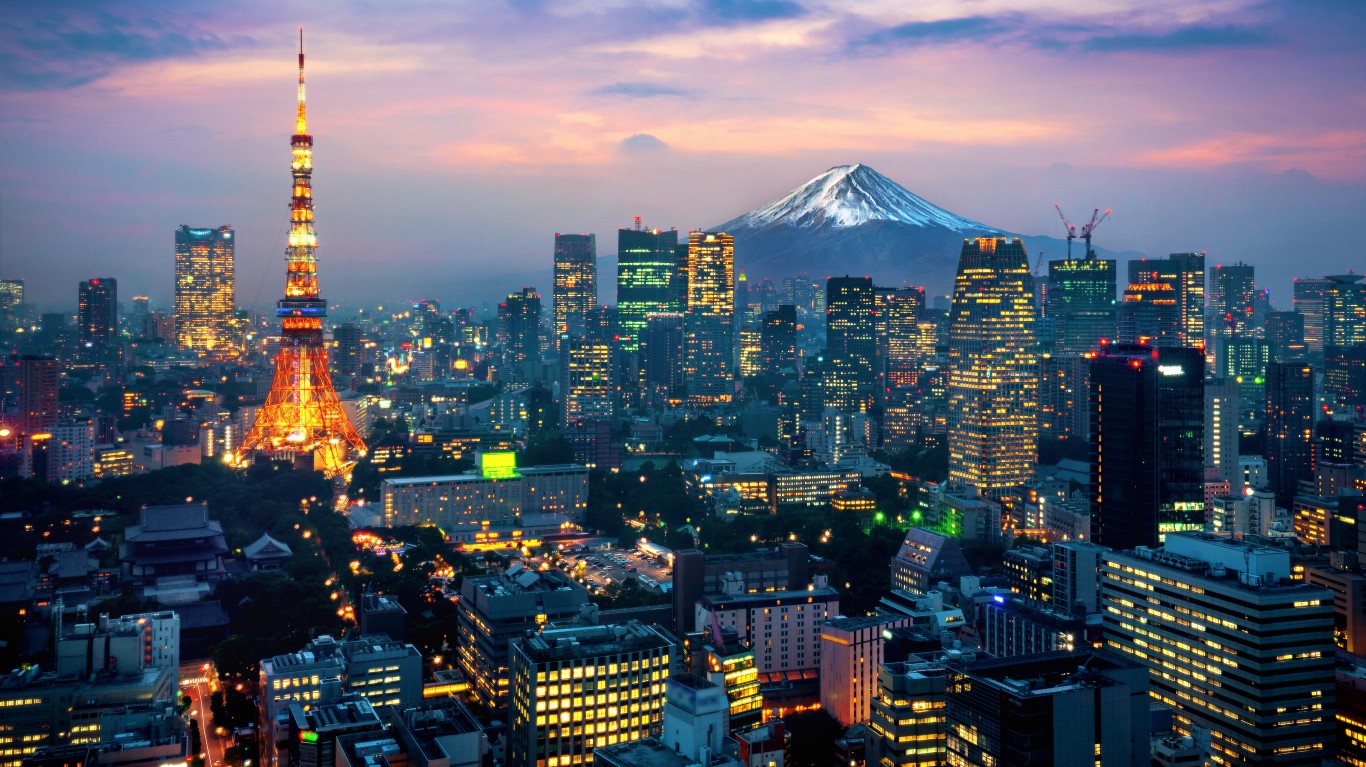
Japan
> DST first observed: 1948
> DST last observed: 1951

Jordan
> DST first observed: 1973
> DST last observed: 2022

Kazakhstan
> DST first observed: 1981
> DST last observed: 2004
[recirclink id=1136681]

Kyrgyzstan
> DST first observed: 1981
> DST last observed: 2005
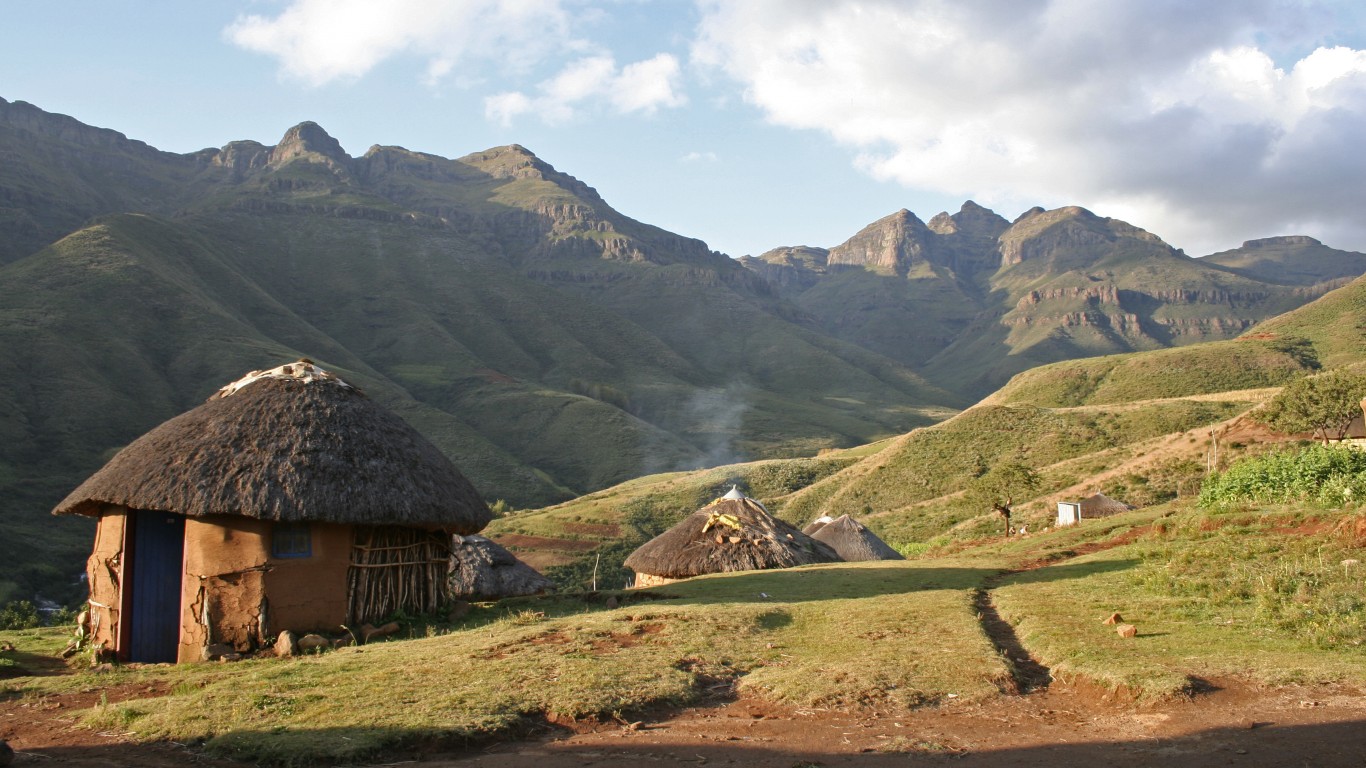
Lesotho
> DST first observed: 1943
> DST last observed: 1944
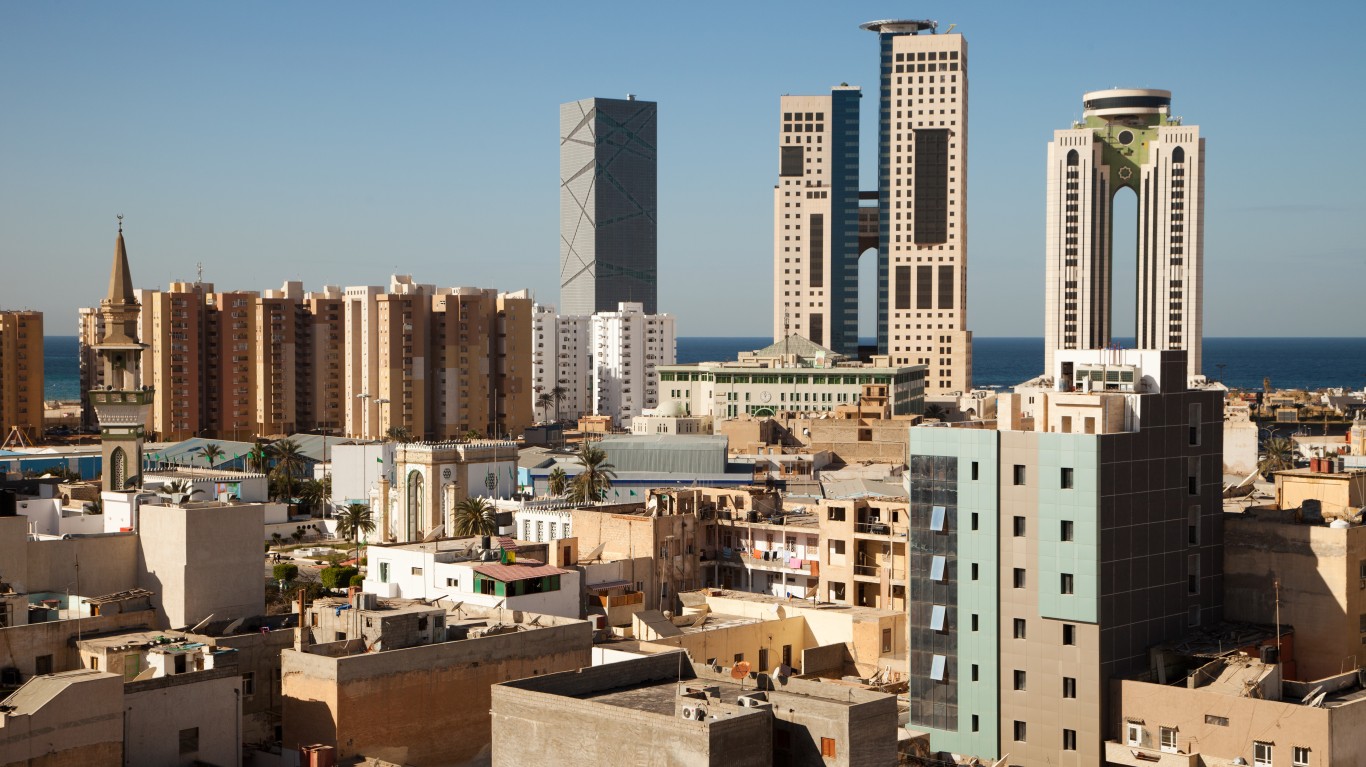
Libya
> DST first observed: 1951
> DST last observed: 2013
[in-text-ad-2]
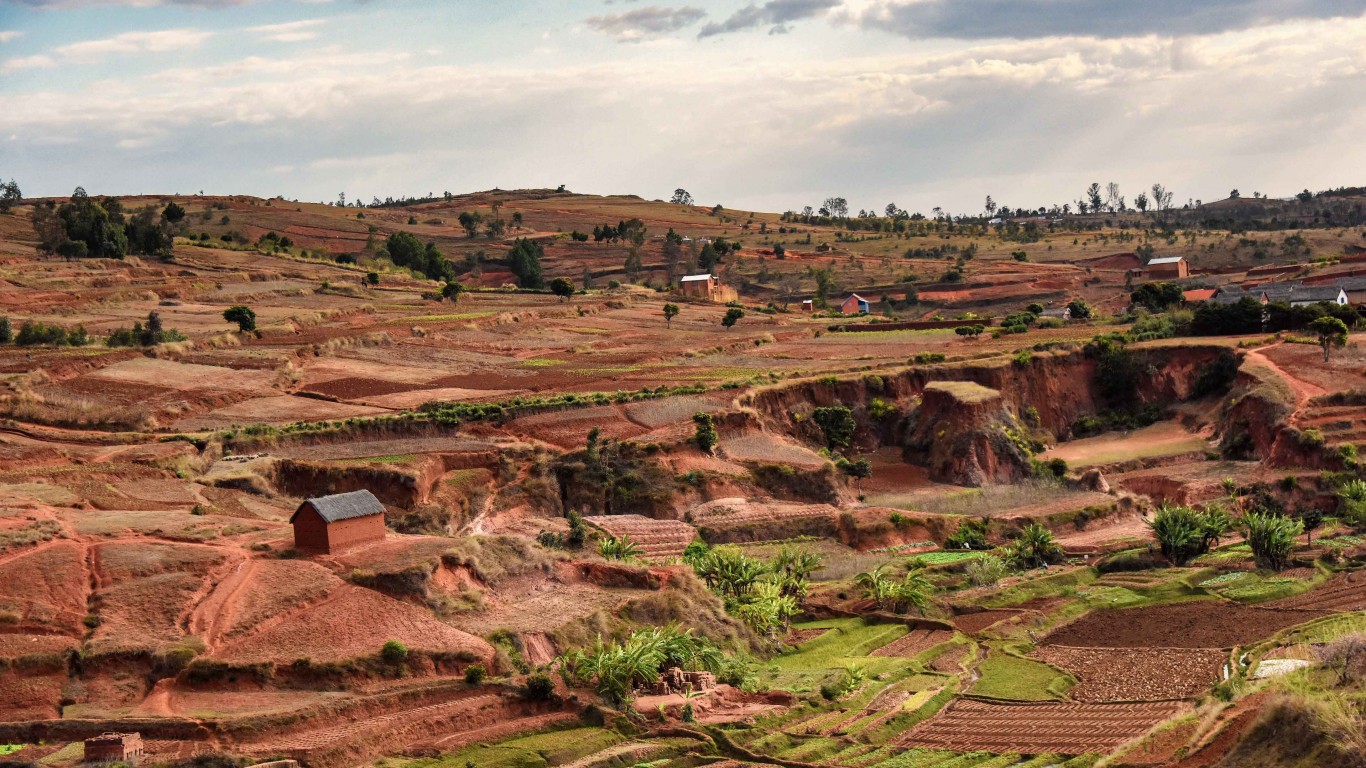
Madagascar
> DST first observed: 1954
> DST last observed: 1954

Malaysia
> DST first observed: 1933
> DST last observed: 1941

Martinique
> DST first observed: 1980
> DST last observed: 1980
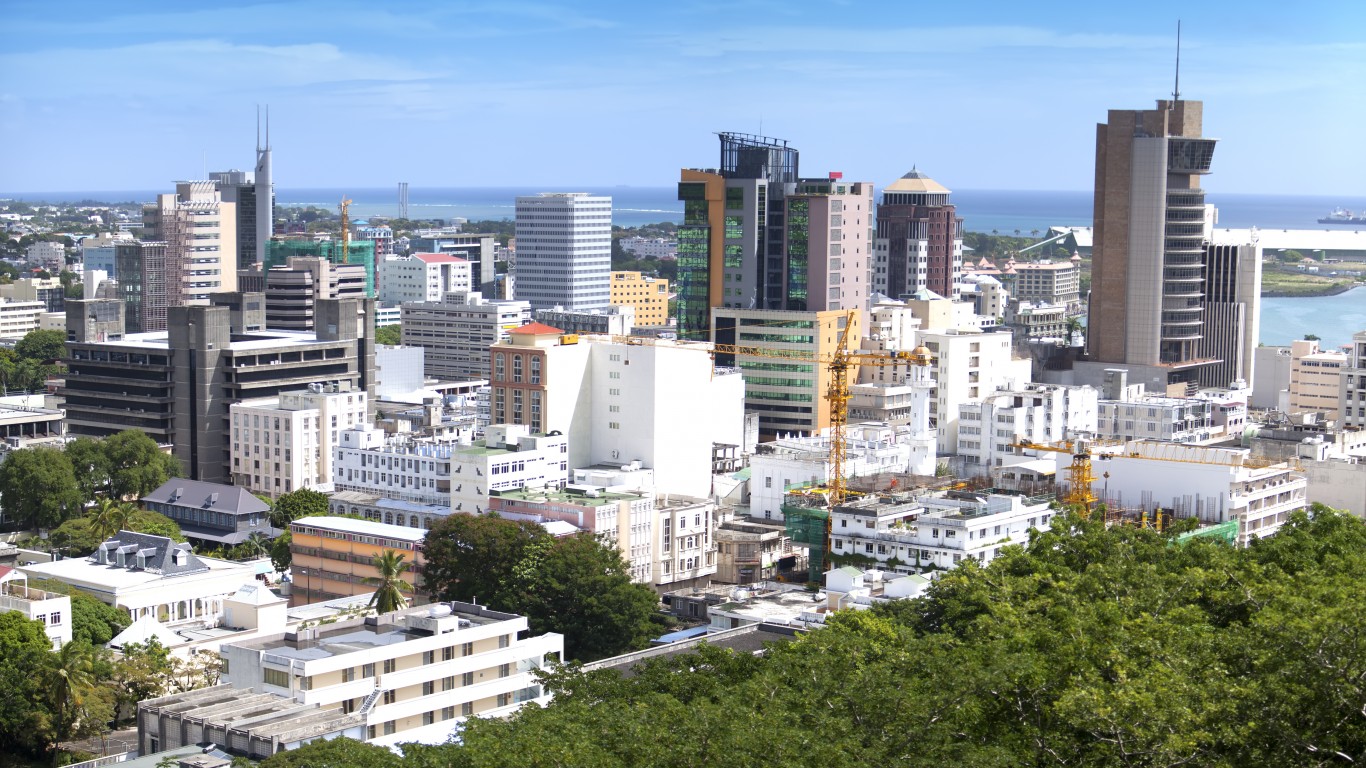
Mauritius
> DST first observed: 1982
> DST last observed: 2009
[in-text-ad]
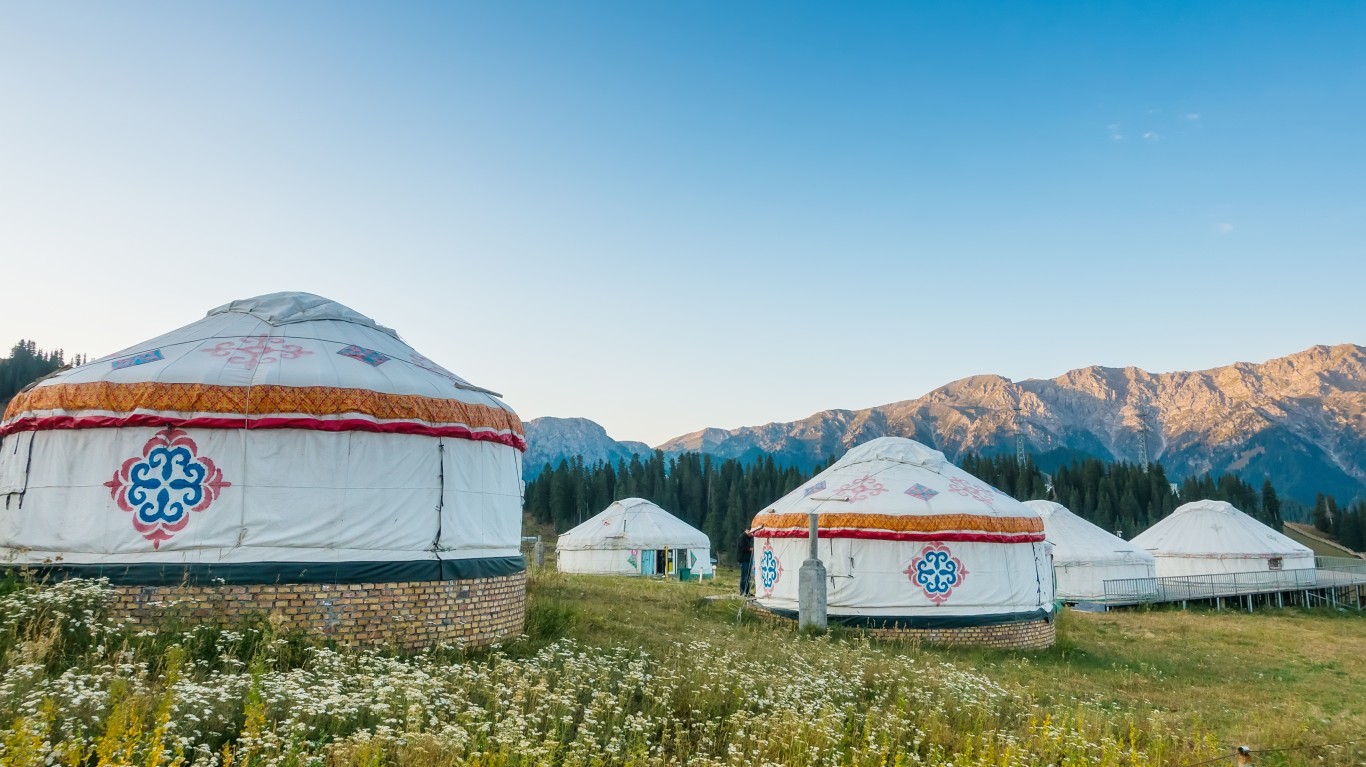
Mongolia
> DST first observed: 1983
> DST last observed: 2016
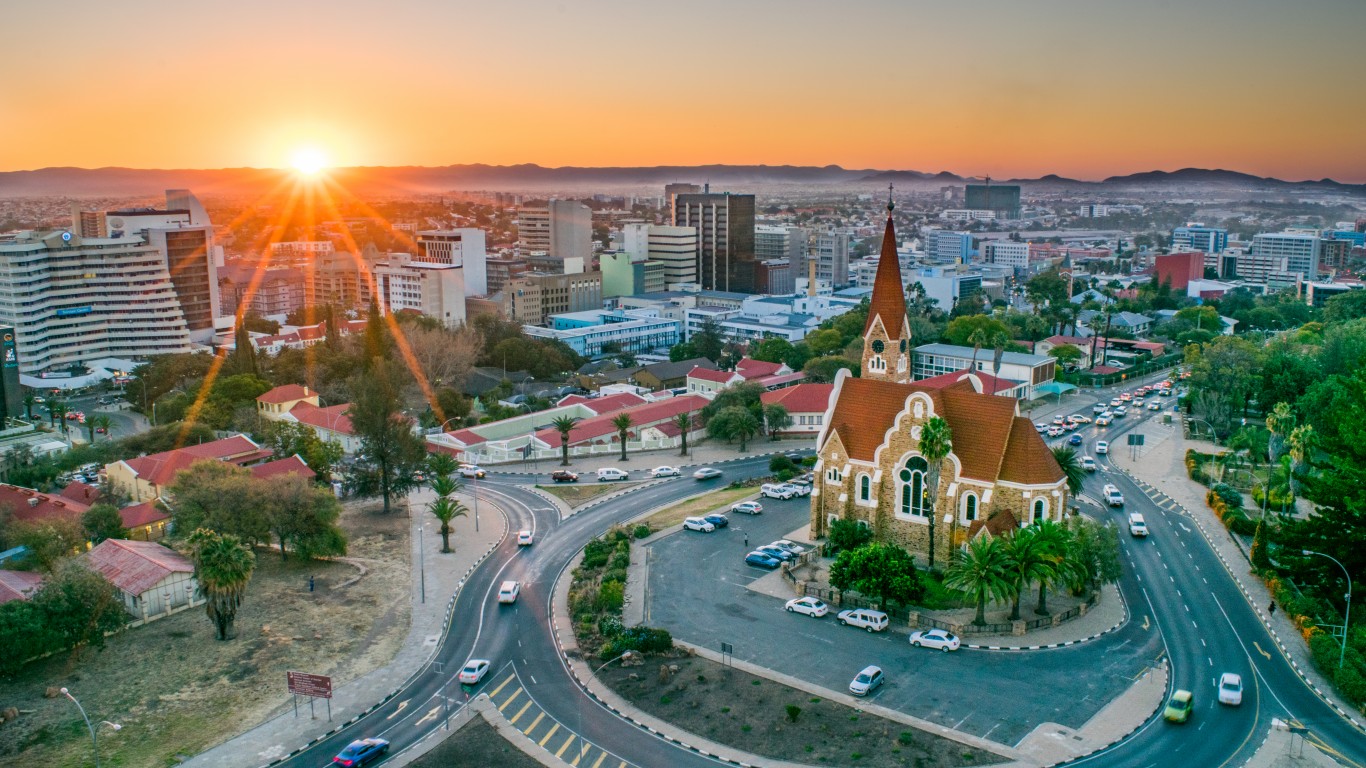
Namibia
> DST first observed: 1942
> DST last observed: 2017
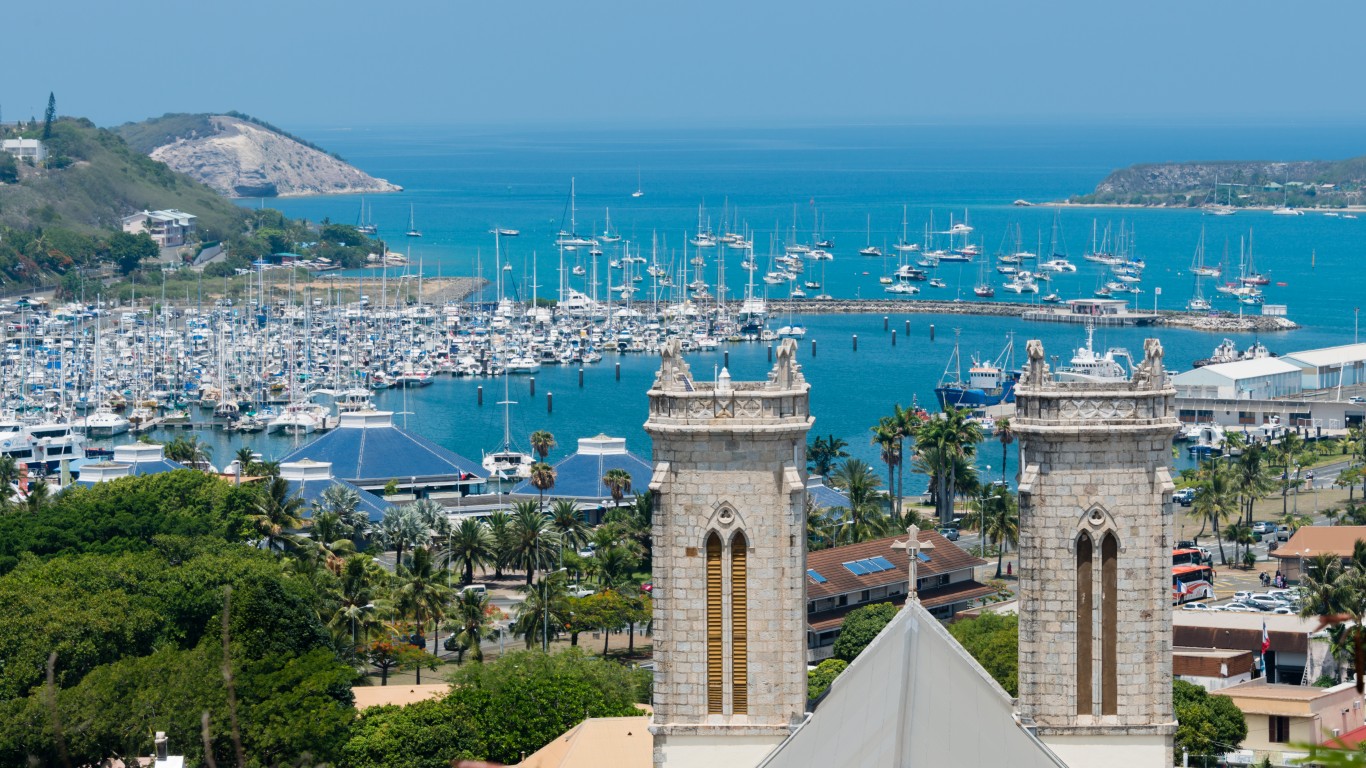
New Caledonia
> DST first observed: 1977
> DST last observed: 1997
[recirclink id=1066755]
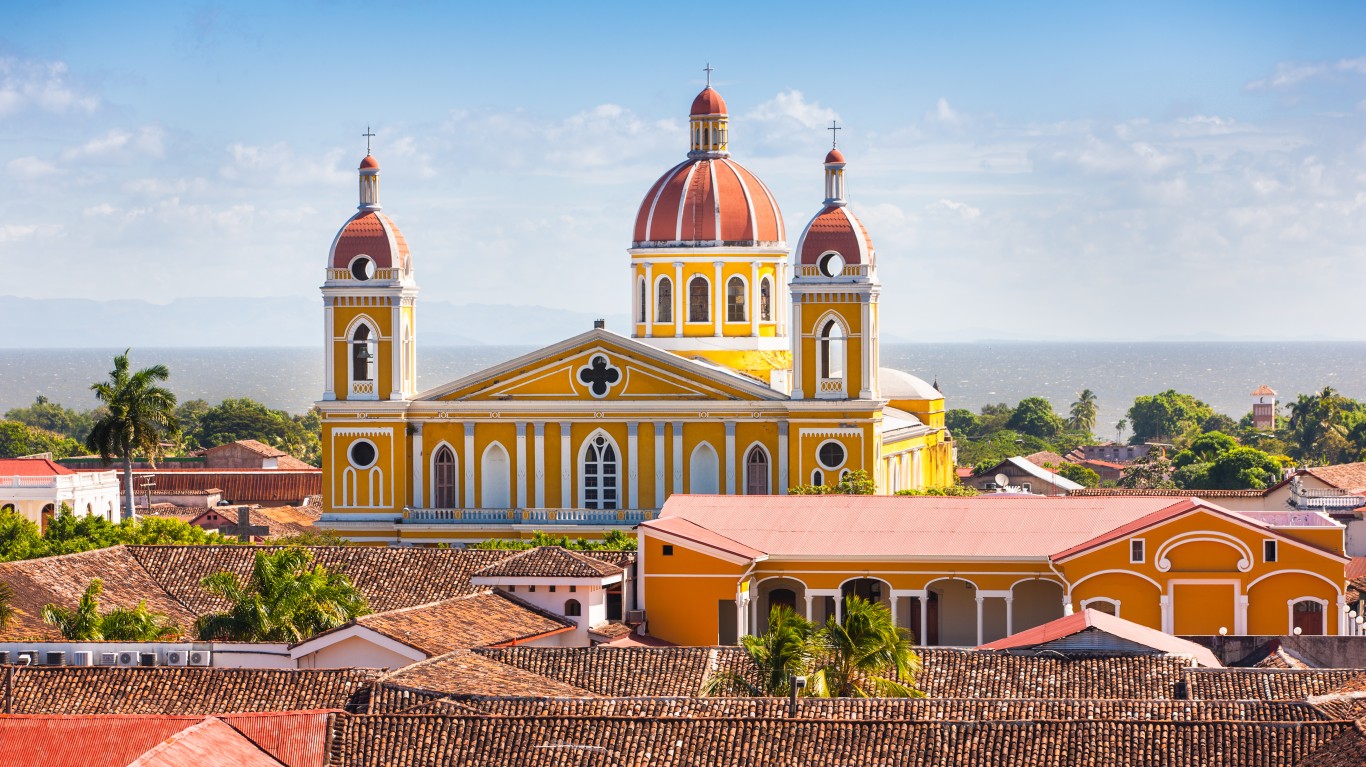
Nicaragua
> DST first observed: 1973
> DST last observed: 2006
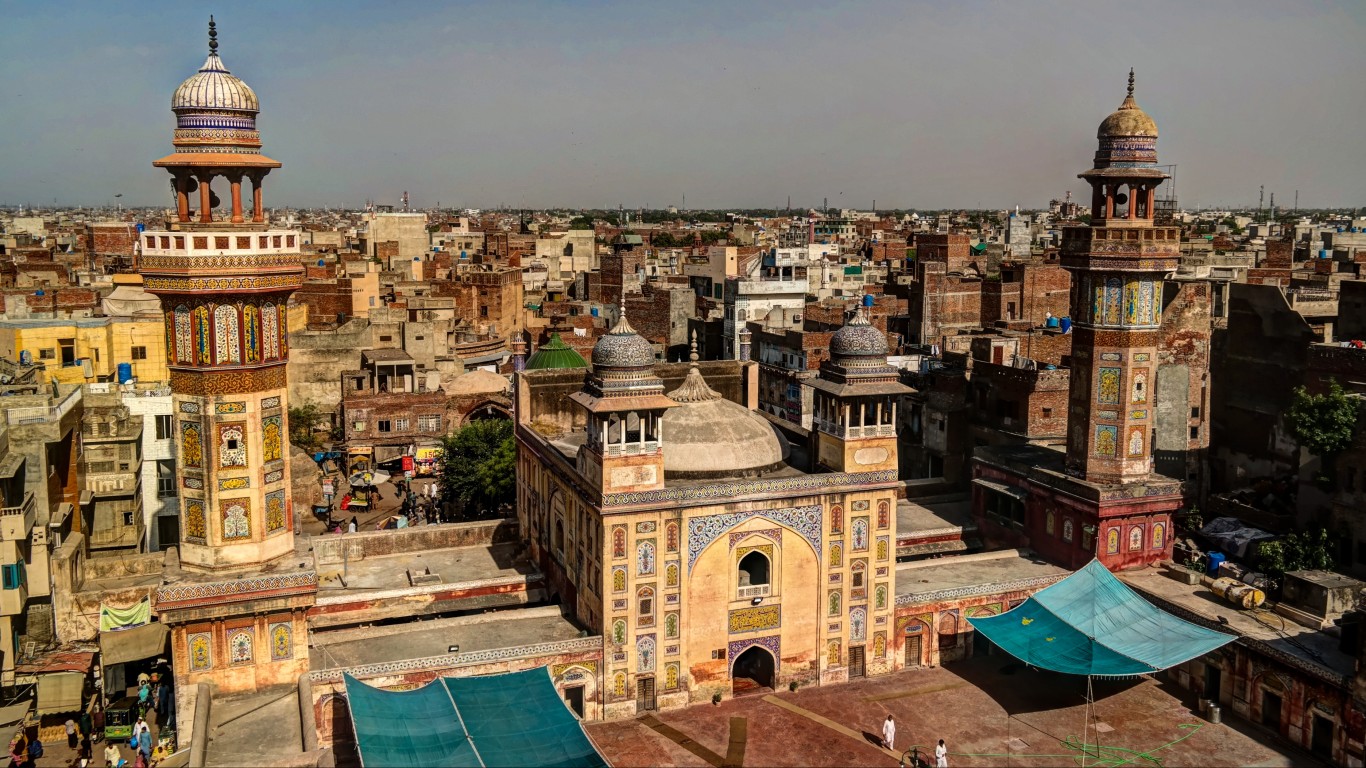
Pakistan
> DST first observed: 1942
> DST last observed: 2009
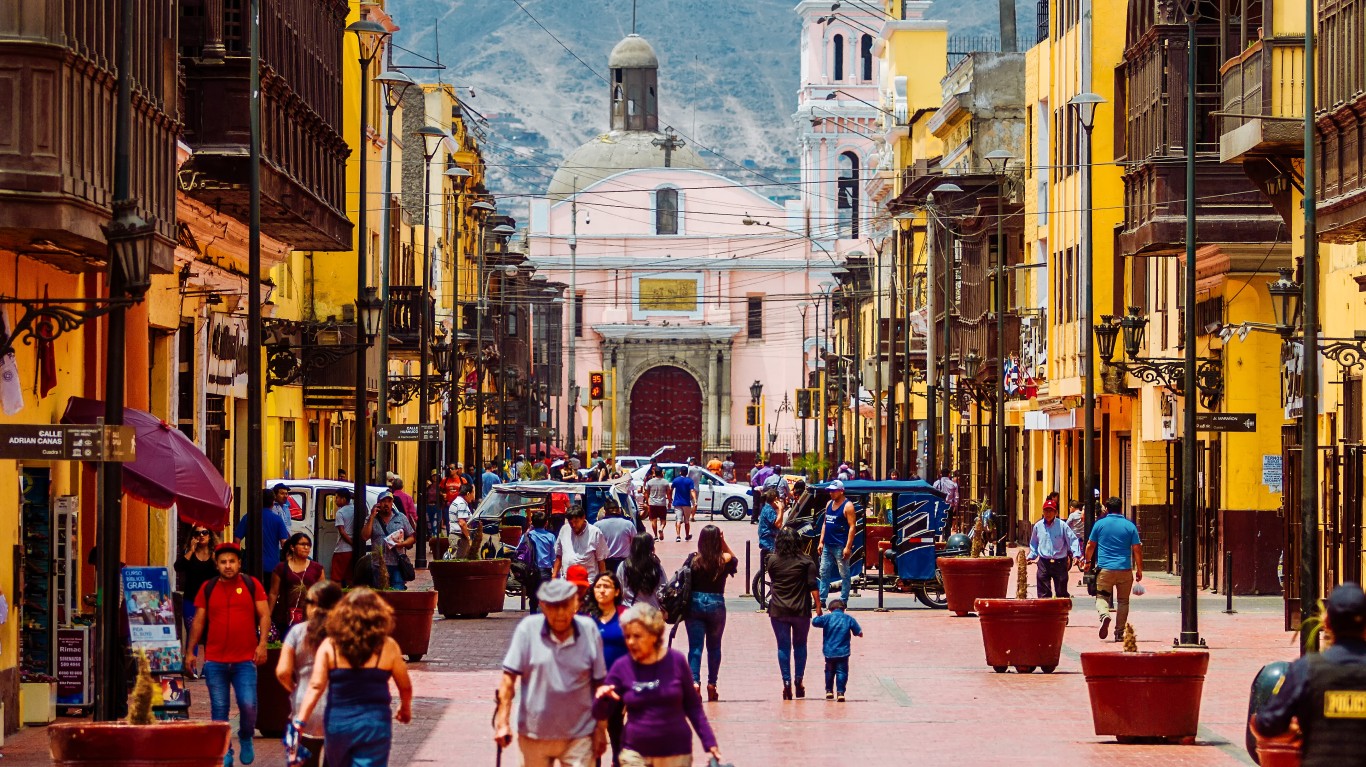
Peru
> DST first observed: 1938
> DST last observed: 1994
[in-text-ad-2]
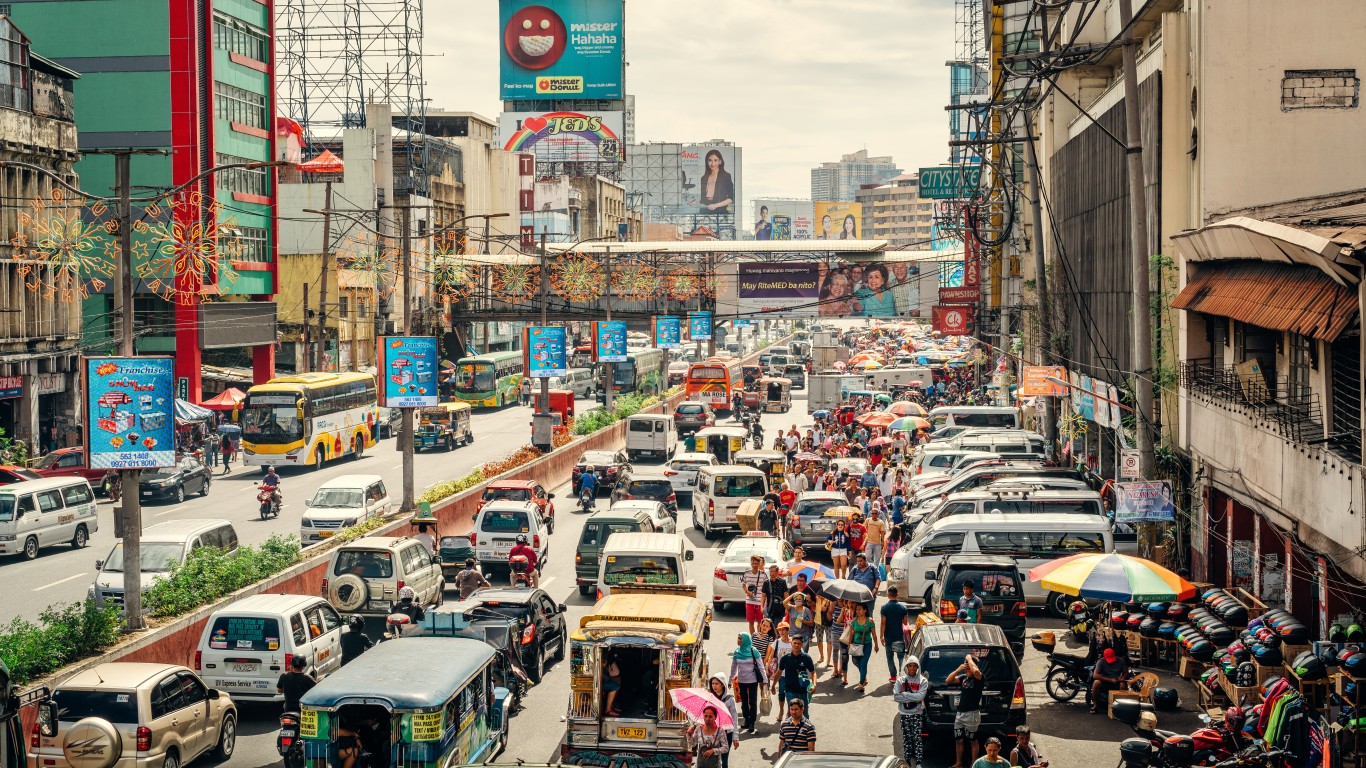
Philippines
> DST first observed: 1936
> DST last observed: 1978


Samoa
> DST first observed: 2010
> DST last observed: 2021
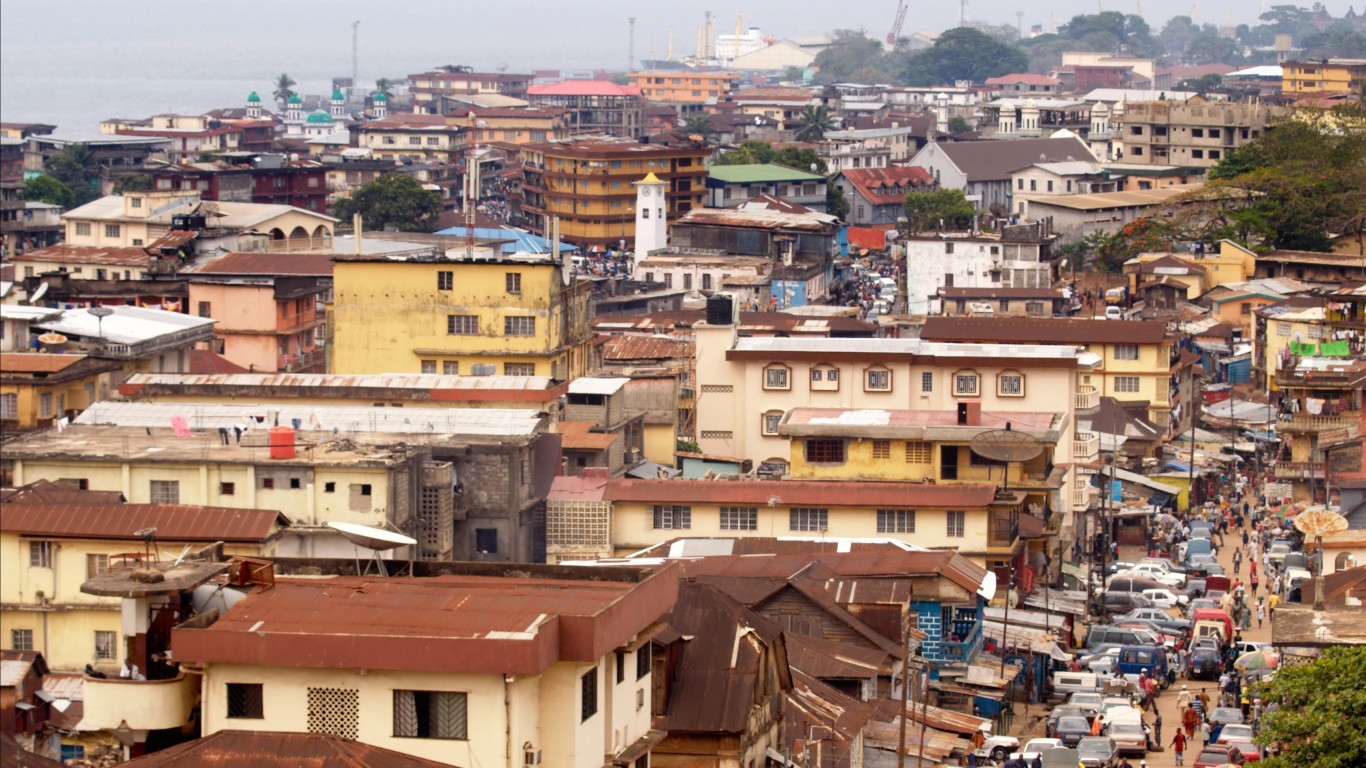
Sierra Leone
> DST first observed: 1935
> DST last observed: 1962
[in-text-ad]

Singapore
> DST first observed: 1933
> DST last observed: 1936

South Africa
> DST first observed: 1942
> DST last observed: 1944
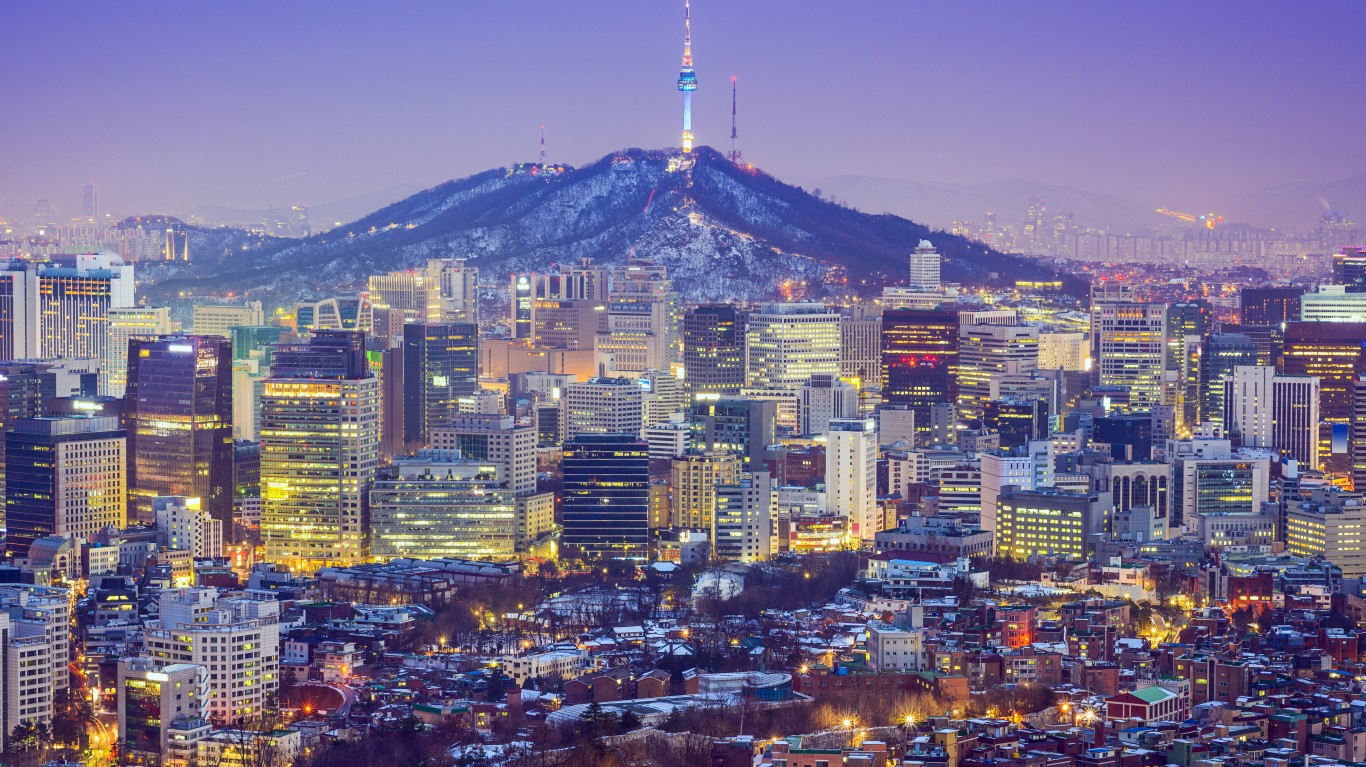
South Korea
> DST first observed: 1948
> DST last observed: 1988
[recirclink id=1110516]
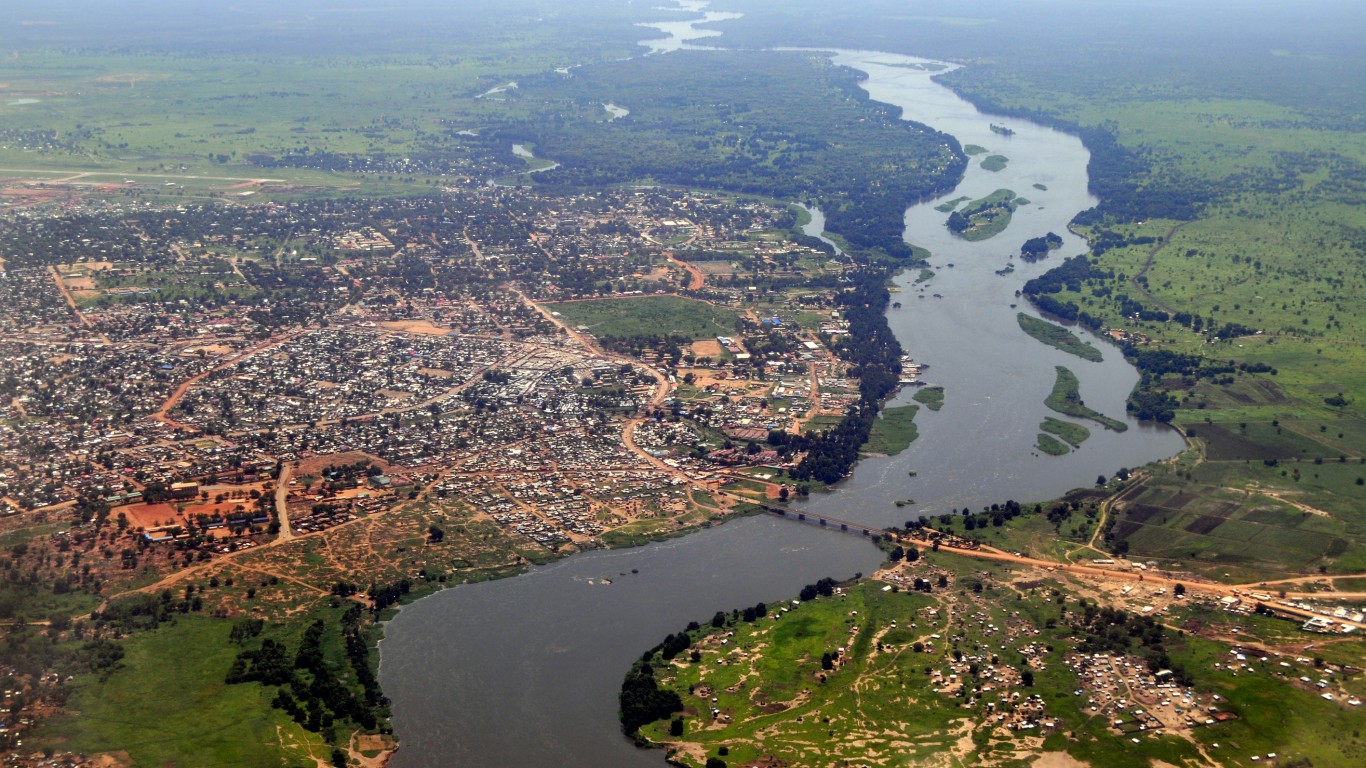
South Sudan
> DST first observed: 1970
> DST last observed: 1985
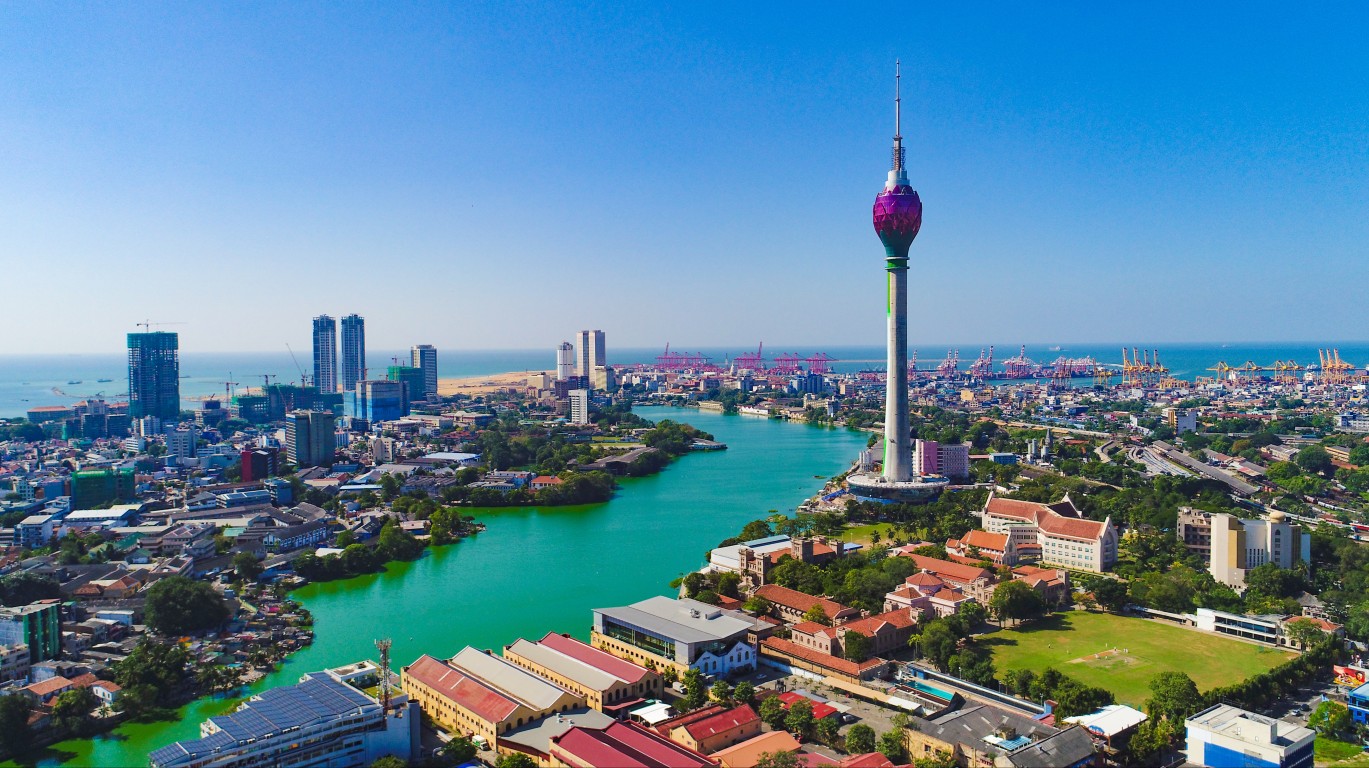
Sri Lanka
> DST first observed: 1942
> DST last observed: 1945

Sudan
> DST first observed: 1970
> DST last observed: 1985
[in-text-ad-2]
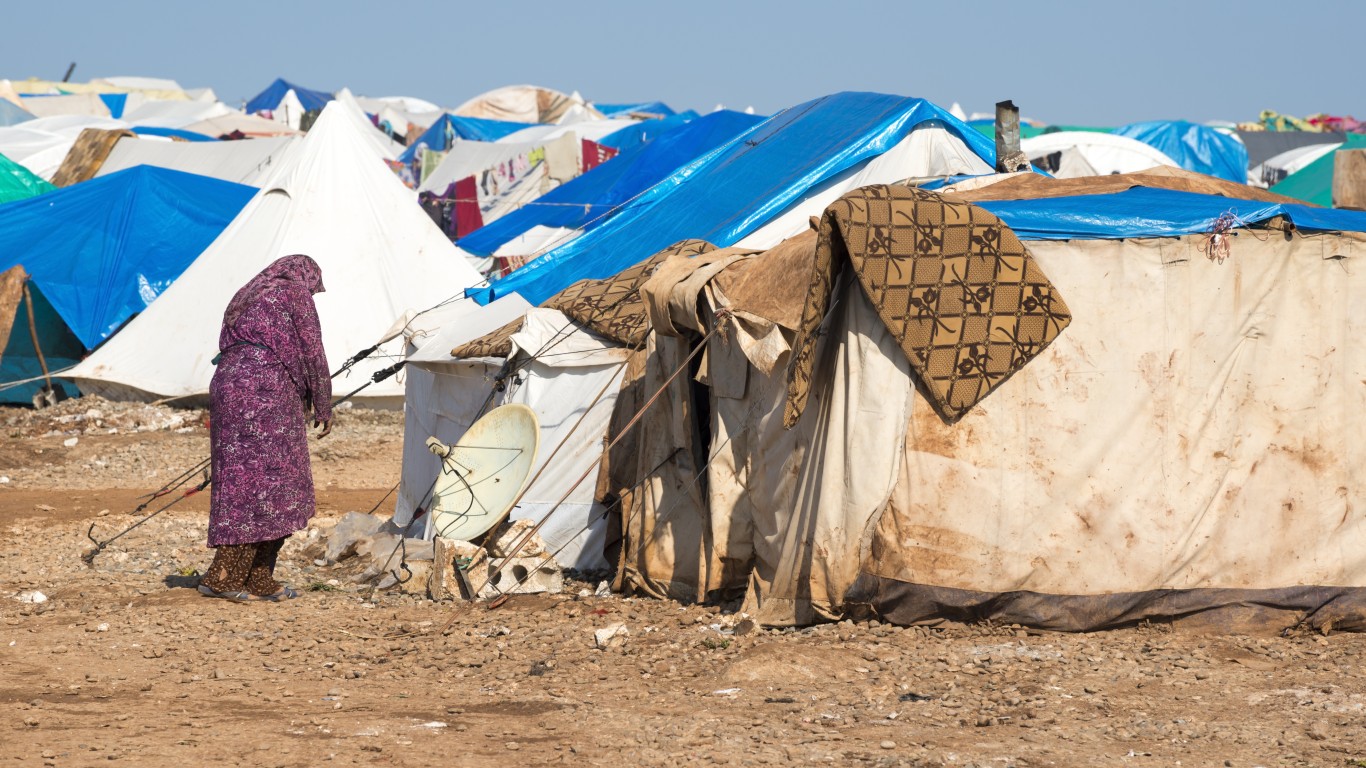
Syria
> DST first observed: 1920
> DST last observed: 2022

Taiwan
> DST first observed: 1946
> DST last observed: 1979

Tajikistan
> DST first observed: 1981
> DST last observed: 1991

Tonga
> DST first observed: 1999
> DST last observed: 2017
[in-text-ad]

Tunisia
> DST first observed: 1939
> DST last observed: 2008
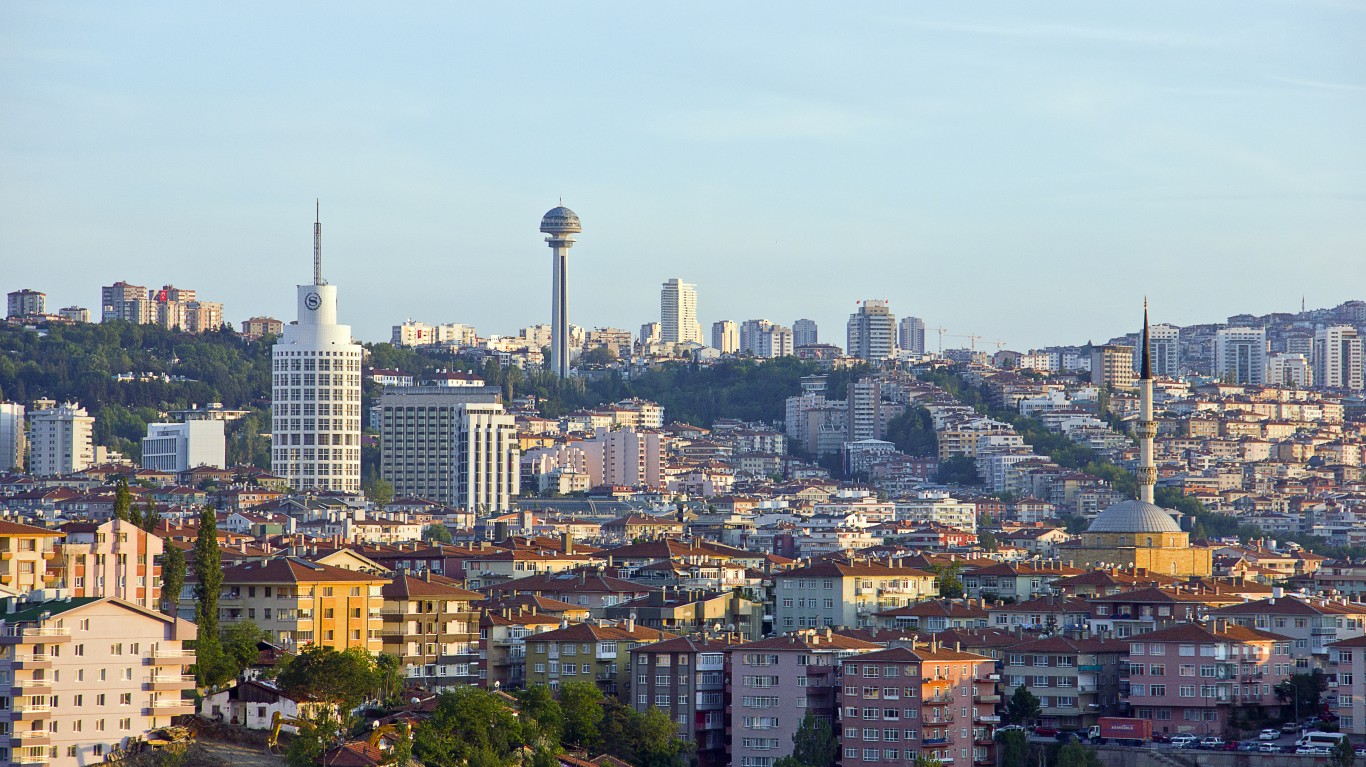
Turkey
> DST first observed: 1916
> DST last observed: 2016
[recirclink id=1066755]
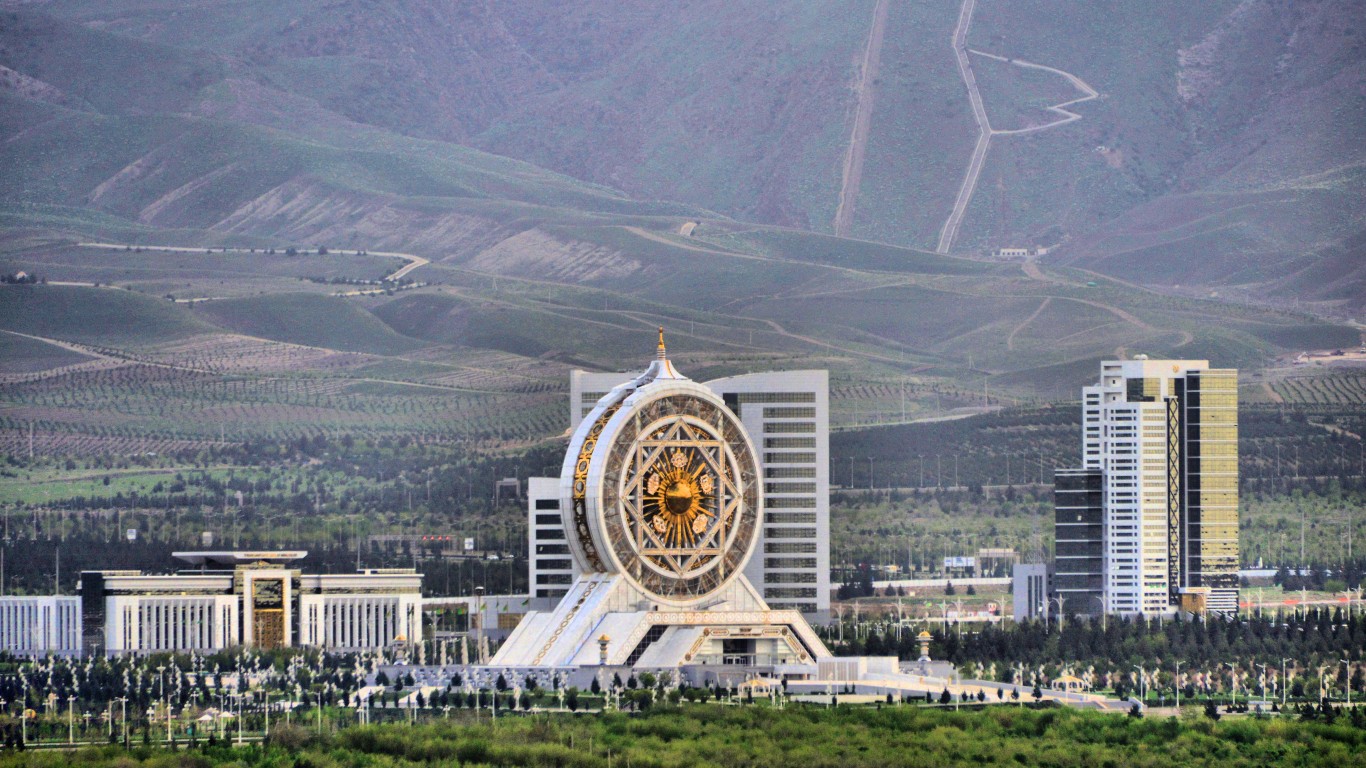
Turkmenistan
> DST first observed: 1981
> DST last observed: 1991

Uruguay
> DST first observed: 1923
> DST last observed: 2015
[in-text-ad-2]

Uzbekistan
> DST first observed: 1981
> DST last observed: 1991
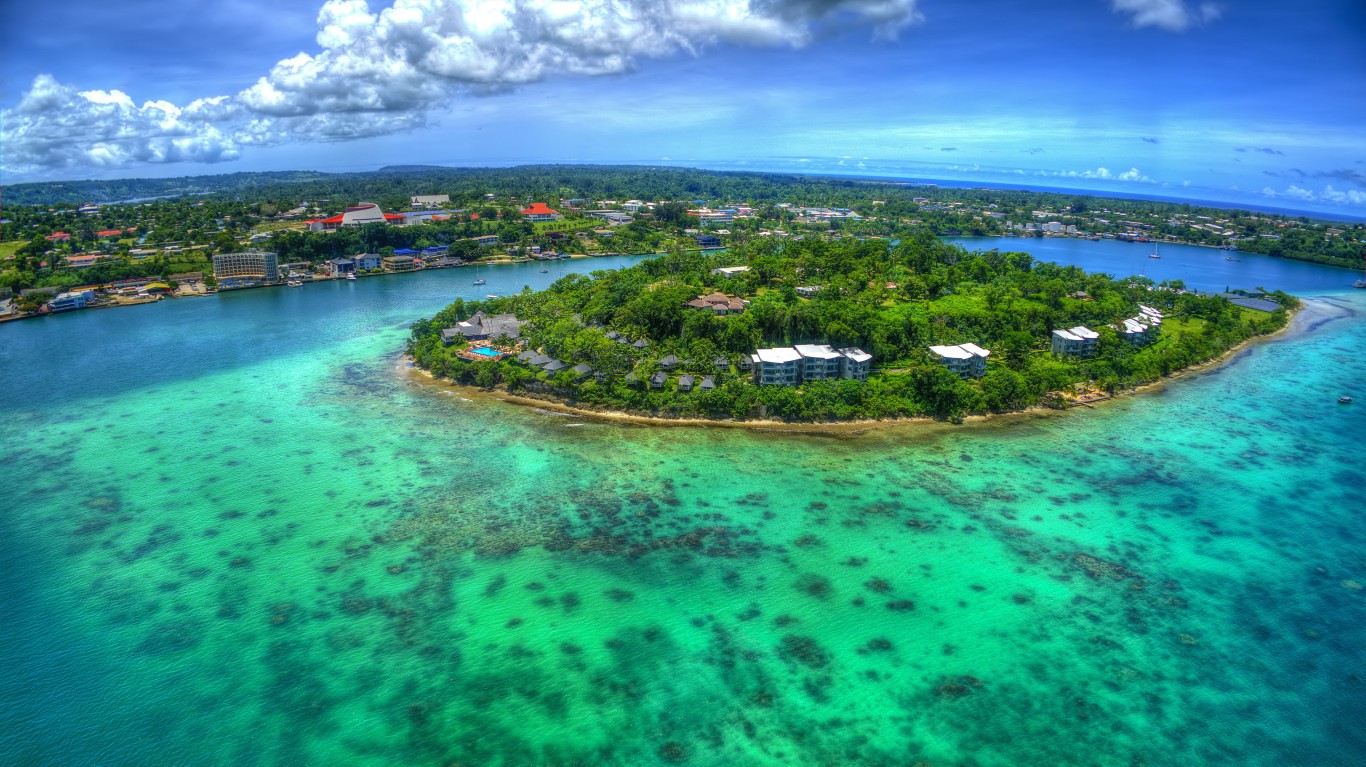
Vanuatu
> DST first observed: 1983
> DST last observed: 1993













 Top Gaining Stocks
 Top Losing Stocks