


24/7 Wall St. Insights
- Japan occupied all or part of over 20 countries during World War II.
- The U.S. and its allies liberated many of the Pacific Islands in hard-fought naval and amphibious battles before ending the war with two atomic bombs.
- Also: 2 Dividend Legends To Hold Forever
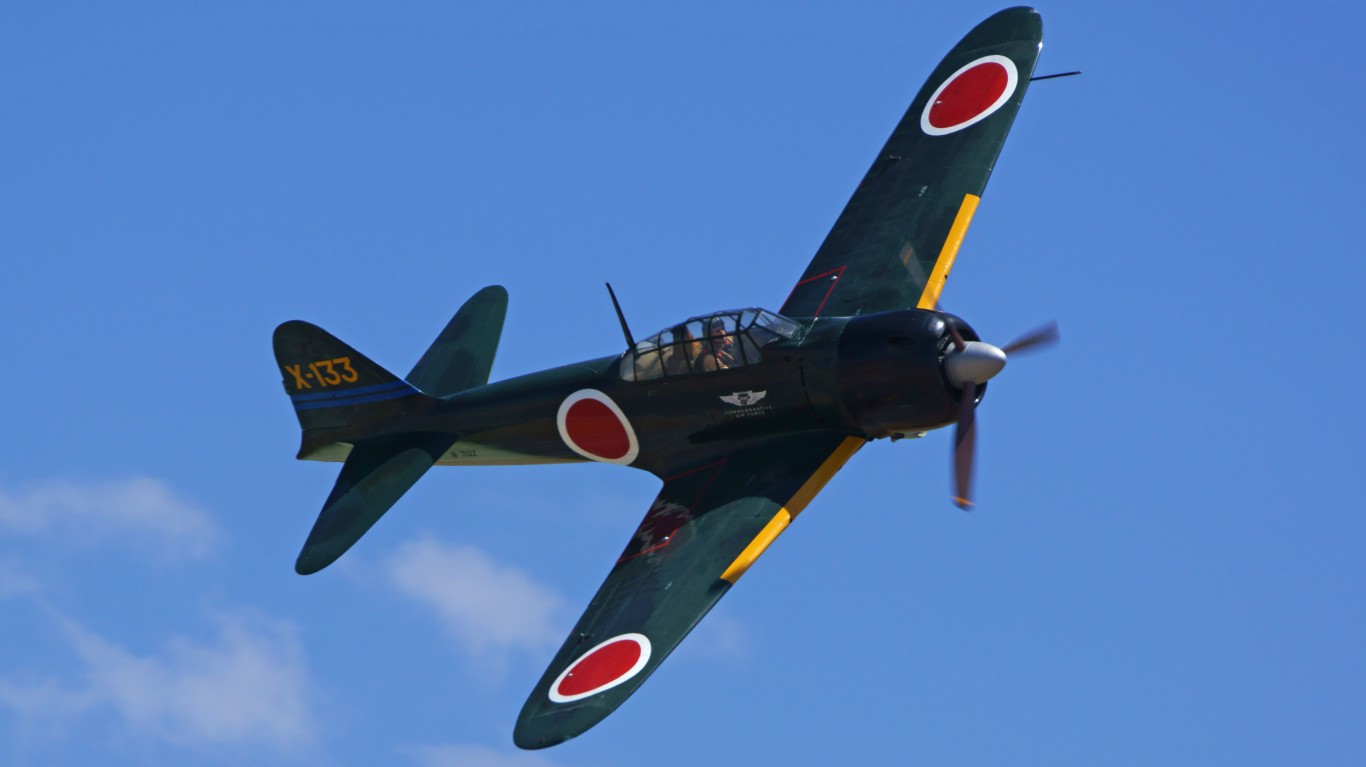
During World War II, Imperial Japan launched one of the most aggressive expansion campaigns in modern history, rapidly seizing territory across East Asia and the Pacific. At its peak, the Japanese empire extended from Manchuria and Korea to Southeast Asia and numerous Pacific island chains, bringing millions of people under military occupation. This vast sphere of control reshaped regional politics, economics, and societies; it also left lasting scars that still influence international relations today. In this article, we explore a selection of modern countries and territories that were under Japanese control during World War II.
This post was updated on November 20, 2025 to include a brief overview of Japan occupied areas during WWII, as well as to clarify Brunei’s status, Cambodia’s Khmer Rouge regime, status of Nauru, details regarding Thailand, gradual liberation of the Philippines, and primary areas of Papua New Guinea under Japanese control.
1. Brunei
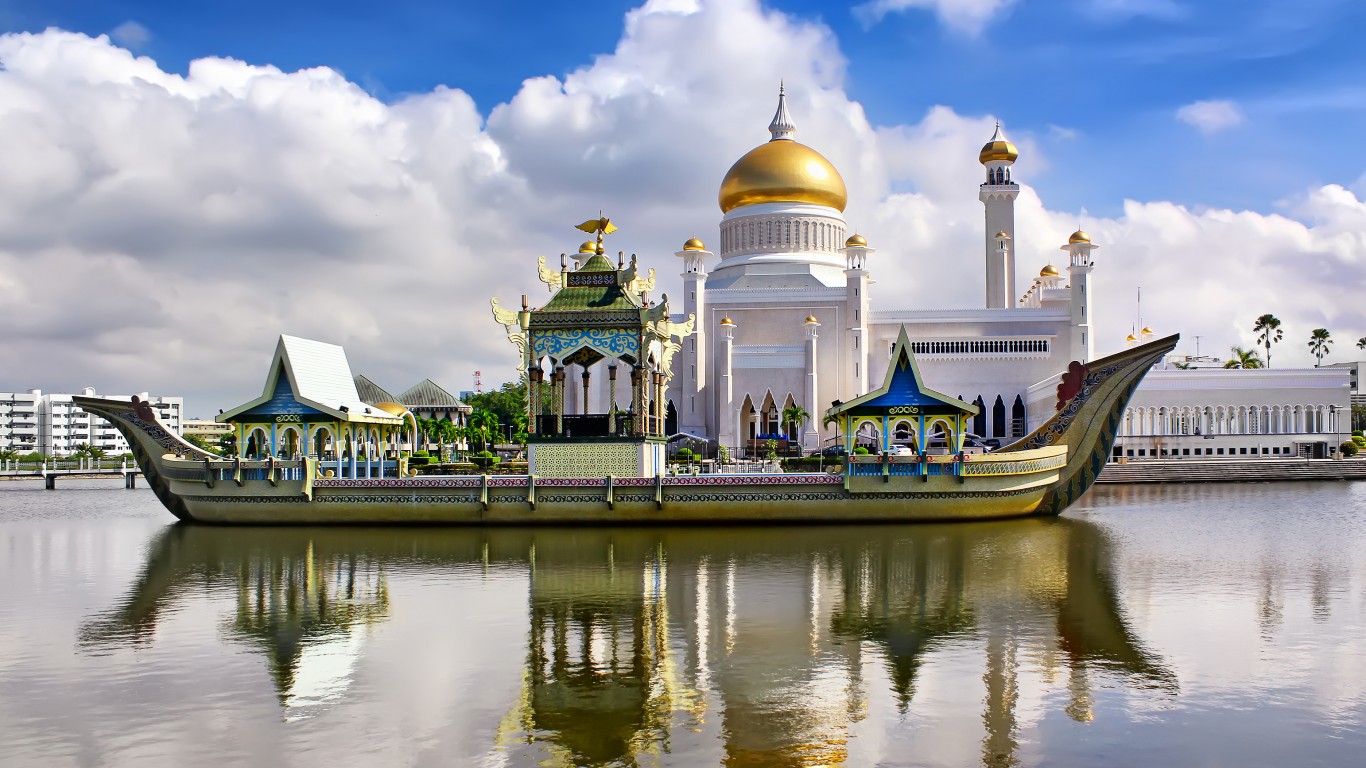
Brunei is an oil-rich sultanate on the island of Borneo, surrounded on its land borders by Malaysia. Japanese forces invaded British Borneo, including Brunei, in mid-December 1941 and occupied it until mid-1945, when Allied operations and Japan’s surrender ended their control.
2. Cambodia
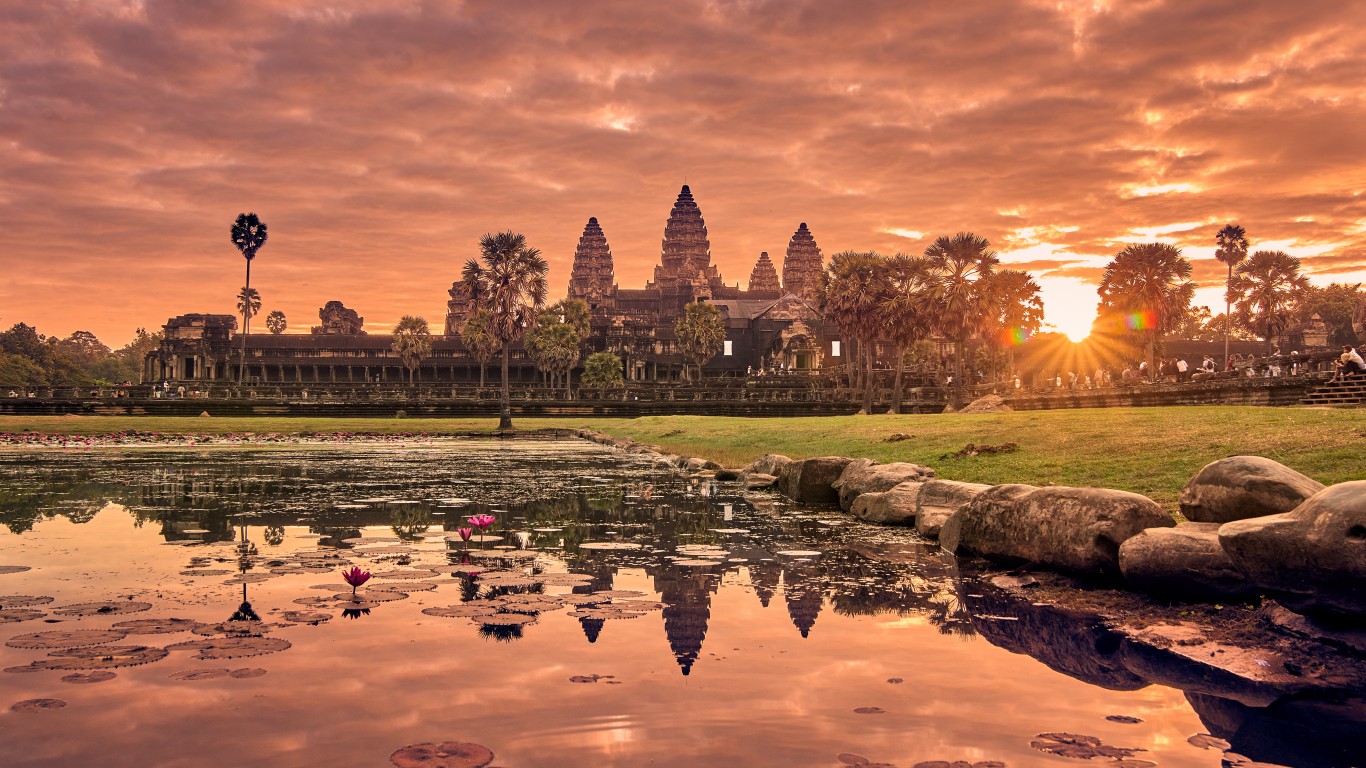
Cambodia, a part of French Indochina before the war, was under Japanese occupation from 1941-1945. After the war, Cambodia went through a long period of turmoil, including the brutal Khmer Rouge regime in the 1970s and later Vietnamese intervention.
3. China
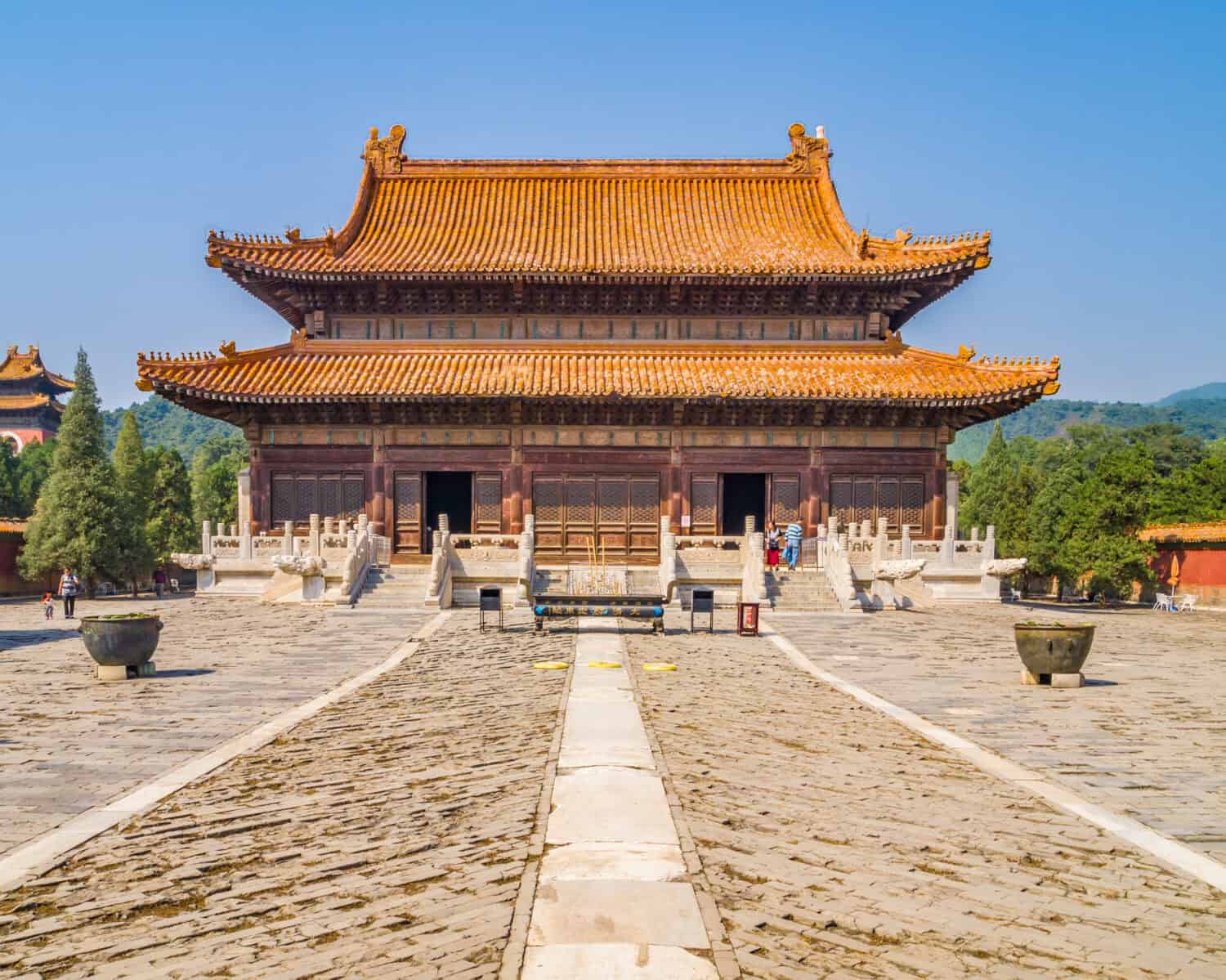
Japan began invading China well before World War II. In 1931 they took over Manchuria and set it up as a separate country called Manchukuo that was under Japanese control. In 1937 the second Sino-Japanese War broke out and Japan occupied significant parts of China until the war ended in 1945. Some of the worst Japanese atrocities of the war occurred in their brutal efforts to subdue China. Communist rebels who had been fighting the Chinese government suspended their rebellion and helped fight to defend the country from the invaders, then restarted the civil war once the country was secured again.
4. Federated States of Micronesia
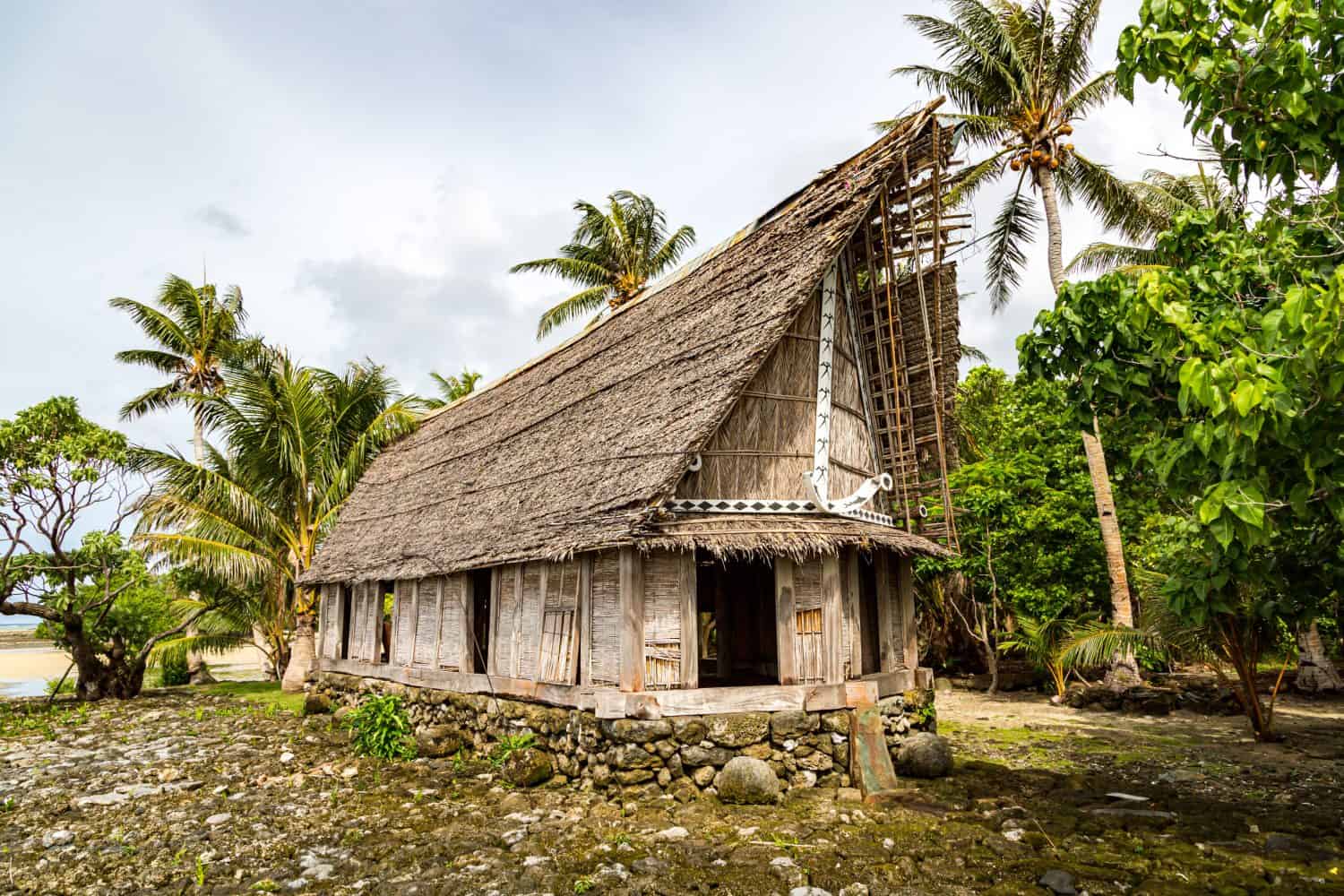
Today’s independent Federated States of Micronesia is a country consisting of over 500 different islands in the Pacific Ocean. Formerly called the Caroline Islands, they were colonized by Spain until Germany bought them near the end of the 19th century. After World War I the League of Nations entrusted them to Japan, but after World War II the United States administered them as a trust before granting independence in 1986.
5. Indonesia
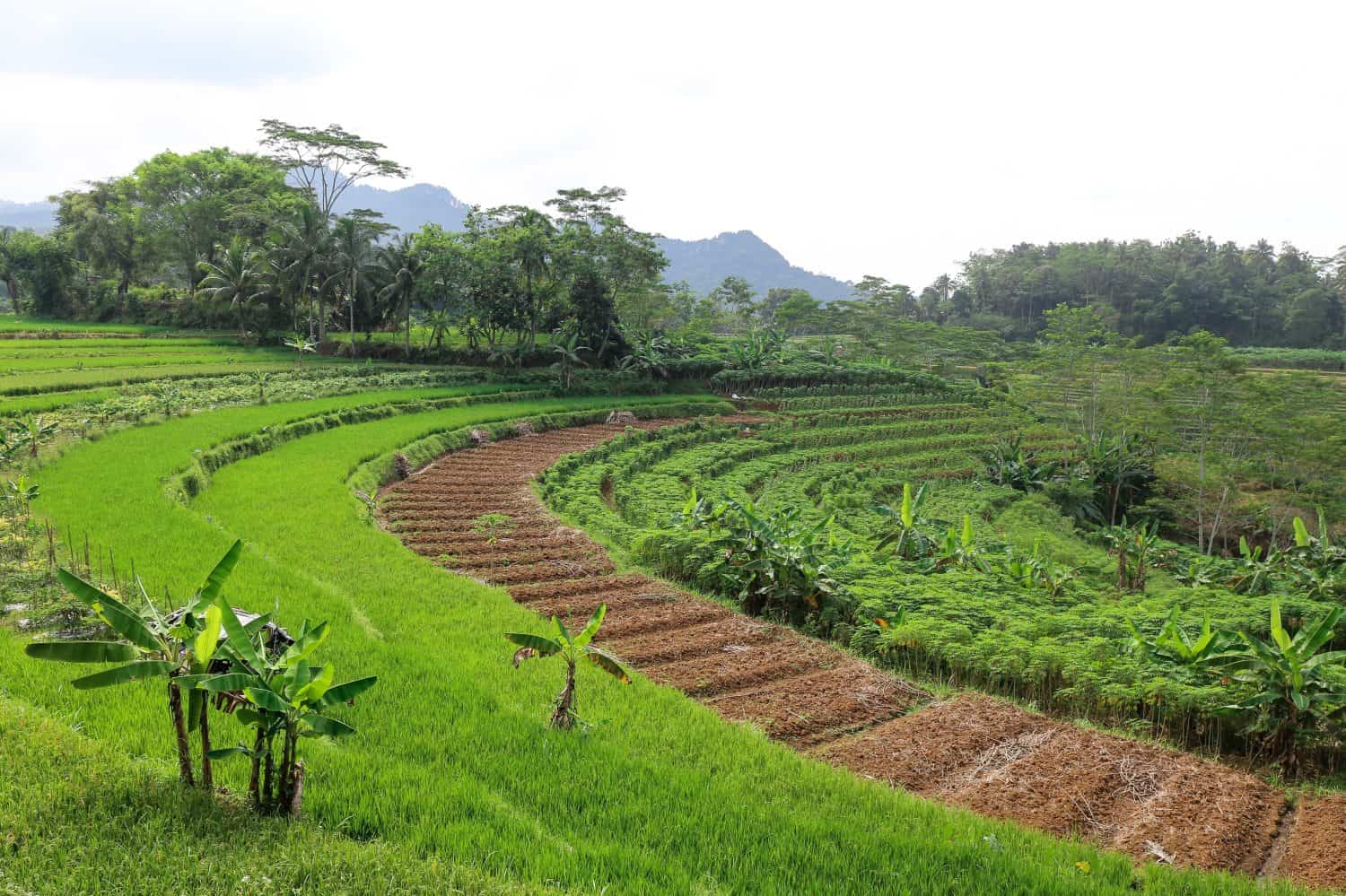
Indonesia was a colony of the Netherlands known as the Dutch East Indies. Japan occupied them from 1942-1945. They were a significant source of raw materials for the Japanese war effort but they also posed a significant threat to Australia, where Japan bombed the city of Darwin several times. Indonesia declared its independence soon after the Japanese surrender.
6. Kiribati
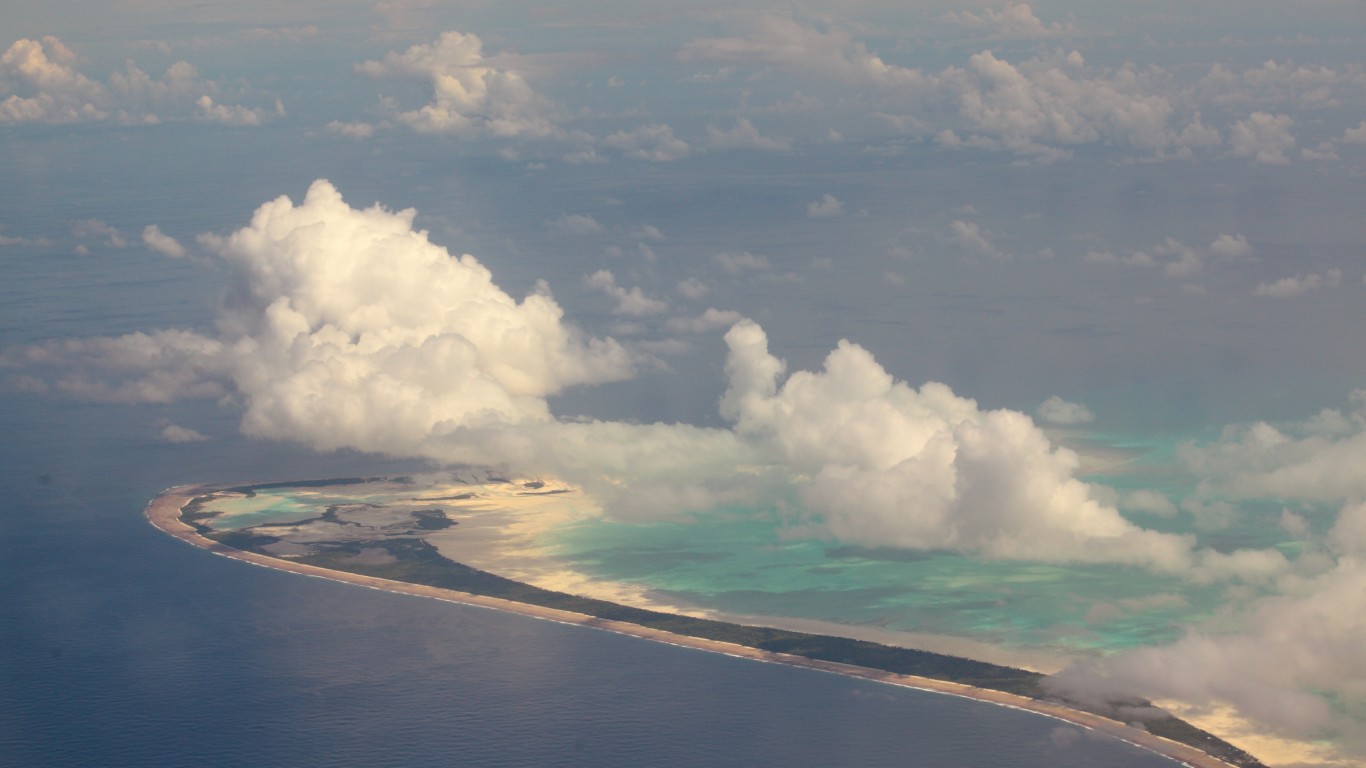
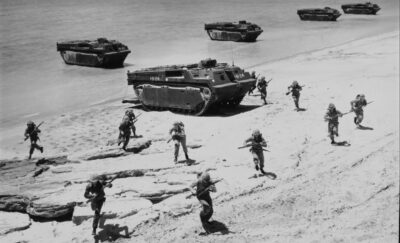
Kiribati was under British rule before the war. The islands of the North Gilbert group were occupied by Japan from 1941-1943. The U.S. Marines fought the fierce Battle of Tarawa to liberate them.
7. Korea (North and South)
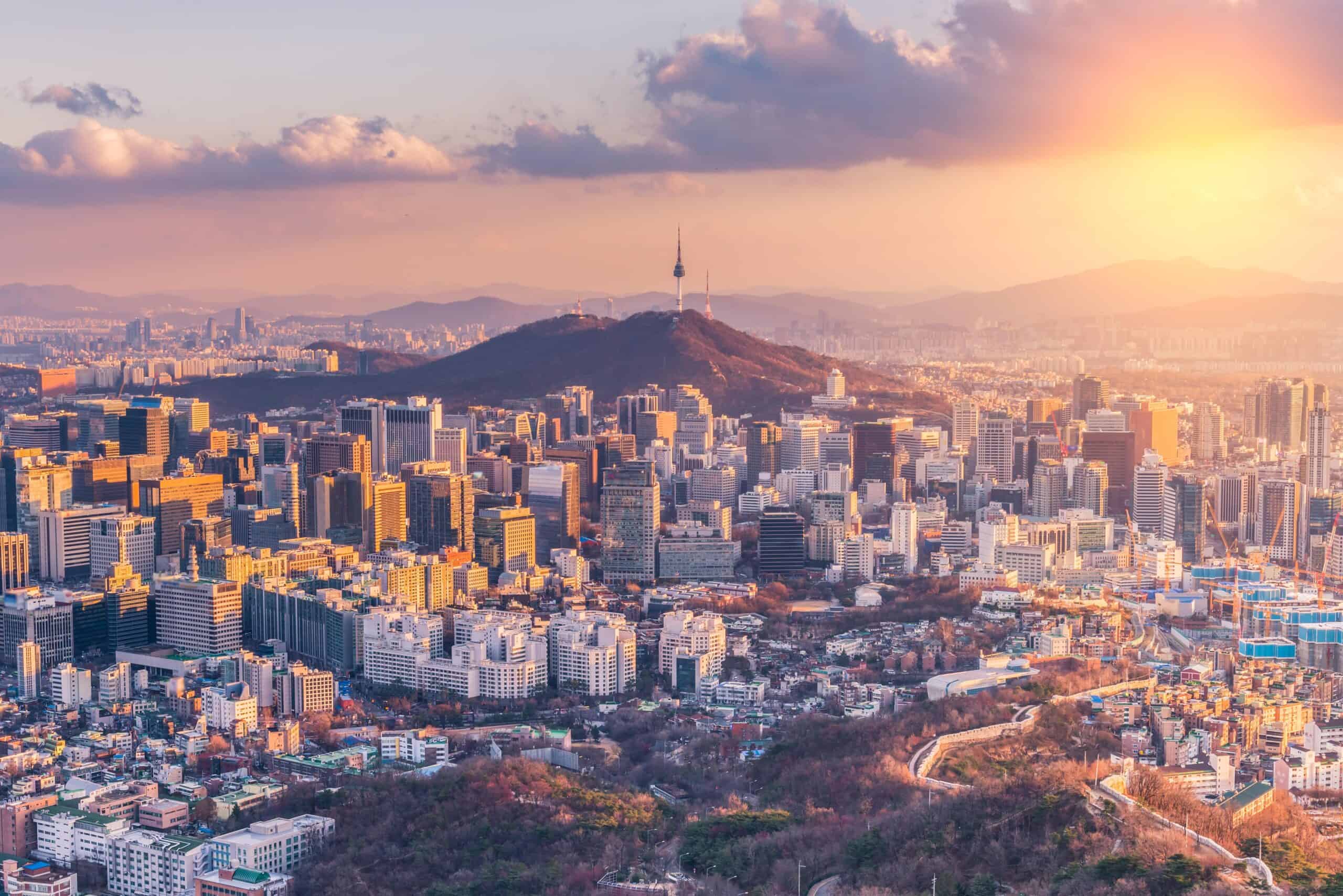
Japan annexed Korea as a colony in 1910 and tried to suppress Korean culture. The peninsula gave the Japanese a significant beachhead on the Asian mainland that made their subsequent attacks on China much more effective. After the war, Korea was divided into northern and southern zones of occupation and the Soviet Union set up a communist state in the north.
8. Laos
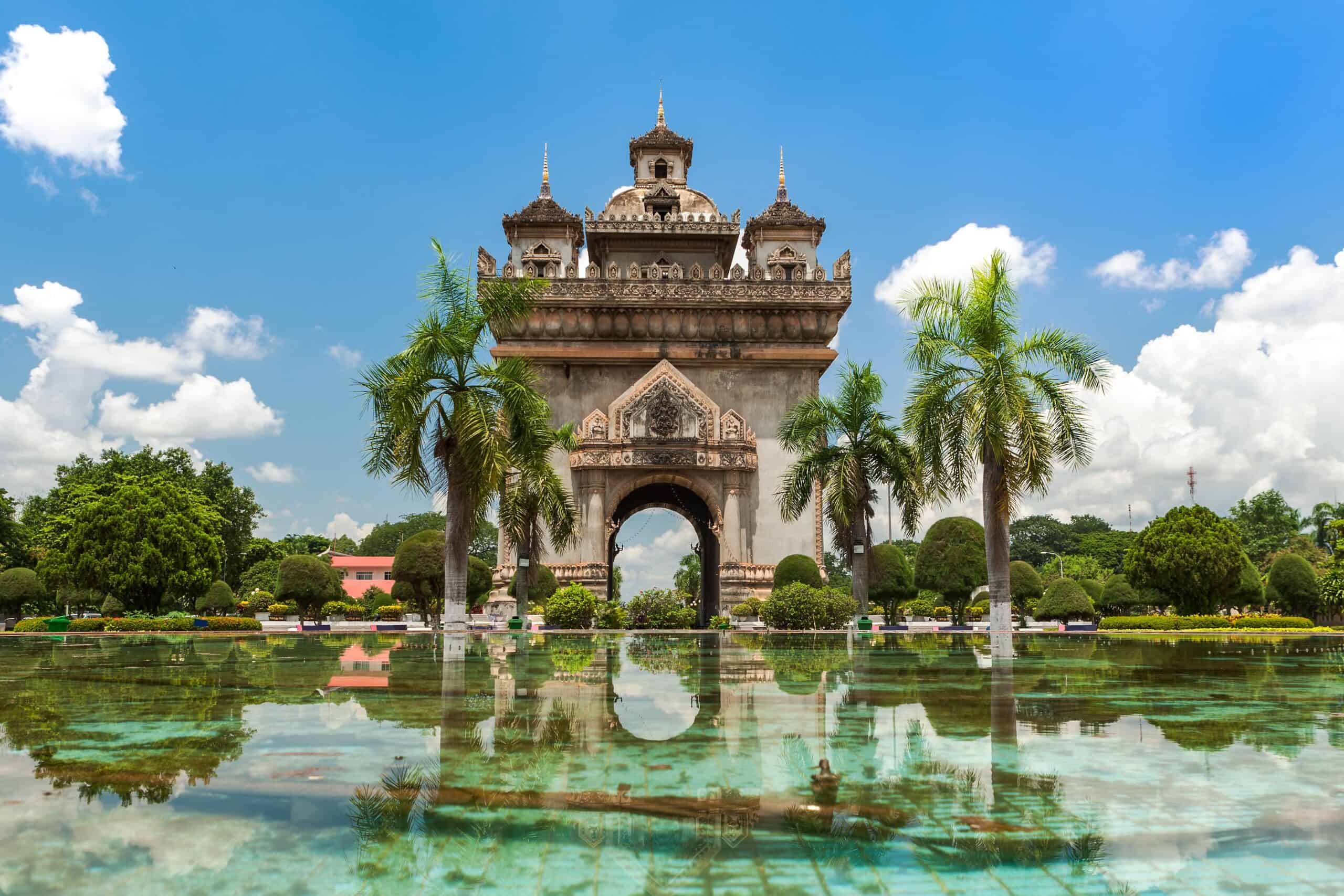
Laos was a part of French Indochina. Japan took it over in 1941 and didn’t leave until 1945. Today, it is one of the few remaining communist countries in the world.
9. Malaysia
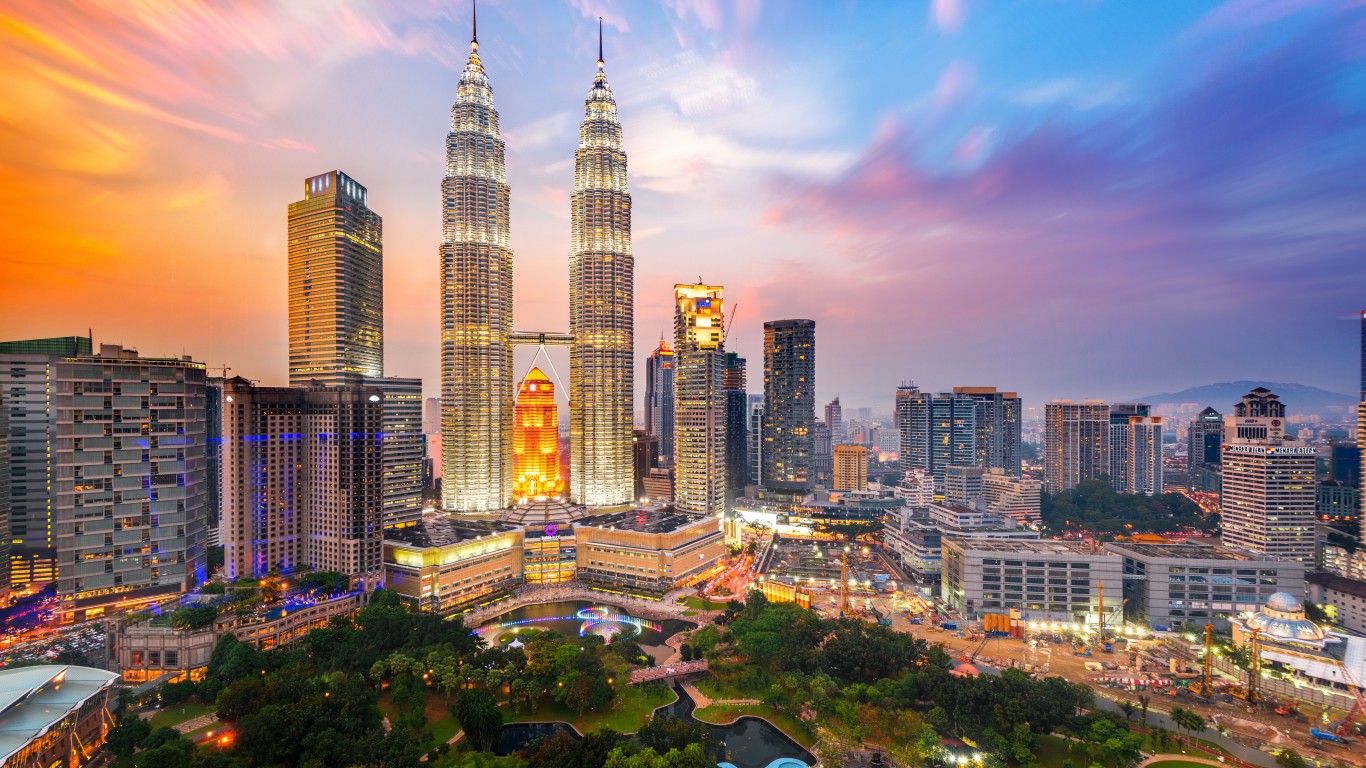
The modern country of Malaysia is split into two parts on the Malay Peninsula and the northwestern coast of the island of Borneo. Before the war it was a British colony and was occupied by the Japanese from 1941-1945.
10. Marshall Islands
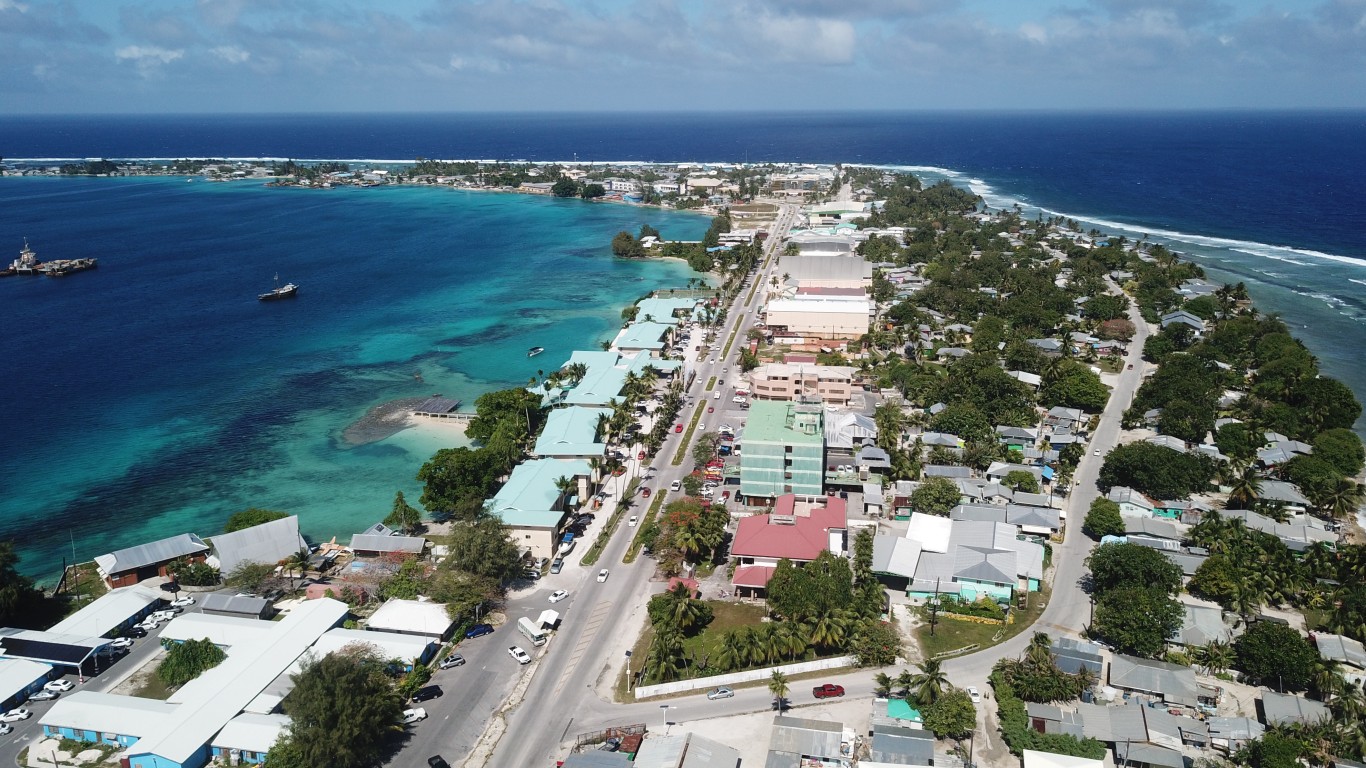
The Marshall Islands were a Spanish colony and later a German one before the Japanese took control of them in 1914. The occupation lasted until 1945, when the Marshall Islands became a U.S. trust territory. They became independent in 1986.
11. Myanmar
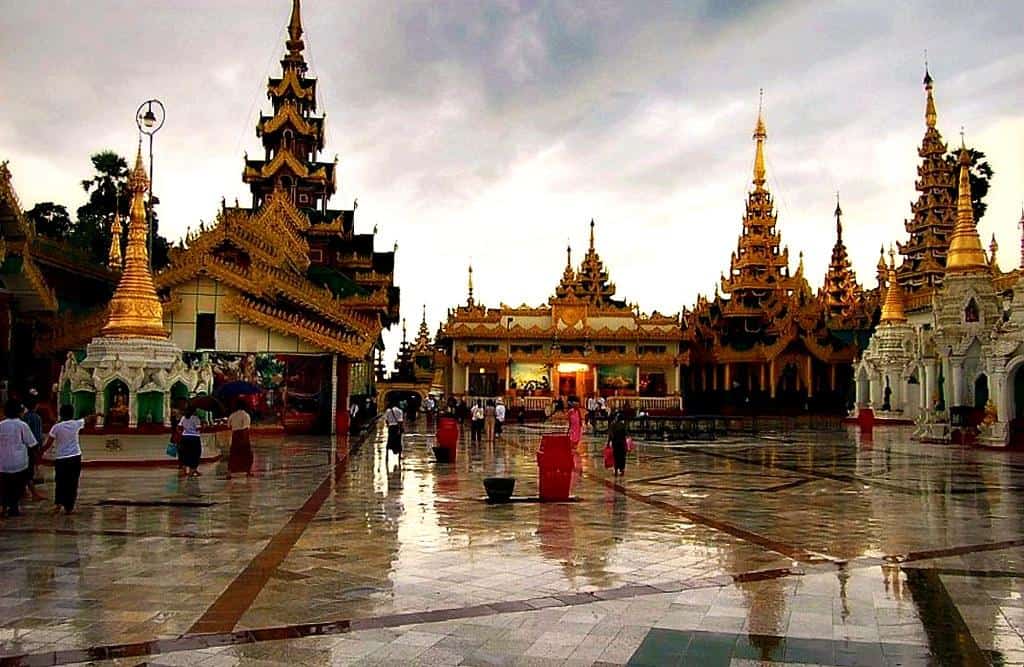
Myanmar was called Burma before World War II and was a British colony, along with neighboring India. Japan took it over for its resources in 1942. The allies recaptured it in a counteroffensive in 1944 with difficult jungle fighting.
12. Nauru
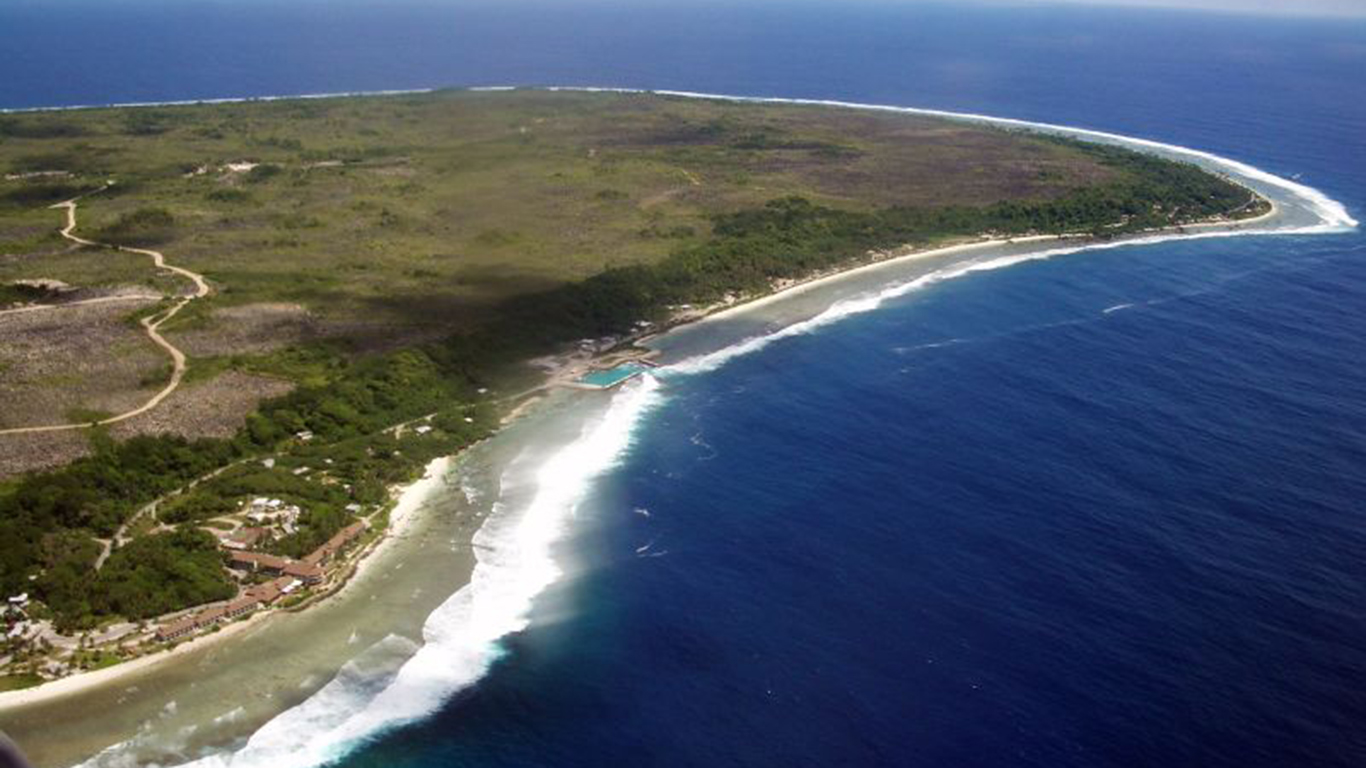
Nauru is a small island nation with a population of less than 11,000 people today. Nauru was a German colony and then a League of Nations mandate administered by Australia, Britain, and New Zealand; Japan occupied the island from 1942 to 1945, largely because of its valuable phosphate deposits.
13. Palau
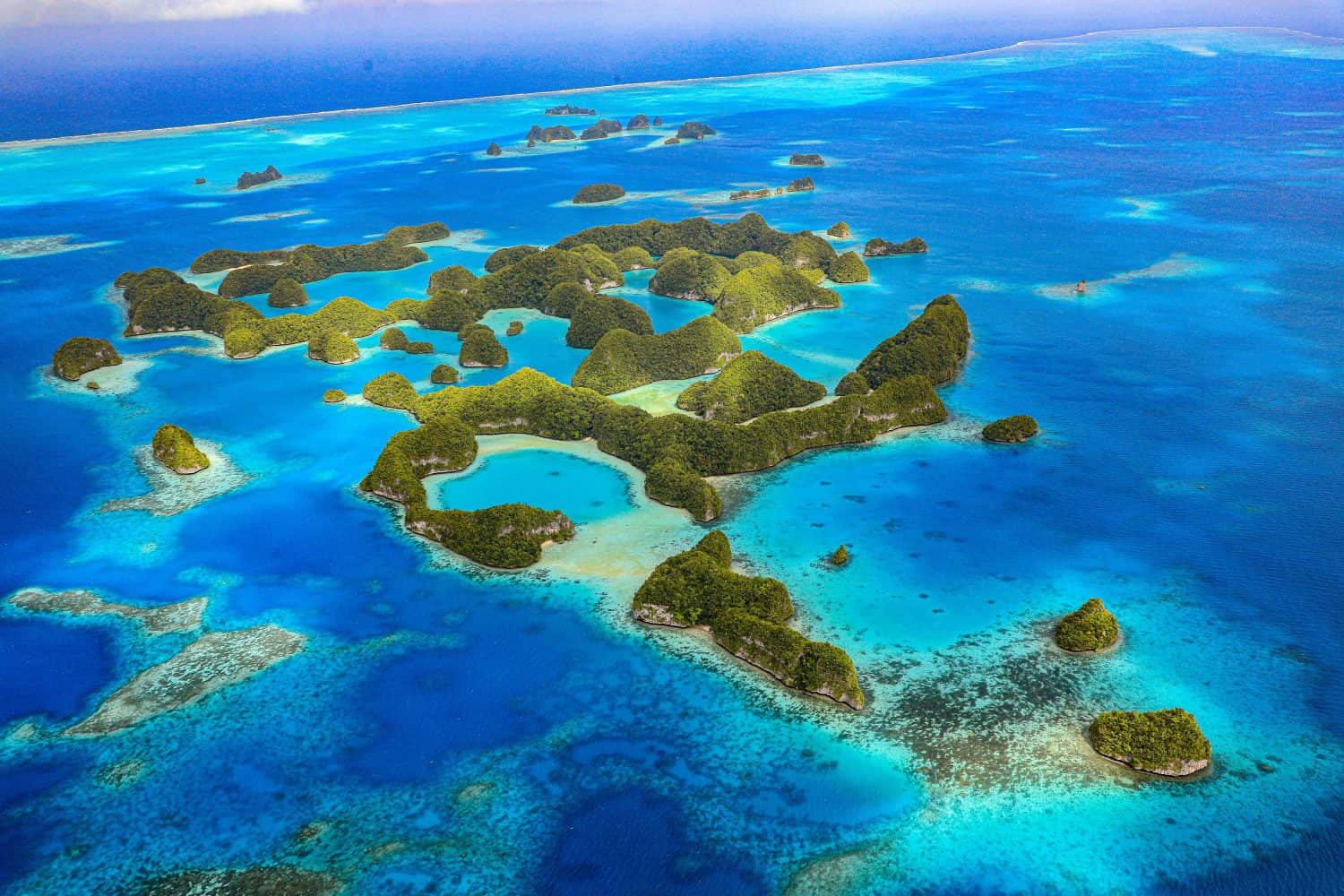
Palau was part of the South Seas Mandate entrusted to Japan by the League of Nations after Germany, the colonizing power, was defeated in World War I. The islands were under Japanese rule from 1920-1945. The United States controlled it as a United Nations trust until 1994. Although independent, it has a close connection with the United States in a Compact of Free Association.
14. Papua New Guinea
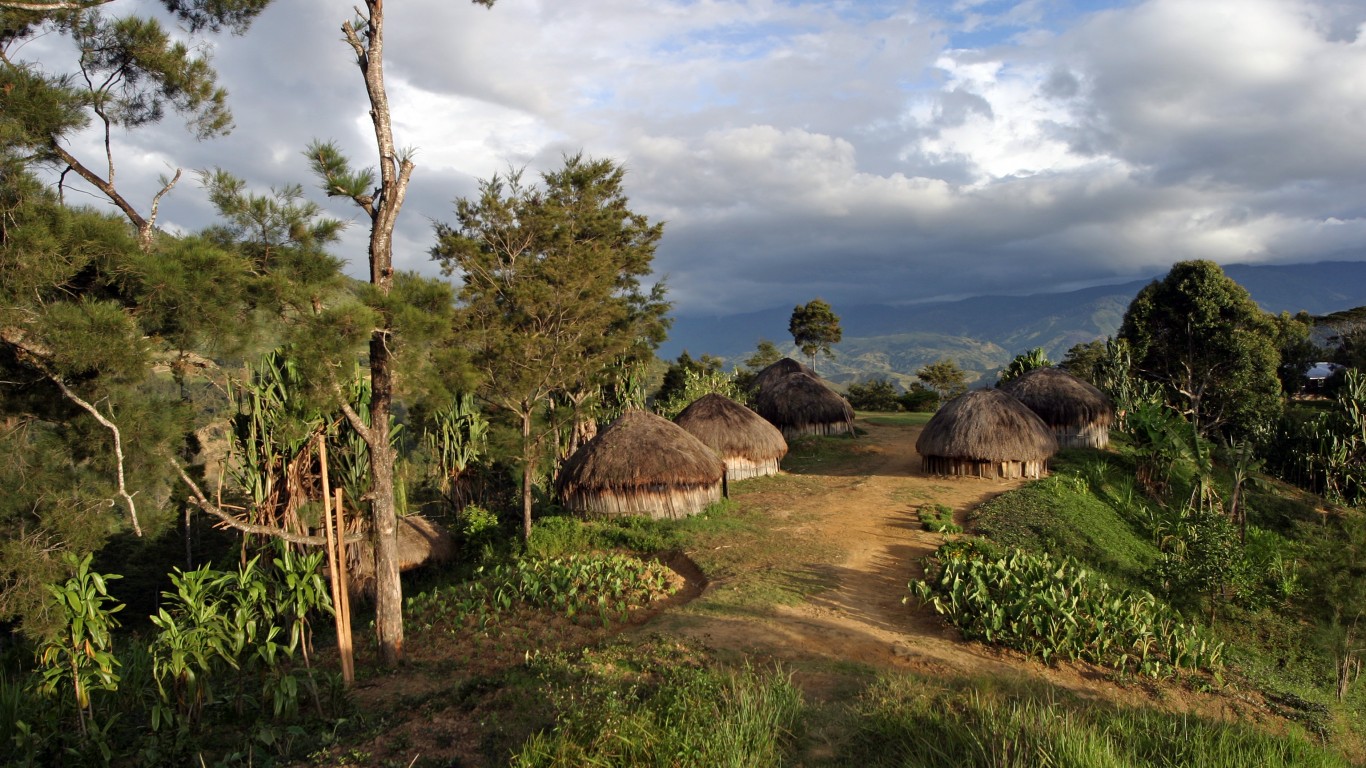
Papua New Guinea was divided between the German and British empires before World War I but administered by Australia starting in 1920. Japan occupied large areas of what is now Papua New Guinea from 1942 to 1945, especially the northern coasts and nearby islands, turning the region into a major battleground. After the war, Australian administration resumed and the country became independent in 1975.
15. Philippines
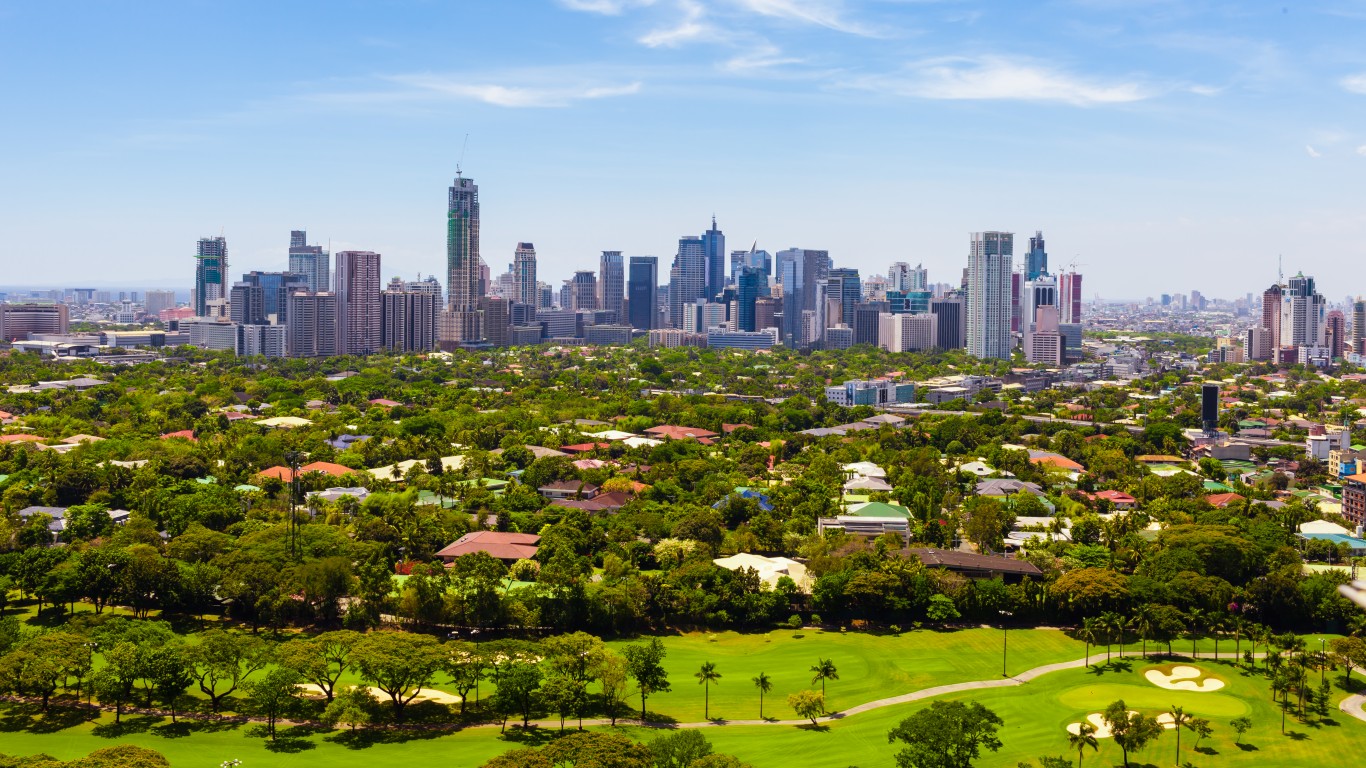
The United States acquired the Philippines from Spain in 1898 for $20 million after winning the Spanish-American War. The Japanese invaded just a few hours after the attack on Pearl Harbor in 1941. Allied forces began liberating the Philippines in late 1944 and continued intense fighting through 1945. The Philippines became fully independent on July 4, 1946.
16. Singapore
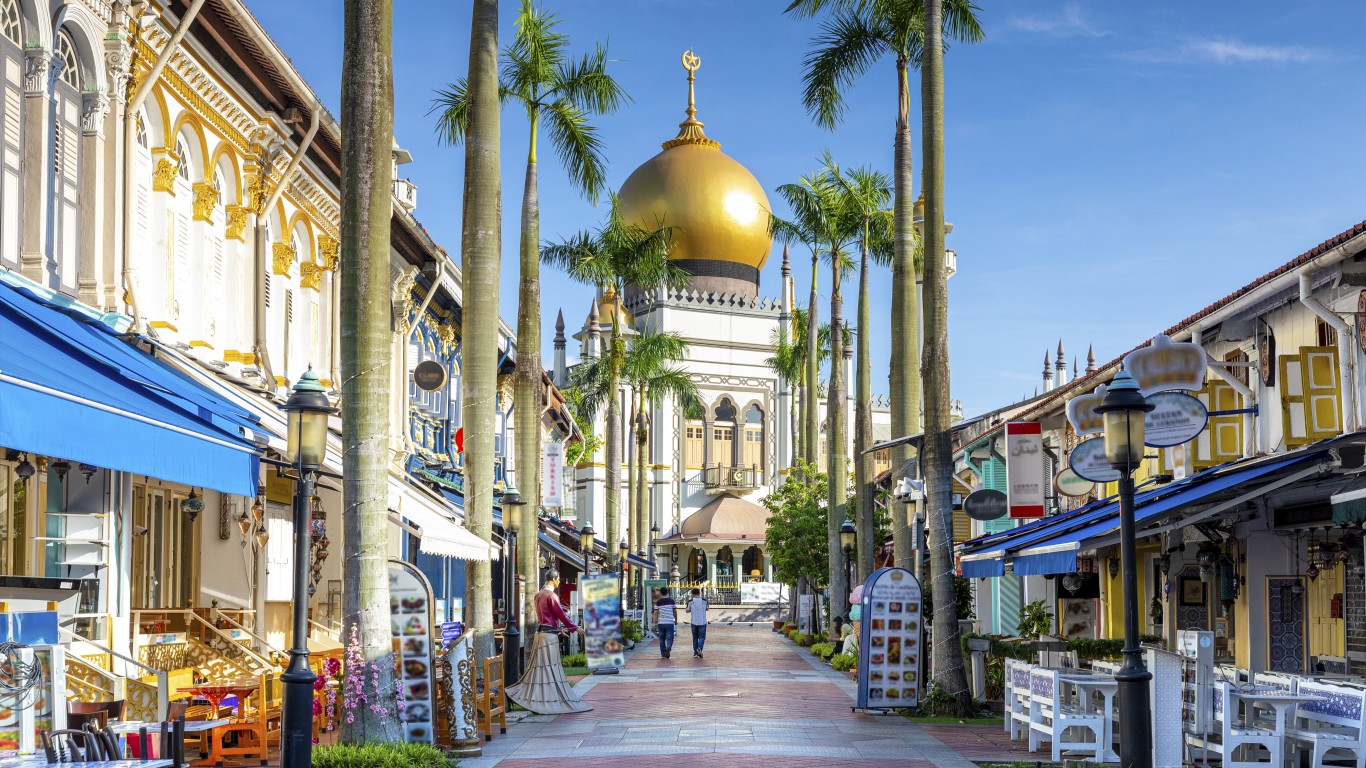
Singapore, a wealthy city-state at the tip of the Malay Peninsula, was under British control until the Japanese occupation from 1942-1945.
17. Solomon Islands
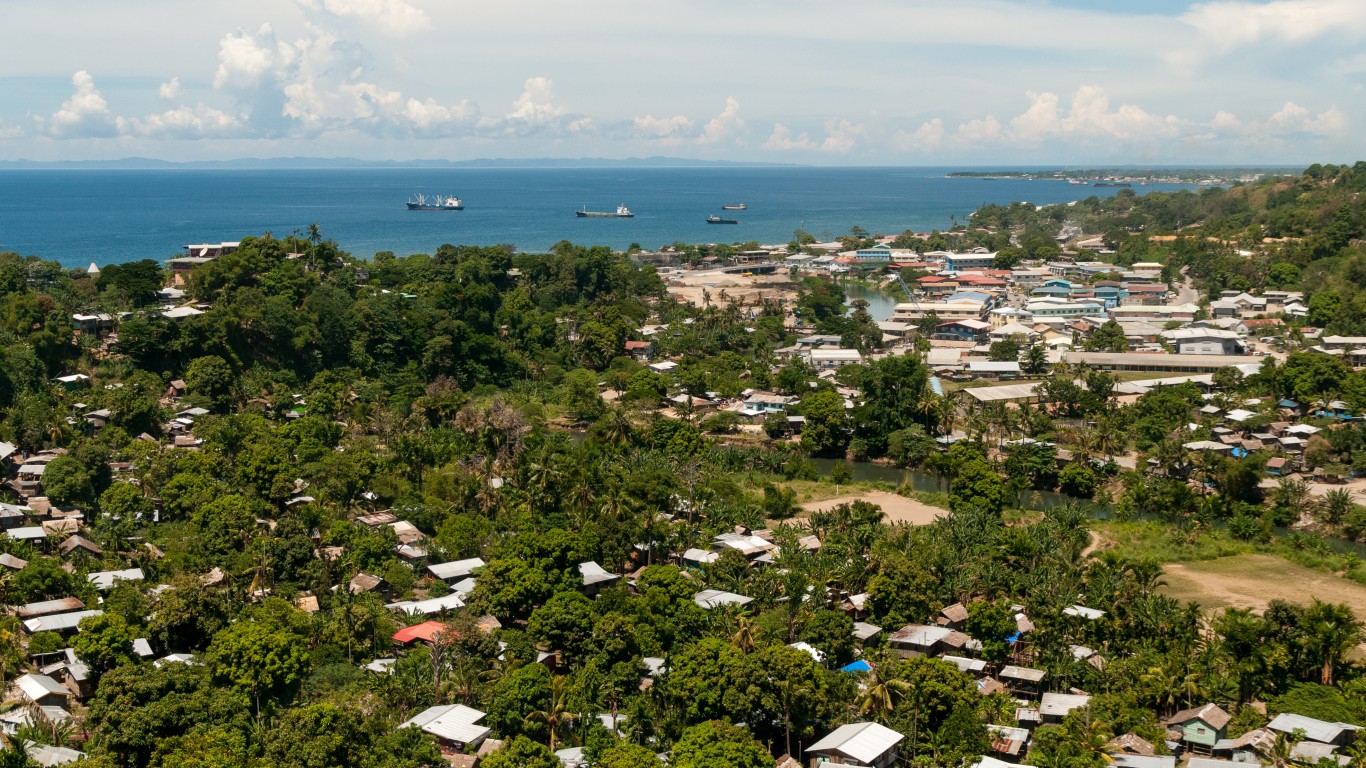
The Solomon Islands to the east of Papua New Guinea were under British administration before the war but were occupied by Japan starting in 1942. The following year, an allied counteroffensive ejected the invaders from Guadalcanal and was considered a major turning point that began reversing the tide of the war in the South Pacific.
18. Taiwan
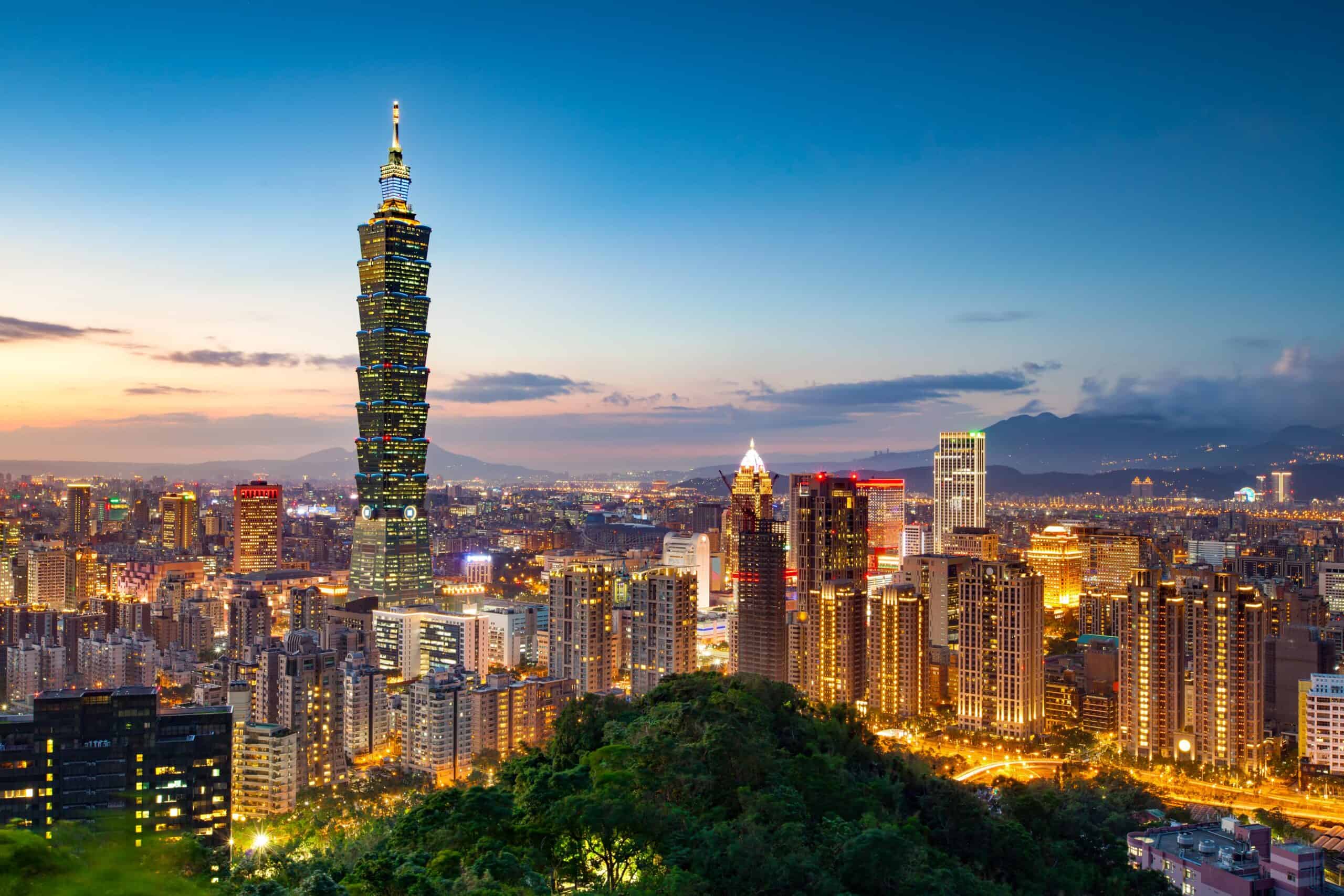
Taiwan was under Japanese rule for 50 years before World War II, starting in 1895, but was liberated in 1945. After the war, the Chinese civil war restarted. As the tide on the mainland turned toward the communists, the nationalist forces retreated to Taiwan in 1949, with about 2 million civilian and military personnel taking refuge there. This is still an unresolved problem, as the People’s Republic of China still claims the island and may attempt to retake it by force.
19. Thailand
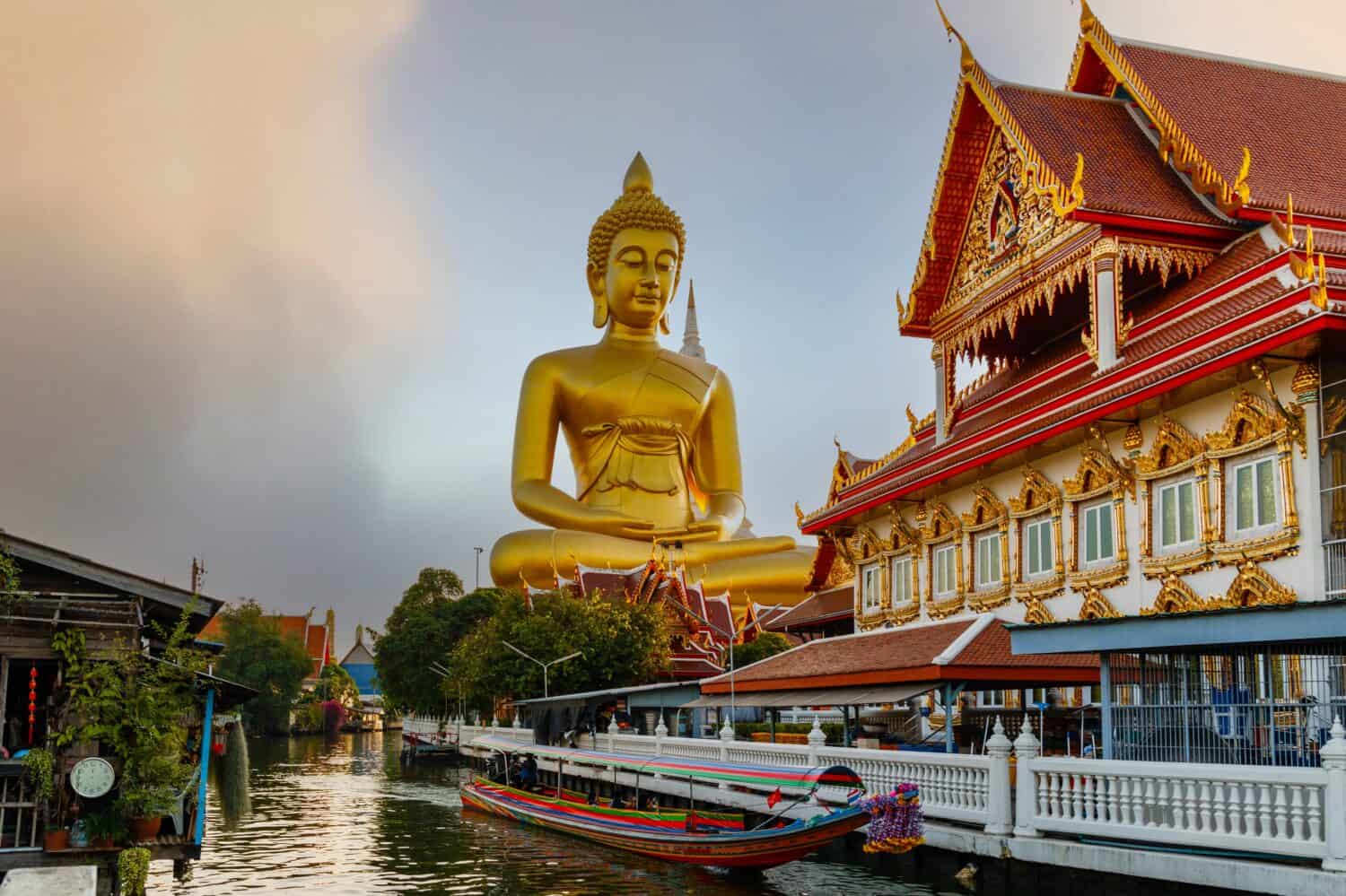
Thailand successfully avoided European colonization despite being surrounded by British and French territories. Japan invaded Thailand in December 1941 and quickly pressured its government into a formal alliance. Thailand remained nominally independent but hosted large Japanese forces and acted as a staging area for invasions of Malaya and Burma, while a Free Thai resistance movement worked with the Allies.
20. United States (Pacific Islands)
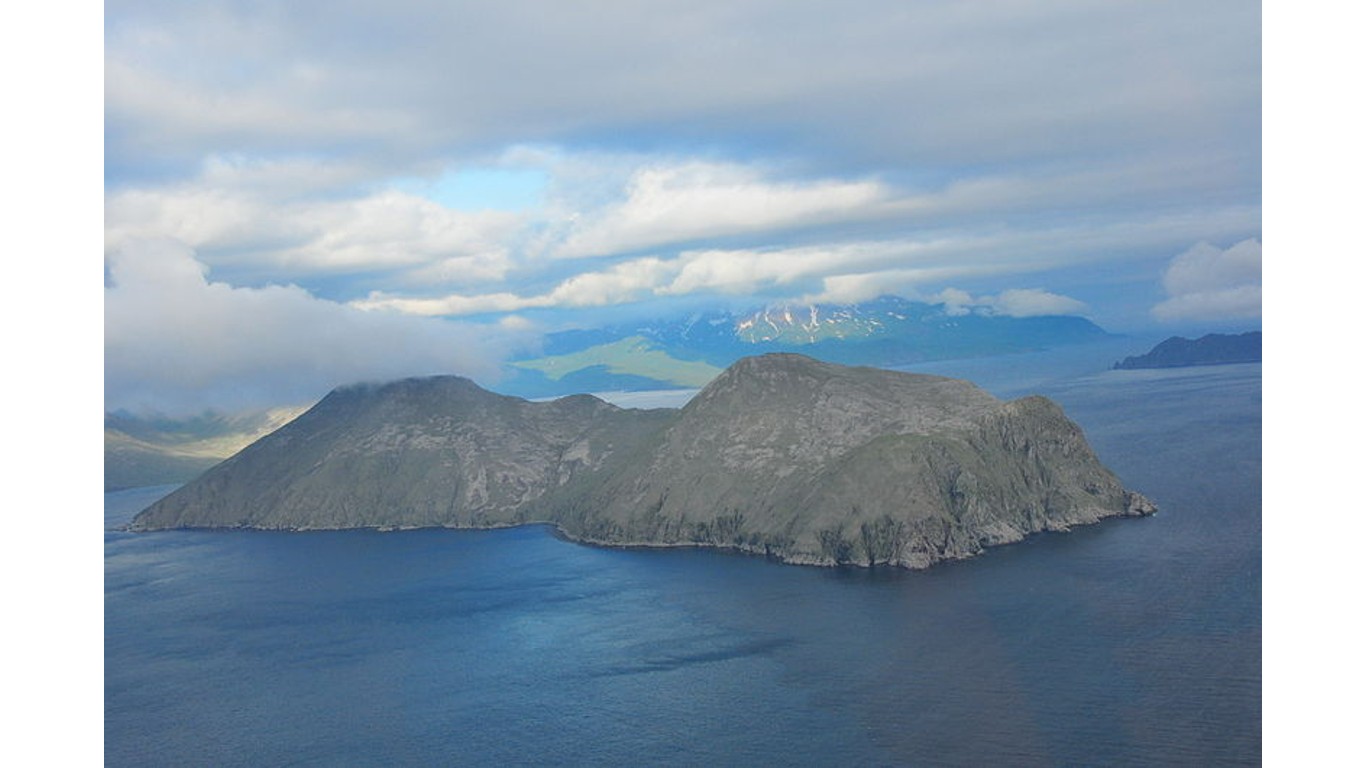
Japan occupied several islands in the Pacific that are in 2024 still part of the United States. Before the war, they were all territories, not part of any of the 48 states that existed at the time.
Alaska
Alaska didn’t become a state until 1959, so during World War II it was still a territory. But it is the only current state of the United States that had part of its territory occupied by Japan. From 1942-1943 the Japanese occupied the westernmost islands of the Aleutian chain, Attu and Kiska. These are so remote from the rest of the country they are actually 500 miles closer to Japan than they are to Washington state. Americans retook the islands with a naval bombardment and about 15,000 troops in a 19-day battle that involved hand-to-hand combat against entrenched Japanese troops. Both islands today are uninhabited and are part of the Alaska Maritime National Wildlife Refuge.
Guam
Guam is one of the territories the U.S. acquired from Spain in 1898 at the end of the Spanish-American War. Japan took it over in 1941 after the attack on Pearl Harbor. The U.S. retook it in a the Battle of Guam in 1944. It is still an American territory and a vitally important strategic base in the western Pacific.
Wake Island
Wake Island is actually a group of three islets in such a remote location of the central Pacific, the next nearest land is about 600 miles away. It was uninhabited and unclaimed until the United States claimed it in 1899, so of all Pacific American territories, it perhaps has the best claim to being indisputably American. In 1941 the Japanese initially failed in a first attempt to capture it but took it on their second try. The United States liberated the island in 1945.
21. Vietnam
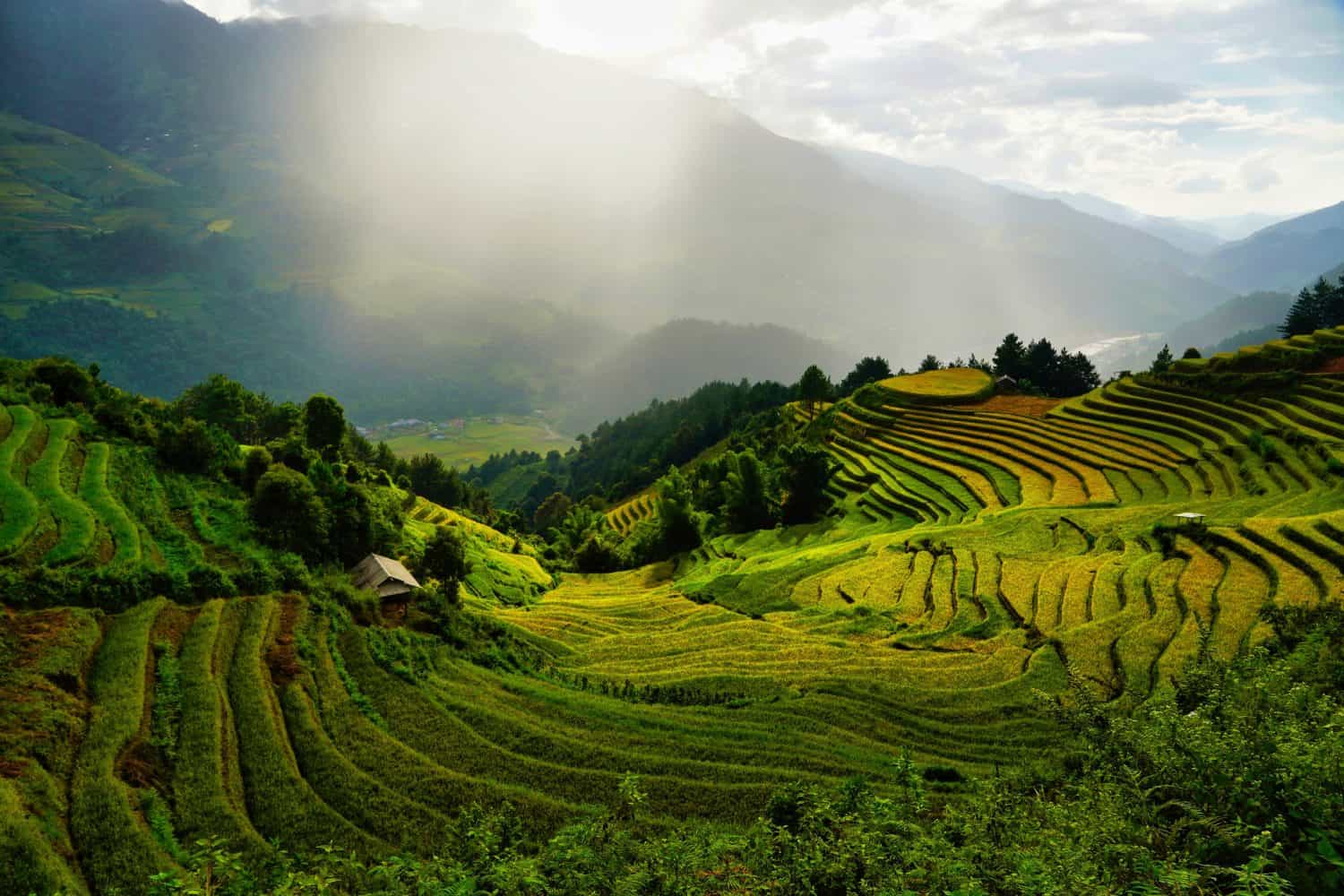
Vietnam, a French colony before the war along with neighboring Laos and Cambodia, came under Japanese rule in 1940 and was not liberated until 1945. After the war, France tried to reassert control and fought a protracted war against communist rebels, who established their authority in the north of the country. The United States got gradually more involved in the war until the North Vietnamese won the war and united the country under communism in 1975.






 Top Gaining Stocks
 Top Losing Stocks