


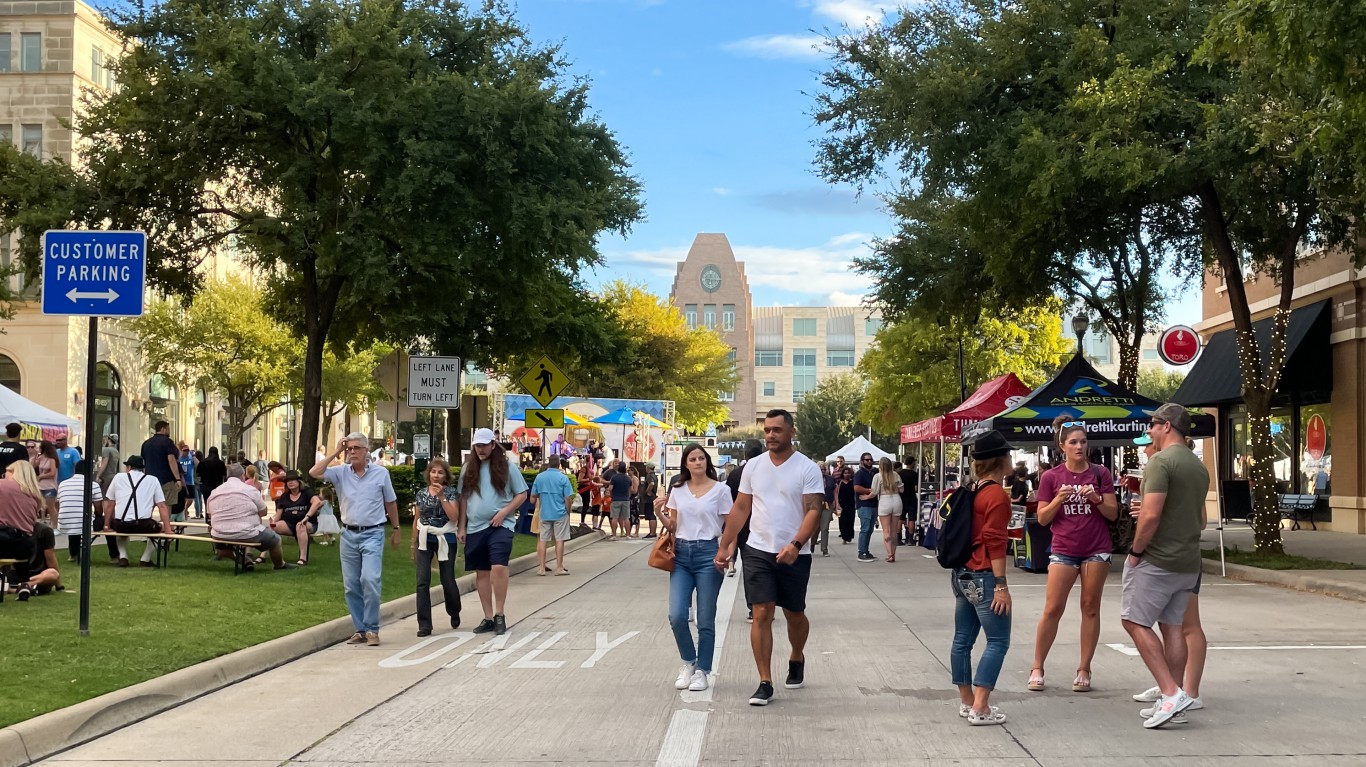
Over the next 75 years, the U.S. population will increasingly concentrate around a few key regions megaregions throughout the country. While some of the populations of some of the largest cities will plateau or contract, other metropolitan areas are forecast to more than double in size. The biggest winners of the coming wave of urbanization will likely be suburban cities, towns, and villages on the fringe of major metropolitan areas.
According to population projections from the University of Illinois Chicago, there are 29 suburbs that will grow by at least 100,000 residents from 2020 to 2100. Many of the fastest-growing suburbs are in the Sun Belt and Mountain West, in states like Florida, Texas, Arizona, and California. Of the 40 suburbs projected to add the most residents from 2020 to 2100, five are in the Phoenix metro area, and five are in the Dallas metro area. A closer look at the data reveals the suburbs that will add the most residents this century.
To determine the suburbs forecast to add the most residents through 2100, 24/7 Wall St. reviewed long-range population projections from the Global 1-km Downscaled Population Base Year and Projection Grids Based on the SSPs from the Depopulation 2100 project at the University of Illinois Chicago. Population forecasts are based on SSP2 in the Shared Socioeconomic Pathways system, a “middle-of-the-road” scenario in which historical demographic trends largely continue. Suburbs of metropolitan statistical areas were ranked based on forecast raw population growth from 2020 to 2100. Suburbs of metropolitan statistical areas were ranked based on raw population change from 2013 to 2023. Suburbs were assigned to principal cities based on boundary definitions and delineation files from the U.S. Census Bureau. Supplemental data on income, housing, and economic sector concentration are from the U.S. Census Bureau.
40. Avondale, AZ (Phoenix metro area)
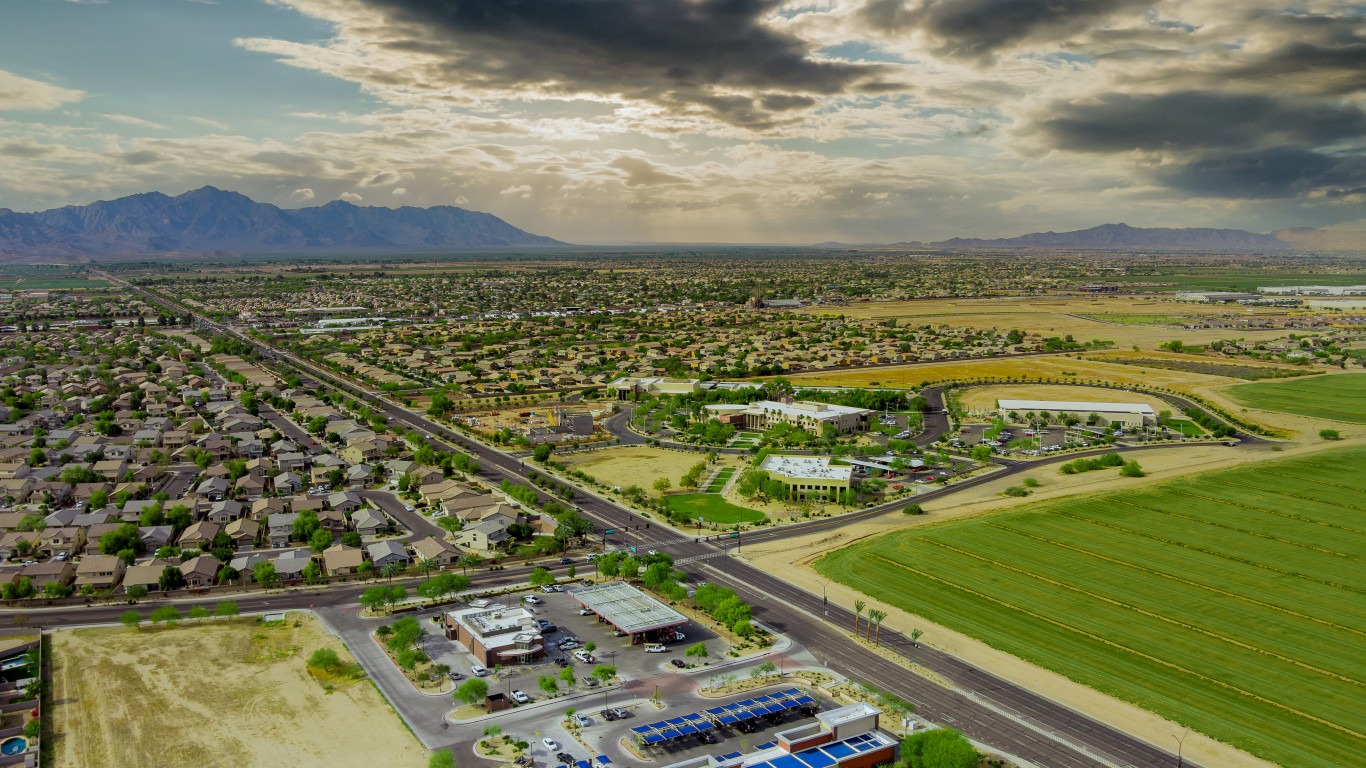
- Forecast population growth, 2020-2100: +90,343 residents (+100.4% increase)
- Current population, 2020: 89,939 residents
- Forecast population, 2100: 180,283 residents
- Distance from principal city center: 18.6 miles
- Most concentrated economic sectors: Transportation and warehousing, utilities, finance and insurance, real estate and rental and leasing, retail trade
39. Moore, OK (Oklahoma City metro area)
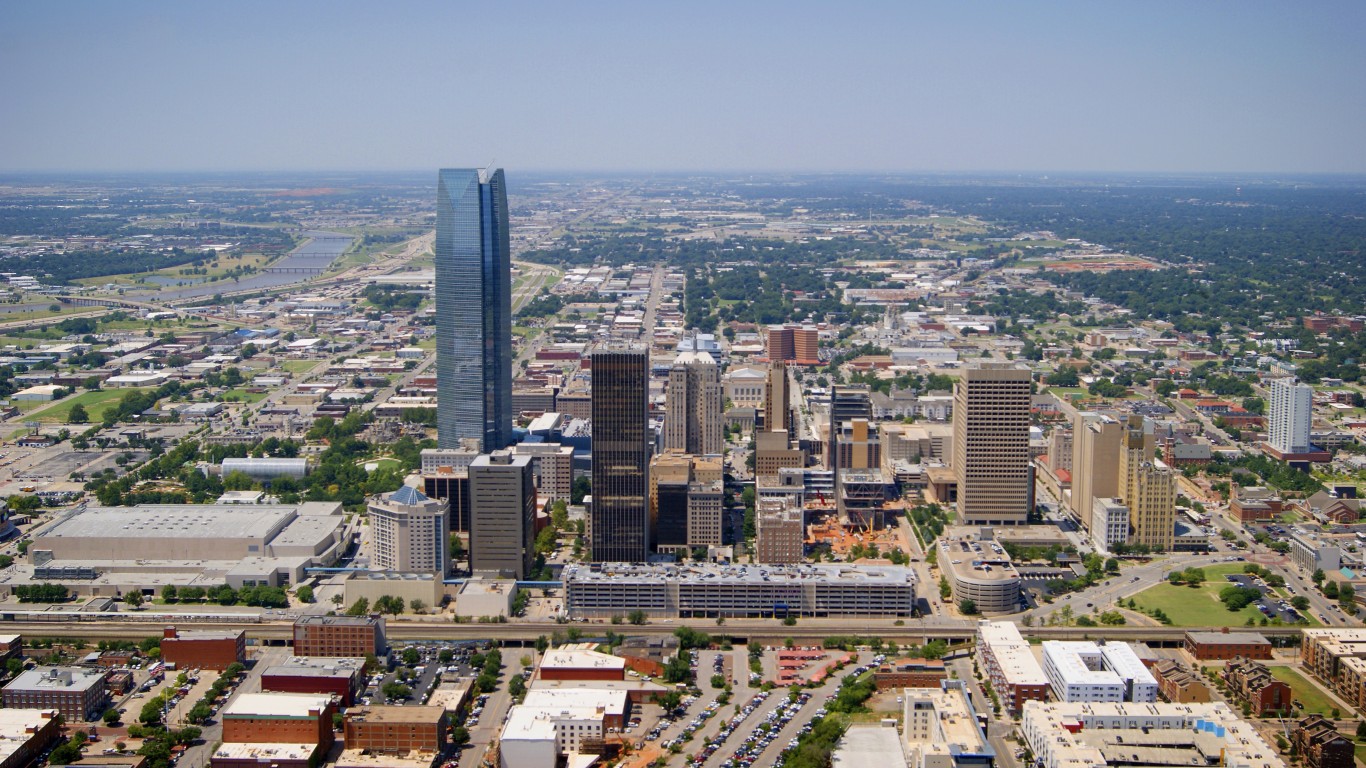
- Forecast population growth, 2020-2100: +90,548 residents (+143.2% increase)
- Current population, 2020: 63,226 residents
- Forecast population, 2100: 153,773 residents
- Distance from principal city center: 9.8 miles
- Most concentrated economic sectors: Mining, quarrying, and oil and gas extraction, public administration, management of companies and enterprises, wholesale trade, utilities
38. The Colony, TX (Dallas metro area)
- Forecast population growth, 2020-2100: +90,692 residents (+202.2% increase)
- Current population, 2020: 44,851 residents
- Forecast population, 2100: 135,543 residents
- Distance from principal city center: 22.0 miles
- Most concentrated economic sectors: Management of companies and enterprises, finance and insurance, utilities, professional, scientific, and technical services, information
37. Palm Coast, FL (Deltona metro area)
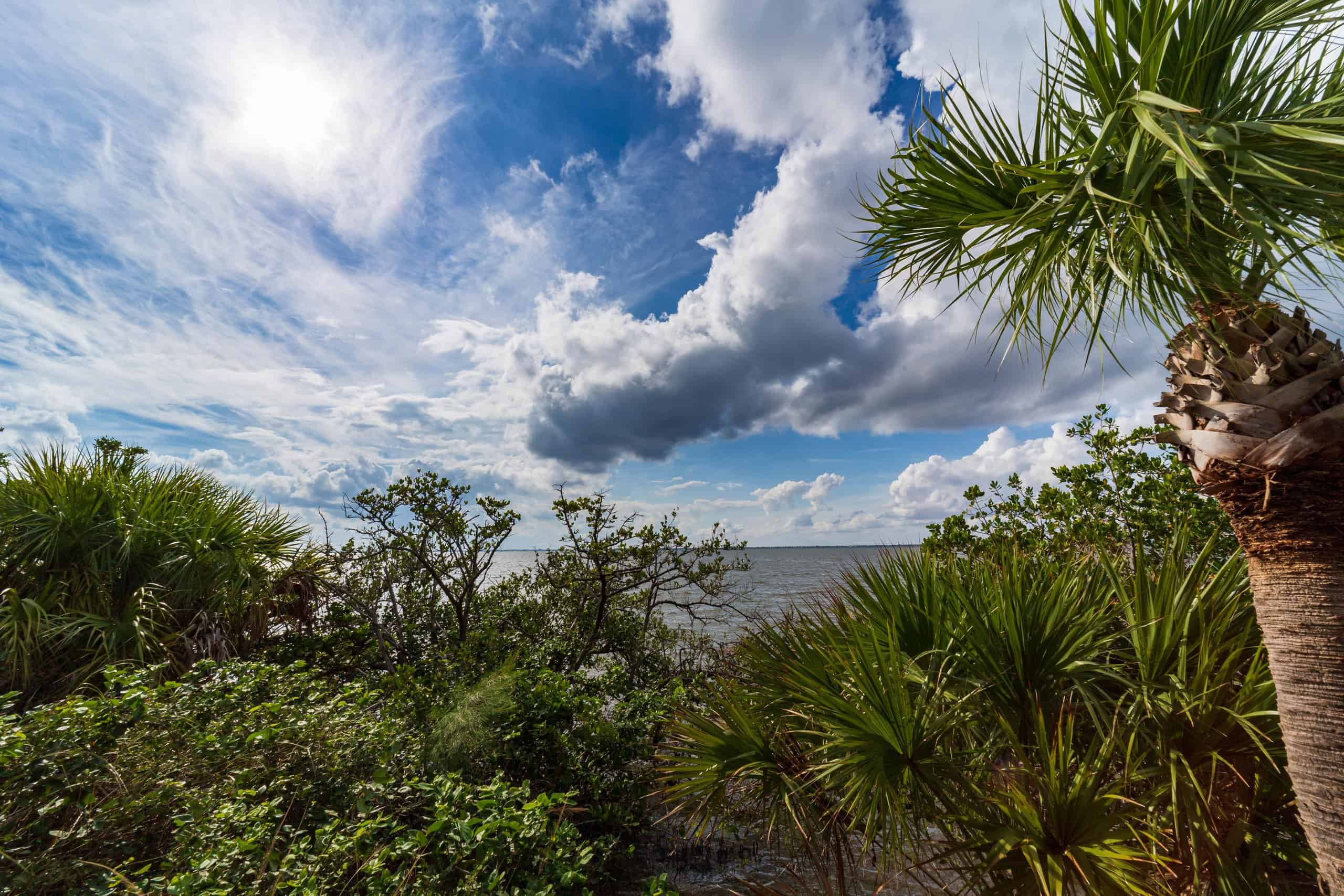
- Forecast population growth, 2020-2100: +93,652 residents (+104.4% increase)
- Current population, 2020: 89,704 residents
- Forecast population, 2100: 183,357 residents
- Distance from principal city center: 43.8 miles
- Most concentrated economic sectors: Real estate and rental and leasing, administrative and support and waste management services, accommodation and food services, transportation and warehousing, retail trade
36. Buckeye, AZ (Phoenix metro area)
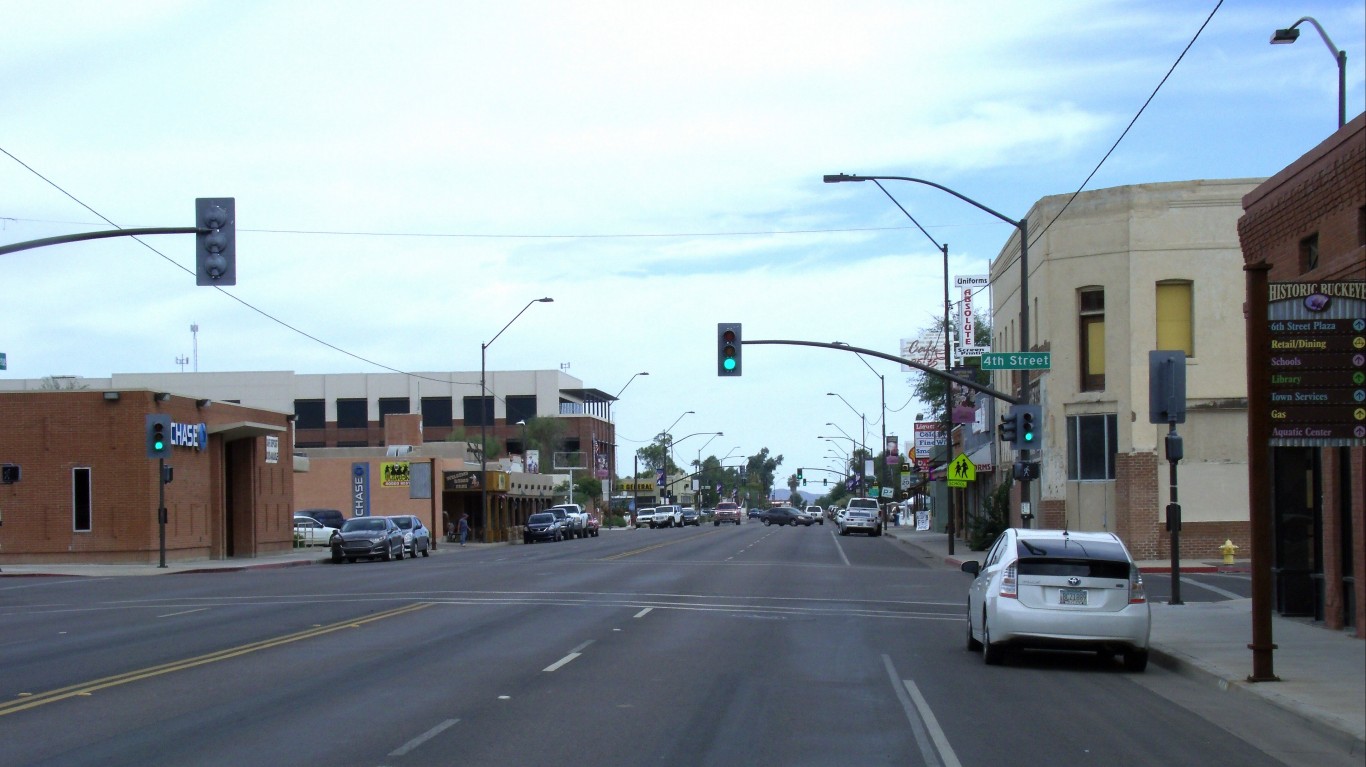
- Forecast population growth, 2020-2100: +93,725 residents (+101.7% increase)
- Current population, 2020: 92,126 residents
- Forecast population, 2100: 185,851 residents
- Distance from principal city center: 33.3 miles
- Most concentrated economic sectors: Utilities, construction, transportation and warehousing, public administration, retail trade
35. Little Elm, TX (Dallas metro area)
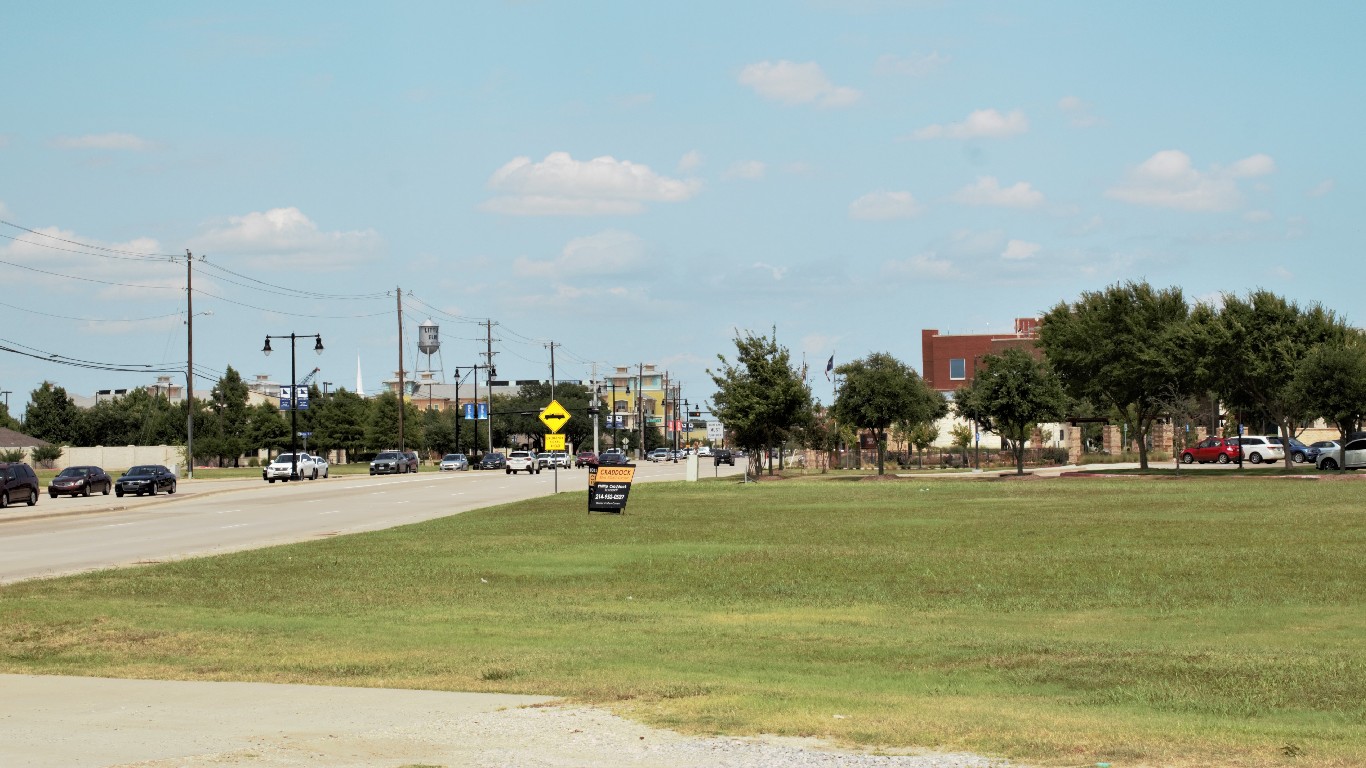
- Forecast population growth, 2020-2100: +95,021 residents (+203.1% increase)
- Current population, 2020: 46,784 residents
- Forecast population, 2100: 141,805 residents
- Distance from principal city center: 28.7 miles
- Most concentrated economic sectors: Management of companies and enterprises, finance and insurance, information, arts, entertainment, and recreation, professional, scientific, and technical services
34. Coral Springs, FL (Miami metro area)
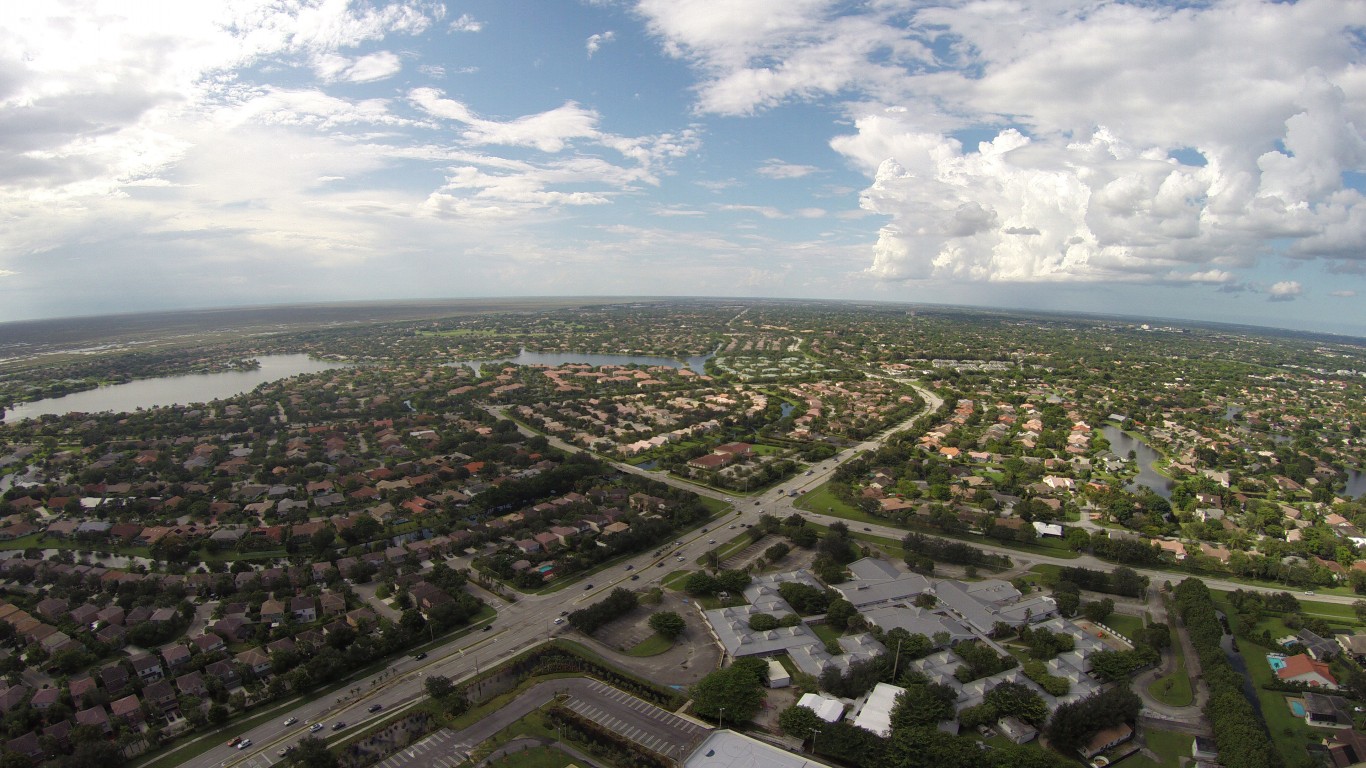
- Forecast population growth, 2020-2100: +95,104 residents (+70.4% increase)
- Current population, 2020: 135,165 residents
- Forecast population, 2100: 230,269 residents
- Distance from principal city center: 34.3 miles
- Most concentrated economic sectors: Wholesale trade, management of companies and enterprises, administrative and support and waste management services, retail trade, arts, entertainment, and recreation
33. Kyle, TX (Austin metro area)
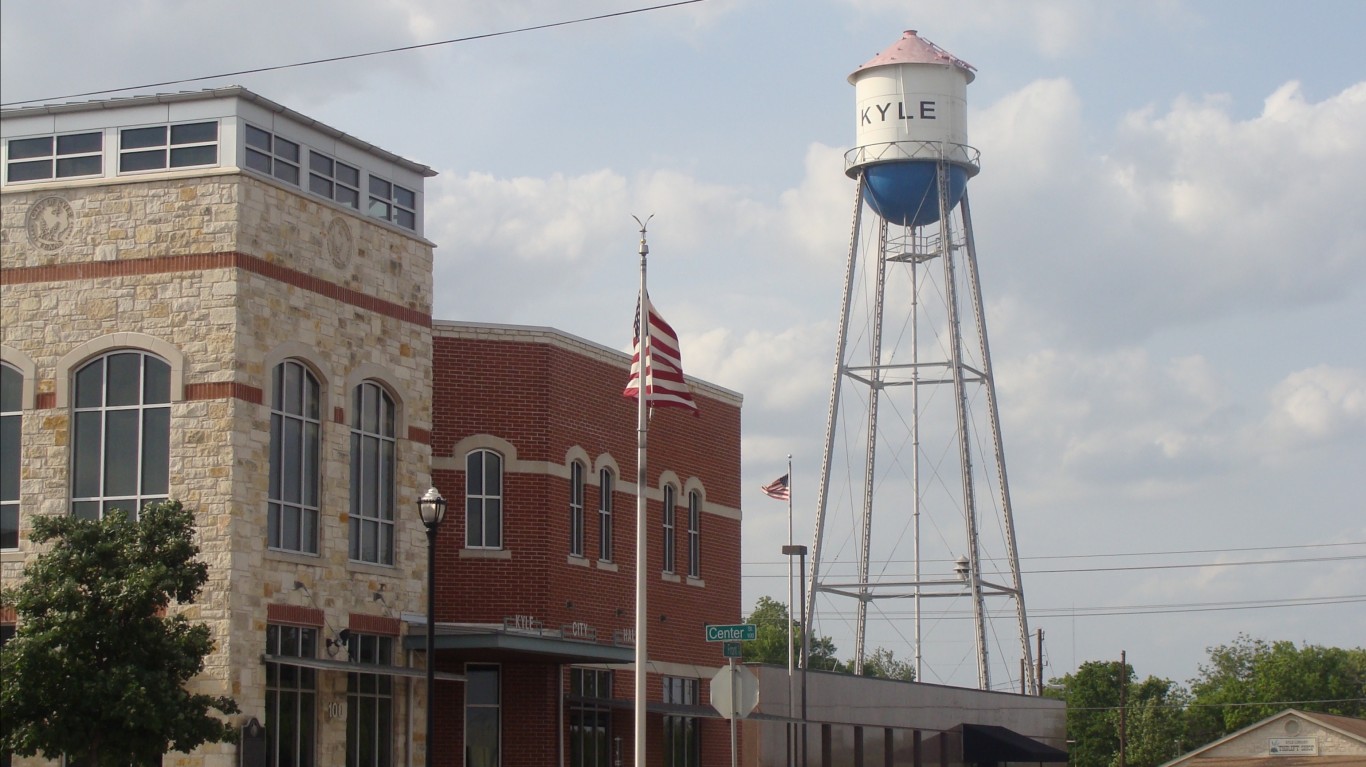
- Forecast population growth, 2020-2100: +96,943 residents (+210.7% increase)
- Current population, 2020: 46,021 residents
- Forecast population, 2100: 142,964 residents
- Distance from principal city center: 22.5 miles
- Most concentrated economic sectors: Construction, management of companies and enterprises, public administration, educational services, retail trade
32. Westminster, CO (Denver metro area)
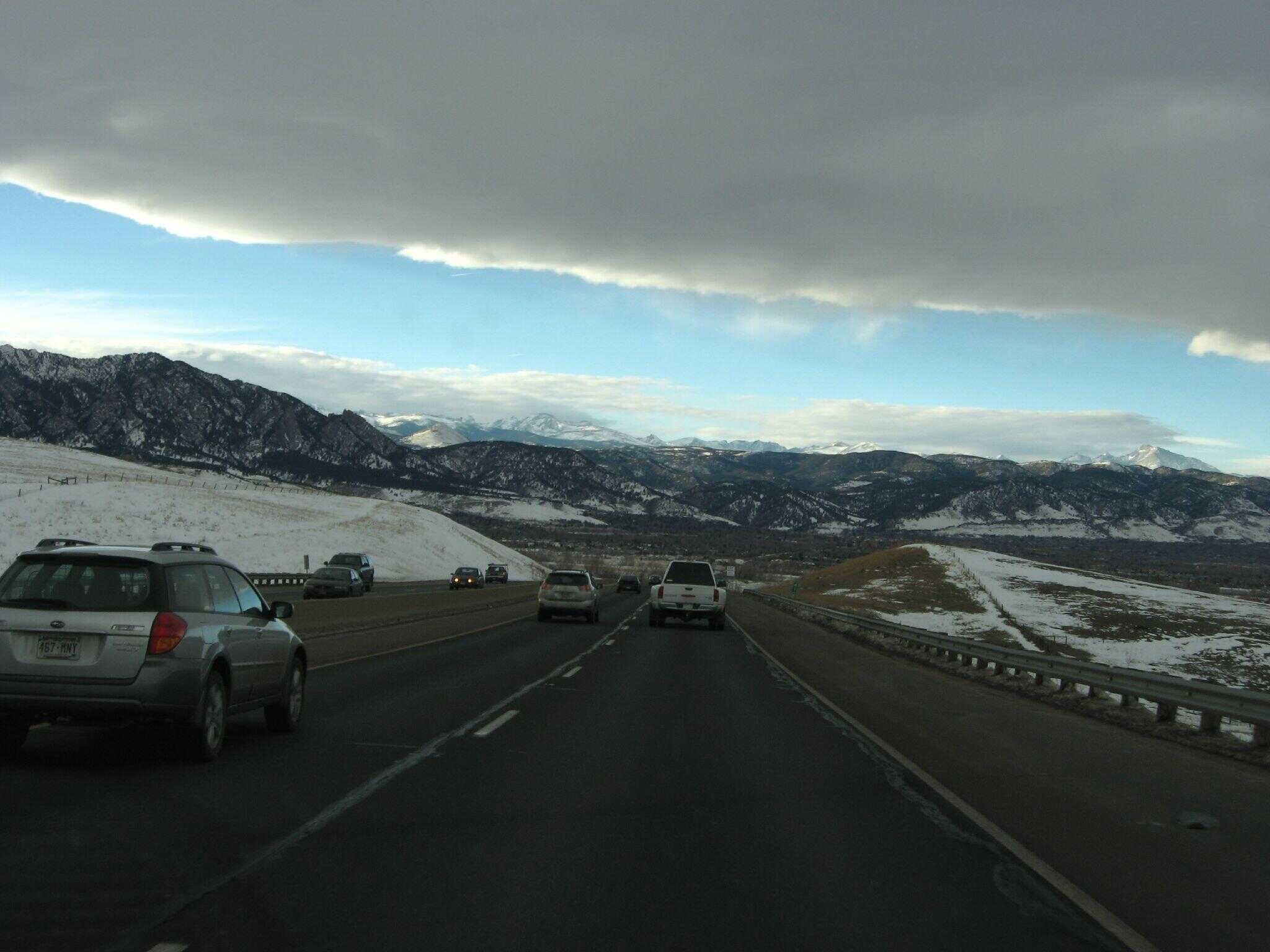
- Forecast population growth, 2020-2100: +97,420 residents (+83.3% increase)
- Current population, 2020: 117,013 residents
- Forecast population, 2100: 214,433 residents
- Distance from principal city center: 13.0 miles
- Most concentrated economic sectors: Mining, quarrying, and oil and gas extraction, information, professional, scientific, and technical services, real estate and rental and leasing, management of companies and enterprises
31. Fontana, CA (Riverside metro area)
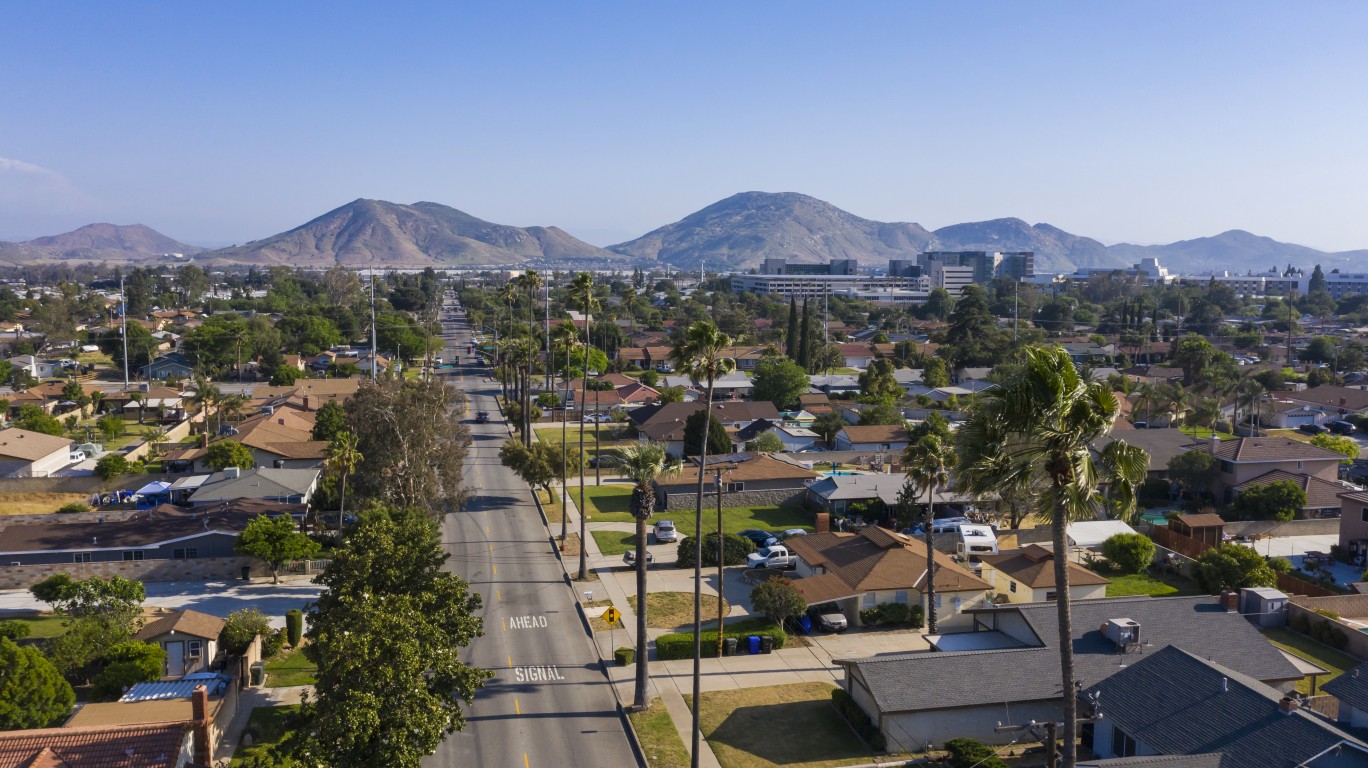
- Forecast population growth, 2020-2100: +99,286 residents (+47.4% increase)
- Current population, 2020: 209,649 residents
- Forecast population, 2100: 308,935 residents
- Distance from principal city center: 11.6 miles
- Most concentrated economic sectors: Transportation and warehousing, utilities, construction, other services, except public administration, wholesale trade
30. Nampa, ID (Boise metro area)

- Forecast population growth, 2020-2100: +99,598 residents (+98.7% increase)
- Current population, 2020: 100,867 residents
- Forecast population, 2100: 200,465 residents
- Distance from principal city center: 16.7 miles
- Most concentrated economic sectors: Construction, agriculture, forestry, fishing and hunting, administrative and support and waste management services, wholesale trade, other services, except public administration
29. Peoria, AZ (Phoenix metro area)
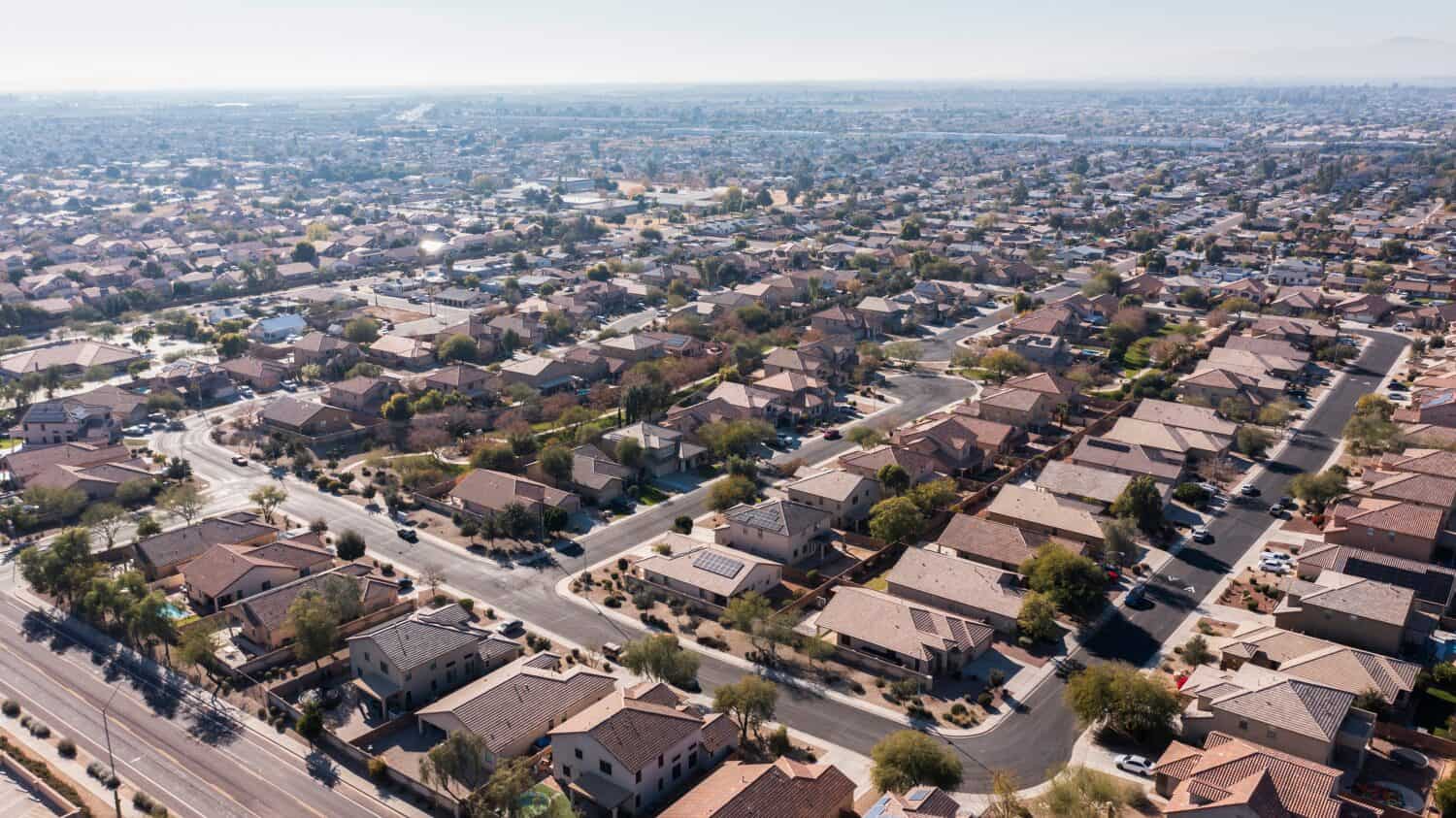
- Forecast population growth, 2020-2100: +101,703 residents (+53.0% increase)
- Current population, 2020: 192,071 residents
- Forecast population, 2100: 293,774 residents
- Distance from principal city center: 18.9 miles
- Most concentrated economic sectors: Management of companies and enterprises, finance and insurance, utilities, administrative and support and waste management services, retail trade
28. Riverview, FL (Tampa metro area)
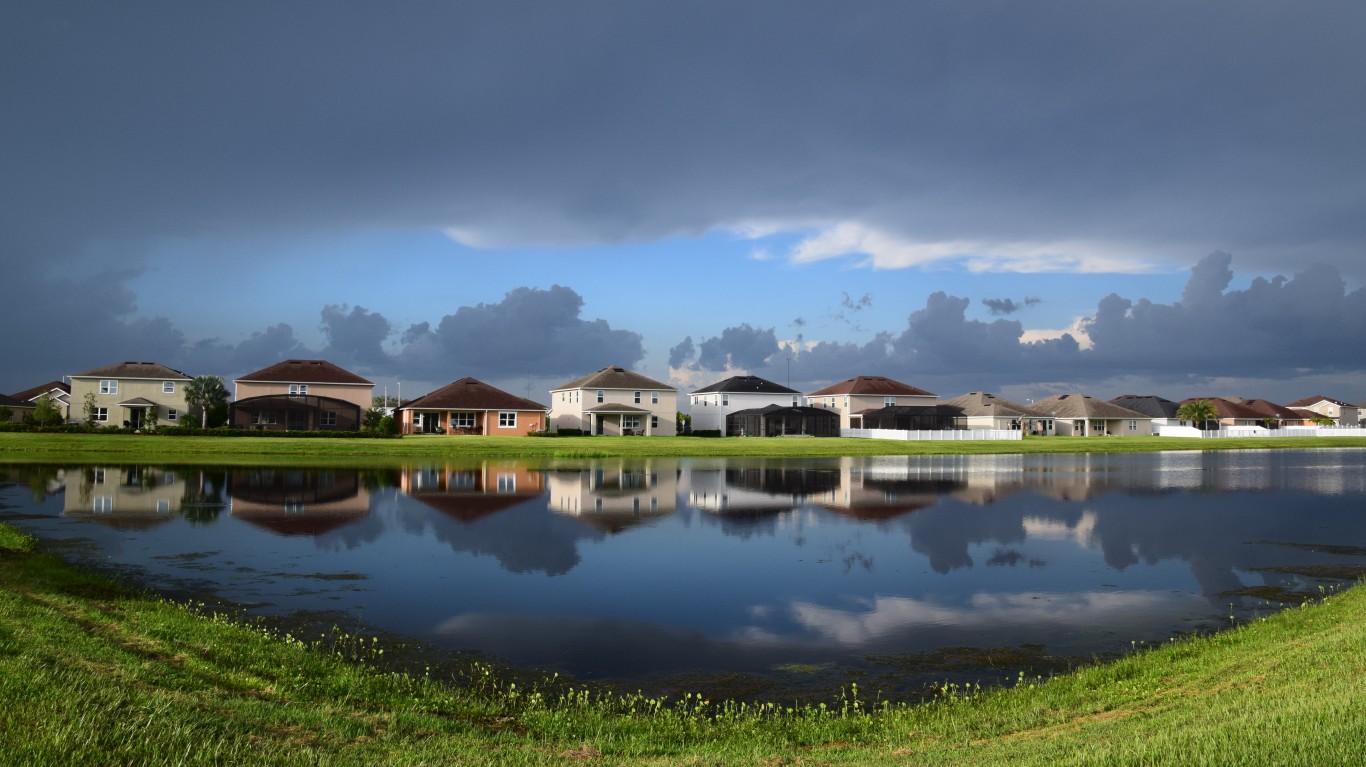
- Forecast population growth, 2020-2100: +102,838 residents (+95.1% increase)
- Current population, 2020: 108,088 residents
- Forecast population, 2100: 210,927 residents
- Distance from principal city center: 14.6 miles
- Most concentrated economic sectors: Finance and insurance, management of companies and enterprises, administrative and support and waste management services, wholesale trade, professional, scientific, and technical services
27. Lewisville, TX (Dallas metro area)
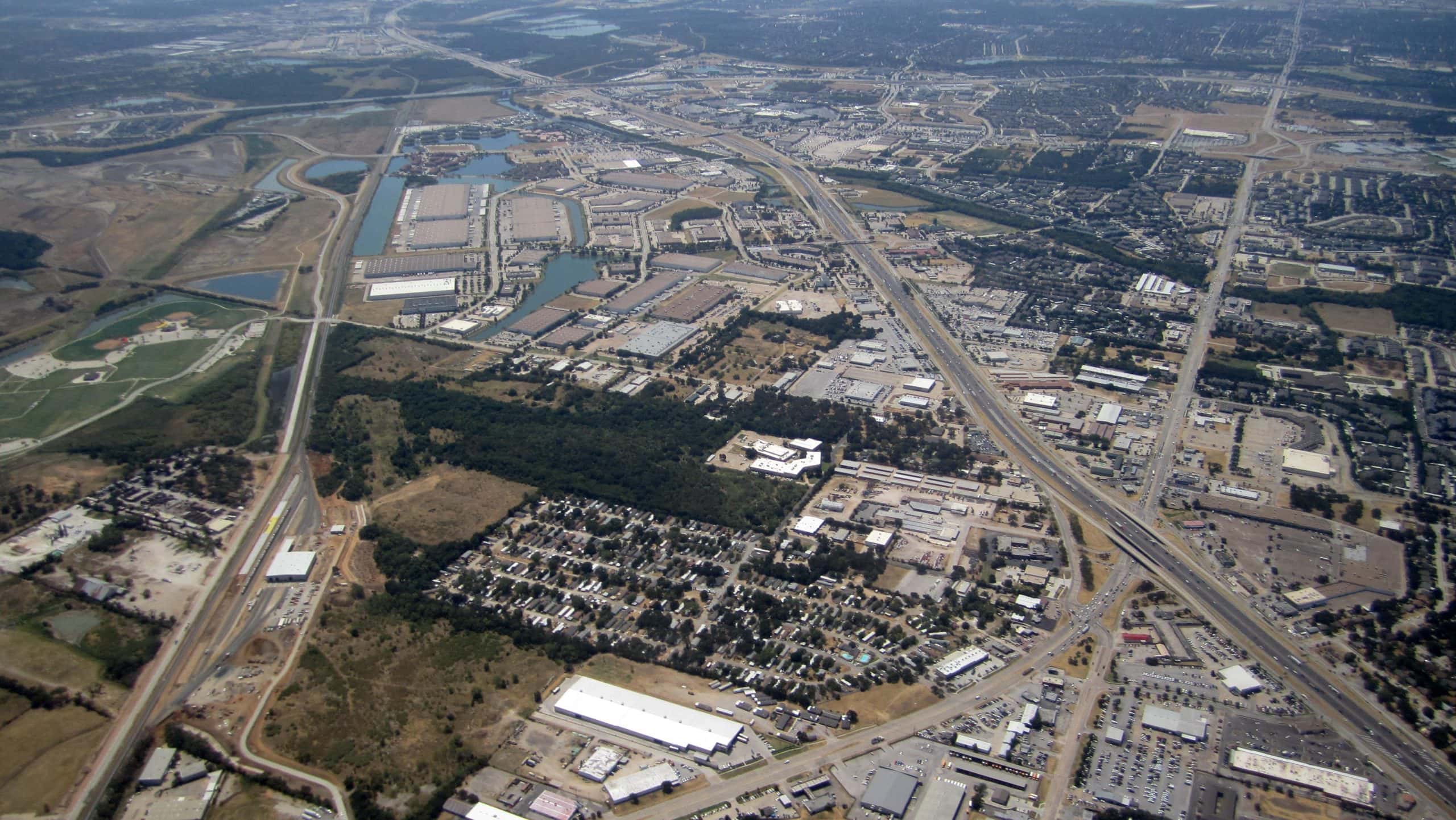
- Forecast population growth, 2020-2100: +103,022 residents (+91.6% increase)
- Current population, 2020: 112,520 residents
- Forecast population, 2100: 215,542 residents
- Distance from principal city center: 21.2 miles
- Most concentrated economic sectors: Finance and insurance, management of companies and enterprises, information, professional, scientific, and technical services, transportation and warehousing
26. Moreno Valley, CA (Riverside metro area)
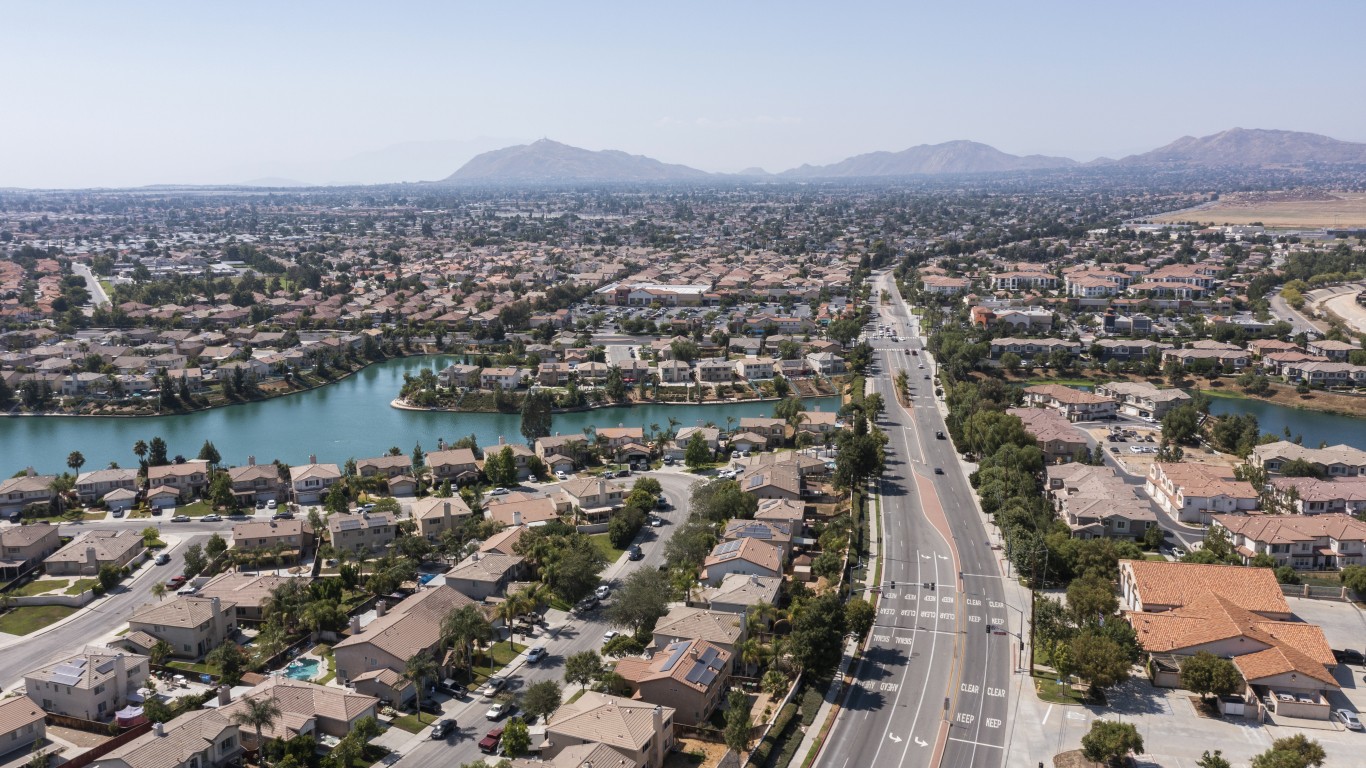
- Forecast population growth, 2020-2100: +104,273 residents (+49.6% increase)
- Current population, 2020: 210,049 residents
- Forecast population, 2100: 314,322 residents
- Distance from principal city center: 11.0 miles
- Most concentrated economic sectors: Transportation and warehousing, construction, retail trade, administrative and support and waste management services, wholesale trade
25. Leander, TX (Austin metro area)
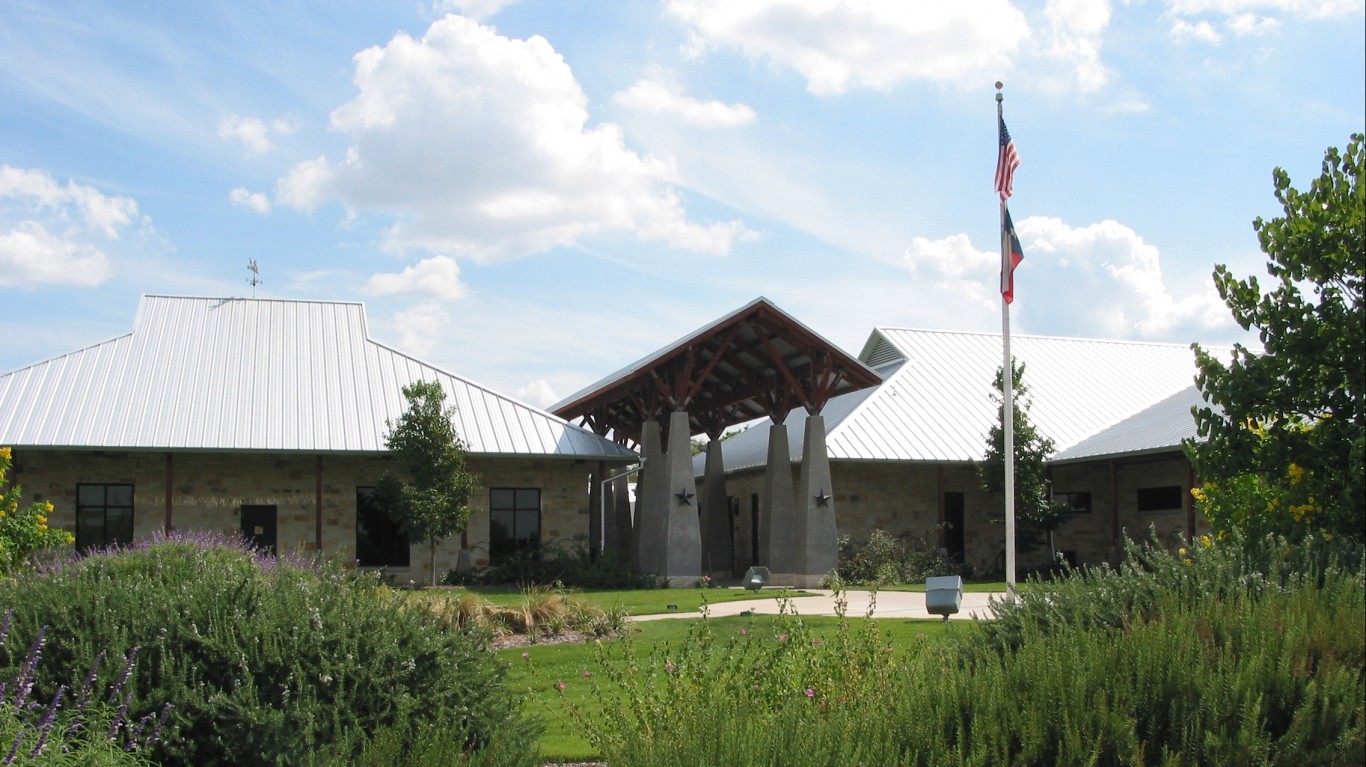
- Forecast population growth, 2020-2100: +106,299 residents (+178.3% increase)
- Current population, 2020: 59,622 residents
- Forecast population, 2100: 165,921 residents
- Distance from principal city center: 20.1 miles
- Most concentrated economic sectors: Professional, scientific, and technical services, information, finance and insurance, utilities, retail trade
24. Hollywood, FL (Miami metro area)
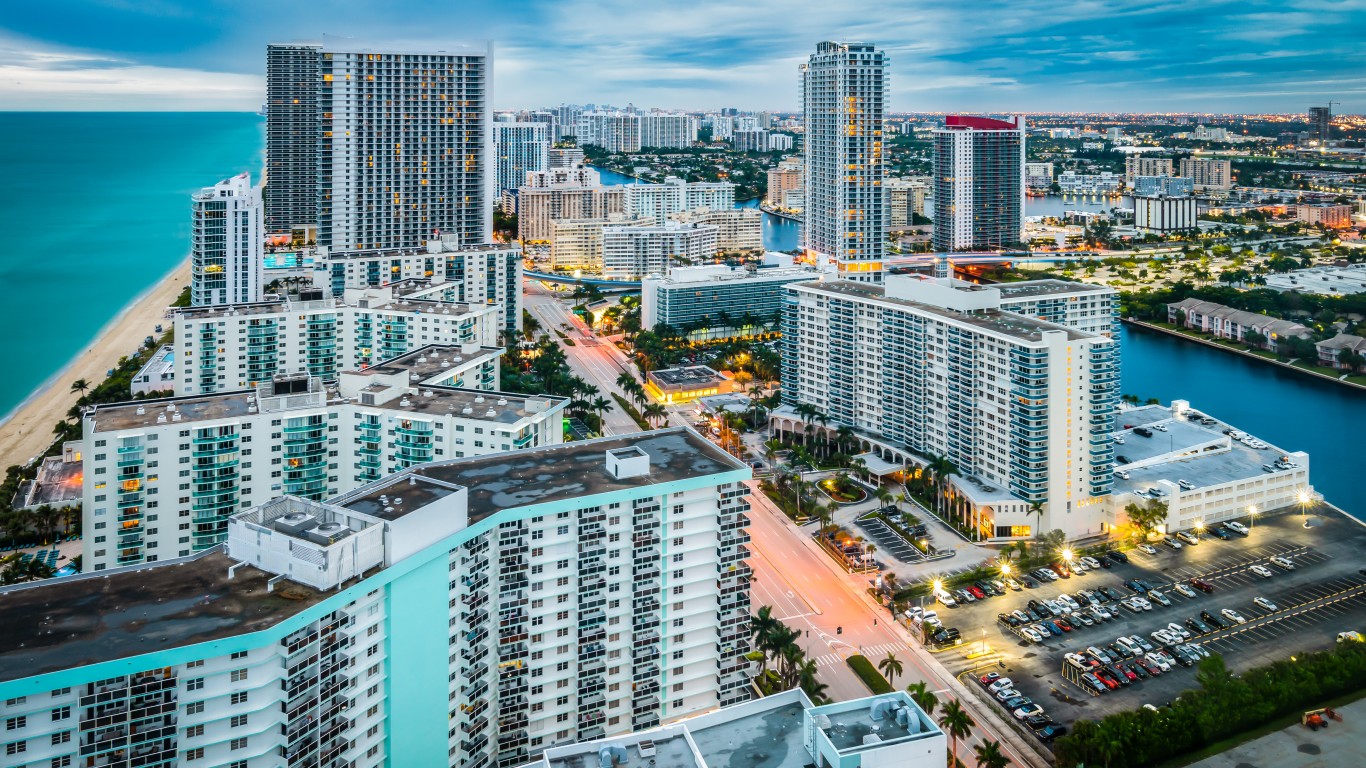
- Forecast population growth, 2020-2100: +108,616 residents (+70.6% increase)
- Current population, 2020: 153,950 residents
- Forecast population, 2100: 262,567 residents
- Distance from principal city center: 17.8 miles
- Most concentrated economic sectors: Real estate and rental and leasing, administrative and support and waste management services, wholesale trade, other services, except public administration, accommodation and food services
23. Brandon, FL (Tampa metro area)
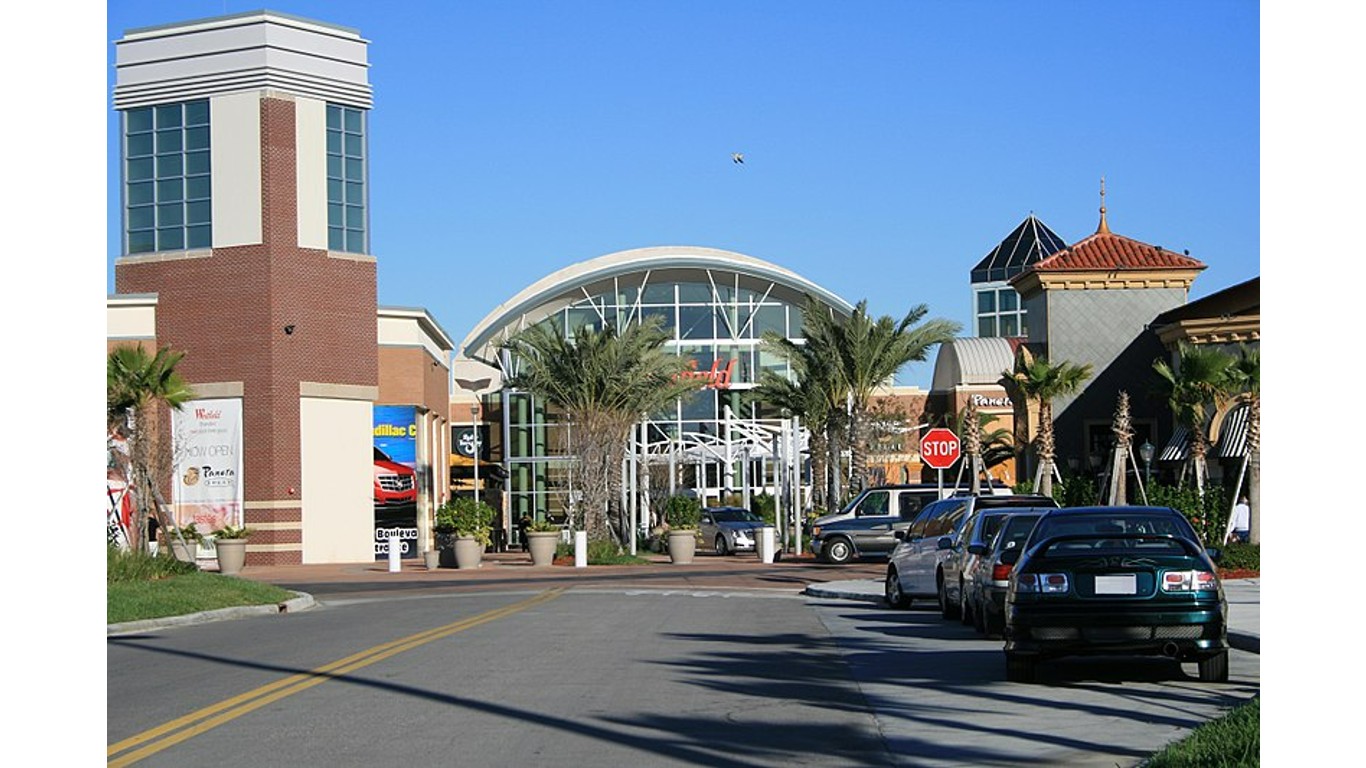
- Forecast population growth, 2020-2100: +108,644 residents (+94.2% increase)
- Current population, 2020: 115,364 residents
- Forecast population, 2100: 224,007 residents
- Distance from principal city center: 10.9 miles
- Most concentrated economic sectors: Finance and insurance, management of companies and enterprises, transportation and warehousing, utilities, real estate and rental and leasing
22. West Fargo, ND (Fargo metro area)
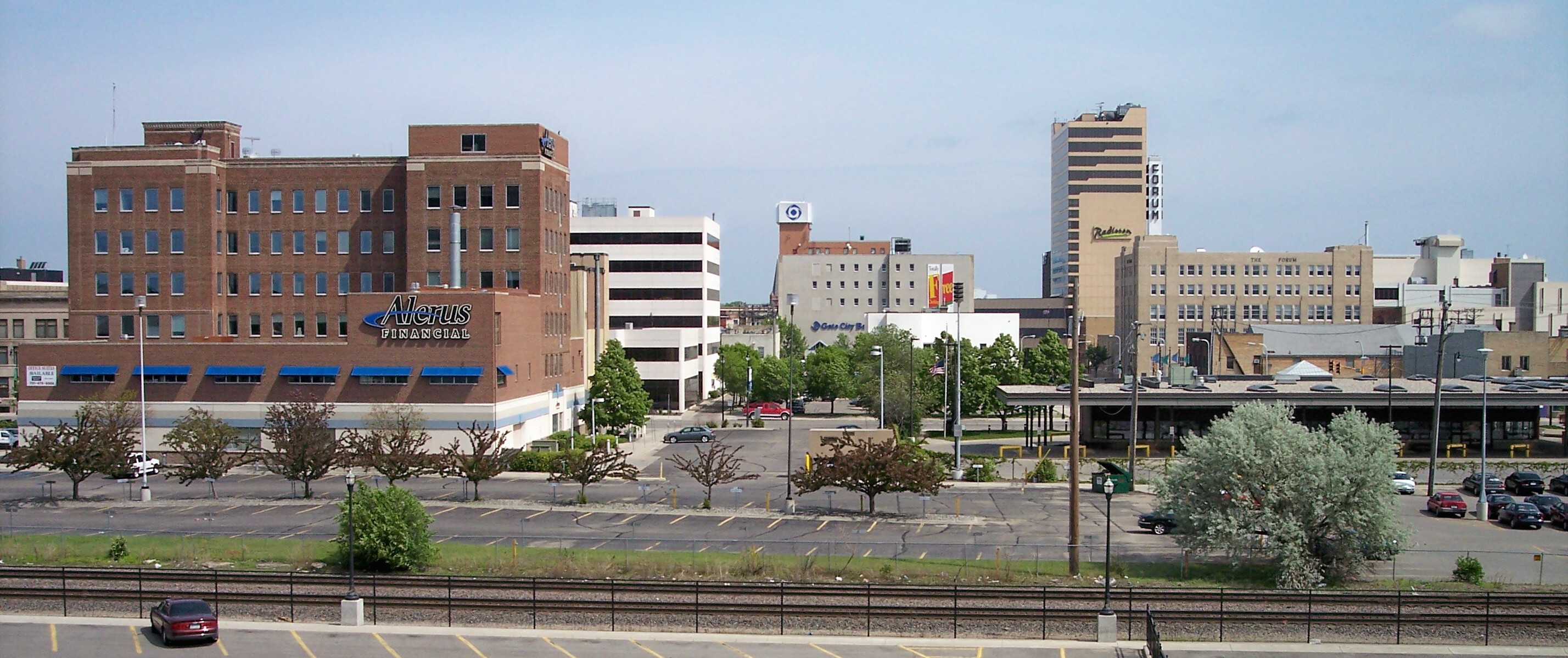
- Forecast population growth, 2020-2100: +108,779 residents (+279.4% increase)
- Current population, 2020: 38,926 residents
- Forecast population, 2100: 147,705 residents
- Distance from principal city center: 3.6 miles
- Most concentrated economic sectors: Management of companies and enterprises, agriculture, forestry, fishing and hunting, finance and insurance, wholesale trade, health care and social assistance
21. Thornton, CO (Denver metro area)
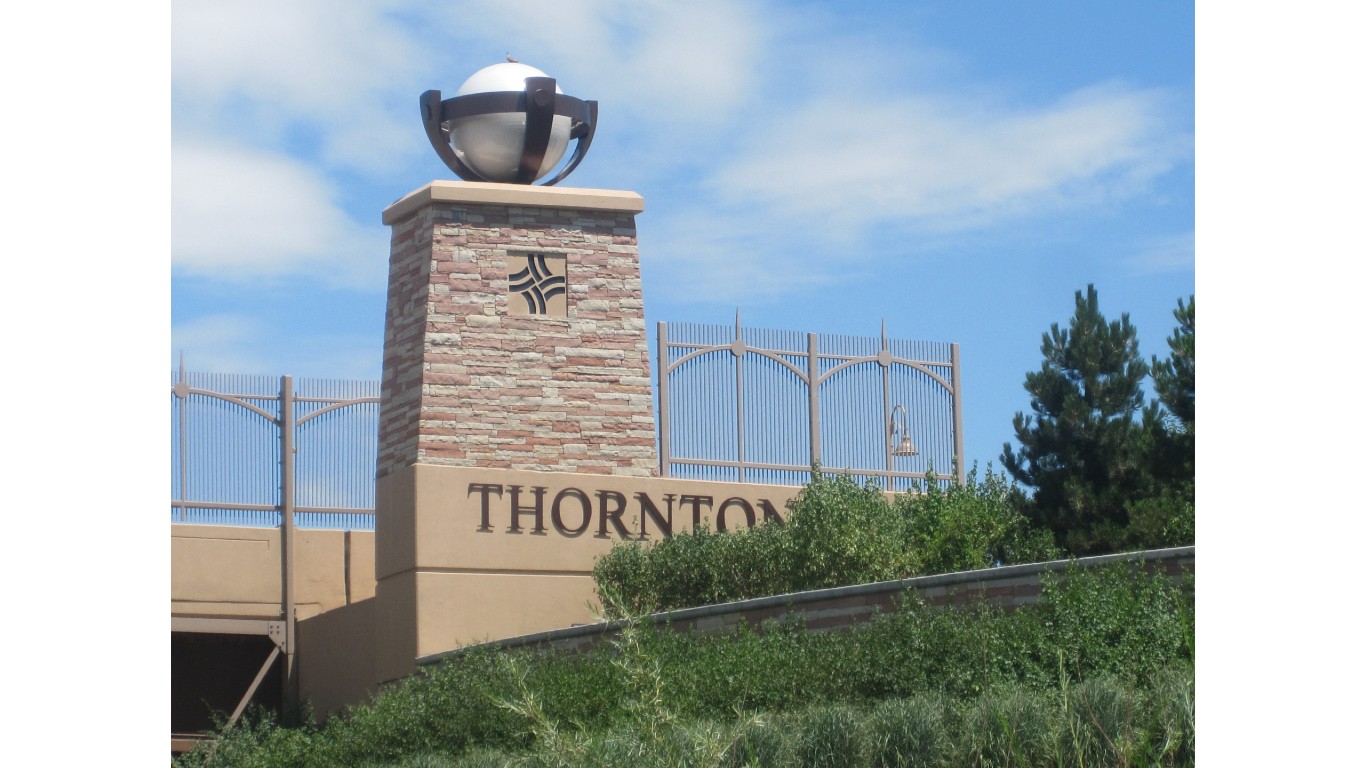
- Forecast population growth, 2020-2100: +111,592 residents (+78.2% increase)
- Current population, 2020: 142,711 residents
- Forecast population, 2100: 254,303 residents
- Distance from principal city center: 11.5 miles
- Most concentrated economic sectors: Mining, quarrying, and oil and gas extraction, construction, utilities, information, wholesale trade
20. League City, TX (Houston metro area)
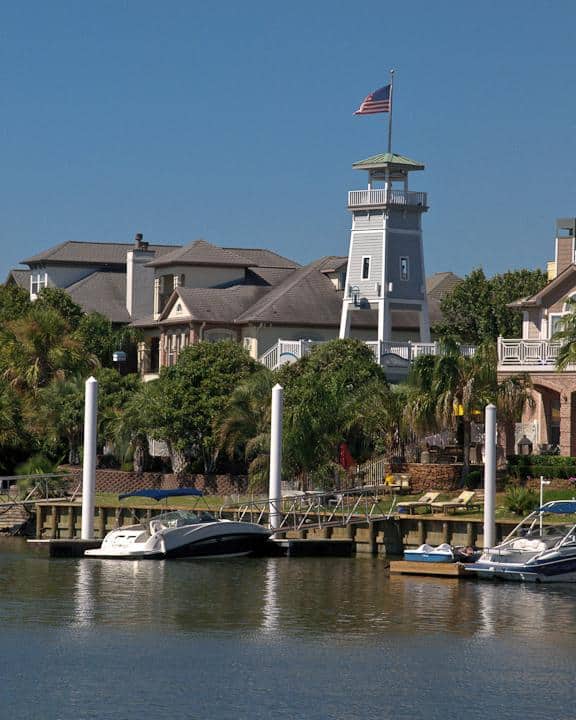
- Forecast population growth, 2020-2100: +116,624 residents (+101.3% increase)
- Current population, 2020: 115,141 residents
- Forecast population, 2100: 231,765 residents
- Distance from principal city center: 26.6 miles
- Most concentrated economic sectors: Mining, quarrying, and oil and gas extraction, management of companies and enterprises, utilities, manufacturing, educational services
19. Atascocita, TX (Houston metro area)
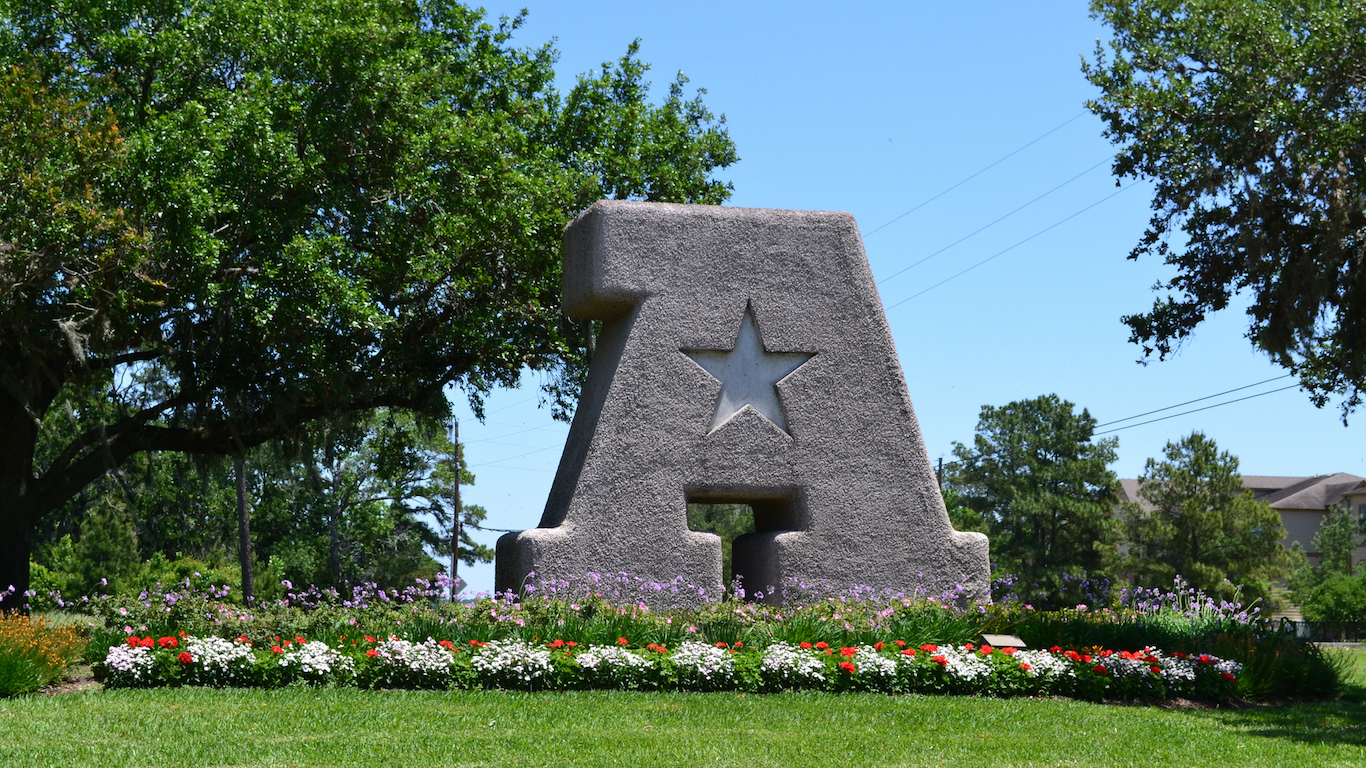
- Forecast population growth, 2020-2100: +119,123 residents (+134.1% increase)
- Current population, 2020: 88,854 residents
- Forecast population, 2100: 207,977 residents
- Distance from principal city center: 17.6 miles
- Most concentrated economic sectors: Mining, quarrying, and oil and gas extraction, management of companies and enterprises, transportation and warehousing, educational services, utilities
18. Cedar Park, TX (Austin metro area)
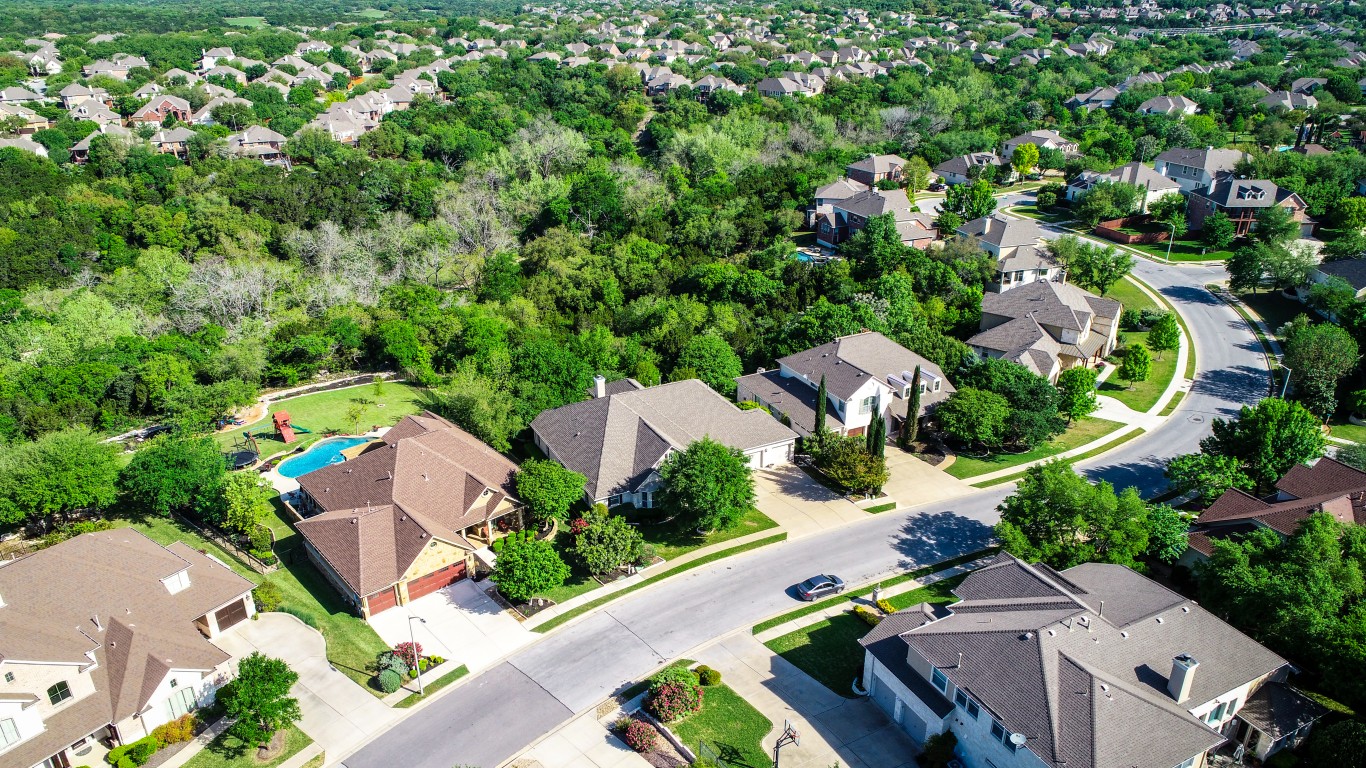
- Forecast population growth, 2020-2100: +119,698 residents (+153.2% increase)
- Current population, 2020: 78,118 residents
- Forecast population, 2100: 197,815 residents
- Distance from principal city center: 15.2 miles
- Most concentrated economic sectors: Professional, scientific, and technical services, finance and insurance, utilities, information, retail trade
17. Allen, TX (Dallas metro area)
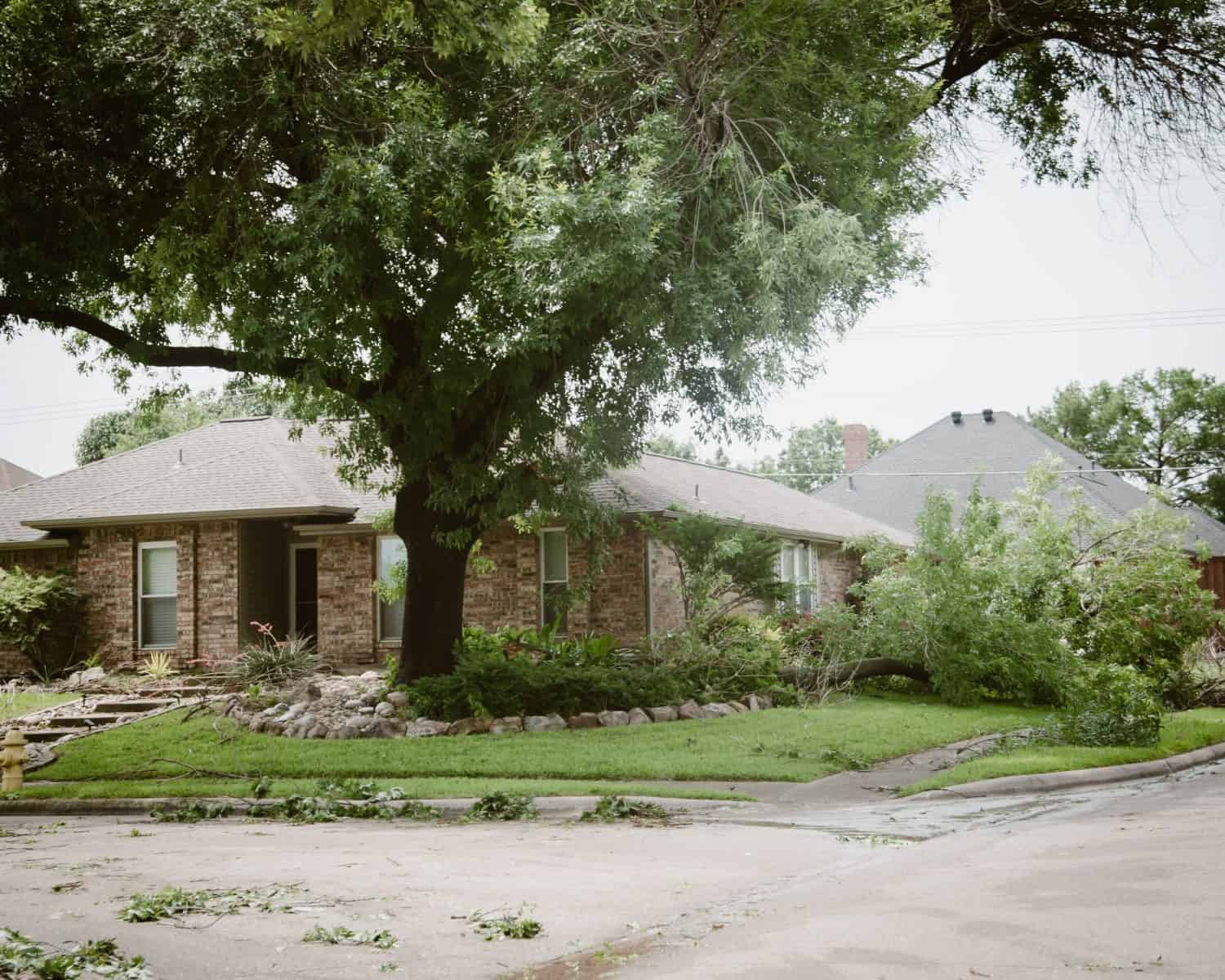
- Forecast population growth, 2020-2100: +120,083 residents (+114.1% increase)
- Current population, 2020: 105,284 residents
- Forecast population, 2100: 225,367 residents
- Distance from principal city center: 22.4 miles
- Most concentrated economic sectors: Management of companies and enterprises, finance and insurance, information, professional, scientific, and technical services, real estate and rental and leasing
16. West Jordan, UT (Salt Lake City metro area)
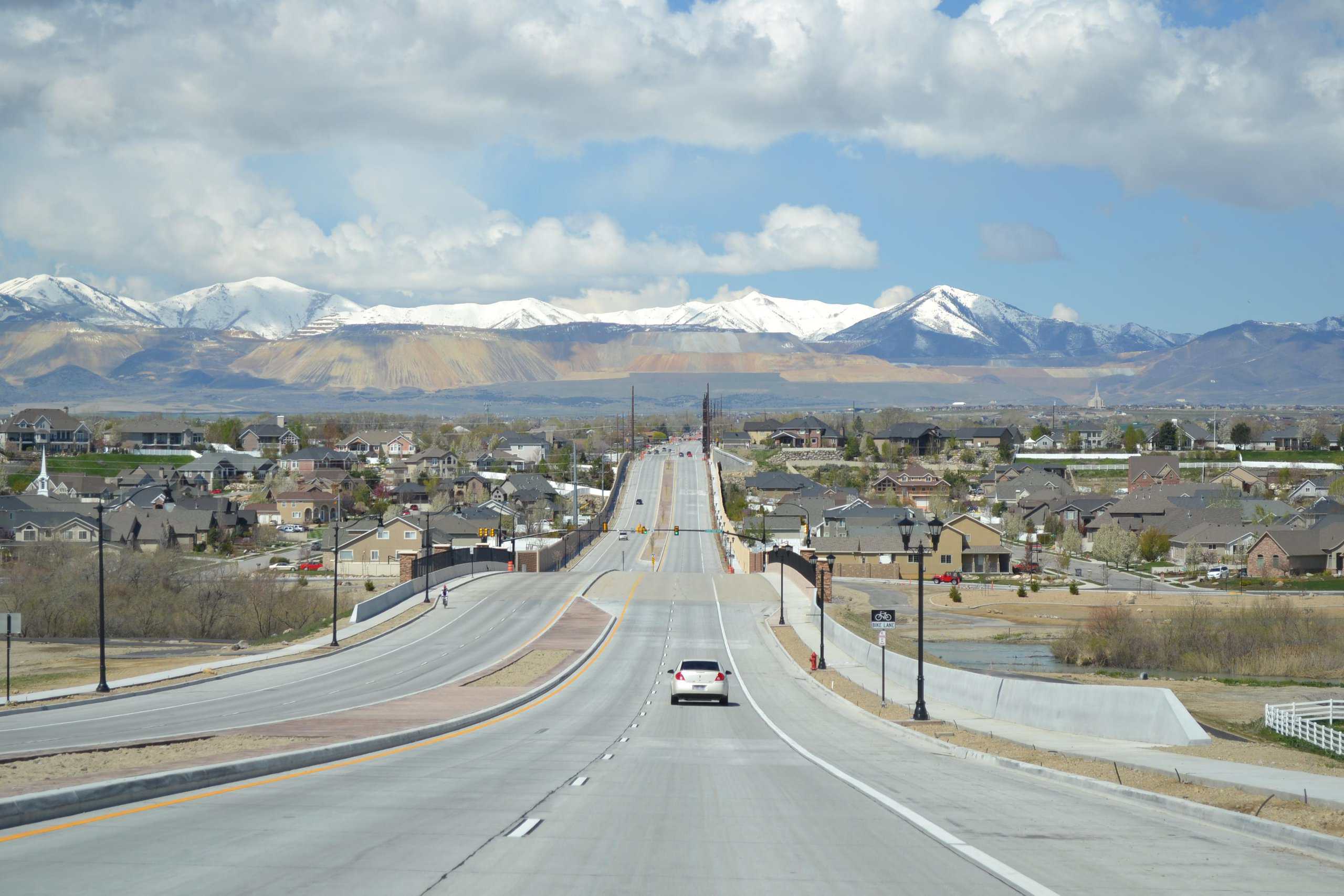
- Forecast population growth, 2020-2100: +127,675 residents (+108.3% increase)
- Current population, 2020: 117,937 residents
- Forecast population, 2100: 245,612 residents
- Distance from principal city center: 12.6 miles
- Most concentrated economic sectors: Finance and insurance, mining, quarrying, and oil and gas extraction, transportation and warehousing, real estate and rental and leasing, construction
15. Lakewood, CO (Denver metro area)
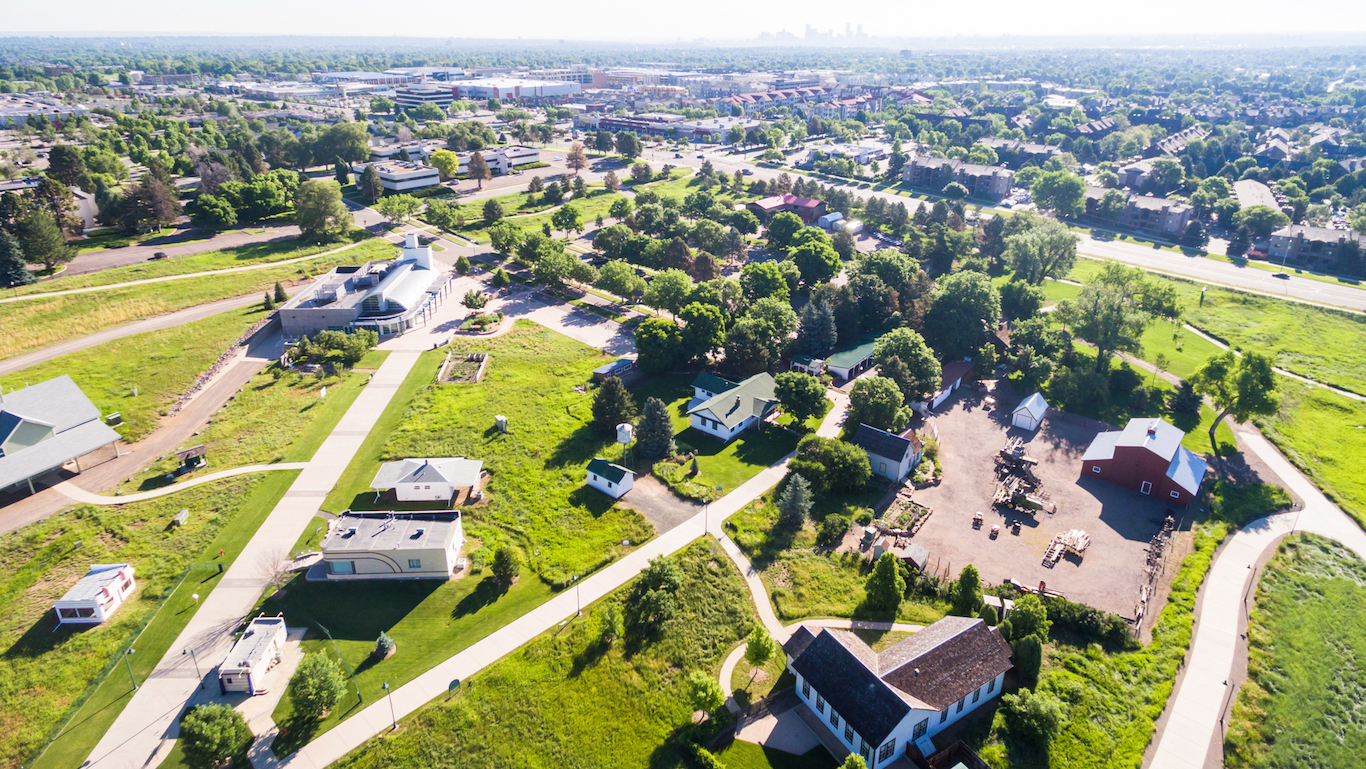
- Forecast population growth, 2020-2100: +129,104 residents (+82.3% increase)
- Current population, 2020: 156,907 residents
- Forecast population, 2100: 286,011 residents
- Distance from principal city center: 13.6 miles
- Most concentrated economic sectors: Mining, quarrying, and oil and gas extraction, professional, scientific, and technical services, information, arts, entertainment, and recreation, utilities
14. Meridian, ID (Boise metro area)
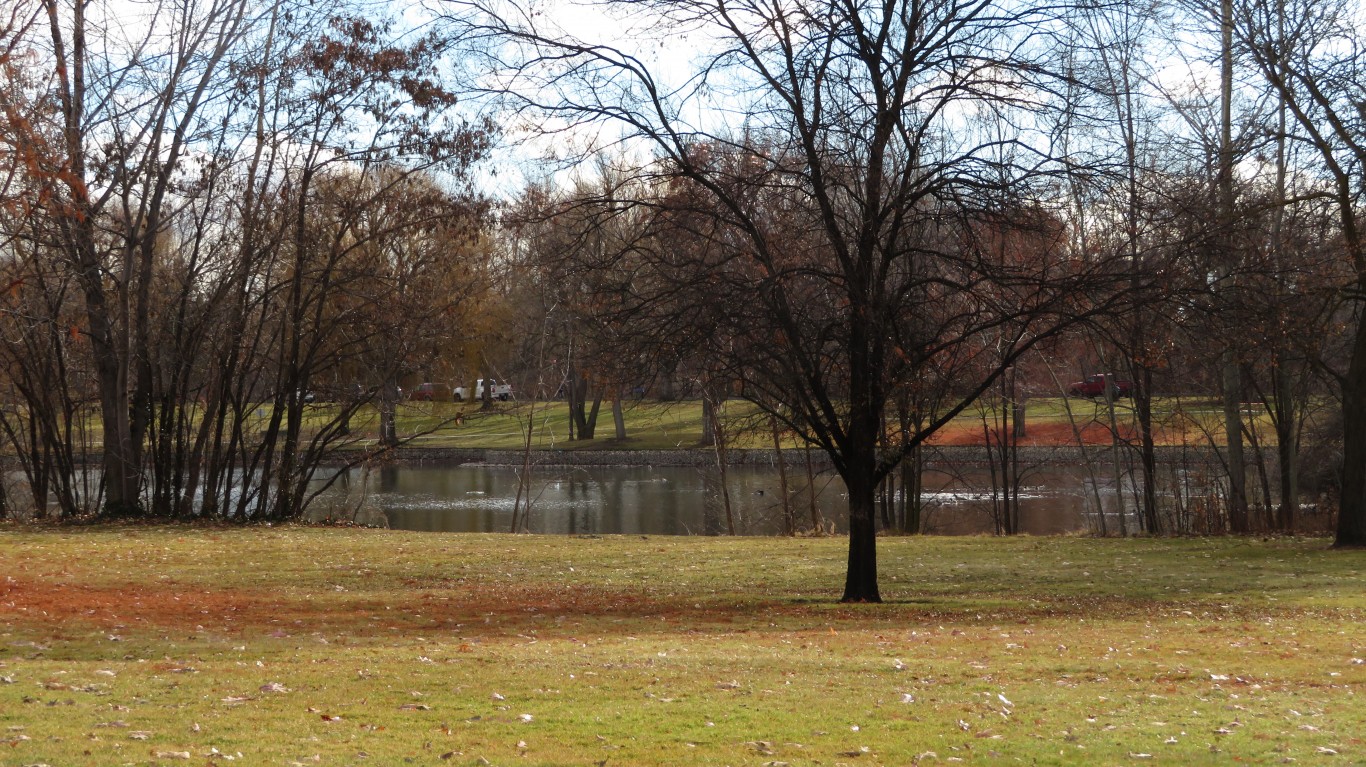
- Forecast population growth, 2020-2100: +129,281 residents (+109.1% increase)
- Current population, 2020: 118,448 residents
- Forecast population, 2100: 247,728 residents
- Distance from principal city center: 8.5 miles
- Most concentrated economic sectors: Utilities, wholesale trade, professional, scientific, and technical services, construction, information
13. Hialeah, FL (Miami metro area)
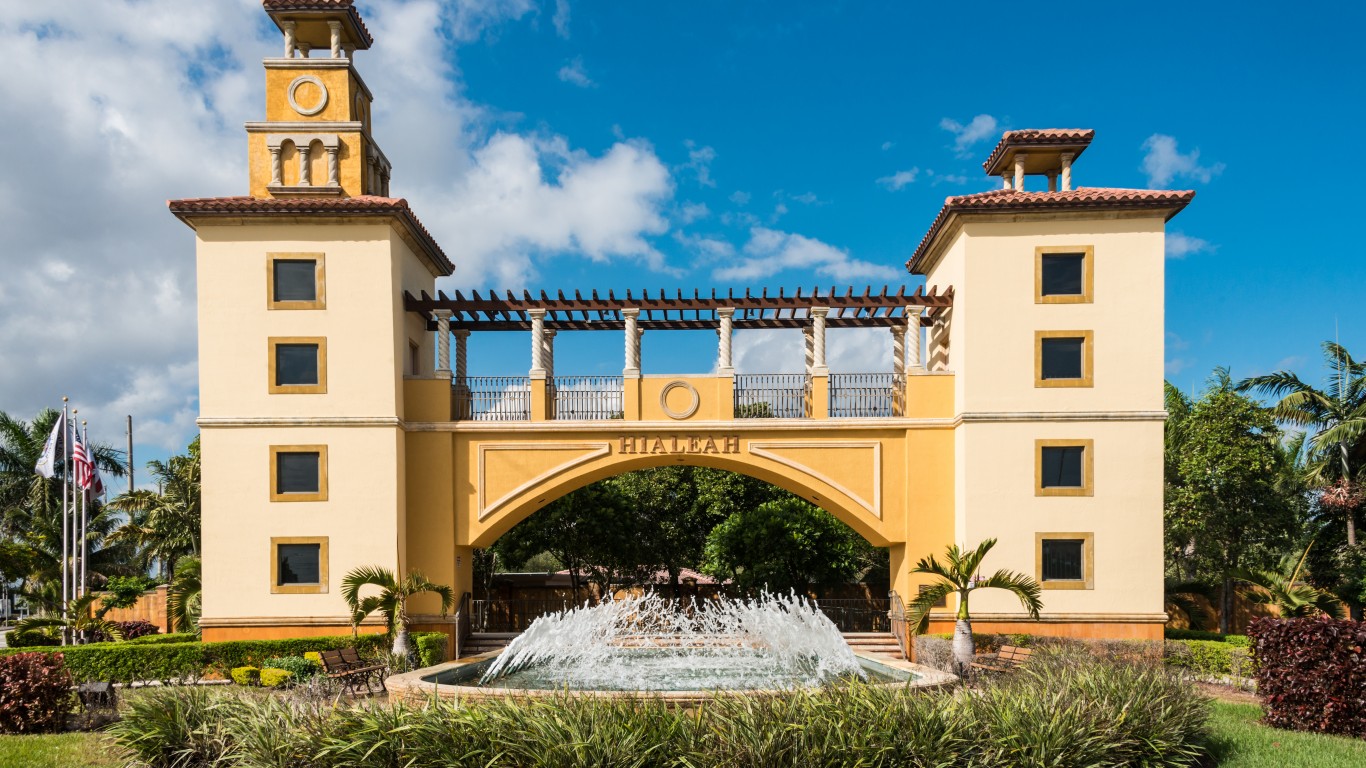
- Forecast population growth, 2020-2100: +130,029 residents (+57.9% increase)
- Current population, 2020: 224,420 residents
- Forecast population, 2100: 354,449 residents
- Distance from principal city center: 8.8 miles
- Most concentrated economic sectors: Transportation and warehousing, wholesale trade, construction, other services, except public administration, administrative and support and waste management services
12. Grand Prairie, TX (Dallas metro area)
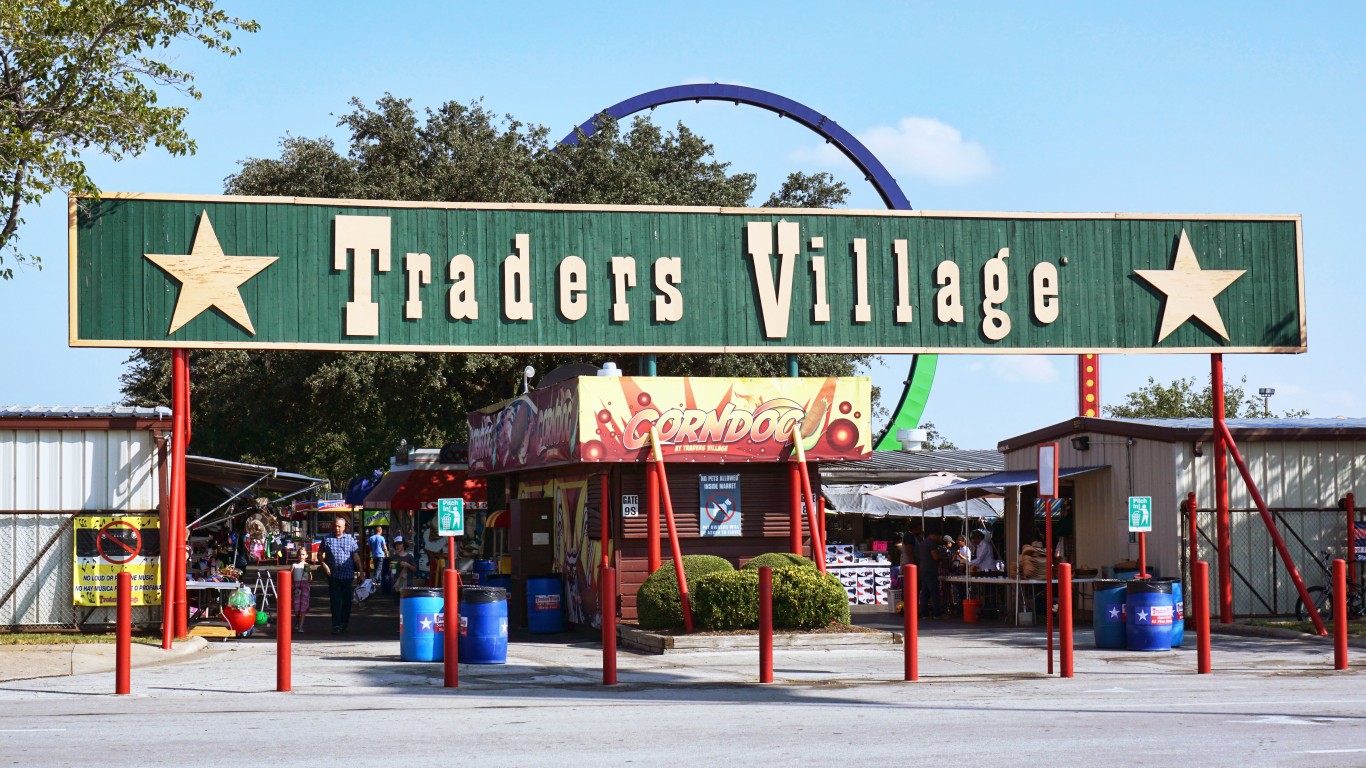
- Forecast population growth, 2020-2100: +133,335 residents (+67.6% increase)
- Current population, 2020: 197,307 residents
- Forecast population, 2100: 330,642 residents
- Distance from principal city center: 16.5 miles
- Most concentrated economic sectors: Transportation and warehousing, wholesale trade, manufacturing, construction, mining, quarrying, and oil and gas extraction
11. Alafaya, FL (Orlando metro area)
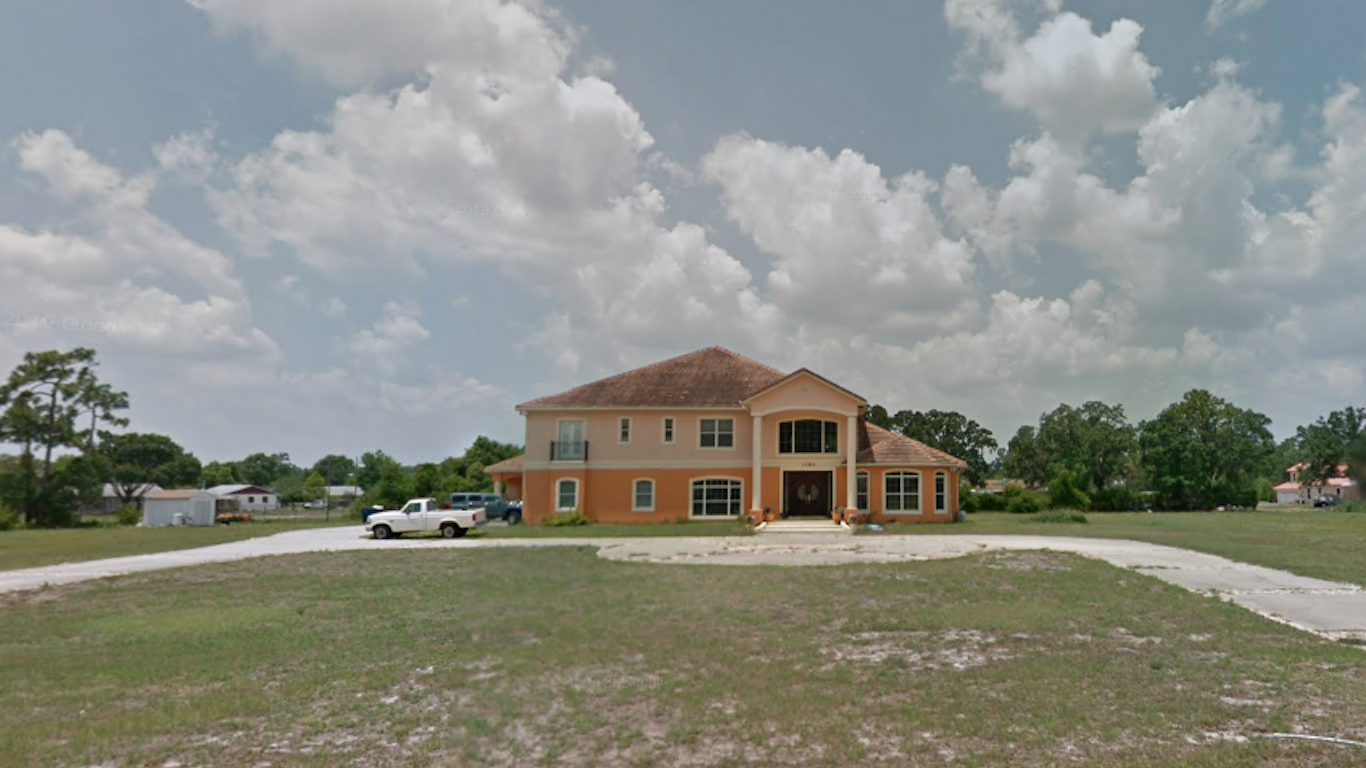
- Forecast population growth, 2020-2100: +137,435 residents (+147.7% increase)
- Current population, 2020: 93,063 residents
- Forecast population, 2100: 230,497 residents
- Distance from principal city center: 9.8 miles
- Most concentrated economic sectors: Utilities, arts, entertainment, and recreation, information, professional, scientific, and technical services, other services, except public administration
10. Surprise, AZ (Phoenix metro area)
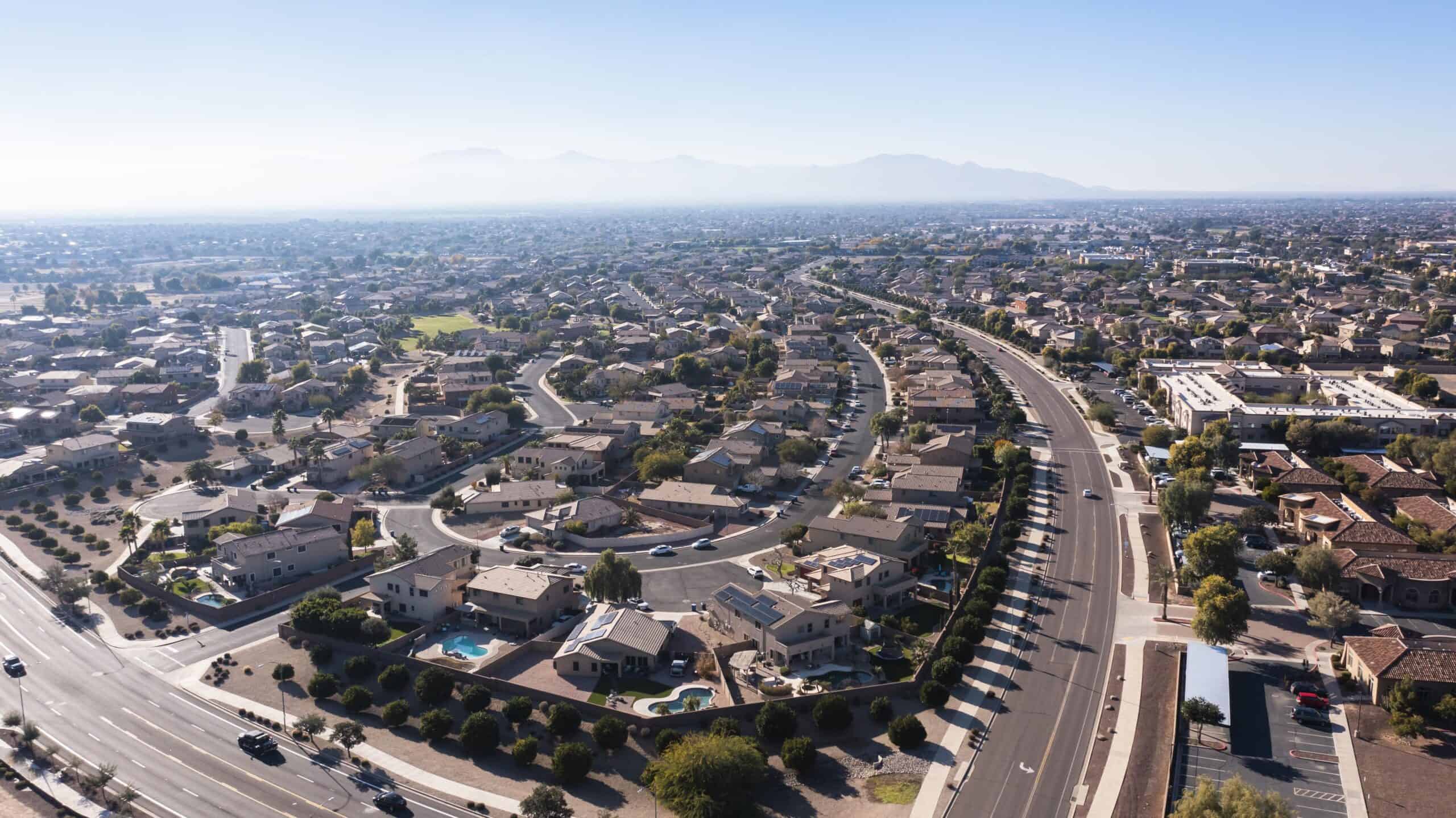
- Forecast population growth, 2020-2100: +146,230 residents (+101.5% increase)
- Current population, 2020: 144,121 residents
- Forecast population, 2100: 290,351 residents
- Distance from principal city center: 22.2 miles
- Most concentrated economic sectors: Management of companies and enterprises, finance and insurance, retail trade, real estate and rental and leasing, public administration
9. West Valley City, UT (Salt Lake City metro area)
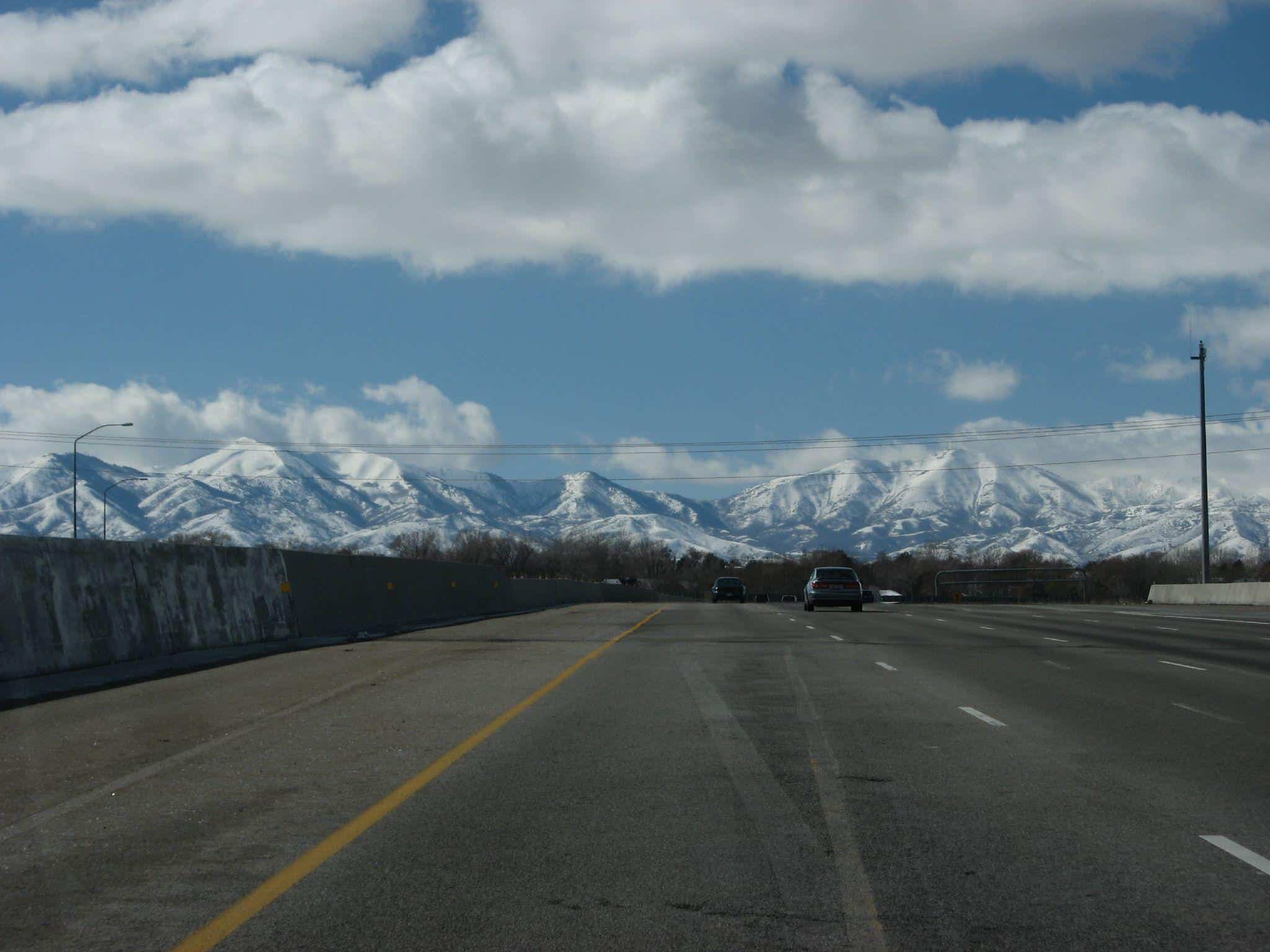
- Forecast population growth, 2020-2100: +148,507 residents (+105.0% increase)
- Current population, 2020: 141,378 residents
- Forecast population, 2100: 289,885 residents
- Distance from principal city center: 7.5 miles
- Most concentrated economic sectors: Transportation and warehousing, construction, mining, quarrying, and oil and gas extraction, administrative and support and waste management services, wholesale trade
8. Pearland, TX (Houston metro area)
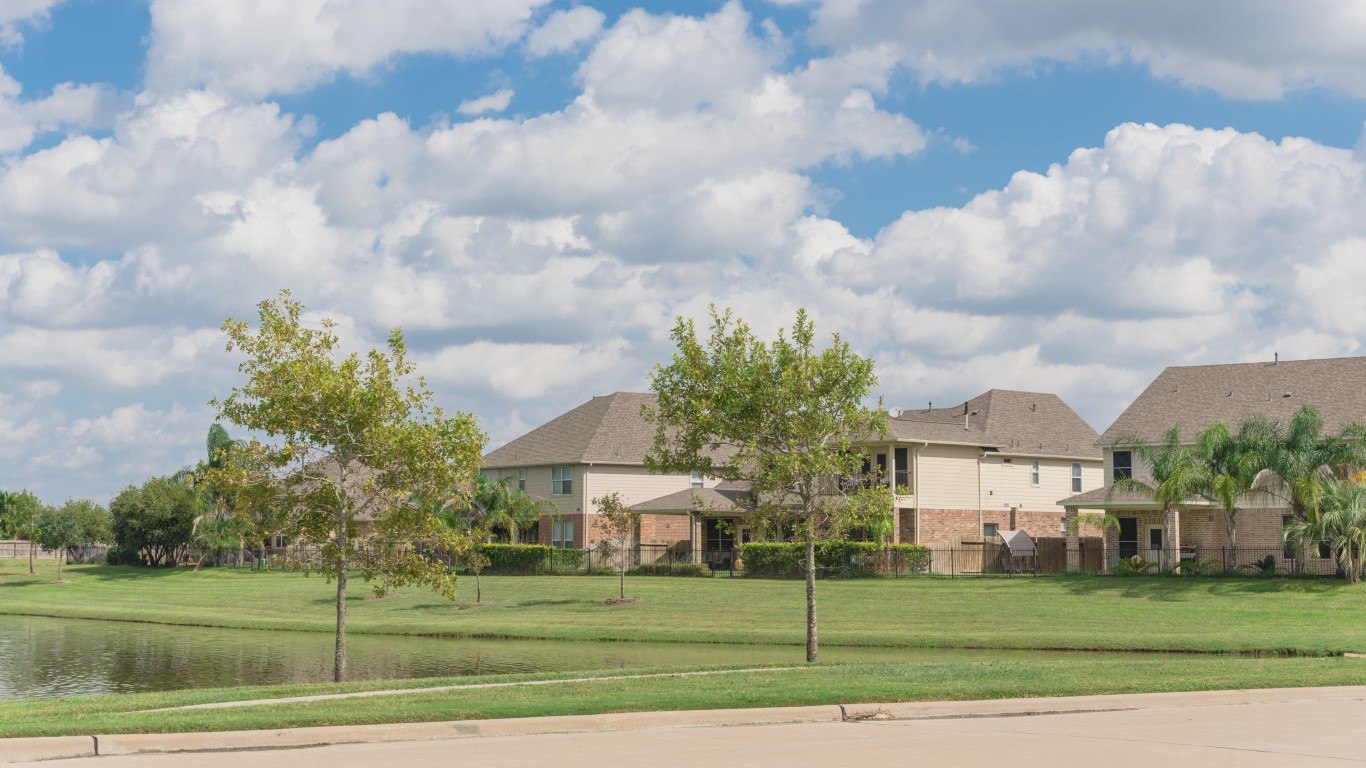
- Forecast population growth, 2020-2100: +148,645 residents (+117.4% increase)
- Current population, 2020: 126,662 residents
- Forecast population, 2100: 275,307 residents
- Distance from principal city center: 16.3 miles
- Most concentrated economic sectors: Mining, quarrying, and oil and gas extraction, utilities, management of companies and enterprises, health care and social assistance, real estate and rental and leasing
7. Glendale, AZ (Phoenix metro area)
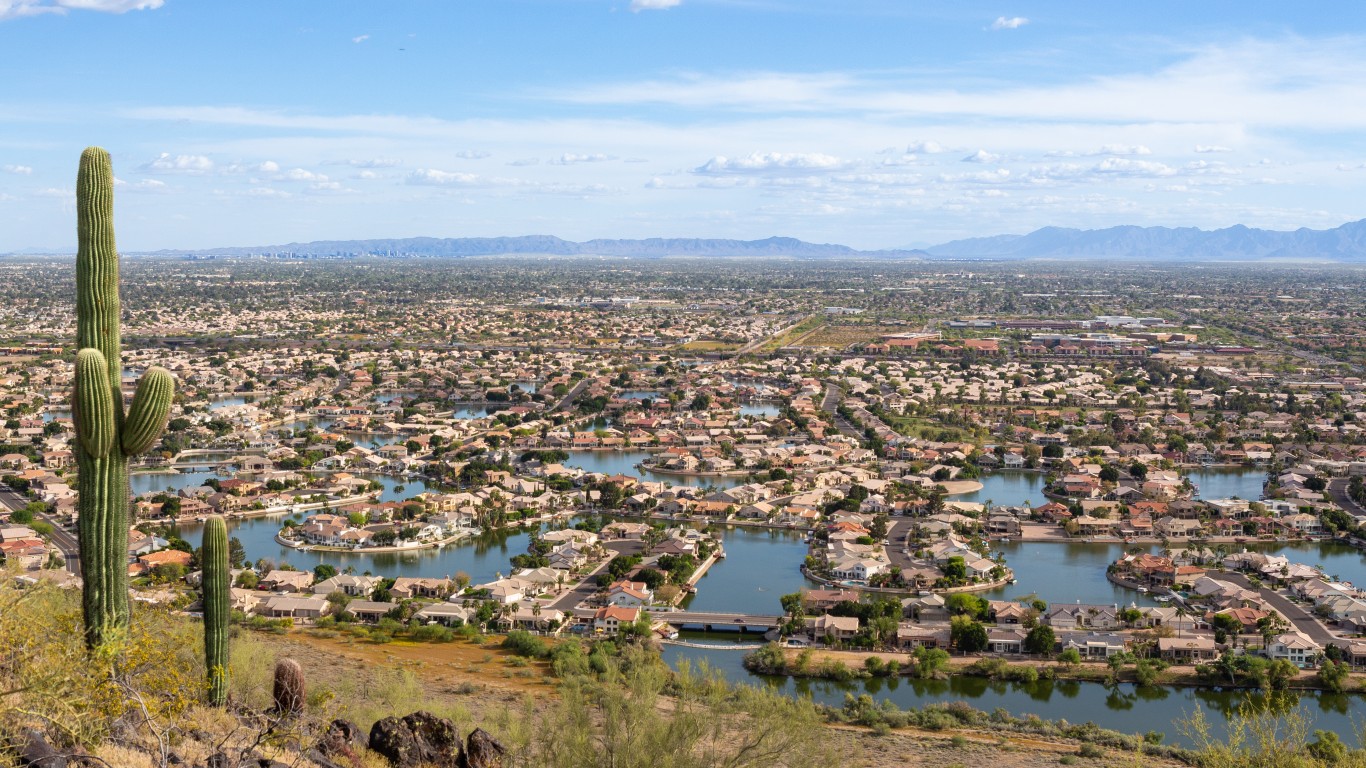
- Forecast population growth, 2020-2100: +190,391 residents (+76.2% increase)
- Current population, 2020: 249,872 residents
- Forecast population, 2100: 440,263 residents
- Distance from principal city center: 9.0 miles
- Most concentrated economic sectors: Administrative and support and waste management services, management of companies and enterprises, construction, finance and insurance, retail trade
6. Sunrise Manor, NV (Las Vegas metro area)
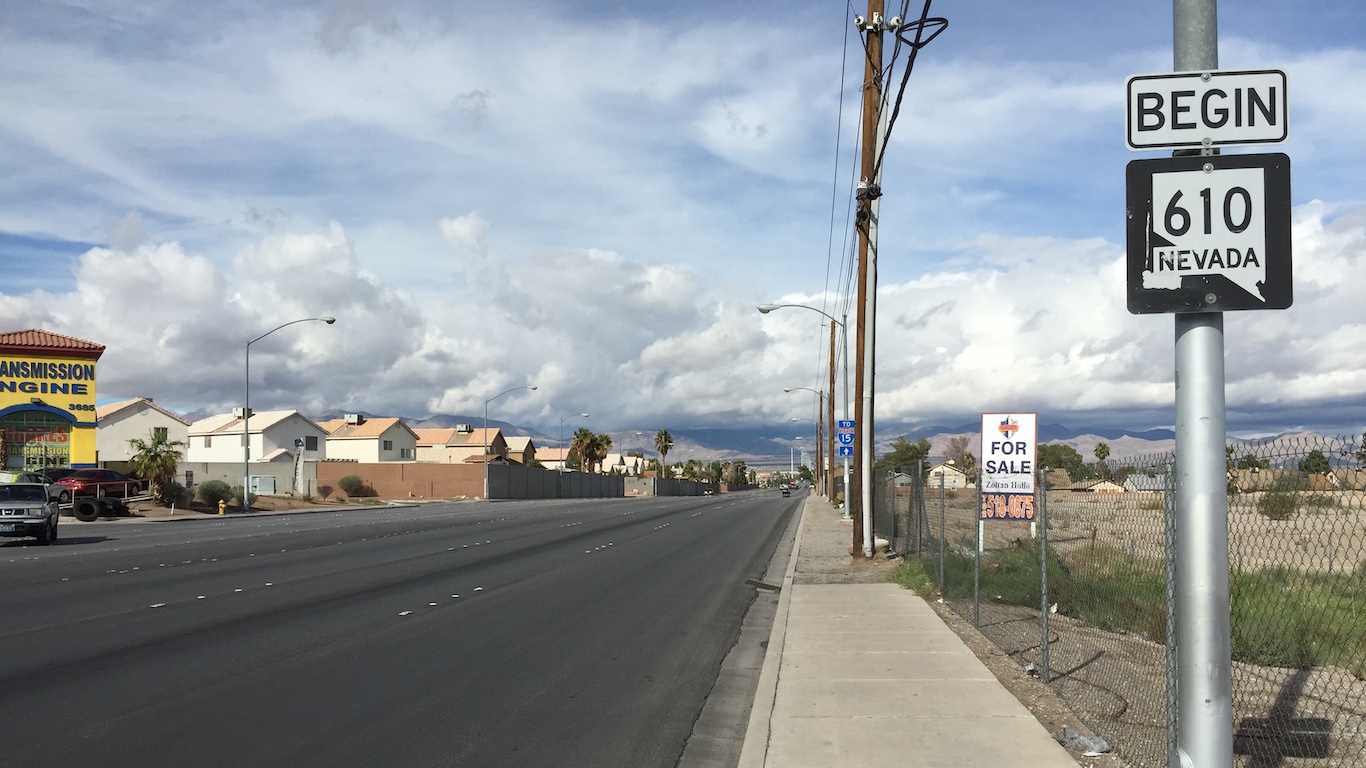
- Forecast population growth, 2020-2100: +192,041 residents (+92.8% increase)
- Current population, 2020: 206,970 residents
- Forecast population, 2100: 399,011 residents
- Distance from principal city center: 12.7 miles
- Most concentrated economic sectors: Arts, entertainment, and recreation, accommodation and food services, administrative and support and waste management services, construction, transportation and warehousing
5. Spring Valley, NV (Las Vegas metro area)

- Forecast population growth, 2020-2100: +212,609 residents (+98.0% increase)
- Current population, 2020: 217,040 residents
- Forecast population, 2100: 429,650 residents
- Distance from principal city center: 9.5 miles
- Most concentrated economic sectors: Arts, entertainment, and recreation, accommodation and food services, management of companies and enterprises, transportation and warehousing, real estate and rental and leasing
4. Enterprise, NV (Las Vegas metro area)

- Forecast population growth, 2020-2100: +220,157 residents (+98.6% increase)
- Current population, 2020: 223,320 residents
- Forecast population, 2100: 443,478 residents
- Distance from principal city center: 15.6 miles
- Most concentrated economic sectors: Arts, entertainment, and recreation, accommodation and food services, real estate and rental and leasing, transportation and warehousing, management of companies and enterprises
3. McKinney, TX (Dallas metro area)
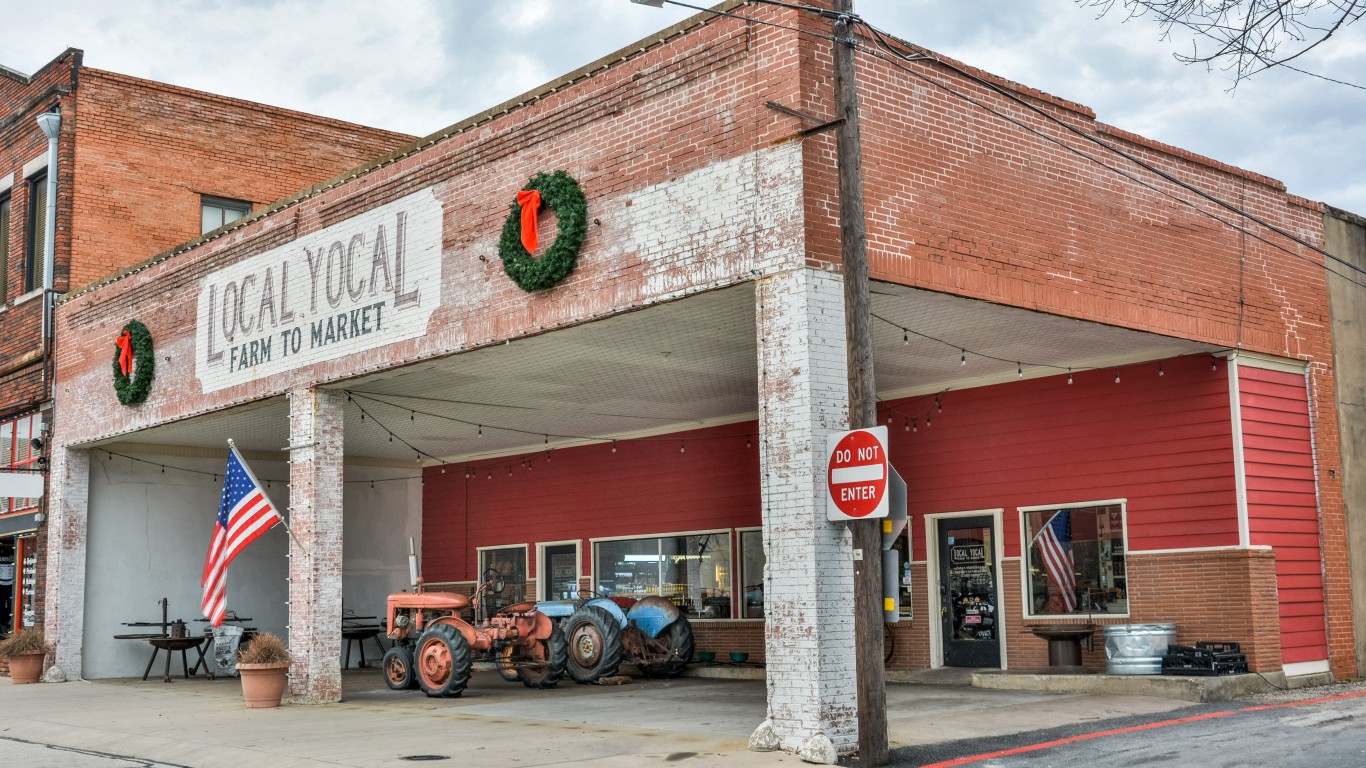
- Forecast population growth, 2020-2100: +223,880 residents (+113.9% increase)
- Current population, 2020: 196,525 residents
- Forecast population, 2100: 420,404 residents
- Distance from principal city center: 28.8 miles
- Most concentrated economic sectors: Finance and insurance, management of companies and enterprises, information, professional, scientific, and technical services, real estate and rental and leasing
2. Garland, TX (Dallas metro area)
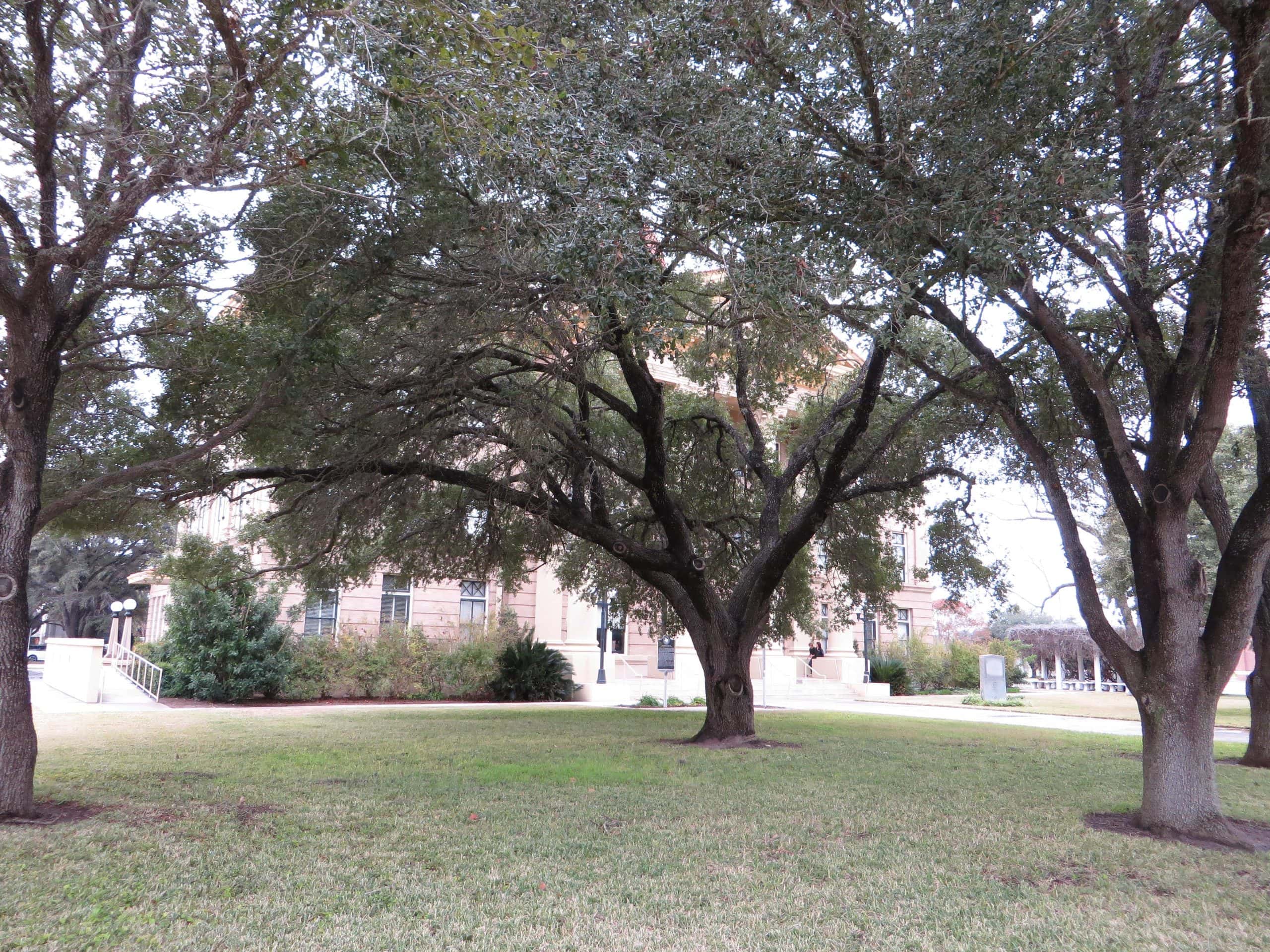
- Forecast population growth, 2020-2100: +240,875 residents (+97.3% increase)
- Current population, 2020: 247,568 residents
- Forecast population, 2100: 488,443 residents
- Distance from principal city center: 11.3 miles
- Most concentrated economic sectors: Construction, other services, except public administration, management of companies and enterprises, administrative and support and waste management services, finance and insurance
1. Frisco, TX (Dallas metro area)
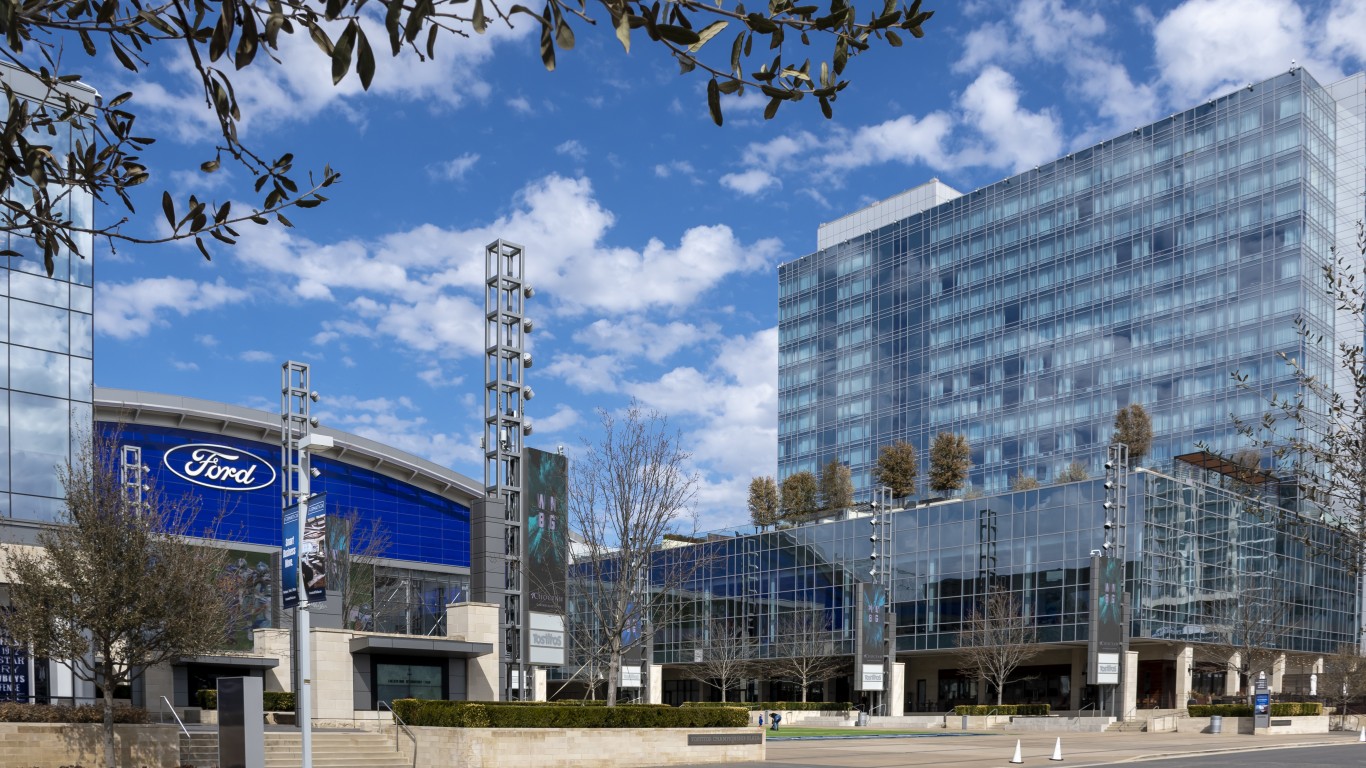
- Forecast population growth, 2020-2100: +338,056 residents (+167.5% increase)
- Current population, 2020: 201,882 residents
- Forecast population, 2100: 539,938 residents
- Distance from principal city center: 25.2 miles
- Most concentrated economic sectors: Management of companies and enterprises, finance and insurance, professional, scientific, and technical services, information, mining, quarrying, and oil and gas extraction









 Top Gaining Stocks
 Top Losing Stocks