


The European Commission is stepping up its scrutiny of alleged “greenwashing” in its markets. Greenwashing is the conveying of a false impression or disseminating misleading information on how a company’s products, goals, and policies are more environmentally friendly.
Earlier this month, the commission asked the European Supervisory Agencies to provide it with reports within two years on the prevalence of “greenwashing” in the region’s financial markets and what policies it should pursue to address the issue.
Besides providing reports on greenwashing the EC is also seeking from the ESA entities European Banking Authority, European Securities and Markets Authority, and European Insurance and Occupational Pensions Authority individual reports from the ESAs on greenwashing risk as well as the “implementation, supervision and enforcement of sustainable finance policies aimed at preventing greenwashing.”
The commission is expecting a progress report within 12 months, with the final report due in 24 months, a fairly long timeframe for ESAs to give their feedback to the commission.
The European Commission asked the ESAs to provide insights into the frequency of greenwashing in financial markets and to give a sense of how many occurrences are going undetected.
In addition, the commission asked the supervisory bodies to provide insight into whether current legal definitions introduced to address greenwashing are “understood consistently by supervisors and market participants.”
Following the ESAs’ input in response to the commission’s latest request, the commission will weigh whether further steps are necessary for better supervision and enforcement of greenwashing violations.
The commission’s request comes on the heels of greater supervisory scrutiny of greenwashing in financial markets. Recent cases have focused on U.S. firms BNY Mellon Investment Advisors and Goldman Sachs and German asset manager DWS.
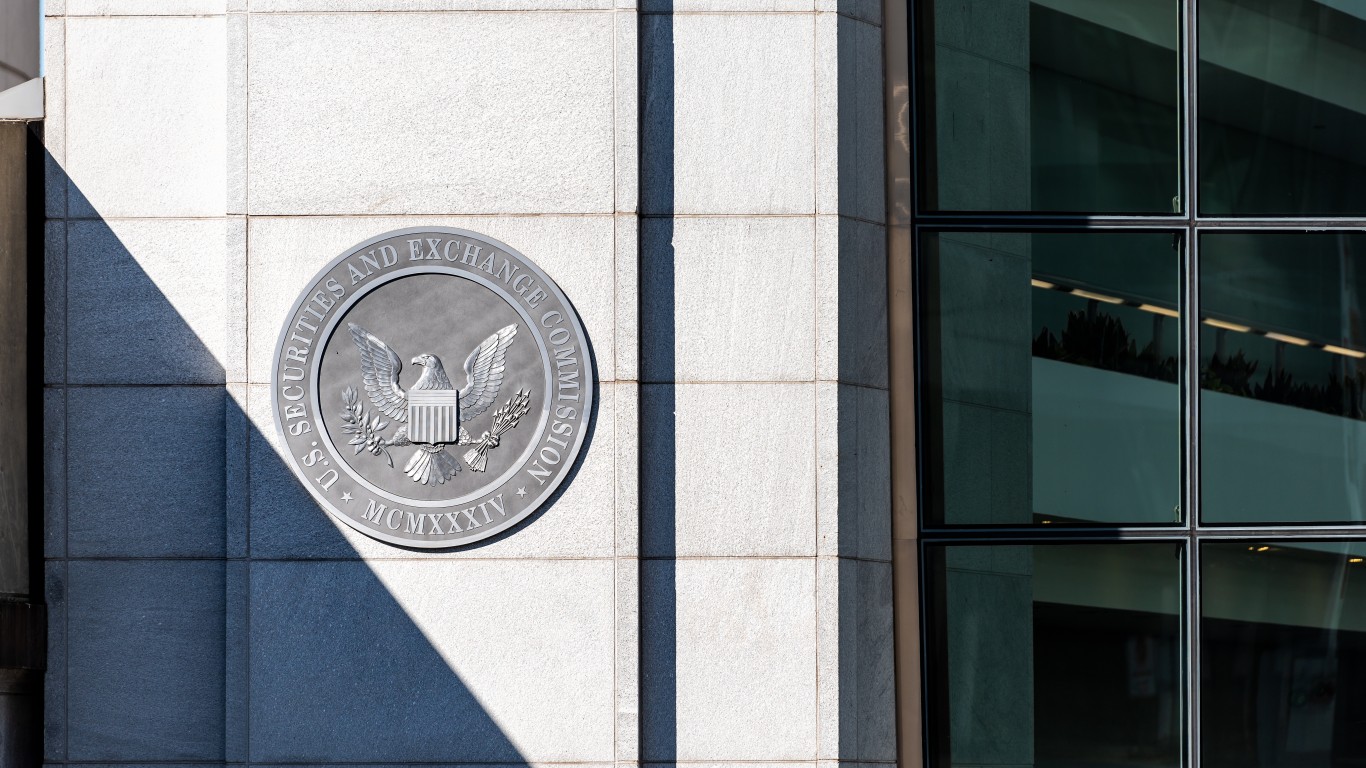
In May, the U.S. Securities and Exchange Commission charged BNY Mellon Investment Adviser, Inc. for “misstatements and omissions about environmental, social and governance (ESG) considerations.” The financial institution agreed to pay a $1.5 million penalty “without admitting or denying the SEC’s findings,” according to an SEC press release. It was the first such fine imposed by the SEC.
The following month, the SEC took aim at Goldman Sachs in an investigation into how the company weighs environmental, social and governance criteria. A spokesperson for Goldman Sachs confirmed that the agency is investigating its ESG-themed strategies.
Also in June, Asoka Woehrmann resigned as CEO of DWS after DWS and Deutsche Bank’s headquarters in Frankfurt were raided over allegations of misleading investors.
Critics of regulator oversight of greenwashing include Andy Kessler, a columnist for The Wall Street Journal, who dismissed these agency actions against financial institutions as a “fight over branding.”
The Corporate Citizenship Project, a corporate governance think-tank, contends that regulation is insufficient because there is no common set of ESG standards.
“Greenwashing will continue unless we get a clear and quantitative set of ESG standards. Regulators are right to hold the most egregious violators accountable but it is time that they hold the whole industry; including ESG ratings agencies like MSCI, proxy advisors like ISS, and asset managers like Blackrock accountable for the exact metrics they use to calculate ESG ratings,” said Bryan Junus, Chief Analyst for The Corporate Citizenship Project.
In June, the EU’s securities regulator said it planned to boost its investigations into greenwashing. As part of its effort, the regulator is including defining greenwashing’s basic features and proposing rules to address it.










 Top Gaining Stocks
 Top Losing Stocks