


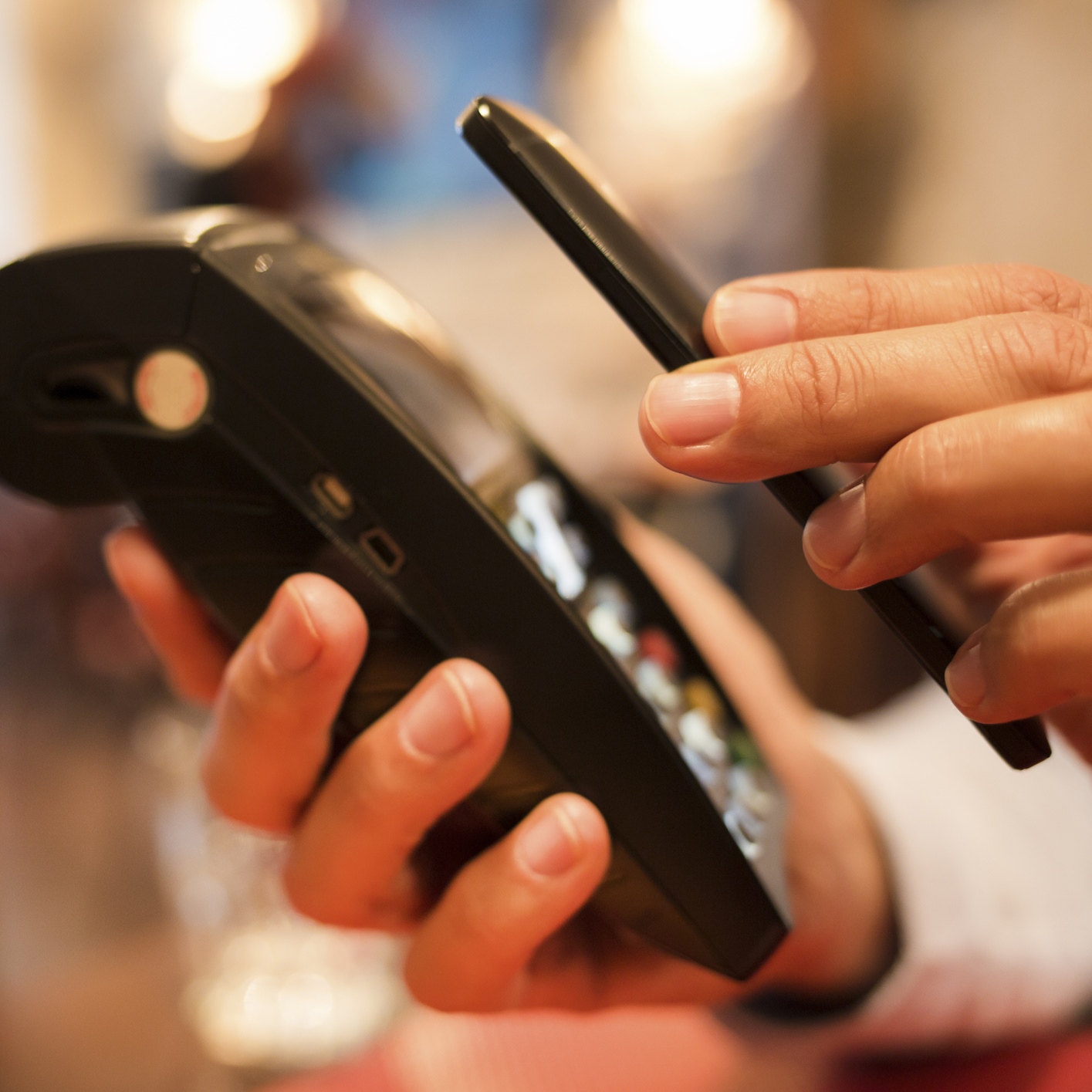
 Barely a week goes by without the release of research about all the new things that smartphones do now or will do in the future. The future profits of smartphones appears to be the sale of apps and mobile payment features. Credit card companies are desperately trying to keep up with new software firms that will make it easier to use smartphones as virtual cash registers.
The most recent predictions about the mobile payment market come from UK research operation Juniper Research. The information is almost useless because it reiterates what other research have said, but it does provide support for the idea that shopping may change radically in the next several years.
Juniper “forecasts that the number of mobile phone users making payments for digital goods will reach 2.5 billion worldwide by 2015, up from 1.8bn forecast for 2011. This represents a growth of 40%.” Those numbers are conservative compared to what other researchers have said. That does not make them any more accurate.
The smartphone market has become so stuffed with applications and services that people can pick which ones they need or want. Apple has 350,000 apps at latest count. A small portion of those probably represent most downloads. An iPhone with 20 or 30 apps is an iPhone which has so many functions that the consumer can hardly keep track of them. Mobile payment systems will be added to those.
The core problem with mobile payments may be trust. Many people elect not to conduct e-commerce on PCs. These individuals remain concerned about the security of their data. Recent hacks into data centers as diverse as Citigroup’s (NYSE: C) credit card operations and large defense contractors make their worries something short of paranoia.
Mobile systems may be less secure than the wired ones that go from PCs to e-commerce sites. It would certainly seem that way to those who are uneducated in these matters. Data that travels through the air somehow seems insecure, at least to those who do not know any better.
The rapid rise in the use of mobile payment systems is like the predicted rise in any other technology. People have to decide, one-by-one, how they will behave. That is extremely hard to predict when it comes to features that consumers have never used before.
Douglas A. McIntyre






 Top Gaining Stocks
 Top Losing Stocks