


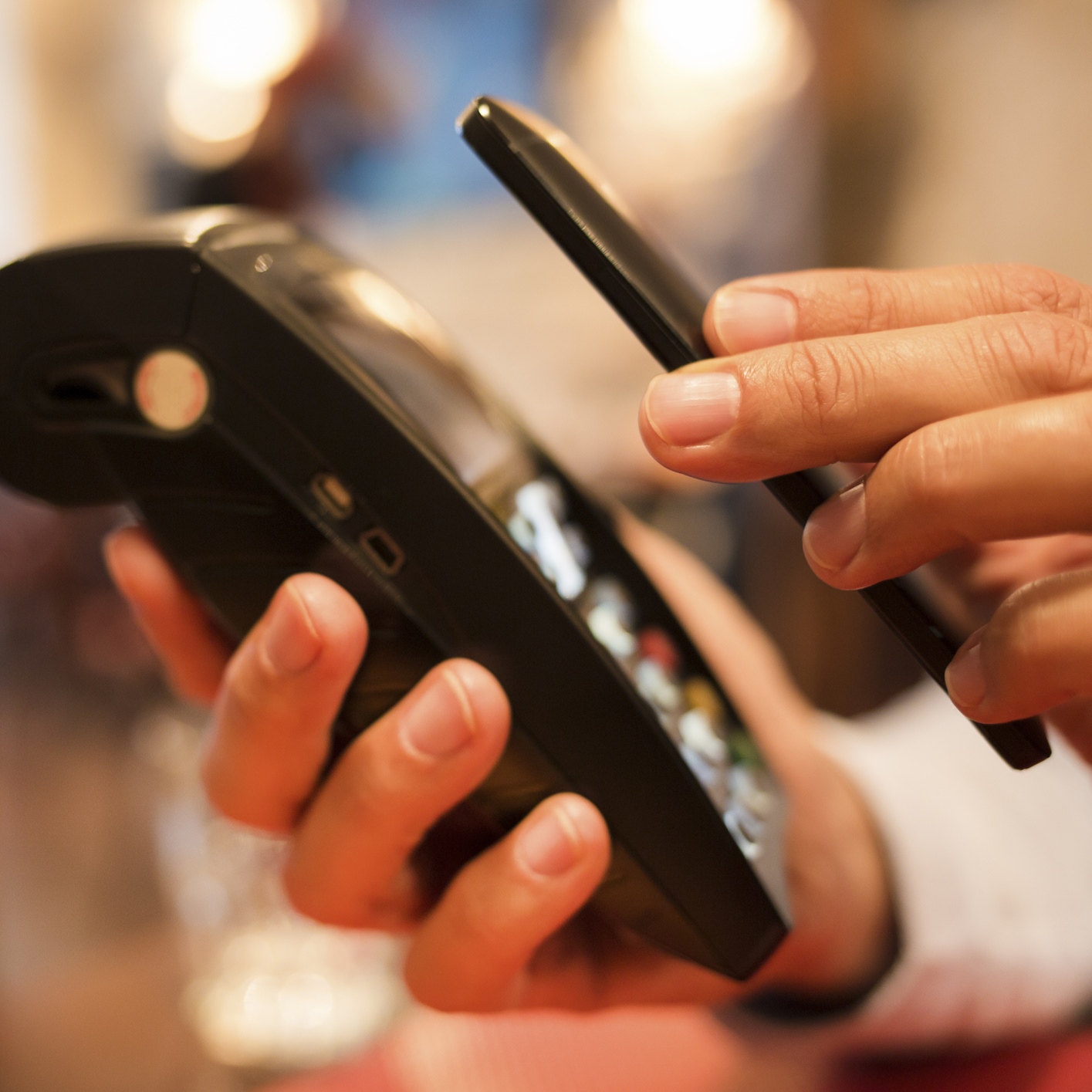
Mobile payment systems, essential to the fate of many retailers and electronics firms, including Apple Inc. (NASDAQ: AAPL), should take off in 2016. That conclusion from research firm TrendForce should hearten companies gambling that consumers won’t stay tied to credit cards and cash.
TrendForce researchers report:
With major smartphone brands Apple and Samsung making a big entrance into the mobile payment business, the total revenue of the worldwide mobile payment market in 2015 reached US$450 billion, according to the global market research firm TrendForce. By the end of 2016, the total revenue is estimated to arrive at US$620 billion, representing a massive growth of 37.8% year on year.
The growth rate drops to 25.8% in 2017, 19.2% in 2018 and 16.1% in 2019, which takes the total to $10.8 billion for the final year.
[nativounit]
Apple management repeats over and over that the iPhone’s fate depends on China. The mobile payment business seems the same:
Apple Pay and Samsung Pay especially have been scrambling to China, which makes up a huge slice of the mobile payment market. The rival service providers both struck a deal with the government-run Chinese bank-card payment processor China UnionPay earlier this year. Hence, Chinese iPhone and Samsung phone users will be able to make mobile payments this year, provided that their models are of the latest generation with upgraded software.
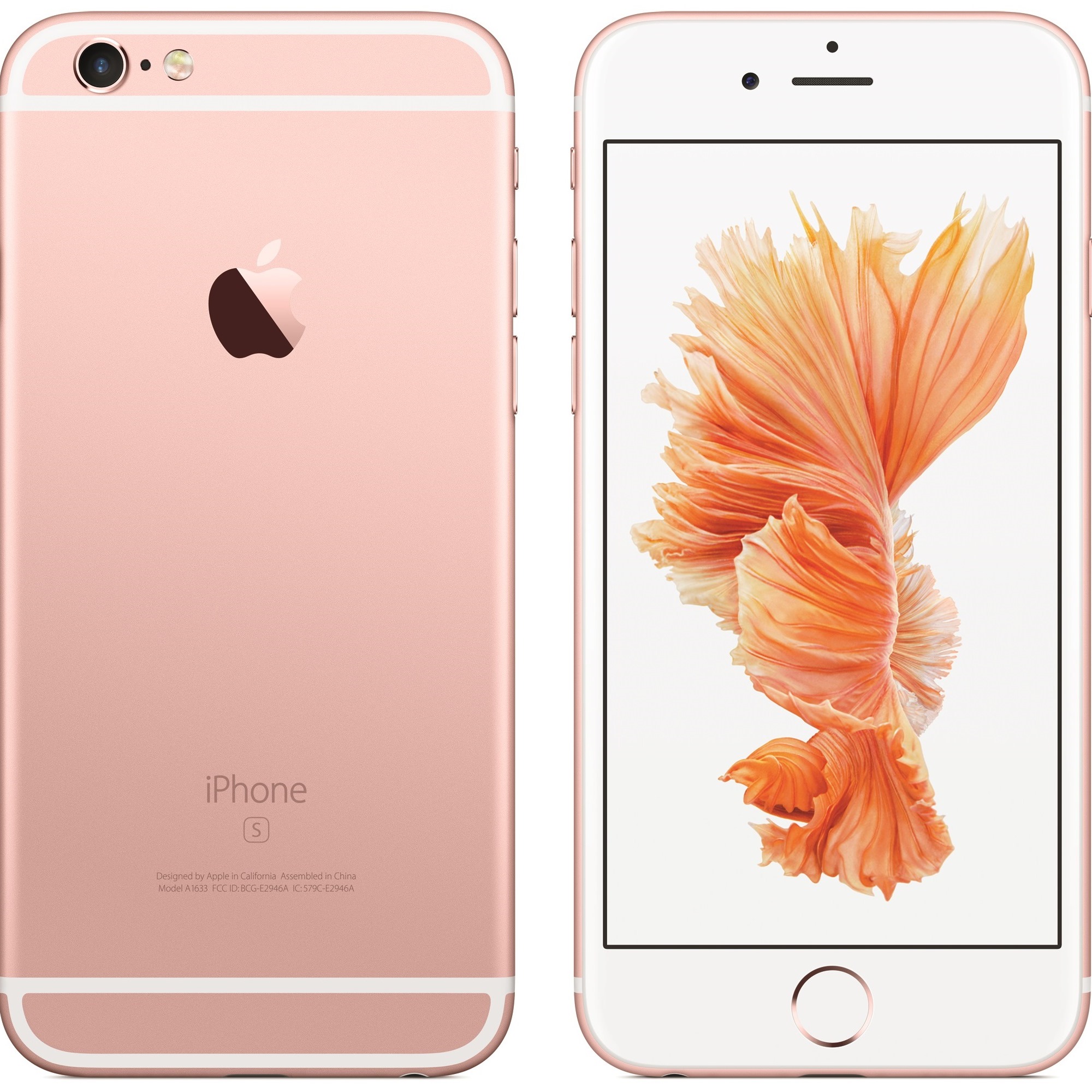
The iPhone 6 and iPhone 7 “latest generation” sales might jump as consumers move to mobile payments. With flattening iPhone sales, Apple should hope so.
Apple and Samsung may be hampered by institutions that do not want to see part of their business stolen:
Besides financial institutions, retailers are also looking into developing their own mobile payment services. Leading U.S. retail chain Walmart, for example, launched Walmart Pay last year with the hope of building its payment business on its customer base of 22 million. Walmart Pay is expected to be available in all of Walmart’s U.S. stores this year. Target, the second largest discount retailer in the U.S., will soon launch its mobile wallet solution as well to assert control over its mobile transactions.
As the mobile payment industry grows, so does the competition.











 Top Gaining Stocks
 Top Losing Stocks