Hands-Free Devices Flagged as Unsafe

Photo of Douglas A. McIntyre
By Douglas A. McIntyre Published
This post may contain links from our sponsors and affiliates, and Flywheel Publishing may receive compensation for actions taken through them.

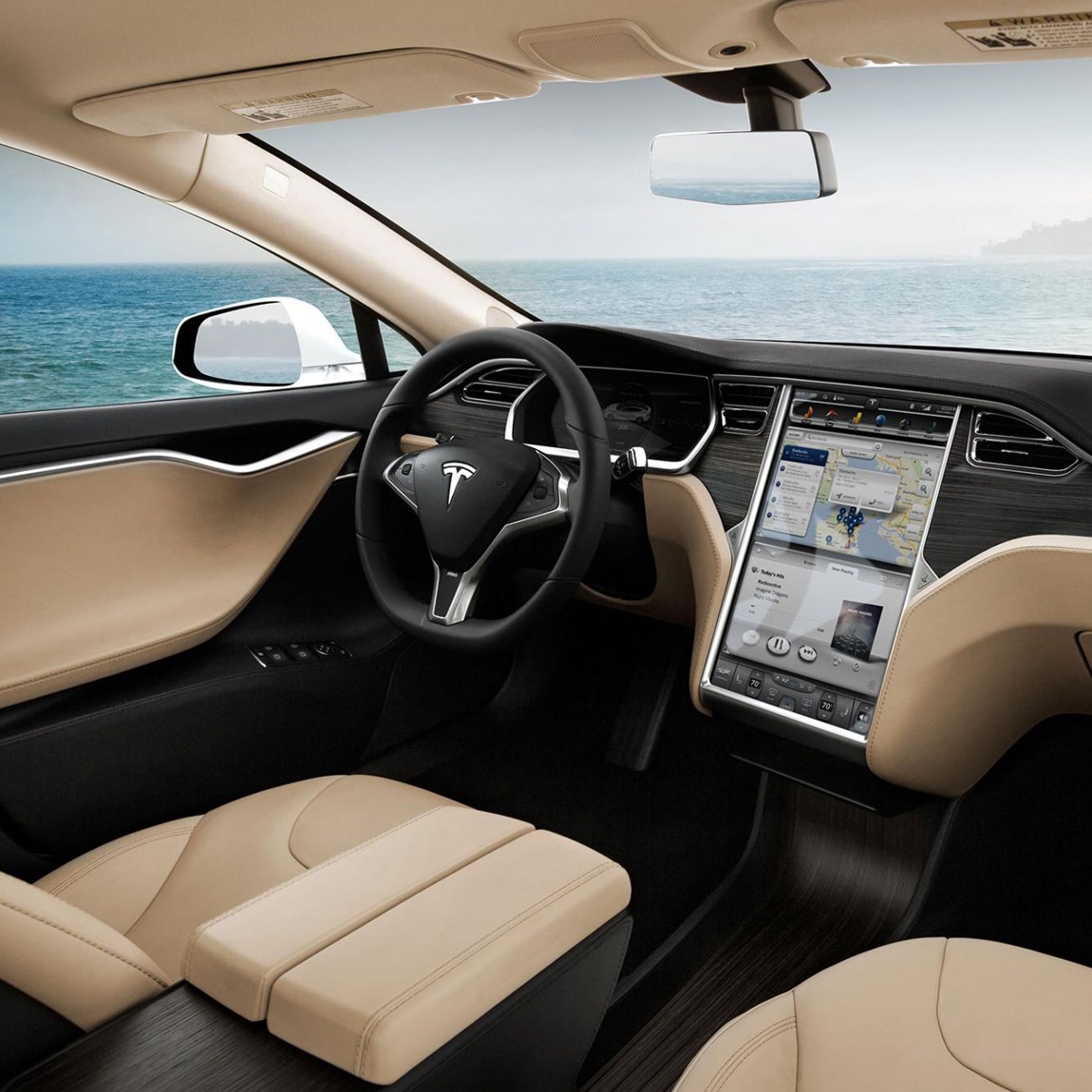
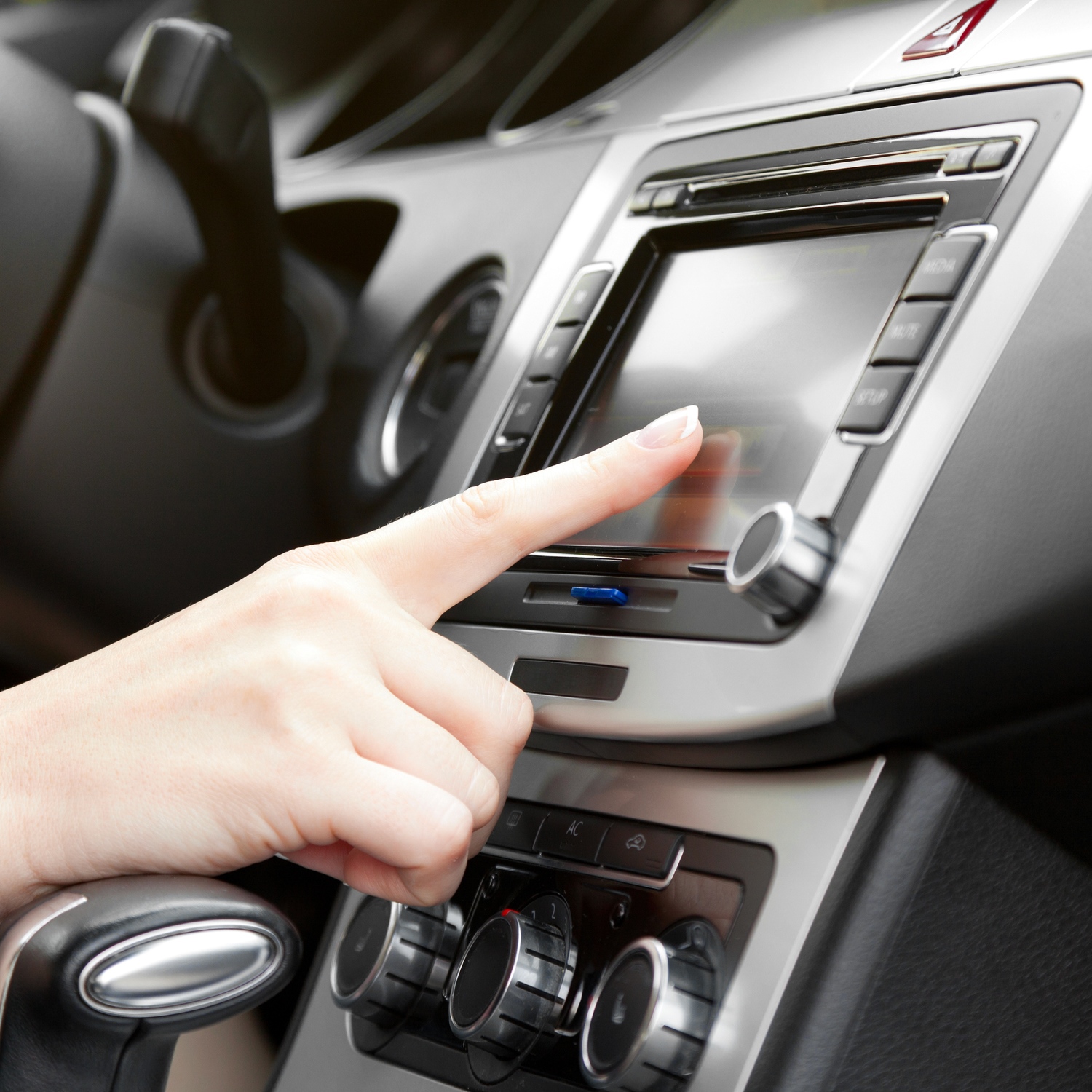
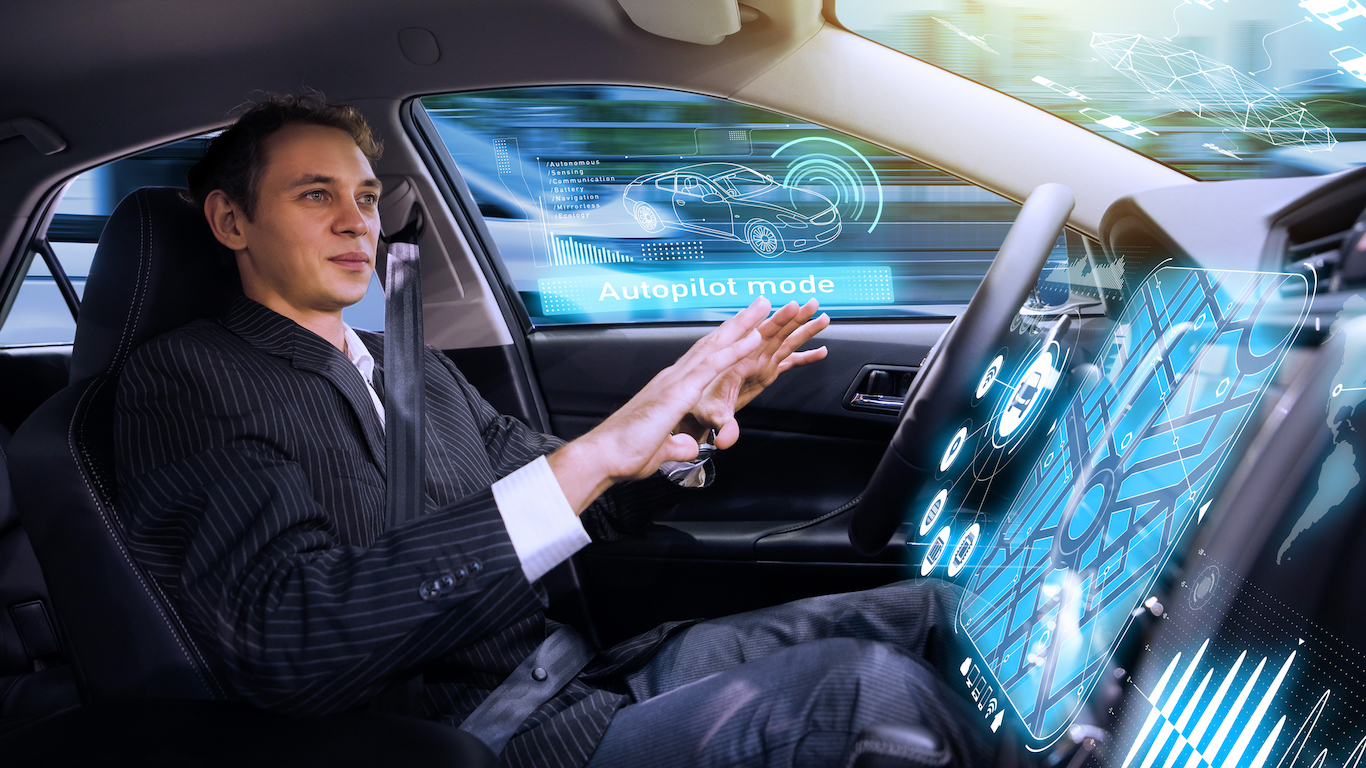
Hands-free devices built for use in cars are supposed to take away the danger of people texting and talking on traditional smartphones and related devices while driving. The theory is simple. With both hands on the wheel and no eyes on small screens, driving automatically becomes safer. That conventional wisdom turns out to be untrue, which could be a blow to both consumer electronics makers and car manufacturers.

New information compiled by the AAA Foundation for Traffic Safety:

With three out of four drivers believing that hands-free technology is safe to use, Americans may be surprised to learn that these popular new vehicle features may actually increase mental distraction. This research can serve as guidance to manufacturers who increasingly market hands-free systems as safety features. The good news for consumers is that it is possible to design hands-free technologies that are less cognitively distracting.

Since this “safer” technology has not been widely deployed, the potential of better hands-free devices is nothing more than potential.

ALSO READ: Chevy Vehicles Get 4G Wi-Fi: Is It Dangerous?

AAA researchers added:

The results, which build on the first phase of the Foundation’s research conducted last year, suggest that developers can improve the safety of their products by making them less complicated, more accurate and generally easier to use — a point AAA hopes to use in working with manufacturers to make hands-free technologies as safe as possible for consumers. While manufacturers continue their efforts to develop and refine systems that reduce distractions, AAA encourages drivers to minimize cognitive distraction by limiting the use of most voice-based technologies.

A simpler way to interpret the information is that people cannot do two things at one time, or at least cannot do them both well. Even use of Apple Inc.’s (NASDAQ: AAPL) iPhone Siri technology or a similar feature in other smartphones poses a danger.

The auto manufactures may suffer the brunt of the research results. 4G connectivity has become one of the latest major selling points for cars. The marketing of the feature has gone so far that is has become a competitive advantage.

According to General Motors Co.’s (NYSE: GM) Chevy division:

Whenever your vehicle is on, available OnStar 4G LTE Wi-Fi is too. It offers great signal quality and bandwidth for up to 7 devices.

So, seven people can use one device each, or the driver can use seven simultaneously. What Chevy markets as an important feature may be as much a danger as a convenience.

The popularity of hands-free technology features in cars has come just as the same technology is marked as dangerous.

ALSO READ: Cars With the Oldest Buyers

Photo of Douglas A. McIntyre
About the Author Douglas A. McIntyre →

Douglas A. McIntyre is the co-founder, chief executive officer and editor in chief of 24/7 Wall St. and 24/7 Tempo. He has held these jobs since 2006.

McIntyre has written thousands of articles for 24/7 Wall St. He is an expert on corporate finance, the automotive industry, media companies and international finance. He has edited articles on national demographics, sports, personal income and travel.

His work has been quoted or mentioned in The New York Times, The Wall Street Journal, Los Angeles Times, The Washington Post, NBC News, Time, The New Yorker, HuffPost USA Today, Business Insider, Yahoo, AOL, MarketWatch, The Atlantic, Bloomberg, New York Post, Chicago Tribune, Forbes, The Guardian and many other major publications. McIntyre has been a guest on CNBC, the BBC and television and radio stations across the country.

A magna cum laude graduate of Harvard College, McIntyre also was president of The Harvard Advocate. Founded in 1866, the Advocate is the oldest college publication in the United States.

TheStreet.com, Comps.com and Edgar Online are some of the public companies for which McIntyre served on the board of directors. He was a Vicinity Corporation board member when the company was sold to Microsoft in 2002. He served on the audit committees of some of these companies.

McIntyre has been the CEO of FutureSource, a provider of trading terminals and news to commodities and futures traders. He was president of Switchboard, the online phone directory company. He served as chairman and CEO of On2 Technologies, the video compression company that provided video compression software for Adobe’s Flash. Google bought On2 in 2009.

Our $500K AI Portfolio

See us invest in our favorite AI stock ideas for free

Our Investment Portfolio

Continue Reading

Top Gaining Stocks

CBOE Vol: 1,568,143
PSKY Vol: 12,285,993
STX Vol: 7,378,346
ORCL Vol: 26,317,675
DDOG Vol: 6,247,779

Top Losing Stocks

LKQ
LKQ Vol: 4,367,433
CLX Vol: 13,260,523
SYK Vol: 4,519,455
MHK Vol: 1,859,865
AMGN Vol: 3,818,618