


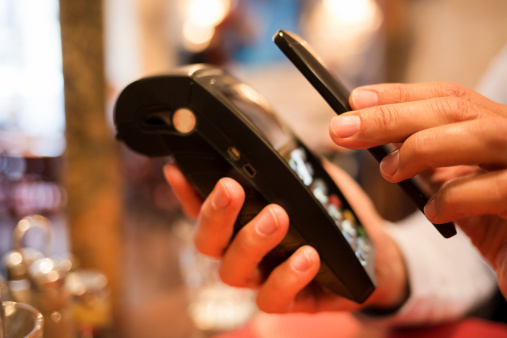
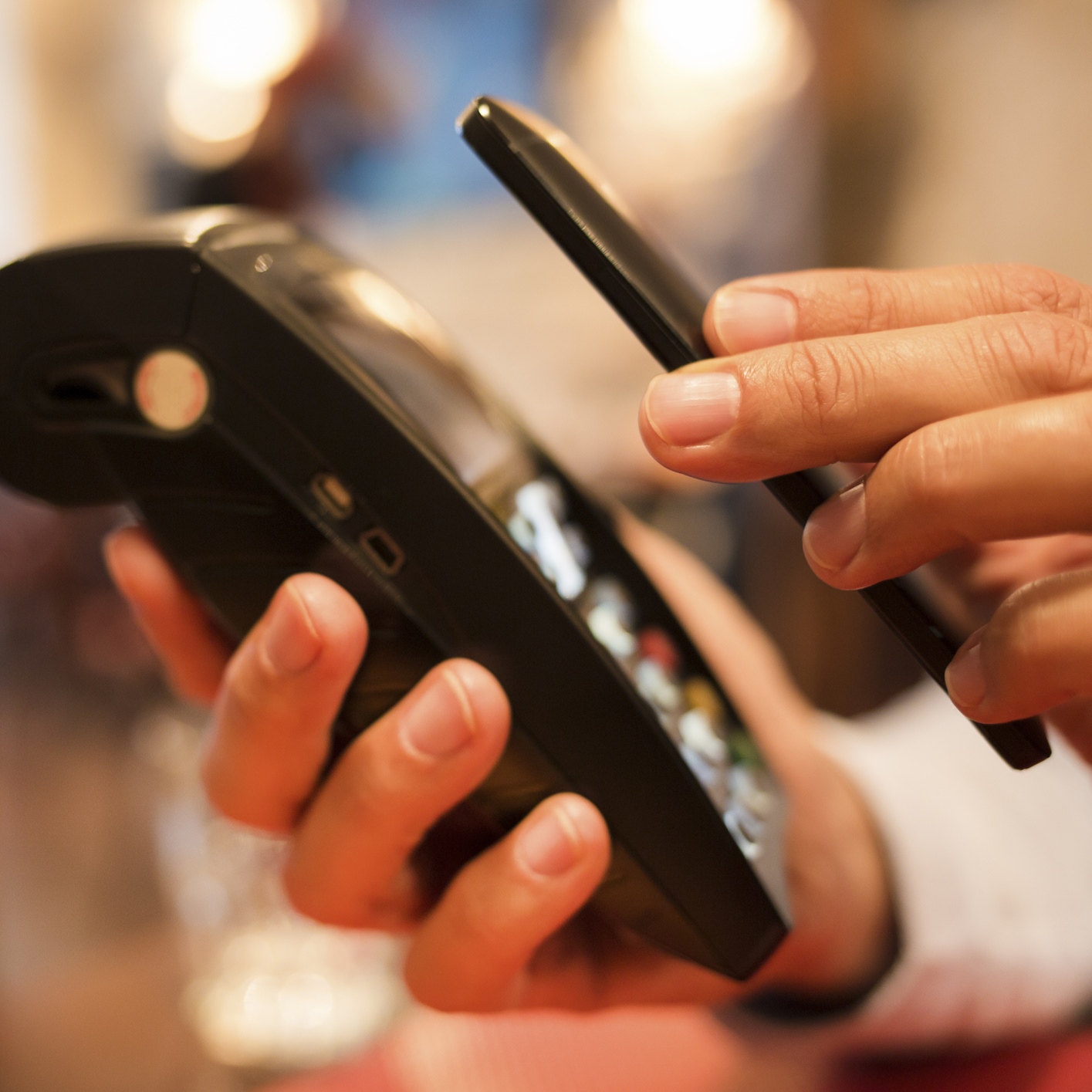
Apple has reached deals with credit card companies like Visa Inc. (NYSE: V) and MasterCard Inc. (NYSE: MA) and all the large U.S. banks that would allow consumers to link their credit cards to Apple Pay and use the Apple NFC technology to make payments. The credit card companies still collect their swipe fees and Apple gets a cut. From a merchant’s point of view, this is just an additional expense to pay for the terminal equipment needed to accept Apple Pay.
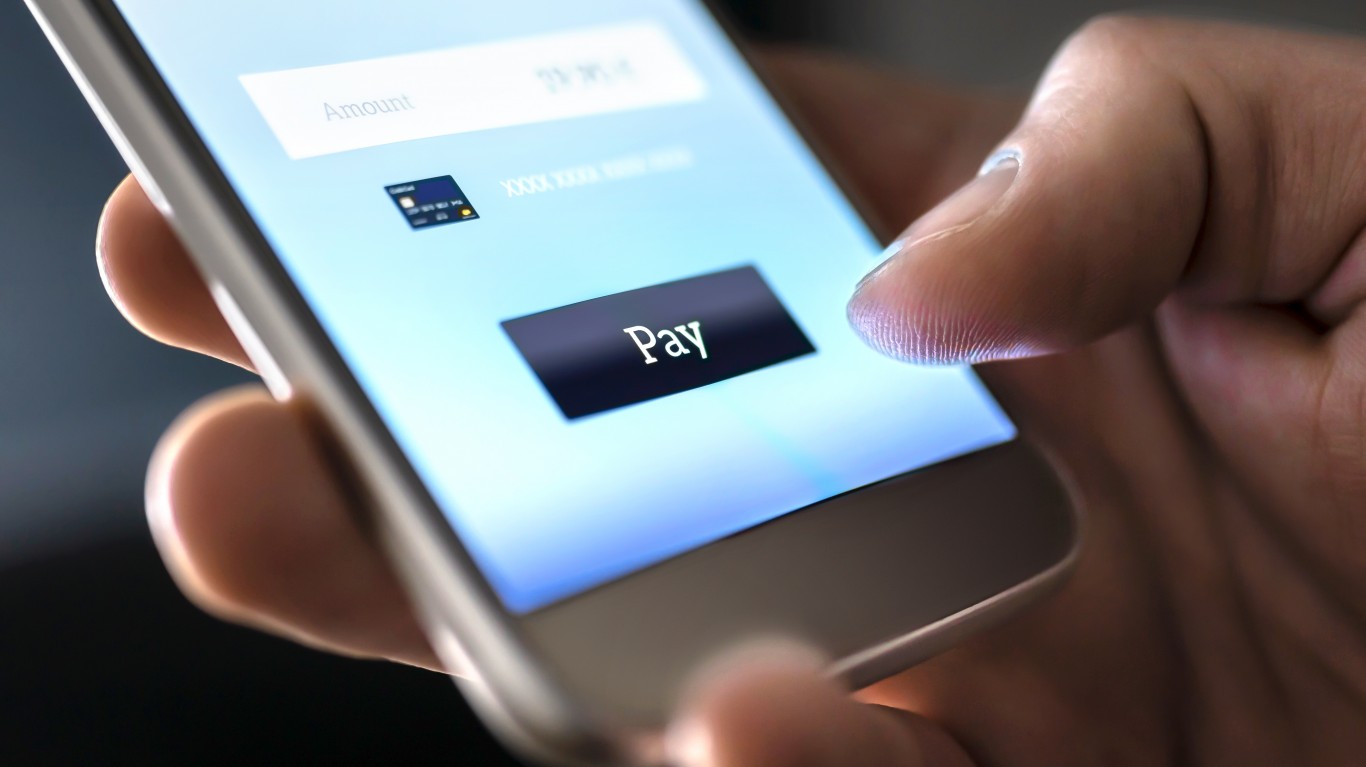
CurrentC is designed to cut the credit card companies out of the transaction. Merchants of all sizes hate paying the swipe fees, and the CurrentC system requires consumers to link the mobile app directly to a bank account. The existing mobile payment app from Starbucks Corp. (NASDAQ: SBUX) is an example of how this system works. Millions of customers use the Starbucks app every week to pay for coffee, tea and food. And Starbucks does not have to pay the 2% to 3% swipe fees the credit card companies charge.
ALSO READ: America’s 50 Best Cities to Live
Can there be only one winner in the mobile payment war? Will Apple Pay — and similar NFC-based systems like Google Wallet — be so much more attractive to consumers because it does not give merchants direct access to their bank accounts? Will merchants and CurrentC prevail in their effort to throw off the yoke of credit card companies and their hated swipe fees?
Does there really need to be just one winner? The most likely outcome is that both mobile payment systems will be tested in the market, both will have some success, and merchants will finally be forced to accept both. They will continue to hate the credit card companies and will begin to hate Apple, but the numbers will win. Which system is better doesn’t matter in the end. What matters is that consumers spend money and that merchants make it as easy as possible for them to do so.







 Top Gaining Stocks
 Top Losing Stocks