



The major U.S. internet broadband providers are all working furiously to test and launch the next generation of high-speed connectivity. The technology is known as “5G” and promises theoretical speeds of up 100 gigabits per second (Gbps), nearly 10 times faster than today’s fastest 4G/LTE networks. But a report published over the weekend by Axios indicates that the Trump administration is preparing a proposal that would nationalize the 5G network.
The Axios report is based on a presentation titled “Secure 5G” and subtitled “The Eisenhower National Highway System for the Information Age.” The comparison with the U.S. interstate highway system is apt in more than the obvious way. Eisenhower sold the system as a way to move military equipment, weapons and people around the country in the event of a war with the Soviet Union.
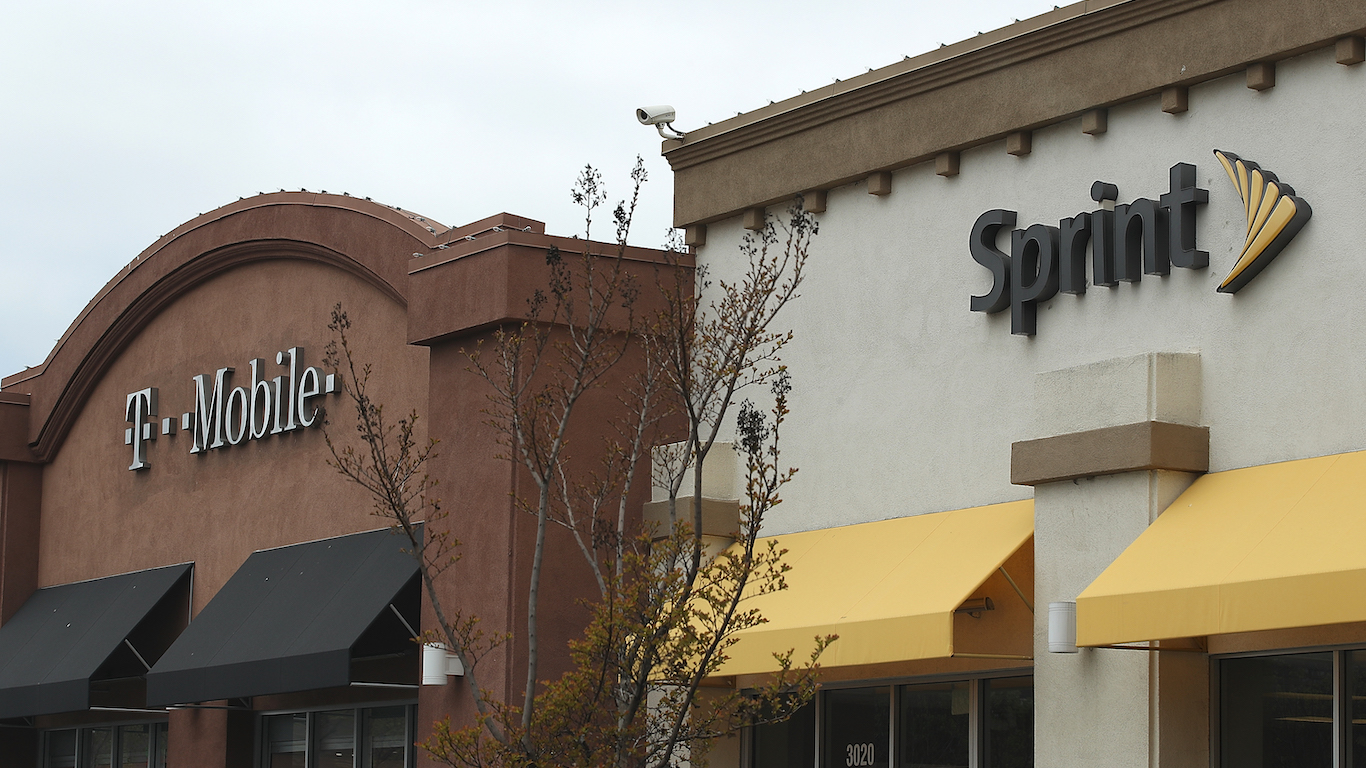
The administration proposal substitutes China for the Soviet Union and declares: “China is the dominant malicious actor in the Information Domain.” To combat that threat, the U.S. needs to build a “single block” network owned by the federal government, which would then be leased back to retail providers like Verizon, AT&T, Sprint and T-Mobile.
Federal ownership of the 5G network offers three big advantages: network speed, security and speed of deployment. The new network would use the 3.7 to 4.2 GHz band, of which there is 500 MHz of spectrum available. The Federal Communications Commission (FCC) is already seeking public comment on using that piece of available spectrum for mobile broadband use.
[nativounit]
The FCC has already ruled that 5G wireless broadband will use the 28 GHz (27.5 to 28.35 GHz), 37 GHz (37.0 to 38.6 GHz) and 39 GHz (38.6 to 40 GHz) bands, as well as an unlicensed band at 64 to 71 GHz.
Currently, according to the presentation, only Verizon, which owns 800 Mhz of spectrum band in the 28GHz block, will have “true 5G capability in terms of speed.” Furthermore:
Typically, the carriers have fought for both coverage and capacity, and this will likely be the case. This means either more spectrum will have to be made available at Mid and High Bands, or expect Verizon to dominate the 5G market in the U.S. with selective coverage.
Last March, AT&T agreed to pay $1.6 billion to acquire Straight Path Communications, whose major asset is 735 millimeter-wave (mmWave) licenses in the 39 GHz band and 133 licenses in the 28 GHz band, covering the entire United States, including the top 40 markets. That deal has not closed yet.
While it’s tempting to dive into the technical weeds about this proposal, the startling thing is how dramatic a change federal ownership of the 5G network would be. It’s difficult to imagine a Republican-dominated Congress okay with what amounts to a nationalization of what has been the Wild West of free enterprise. The proposal attempts to sweeten the medicine (for Congress at least) by declaring that the 5G network build-out would occur first in rural areas of the country, those areas that heavily supported the president’s election.
[recirclink id=433785]
One last thing to keep in mind about the 5G network is that it is not primarily designed to make your mobile devices run faster. As the Internet of Things spreads beyond thermostats and home security systems into autonomous vehicles and a host of other applications, more speed, more bandwidth and more security are essential. Can government or private enterprise deliver these requirements best and fastest?
The switch to 5G could easily turn into an ideological battle, then a political fight, and then a regulatory nightmare.
Shares of all four major telecom providers traded down more than 1% early Monday. That indicates how investors feel about this proposal.
[wallst_email_signup]








 Top Gaining Stocks
 Top Losing Stocks