


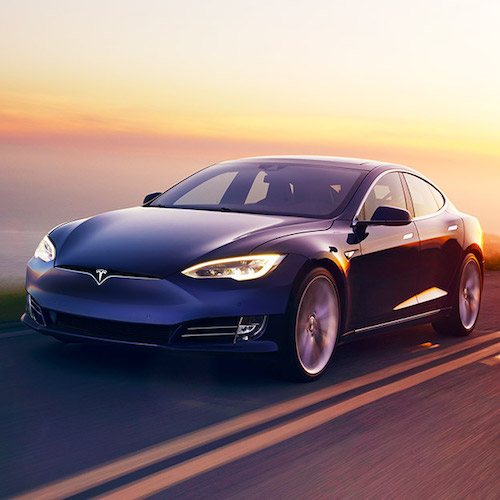
By Gene Munster of Loup Ventures
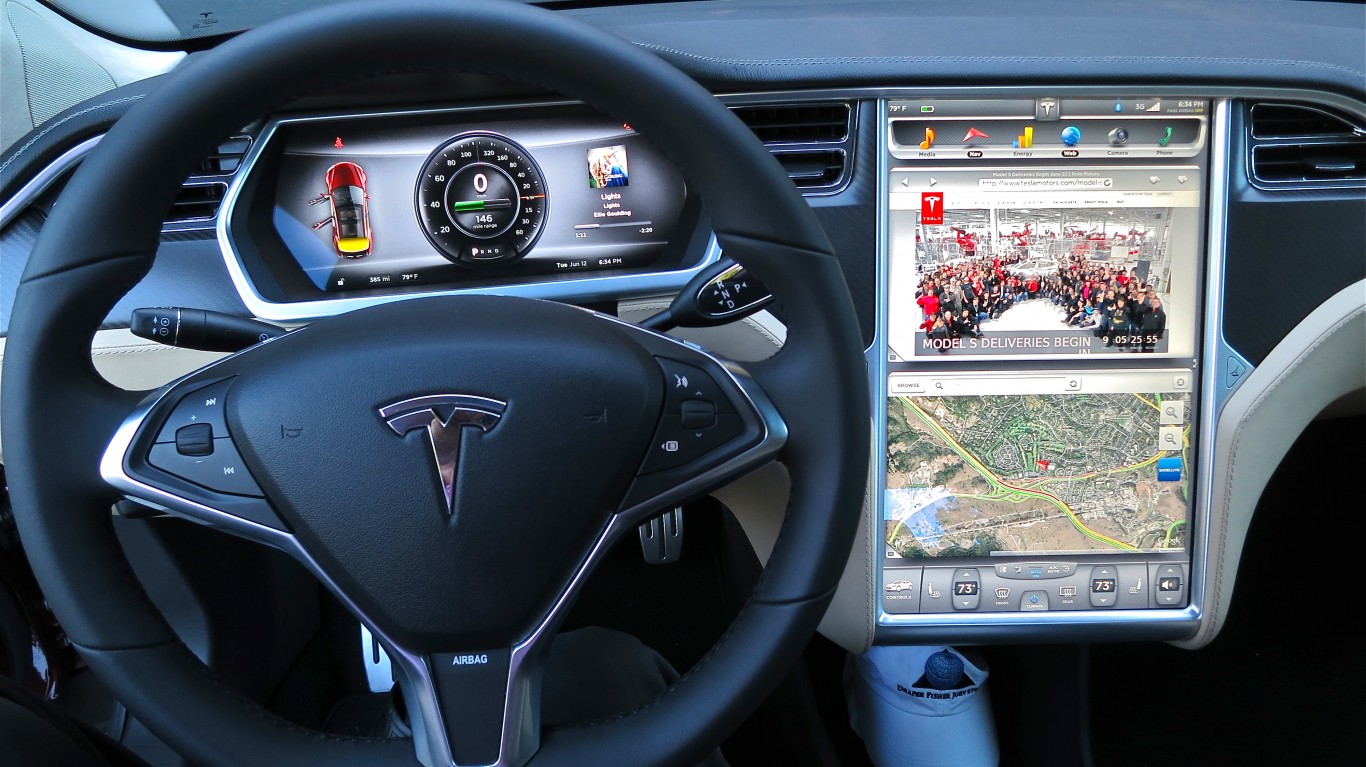
- Tesla has several underappreciated, unique advantages including their tech brand, battery production, charging network, autopilot data, and over-the-air updates.
- Tesla is the only automaker that is able to perform over-the-air (OTA) updates. Every other car manufacturer requires the car to come in for service to receive an update.
- The power of OTA updates was demonstrated this week after the Model 3 failed to receive Consumer Reports’ recommendation due to long braking distances. Tesla pushed an OTA software update that was able to recalibrate the ABS system and reduce braking distance by 13%. The Model 3 was then retested and earned CR’s recommendation.
- Updating vehicle performance without having to service the vehicle in person shows the real power of OTA updates, which we believe will be a continued advantage for Tesla as vehicles become more reliant on software.
- Because of the heavily entrenched relationships between automakers and dealers, few other vehicles are able to receive OTA updates. This compounds with the fact that Teslas are manufactured with more heavily-integrated software that is able to control more functions of the car.
On May 25th, Fiat Chrysler issued a recall of 4.8M vehicles due to a cruise control issue. Each one of those vehicles will need to be brought in for inspection, costing the company an enormous amount of money and causing damage to the brand. OTA updates not only save money and delight the consumer, but they also allow Tesla to have a more direct relationship with customers. Automakers are not allowed to compete with their dealer network on sales or service. That means they can’t service things like ABS calibration without dealers receiving their cut. Tesla, unencumbered by this relationship, is able to control more of the customer experience and open the potential for future revenue like upgrades for “full self-driving” and longer range.
[nativounit]
Aside from being largely prohibited to perform OTA updates, other automakers are far behind in manufacturing vehicles that are well equipped to benefit from them. Tesla’s integrated hardware and software approach means that a software or firmware update is able to fix issues like braking distance or faulty windshield wipers. Jake Fisher, the director of auto testing at Consumer Reports said, “I’ve been at CR for 19 years and tested more than 1,000 cars, and I’ve never seen a car that could improve its track performance with an over-the-air update.” Meanwhile, a typical vehicle has several kilometers of wiring harness and multiple electronic black boxes from different companies, not a unified system. Similar to the iPhone’s control over hardware and software vs. Android’s fragmented system, Tesla’s integrated approach gives them a leg up as cars become computers on wheels.
OTA updates will soon be a crucial tool for every car on the road, and we believe Tesla’s head start is an under-appreciated competitive advantage.
Disclaimer: We actively write about the themes in which we invest: virtual reality, augmented reality, artificial intelligence, and robotics. From time to time, we will write about companies that are in our portfolio. Content on this site including opinions on specific themes in technology, market estimates, and estimates and commentary regarding publicly traded or private companies is not intended for use in making investment decisions. We hold no obligation to update any of our projections. We express no warranties about any estimates or opinions we make.
[recirclink id=467899]
[wallst_email_signup]






 Top Gaining Stocks
 Top Losing Stocks