


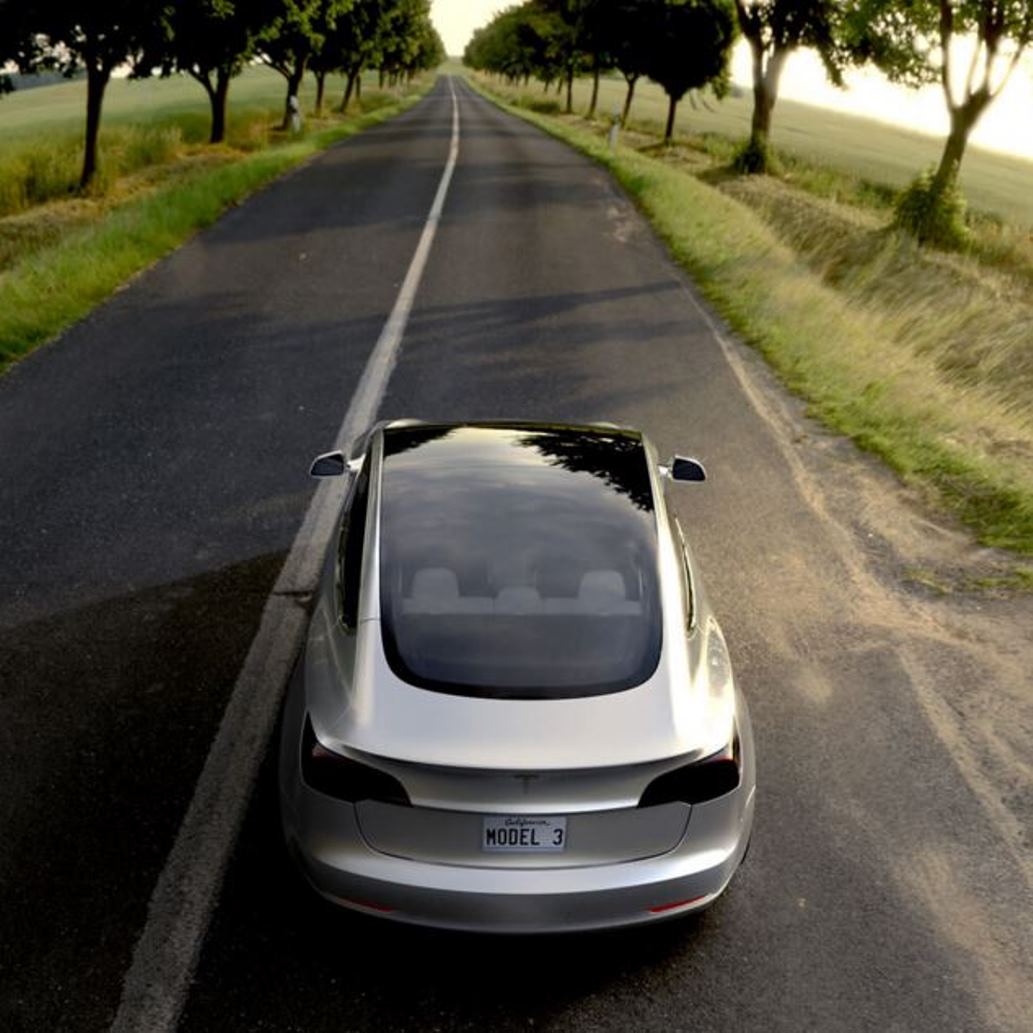
What’s wrong with this picture?
Last week, Fiat Chrysler Automobiles N.V. (NYSE: FCAU) recalled 4.8 million vehicles to fix a problem with the cruise control. Owners will be notified that their vehicle is affected and they will have to take the car to a dealer where a software fix will be made.
The week before, Consumer Reports failed to recommend the Tesla Inc. (NASDAQ: TSLA) Model 3 because the vehicle’s braking distance did not meet the magazine’s standards. Then Tesla pushed out an over-the-air (OTA) software fix to all its Model 3s and the car’s braking distance was shortened by 19 feet, enough to meet the Consumer Reports standard and earn the magazine’s recommendation.
Chrysler’s fix will cost the company money and vehicle owners some time, while Tesla’s fix was essentially free both to the company and to the car owners. Partly that’s due to state laws the forbid automakers from taking repair work away from dealerships. Tesla has no dealerships.
[nativounit]
And while there’s no argument that Tesla’s OTA capability is cheaper and more convenient, the braking problem and its fix raise some important questions. The most difficult one for the company to answer may be why Tesla sells a vehicle with a problem that can be so easily fixed. Did the company not even consider braking distance during its testing? Apparently not. What does that say about the company’s commitment to safety?
A more important question may be whether Tesla owners (and more important for the company, potential Tesla owners) willing to exchange safety for convenience. Perhaps “safety” is the wrong word. “Integrity” may be closer to the mark.
Consumers already have accepted the fact that a cell phone can track movement and location and are willing to provide that data to phonemakers, cell phone networks and advertisers in exchange for the convenience and power of a smartphone. Are they just as likely to trade their trust in an automaker for convenience?
No one knows why the Model 3’s original braking distance was so long, except perhaps a few engineers at Tesla. If the company didn’t know about the issue when it sold the cars, why didn’t it? If it did, why did it not fix the issue before selling the car? Does it matter now that the company has fixed the issue? Yes, it should matter.
[recirclink id=468219]
[wallst_email_signup]








 Top Gaining Stocks
 Top Losing Stocks