


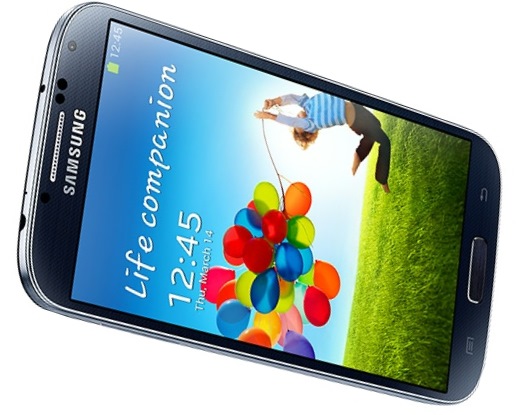
The first reason the move is brilliant is that some customers probably do not keep careful track of when they can upgrade to new devices. In many cases that is because they are satisfied with what they have.
Many customers also are used to paying extra when a new smartphone comes out. Often these are introduced in the midst of a subscription cycle, so the assumption is that to get the latest smartphone is part of being a wireless subscriber on any of the major wireless systems.
However, AT&T’s biggest weapon is inertia, and customers’ fear that changing wireless plans will effect their service. Does it cost money to change to Verizon Wireless or Sprint Nextel Corp. (NYSE: S)? It depends on when a subscription has lapsed. Even then, it requires some degree of effort. Of course, there is the worry that a new service may not be as good as an old one in terms of geographic coverage or customer service.
AT&T has its customers trapped, or at least it believes its customers feel that way — or they do not care. The change from 20 months to 24 months to get an upgrade is in the fine print, which few people read. AT&T likely will not lose more than a handful of customers. In the meantime, it has figured out one more way to make money on those people.





 Top Gaining Stocks
 Top Losing Stocks