


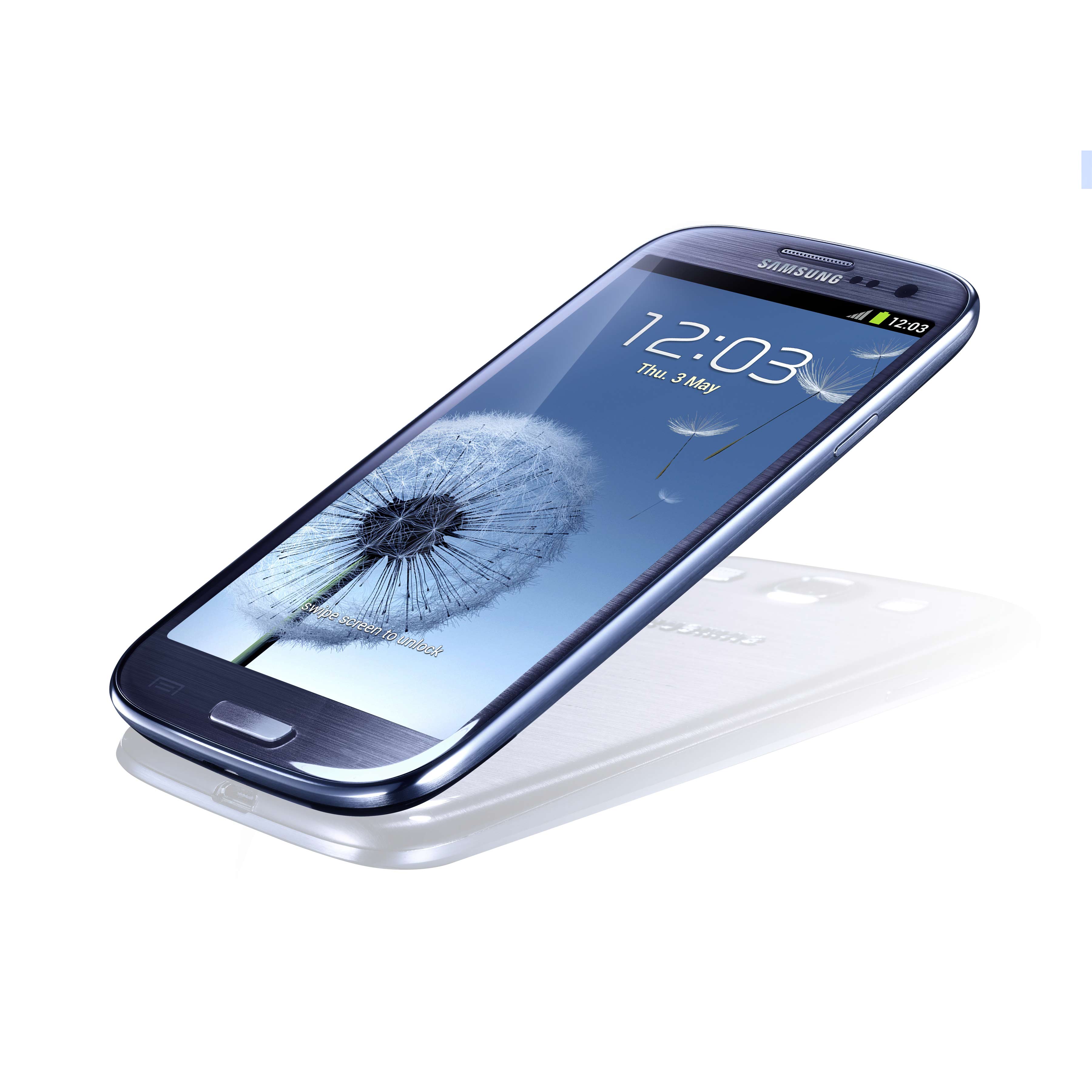
According to research firm Gartner, smartphones sold to end users reached 287.3 million last quarter. Samsung had 29.5% of the market, followed by Apple Inc. (NASDAQ: AAPL) with 17.8%. Investors have been disappointed with the Apple figure. However, Apple has cemented its place as a leader as other large vendors took so little of industry sales as to be insignificant. Huawei, Lenovo and LG Electronics each held barely 5% of the global market in the final quarter of 2013.
The trouble for these companies is the slowing of global sales. According to Anshul Gupta, principal research analyst at Gartner:
Mature markets face limited growth potential as the markets are saturated with smartphone sales, leaving little room for growth with declining feature phone market and a longer replacement cycle. Lack of compelling hardware innovation has further exacerbated replacement cycles for high-end smartphones in 2013 because consumers don’t find enough reasons to upgrade.
The saturation of mature markets likely is a challenge that cannot be overcome. A paucity of features could change in the future. However, the latest versions of new smartphones from Samsung and Apple have been greeted without enthusiasm. This might change with the launch of the iPhone 6 and the Samsung Galaxy S5. Neither will do particularly well, probably, if their only advances are better cameras, larger screens or longer battery life. These sorts of advances have become mundane. It may be that the only way to raise smartphone sales is by lowering prices. That would likely disappoint investors in each of the two industry leaders.
One of the advantages Samsung continues to hold is the wild popularity of Google Inc.’s (NASDAQ: GOOG) Android operating system. This has been bolstered by a sharp increase in the number of apps that work with it. The app advantage Apple had for years has slowly disappeared. Its iOS had a 15.6% share of smartphone sales in 2013, down from 19.1% the year before. On the other hand, Android’s share rose from 66.4% in 2012 to 78.4% in 2013. Whether iOS disappointed users, or iPhone features did, Apple cannot afford for the operating system to continue to lose ground.
Market share continues to be at the core of future success in the smartphone sector, but the advantage is less powerful when the entire industry faces a slowdown.
Worldwide Smartphone Sales to End Users by Vendor in 4Q13 (Thousands of Units)
|
Company |
4Q13 Units |
4Q13 Market Share (%) |
4Q12 Units |
4Q12 Market Share (%) |
| Samsung |
83,317.2 |
29.5 |
64,496.3 |
31.1 |
| Apple |
50,224.4 |
17.8 |
43,457.4 |
20.9 |
| Huawei |
16,057.1 |
5.7 |
8,666.4 |
4.2 |
| Lenovo |
12,892.2 |
4.6 |
7,904.2 |
3.8 |
| LG Electronics |
12,822.9 |
4.5 |
8,038.8 |
3.9 |
| Others |
106,937.9 |
37.9 |
75,099.3 |
36.2 |
| Total |
282,251.7 |
100.0 |
207,662.4 |
100.0 |
Source: Gartner (February 2014)





 Top Gaining Stocks
 Top Losing Stocks