


By Robert Herbst
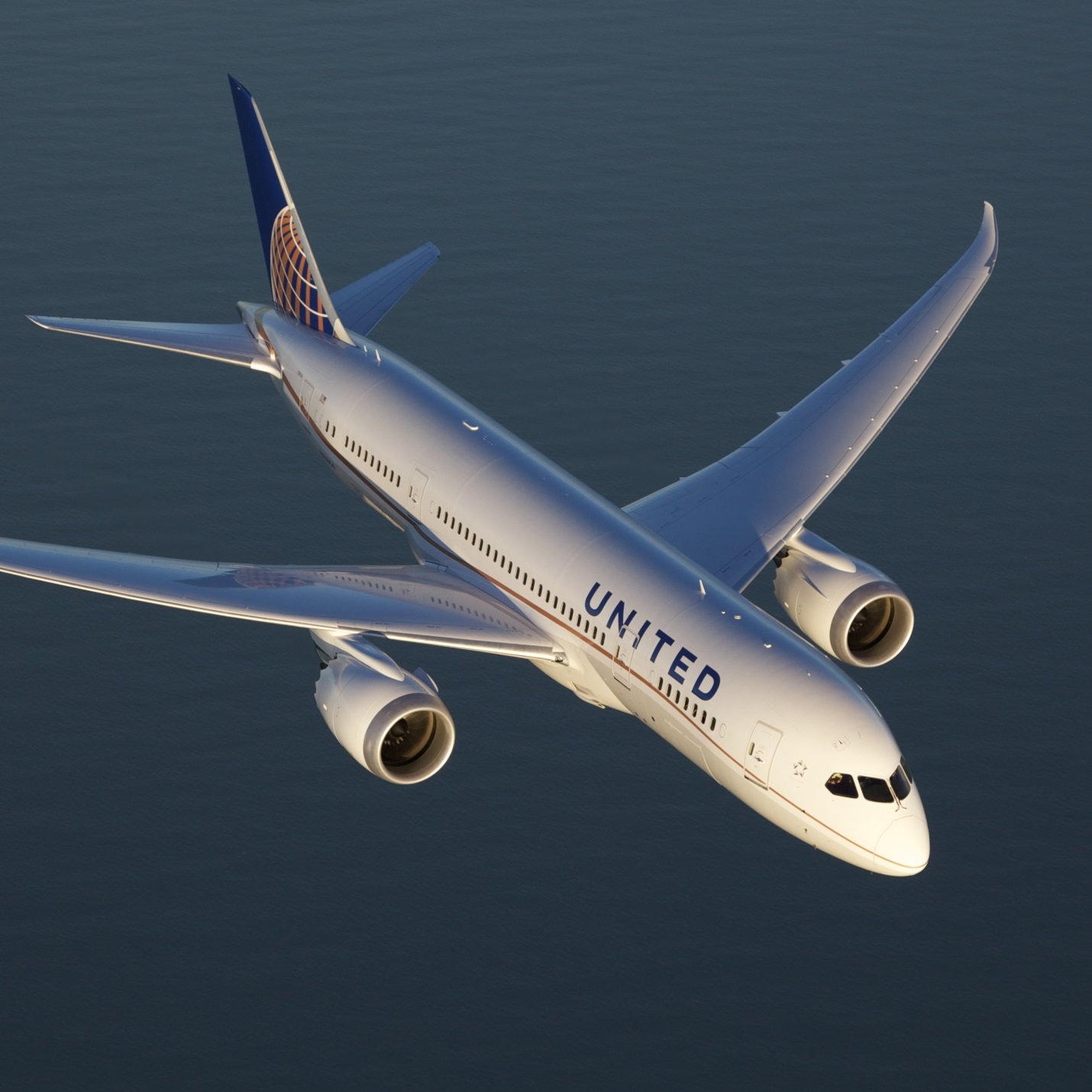
And so it goes after years of trying, United Airlines (NASDAQ: UAUA) finally found a competing airline to say “yes.”
Big “deals” usually mean there is a consequence to doing something and a consequence to not doing it. The ramifications of United and Continental “not” making this deal were considerably more negative for each airline if they chose to go at it alone.
Most analysts support the opinion that the United-Continental (NYSE: CAL) merger is positive. Not just for these two airlines, but the entire industry will be in some way, a beneficiary of this consolidation.
.
As a side-note, the United shareholders should send a thank you card to US Airways for driving the United share price up before Continental became seriously interested.
Here’s a short view of some of the bigger moving parts to this merger:
Required DOT, DOJ, and shareholder approval: there are very little over-lapping routes between these two airlines. It was less than two years ago that the DOT & DOJ signed off on the Delta-Northwest merger so this approval is a no-brainer.
Labor issues: Approximately 61% of Continental and 82% of United employees are unionized. There will be some challenges to get all the labor groups on board but in the end, this merger will go through regardless of any labor group(s) potential objections (see note at end).
– Pilots- United and Continental pilots are both represented by ALPA (Air Line Pilot’s Association) which has a defined merger policy.
– Flight Attendants Continental is represented by IAM (The International Association of Machinists and Aerospace Workers”. United is represented by AFA (The Association of Flight Attendants).
– Mechanics and related. Both airlines represented by Teamsters which has a defined merger policy.
– Fleet service and related Continental represented by Teamsters. United represented by IAM.
All union contracts for both airlines are past their amendable date.
Note: Under the RLA (Railway Labor Act), airline labor contracts never expire. They become amendable.
Employees for Continental and United are not only working under amendable contracts, but their contracts are very concessionary as they were more-or-less forced on employees by bankruptcy (United) and reorganization (Continental). From labor’s point-of-view, higher labor costs and some equity portion of the new merged company should be expected before this merger will be considered complete.
Note: In December 2007, a new Federal Law was passed that reapplied certain labor protective provisions (LPP’s) from the 1972 merger of Allegheny and Mohawk Airlines to future airline mergers and acquisitions.
These new provisions allow different labor unions/groups a short time period to reach an agreement on the merger of each airline’s employee group. If an agreement is not reached by the representing union(s), then, under provisions of the LPP’s, there will be a binding arbitration. This rule is not applicable when both employee groups are represented by the same union and that union has an established merger policy.
With year after year of losses, the #1 priority for the airline industry should be to increase revenues to a level that is higher than costs.
This merger of United and Continental Airlines will play a large role in returning the US airlines to a healthy profitable industry.
# # #
Disclosure The above opinions and comments should not be used to determine the worth of any stock or investment. At the time of writing, the author and his family did not hold stock and/or derivative positions in any of the airlines covered in this article.
_____________________________________________________________
Robert Herbst has been a commercial pilot since 1969. His aviation experience and financial background provides a unique analytical perspective into the airline industry. He is the founder of: Airlinefinancials.com which provides airline industry analysis and commentary for major US carriers.






 Top Gaining Stocks
 Top Losing Stocks