


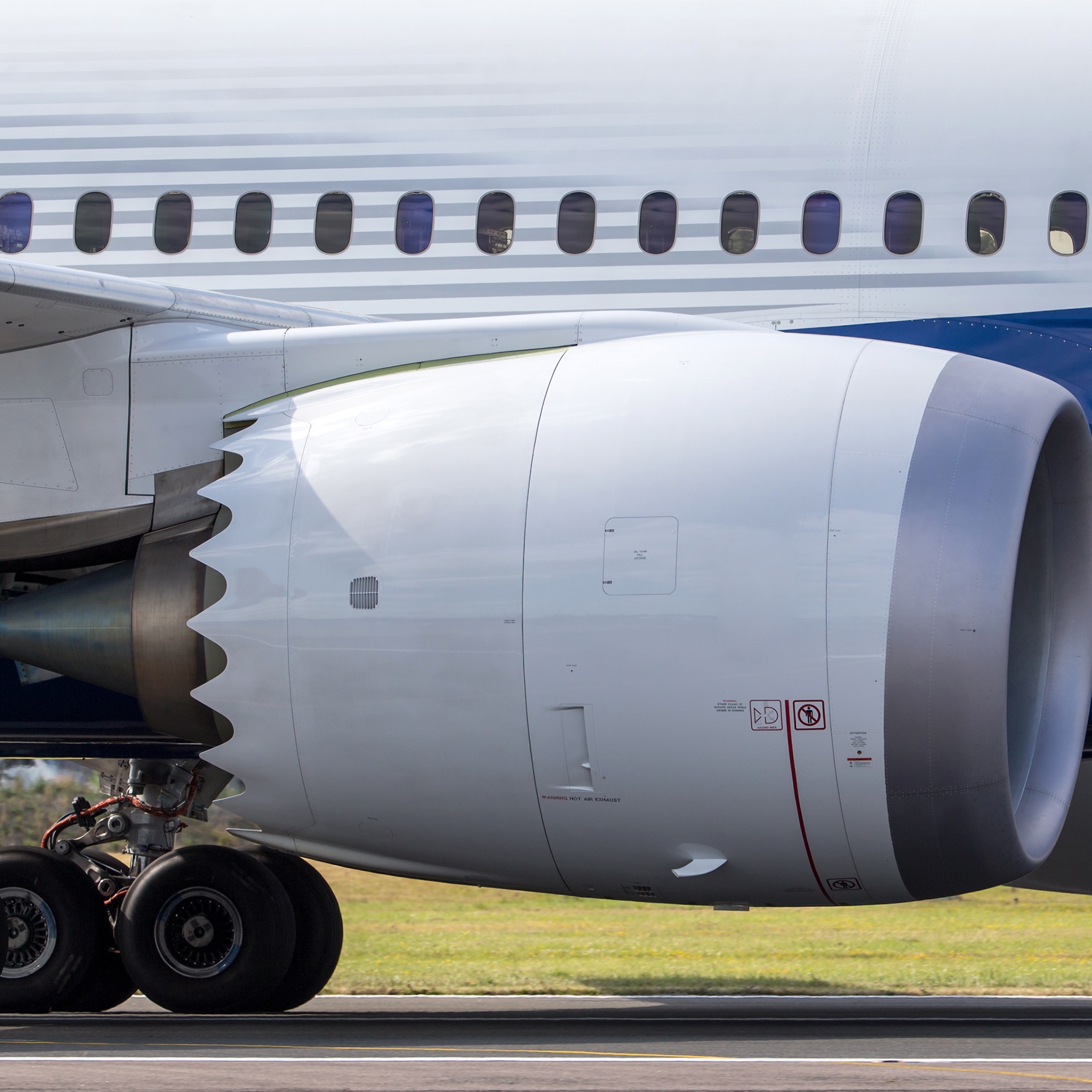
 Since its introduction in 1982, the 767 from Boeing Co. (NYSE:BA) has accounted for sales of more than 1,000 planes. Recent discovery of cracks in the engine pylons, which attach the engine to the wing, have raised safety concerns and sparked the FAA to inspect 56 767s belonging to American Airlines (NYSE:AMR). So far the inspections have found three planes with cracks in the pylons according to the FAA, although Boeing disputes that number, claiming that only two planes are affected.
FAA regulations require airlines to check the pylons after every 1,500 flights, but one plane with pylon cracks had flown only about 500 flights, according to The Wall Street Journal. Neither the FAA nor Boeing will speculate on the cause of the cracks, but metallurgical tests are currently underway.
Boeing is revising its service bulletin for the planes and is expected to recommend a significantly more stringent inspection regime for all owners of 767s. The FAA is likely to adopt the bulk of Boeing’s revisions and mandate the changed inspection plan.
The addition of new inspection rules could affect the air lines’ maintenance schedule, causing some disruption to flight schedules. More frequent or thorough inspections will also increase operating costs.
A series of cracks found on one plane was different from previous manifestations of the problem. The FAA determined that this combination is a serious hazard.
The FAA and Boeing agree that concerns about the cracks are not due to missed or shoddy inspections. The cracking problem was completely unexpected. Pylon inspection regulations for the 767 were tightened five years ago when the FAA concluded preliminarily that the cracks were caused by small holes where bolts had been installed. However, the WSJ notes that “FAA officials also are examining whether specific maintenance procedures used by American on the ground could have caused or worsened some of the cracking.”
There are about 360 Boeing 767s in US carriers’ fleets that could be subject to the revised inspection regulations, but the FAA apparently will not require all the jets that belong to other airlines to undergo immediate inspections.
Why ever not? If that’s true, it’s the dumbest thing the federal government is likely to do today.
Paul Ausick






 Top Gaining Stocks
 Top Losing Stocks