


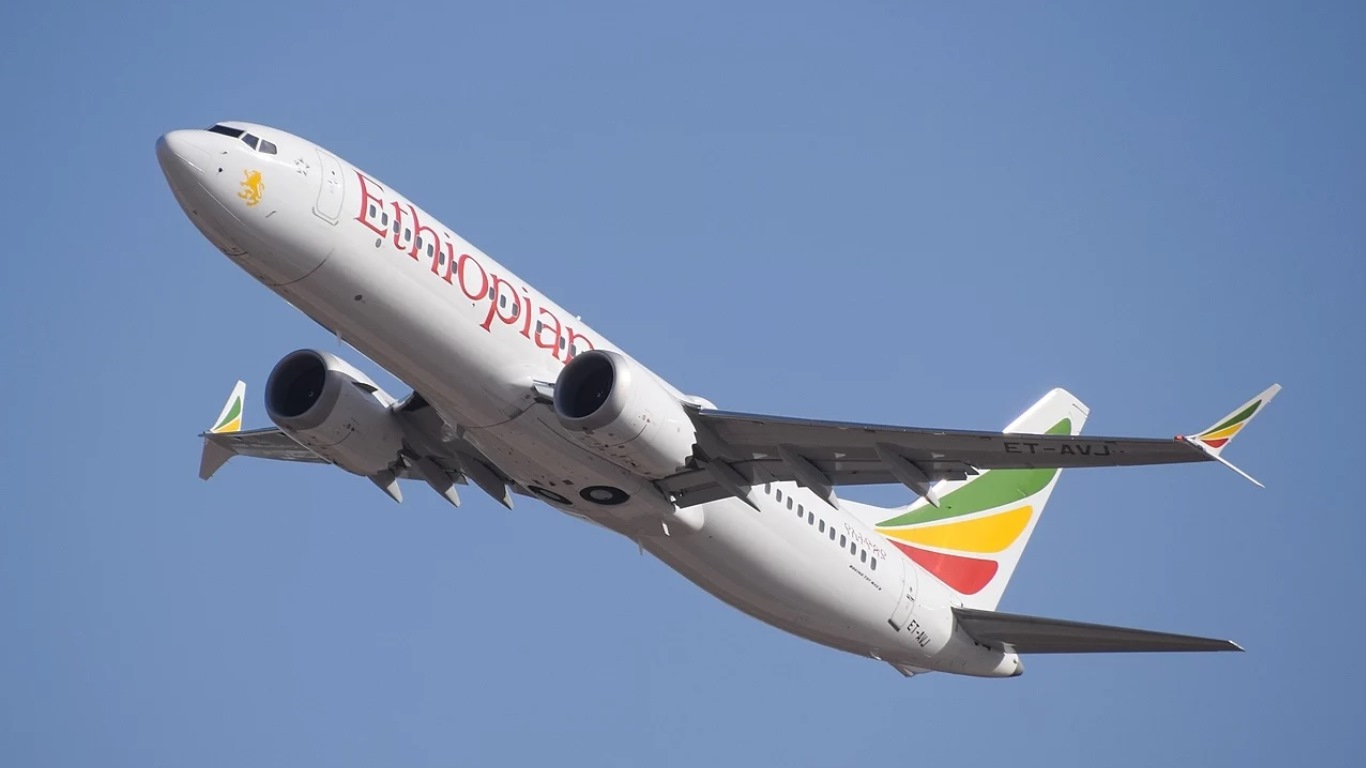
 Boeing (NYSE: BA) said 33,500 commercial planes will be sold between now and 2030. An affirmation of its forecast was a $22.4 billion deal with Lion Air, the Indonesian carrier. PT Lion Mentari Airlines, as the airline is officially known, will buy 230 model 737s. The plane is the workhorse of the Boeing fleet. The order is the largest ever by Lion Air. It shows how quickly nations outside of the developed world and the most powerful economies in Asia have progressed economically. It also shows the extent to which the Indonesian government is willing to overlook a business that has a poor record for safety, probably to make sure that one of its burgeoning industries can grow uninterrupted.
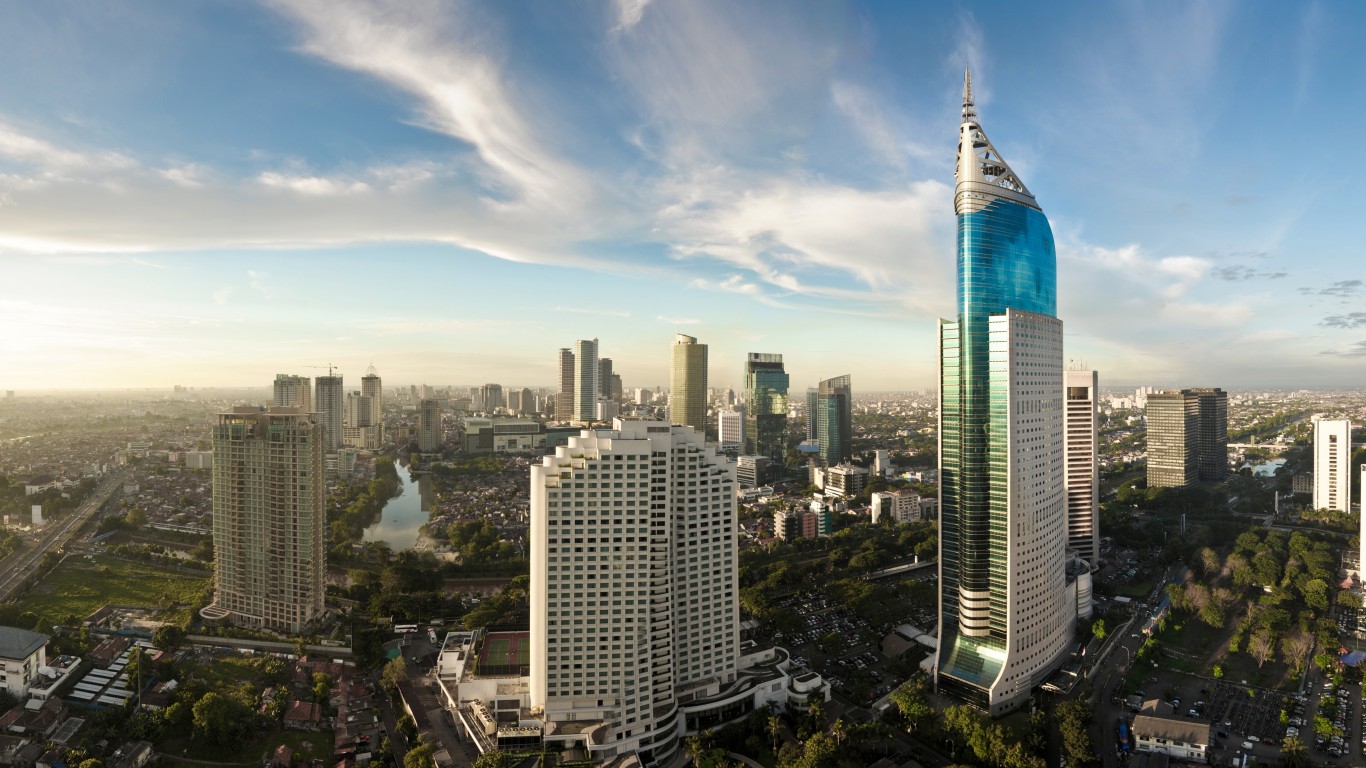
Indonesia has a nominal GDP of just over $706 billion, which makes it smaller than the Netherlands or Turkey. But its population size is fourth among all nations at 237 million. The growth of that population from 91 million in 1960 is impressive. And the size of its economy has increased well over 6% in the past two years, a rate just slightly below India’s. One of the things that makes the nation unique is that it covers more than 1,000 inhabited islands, which makes air travel nearly essential to its recently modernized economy.
None of the data about Indonesia explains how an airline based there can spend more than $22 billion on airplanes. The financial risk to firms that fund the plane order is high because the nation’s movement to the top of the national GDP chain is years away.
There are two likely explanations for the ability of Lion Air to expand so quickly. The first is that its revenue has grown rapidly, which makes the gamble to firms that would loan it money for expansion reasonable. The carrier is only 12 years old and it already serves 60 cities.
The second reason is troubling. Lion Air has a poor safety record. It cannot fly to EU nations because of concerns. The International Air Transport Association, the industry’s primary alliance, will not grant Lion Air’s application for membership. The reason, again, is safety.
The Indonesian government has decided it will turn a blind eye to the safety risk of Lion Air’s operation. The government could obviously ground part or all of its fleet. But such an action would put a large Indonesia company at financial risk. A suspension of flights would also mean Indonesia would be willing to admit that Lion has severe problems. The public relations effect on the nation and the carrier would be bad.
Lion Air has set its deal with Boeing because it can get the money to do so, and because the Indonesian government is willing to put growth over safety.
Douglas A. McIntyre







 Top Gaining Stocks
 Top Losing Stocks