



A number of industries have benefited from the decline in oil prices over the past year, but none more so than the airlines space. Delta Air Lines Inc. (NYSE: DAL) just reported full-year 2015 net income of $4.5 billion — a 586% gain on the same period during 2014. Alaska Air Group Inc. (NYSE: ALK) reported a 2015 bottom line of $848 million, up 41% from the previous years’ net income of $605 million. The list goes on.
Despite the improved bottom lines, however, a number of the major airline stocks have been down of late. Factors such as a reduction in customer revenue per available seat mile, increasing labor costs and heated competition are all weighing on investor sentiment this quarter, and improved bottom lines are proving insufficient to boost valuation.
This isn’t necessarily a bad thing, however. Rarely do we see such a divergence between net income and market capitalization, and this could offer an opportunity to get in at a discount ahead of valuation realignment. Take Delta and Alaska Air, for example. Both are down double-digit percentage points on last year’s highs. With this said, which airlines look the most attractive at current rates?
We’ll focus on three of the leading U.S. airlines, with similar market caps: Delta, American Airlines Group Inc. (NASDAQ: AAL) and Southwest Airlines Co. (NASDAQ: LUV).
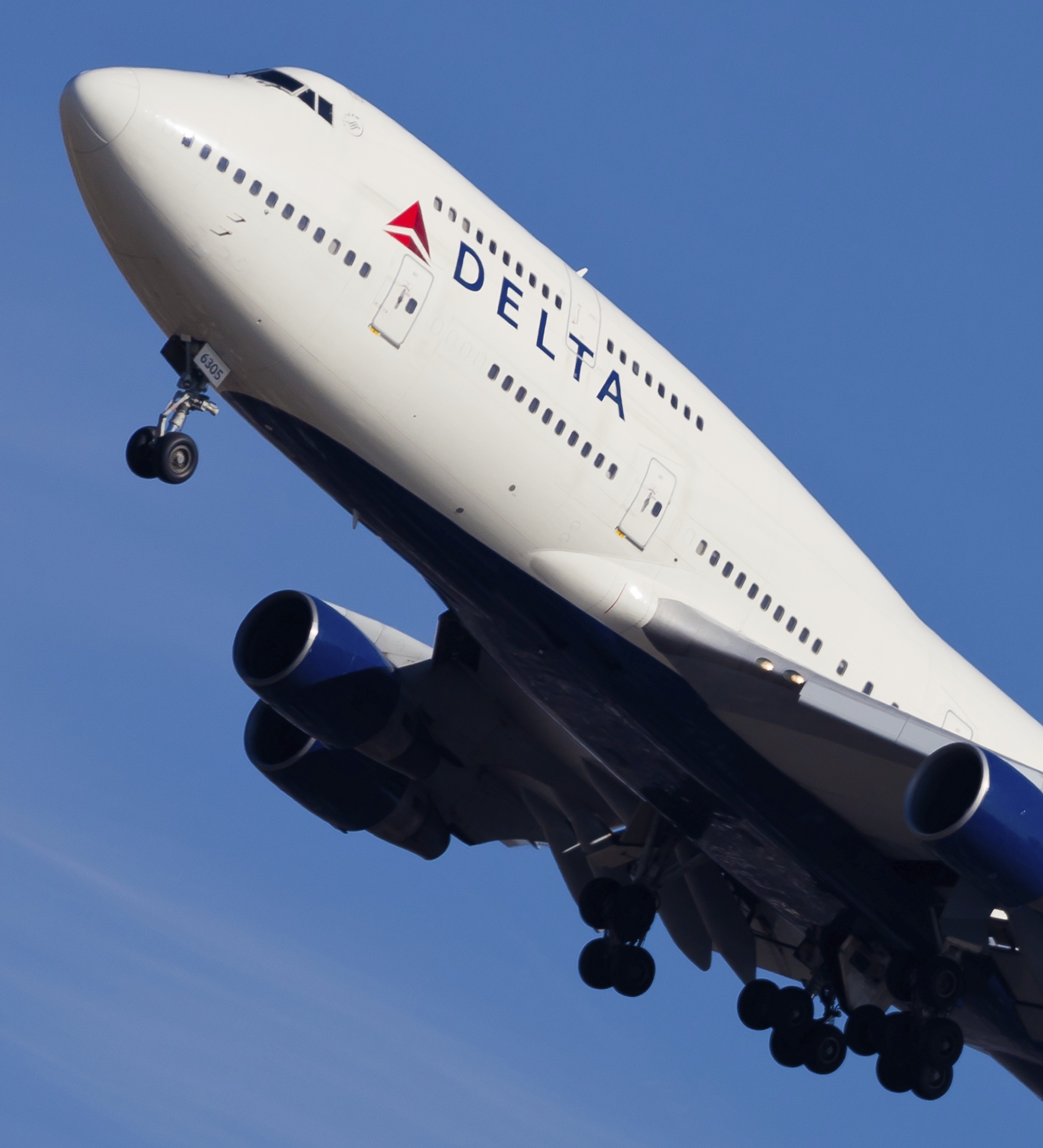
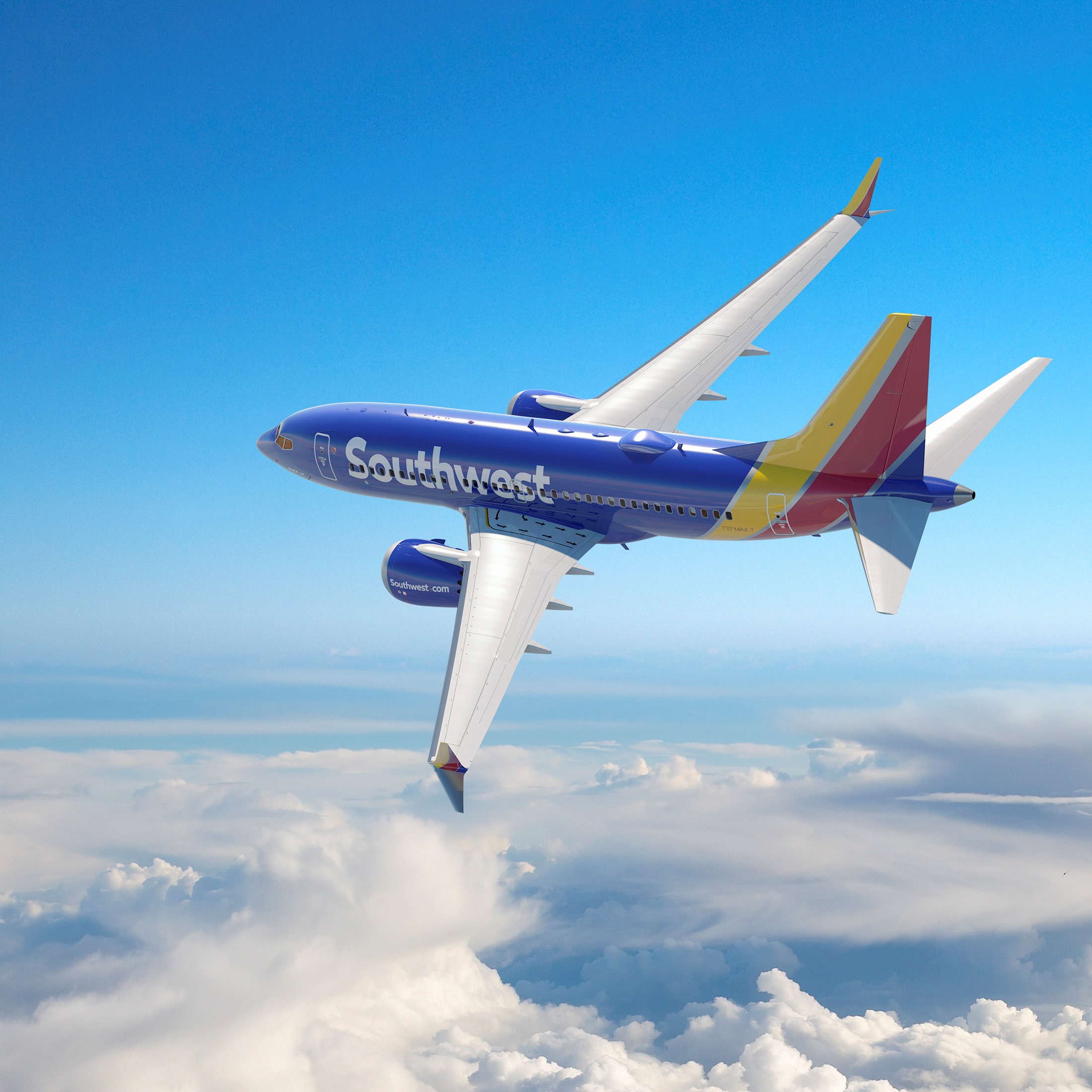
At last count, Delta came out on top from a market value perspective ($38.5 billion), followed by Southwest ($26.3 billion) and American ($25.6 billion). Looking at price-to-earnings ratios, however, the story is a little different. Trailing P/E puts American ahead, with a ratio of 3.67, versus the 8.69 of Delta and the 12.66 of Southwest. Having said this, it may be more accurate to use forward P/E, since this takes into account consensus expectations of low oil throughout the next 12 months, or at least the major part of this period.
[recirclink id=316766]
Again, however, the ranking remains: American cheapest, Delta second and Southwest third. Looking at dividends, with its 0.54 figure, Delta comes in on top, with American’s 0.40 bringing in second and Southwest closing out the group at 0.30.
So as things stand, American looks the cheapest of the bunch, while Delta wins out on the dividend it offers. There’s one more thing we should look at though, and that is expected 2016 performance. At the end of 2014, Delta messed up. The company hedged its entire fuel requirements for 2015 and ended up paying low single-digit percentage points less for 2015 fuel, while its competitors were enjoying 50% and more discounts on their 2014 bills. Throughout 2015, Delta closed out all of its hedges, and with expectations of flat oil for the remainder of the year, it is now set to benefit from the same discounts as its peers.
What does this mean? That when it comes to reporting 2016 earnings early next year, Delta’s bottom line will improve at a vastly greater rate than its competitors, year over year. In other words, American and Southwest have already reaped the benefit from low oil in terms of what it means for year-over-year net earnings comparison. Delta has yet to do so.
From a 12 month and beyond holding perspective, therefore, this puts Delta way out in front.
By Matt Winkler







 Top Gaining Stocks
 Top Losing Stocks