


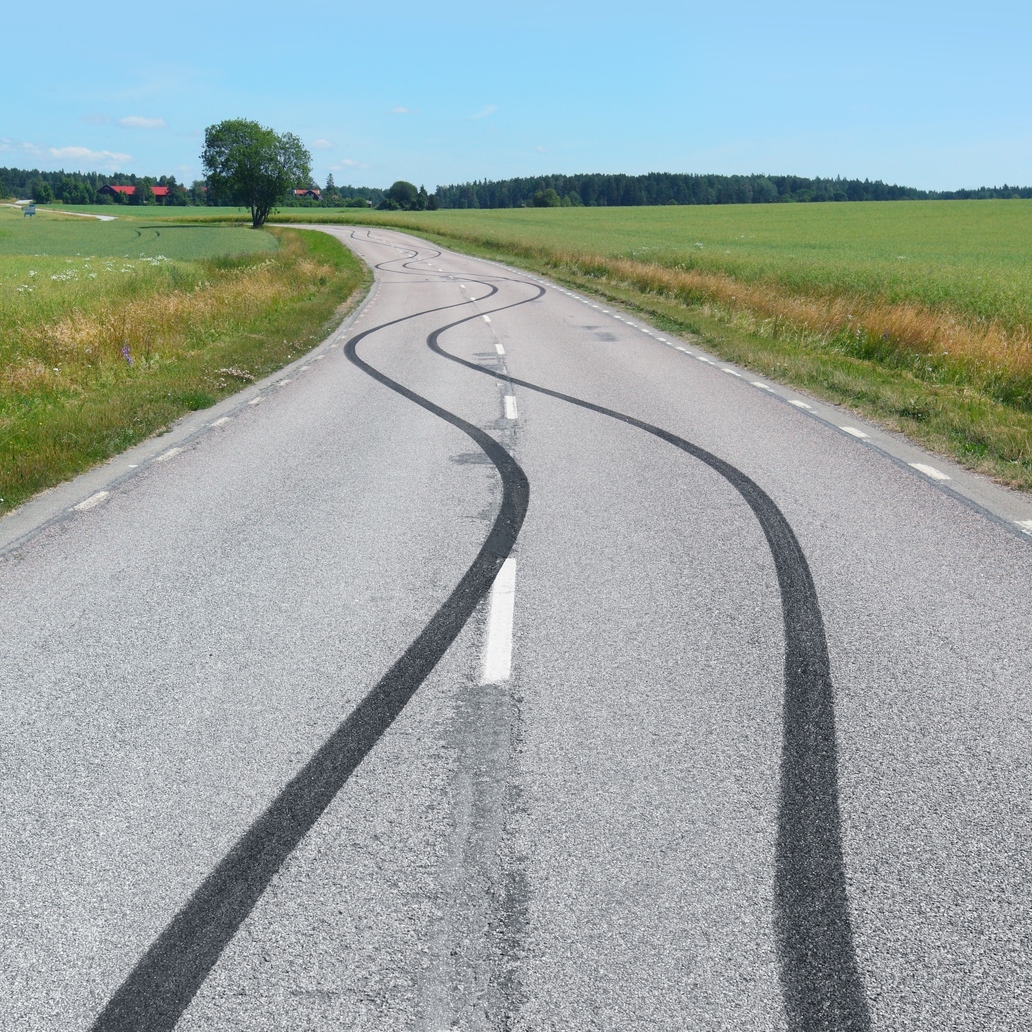
Rural residents are at an increased risk for death from motor vehicle crashes, compared with urban residents, and are less likely to wear seat belts, according to a report from the Centers for Disease Control and Prevention (CDC).
Rurality, what the CDC considers as rural regions in the United States, was associated with higher age-adjusted passenger-vehicle–occupant death rates, a higher proportion of unrestrained passenger-vehicle–occupant deaths, and lower seat-belt use among adults in all census regions and regardless of state seat-belt enforcement type.
The CDC report is titled “Rural and Urban Differences in Passenger-Vehicle–Occupant Deaths and Seat Belt Use Among Adults.”
Though the total number of crashes is typically higher in urban areas, a much higher proportion of rural accidents result in death, according to the CDC. Per 100 million vehicle miles traveled, the rate of all traffic deaths on rural roads is 2.6 times the rate of all traffic deaths on urban roads.
[nativounit]
Within each census region, age-adjusted passenger-vehicle–occupant death rates per 100,000 population rose as the rural character of a region increased, from the most urban to the most rural counties: South, 6.8 to 29.2; Midwest, 5.3 to 25.8; West, 3.9 to 40.0; and Northeast, 3.5 to 10.8.
Similarly, the proportion of occupants who were unrestrained at the time of the fatal crash increased as rurality rose. Self-reported seat-belt use decreased with increasing rurality, ranging from 88.8% in the most urban counties to 74.7% in the most rural.
Similar differences in age-adjusted death rates and seat-belt use were observed in states with primary and secondary seat-belt enforcement laws. The CDC said age-adjusted death rates also were calculated by whether the crash death was speeding-related or involved an alcohol-impaired driver.
The CDC said seat-belt use prevented an estimated 64,000 deaths in the United States during 2011 to 2015. Self-reported levels of seat-belt use have risen and reached 86.9% in 2014, but the small percentage who still do not always use seat belts represent almost half of all occupant deaths in the United States, with rural residents disproportionately affected.
Seat-belt enforcement type varies by state and can be primary or secondary. In states with primary enforcement laws, officers can ticket a driver or passenger for not wearing a seat belt, even if no other offense has occurred. In states with secondary laws, officers can only ticket drivers or passengers for not wearing a seat belt when another traffic offense has occurred.
In 2014, a total of 33 states and DC had primary enforcement, 16 states had secondary enforcement. The CDC said primary enforcement, compared with secondary enforcement, has been associated with increased seat-belt use and reduced numbers of accident fatalities.
[wallst_email_signup]










 Top Gaining Stocks
 Top Losing Stocks