Will Smaller Seats Hurt Airline Profits?

Photo of Douglas A. McIntyre
By Douglas A. McIntyre Updated Published
This post may contain links from our sponsors and affiliates, and Flywheel Publishing may receive compensation for actions taken through them.
Will Smaller Seats Hurt Airline Profits?

© Thinkstock

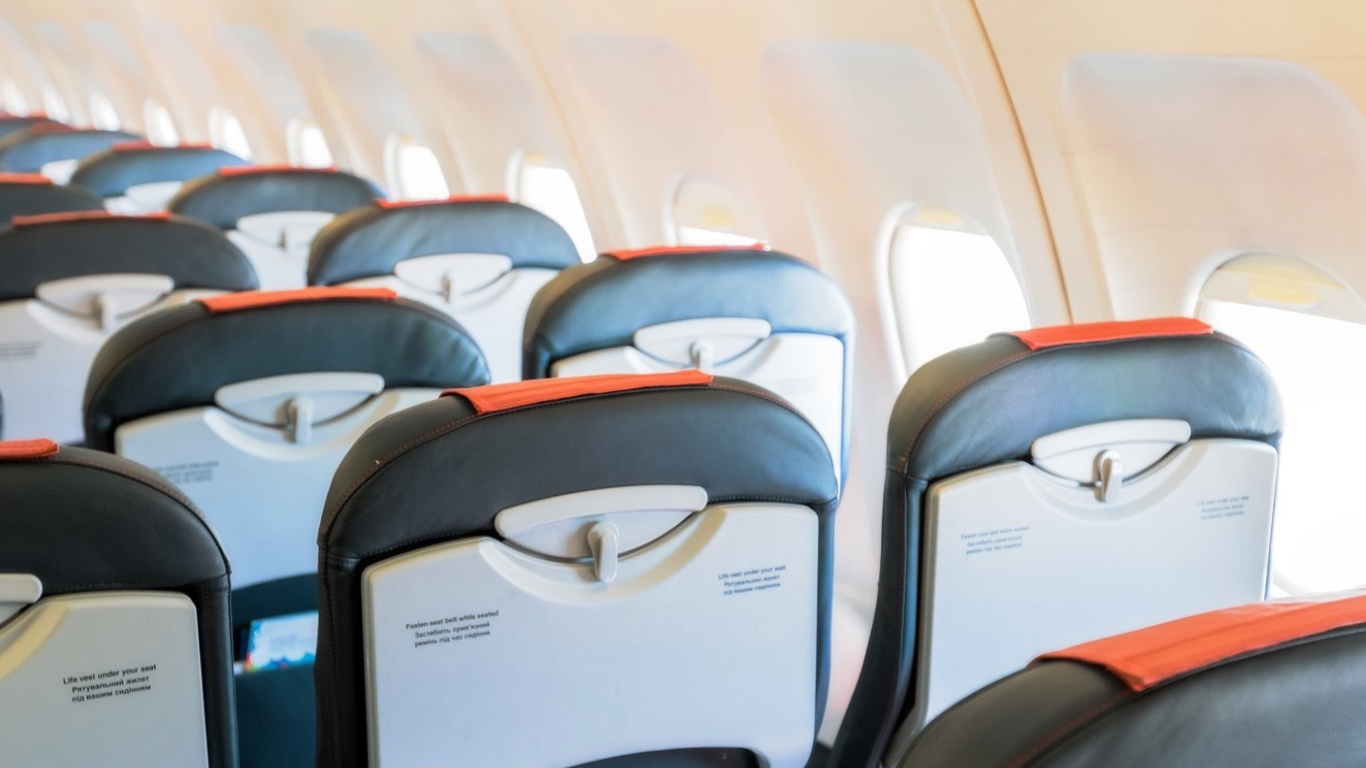
The U.S. House of Representatives has mandated that the Federal Aviation Administration set minimum sizes for seats on commercial aircraft. The bill in which the program is included goes to the Senate and probably the president’s desk. Among the reasons airlines have continued to shrink seats is to improve profitability. That help to the bottom line is about to be reversed.

Airlines have stuffed more and more seats into airplanes for years. Lawmakers believe that this is too much of a burden on fliers. As many Americans gain girth, this becomes ever truer. Therefore, at some point in the future, the size of airline seats may become too small without regulation.

Airlines, which routinely used to go bankrupt, have carved a much better financial situation for themselves. This is in part due to more efficient reservation systems, mergers that have driven down duplicate costs, fees levied for everything from meals to carry-on baggage, and route management that has made air traffic more efficient. Seat size has been an important part of the formula.

It goes without saying that a plane with 120 paid seats makes more than one with 100. The math has started to get even worse as oil prices have risen. Jet fuel prices are the uncontrollable variable costs that cause industry management the most anxiety. Hedging prices has helped some, but its benefits are limited.

The seat size issue puts government regulation up against consumer benefit, which has happened in dozens of other American industries. Airlines have gotten to wait for their turn, and now that wait is over. Passengers will get more room and carriers will get lower profits.

[wallst_email_signup]

Photo of Douglas A. McIntyre
About the Author Douglas A. McIntyre →

Douglas A. McIntyre is the co-founder, chief executive officer and editor in chief of 24/7 Wall St. and 24/7 Tempo. He has held these jobs since 2006.

McIntyre has written thousands of articles for 24/7 Wall St. He is an expert on corporate finance, the automotive industry, media companies and international finance. He has edited articles on national demographics, sports, personal income and travel.

His work has been quoted or mentioned in The New York Times, The Wall Street Journal, Los Angeles Times, The Washington Post, NBC News, Time, The New Yorker, HuffPost USA Today, Business Insider, Yahoo, AOL, MarketWatch, The Atlantic, Bloomberg, New York Post, Chicago Tribune, Forbes, The Guardian and many other major publications. McIntyre has been a guest on CNBC, the BBC and television and radio stations across the country.

A magna cum laude graduate of Harvard College, McIntyre also was president of The Harvard Advocate. Founded in 1866, the Advocate is the oldest college publication in the United States.

TheStreet.com, Comps.com and Edgar Online are some of the public companies for which McIntyre served on the board of directors. He was a Vicinity Corporation board member when the company was sold to Microsoft in 2002. He served on the audit committees of some of these companies.

McIntyre has been the CEO of FutureSource, a provider of trading terminals and news to commodities and futures traders. He was president of Switchboard, the online phone directory company. He served as chairman and CEO of On2 Technologies, the video compression company that provided video compression software for Adobe’s Flash. Google bought On2 in 2009.

Continue Reading

Top Gaining Stocks

CBOE Vol: 1,568,143
PSKY Vol: 12,285,993
STX Vol: 7,378,346
ORCL Vol: 26,317,675
DDOG Vol: 6,247,779

Top Losing Stocks

LKQ
LKQ Vol: 4,367,433
CLX Vol: 13,260,523
SYK Vol: 4,519,455
MHK Vol: 1,859,865
AMGN Vol: 3,818,618