


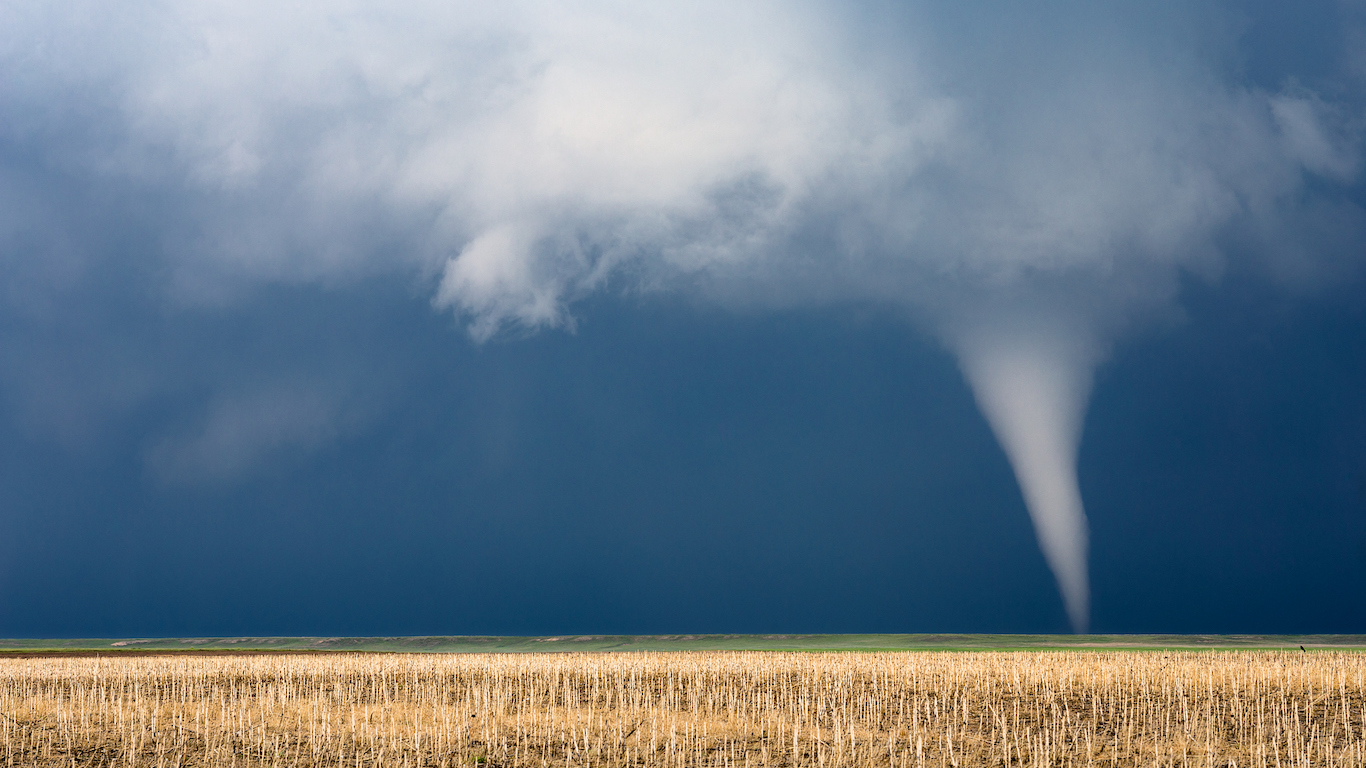
National Oceanic and Atmospheric Association (NOAA) doppler radar studies have shown that wind speeds aloft in many tornadoes can exceed those inferred from ground damage surveys, highlighting the limits of current measurement methods. This research suggests that we need to better understand tornado strength and speed, information which could result in buildings that are better able to withstand these winds. Preparing buildings and communities for tornadoes could have far-reaching effects. Tornadoes can cause significant property damage, decimate buildings, and, in some cases, cause numerous fatalities. (Here is every $5 billion plus weather event since 2020.)
Tornadoes are impressive, but also quite frightening. Winds are highly destructive; the strongest tornadoes can produce winds over 300 mph, though such speeds are exceptionally rare. Several smaller towns have been partially wiped out by tornadoes. Since the costs of repair can be extremely pricy, tornadoes can also hinder towns’ economic development. Tornado seasons across the United States vary by region, though 54–60% of tornadoes occur between March and June. Wherever you live, you should be prepared for potential tornadoes — and if you live in Tornado Alley, even more so. Here, 24/7 Wall St. identified where tornadoes happen most often, and what safety tips can protect you in times of trouble. To do so, we used information from the NOAA National Severe Storms Laboratory, The Weather Channel, and the National Weather Service. We also included some suggestions from the American Red Cross and others to help keep you, your property, and your family safe during and after a tornado. This is information you’ll want to know when considering travel plans, insurance coverage for your property, or an appropriate storm shelter in your house.
This post was updated on October 13, 2025 to clarify the rarity of 300 mph wind speeds, that tornado season varies by region, percentage occurring between March and June, how tornadoes form, that Cananda’s tornadoes can be strong, number of European tornadoes, and the shifting of Tornado Alley, updated tornado counts, and average speed of a tornado across the ground.
Why We’re Covering This
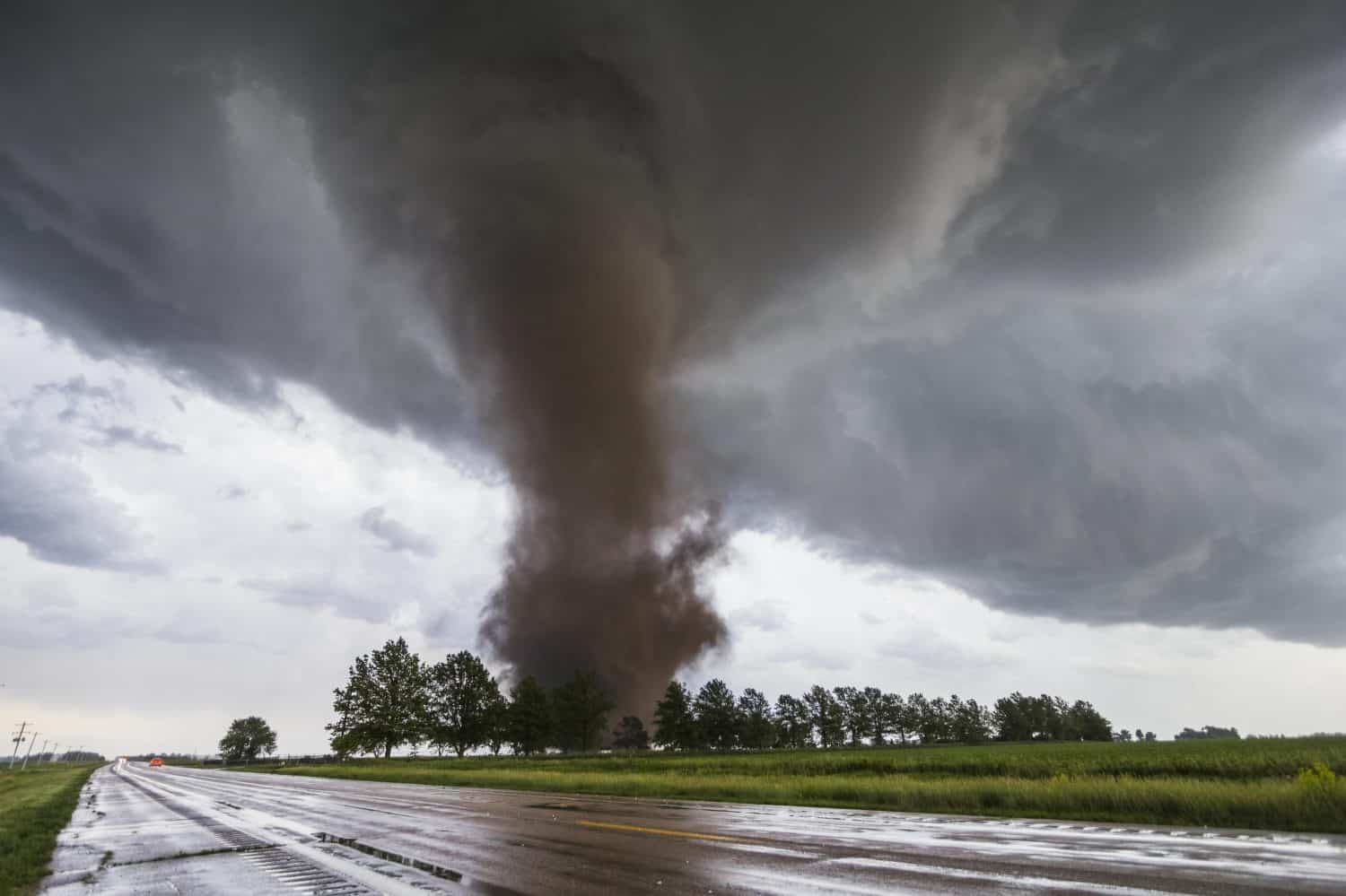
Tornadoes pose a serious threat in many areas across the United States, and in many areas around the world. So, understanding all that you can about these weather events (and potential natural disasters) is vital for your safety. By learning more about tornadoes, you can assess your risk level where you live and plan accordingly. The tips below can also provide concrete steps for you and your loved ones to make informed decisions and stay safe and secure during these powerful storms.
What Causes Tornadoes?
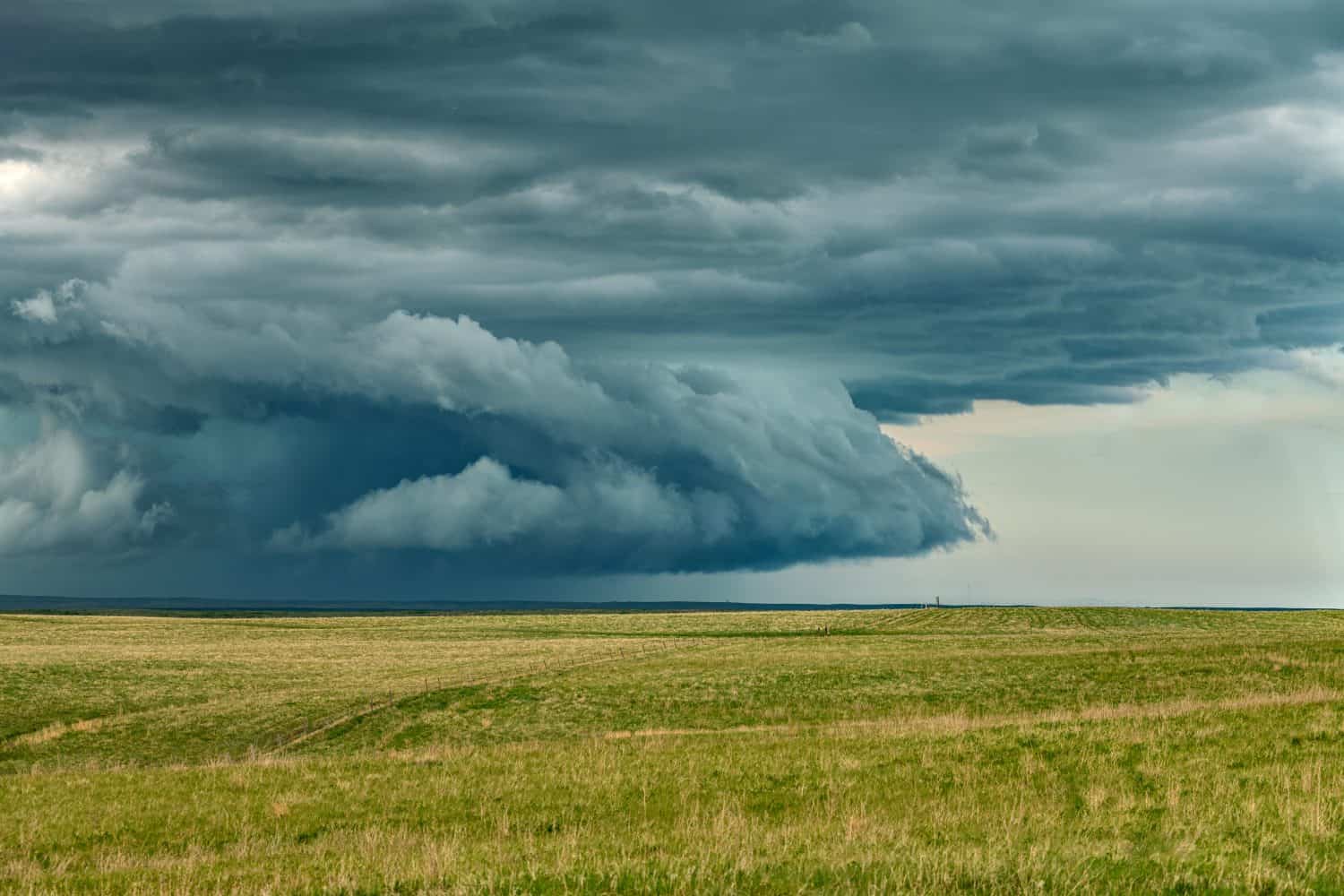
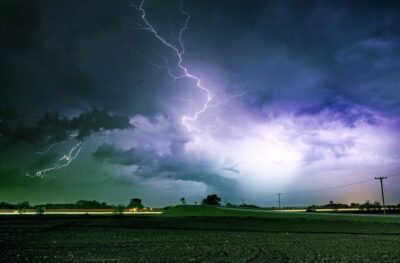
Supercells like this are a specific type of rotating thunderstorm that can give birth to tornadoes.
These rotating vortexes typically form within supercell thunderstorms when wind shear causes a rotating updraft called a mesocyclone. Some tornadoes can exceed a mile in width. A tornado can last for a few minutes to over an hour. It can settle over one place without moving much or rumble across the landscape at 30–60 mph. They are most likely to take place in a windy, relatively flat landscape in the rainy and stormy weather of spring and summer.
What Countries Have the Most Tornadoes?
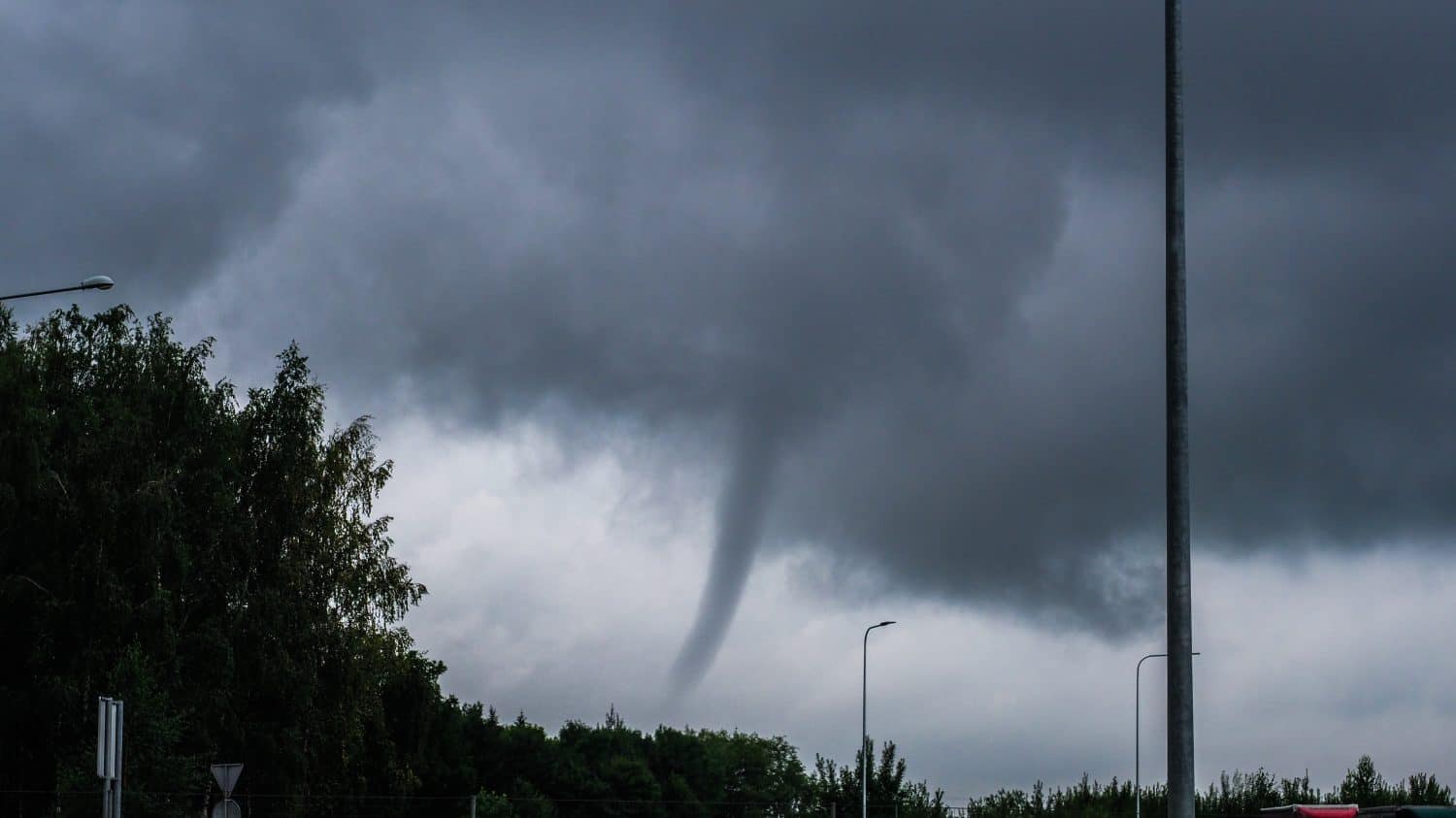
This is a rare occurrence of a tornado in Lithuania.
The United States has an average of 1,200 tornadoes each year: by far the most of any country. In fact, tornadoes in the U.S. make up between 65-75% of tornadoes worldwide. Neighboring Canada averages 80–100 tornadoes per year, some of which are EF2–EF3 strength. A second geographic region with concentrations of tornadoes is the so-called “Tornado Corridor” in South America, including parts of Argentina, Paraguay, Uruguay, and Brazil. Europe as a whole has about 300 tornadoes a year, with the most per land area concentrated in the United Kingdom. Australia suffers about 50 tornadoes a year. The deadliest tornadoes take place in Bangladesh, as they are similarly intense to tornadoes in the United States but occur in conditions of heavy population and inadequate medical care.
Which States Have the Most Tornadoes?
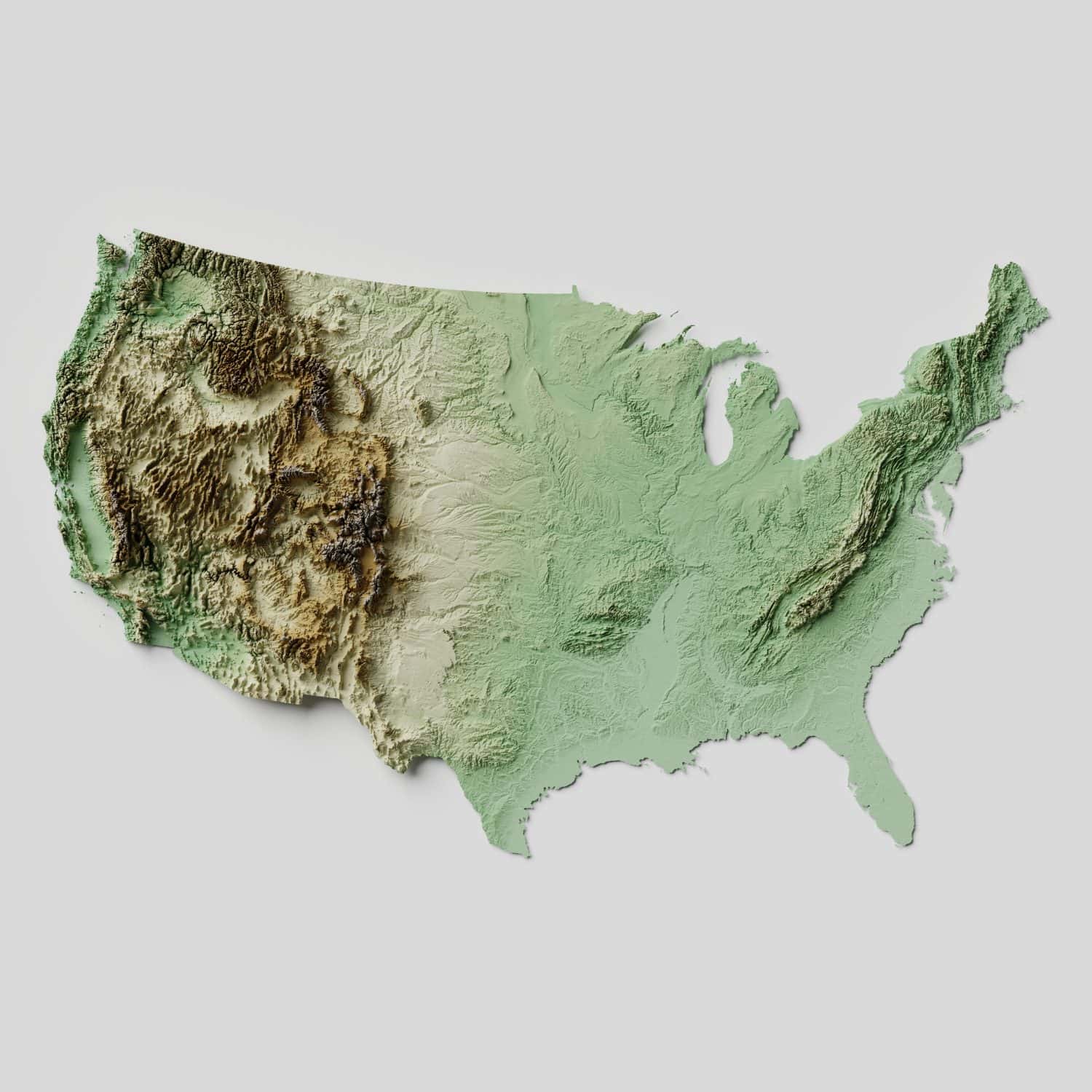
Cold and warm air collide over the broad plains of the midwestern United States, creating tornadoes.
Most tornadoes in the United States used to occur in “Tornado Alley”—a band of states in the center of the country with no clear geographical boundaries but usually including the Plains states from the Canadian border south through Texas, and from as far west as Colorado to as far east as Ohio. However, ‘Tornado Alley’ has shifted eastward in recent decades, with the South now seeing more deadly outbreaks. This area has ideal climactic and geographical conditions for the formation of big and frequent tornados.
The Midwest
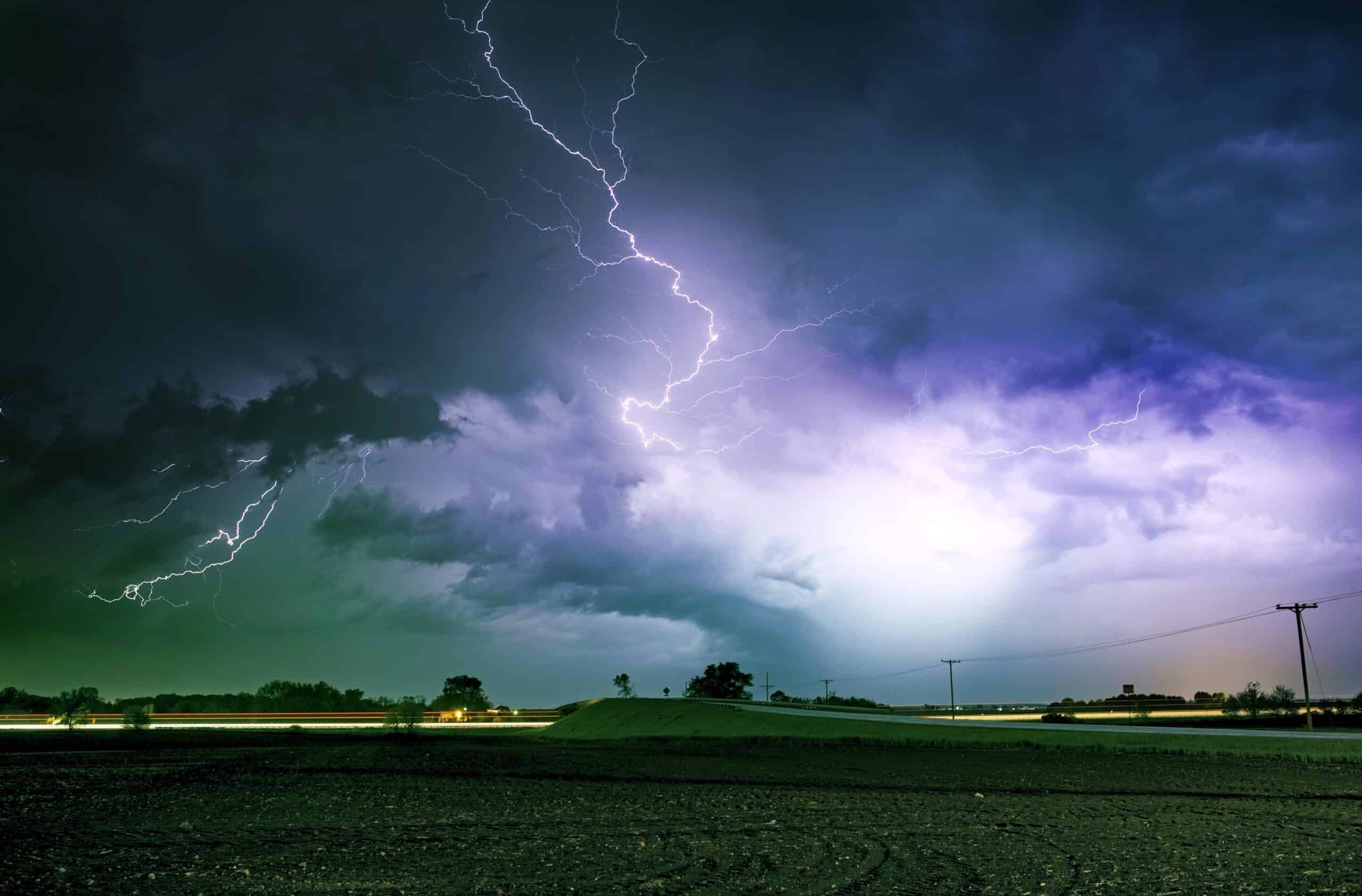
This tornado-spawning storm occurred in Illinois, considered part of “Tornado Alley.”
The Wizard of Oz seared Kansas in our minds as tornado country, and rightly so. Only Texas, a vastly larger state, has more tornadoes. Although the Great Plains are one of the most sparsely populated areas of the country, the region’s frequent tornadoes can still cause widespread damage, destroying crops, agricultural equipment, and infrastructure. The costs get passed along to all of us through higher insurance rates and food prices to cover these losses. According to NOAA’s 1991–2020 climatology, the Midwest states that face tornadoes include:
- Kansas: 91
- Illinois: 57
- Iowa: 52
- Missouri: 50
- Minnesota: 46
- Nebraska: 45
- North Dakota: 29
- South Dakota: 28
- Indiana: 27
- Wisconsin: 26
- Ohio: 23
- Michigan: 12
The South

Parishioners survey the damage to their church after a tornado in Alabama.
Sensational media references and Hollywood films about “Tornado Alley” can create a sense of complacency about the danger of tornadoes in other parts of the country. In fact, the American South is equally subject to frequent tornadoes, in part because the region is also a prime target of Atlantic and Caribbean hurricanes, which often spawn numerous tornadoes. The South gets nighttime tornadoes more frequently than other parts of the country, and this makes them more deadly as sleeping people don’t always hear alerts and sirens. Alabama has had some especially deadly storms over the years. But how many tornadoes does each state usually deal with?
- Texas: 125
- Florida: 66
- Alabama: 64
- Mississippi: 63
- Oklahoma: 57
- Louisiana: 45
- Georgia: 40
- Arkansas: 38
- North Carolina: 32
- Tennessee: 31
- Kentucky: 29
- South Carolina: 26
- Virginia: 21
- Maryland: 8
- West Virginia: 2
- Delaware: 1
The Northeast
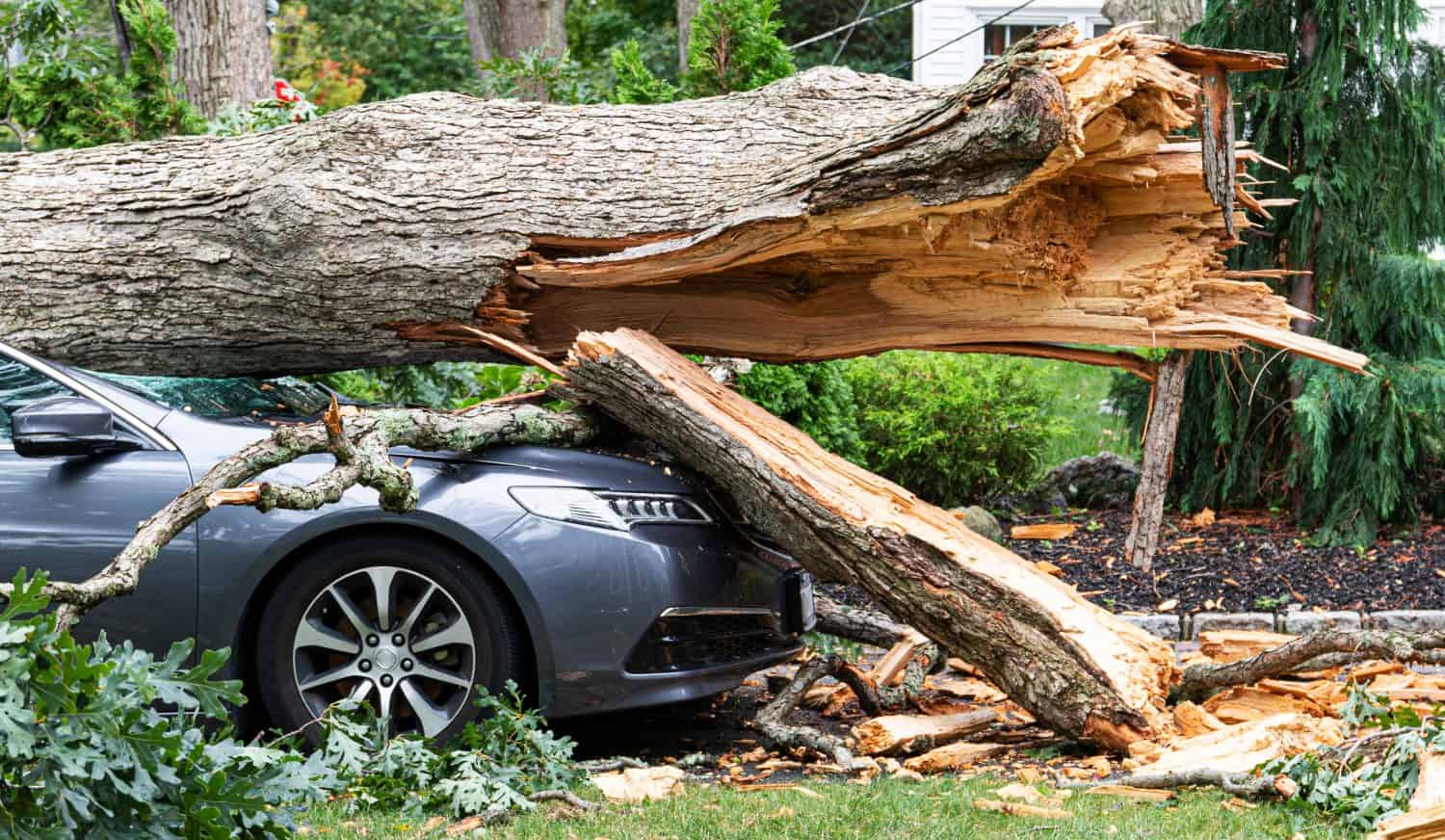
New York may seem an unlikely place for a tornado, but as this resident of Long Island discovered, they do happen there on occasion.
The Northeast is the area with the fewest tornados, but Pennsylvania and New York, the largest states in the region, do hold the lion’s share when they occur. The region occasionally suffers a tornado-spawning hurricane, or the after-effects of one that travels up the coast from the South. Rhode Island is the only state that averages zero tornadoes a year. They have occurred there, but so infrequently that in an average year there is unlikely to be one. On average each year, the following states experience tornadoes:
- Pennsylvania: 16
- New York: 9
- C0nnecticut: 2
- Maine: 2
- Massachusetts: 2
- New Jersey: 2
- New Hampshire: 1
- Vermont: 1
- Rhode Island: 0 (1 hits roughly every 7–10 years)
The West
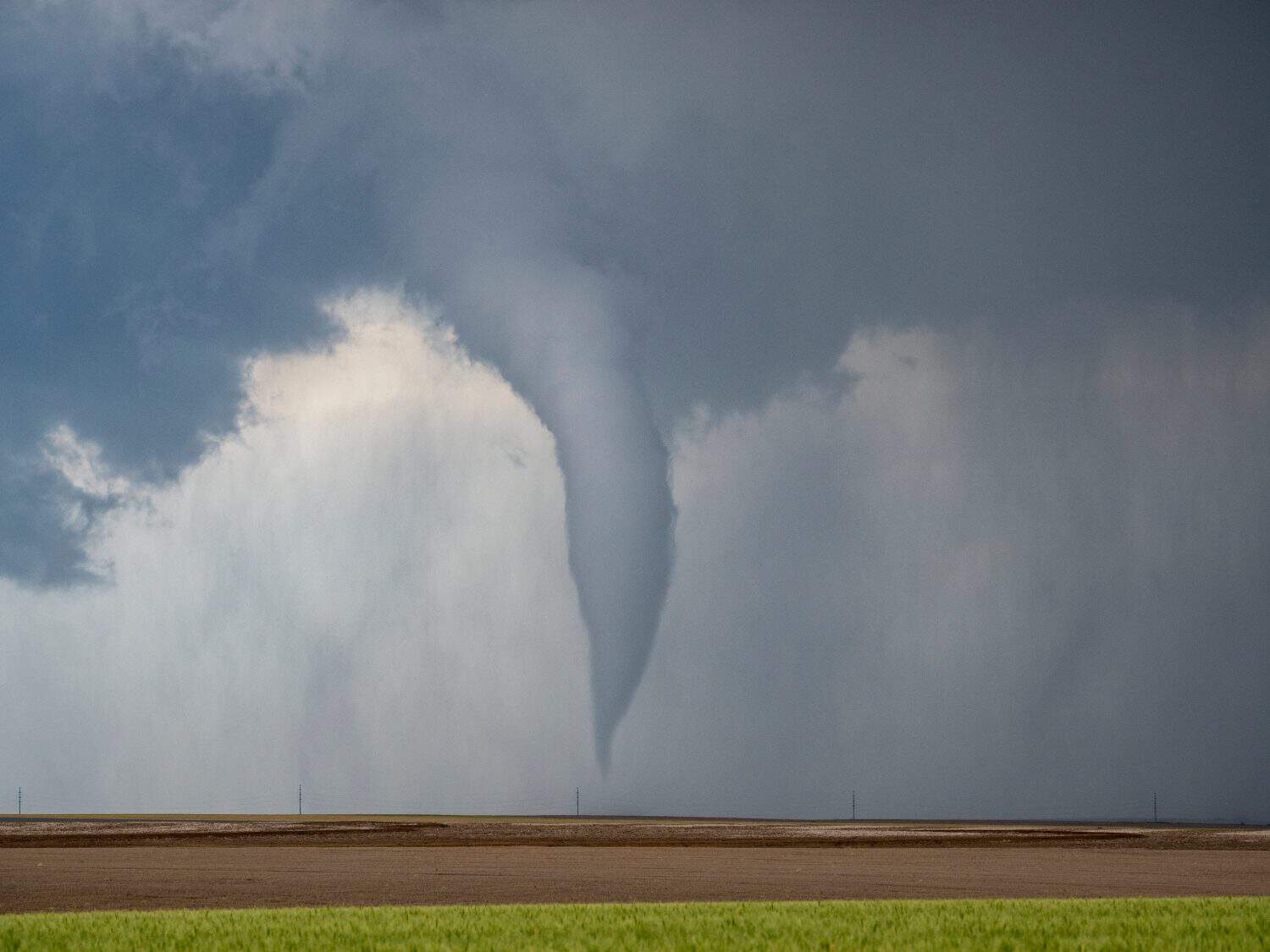
The Prospect Valley tornado touched down in Colorado in 2018.
In the West, Colorado gets by far the most tornadoes. If your mind immediately goes to the Rocky Mountains when you think of this state, keep in mind that the eastern half of it is a plain just like neighboring Nebraska and Kansas. Tornadoes do happen in the mountains as well, though. In Wyoming, for example, a strong tornado touched down and crossed the Continental Divide in Yellowstone National Park. You might be surprised to see Alaska on the list at all. Though rare, there have been documented cases of tornadoes there, including photos of one touching down on a mountain peak. Here are the average tornado counts:
- Colorado: 60
- New Mexico: 9
- Wyoming: 9
- California: 8
- Arizona: 5
- Montana: 5
- Idaho: 3
- Washington: 3
- Nevada: 2
- Oregon: 2
- Utah: 2
- Alaska: 1
- Hawaii: 1
Take These Tornado Tips
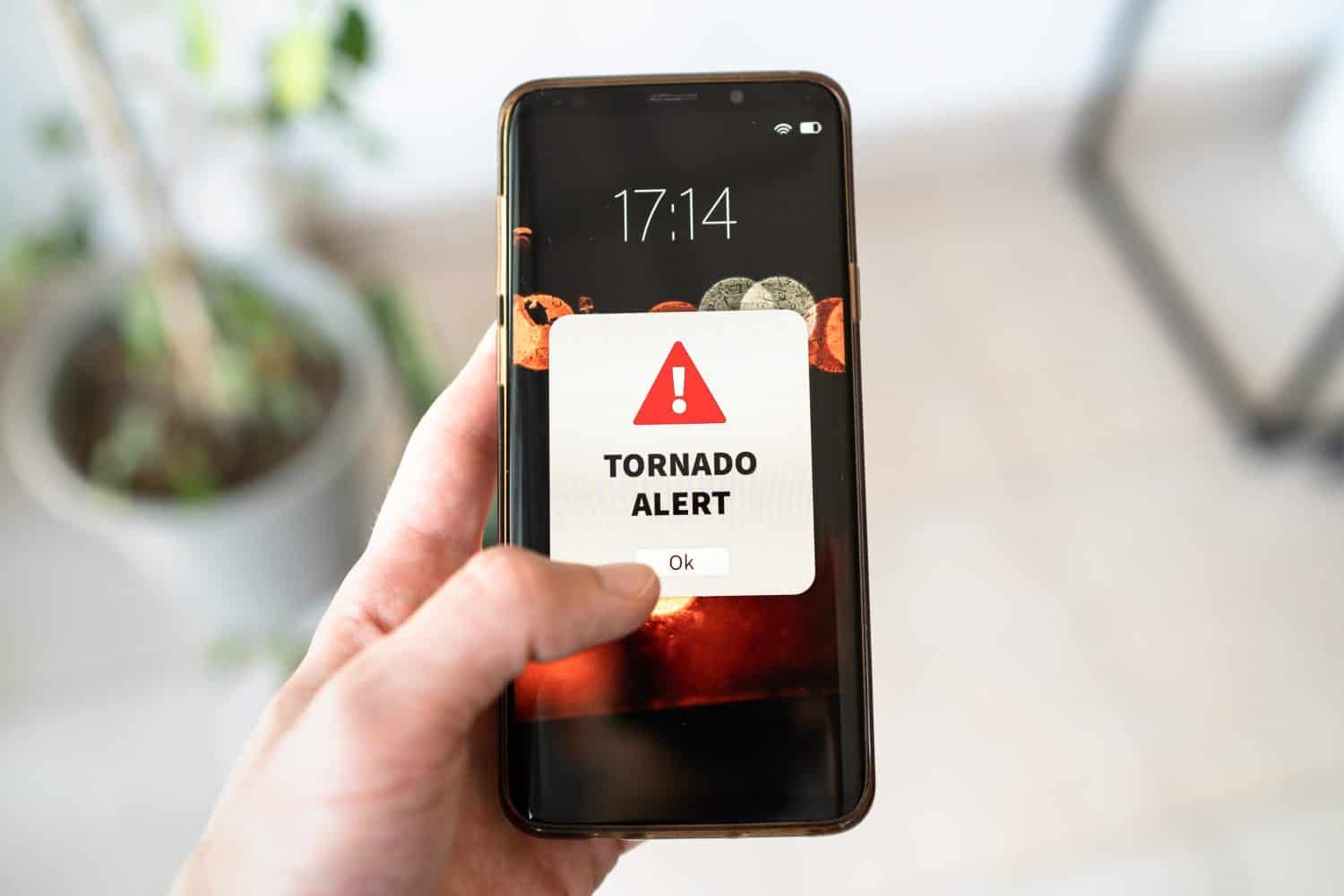
Even if you’ve lived in tornado country all your life, don’t get complacent about tornado watches and warnings.
There’s no need to live in terror of tornadoes, but there’s no need to be caught completely unprepared, either. Knowledge and preparation can help ease your mind, knowing you have done all you can to get ready for a worst-case scenario that, with any luck, will not actually come to pass.
Tips: Before a Tornado

It’s smart to set aside some emergency supplies not only for a tornado but for any number of other kinds of emergencies.
- Install a free weather app on your phone to alert you of severe weather events.
- Memorize the difference between a tornado watch (a tornado is possible) and a tornado warning (a tornado is near). Maybe this will help you remember: if a police officer is watching you, keep doing what you’re doing, but be careful. If the police officer is warning you, immediately do something different, or you’re going to be in real trouble.
- Store bottled water, non-perishable food, a backup phone battery, a battery-powered radio, and necessary medications in your shelter.
- Keep essential documents backed up electronically and/or in hard copies in a waterproof container in your shelter.
- Practice tornado drills with your family and pets. Do not search for pets during a tornado, as you may have only seconds to get to safety.
Tips: During a Tornado
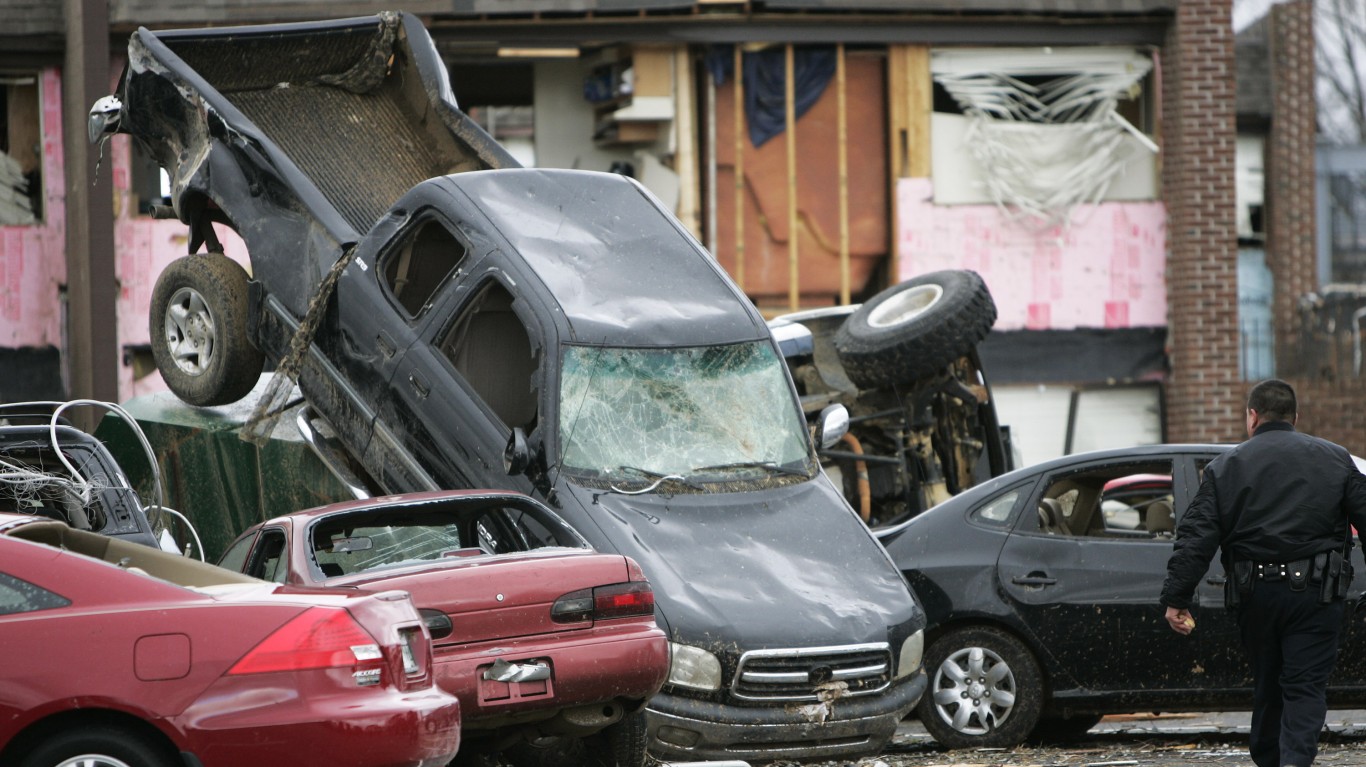
It is not at all safe to stay in your car during a tornado.
- Take shelter in a basement or storm shelter. If you don’t have one, take refuge in the lowest level of your house in a small windowless room.
- If you are driving, it is not safe to stay in your car. The wind can get under the vehicle and roll it or fling it airborne.
- Get out of the car and run to a sturdy building. If no structures are nearby, lay down in a low-lying area like a ditch. If there is absolutely no time to abandon the car, then tighten your seat belt, get down as low as possible, and cover your head.
- Never take shelter under a highway overpass. It acts as a wind tunnel that accelerates the speed and force of the wind.
Tips: After a Tornado
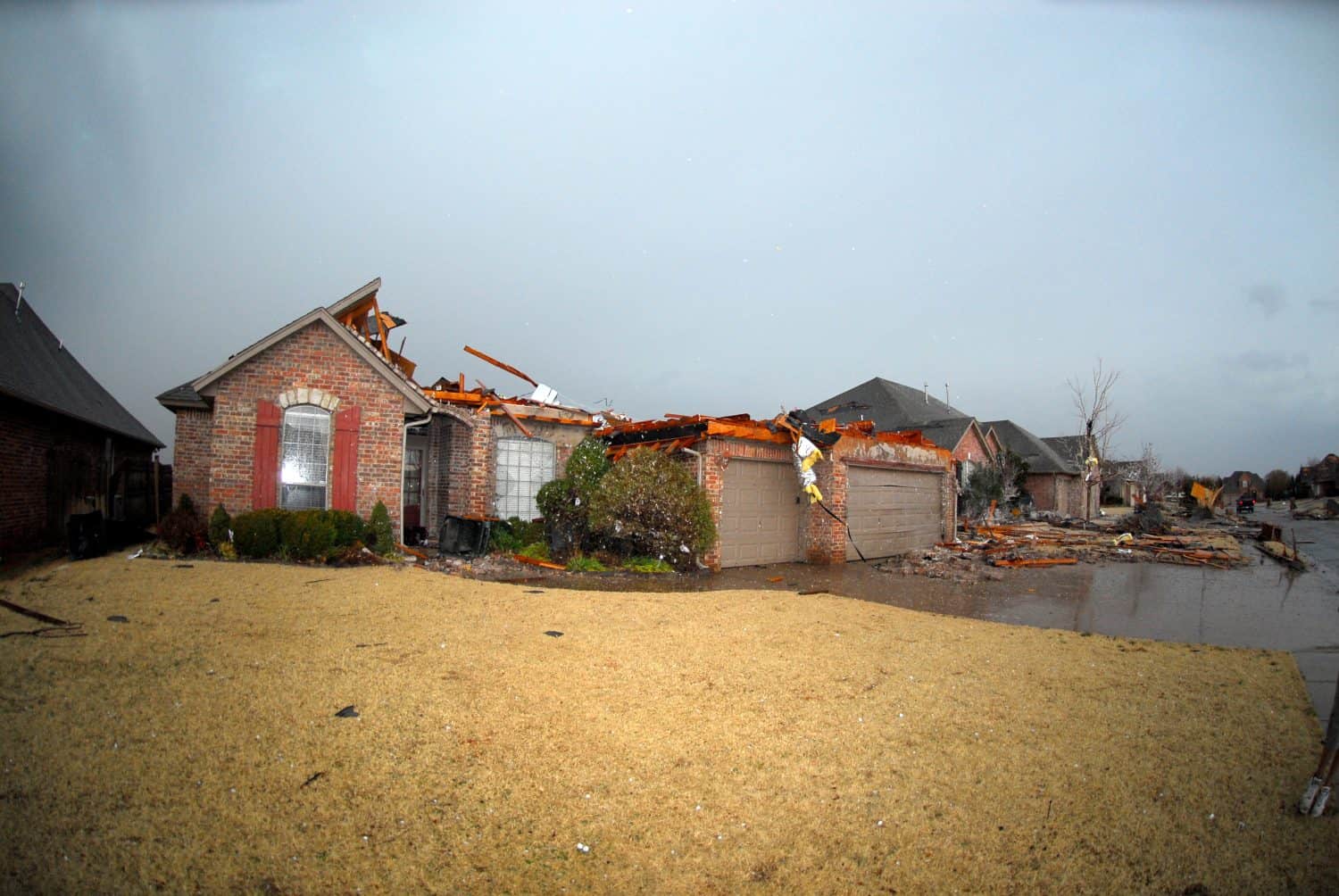
Falling debris, gas leaks, and exposed power lines are some of the life-threatening hazards to avoid in a tornado-damaged neighborhood.
- Follow all instructions of emergency personnel. Even if your home is not damaged, it may be necessary to evacuate because of the danger of gas leaks or other hazards in nearby homes.
- Once evacuated, do not return to your home until officials have given the all-clear.
- Be alert to the possibility of gas leaks, downed power lines, falling debris, and sharp nails and glass on the ground.






 Top Gaining Stocks
 Top Losing Stocks