


The Boeing surge demonstrates that bad publicity may not affect share price movement at all. No company that is a component of the Dow could have gotten worse press. And the launch of the 787 Dreamliner could hardly have gone worse. The front pages of most papers and online news sites blasted Boeing for releasing a plane with faulty batteries, which at one point was grounded for safety concerns. And, for good measure, Boeing suffered more negative public opinion in some quarters because of its battle with one of its unions.
However, earnings and forecasts apparently trump headlines. Early in December, Boeing showed its financial stability by raising its dividend by 50% and authorizing a $10 billion share buyback. Just weeks before, Boeing reported earnings and said revenue rose 11% to $22.1 billion. Earnings per share rose 12%, compared to the same quarter a year ago, to $1.51 per share. To further brighten investor sentiment, Boeing reported:
GAAP earnings per share guidance increased to between $5.40 and $5.55, reflecting the strong performance. The company also increased its 2013 operating cash flow outlook to greater than $7 billion, which includes $1.5 billion of discretionary pension contributions, and reaffirmed its 2013 revenue guidance.
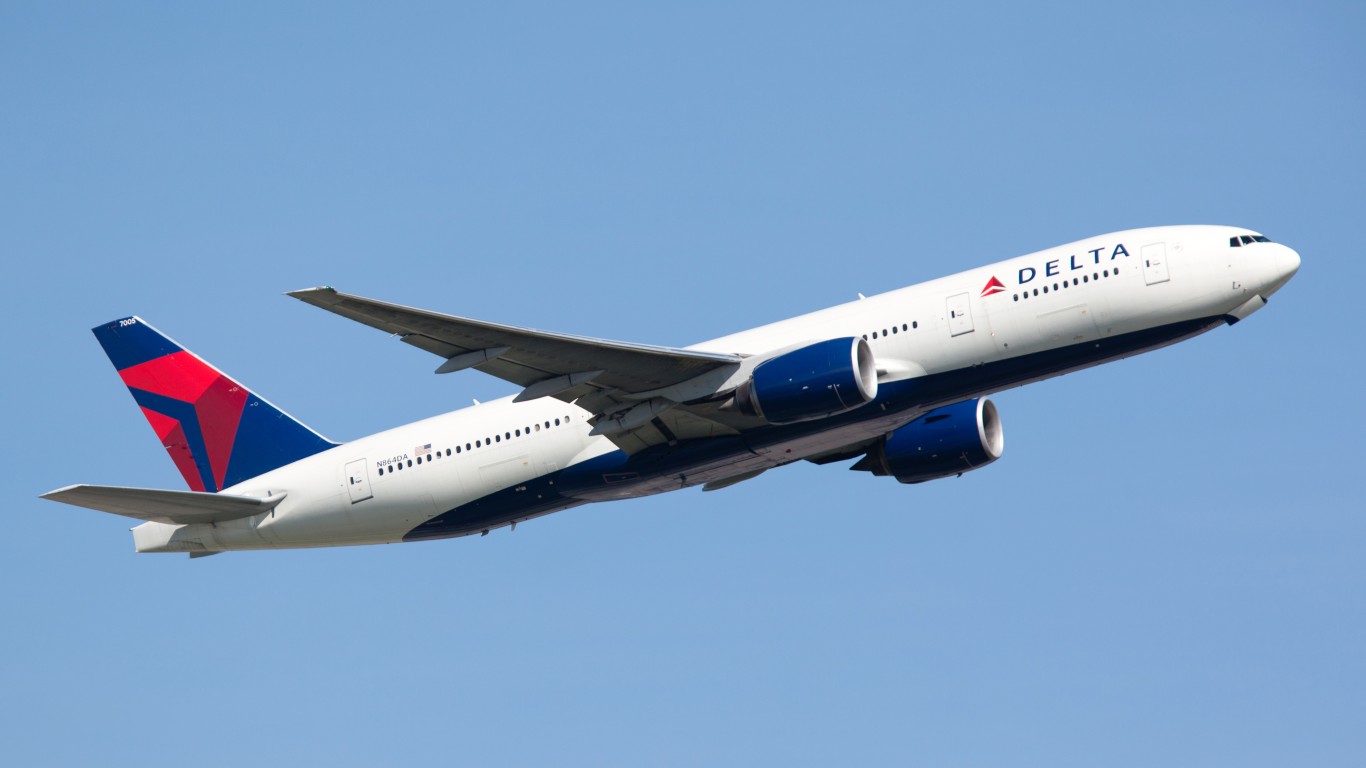
Boeing has continued to forecast that airplane deliveries will remain on the rise between this year and 2032, driven particularly by demand in Asia:
We forecast a long-term demand for 35,280 new airplanes, valued at $4.8 trillion. We project that 14,350 of these new airplanes (41 percent of the total new deliveries) will replace older, less efficient airplanes, reducing the cost of air travel and decreasing carbon emissions. The remaining 20,930 airplanes will be for fleet growth, stimulating expansion in emerging markets and innovative airline business models. Approximately 24,670 airplanes (70 percent of new deliveries) will be single-aisle airplanes, reflecting growth in emerging markets such as China, and the continued expansion of low-cost carriers throughout the world. Widebody share will also increase, from 23 percent of today’s fleet to 24 percent in 2032. The 8,590 new widebody airplanes will allow airlines to continue expansion into more international markets.
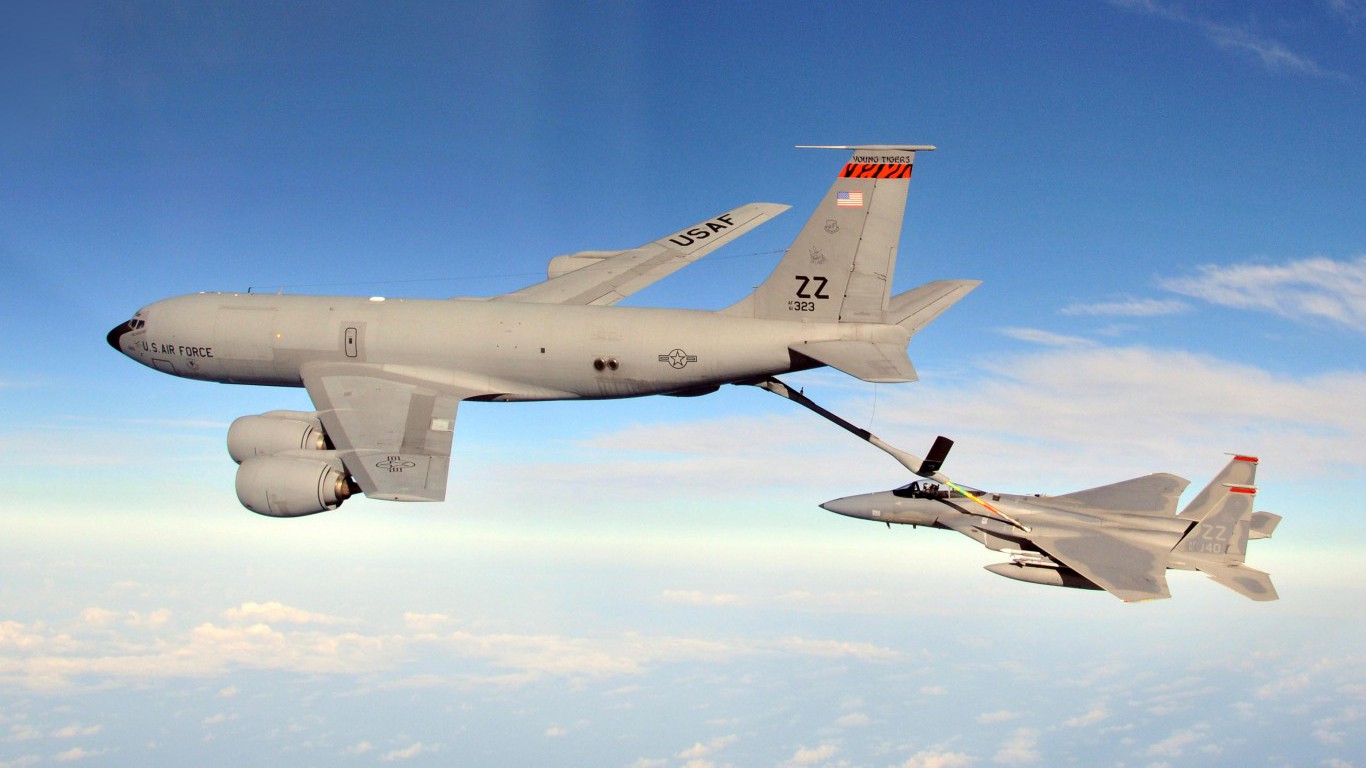
Finally, Boeing’s other major business — defense — has not been undermined by cuts in U.S. spending in the sector — yet.
For all the bad news about Boeing, it continues to be a substantial revenue machine. And, if anything, its market is growing.







 Top Gaining Stocks
 Top Losing Stocks