


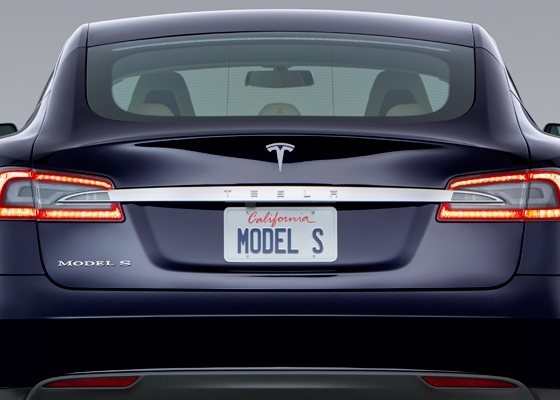
In a post on the FTC’s Competition Matters blog, three FTC staff directors argue that state laws prohibiting direct automobile sales by manufacturers to consumers is “bad policy.” And they say why: “Regulators should differentiate between regulations that truly protect consumers and those that protect the regulated.”
While the blog post does not reflect official FTC policy, it does offer a hint at which side the FTC may come down on. The money paragraph is this one:
FTC staff have commented on similar efforts to bar new rivals and new business models in industries as varied as wine sales, taxis, and health care. We have consistently urged legislators and regulators to consider the potential harmful consequences this can have for competition and consumers. How manufacturers choose to supply their products and services to consumers is just as much a function of competition as what they sell — and competition ultimately provides the best protections for consumers and the best chances for new businesses to develop and succeed. Our point has not been that new methods of sale are necessarily superior to the traditional methods — just that the determination should be made through the competitive process.
Tesla has been banned from selling its cars directly to consumers in Texas, New Jersey, Maryland, Arizona and Virginia. It only allowed to make sales with restrictions in some other states.
Because Tesla must contest its direct sales model in virtually every state, investors are beginning to wonder if the company can afford to support the lobbying and legal costs out of sales of just 35,000 cars in 2014.
The stock price is also suffering from a cooling of enthusiasm for momentum stocks. Since posting a 52-week high of $265 a share in late February Tesla’s stock price has dropped nearly 25% to close on Friday at $199.85. The 52-week low is $51.20. Even with that recent downturn, however, Tesla stock is up nearly 290% over the past 12 months.





 Top Gaining Stocks
 Top Losing Stocks