


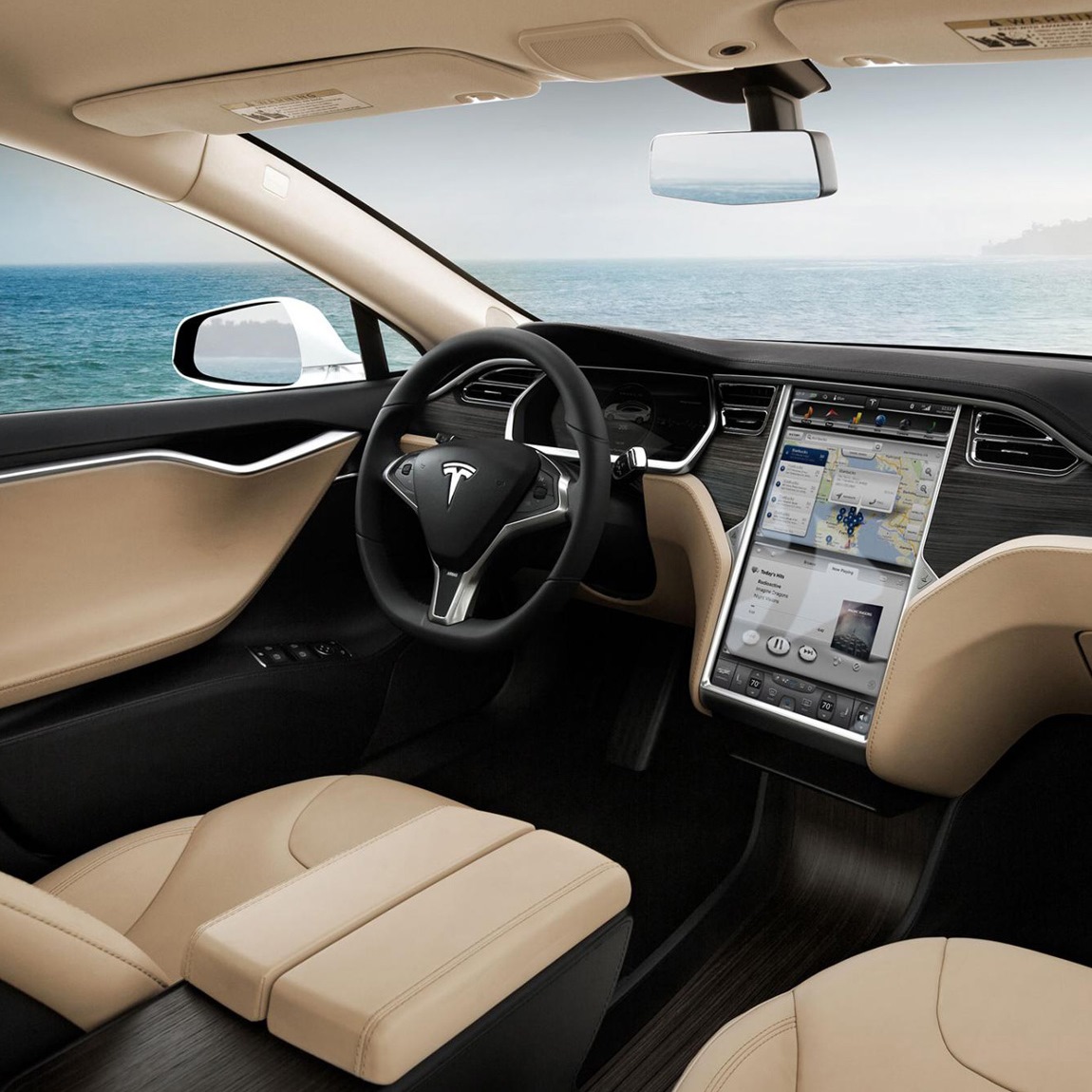
Ironically, Volkswagen, the world’s most troubled and largest car company, said the way out of its diesel debacle is to move more quickly to an electric-powered engine platform. While other large, global manufacturers have slowly started to compete with Tesla, VW will enter the sector aggressively, out of desperation. If its electric plan begins to succeed, corporations like GM and Toyota Motor Corp. (NYSE: TM) will ramp up R&D and product planning. These manufacturers can afford to be behind Tesla in electric car technology advances. They cannot afford to be behind VW.
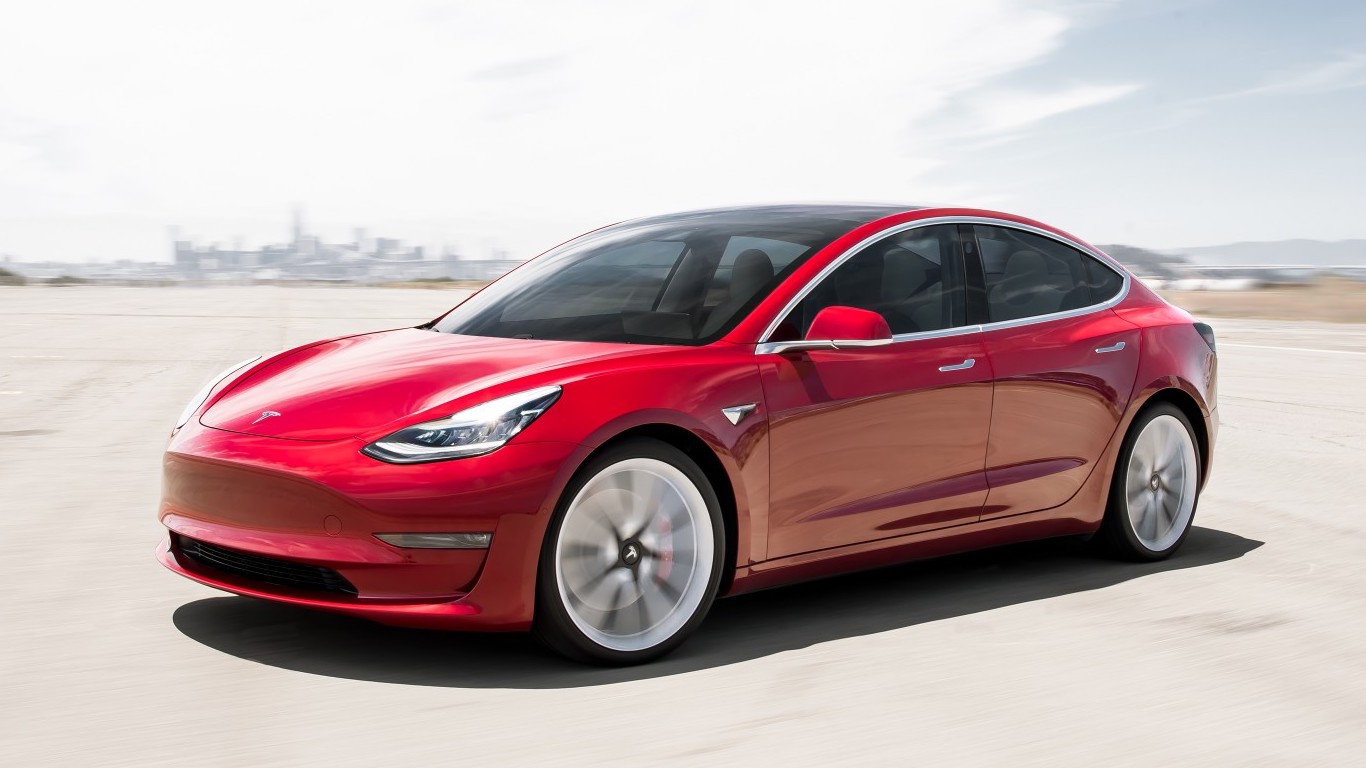
Among the criticisms of Tesla is that it has been slow to release moderately priced cars. The Model III, which should be priced at under $40,000, will be released within a year. One of the worries about its introduction is that Tesla production facilities may be too limited to match what may be brisk demand. If customers turn to other electric cars, even if the auto press and Wall Street analysts believe these are inferior, Tesla will have lost its first-mover advantage. As people get into the habit of buying products from other manufacturers, it will be hard to sell them a Tesla, and harder still to get these customers to change their buying patterns. If an average car is held by the owner for several years, that person is taken out of the pool of electric car buyers, and Tesla’s pool of potential buyers.
Tesla has started to lose it timing advantage, which it might have held for several years as slothful large car companies lumbered into the sector. Worry about Tesla’s success and the terror among VW management will change those habits quickly.






 Top Gaining Stocks
 Top Losing Stocks