


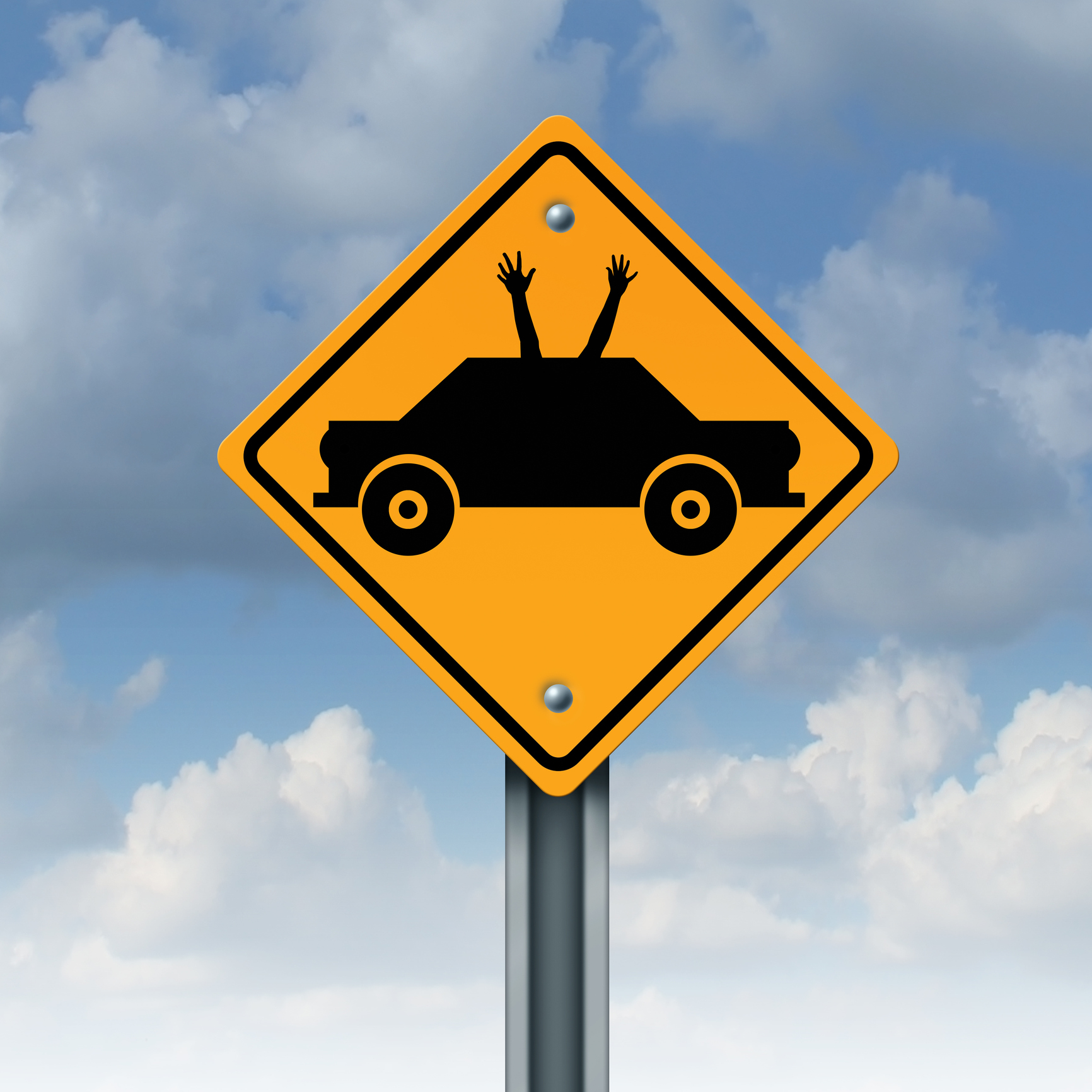
Two-fifths of Americans expect vehicles equipped with automated driving systems with names like Autopilot, ProPilot and Pilot Assist to be able to drive without any human intervention. That belief is not even close to what today’s partly self-driving technology is capable of.
Partly that’s due to the amount of attention autonomous (self-driving) systems get as the next big thing. It’s also due in part to the names these systems are marketed under. A name like “Autopilot” conjures up an image of a vehicle with a single switch that puts the car into self-driving mode, leaving the driver free to do other things.
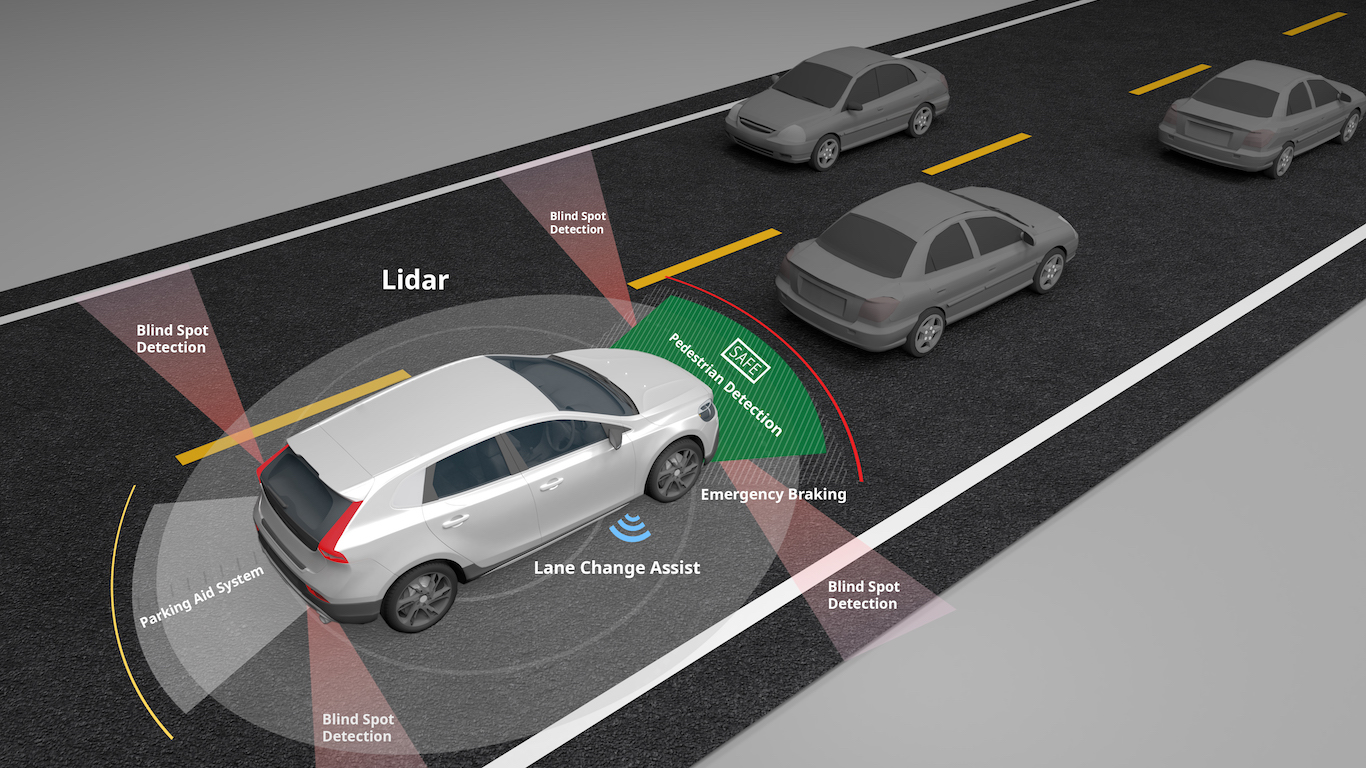
AAA researchers tested three well-publicized autonomous driving systems to find out how vehicles equipped with today’s partially autonomous systems perform in conditions that are common on public roads.
AAA director of automotive engineering and industry relations, Greg Brannon, commented:
Both real-world and closed-course testing exposed separate yet equally serious limitations with these systems. It reinforces that there is still much work to be done to educate consumers on the nuances between system names and functionality and that it is much too early to refer to these vehicle technologies as automated.
[nativounit]
Autonomous systems fall into six categories, or levels from 0 to 5. Systems that are currently available have reached level 2, which AAA describes as “Partial driving automation through one system that controls steering to maintain lane position and forward motion to maintain either a set speed or appropriate following distance. Driver must remain engaged and perform driving tasks.”
The AAA researchers found that in closed-course driving, level 2 autonomous driving systems performed according to expectations. In real-world testing, they performed best on open freeways and freeways with stop and go traffic. The systems were “challenged on freeways with moderate traffic and by urban driving along surface streets.”
The upshot of the testing is that today’s autonomous driving systems are not capable of taking full control of the vehicle. They stumble over real-world conditions like poor lane markings, unusual traffic patterns and stationary vehicles.
AAA’s Brannon warns consumers not to take vehicle system names at face value: “Vague or confusing terminology may lead someone to overestimate a system’s capability, unintentionally placing the driver and others on the road at risk.”
The AAA report, which includes a clear explanation of the six levels of autonomous driving, is available at the organization’s website.
[recirclink id=505500]
[wallst_email_signup]






 Top Gaining Stocks
 Top Losing Stocks