


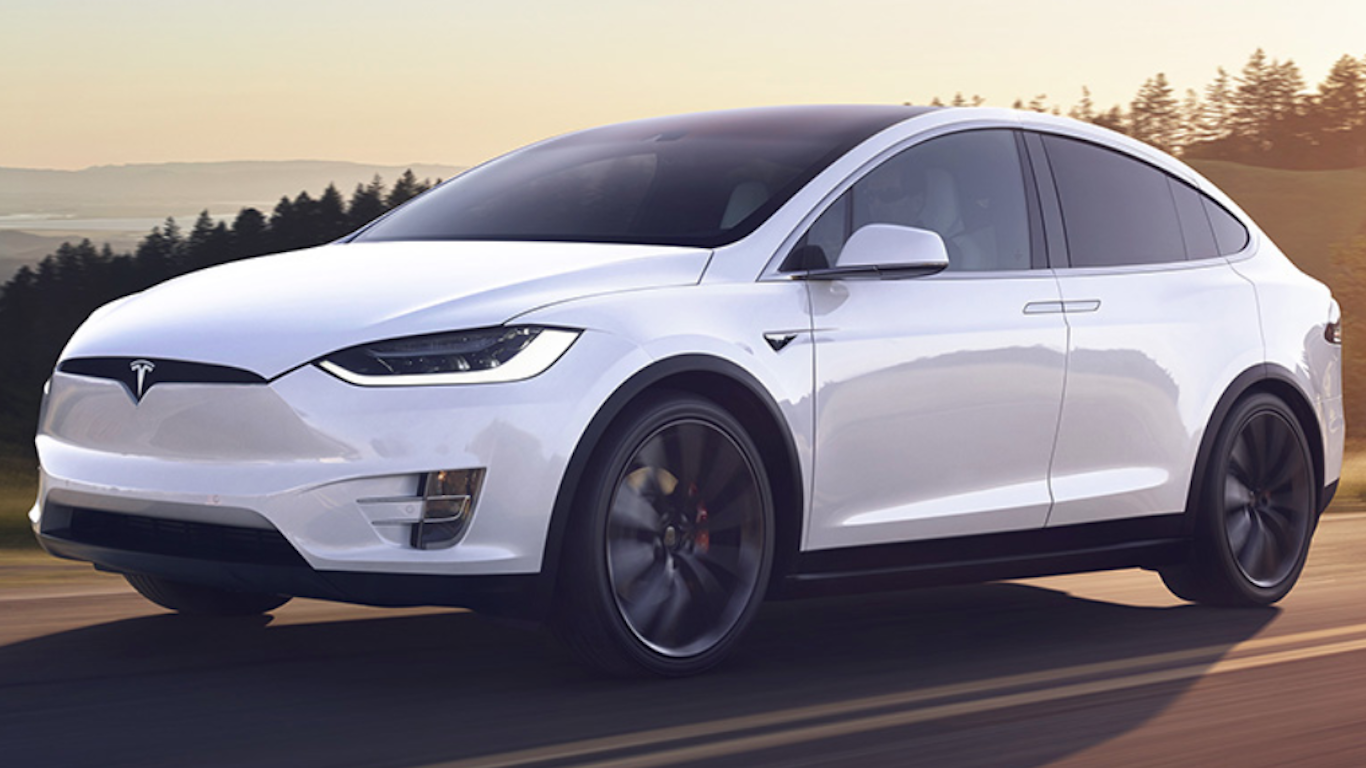
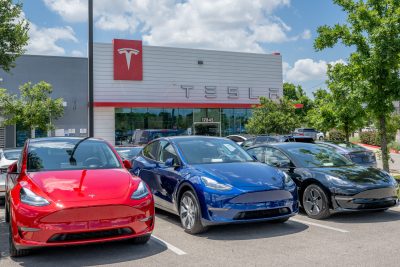
Tesla Inc. (NASDAQ: TSLA | TSLA Price Prediction) produced 500,000 cars last year and sold slightly fewer. By major manufacturers’ standards, the figure remains small. Volkswagen sold over 10 million cars and light trucks over the same period.
Tesla’s success, particularly in the stock market, has pushed all large car companies in the world to commit to tens of billions of dollars in electric vehicle (EV) development. Some have even promised that their entire fleet of new models will be electric in 10 to 15 years. The success of this, financially, gets drawn from data that shows as many as 20 million EVs will be sold in 2030. However, some research shows that car companies should not be sanguine about those EV sales figures.
The marketing proposition for EVs is that they are environmentally friendly. That is, the more they replace gasoline and diesel, the cleaner the world’s air will be. Additionally, EVs have fewer parts than gasoline-powered cars, which might mean they are less likely to break down. A less powerful claim is that electricity costs less than gasoline when measured by cost per mile driven. That assumes that electricity prices and gas prices will hold where they are today. Based on the fluctuation in electricity and gas costs over the past several decades, that seems a risky gamble.
As it turns out, people who own electric cars may drive them only half as many miles as people who own gas-powered cars. People who buy EVs often find they are poor substitutes for the gas-powered cars they owned.
[nativounit]
A paper titled “Electric Vehicle Owners Drive Less Than We Thought” from the Energy Institute at Haas states, “…households may not yet view EVs as a good substitute for their gasoline-powered cars and that, unless there are major improvements in EV technology, regulators and policy-makers have more work to do to convince drivers to abandon their gasoline-powered cars for EVs.”
Further, the research shows EV owners drive their cars about 5,300 miles a year, which is half the average miles driven by owners of gas-powered cars. The primary reason may be that while places to fill a car with gas are plentiful, places to charge a car are not.
A great deal is a stake. First, Tesla is the most valuable car company by far as measured by market capitalization. At $766 billion, it is worth more than Walmart, Berkshire Hathaway or JPMorgan. It is also worth more than the next six most valuable car companies combined on that basis.
The second shock to the entire industry’s system is that if car companies do spend tens of billions of dollars in research, product development and marketing, that money may not find a return.
Tesla expects its sales to rise another 50% this year. That would still make it a relatively small manufacturer by global industry standards. Moreover, there appear to be reasons that demand could flatten, which in turn would upend the entire industry and with it Tesla’s future.
[recirclink id=839643]
[wallst_email_signup]






 Top Gaining Stocks
 Top Losing Stocks